
We had been planning our honeymoon for nearly two years. After the stress of a massive wedding, the logistics of guest lists, and the emotional toll of family politics, the idea of ten days in a remote cabin in the Pacific Northwest was our beacon of hope. My husband, Mark, and I had worked tirelessly to renovate our first home—a modest but beautiful bungalow—prior to the nuptials. We left the keys with a trusted neighbor to water the plants, explicitly telling Mark’s parents that we would be completely unreachable, digitally and physically, for the duration of our trip.
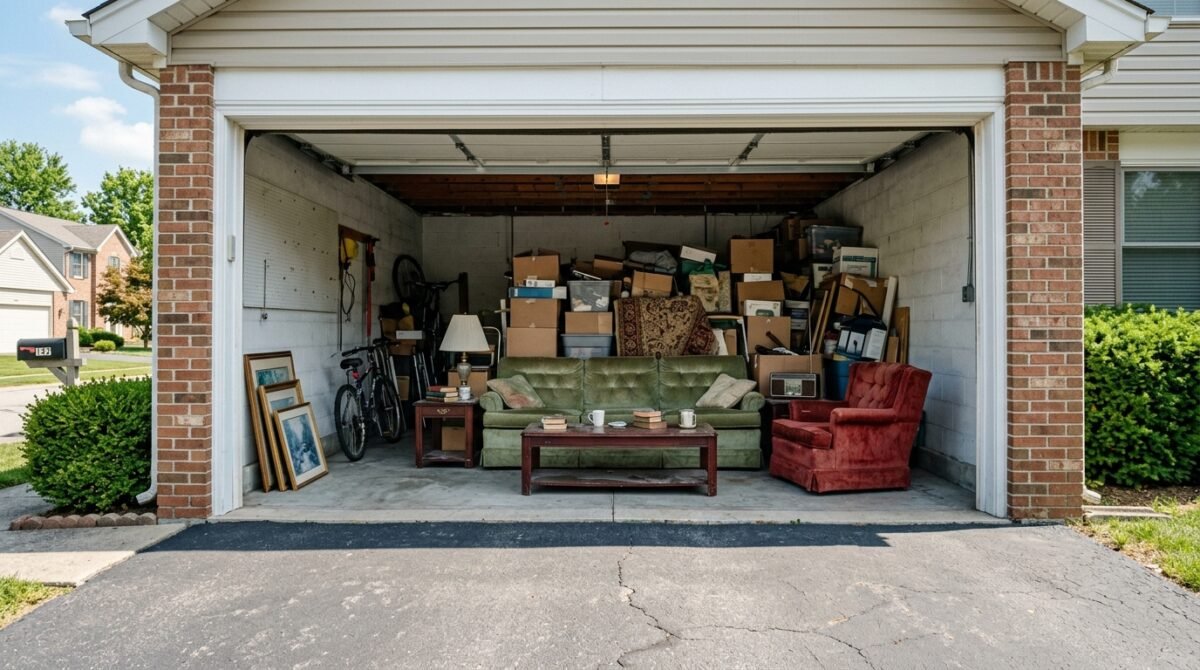
We expected to return to a clean, quiet home. Instead, what greeted us was a scene of absolute, calculated insanity. As I pulled the garage door opener, I expected the hollow echo of an empty space. Instead, the door struggled to lift, grinding against a wall of fabric and wood. My stomach dropped. I realized immediately that this wasn’t an accident or a misunderstanding; it was a hostile takeover of our private property.
The sheer audacity of what we found in our garage—a complete living room suite belonging to Mark’s parents, complete with mismatched floral cushions and a heavy, dated hutch—felt like a physical assault. It wasn’t just furniture; it was a power move, a declaration that their comfort superseded our boundaries. They had effectively treated our home like a storage locker while we were away, assuming we wouldn’t notice or wouldn’t dare to protest.
As Mark stood beside me in the driveway, his face drained of color, the initial shock began to crystallize into a cold, hard anger. This wasn’t the first time they had pushed, but it was the most egregious. The honeymoon was officially over before we even stepped inside, replaced by a cold, hard realization about the people we had tied our lives to. The following days would become a battle of wills, testing the very foundation of our young marriage.
The Grinding Sound of Betrayal
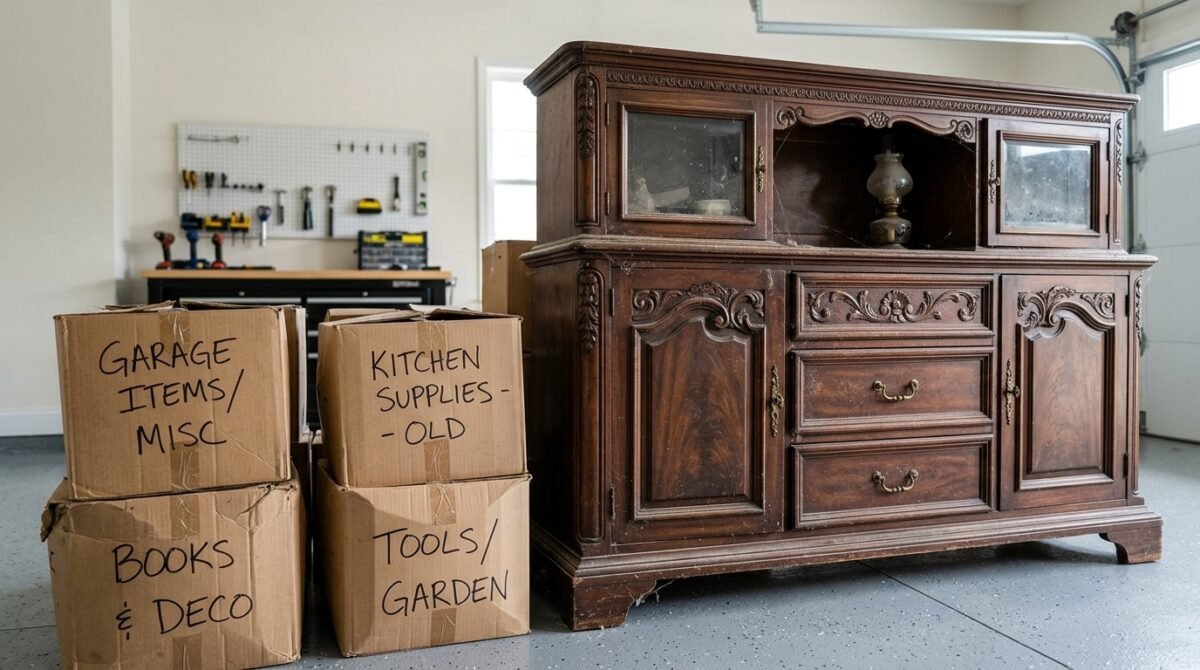
When the garage door finally cleared the threshold, the sight was surreal. Mark’s childhood living room furniture—the very set I had heard him complain about for years—was packed tight against our pristine garage walls. There were stacks of dusty books, a moth-eaten rug, and a heavy, ornate lamp that I remembered seeing in his parents’ basement since we started dating. It was a chaotic, claustrophobic display of entitlement that made my blood run cold.
Mark stepped forward, his voice trembling as he touched the velvet fabric of his mother’s sofa. He looked at me, his eyes wide with a mix of disbelief and deep-seated embarrassment. He couldn’t fathom why they would do this, but I could. It was an invasion, plain and simple. They knew we were gone, they had access to our spare key, and they clearly felt that their need to ‘redecorate’ their own home justified turning our space into a dumping ground.
“Mark, look at this. They didn’t just move a chair. They moved their entire living room. They literally treated our home like their personal storage unit while we were thousands of miles away.”
— Me, the moment of discovery
We spent the first hour just wandering through the clutter, finding bizarre items tucked into the drawers of the hutch. There were old tax documents, family photos, and even a half-eaten box of crackers that had clearly been sitting there for days. Every item I picked up felt like a violation of our personal sanctuary. We were supposed to be basking in the afterglow of our honeymoon; instead, we were cataloging the debris of our in-laws’ lives.
The silence in the garage was heavy. I realized then that my husband was struggling to reconcile the parents he loved with the people who had just committed this act of blatant disrespect. He kept repeating that it must be a ‘temporary mistake,’ but the precision with which they had organized the boxes told a different story. This wasn’t a mistake; it was a planned move.
I took out my phone and dialed his mother. The call went straight to voicemail, but I didn’t care. I left a message that was cold, direct, and warned her that this furniture had exactly twenty-four hours to be removed before it ended up on the curb. My hands were shaking, not just from the adrenaline, but from the realization that the ‘good daughter-in-law’ act was over.
The Sunday Morning Confrontation
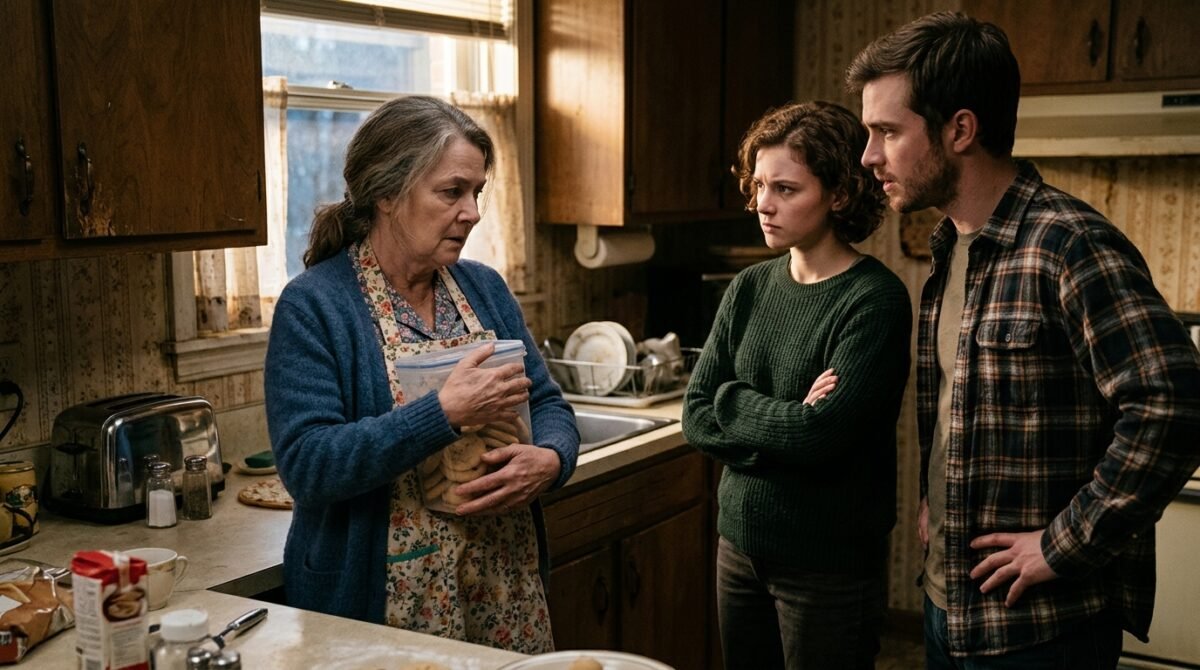
We didn’t have to wait for the voicemail to be heard. The next morning, before we had even finished our coffee, there was a frantic knocking at our front door. Mark’s mother, Martha, stood on our porch with a look of feigned innocence, holding a Tupperware container of cookies as if that would somehow make the entire situation vanish.
She didn’t even acknowledge the garage. She walked straight past us into the kitchen, acting as if she owned the place. When Mark finally asked her why our garage was full of her junk, she laughed it off, suggesting we were ‘overreacting’ to a small favor she had done for herself while we were away. She claimed the house was being painted and she just ‘didn’t know where else to put her things.’
“We are having the house painted, Mark. It’s not a big deal. We thought we were being helpful by keeping it safe in your garage. You have all that extra room anyway!”
— Martha, the mother-in-law
I felt a vein pulsing in my forehead. The audacity of her tone—the way she dismissed our autonomy—was infuriating. I stood my ground, my arms crossed, watching as Mark struggled to find the right words. It was clear that he had never been the one to set boundaries with her, and she was counting on that. She expected us to be the polite couple who would just deal with the inconvenience.
I stepped between them and the living room, my voice low and steady. I told her that our garage was not a storage facility, and the fact that she had entered our property without explicit permission was a major violation of our trust. Her expression shifted from fake-pleasant to defensive in an instant. She looked at me like I was a child reprimanding a parent, which only fueled my resolve.
Mark finally found his voice, telling her that if the furniture wasn’t gone by the end of the day, we would be hiring a hauling service to take it to the local charity shop. Her jaw dropped. She couldn’t believe we were threatening her ‘precious’ items. She tried to guilt-trip him, bringing up everything she had done for us during the wedding planning, but it wasn’t working.
She eventually left, slamming the door behind her, but the tension in the room was palpable. I knew she wouldn’t go quietly, and I knew that this was just the beginning of a much larger conflict. My husband looked at me, pale, and apologized. It was the first time I felt he truly understood that his mother didn’t respect our marriage.
The Group Chat Explosion
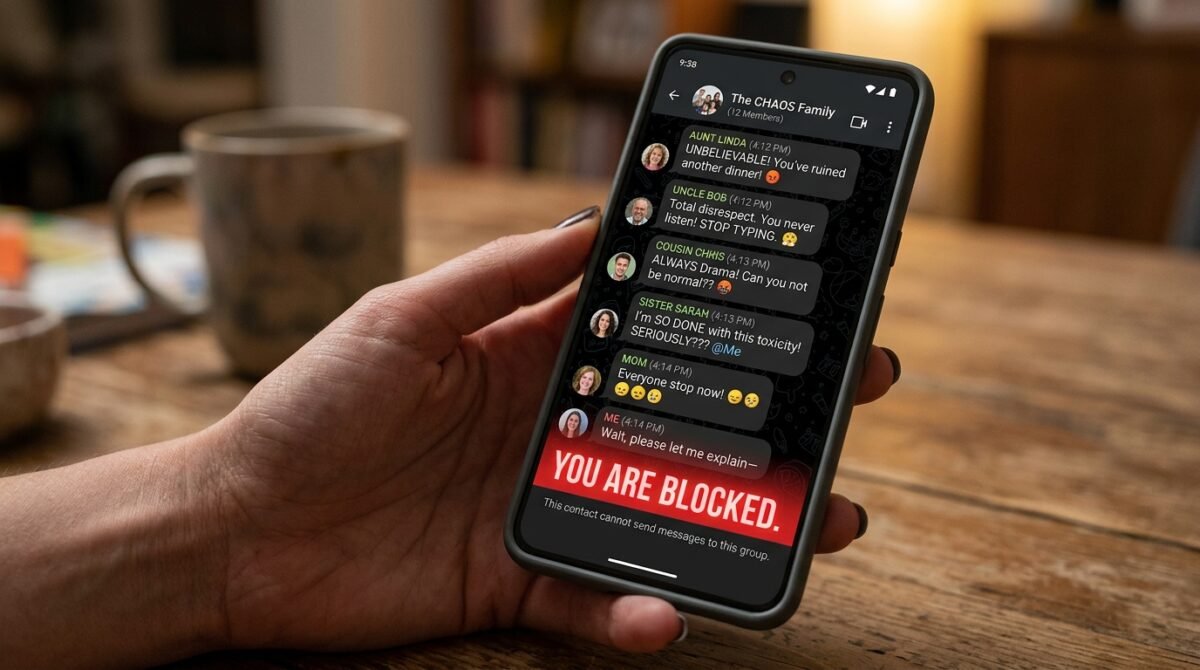
Within hours, the family group chat was lit up. It seemed that Martha had decided to play the victim, painting us as ungrateful, selfish children who were hoarding space while she was in a ‘housing crisis.’ Her sisters and brother-in-law were chiming in, telling us to ‘just be patient’ and ‘family helps family.’
I watched the messages roll in, feeling a strange sense of detachment. They were gaslighting us, trying to rewrite the narrative so that we were the villains for wanting our own garage back. Mark was silent, his phone buzzing incessantly on the kitchen counter. He was clearly overwhelmed, but he didn’t try to defend us. That was the moment I realized I had to take control of the communication.
“Honestly, after all the money we spent on your wedding, I’m shocked you’re being this petty about a few boxes. It’s just temporary. #FamilyFirst”
— Aunt Linda, in the family group chat
I grabbed his phone, typed a clear, firm response, and sent it to the group. I didn’t mince words. I laid out the timeline, the fact that we had not been consulted, and the reality of their unauthorized entry into our home. I also included a firm deadline for the furniture removal, noting that we would be charging a daily storage fee if it remained past the established time.
The response was immediate and vitriolic. Suddenly, everyone had an opinion on our marriage, our finances, and our lack of ‘family values.’ It was a masterclass in manipulation. They were trying to shame us into silence, but all they did was push me further into a corner where I was ready to fight back.
Mark finally spoke up, reading my message and nodding slowly. He didn’t delete it. Instead, he added his own post, confirming that he was in full agreement with me. It was the first time he had stood up to them in a public forum. The chat went quiet for a few minutes, the weight of his support hitting the rest of the family hard.
By the end of the night, we had blocked several of the more aggressive relatives. It felt like we were cutting off a limb, but it was necessary for our sanity. We had created a boundary, and for the first time, we had enforced it. The house felt a little more like ours again, even with the garage still packed with junk.
The Professional Intervention
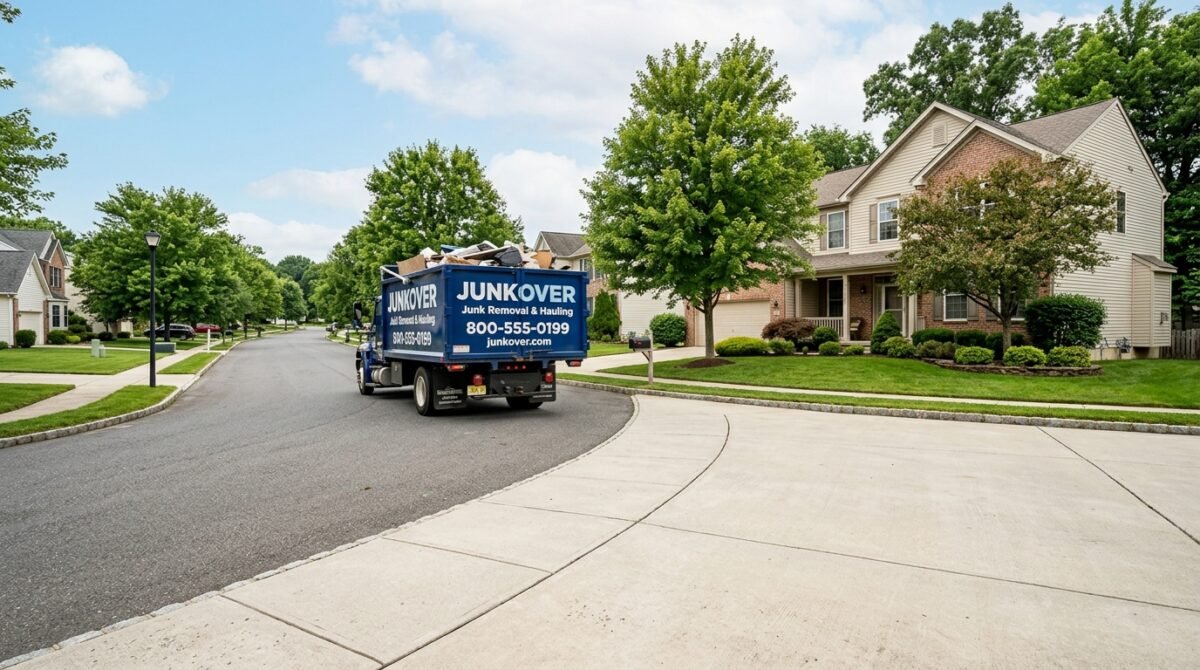
When the morning of the deadline arrived, the furniture was still exactly where it had been left. Martha hadn’t called, hadn’t sent a text, and certainly hadn’t come to move anything. It was a power play, plain and simple. She was betting that we wouldn’t actually follow through on our threat to haul it away.
I didn’t waste another minute. I had already researched a local junk removal company that specialized in quick, no-questions-asked clearing. By 10:00 AM, a large truck pulled up in our driveway. The men were efficient and didn’t care about the emotional baggage associated with the old floral sofas and the dust-covered hutch. To them, it was just another job.
Mark watched from the window as they loaded piece after piece into the truck. He looked torn, but he didn’t try to stop them. He knew that if he intervened, he would be validating his mother’s behavior. We had agreed that this was the only way to send a message that could not be misinterpreted.
“They think we are bluffing. They think that because they gave us life, they have a right to every inch of our space. They are wrong.”
— Mark, watching the junk removal crew
As the last of the furniture disappeared into the truck, I felt a massive weight lift off my shoulders. I paid the bill, took a receipt, and emailed a copy to Martha with a brief, polite note letting her know that she could find her belongings at the city dump if she arrived before the close of business. It was ruthless, but it was the only language she seemed to understand.
The garage was empty. It smelled faintly of dust, but it was ours. We spent the afternoon sweeping and scrubbing, reclaiming the space as if we were exorcising a ghost. Mark even helped me organize our own tools and lawn equipment, his movements purposeful and strong. We were finally starting to act like a team.
Of course, the aftermath was just beginning. I knew my phone was going to explode again, and I knew that there would be a physical confrontation soon. But I didn’t care. The furniture was gone, and with it, the physical manifestation of her control over us. We had won this round, even if the war was far from over.
The Fallout and the Silence

The next few days were characterized by a deafening silence. Martha went completely dark. No calls, no texts, no group chat outbursts. It was unnerving, almost like the calm before a hurricane. We knew she was stewing, planning her next move, but we took the time to enjoy our home in peace. We finally started unpacking the last of our wedding gifts, decorating the living room the way *we* wanted, not the way she had suggested.
Mark began to open up about his childhood, about how he had been conditioned to believe that his parents’ needs were paramount. He spoke about the guilt he had carried for years, always feeling like he wasn’t doing enough to satisfy them. It was a breakthrough, a necessary process of shedding his role as the ‘good son’ in favor of becoming a ‘good partner.’
We started attending counseling sessions together to navigate the transition into being a united front. Our counselor pointed out that the garage incident was merely a symptom of a larger, systemic issue within his family. They didn’t view us as adults with our own independent life; they viewed us as an extension of themselves.
“You have to stop thinking of your parents as authority figures and start seeing them as people you choose to interact with. If they can’t respect your boundaries, they don’t get your presence.”
— Our Marriage Counselor
The advice was hard to swallow, but it was exactly what we needed. We started setting even smaller boundaries—declining invitations to Sunday dinner, limiting phone calls, and keeping our plans for the future private. It felt like we were learning how to be a couple for the first time, away from the shadow of expectations.
Occasionally, I would see his parents’ car drive slowly past our house. They weren’t stopping, but they were watching. It was a reminder that they hadn’t given up, just changed tactics. We kept our cameras active and our doors locked, refusing to be drawn into their games. We were building a fortress, one brick at a time.
I felt a strange sense of empathy for Mark. He was grieving the relationship he thought he had with his parents, realizing that the ‘perfect’ family image was a facade. But as he grew stronger, I saw a new confidence in him. He was becoming the man I had always known he could be—the one who stood beside me, not in front of me.
Reddit Weighs In: The Verdict of the Masses
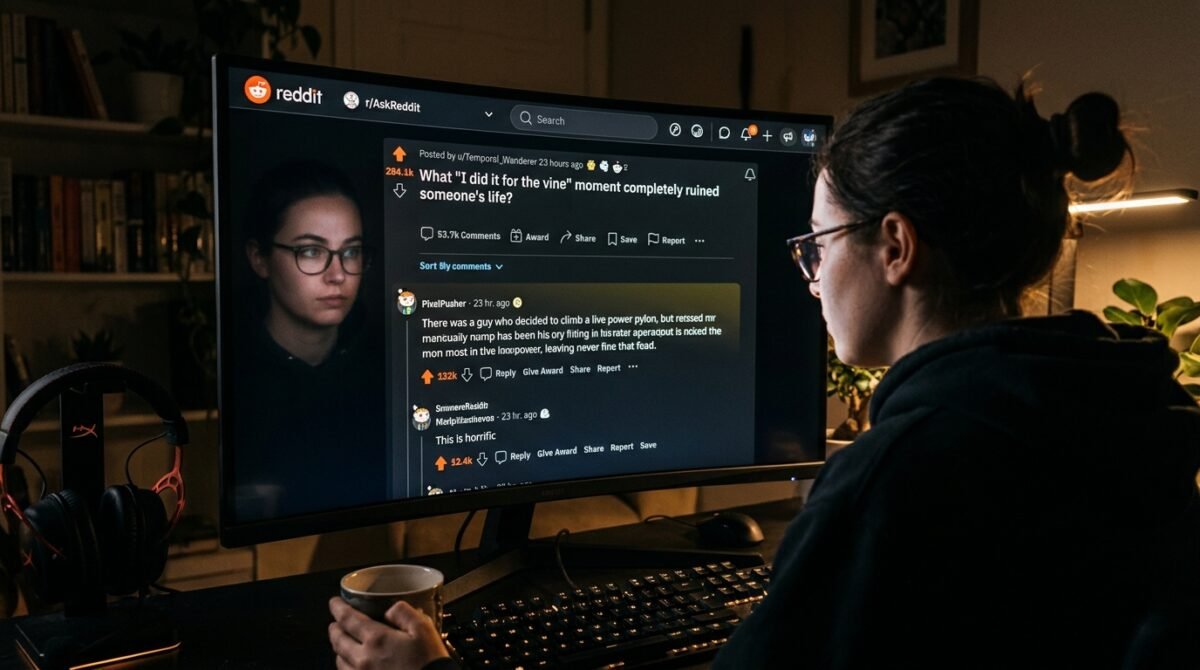
I finally decided to post the story on Reddit, under a throwaway account, just to see if I was losing my mind. The response was immediate and overwhelming. Thousands of people weighed in, and the consensus was remarkably clear: I was not the asshole, and my husband’s parents were the textbook definition of toxic.
The comments section became a repository of similar stories, a testament to how common this kind of boundary-stomping behavior is. Some people shared their own horror stories of in-laws moving into their homes, stealing heirlooms, or dictating their lifestyle. It was comforting to know we weren’t alone, but it was also chilling to realize how many people had suffered under the same kind of entitlement.
“NTA. Your house, your rules. The fact that they did this while you were on your honeymoon is a massive red flag. This isn’t just about furniture; it’s about control. Keep the boundaries firm or they will continue to escalate.”
— u/FamilyDramaExpert (Top Comment, 32.5k upvotes)
There were also voices of dissent, mostly from people who believed that ‘family is everything’ and that we should have been more ‘gracious.’ I read those comments with a grain of salt, realizing that they were likely the same type of people who would pull a stunt like this themselves. The support, however, far outweighed the criticism.
I found myself spending hours reading the threads, learning about ‘grey rocking,’ ‘enmeshment,’ and ‘low contact.’ It was like a crash course in psychology, helping me put names to the behaviors we had been experiencing. The Reddit community acted as a sounding board, validating our decisions and giving us the courage to stay the course.
One comment in particular stood out, advising us to document everything in case they tried to claim we had ‘stolen’ their items. We started a digital folder, saving screenshots, receipts, and a timeline of the events. It was a cold, pragmatic move, but it made me feel safer. We weren’t just reacting anymore; we were preparing.
The Reddit thread eventually went viral, appearing on news aggregator sites and pop culture blogs. It was bizarre to see our private struggle discussed by strangers, but it also reinforced the idea that what happened to us was indeed an objective violation of basic human decency. We weren’t crazy, and we weren’t being unreasonable.
The Legal Threat
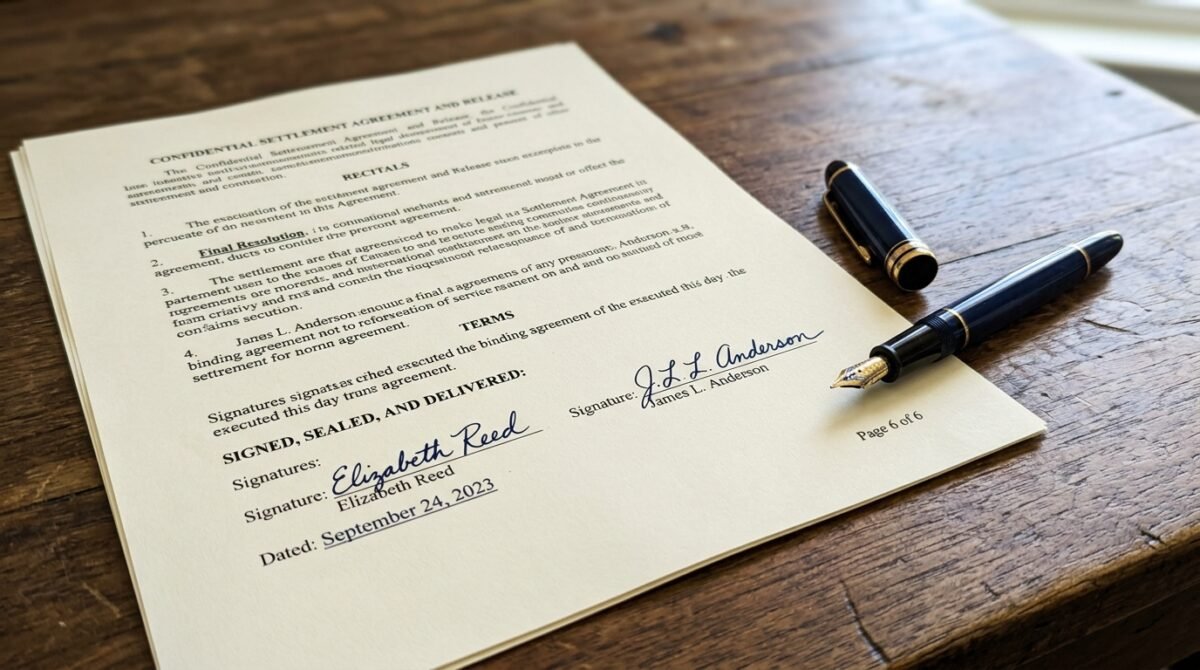
The peace was shattered when we received a certified letter from an attorney representing Martha. They were threatening us with legal action for ‘destruction of property’ and ‘theft.’ They claimed that the furniture had been left with us for ‘safekeeping’ and that we had no right to dispose of it without their consent.
I read the letter with a sense of grim satisfaction. They were doubling down. They really thought they could intimidate us into paying them for their own junk. I laughed out loud as I showed the letter to Mark. He was worried, but I was ready. I had already spoken to a lawyer who specialized in property law, and she had told me that we were well within our rights.
We sent a formal response, including the timeline of events, the records of the unauthorized entry, and the receipts from the removal company. We also included a cease-and-desist letter, ordering them to stop contacting us and to stop entering our property. It was the final nail in the coffin of our cordial relationship.
“If you continue to harass us or attempt to enter our property, we will be forced to involve the police. Consider this our final communication on this matter.”
— Our formal letter to the in-laws
The letter had the intended effect. We didn’t hear from their lawyer again. It turned out that their ‘theft’ claim was as flimsy as the velvet sofa cushions they had tried to store in our garage. They had been trying to scare us, but they had underestimated our resolve and our willingness to fight back.
The threat of legal action was the final test. When we passed it, the power dynamic shifted permanently. They realized that we weren’t going to be bullied, that we were prepared to use the legal system to protect our home, and that there would be real consequences for their actions. It was a turning point in our lives.
We felt a strange sense of liberation. The fear that had been hanging over us—the fear of their judgment, the fear of their reaction—was gone, replaced by a cold, hard confidence. We had stood up to their power, and we had won. The house was finally, truly ours.
The Lingering Echoes of Entitlement
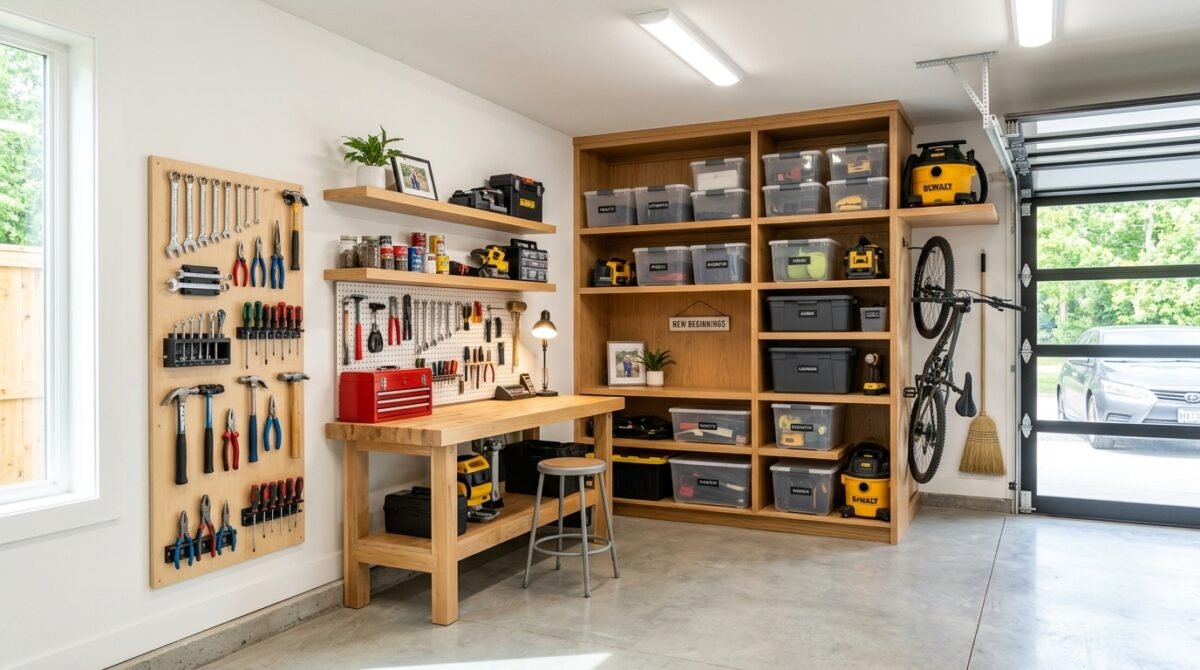
Even months later, the effects of the event lingered. We would occasionally find small reminders—a misplaced box in the attic, a forgotten key we had to change—that kept the memory alive. But the emotional impact was starting to fade. We had learned so much about ourselves and about what we were willing to tolerate.
We had reached a state of ‘low contact,’ which meant that we only interacted with them during rare, mandated family events. Even then, we were polite but distant, keeping conversations superficial and short. We were no longer their children; we were adults living our own lives, and that was a status we guarded fiercely.
Mark had become a different person. He was more assertive at work, more confident in his opinions, and more present in our marriage. He didn’t carry the weight of his parents’ expectations anymore. He had learned that his worth was not tied to their approval, and he had learned to prioritize our well-being above their comfort.
“I used to feel guilty for saying no. Now, I feel empowered. Every time I set a boundary, I feel like I’m reclaiming a piece of my own life.”
— Mark, reflecting on the change
Our home was a sanctuary again. We had painted the garage, added custom storage, and filled the space with things that brought us joy. Every time I walked into the garage, I didn’t see the ghost of their furniture; I saw the evidence of our survival. It was a physical representation of the battle we had won.
We also noticed that the family dynamic had changed. Other members of the family had started to question their behavior, some even reaching out to us to express their support. It seemed that our willingness to stand up to them had emboldened others to do the same. We were no longer the only ones who saw the truth of the situation.
It was a slow, sometimes painful process, but it was worth it. We were building a life on our own terms, one that was free from the shadow of their control. And every day, I felt a little bit more at peace, knowing that we had made the right decision, no matter how hard it had been.
Reflections on a Stolen Honeymoon

Looking back, the honeymoon fiasco feels like a lifetime ago. It was a crucible, a moment that forged us into a stronger, more united couple. We didn’t just lose a few days of relaxation; we gained a lifetime of clarity. We learned that the person you marry is your partner, and that partner must always come before your family of origin.
The betrayal stung at the time, but it was the best thing that could have happened to us. It forced us to confront the issues that would have festered for years. It forced us to set the boundaries that would eventually save our marriage. It made us realize that we were the ones in control of our lives, not them.
I often wonder what would have happened if we had just accepted it. If we had been the ‘good’ couple and kept the furniture, would we still be together? Would we still be living under the shadow of their expectations? I don’t think so. I think the resentment would have slowly eroded our foundation until there was nothing left.
“You aren’t just protecting your home; you are protecting your future. If you let them in now, they will never leave.”
— The most valuable piece of advice we received
We were lucky. We had the support, the resources, and the willingness to fight for what was ours. We had each other, and that was the most important thing. We had learned that family isn’t just about blood; it’s about respect, trust, and mutual support—things that his parents had failed to provide.
I’m proud of how we handled it. I’m proud of how I stood up for our home, and I’m proud of how Mark stood up for us. We had been tested, and we hadn’t failed. We had passed the test, and we were ready for whatever the future held.
The garage is empty of their junk, but full of our potential. And that, in the end, is all that matters. We are our own family now, and that’s a beautiful thing.
The Final Word: Lessons Learned
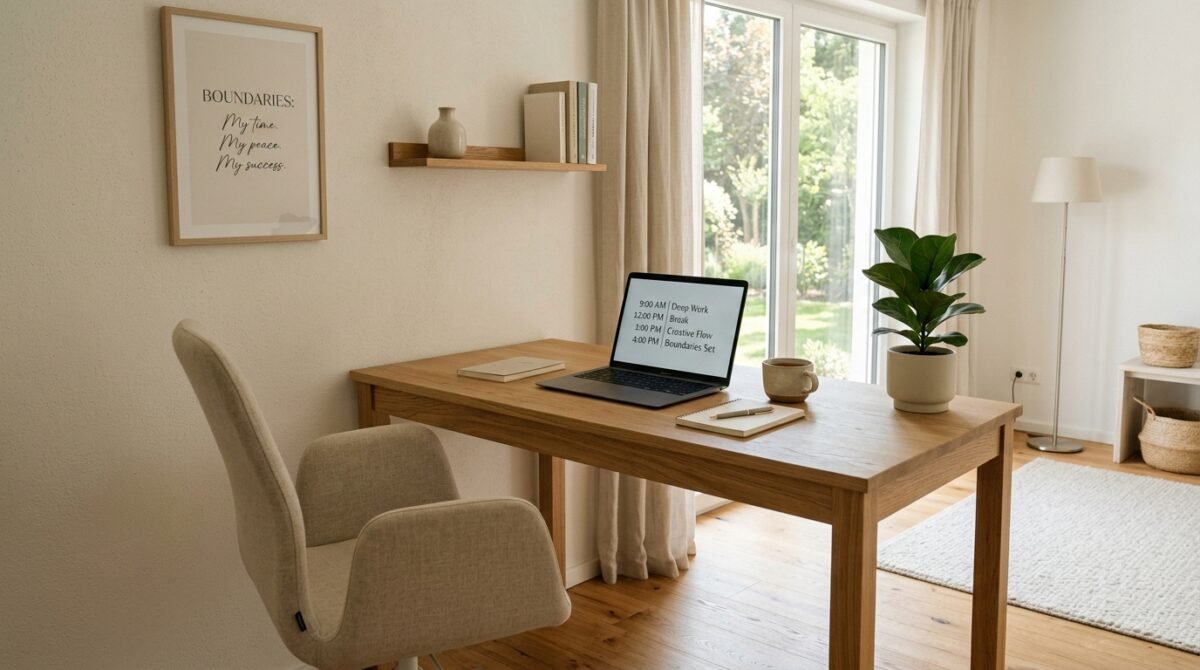
If there’s one thing to take away from this, it’s that boundaries are not just suggestions; they are the foundation of any healthy relationship. You don’t have to be mean to set them, but you do have to be firm. You have to be willing to follow through on the consequences, even when it’s hard.
We learned that entitlement doesn’t just go away; it has to be confronted. We learned that you can’t control what other people do, but you can control how you respond. And we learned that the most important thing you can do for your partner is to make them feel like your home is truly their safe space.
We are still in low contact with my in-laws, and honestly, we’re happier than we’ve ever been. The silence is peaceful, and the lack of chaos is refreshing. We’ve found that when you stop trying to please people who refuse to be pleased, you finally have the energy to focus on the things that actually matter.
“Boundaries aren’t about keeping people out; they are about keeping your integrity intact. Never feel guilty for demanding the respect you deserve.”
— Final thought from our journey
We hope our story helps others who are struggling with similar issues. You are not alone, and you don’t have to accept being treated like a second-class citizen in your own home. Trust your instincts, stand your ground, and never be afraid to put your own happiness first.
Our journey wasn’t easy, but it was worth it. We’ve grown, we’ve learned, and we’ve come out the other side stronger than ever. And that, ultimately, is the greatest gift we could have given ourselves.
Conclusion
This saga of the garage takeover was more than just a fight over storage space—it was a definitive reclamation of our autonomy and the birth of our independence as a married couple. The shock of returning from our honeymoon to that mess was the catalyst that forced us to drop the mask of the ‘obliging, polite couple’ and finally enforce the boundaries that should have been in place long ago. By standing our ground, we didn’t just reclaim our property; we reclaimed our self-respect.
The path we took wasn’t without its casualties, and the fallout within the family was undeniably harsh. However, the peace we have earned since then is worth every difficult conversation and every burned bridge. We’ve moved from being extensions of our parents to being the architects of our own lives. The lesson is simple but profound: if you don’t build your own walls, someone else will eventually move their junk into your space.
Now, we want to hear from you. Have you ever faced an ultimatum or an intrusion that forced you to choose between your family-of-origin and your partner? How did you handle the pressure, and what advice would you give to someone just starting to set their first real boundaries? Join the debate in the comments below.
What's your verdict on this dilemma?
Vote below to contribute to the official community consensus.

Have a Dilemma Keeping You Up at Night?
Share your real-life feud, wedding chaos, or relationship crossroads anonymously with our editorial team.
What do you think ?
0 Comments🛡️ Comments are moderated to protect community integrity. Your comment will appear once approved by the editorial team.