
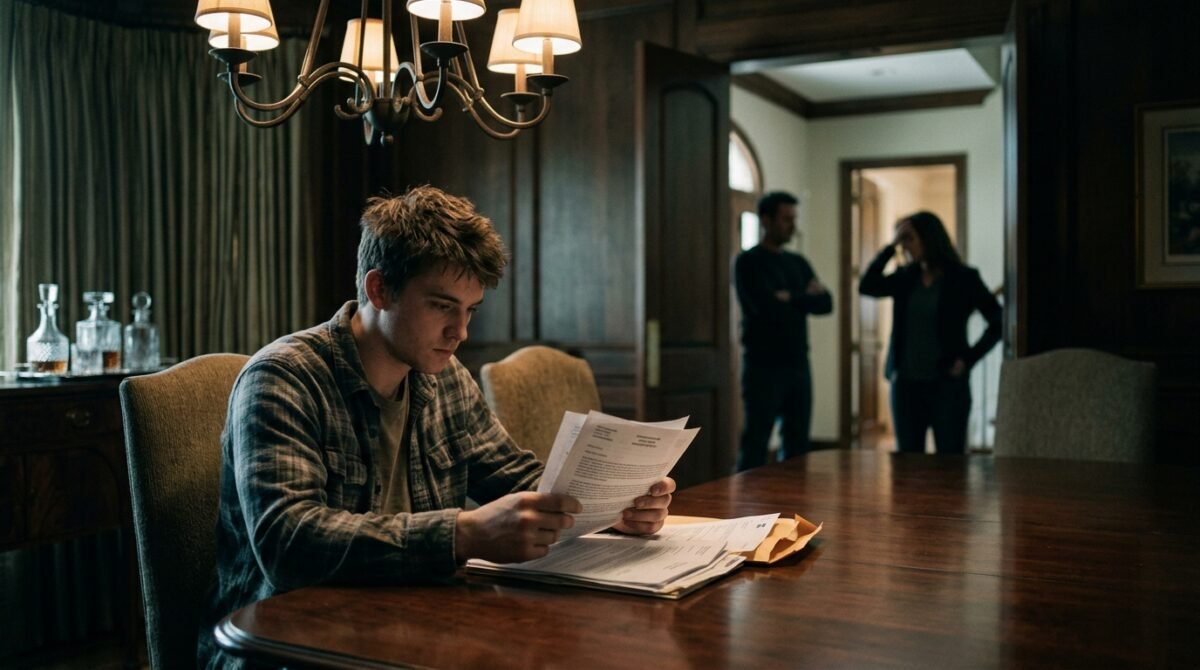
Growing up, there was always an unspoken hierarchy in our household. My brother, Leo, was the sun, and the rest of us were simply planets orbiting his chaotic, brilliant, and perpetually destructive gravitational pull. If Leo failed a class, the teacher was wrong. If Leo crashed the car, the road conditions were to blame. And if Leo got into trouble, it was always my job—as the steady, responsible, and ‘lucky’ one—to help mop up the mess. I accepted this for years, believing it was the price of being the stable sibling, but I never expected the toll to eventually reach my front door.
Three months ago, the facade finally shattered. My parents arrived at my home unannounced, their faces etched with a panic that wasn’t born of grief, but of looming financial ruin. Leo, their prized prince, had spiraled deep into the world of underground sports betting, losing not just his own inheritance, but their retirement accounts and a significant sum of money he had ‘borrowed’ from dangerous people. They didn’t come to me for advice or comfort; they came with a predatory focus on the equity in my home.
The moral dilemma felt like a heavy weight pressed against my chest. They argued that because I had ‘stability’ and they had ‘given me a start in life,’ I owed them the security of my future to fix the crater Leo had left in theirs. They spoke of family unity as if it were a synonym for sacrifice, ignoring the fact that my home was the only thing I had built for myself, entirely on my own merit, after years of grueling work.
This story is not just about a debt; it is about the long-term psychological conditioning of being the ‘spare’ child. It is about the moment the fog clears, and you realize that your parents’ love was never unconditional—it was a transactional agreement that you were expected to honor until you had nothing left to give. This is the chronicle of the week my life changed, the boundaries I set, and the fallout that followed.
The Unexpected Knock at Six AM
It was a Tuesday, the kind of morning where the silence of my home felt like a sanctuary. I was just pouring my first cup of coffee when the frantic, rhythmic pounding on my front door startled me. My heart sank instantly. Seeing my parents standing on my porch at dawn, with disheveled clothes and eyes red from lack of sleep, told me everything I needed to know before they even spoke.
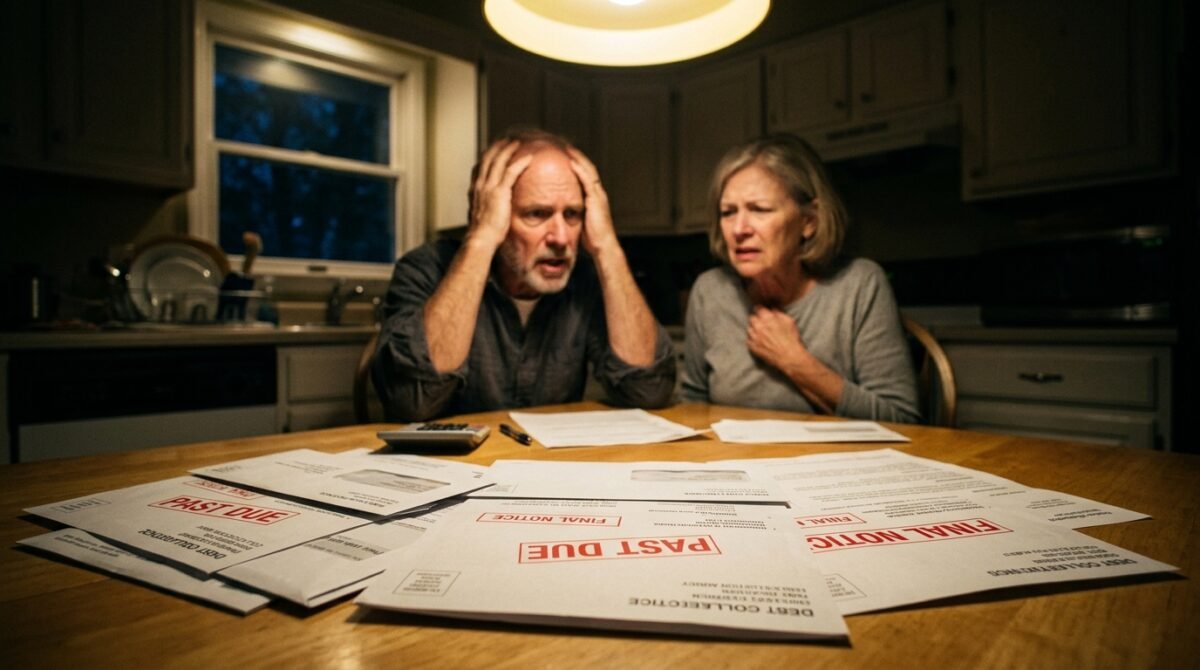
I invited them in, thinking there had been a medical emergency. My mother was shaking, and my father looked older than I had ever seen him. They sat at my kitchen island, not even bothering with pleasantries. The air in the room grew heavy as my father pushed a crumpled piece of paper toward me—a final notice from a collection agency. It was the first time I realized how deep the rot actually went.
“Leo is in trouble, real trouble, and we have nowhere else to turn. We’ve leveraged everything. The house, the savings, even the life insurance policies. We need you to take out a second mortgage on your place. It’s the only way to get these people off his back before they do something drastic.”
— My Father
I felt a cold numbness wash over me. I asked them how much, hoping for a manageable figure, something I could maybe help with in a minor way. The number they quoted was staggering. It was more than half the value of my entire house. They talked about it as if it were a minor inconvenience, a simple paperwork exercise that would ‘save the family legacy.’
I looked at them, truly looked at them, and realized they weren’t asking me to help my brother; they were asking me to sacrifice my future for his addiction. They had already convinced themselves that my ‘no’ was impossible, simply because they had never heard it from me before. The kitchen felt like a courtroom, and I was the defendant being asked to pay for a crime I didn’t commit.
The conversation spiraled quickly. My mother started crying, talking about how she would never forgive herself if something happened to Leo. She didn’t mention my feelings once. She didn’t ask how this would affect my career or my future plans. To them, my life was a secondary asset, an insurance policy meant to cover the cost of their failure to raise a functional son. I stood up, walked to the window, and watched the sunrise, realizing the family bond I cherished was being weaponized against me.
The Logic of the Golden Child

The next few days were a blur of aggressive phone calls and unannounced visits. My parents began to treat my house like a communal resource. My mother would show up with legal documents from a predatory lender she had found, expecting me to just sign away my rights. She acted as if my refusal was a form of betrayal, a selfish act against the very people who had raised me.
The most infuriating part was the narrative they spun about Leo. According to them, he was ‘just a victim of bad luck’ and ‘a misunderstood soul’ who had simply made a few mistakes. They consistently minimized his gambling addiction while maximizing the moral obligation I supposedly held as a sibling. They insisted that ‘family sticks together’—a phrase they had used my entire life to ensure I stayed in line.
“You’ve always been the strong one. Leo is fragile. If he goes to prison or worse, it will destroy us. Do you really want that on your conscience? Is a house really worth more than your own brother’s life?”
— My Mother
I tried to explain the reality of the situation. I pointed out that bailing him out wouldn’t fix his addiction; it would only enable it. I told them that the lenders would just come back once he spent the money again. My father laughed, a dry, humorless sound, and told me that I didn’t understand the ‘real world.’ He looked at me with such pity that it made my blood boil.
They started bringing up my childhood. They reminded me of the times they paid for my tutors, or the small gifts I received for birthdays, as if those were investments they were now collecting interest on. It was a classic guilt trip, calculated and cold. I realized then that they had been keeping a ledger of my life, waiting for the day they could extract a massive, life-altering payment.
I started documenting every interaction. I knew if I didn’t keep a record, they would gaslight me later, claiming they never asked for such a thing. I also reached out to a lawyer friend who confirmed my worst fears: if I signed anything, I would be legally liable for the debt, and I would have no recourse if Leo continued his behavior. The financial and legal danger was absolute.
The Group Chat Explosion
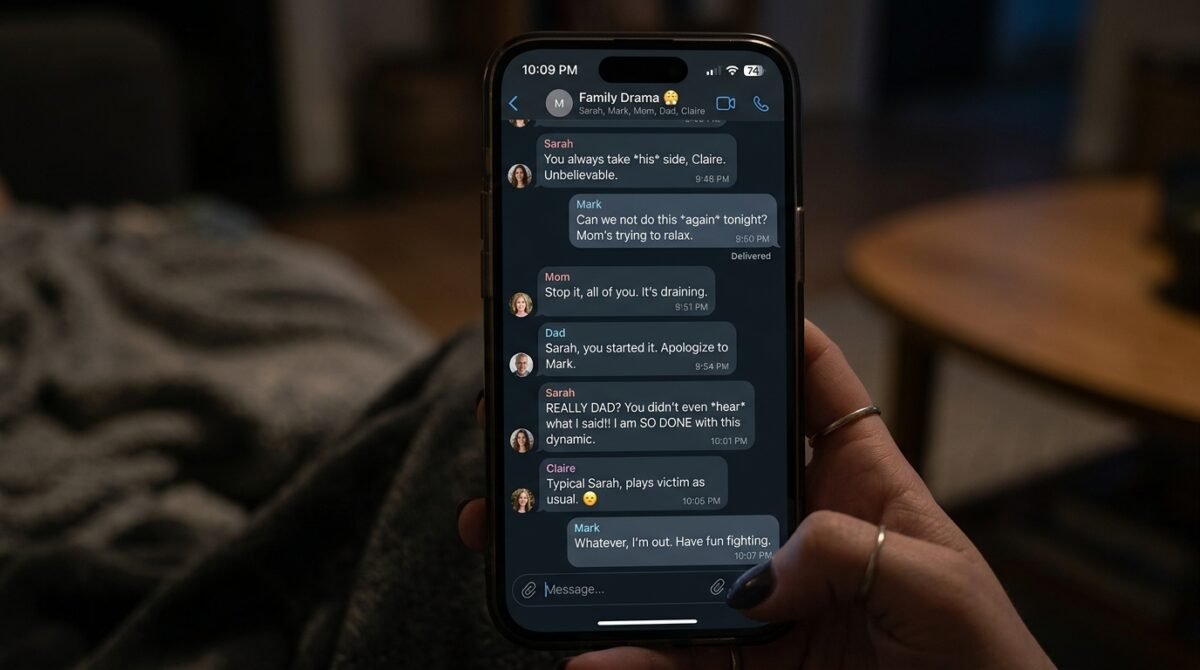
By the end of the week, my aunt—the only family member I truly trusted—reached out to me. She had been added to a family group chat I wasn’t part of, and she was horrified by what she read. She sent me screenshots, and the contents were enough to make me physically ill. My parents were painting me as the villain, claiming I had ‘abandoned’ them in their hour of need.
“I don’t know what happened to our child. They have become so cold, so selfish. They are sitting on a goldmine while their brother is facing ruin. It’s like they aren’t even family anymore. Such greed.”
— My Mother, in the Family Group Chat
The messages were filled with venom. My cousins and aunts, who didn’t know the full story, were chiming in, calling me heartless. I felt a surge of rage, but also a strange sense of liberation. Seeing their true colors removed any remaining hesitation. They weren’t just asking for money; they were destroying my character to protect their own reputations and the reputation of their ‘perfect’ son.
I didn’t respond to the group chat directly. Instead, I took a screenshot of their demands and the debt notices they had left on my counter. I sent a message to the group, keeping it calm and factual. I stated that I would not be participating in the debt consolidation and that any further harassment would result in legal action. The silence that followed was deafening.
My phone didn’t stop buzzing for hours. Some family members were shocked, while others—mostly those who had been coddled by my parents—doubled down on the abuse. I muted the chat and put my phone in a drawer. For the first time in my life, I felt like I was in control of my own narrative. The ‘good child’ persona was dead, and I didn’t miss it one bit.
The Confrontation at the Office

I thought they would respect the boundary, but my father showed up at my workplace. He didn’t come to talk; he came to cause a scene. He waited for me in the lobby, and as I walked out for lunch, he blocked my path. He looked frantic, his tie askew, whispering threats about how I was going to regret this decision for the rest of my life.
“You think you’re so smart, hiding behind your job. Do you have any idea what these people are capable of? If they come for me, they come for the whole family. You are putting a target on all of our backs.”
— My Father
I didn’t yell. I didn’t argue. I simply looked at him and told him that if he didn’t leave, I would call security. His jaw dropped. He looked around, suddenly aware that he was making a spectacle of himself in front of my colleagues. He retreated, but not before screaming that I was dead to him. It was the most liberating sentence I had ever heard.
The rest of the day was a surreal experience. I had to explain the situation to my HR manager, who was incredibly supportive. They advised me to file a report with the police for harassment, just to establish a paper trail. I did it, and the process felt like cutting the final thread that tied me to the family’s dysfunction.
When I finally arrived home that evening, I sat in the dark and cried. It wasn’t because I missed them; it was because I was mourning the parents I had wanted, not the ones I actually had. The reality of the isolation was setting in, but it was a peaceful kind of isolation. For the first time, my home was truly my own, and no one could ever take that away from me again.
The Reddit Verdict
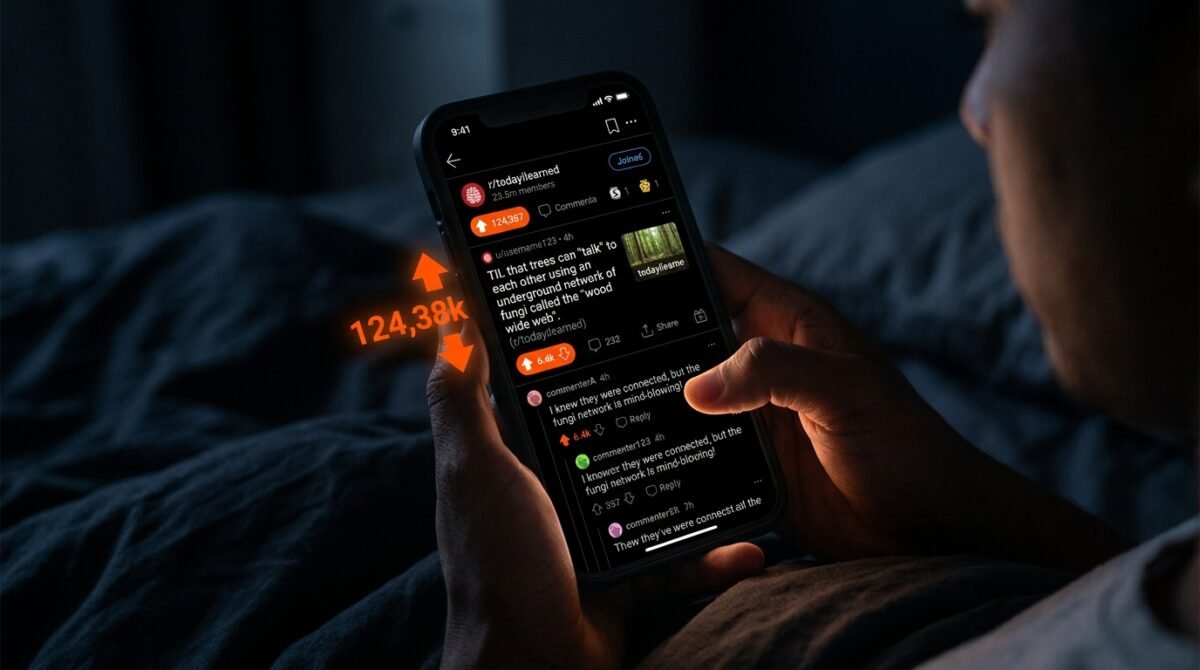
I posted my story on a popular relationship advice forum, desperate for perspective. I needed to know if I was truly the monster they said I was. The response was overwhelming. Within hours, the post had thousands of upvotes and hundreds of comments. The collective wisdom of the internet was a mirror I desperately needed.
“OP, you are not a bank. You are a person. Your parents are essentially trying to pawn your future to pay for their mistakes. The fact that they are bad-mouthing you to the rest of the family is a classic narcissist tactic to isolate you and force your hand. Stay strong. Do not give them a single cent.”
— u/ReasonableObserver (Top Comment, 32.1k upvotes)
The support was validating, but there were also warnings. People told me to lock down my credit, change my locks, and be prepared for them to try to show up at my home again. They advised me to stop trying to explain myself to the rest of the family—’You don’t owe them an explanation for your boundaries,’ one user wrote, and it stuck with me.
I spent the night reading through the comments. Someone shared their own story of being the ‘responsible sibling’ and how it took them twenty years to realize they were being exploited. It was like reading my own future if I had said yes. The consensus was clear: keep the house, keep the boundaries, and cut the contact.
The community support gave me the courage to move forward with a formal no-contact order. Seeing so many people recognize the toxicity for what it was helped me stop questioning my own sanity. I realized that my parents were not just ‘old-fashioned’ or ‘stressed’; they were fundamentally selfish people who had chosen their golden child over their own child’s well-being time and time again.
The Letter from the Lawyer
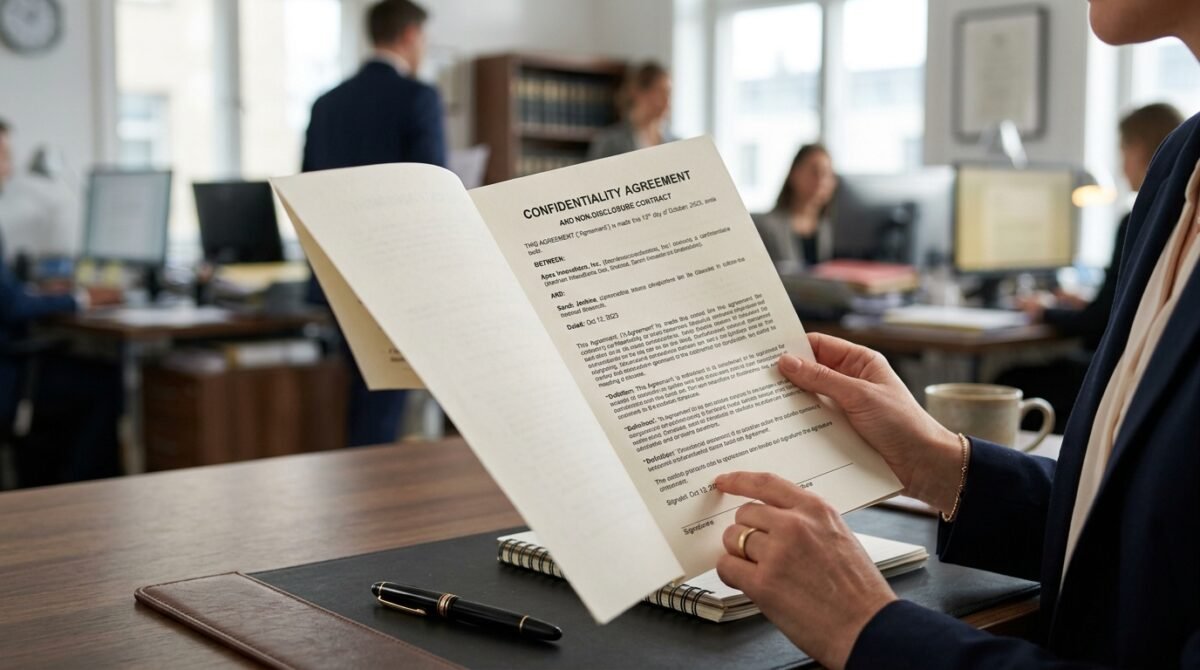
A week later, I received a certified letter in the mail. It was from an attorney representing my parents. They were attempting to claim that I had some sort of ‘moral obligation’ to the family estate. It was a laughable document, filled with legalese that meant nothing in the real world, but it was a clear attempt to intimidate me.
I took it to my lawyer, who read it and laughed. He told me it was a scare tactic, a bluff meant to make me panic. He drafted a simple, concise response, stating that any further communication would be directed to his firm. It was the best money I had ever spent. The realization that I could hire someone to handle their nonsense for me was a game-changer.
I didn’t tell my parents I had a lawyer. I let the law firm handle it. The next time they called, they were met with a professional, cold response from a legal assistant. I stopped being the person they could bully over the phone. I started being a person who had professional boundaries, and it was glorious.
“Your presence is no longer requested at our family home. All further communication must be handled through our legal representative. Please refrain from contacting us at our place of work or our home.”
— Letter sent by my lawyer to my parents
The relief was palpable. I didn’t have to carry the burden of their threats anymore. I could sleep through the night without checking my phone for angry texts. It was the first step toward reclaiming my mental health. I began to see that the ‘family’ I was so afraid of losing was just a source of trauma, not a source of comfort.
The Fallout in the Extended Family
The news of the no-contact order spread through the extended family like wildfire. My aunt, the one who had sent me the screenshots, called to tell me that she was being ostracized for ‘siding with the enemy.’ It was tragic, but it was also eye-opening. I realized that the entire family structure was built on a foundation of silence and compliance.
Some cousins reached out, wanting to know ‘my side’ of the story. I was tired of explaining, so I simply sent them a link to the Reddit post I had written. It was a cold move, but I didn’t care. I wanted them to see the logic, the numbers, and the reality of the situation without me having to justify my existence to them.
Most of them didn’t respond, which was fine. A few did, apologizing for their initial judgments. It was a small victory, but it was enough. I realized that I didn’t need the approval of the entire clan. I just needed the people who actually cared about me to see the truth. The ones who chose to stay in the dark were not my concern.
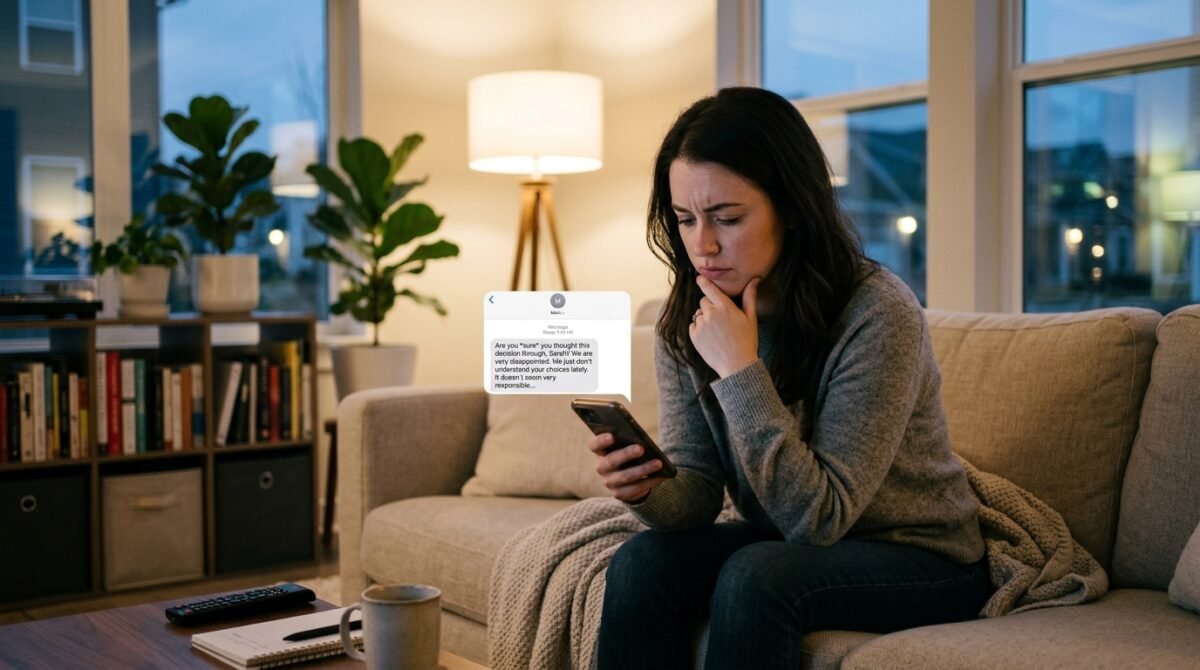
“We are just disappointed that you chose money over family. You have such a bright future, and you are throwing it away for a house. Your brother is family. You are supposed to help each other.”
— My cousin, via text
I replied to my cousin, asking if they would be willing to chip in to the debt if they were so concerned. The text was never answered. It was the perfect test of their conviction. It was all talk, all posturing, and when it came to the actual cost, they were as silent as the grave. It proved to me that their criticism was never about morals; it was about the convenience of having someone else pay the price.
Leo’s Final Plea

The final, and perhaps most difficult, encounter was with Leo himself. He showed up at my work one afternoon, looking worse than I had ever seen him. He had lost weight, his eyes were sunken, and he looked desperate. He didn’t want the money; he wanted me to ‘understand’ why he did what he did. It was a pathetic attempt at manipulation.
“I just need one more chance, just this once. I can win it back. I have a system, I just need the capital. If you help me, I promise I’ll be the one to pay it back. I’ll be the golden child again. Please, don’t let them lose the house.”
— Leo
I looked at him and saw a stranger. I didn’t feel anger, just a profound, hollow sadness. I told him that I couldn’t help him because I loved him, not because I hated him. I told him that if I gave him the money, I would be killing him faster. It was the truth, but it was a truth he was incapable of grasping.
He begged, he cried, he tried to tell me about the people he owed, but I held my ground. I told him he needed to go to rehab, not to a bank. I told him that my doors were closed to him until he took responsibility for his own life. When he realized I wasn’t going to break, he turned on me, calling me every name in the book.
He left, and I didn’t look back. I knew he would go back to my parents, and they would continue to enable him until they were completely drained. I realized that my exit was the only thing that might force them to face the reality of his addiction, even if they never thanked me for it. I did the right thing, even if it felt like the hardest thing in the world.
Building a Life Without Them

The months that followed were a period of intense healing. I started seeing a therapist to deal with the guilt that the ‘golden child’ narrative had instilled in me. I learned that my worth was not tied to my utility. I learned that ‘no’ is a complete sentence and that boundaries are not a punishment, but a form of self-respect.
I started investing in my own home, making it the space I always wanted it to be. I replaced the furniture, painted the walls, and filled the rooms with things that made me happy. Every time I looked at my house, I saw it as a symbol of my freedom, not as a source of leverage for my parents. It was a physical reminder that I had chosen myself.
I also started building a ‘found family’—a circle of friends who loved me for who I was, not for what I could provide. We shared dinners, traveled, and supported each other through life’s challenges. It was the kind of relationship I had always wanted, built on mutual respect and genuine affection, rather than obligation and guilt.
“Choosing your own mental health over family expectations is not a betrayal; it is a necessity. You have built a life that is truly yours, and that is the greatest success you could ever achieve.”
— My Therapist
I still think about my parents sometimes, but the thoughts are no longer filled with pain. They are filled with a sense of distance. I realized that they were victims of their own choices, just as much as Leo was. They had chosen to worship at the altar of the ‘golden child,’ and they would have to live with the consequences of that worship. I was free.
Reflecting on the Cost of Boundaries

When I look back at the ordeal, I don’t see a tragedy. I see a turning point. Yes, it cost me a relationship with my family, but the relationship was already a lie. I was playing a role that was slowly destroying me, and the gambling debt was just the final catalyst for the explosion.
I realized that people often fear setting boundaries because they think it will mean they have to start over from scratch. But sometimes, starting over is the only way to find out who you really are. I had to shed the person my parents wanted me to be to discover the person I actually wanted to become. It was a steep price, but it was worth every penny.
I hope that anyone reading this who feels trapped by the expectations of their family knows that they have a choice. You don’t have to be the martyr. You don’t have to be the solution to someone else’s problem. You are allowed to prioritize your own security and your own happiness, even if it makes the people around you uncomfortable.
“The most important boundary you will ever set is the one that protects your own future. If they cannot respect that, they do not deserve to be a part of your life.”
— Final reflection on the journey
I am not perfect, and I still have days where I struggle with the isolation. But when I wake up in my own home, in a bed I paid for, knowing that I am safe, the guilt fades. I am the architect of my own life now, and that is a power that no one can take away from me. I am finally, truly, free.
Conclusion
Looking back, the situation with my parents was less about money and more about the fundamental imbalance of our family dynamic. I was the ‘reliable’ one, and therefore, I was the one expected to pay for the ‘golden child’s’ failures. By standing my ground, I didn’t just save my house; I saved my life from a cycle of perpetual exploitation.
The fallout was intense, but it also forced a long-overdue reckoning. My family’s reaction proved that their love was conditional and that my well-being was never their priority. I’ve since learned that blood doesn’t grant people the right to destroy your future. If you are in a similar situation, understand that saying ‘no’ is not a failure of character; it is a declaration of your own value.
What about you? Have you ever had to walk away from a family dynamic that was draining your resources or your mental health? How did you handle the pressure to conform, and what did you learn about yourself in the aftermath? Let’s talk in the comments below.
What's your verdict on this dilemma?
Vote below to contribute to the official community consensus.

Have a Dilemma Keeping You Up at Night?
Share your real-life feud, wedding chaos, or relationship crossroads anonymously with our editorial team.
What do you think ?
0 Comments🛡️ Comments are moderated to protect community integrity. Your comment will appear once approved by the editorial team.