

I never expected that the final gift from my Uncle Elias—a man who taught me how to fish, how to fix a leaky faucet, and how to appreciate the silence of the woods—would become the epicenter of a family war. The cabin isn’t a mansion; it’s a modest, hand-built cedar home perched on a ridge overlooking the valley. It was his sanctuary, and when he passed, he left it solely to me in his will, bypassing my parents entirely because he knew they had always looked down on his ‘primitive’ lifestyle.
For a few months, the cabin was my place of healing. I spent weekends there working on the deck, clearing brush, and drinking coffee on the porch as the sun crested the mountains. But peace is a rare commodity in my family. My stepbrother, Tyler, had been struggling with a series of failed business ventures, and when he caught wind of the cabin’s potential on local rental apps, he saw a golden ticket. He didn’t see a legacy; he saw a revenue stream.
The pressure didn’t start with a bang, but with a series of ‘suggestions’ during Sunday dinners. My parents began painting a narrative that I was ‘selfish’ for holding onto a property that was ‘wasting potential.’ They claimed that because I wasn’t using the cabin every single day, I was essentially disrespecting my uncle’s memory by not turning it into a commercial asset. It was a calculated, insidious campaign to make me feel guilty for simply owning what was rightfully mine.
Then, the gloves came off. The passive-aggressive comments shifted into explicit demands. My stepfather, a man who has always prioritized his biological son’s success over my well-being, sat me down and laid out an ultimatum that still makes my blood boil when I think about it. The choice was binary: hand over the deed to Tyler, or face total estrangement from the family. They were willing to trade their relationship with me for a chance to play real estate mogul.
This article chronicles the descent of a family relationship into the abyss of greed. From the initial whispered conversations to the formal legal threats sent via email, I’m sharing the full, unvarnished story of how I stood my ground against my own parents. It’s a story about the true cost of ‘blood being thicker than water’ when that blood is tainted by entitlement.
The Sunday Dinner Where Everything Changed
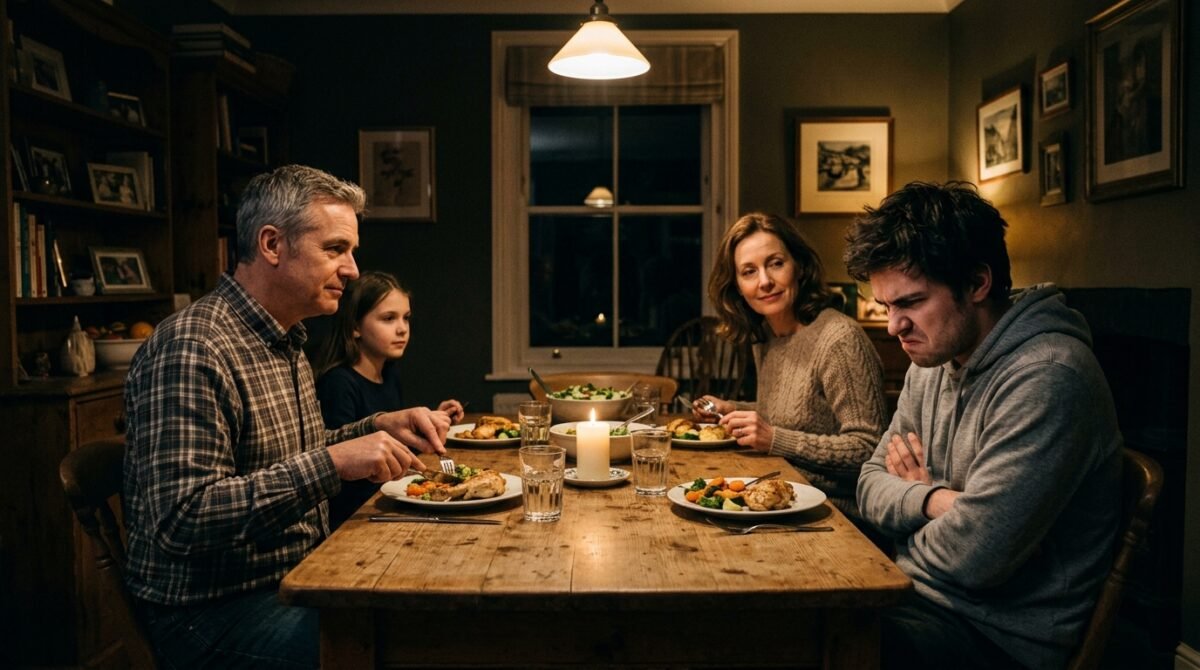
The atmosphere at my mother’s house was unusually tense, even for a family dinner. I arrived expecting the usual talk about work and the weather, but the table was set with a specific, clinical precision that signaled an agenda. My stepfather, Richard, kept checking his watch, and Tyler was sitting at the end of the table, looking unusually polished in a crisp button-down shirt. The air felt heavy, like the moments before a thunderstorm.
As we were finishing the main course, Richard cleared his throat. It was the sound he made before he was about to deliver a lecture. He started by talking about ‘family synergy’ and how, as a unit, we should be pooling our resources to ensure that none of us were ‘left behind.’ I knew exactly where this was going, and my stomach churned with a mixture of dread and growing annoyance.
“Look, we’ve been crunching the numbers on the cabin,” Richard said, staring directly at me. “It’s a beautiful place, but it’s sitting idle for 340 days a year. Tyler has a solid plan for an Airbnb business, and it’s just sitting there. You’re young, you don’t need the headache of management. Why not let him take the lead and share the revenue?”
I looked at my mother, hoping she would intervene, but she was staring intently at her plate, meticulously cutting a piece of roast beef. Her silence was a betrayal. She knew how much that cabin meant to me. She knew that Uncle Elias had specifically left it to me to ensure they couldn’t get their hands on it. Yet, she had clearly already sided with them.
“It’s not sitting idle,” I replied, trying to keep my voice steady. “I go there every weekend I can. It’s not a business, Richard. It’s a home. It’s my home. I have no intention of turning it into a transient hotel for tourists who don’t care about the land.”
Tyler finally spoke up, leaning back in his chair with a smirk that felt like a slap. “It’s not about the tourists, OP. It’s about being smart. You’re being sentimental about a pile of wood. If we set it up with high-end amenities, we could be clearing four figures a month. That’s college tuition money, maybe even a down payment on a place for you in the city. You’re literally throwing money away.”
The conversation quickly devolved into a shouting match. I felt like a stranger in my own family’s home, being interrogated by people who had no stake in the property but felt entitled to its yield. I left that dinner early, the sound of their accusations ringing in my ears like a closing door. I didn’t realize then that the war had only just begun.
The Inevitable Escalation: A Barrage of Texts

The silence after that dinner lasted exactly twelve hours. By 8:00 AM the next morning, my phone was vibrating incessantly. I woke up to a barrage of messages in a group chat that I didn’t even know existed until that moment. It was titled ‘Cabin Project’ and included my mother, Richard, and Tyler. They had bypassed my personal number and created a digital space to coordinate their pressure campaign.
The messages weren’t just about the money anymore. They were filled with personal attacks on my character, questioning my maturity and my ability to handle ‘adult responsibilities.’ They framed my refusal as an act of defiance against the family unit. It was gaslighting of the highest order, designed to make me doubt my own sanity and my clear right to ownership.
“OP, you’re being incredibly childish. We are trying to help you build a future, and you’re acting like a spoiled brat holding onto a toy. This isn’t just about you anymore; it’s about the family’s collective financial stability.”
— Richard, in the family group chat
I took a deep breath before replying, knowing that anything I typed would be screenshotted and dissected. I kept it professional and cold. I reminded them that the property was in my name, that the taxes were being paid by me, and that their ‘help’ was unwanted. I hit send and immediately muted the notifications. My hands were shaking, but I felt a strange sense of liberation.
Throughout the day, my mother started texting me privately. She switched tactics, moving from the aggressive financial arguments to emotional manipulation. She brought up my uncle’s ‘wishes’—distorting them completely to suit her narrative. She claimed that Uncle Elias would have ‘wanted us to work together’ and that my refusal was hurting him in the afterlife. It was a low blow, and it stung.
I had to check my bank accounts and my legal documents to ensure I was on solid ground. I reached out to a family lawyer, just to be sure. The attorney confirmed that there was no way for them to force a transfer of the deed. I owned it outright. Knowing I had the law on my side allowed me to start ignoring the messages entirely, which only seemed to make them even angrier.
By the third day, the messages had stopped being about ‘business’ and started being about me. They were calling me names, questioning my loyalty, and suggesting that I was the reason the family was falling apart. I realized then that they weren’t interested in a business partner; they were interested in a subordinate. And I was finished with that role.
The Unannounced 6:00 AM Cabin Intrusion

I was staying at the cabin for a long weekend to clear my head, hoping the mountain air would help me process the madness happening back in the city. I was up before dawn, sitting on the deck with a cup of black coffee, watching the mist roll over the tree line. It was the most peaceful I had felt in weeks. That peace was shattered by the sound of a truck engine roaring up the gravel driveway.
I stood up, peering through the morning haze. It was Richard’s truck. He was driving, and I could see Tyler in the passenger seat. My heart hammered against my ribs. They had followed me, or perhaps they had suspected I would be here. They didn’t even wait for me to come down to the driveway; they stepped out of the vehicle and started walking toward the cabin as if they owned the place.
“We need to talk, OP. You’ve been dodging our calls, and we aren’t going to let you throw this opportunity away just because you’re having a tantrum.”
— Richard, shouting from the bottom of the porch steps
I met them at the bottom of the stairs, blocking the way to the door. I told them they were trespassing and that they needed to leave immediately. Richard laughed—a cold, dismissive sound. He looked around at the cabin like he was surveying a retail property, pointing out areas where they could ‘add value’ by knocking down a wall or installing a hot tub.
“This is my home, Richard,” I said, my voice ice cold. “You are not welcome here. If you don’t leave right now, I am calling the sheriff. I’m not playing this game today.”
Tyler looked genuinely confused, as if he couldn’t grasp why I would prioritize my comfort over his profit. “You’re so dramatic, OP. We’re literally trying to make you money. Why are you acting like we’re stealing from you? We’re family!”
I looked at them—two men who had never lifted a finger to help me, two men who had spent years belittling my choices—and I felt nothing but disgust. I turned around, went inside, and locked the door behind me. I sat by the window and watched them pace the driveway for twenty minutes. When they finally realized I wasn’t coming back out, they got back in the truck, but not before Richard slammed his fist against the porch railing, leaving a mark I’d have to fix later.
The Legal Threat That Backfired
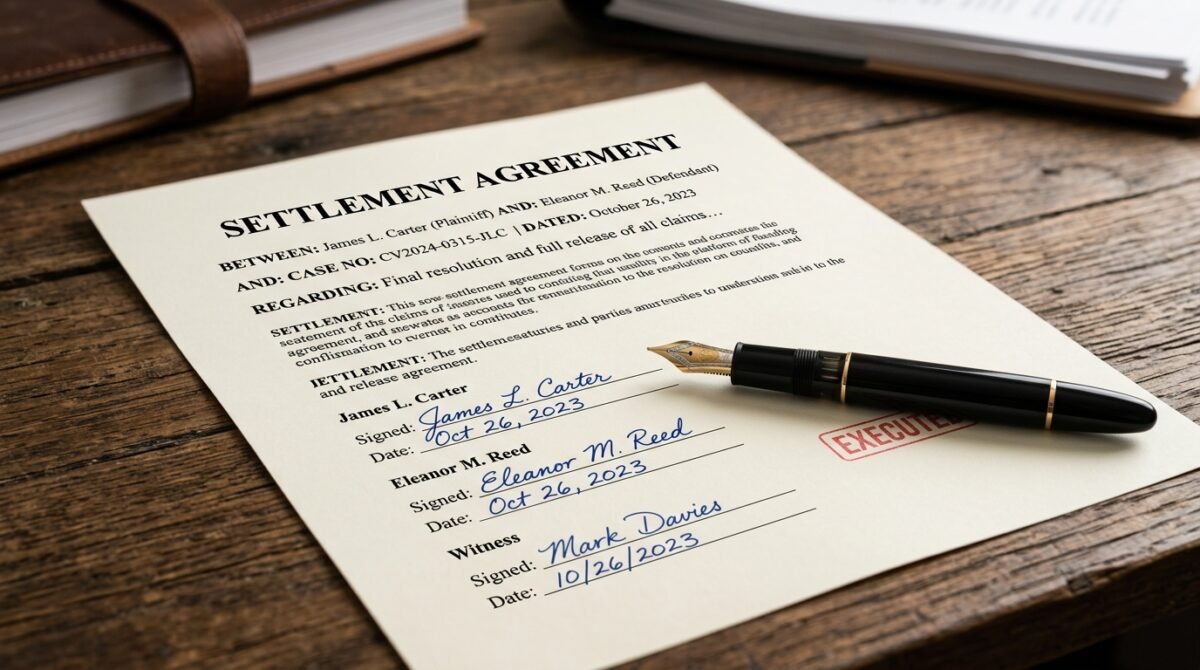
Two weeks after the cabin confrontation, I received a certified letter in the mail. My heart jumped into my throat. It was from a law firm I didn’t recognize. I opened it with shaking fingers, expecting to find an eviction notice or a lawsuit claiming the will was invalid. It was a formal letter, drafted by an attorney, claiming that my ‘possession’ of the cabin was interfering with the ‘family interest’ and that they were prepared to take legal action to ‘rectify the distribution of assets.’
The language was dense, filled with legalese that looked intimidating at first glance. They were trying to argue that because my mother had paid for some repairs on the roof five years ago, she had an ‘equitable interest’ in the property. It was a desperate, grasping attempt to find a legal loophole where none existed. Uncle Elias had left everything in a clear, iron-clad will that had already gone through probate without a single challenge.
“We strongly advise you to reconsider your stance. The costs of litigation will far outweigh the value of the property. We recommend transferring the deed to Mr. Tyler to avoid a protracted and costly court battle.”
— Excerpt from the legal notice sent to me
I didn’t panic. Instead, I felt a strange sense of relief. If they had to resort to hiring a lawyer to send a threatening letter, it meant they had absolutely no other options. They were bluffing. I sent the letter to my own attorney, who called me back within an hour, laughing. He told me it was a ‘nothing burger’ and that their lawyer was clearly just trying to squeeze money out of them to draft the notice.
My lawyer sent a response back, informing them that any further attempts to intimidate me or interfere with my property rights would be met with a harassment lawsuit. He also included a list of the costs associated with the roof repairs they mentioned, offering to pay them back immediately just to remove that one, thin thread of a claim they had. I paid it the same day, clearing the ledger completely.
The result was immediate silence from the lawyer’s office. They must have realized they were being used by a family looking for a cheap victory. It was the first time I felt like I had truly won a round. I was no longer just the ‘unreasonable kid’; I was someone who played by the rules and expected others to do the same.
The Family Ultimatum: Disownment or the Deed
The final blow came on a Tuesday evening. My mother called me, her voice trembling. It didn’t sound like the cold, calculating woman I had dealt with for the past few months; it sounded like she was reading from a script. She told me that Richard and Tyler had reached their limit and that they were holding a ‘family meeting’ that night. I was invited, but the terms were clear: I either brought the signed deed, or I was out of the family for good.
I chose not to go. I didn’t need to be there to know how it would go. Instead, I sent a long, detailed email to my mother, outlining exactly why I wouldn’t be handing over the property. I spoke about the years of being marginalized, the way Tyler had always been prioritized, and how this cabin was the only thing I had that was truly, undeniably mine. I told her that if they were willing to disown me over a building, then the relationship hadn’t been a family to begin with.
“If you want to choose Tyler’s business interests over your own child, that is a choice you are making. I will not be a pawn in your game. Do not contact me again until you can respect my boundaries.”
— My final email to my parents
The response was immediate and cruel. My mother sent a short reply: ‘We are done with you. You have made your choice.’ I was blocked on every platform within minutes. It was abrupt, cold, and final. For a few days, I felt the crushing weight of that finality. It’s hard to imagine being discarded by your parents, even when you know they are in the wrong.
However, the sense of loss was quickly eclipsed by a profound sense of peace. I didn’t have to worry about the next demand. I didn’t have to brace myself for the next surprise visit. The dynamic that had dictated my life for years was severed. I realized then that my ‘family’ had been a source of constant anxiety, and for the first time, the air felt clear.
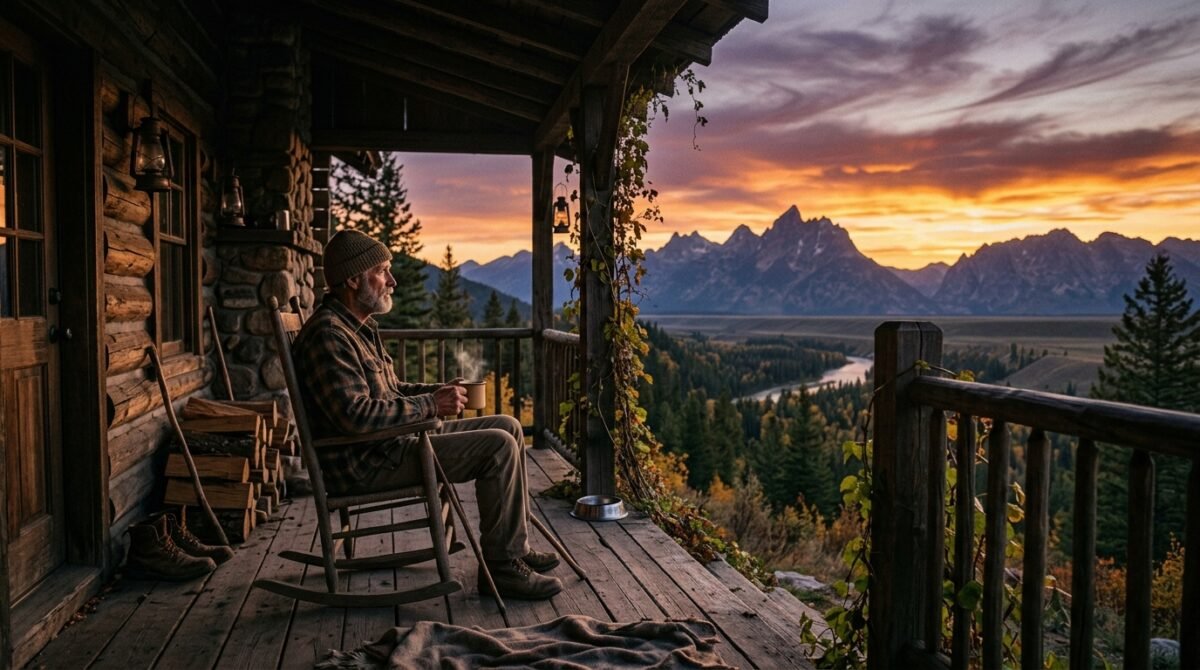
I spent that weekend at the cabin alone, sitting on the porch and watching the sun set. I realized that while I had lost a ‘family,’ I had kept a piece of my uncle, a piece of myself, and my dignity. It was a heavy price, but one I would pay again in a heartbeat. I had reclaimed my life, and for now, that was enough.
The Reddit Verdict: Community Reactions

I decided to share my story on a popular subreddit to see if I was truly losing my mind. The response was overwhelming. Within an hour, my post had thousands of upvotes and hundreds of comments. The community was unanimous in their support, which validated every decision I had made. It was a stark contrast to the gaslighting I had been receiving at home.
“This is a textbook case of entitlement. Your family sees you as a resource, not a person. You did the right thing by cutting them off. Keep that cabin and don’t look back. You owe them absolutely nothing.”
— u/StoicReader (Top Comment, 32.4k upvotes)
Many users shared their own stories of inheritance disputes, warning me about the potential for future escalation. People told me to change the locks, get a security system, and make sure my will was updated to prevent them from getting their hands on the property if something were to happen to me. The advice was practical, grounded, and incredibly helpful.
There were a few contrarians, of course, suggesting that I should have tried to ‘work it out’ for the sake of family harmony. But they were quickly drowned out by the vast majority who understood that family harmony shouldn’t be purchased with your own inheritance. The consensus was clear: when people show you who they are, believe them.
“The moment they threatened to disown you over property, they lost the right to call you family. They were trying to blackmail you. Never let people treat you like a line item on their balance sheet.”
— u/LegalEagleEye (15.2k upvotes)
Reading the comments felt like finding a tribe of people who understood boundaries. It helped me realize that the ‘shame’ I felt was a projection of their guilt, not my own. I wasn’t the selfish one; I was the one who had finally drawn a line. The support from strangers provided the emotional armor I needed to stay the course.
I continued to update the post as things unfolded, which kept the community engaged and allowed me to document the entire process. It became a therapeutic outlet. Each update felt like another step toward healing. I wasn’t just venting; I was reclaiming my narrative and ensuring that I wasn’t the victim they wanted me to be.
The Financial Reality Check

After the dust settled, I sat down to look at the finances of the cabin. I wanted to see if Tyler’s claims about the ‘potential revenue’ had any basis in reality. I did some research on similar properties in the area and realized that the market was already saturated. Running an Airbnb wasn’t a get-rich-quick scheme; it was a full-time, high-stress job that required constant cleaning, maintenance, and customer service.
I calculated the costs of insurance, property taxes, professional cleaning services, and the inevitable wear and tear that comes with hosting strangers. The ‘four figures a month’ profit Tyler had boasted about would have been quickly wiped out by expenses and the headaches of managing a property remotely. He wasn’t looking at a business plan; he was looking at a fantasy.
| Expense | Annual Cost (Est.) | Reality Check |
|---|---|---|
| Property Tax | $2,400 | Required regardless of use |
| Insurance | $1,800 | Higher for short-term rentals |
| Cleaning/Maintenance | $3,600 | Extremely time-intensive |
| Platform Fees | 15% of revenue | Cuts heavily into margins |
The table showed me what I already knew: the cabin wasn’t a gold mine. It was a liability if managed as a business, but a priceless asset as a home. By rejecting their plan, I hadn’t just saved my relationship with the property; I had saved myself from a massive, stressful financial mistake. Tyler would have likely run it into the ground and expected me to bail him out.
It was a sobering realization. Their ‘help’ was actually a trap. If I had agreed to their demands, I would have been responsible for a business I didn’t want, with a stepbrother who had no experience, and we would have ended up in even more conflict once the money stopped coming in. The refusal was the smartest financial decision I ever made.
I decided to put the money I would have spent on ‘upgrades’ into a retirement fund instead. I kept the cabin exactly as my uncle left it—simple, rustic, and quiet. It was a reminder that some things are worth more than the money they can generate. The cabin was a legacy, not a product, and I was committed to keeping it that way.
Setting Boundaries: The New Normal

Life after the estrangement took some getting used to. For the first few weeks, I found myself waiting for a text or a phone call, bracing for the next battle. But as the weeks turned into months, the silence became comfortable. I realized how much of my mental energy had been spent managing my family’s expectations and avoiding their volatility.
I started focusing on my own life, my own friends, and my own hobbies. I wasn’t looking for a ‘replacement family,’ but I was certainly enjoying the peace that came with being around people who respected me. I learned that healthy relationships don’t come with ultimatums or threats. They come with mutual respect and an understanding of boundaries.
“Boundaries aren’t about keeping people out. They’re about creating a safe space for yourself to grow. You have to be willing to lose people who don’t respect your boundaries, or you’ll lose yourself.”
— My therapist, during our weekly session
I also took steps to ensure that they couldn’t try anything else. I secured the legal documents for the property in a safety deposit box and updated my will to ensure that, should anything happen to me, the cabin would go to a local nature conservancy, not to any of my relatives. It was a final move that felt like closing the book on that chapter of my life.
I still go to the cabin whenever I can. It’s my sanctuary. It’s where I go to read, to think, and to remember my uncle. I don’t feel guilty anymore. I don’t feel the weight of their judgment. I just feel the wind in the trees and the quiet, steady rhythm of the mountains. It’s a peace I wouldn’t trade for anything in the world.
The estrangement is still in place, and I don’t see that changing anytime soon. My parents haven’t reached out to apologize, and I haven’t reached out to ask for forgiveness. We have both moved on. They have their lives, and I have mine. And honestly? That’s exactly how it should be.
Reflections on Greed and Family Loyalty

Looking back, the entire ordeal seems almost surreal. How could a family fall apart over a cabin? But the truth is, the cabin was never the issue. It was a symptom of a much larger, systemic problem in our family dynamics. The entitlement, the manipulation, and the blatant favoritism had been there for years; the cabin was just the catalyst that brought it all to the surface.
I’ve realized that family loyalty is not an unconditional contract. It’s a two-way street. If one side is constantly taking, manipulating, and demanding, then the bond is fundamentally broken. Trying to hold onto a relationship that is based on exploitation is a losing battle. You are only prolonging the inevitable and damaging yourself in the process.
“Greed is a poison that destroys everything it touches. It doesn’t just destroy the relationship; it destroys the person carrying it. I hope they realize that the cost of that cabin was much higher than the price of the property.”
— A thought from my journal, written months later
I’ve learned that saying ‘no’ is one of the most powerful things you can do. It sets a precedent. It shows people that you value yourself and your property. It’s scary, and it’s uncomfortable, but it’s necessary for growth. I wouldn’t be the person I am today if I hadn’t gone through that struggle.
I hope that sharing this story helps others who might be in a similar situation. Whether it’s an inheritance, a business opportunity, or just the day-to-day pressure of a toxic family, know that you are not alone. You have the right to your own life, your own choices, and your own peace. Don’t let anyone take that away from you.
The cabin is safe, and so am I. The mountain air is still crisp, the trees are still standing, and I am still the owner of a place that is truly, fully mine. And that is enough.
Lessons Learned: The Path Forward

If there’s one thing I’ve taken away from this, it’s that legal and financial independence is the ultimate form of protection. Before this happened, I was a little naive about how people—even family—would behave when money was involved. I learned the hard way that you need to be prepared, you need to have your documents in order, and you need to be willing to walk away.
I’ve also learned the value of a support system. Whether it’s an attorney, a therapist, or even an online community of strangers, having people who can offer objective advice is invaluable. When you’re in the middle of a conflict, it’s easy to lose perspective. Having someone who can say ‘you are right, this is wrong’ can be the difference between standing your ground and caving in.
“Life is too short to be miserable for the sake of appearances. Surround yourself with people who make you feel like your best self, not people who want to break you down for their own gain.”
— My concluding thoughts on the situation
I’m still working on the healing process. Some days are easier than others. But overall, I feel a sense of clarity that I never had before. I’m no longer waiting for the other shoe to drop. I’m no longer walking on eggshells. I’m living my life on my own terms, and that is the greatest gift of all.
The cabin has become more than just a place; it’s a symbol of my independence. It’s a reminder that I can weather the storm, that I can stand up for myself, and that I can find peace even in the face of conflict. I hope that when I’m old, I can look back at this time and feel proud of the person I chose to be.
And to anyone out there facing a similar struggle: don’t give in. The pressure will pass, the noise will fade, and you will be left with yourself. Make sure that person is someone you are proud to know. The cost of standing up for yourself is temporary; the cost of losing yourself is forever.
Conclusion
The story of the cabin is, at its core, a story about the fragility of relationships built on greed versus the strength of boundaries built on self-respect. Losing my family was the hardest part of the process, but keeping my soul was the reward. I’ve realized that the people who truly care about you will never ask you to compromise your integrity, your safety, or your future for their own benefit.
As I sit on the porch of my cabin today, watching the sun dip behind the peaks, I don’t feel sadness. I feel gratitude. I’m grateful for my uncle’s wisdom in trusting me with his legacy, and I’m grateful for the strength I found in myself when the pressure was at its peak. This cabin isn’t just a building; it’s the place where I finally grew up.
What about you? Have you ever had to choose between family peace and your own boundaries? Would you have held onto the cabin, or would you have yielded to avoid the estrangement? Let’s talk about it in the comments below—I want to hear your stories of standing tall against impossible pressure.
What's your verdict on this dilemma?
Vote below to contribute to the official community consensus.

Have a Dilemma Keeping You Up at Night?
Share your real-life feud, wedding chaos, or relationship crossroads anonymously with our editorial team.
What do you think ?
0 Comments🛡️ Comments are moderated to protect community integrity. Your comment will appear once approved by the editorial team.