
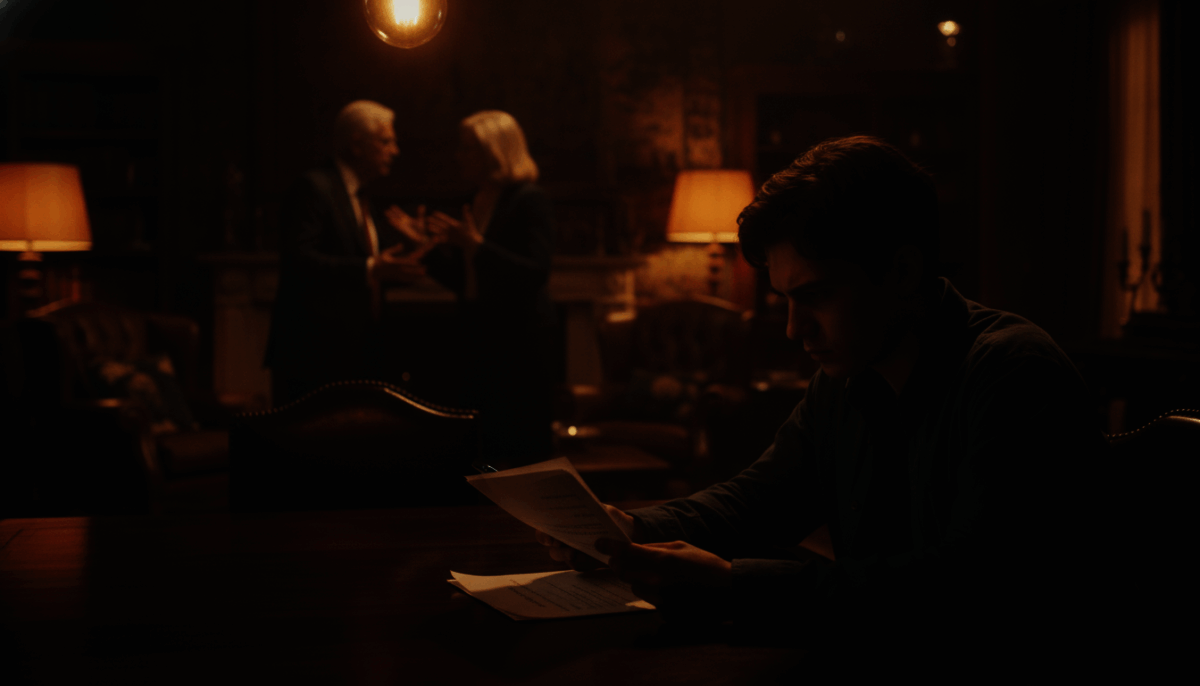
For as long as I can remember, my life has been a series of footnotes compared to my brother, Julian. He was the golden child—the star athlete, the charismatic charmer, and the one whose every minor achievement was celebrated with a lavish dinner or a new car. I, conversely, was the ‘sensible’ one, the child who stayed out of trouble and, perhaps most importantly, the child who was adopted. My parents never let me forget it, though they framed it as a beautiful act of charity rather than a responsibility they had chosen.
When I turned eighteen, I was given a modest trust fund—a legacy from my biological grandmother—amounting to exactly $15,000. It wasn’t life-changing wealth, but to me, it was freedom. It was the tuition for a trade school I had been eyeing, a safety net for my first apartment, and, most importantly, a tangible piece of my own origin. For three years, that money sat untouched, a quiet promise of a future I was building for myself.
That changed on a Tuesday afternoon when my mother called me, her voice dripping with a casual, terrifying sense of entitlement. Julian, who had blown through his savings on a failed business venture, had ‘manifested’ a luxury trip to Las Vegas for his thirtieth birthday. He didn’t just want a vacation; he wanted the penthouse experience, the first-class flights, and the VIP treatment. My parents, having drained their own reserves keeping Julian afloat, turned their eyes toward the only liquid asset left in the family: my adoption fund.
The moral dilemma wasn’t just about the money. It was about the audacity. They viewed my security as their resource, a backup plan for their failures. As I sat in my small studio apartment, staring at the notification on my phone, I realized that I wasn’t just defending a bank account. I was defending the right to exist independently of their whims. This is the story of how a fifteen-thousand-dollar request shattered a family dynamic that had been crumbling under the weight of favoritism for decades.
The Casual Request That Felt Like A Betrayal

The phone call started innocently enough, with my mother asking about my work schedule and complaining about the weather. It was the typical prelude to a request, a social lubricant used to soften the blow. I should have seen it coming, but I was blinded by the normalcy of the conversation. When she finally pivoted to Julian, her tone shifted from conversational to conspiratorial.
“Julian is turning thirty, and he really needs this, honey,” she said, her voice smooth as glass. “He’s been through so much with his career, and this trip to Vegas is his chance to reset. Your father and I want to cover it, but the timing is just a bit tight with the mortgage. We know you have that little fund sitting there—that inheritance—and we were thinking you could be a blessing to your brother.”
I felt a cold shiver run down my spine. The suggestion wasn’t a request; it was an expectation. It was the assumption that my stability was secondary to his indulgence. I tried to remain calm, even as my hands began to tremble with suppressed rage. I reminded her that the money was for my future, not a gift card for a Vegas trip.
“Mom, that isn’t a family fund. It’s my money. I’ve been saving it for my certification courses for two years. I can’t just give it to Julian for him to gamble away in a casino.”
— Me, responding to the demand
She sighed, a sound of profound disappointment that had been used to manipulate me since I was a child. She told me that I was being selfish, that family is meant to help each other, and that Julian would ‘of course’ pay me back when he got back on his feet. The gaslighting was immediate, turning my reasonable boundary into an act of cold-hearted cruelty.
I hung up the phone feeling nauseous. The realization that they didn’t see my hard-earned money as mine, but as theirs to distribute, was a heavy, suffocating weight. I spent the next hour pacing my apartment, wondering if I was the one being unreasonable. Was family really supposed to sacrifice everything for the ‘golden’ sibling, or had I been conditioned to accept an abusive dynamic?
The Group Chat Explosion

By the next morning, my phone was blowing up. My father had taken it upon himself to escalate the situation, dragging our extended family into the mess by posting in the family group chat. He framed the narrative as me being ‘ungrateful’ and ‘hoarding resources’ while my brother was struggling. The goal was clear: to humiliate me into compliance.
The texts were relentless. My aunt chimed in, saying she was ‘surprised’ I would be so cold, and my cousin suggested that ‘money comes and goes, but family is forever.’ It was a coordinated strike, designed to make me feel like the villain of the story. I watched the notifications pile up, each one a new accusation of selfishness.
“Julian is your own blood. We gave you a home when you had nothing, and this is how you repay us? You’re acting like a spoiled brat.”
— My Father, via Family Group Chat
I felt the urge to scream, to defend myself, to lay out the reality of Julian’s history of financial disasters. But I knew that logic wouldn’t work on people who were committed to misunderstanding me. Instead, I took a deep breath and started taking screenshots. I had been warned about this kind of behavior, but seeing it play out in real-time was different.
I didn’t reply to the group chat. I simply muted the notifications and started researching my legal options. If they were going to turn this into a public family trial, I was going to ensure that I had the receipts. Every accusation, every insult, and every demand was being archived. They thought I was a pushover, but they were about to learn that the ‘sensible’ one was the only one who actually prepared for the future.
The silence from my end must have been maddening for them. I could see the ‘typing…’ indicator appearing and disappearing on my father’s messages, a digital representation of his rising frustration. They wanted a fight, but I was choosing to build a wall instead. The battle for my own autonomy had officially begun, and I wasn’t going to lose it for a first-class ticket to a neon-lit desert city.
The Midnight Visit

I didn’t expect them to show up at my apartment. My parents lived two hours away, but at 11:00 PM on a Wednesday, there was a sharp, aggressive pounding at my door. My heart hammered against my ribs as I looked through the peephole to see my father, looking disheveled and furious, with my mother standing behind him, her arms crossed in a defensive posture.
I opened the door only a crack, keeping the security chain engaged. My father didn’t waste time with pleasantries. He shoved a piece of paper through the gap—an informal, handwritten ‘promissory note’ for the money, as if that would make the theft of my savings legitimate. The smell of stale coffee and cigarettes clung to him, a sensory reminder of a home environment I had worked so hard to escape.
“Open this door, now. We aren’t leaving until you realize how badly you’re embarrassing this family. Julian is waiting, and you’re the only thing standing in the way of his happiness.”
— My Father, shouting at my apartment door
The absurdity of the situation hit me like a physical blow. They were literally demanding I fund a luxury vacation for a grown man at midnight on a weeknight. I looked at the note, then back at them. I felt a strange sense of clarity; the fear that had defined my childhood interactions with them was replaced by a cold, sharp resolve. They were not my parents in this moment; they were intruders, and I was in control of my own space.
“I am not opening the door,” I told them, my voice surprisingly steady. “And you are not getting the money. If you don’t leave, I will call the police. I have the locks changed, and I am not afraid to use my rights.” The look of shock on my mother’s face was worth more than the $15,000. She looked at me as if she were seeing a stranger, unable to reconcile the child she thought she owned with the adult who was staring her down.
They left, but not before screaming insults about my ‘ungrateful heart’ and my ‘selfishness.’ I sat on the floor behind my door until the sound of their car engine faded into the night. It was the most difficult night of my life, but as I sat there, I realized that I had finally severed the emotional cord that had kept me tethered to their toxic expectations. I didn’t need their approval, and I certainly didn’t need to fund their delusions.
The Financial Reality Check

The following week was spent in a blur of financial auditing. I wanted to be absolutely certain that there was no legal vulnerability regarding the trust. I consulted with an attorney who specialized in estates, providing her with the original documents my biological grandmother had left behind. She confirmed that the money was solely mine, a protected asset that my parents had absolutely no legal claim to, regardless of their ‘parental authority’ or the fact that they had raised me.
I learned that the trust was set up with a specific provision: it was to be used for my education or life-start expenses, and any attempt to coerce me into misusing it could be documented as financial harassment. This was the ammunition I needed. I didn’t want to sue my parents, but I needed the leverage to ensure they stayed away from my accounts. The attorney advised me to transfer the funds to a completely new bank, one they had no association with, and to set up a digital barrier between myself and my family.
| Asset | Current Status | Ownership |
|---|---|---|
| Adoption Trust | Secure & Transferred | Legal Sole Owner (OP) |
| Access Credentials | Changed/Updated | Restricted |
| Family Communication | Restricted/Blocked | Under Observation |
The act of moving the money felt like a rebirth. I watched the balance reflect in my new account, the numbers glowing on the screen like a promise. It wasn’t just money; it was the physical manifestation of my independence. I paid for my first semester of trade school that same afternoon. The satisfaction was visceral, a quiet victory in a war they didn’t even know they were losing.
I also took the step of formally notifying them that the money was no longer accessible and that they were not to contact me regarding my finances. I sent a dry, professional letter via certified mail. I didn’t include any emotional pleas or explanations. I simply stated the facts. The bridge wasn’t just burned; it was dismantled, plank by plank, in the name of my own survival.
By the end of the week, I felt like a different person. The anxiety that usually plagued my chest had vanished, replaced by a quiet, focused determination. I had spent my entire life trying to be the person they wanted me to be, a person who existed to support their narrative. For the first time, I was living for myself. It was the most terrifying and exhilarating feeling I had ever experienced.
Reddit Weighs In: The Community Verdict
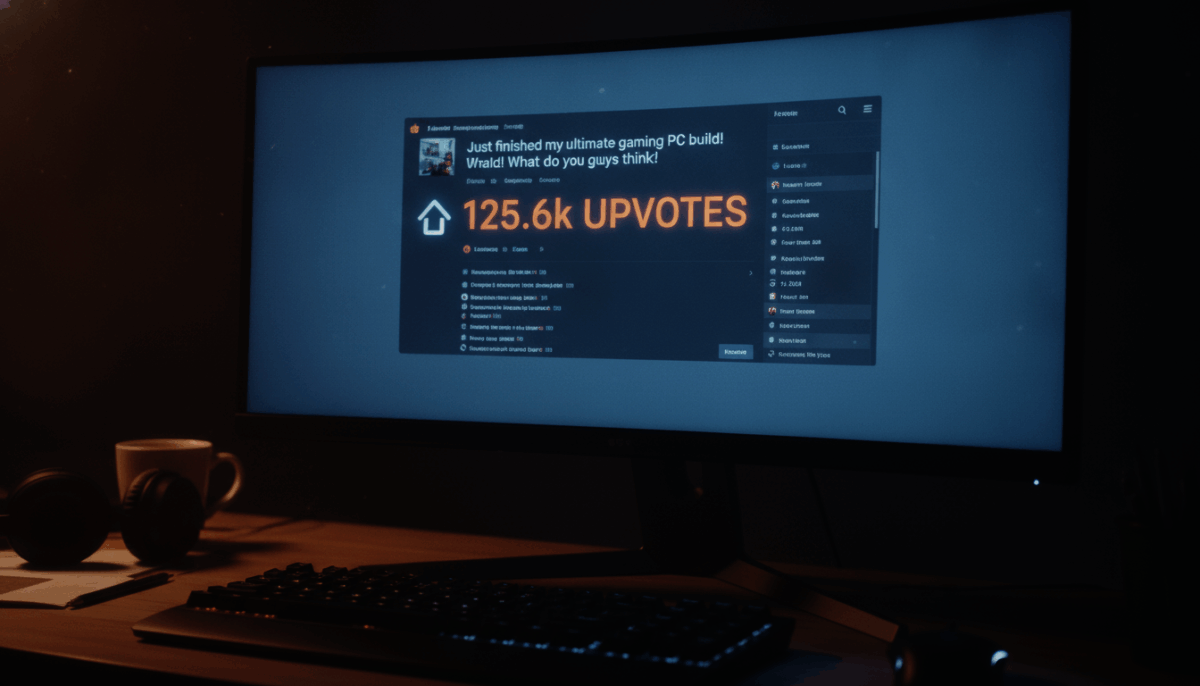
I knew the situation was complicated, and I needed an objective perspective. I turned to Reddit, posting my story on a popular forum dedicated to family dilemmas. I didn’t sugarcoat the situation. I laid out the facts, the history of favoritism, and the recent, desperate attempt by my parents to drain my trust. Within hours, the post had blown up, garnering thousands of comments from people who had lived through similar traumas.
“NTA (Not The Asshole). This is a classic case of parents treating their adopted child as a secondary citizen compared to their ‘golden child.’ Do not give them a single cent. Once you open that door, they will never stop asking for more. Protect yourself.”
— u/FamilyDramaExpert (Top Comment, 32.4k upvotes)
The validation was overwhelming. Thousands of strangers were telling me that I was right to protect my future, that family ties do not entitle anyone to your labor or your resources. I read through the comments for hours, finding comfort in the shared stories of others who had successfully set boundaries with toxic parents. It helped me realize that the guilt I felt was a learned behavior, not a moral failure.
“The audacity of them asking for money for a vacation while you’re trying to build a career is breathtaking. They aren’t just ‘parents’; they are financial predators. Keep the money, go to school, and don’t look back.”
— u/BoundariesAreKey (15.2k upvotes)
There were, of course, a few dissenting voices—people who insisted that ‘blood is thicker than water’ and that I should be more understanding. But they were drowned out by the chorus of support. The community didn’t just tell me what to do; they gave me the confidence to stick to my decision even when the doubt crept back in. It was a digital support system that I desperately needed.
The discussion also turned to the legal side of things, with many users sharing their own experiences with trusts and inheritance. Their advice mirrored what my attorney had told me, which solidified my decision. I realized that my story wasn’t unique—it was a pattern—and that the only way to break that pattern was to remain firm in my refusal to be a martyr for someone else’s ‘golden child.’ The support was the final piece of armor I needed to complete my transformation.
The Fallout: Julian’s Direct Messages

The next communication didn’t come from my parents, but from Julian himself. His messages were a mixture of pathetic pleading and thinly veiled threats. He seemed genuinely unable to understand why I wasn’t just handing over the money. He tried to frame the vacation as a ‘mental health necessity,’ as if my financial stability was a fair price to pay for his weekend in a penthouse.
“I thought we were brothers. I’ve always had your back, even when things were tough. How can you be this selfish? Mom and Dad are devastated. You’re literally ruining my birthday.”
— Julian, via private text
I didn’t engage. I didn’t correct his revisionist history of our relationship, nor did I explain my side of the story. I knew that Julian thrived on drama and the opportunity to position himself as the victim. By responding, I would only be feeding the machine. I screenshotted his messages and added them to my file, then blocked his number entirely.
The silence from his end was frantic. I could see through my mutual friends that he was telling everyone who would listen that I was ‘stealing’ his inheritance or that I was ‘being difficult’ for no reason. It was a classic smear campaign, designed to isolate me and force me into submission. But because I had already set my boundaries and shared my side with the people who mattered, his lies didn’t gain the traction he expected.
It was painful, of course. Watching your own brother turn into your antagonist is a unique kind of grief. I mourned the relationship I thought we had, the one where we were peers and allies. But I realized that the relationship had been an illusion all along. He had always been the golden child, and I had always been the resource. The mask had finally slipped, and while the sight was ugly, it was necessary for me to see the truth.
I went for a long run that evening, focusing on my breathing and the sound of my shoes hitting the pavement. I realized that my anger was fading, replaced by a quiet, settled indifference. I didn’t care what Julian thought of me anymore. I didn’t care about his party, his penthouse, or his ‘mental health.’ I was focusing on my own health, my own future, and the path I had carved out for myself. It was the best run of my life.
The Unannounced Sunday Dinner Invite

Three weeks later, I received an invitation to the weekly family Sunday dinner. It was sent via email by my mother, phrased as if nothing had happened. There was no mention of the money, the midnight visit, or the fight. It was a classic ‘sweeping it under the rug’ tactic, a way to force a return to the status quo without acknowledging the damage they had caused.
I replied to the email with a single, polite sentence. I declined the invitation and stated that I would not be attending any family gatherings until there was an acknowledgment of the boundary violation and a sincere apology. I didn’t wait for a response before setting the email to send to my archive folder. I knew they would try to manipulate me again, but I was not going to give them the opportunity.
I spent the Sunday alone, but for the first time, it didn’t feel lonely. It felt like freedom. I made myself a nice meal, read a book, and enjoyed the quiet of my apartment. I didn’t have to navigate the minefield of their expectations or pretend to be someone I wasn’t. It was a peaceful, productive day that confirmed my decision to go low-contact was the right one.
I realized that my parents’ inability to respect my boundaries wasn’t a reflection of my worth. It was a reflection of their own narcissism and their inability to see me as an autonomous adult. By removing myself from their influence, I was finally able to start the healing process that I had been postponing for years. I was reclaiming my life, one boundary at a time.
The following week, I received a package in the mail. It was a gift from my grandmother, a small sentimental item I had cherished as a child. It felt like a parting gift from the only person who had truly understood me. I placed it on my mantle, a reminder of where I came from and the strength I had inherited from those who truly loved me. I was ready to move forward, regardless of what the rest of my family thought.
The Professional Repercussions

The fallout eventually reached my workplace. My father, in a final act of desperation, called my office pretending to be an ‘urgent family contact.’ He attempted to speak with my manager, likely to smear my reputation or force a confrontation. Thankfully, my boss was a professional who immediately recognized the red flags and blocked the number after a short, stern conversation.
When my manager came to me later that day, he was apologetic and supportive. I explained the situation briefly, keeping it professional and focused on the fact that I was dealing with a difficult family situation. His response was everything I could have hoped for: he told me that my private life was my own and that he would ensure I had the support I needed to keep my work environment safe.
“You’re an employee here, not a family extension. We will not tolerate anyone harassing you at this office. If they try to call again, we will involve security.”
— My Manager, offering support
The relief was immense. I had been terrified that their toxic behavior would bleed into my career, the one thing I had worked so hard to build. Knowing that my professional life was a sanctuary gave me the strength to handle the rest of the fallout with confidence. I was building a life that was independent, secure, and entirely mine.
I also updated my emergency contact information and made sure that none of my family members had access to my professional or personal accounts. I was locking down my life, brick by brick, ensuring that there was no way for them to infiltrate my world again. It was a tedious process, but it was necessary. Every digital barrier I put in place was a layer of safety that allowed me to sleep better at night.
I realized that my family’s influence had been systemic, reaching into every corner of my life. By systematically removing their access, I was learning how to be a person who wasn’t defined by their presence. It was a slow, sometimes painful process, but it was exactly what I needed. I was finally becoming the person I was meant to be, not the person they had tried to construct for themselves.
A New Chapter of Independence

Six months later, I am in a completely different place. I’ve finished my first certification course, and I’m already looking at options for the next step. I’ve moved into a new, larger apartment, and I’ve started building a life that is truly my own. I have friends who respect my boundaries and a support system that I’ve built from scratch. I’ve never been happier.
I haven’t spoken to my parents or my brother in months. There have been a few attempts to reach out—a card, a stray text, an email—but I haven’t engaged. I don’t need to know what they are thinking or what they are doing. I am content in my own world, surrounded by the things and people that truly matter. I’ve realized that I don’t need their forgiveness or their approval.
The money from the trust was used exactly as intended: to build a future. It provided me with the cushion I needed to pursue my goals without fear, and it paid for the education that is going to provide me with a stable, fulfilling career. It wasn’t a fortune, but it was an investment in myself, and it has already paid dividends in terms of my personal growth and confidence.
I look back at the person I was six months ago—frightened, guilty, and desperate for approval—and I barely recognize her. I have become a woman who knows her worth, a woman who sets boundaries and sticks to them, and a woman who refuses to be anyone’s ‘resource.’ It’s a powerful, liberating feeling to be the author of my own life, and I wouldn’t trade it for anything.
If you are in a similar situation, please know that you are not alone. You don’t owe your family your life, your money, or your sanity. You are allowed to set boundaries, and you are allowed to walk away from people who don’t respect them. Your future is yours to own, and you have the strength to build whatever life you want, independent of those who don’t have your best interests at heart.
Reflecting on the Cost of Boundaries

Setting boundaries is rarely a painless process. It involves loss—the loss of the ideal family, the loss of certain relationships, and the loss of the comfort that comes with being a ‘part of the group.’ But in exchange, you gain something infinitely more valuable: yourself. You gain the ability to choose how you spend your time, your money, and your emotional energy. You gain the freedom to live without fear.
I think often about the price of my independence. It cost me my relationship with my parents and my brother. It cost me the comfort of the family home. But when I look at the cost, I realize that it was a bargain. I was paying a premium for a life that wasn’t mine, a life defined by their needs and their expectations. By paying the price of boundaries, I’ve reclaimed the most important asset I have: my own potential.
“Boundaries aren’t walls to keep people out; they’re gates to decide who can enter and how they must treat you while they’re there.”
— A piece of wisdom I learned through this process
I hope that my story encourages others to stand up for themselves, especially when they feel like they don’t have the power to do so. It is never too late to take control of your life. It is never too late to say no. It is never too late to start over. I have done it, and I know that you can, too.
I have learned that the people who get angry when you set boundaries are the ones who benefited from you not having any. It’s a simple truth, but it’s a profound one. When you stop being a resource, you stop being valuable to the people who were only using you. And while that can be painful, it is also the quickest way to identify the people who truly love you for who you are, not for what you can do for them.
I am looking forward to the future now, not with fear, but with excitement. I have plans, I have dreams, and I have the resources to pursue them. I am no longer waiting for permission to be successful. I am no longer waiting for the ‘golden child’ to get his act together so I can have my turn. I am building my own version of success, one day at a time, and I am loving every minute of it.
Conclusion
Looking back at the past year, the transformation has been total. I went from being the ‘sensible’ child who was expected to sacrifice my security for a sibling’s luxury, to a woman who is the sole architect of her own destiny. The fifteen thousand dollars did not go to a Vegas penthouse; it went into a degree that will ensure I never have to rely on anyone else again. I am now in a place of professional stability, personal clarity, and emotional peace. The silence from my family is no longer a source of grief; it is a testament to the boundaries I have maintained.
The lesson here is simple yet profound: you are not a savings account for your family’s poor decisions, nor are you a secondary character in your sibling’s life. When you stop carrying the weight of others’ expectations, you finally have the capacity to lift yourself up. I have learned that the people who truly love you will respect your boundaries, even when it is inconvenient for them. Anyone who demands you set yourself on fire to keep them warm is not a person you need in your life.
If you find yourself in a similar position, know that you are not alone. The guilt you feel is a manifestation of the conditioning you were raised with, not a reflection of your moral character. Protect your future, guard your resources, and do not be afraid to walk away from those who refuse to acknowledge your autonomy. Your life is yours to live, and your worth is non-negotiable.
Now, I turn it over to you. Have you ever had to choose between family loyalty and your own personal boundaries? Have you ever had to say ‘no’ to a demand that felt like an injustice? Share your experiences in the comments below—let’s talk about how to reclaim our lives in the face of impossible expectations.
What's your verdict on this dilemma?
Vote below to contribute to the official community consensus.

Have a Dilemma Keeping You Up at Night?
Share your real-life feud, wedding chaos, or relationship crossroads anonymously with our editorial team.
What do you think ?
0 Comments🛡️ Comments are moderated to protect community integrity. Your comment will appear once approved by the editorial team.