
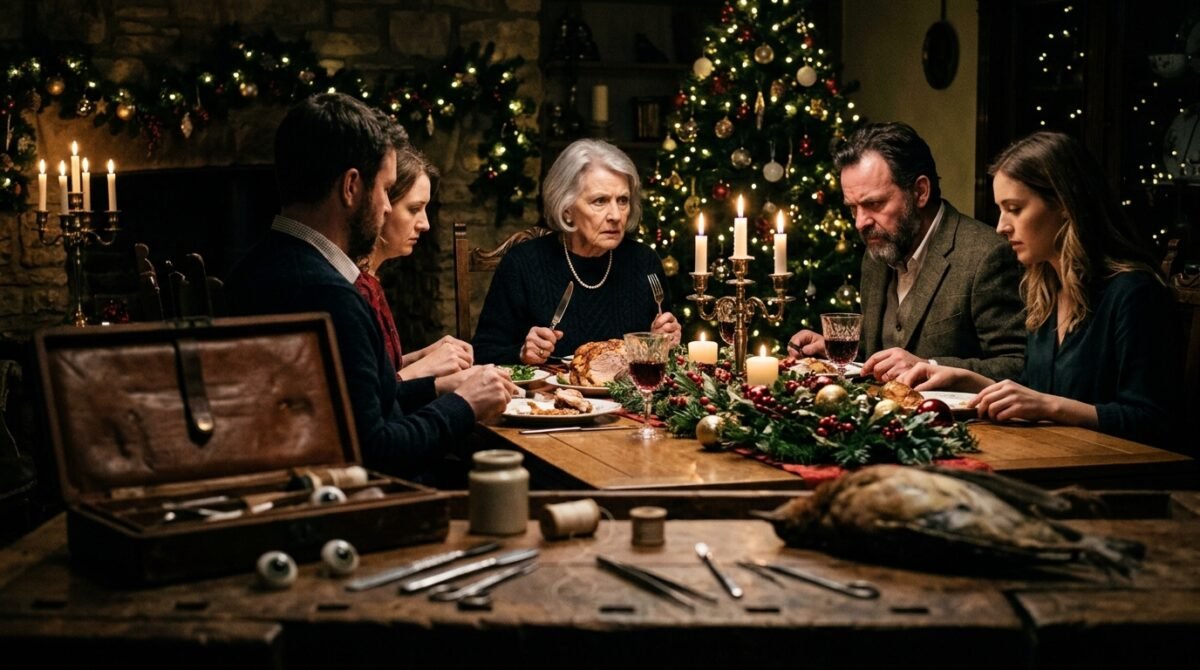
They say that grief manifests in strange ways, but I never expected the manifestation of my in-laws’ ‘sympathy’ to involve a professional taxidermist, a series of sharp scalpels, and the remains of our family dog, Buster, placed squarely in the center of our holiday brunch table. We had lost Buster just three weeks prior to an unexpected illness—a loss that left my husband, Mark, and me reeling. We were still in the thick of the ‘firsts’ without him, navigating the silence of a house that used to be filled with the rhythmic click-clack of his paws.
When Mark’s parents, Linda and Robert, called to say they wanted to come over for a ‘special post-Christmas brunch to lift our spirits,’ I assumed they meant mimosas and a casserole. I certainly didn’t assume they had spent their savings on a high-end taxidermy consultation. The audacity required to bring a stranger into our home under the guise of festive cheer, only to unveil a morbid plan to ‘keep Buster forever,’ is a level of boundary-crossing I am still trying to comprehend.
The air in our dining room shifted from the scent of cinnamon rolls to the metallic, chemical sting of preservation fluids within seconds. As I stood there, frozen, watching the man unpack his tools, the realization washed over me: this wasn’t an act of love. It was an act of control, a final, grotesque attempt to dictate how we should grieve. Mark, usually the peacemaker, looked like he had been slapped across the face, his eyes darting between his parents and the cold, unyielding tools of the trade.
This wasn’t just about a dog; it was about the fundamental disrespect for our home, our boundaries, and our autonomy. As the taxidermist reached for the velvet bag containing the memorial ashes we had prepared, the dam finally broke. This is the story of how our Christmas brunch turned into a site of emotional warfare, and why I had to make the hardest decision of my life to protect my peace against the people who claim to love us most.
The Invitation to a Seemingly Normal Morning
The week leading up to the brunch had been marked by a strange, insistent kindness from Linda. She kept texting about ‘surprises’ and ‘healing.’ I should have known better. Every time Linda uses the word ‘healing,’ it usually involves her forcing a situation that requires a therapist, not a mother-in-law. We were still grieving; we had barely put away the dog bed, and the house felt like a tomb.
Mark was actually looking forward to it. He thought his parents had finally learned to read the room. He told me, ‘Maybe they just want to give us something to look forward to.’ I hummed in agreement, though my gut warned me of the impending chaos. I spent the entire morning preparing food, trying to mask the emptiness in the kitchen with the smell of baking bread and strong coffee.
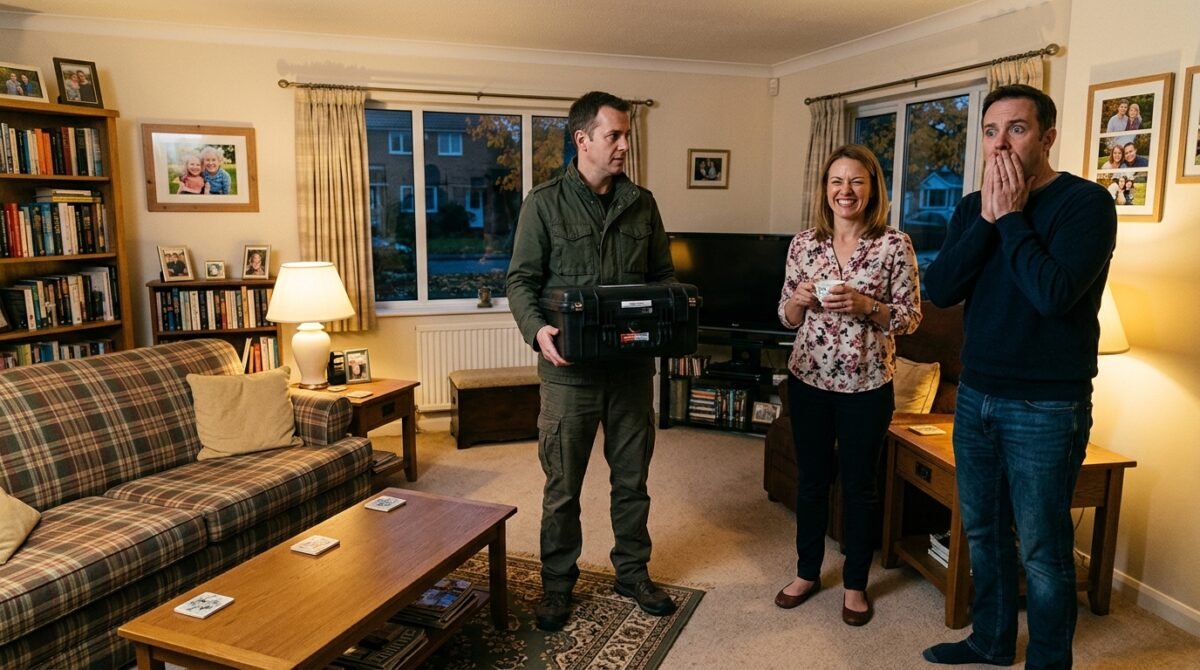
When the doorbell rang, it wasn’t just Linda and Robert. A tall, somber-looking man in a heavy coat stood behind them, carrying a large, metallic industrial case. Mark opened the door, a smile on his face that quickly dissolved into a mask of confusion. ‘Who is this?’ he asked, gesturing to the stranger.
“This is Marcus,” Linda chirped, pushing past us into the entryway. “He’s the finest specialist in the region. We thought you two were struggling so much with the loss of Buster, we decided to take the burden of the funeral logistics off your plate once and for all. He’s ready to begin right here on the table.”
I looked at the case. Then I looked at the table. My heart plummeted into my stomach, replaced by a cold, sharp anger that I hadn’t felt in years. How could they think, for one second, that this was acceptable? The sheer arrogance required to hire a service for a dead pet without the owner’s consent is staggering. Mark turned to me, his face pale, his hands trembling slightly.
“Mom, you didn’t,” Mark whispered, his voice barely audible. He looked at the taxidermist, then back to his mother. Linda was already pulling out chairs, acting as if she were hosting a Sunday dinner in her own living room. The disconnect between her jovial behavior and the reality of the situation was terrifying. This wasn’t a gift; it was a violation.
The Unveiling of the Morbid Proposal
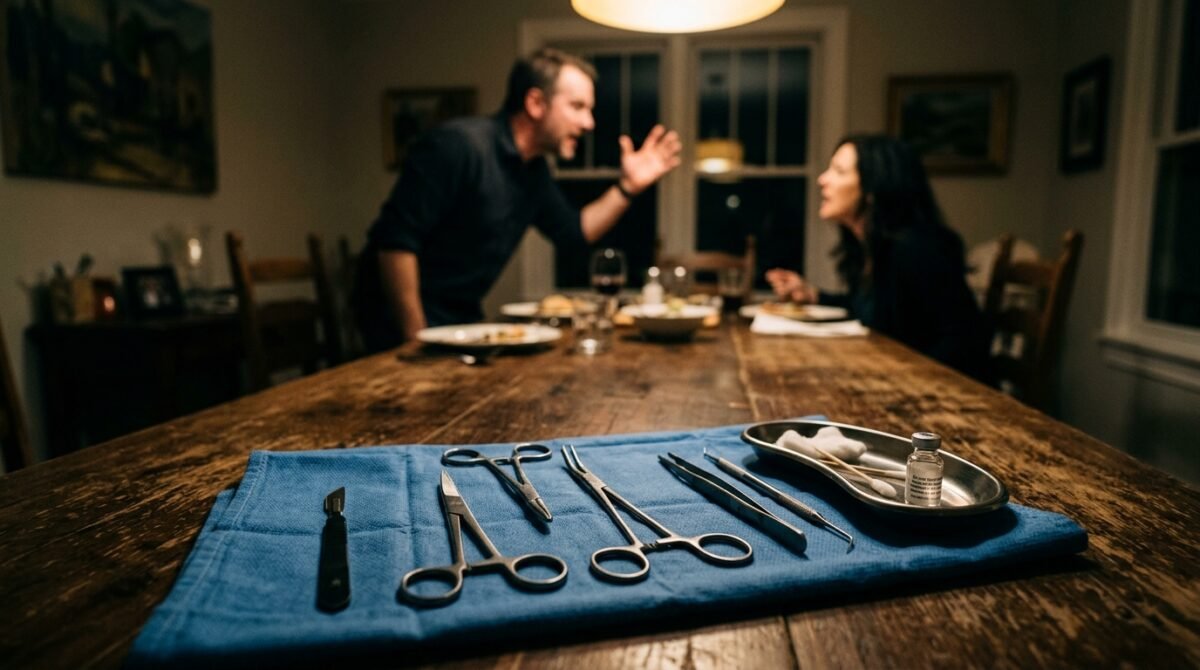
The living room felt suddenly claustrophobic. Marcus, the taxidermist, began laying out his instruments on our oak dining table. I saw scalpels, chemical vials, and various sewing needles glinting in the morning light. It was like a scene from a horror film, only happening in the middle of our holiday brunch. I walked over to the table and slammed my hand down on the edge of the wood, catching Marcus’s attention.
“What exactly is happening here?” I asked, my voice dangerously steady. Marcus looked at Linda for instructions, his expression completely blank. He was just a professional doing a job, unaware that he had walked into a war zone, but that didn’t make his presence any less offensive. Linda didn’t look at me; she was busy arranging the place settings, completely ignoring my tone.
“Don’t be difficult,” Linda snapped, finally meeting my eyes. “Buster was part of our family, too. We don’t want him buried in the dirt. We want him on the mantle, watching over the house. Marcus is going to mount him in a ‘sleeping’ position. It’s going to be beautiful, and you’ll thank us in the long run.”
The audacity of her claiming Buster as ‘her’ family was the final straw. He was my dog. He was Mark’s dog. He was our companion during our darkest years, and now she wanted to turn him into a permanent piece of home decor? I felt the bile rise in my throat. I looked at Mark, waiting for him to step up, to tell them to leave, but he was staring at the floor, paralyzed by his mother’s overbearing presence.
“Mark, say something,” I urged, my voice tight. He finally looked up, his eyes glassy. He seemed to be caught between the man he wanted to be and the son he had been trained to be. The silence stretched on, broken only by the sound of Marcus adjusting his equipment. It was the longest minute of my life. The tension was so thick you could cut it with one of the knives currently sitting on my dining table.
“Mom, we already have plans for his ashes,” Mark finally said, his voice stronger than before. “We’re scattering them at the lake he loved. We don’t want… this. You need to pack up your things and leave. Now.” The air in the room seemed to crackle. Linda’s face transformed from a smug, satisfied expression to one of pure, unadulterated rage. She hadn’t expected a rejection, and she certainly hadn’t expected one in front of the ‘help’ she had hired.
The Explosive Counter-Argument
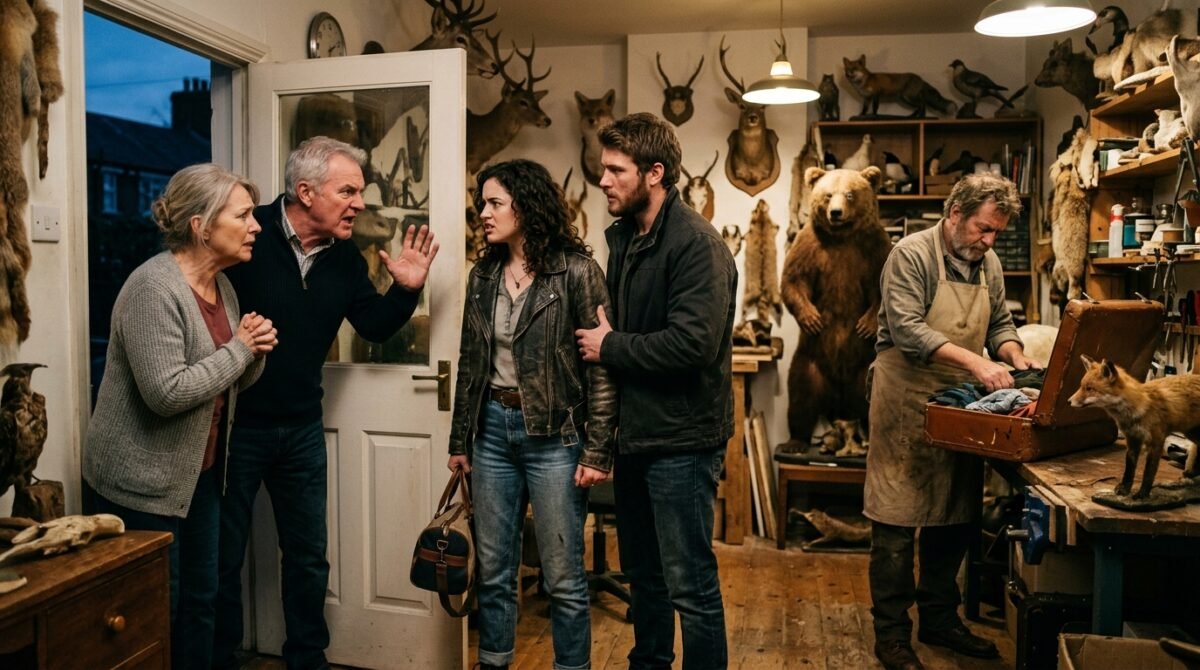
Linda stood up, her napkin fluttering to the floor. She looked like a woman who had been denied her favorite toy. ‘You are being ungrateful!’ she shrieked, her voice echoing in the small room. ‘We spent three thousand dollars on this! Do you have any idea how hard it was to get on his schedule during the holidays? We were doing this for your own good, to stop you from moping around!’
The argument escalated from a debate about a dog to a full-blown excavation of every boundary they had violated in the last five years. I pointed out the times they had shown up unannounced, the times they had criticized our house, and the times they had treated us like children who couldn’t make basic decisions. Marcus looked increasingly uncomfortable, backing away from the table as the shouting match intensified.
“You treat our home like a rental property you have a key to,” I shouted, pointing toward the door. “You think that because you pay for things, you get to own our emotions and our memories. Well, not this time. Buster stays in the ground where he belongs, and you leave this house immediately.”
Robert, who had been silent up until this point, stood up slowly. He looked at me with a mix of pity and condescension. ‘You’re overreacting,’ he said calmly. ‘It’s just a dog. We’re just trying to preserve a memory. Why are you making this a mountain out of a molehill? You’re acting like we’re trying to harm you, when we’re clearly trying to help.’ The gaslighting was so textbook it almost felt like a parody.
Mark, finally finding his footing, stepped between his parents and the table. ‘It is not just a dog,’ he said, his voice trembling with genuine emotion. ‘It is our dog. And you brought a stranger into our home to cut him open on our brunch table. Are you listening to yourselves? This is insane. This isn’t love, Mom. This is possessiveness, and it’s sick.’
The room went deathly silent. The only sound was the hum of the refrigerator. Linda looked stunned, as if she had never heard the word ‘no’ from her son before. Marcus, seeing his chance, started packing his tools back into his case. The damage was done, but the confrontation was far from over. The seeds of our estrangement were being planted in that very moment, under the gaze of a man who usually worked with corpses.
The Aftermath of the Brunch from Hell
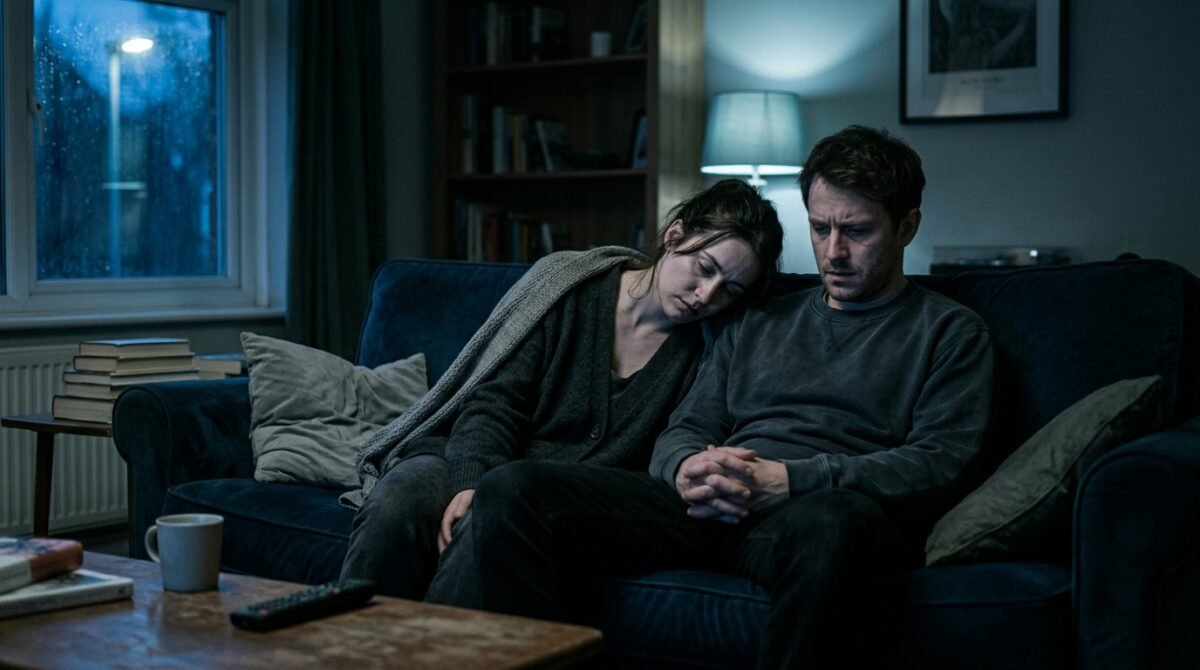
After they finally left—after a long, drawn-out exit involving slamming doors and accusations of us being ‘heartless’—the house felt colder than ever. Marcus had left with his tail between his legs, offering a weak apology that I didn’t even acknowledge. I sank into the sofa, the adrenaline leaving my body, replaced by a crushing, leaden exhaustion. Mark was in the kitchen, wiping down the table. He spent an hour scrubbing it, as if he could wash away the stain of his parents’ presence.
We didn’t talk for hours. There was nothing left to say. The brunch food, now cold and untouched, sat on the counter. I felt like I had aged five years in the span of thirty minutes. It wasn’t just the shock; it was the realization that our relationship with his parents had fundamentally changed. There was no going back to the way things were before. The mask had slipped, and underneath it was a level of entitlement that terrified me.
“I don’t think I can see them for a long time,” Mark said, sitting down next to me. “I don’t even know who they are anymore. How could she think that was okay? How could she think we’d just… say yes?”
I leaned my head on his shoulder. We were a team, and for the first time, he was seeing them the way I had seen them for years. That was the only silver lining in this entire disaster. We spent the rest of the day in a haze, watching television we didn’t understand, trying to ignore the lingering sense of violation that permeated the house. We knew the phone calls would start soon, and the guilt trips would be weaponized.
By the evening, the messages began. Not just from Linda, but from aunts, cousins, and family friends. They had all been briefed on our ‘cruelty.’ The narrative was already being spun, and we were the villains who had rejected a ‘loving gift.’ It didn’t matter what the truth was; it mattered what they believed. The war for the family narrative had begun, and we were already losing the PR battle.
The Group Chat Explosion
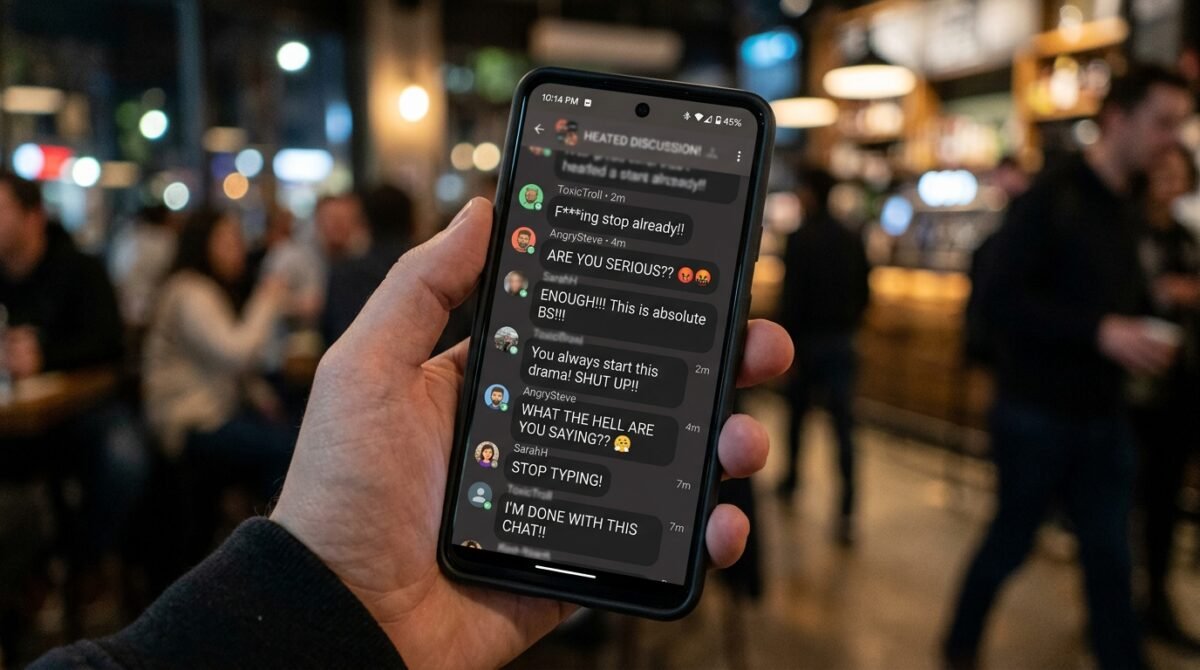
The family group chat, which had been dormant for weeks, suddenly erupted with notifications. My phone wouldn’t stop buzzing. I didn’t want to look, but I couldn’t help myself. Linda had posted a ‘summary’ of what happened, painting us as ungrateful, irrational, and emotionally immature. The responses from the rest of the family were equally predictable, ranging from ‘Are you sure you didn’t overreact?’ to ‘They just wanted to help, honey.’
“We just wanted to give them a beautiful memorial for their sweet boy, but instead, we were shouted out of their home like criminals. They have no respect for family traditions or the people who care about them. We are deeply hurt.” — Linda, in the Family Group Chat
I watched as cousins I rarely spoke to jumped in, offering support to Linda. It was a classic smear campaign. I wanted to reply, to tell the truth, but I knew better. Anything I said would just be fuel for their fire. Mark looked at his phone and shook his head, his thumb hovering over the ‘leave group’ button. He looked at me, a question in his eyes. I nodded. He hit the button, and the notifications finally stopped.
It felt like a small act of rebellion, but it was massive for him. He had never dared to cut ties with the family communication loop before. The silence that followed was peaceful, but it was also a declaration of war. We had effectively burned the bridge, or at least, the bridge had been blown up while we were still standing on it. We didn’t know what the consequences would be, but we knew we couldn’t go back.
That night, we talked about what we wanted our future to look like. We decided on a firm boundary: no contact until they acknowledged their behavior and apologized for the invasion of our home. We weren’t going to negotiate the terms of our own grief. If they wanted a relationship with us, it would have to be on our terms, not theirs. It was the most empowering decision we had ever made as a couple.
The Legal and Financial Fallout
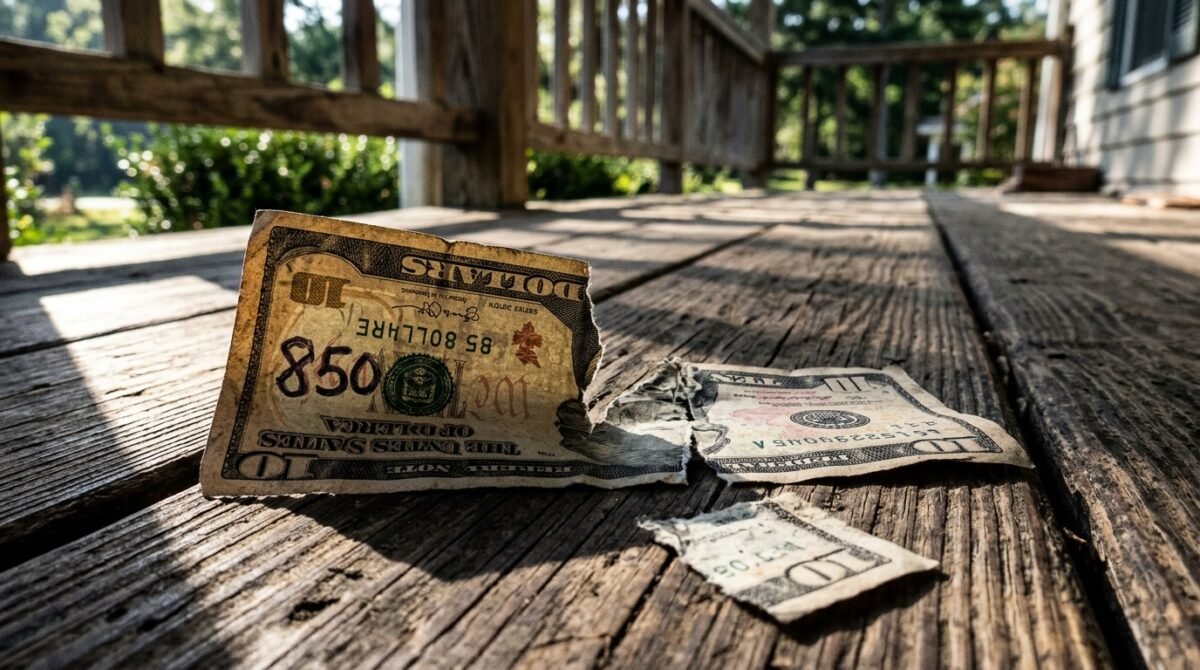
The next morning brought a new surprise: a bill for the taxidermist’s ‘consultation fee’ and the down payment for the work that hadn’t been finished. Robert had left it on our doorstep, tucked under the mat. It was for $850. The audacity was truly endless. Attached was a note demanding we pay the fee since we were the ones who ‘cancelled the service.’
Mark laughed, a hollow, bitter sound. He took the bill and ripped it into tiny pieces. We had no intention of paying for their mistake. We didn’t order the service, we didn’t consent to the service, and we certainly weren’t going to subsidize their boundary-crossing behavior. However, the threat of legal action was looming. Robert had mentioned ‘small claims court’ in a text message he sent just an hour prior.
“If you refuse to cover the costs we incurred on your behalf, we will have no choice but to take this to court. We have the receipt, and we have the emails proving we were doing this for you. Don’t think you can just ignore your debts.” — Robert, via SMS
We called a lawyer friend of ours, just to be safe. She spent ten minutes laughing before she told us to relax. ‘They have no case,’ she said. ‘You didn’t sign anything, you didn’t authorize anything, and the service was performed in your home against your wishes. If they take you to court, they’ll look like the crazy ones. Let them try.’ It was a relief, but the stress of the threat still hung over us.
We started gathering evidence. We saved the texts, we kept the note, and we wrote down a timeline of events. We were ready for them. The financial stress was just another layer of the control they were trying to exert. They wanted us to pay for their intrusive ‘gift’—a literal ransom for our compliance. It wasn’t about the money; it was about forcing us to acknowledge their authority.
Every time the phone rang, I jumped. Every time a car pulled into the driveway, I held my breath. The house, which used to be our sanctuary, had been compromised. We realized we needed to change our locks and inform our neighbors that we weren’t accepting any visitors from his family. We were turning our home into a fortress, not because we were paranoid, but because we were protecting ourselves from a very real, very intrusive threat.
Reddit Weighs In: The Community Verdict
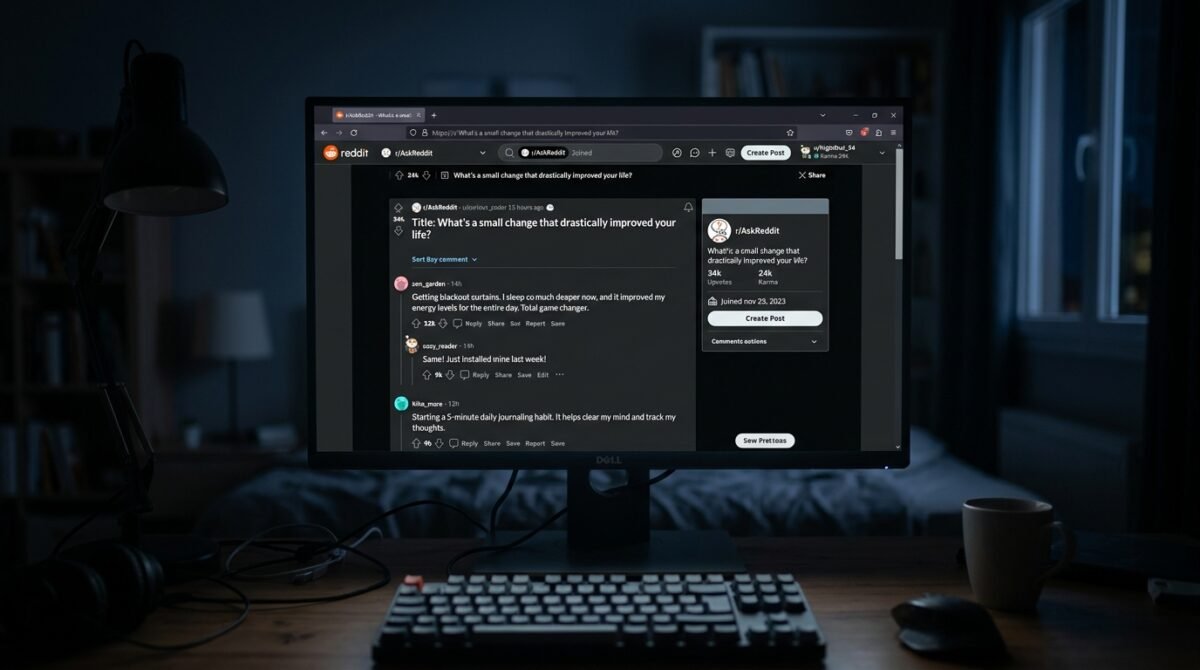
I finally broke down and posted our story to a few relationship advice subreddits. I needed to know if I was crazy. I needed to know if I was overreacting. I typed it all out, every detail of the taxidermist on the table, the argument, the bill, the group chat. I hit submit and waited, my heart pounding in my chest. Within minutes, the comments started flooding in.
“This is the most unhinged thing I’ve read on this site in years. Your in-laws aren’t just overbearing; they are legitimately dangerous. A taxidermist? In your house? On the dining table? Please, for the love of god, go no contact immediately.” — u/RationalObserver (Top Comment, 32.5k upvotes)
The consensus was overwhelming. Everyone agreed that the behavior was deeply, psychotically inappropriate. The comments ranged from horror-struck to supportive, with people sharing their own stories of boundary-crossing in-laws. It was a weirdly comforting experience to see thousands of strangers validate my feelings. I wasn’t crazy. I wasn’t the one who had crossed the line. I was the one who had been pushed, and I was the one who had finally pushed back.
Some users warned us about the legal side, advising us to document everything, which we were already doing. Others warned us that the in-laws wouldn’t stop, that this was just the beginning of a larger campaign to force their way back into our lives. ‘They will escalate,’ one user wrote. ‘When they lose control, they don’t give up; they turn the dial up to eleven. Be prepared for a smear campaign and maybe even a welfare check.’ The advice was sobering, but necessary.
I spent the rest of the night reading through the comments, feeling a sense of solidarity I hadn’t felt in weeks. It’s strange how an anonymous forum can provide more support than the family you’ve known your entire life. Mark read them too, and I saw his shoulders drop an inch with every comment he read. He needed this validation as much as I did. He needed to know that his parents’ behavior wasn’t normal, and that he had every right to be angry.
We started a folder on our computer labeled ‘In-Law Evidence.’ It contained everything. We were no longer just reacting; we were documenting. We were building a shield. The Reddit community had given us the armor we needed to face the next phase of this ordeal, whatever that might be. We were ready, and for the first time since Christmas, I felt like we were actually in control of our own narrative.
The Failed Mediation Attempt
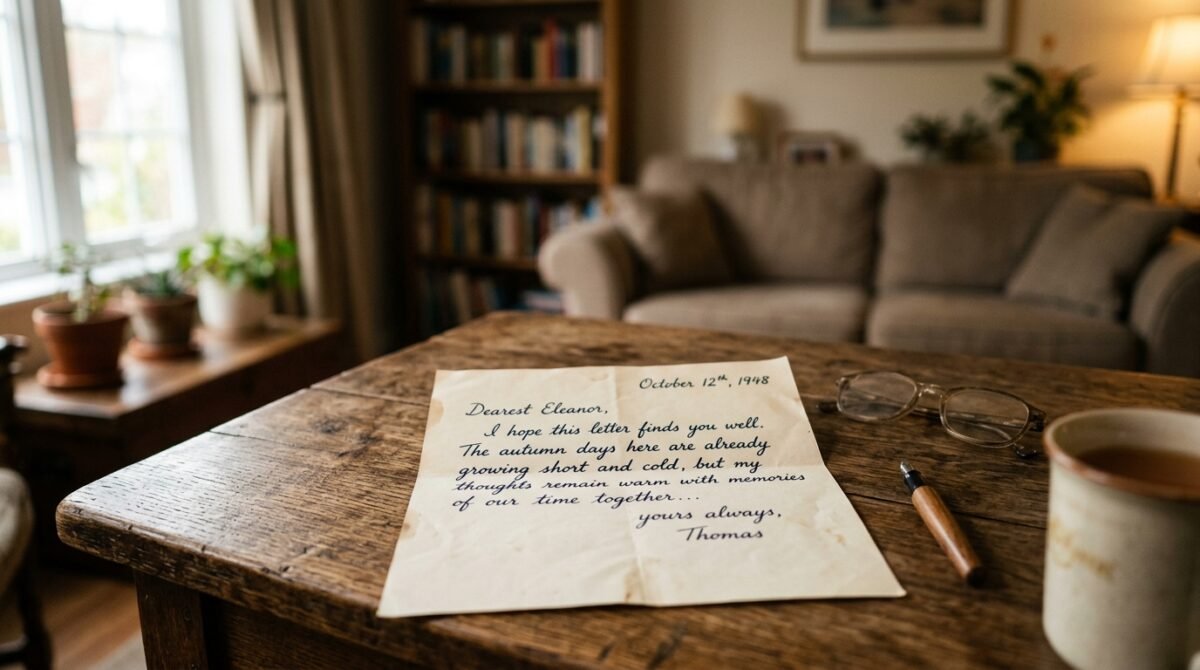
Two weeks later, we received a letter from a family therapist that Linda and Robert had supposedly started seeing. It was a request for a ‘mediated conversation’ to ‘heal the rift.’ We both knew exactly what this was: an attempt to get us into a room where they could control the narrative and force us into a corner. We had no intention of going, but we felt we owed it to ourselves to at least consider the offer before declining.
We contacted the therapist directly, bypassing the in-laws. We told them our story, explained the taxidermy incident, and asked if they were aware of the history of boundary-crossing. The therapist was silent for a long moment. ‘I was not aware of the specific circumstances of the fallout,’ she said. ‘I was told it was a misunderstanding regarding a gift.’ We explained that it wasn’t a misunderstanding; it was a violation.
“We are not interested in mediation with people who believe that bringing a taxidermist to our home to cut up our pet is a ‘misunderstanding.’ If you want to help them, tell them to respect our privacy and stop sending us bills for their own poor decisions.” — Email sent to the family therapist
The therapist dropped the case. It was a small victory, but it felt significant. We had effectively shut down their attempt to use a third party to manipulate us. It was clear that they were trying to frame the narrative to make themselves look like the victims, and we were effectively dismantling their lie every time we opened our mouths. It was an exhausting process, but it was worth it to maintain our integrity.
We didn’t hear from the in-laws for another month. That month was the quietest, most peaceful month of our marriage. We went for long walks, we talked about our future, and we finally felt like we were building a life that was our own, free from the shadow of their influence. We weren’t constantly looking over our shoulders. We weren’t waiting for the other shoe to drop. We were just… us.
But we knew the peace wouldn’t last. They were the type of people who needed to win, and in their minds, they hadn’t lost yet. They were just regrouping. We used the time to solidify our boundaries, to prepare for the inevitable next move. We were no longer the passive couple who would just smile and nod. We were a united front, and we were ready for whatever they threw at us next.
The Unexpected Arrival at the Door
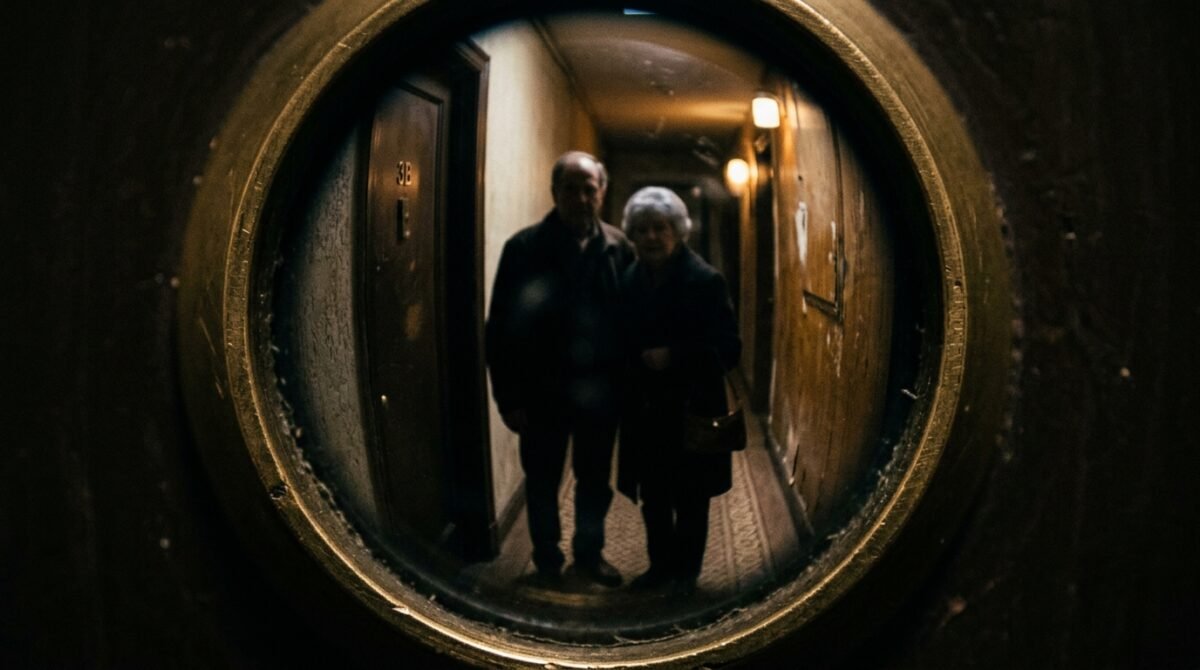
It happened on a Tuesday evening. A car pulled into the driveway, and before I could even process who it was, I saw them. Linda and Robert, walking straight to the front door. They weren’t carrying anything, but they looked determined. Mark was in the middle of a call, and I felt my heart race. I walked to the door and locked it before they even reached the porch.
They knocked. Then they knocked again, harder. I didn’t open it. I stood on the other side of the door, watching through the peephole. Linda was wearing an expression of forced concern, her eyes scanning the house as if she could see through the walls. Robert was standing behind her, his arms crossed. They weren’t leaving.
“We know you’re in there! Open the door, Mark! We just want to talk! You can’t hide from us forever! We’re your parents, for heaven’s sake!” — Linda, yelling through the front door
I walked back to the living room and grabbed my phone. I didn’t call the police yet, but I took a video of them standing on our porch, knocking persistently. It was evidence, just in case. Mark finished his call and walked over to me, his face turning pale when he saw the video. He didn’t say a word; he just picked up his phone and called the local non-emergency line.
We didn’t engage. We didn’t yell back. We didn’t open the door. We just sat there, waiting for them to leave. After twenty minutes of knocking, they finally gave up. I watched them drive away, their faces twisted in frustration. It was the first time they had physically confronted us since the brunch, and it was a clear indication that our previous boundaries weren’t enough.
The next day, we had a security system installed. Cameras, a doorbell monitor, the whole works. We were no longer relying on luck to keep them out. We were taking proactive steps to ensure our safety and our peace of mind. It felt like an extreme measure, but given the circumstances, it was necessary. We were finally putting our well-being above their comfort, and it felt like the right thing to do.
Reflections on a New Beginning

It has been six months since the brunch. We have not spoken to his parents. We have not seen them. We have not received any more bills or letters. There have been a few more attempts to reach us through other family members, but we have politely and firmly declined all contact. The silence is finally starting to feel permanent, and for the first time, I don’t feel guilty about it.
I’ve learned that grief is a private thing. It doesn’t belong to the people who want to put it on display. It belongs to us, the ones who shared the life and the love with the person—or pet—we’ve lost. The in-laws were never part of that; they were just spectators who wanted a front-row seat to the drama. We’ve closed the curtains, and we’re finally living our own lives.
“Boundaries aren’t about punishing the other person; they are about protecting yourself. You don’t owe anyone access to your grief or your home, especially when they’ve proven they cannot respect the sanctity of either.”
We still talk about the incident sometimes, usually with a dark sense of humor. We look back at the photos of the brunch, the untouched food, the strange, clinical tools, and we can’t believe it actually happened. It feels like a fever dream, something out of a badly written novel. But it happened, and it made us stronger. It showed us who we were, and more importantly, it showed us who we were willing to be.
If there’s one lesson I’ve learned, it’s that you can’t force people to respect you. You can only set your boundaries and hold them, no matter how much they scream or cry. You don’t need to explain yourself, you don’t need to justify your decisions, and you certainly don’t need to accept gifts that are just Trojan horses for control. We are finally free, and we are finally, truly, ourselves.
I think about the future now, without the shadow of their expectations. We’re planning a trip, we’re looking at new hobbies, and we’re finally enjoying our home without the constant fear of an unexpected guest. We’re building our own traditions, our own memories, and our own way of grieving. It’s a clean slate, and we’re going to fill it with things that make us happy, not things that please our parents.
Conclusion
Looking back at the nightmare of our Christmas brunch, I realize that the taxidermy incident was never really about the dog. It was about a power struggle that had been brewing for years, a desperate attempt by our in-laws to maintain control over our lives. By saying ‘no,’ we didn’t just stop a bizarre request; we reclaimed our sovereignty as a couple. The grief we felt for Buster became the catalyst for a necessary evolution in our marriage—one where we prioritize our own boundaries over family obligation.
I invite you all to reflect on this: where do you draw the line in your own lives? How many times have you accepted a ‘gift’ that came with strings attached? The Reddit community’s overwhelming support reminded me that we are not alone in this struggle, and that asserting your rights is not an act of cruelty, but an act of self-preservation. Our story is just one example of what happens when you decide that enough is finally enough.
What about you? Have you ever had a boundary so blatantly violated that it changed the trajectory of your relationship with a loved one? Share your stories below—let’s talk about how to protect our peace, our homes, and our memories from the people who think their love comes with a price tag. Let’s start the conversation about what real, healthy boundaries look like, and how to hold them when the pressure is at its highest.
What's your verdict on this dilemma?
Vote below to contribute to the official community consensus.

Have a Dilemma Keeping You Up at Night?
Share your real-life feud, wedding chaos, or relationship crossroads anonymously with our editorial team.
What do you think ?
0 Comments🛡️ Comments are moderated to protect community integrity. Your comment will appear once approved by the editorial team.