
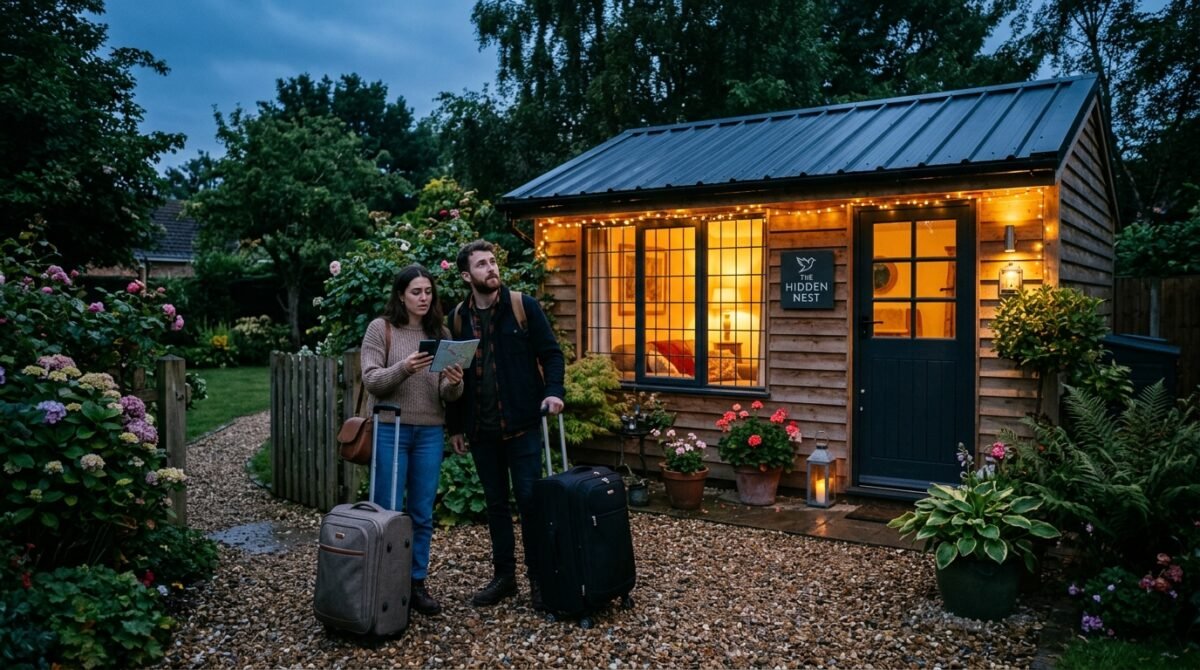
When my husband, Mark, and I booked our two-week sabbatical in Tokyo, we viewed it as the ultimate escape from the grind of our suburban lives. We had spent years meticulously restoring the detached workshop behind our property, transforming it from a dilapidated shed into a serene, minimalist creative studio. It was my sanctuary—a place where I could paint, work on freelance designs, and occasionally host friends for intimate evening wine tastings. We trusted Mark’s parents, Susan and David, with a spare key. The agreement was simple: water the plants, check the mail, and keep an eye on the main house. We never imagined that our trust was being treated as a business opportunity.
We landed back in the States exhausted but exhilarated, our suitcases packed with souvenirs and our hearts full of memories. As we pulled into the driveway, I noticed something that made my skin crawl: a small, illuminated ‘Check-In’ box attached to the side gate of our workshop. There were two strangers hauling suitcases toward the studio door, laughing and looking at their phones. My heart hammered against my ribs. I turned to Mark, who had gone pale, his knuckles white against the steering wheel. We were looking at a violation that would soon turn our family dynamic into a war zone.
The betrayal wasn’t just about the unauthorized use of our space; it was the sheer audacity. They had not only converted our private sanctuary into an unlicensed Airbnb, but they had also been pocketing the profits while we were thousands of miles away. The violation of our privacy felt like a cold, calculated intrusion. We weren’t just dealing with greedy relatives; we were dealing with people who had weaponized our trust for their own financial gain. What started as a ‘favor’ had spiraled into a commercial enterprise operating in our own backyard.
The moral dilemma weighed on me as I stared at the strangers fumbling with the lock. If I confronted them right then and there, it would be a public scene. If I went to the authorities, I risked permanent fallout with my in-laws. But as I saw a ‘Superhost’ sign posted on the door, my resolve hardened. This wasn’t a family misunderstanding; it was a breach of legal, financial, and personal boundaries that demanded an immediate, uncompromising response.
The Discovery of the Digital Paper Trail

After the guests had finally settled in and we had retreated to the main house in a state of shock, I didn’t wait for a confrontation. I opened my laptop and started digging. It didn’t take long to find the listing. There it was, titled ‘Charming Garden Studio Escape,’ complete with photos of my own personal art supplies and furniture. The description boasted about the ‘quiet, secluded neighborhood’ and mentioned that it was perfect for ‘a romantic getaway for two.’
The pricing strategy was what hurt the most. They were charging $180 a night for a space we had poured our life savings into. I checked the calendar—they were booked solid for the next three months. My mind raced as I calculated the total revenue. They hadn’t just used the space once; they had turned it into a full-time operation, likely paying for their own lifestyle upgrades with money that wasn’t rightfully theirs.
“Mark, look at this. They’ve been doing this since the moment we landed in Narita. Every single review is from a guest who stayed here while we were in Tokyo. This wasn’t an accident. This was a planned heist of our property.”
— Me, whispering in our bedroom, 2:00 AM
I cross-referenced the dates of the bookings with the times Susan had sent us ‘all is well’ texts. It was sickening. She would send a photo of a single orchid in our garden, accompanied by a message about how peaceful everything was, while she was actively managing an Airbnb listing on her phone. The level of deception required to maintain that facade was truly pathological.
We found a spreadsheet on the shared family cloud drive that Susan had accidentally left synced. It detailed cleaning schedules, laundry services they had outsourced, and even a list of ‘house rules’ that they had invented. They were charging our own electricity, using our water, and even charging guests a ‘cleaning fee’ that they were pocketing without ever actually cleaning the place themselves—we were the ones who would have to deal with the inevitable wear and tear.
The sheer administrative effort they had invested in this scheme proved that it wasn’t a lapse in judgment. They had spent hours researching how to be an Airbnb host, how to set up the lockbox, and how to maximize their search visibility. They had treated our home like a business asset, and they had done it with the cold, detached efficiency of someone who felt entitled to our success.
I felt a strange, icy calm wash over me. The anger had burned itself out, replaced by a singular, focused intent. I wasn’t going to argue. I wasn’t going to plead. I was going to ensure that their ‘business’ came to a screeching, permanent, and very public halt.
The Initial Confrontation at Sunday Dinner
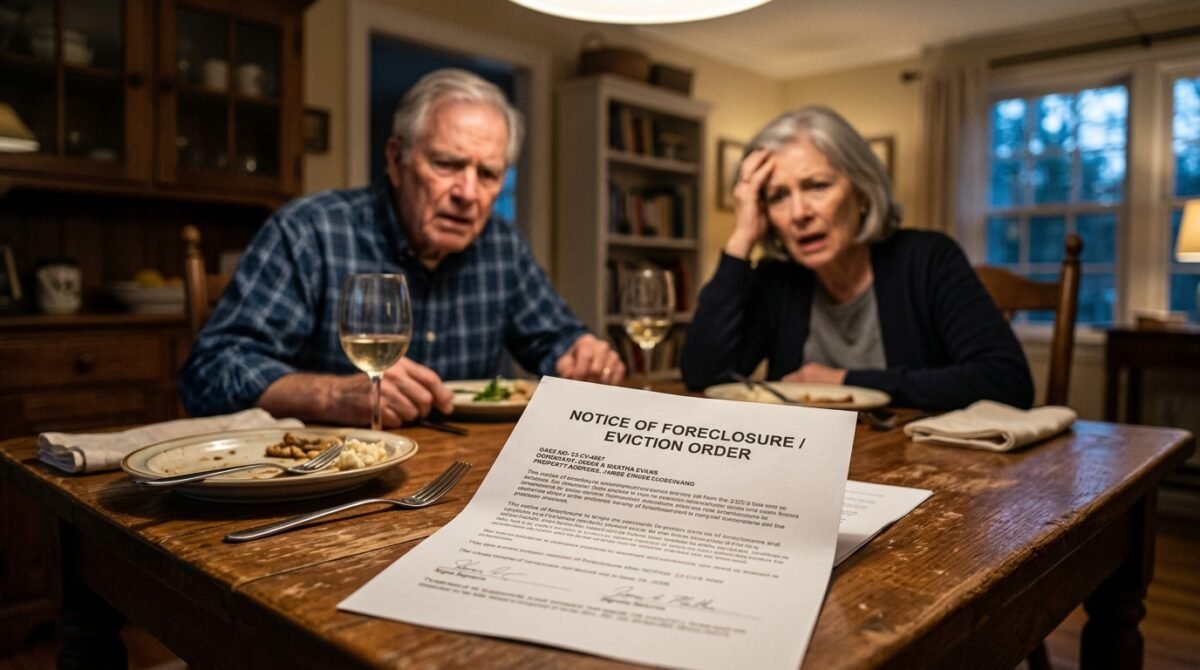
We invited them over for dinner the following Sunday. They arrived with their usual air of jovial entitlement, Susan bringing a store-bought cake and David talking loudly about his latest golf game. They had no idea that we knew. They sat at our table, eating our food, acting as if they were the benevolent guardians of our property who had done us a favor by keeping the lights on.
I let the conversation drag on for an hour, listening to them talk about how ‘quiet’ things had been while we were away. I kept my face impassive, playing the role of the tired traveler. Finally, I placed a printed copy of the Airbnb listing on the table, right next to the cake. The silence that followed was heavy, almost suffocating. David stopped mid-sentence, his fork hovering inches from his plate.
“We were wondering if you could explain the business model behind the ‘Charming Garden Studio’ listing, Susan. Specifically, how you decided on the nightly rate for our private property.”
— My calm, direct question to my mother-in-law
Susan’s face flushed a deep, mottled red. She didn’t try to deny it. Instead, she immediately pivoted to the ‘family’ defense. She started talking about how ‘money is tight’ for them and how they thought we wouldn’t mind since we were gone for so long. The audacity of her justification was staggering; she spoke as if our workshop was a community asset that she had a right to manage.
David tried to play the role of the mediator, saying, ‘Now, let’s not make a mountain out of a molehill. We were just helping out. It’s not like we destroyed the place.’ When I pointed out the wear and tear, the unauthorized strangers, and the potential liability issues, he dismissed it with a wave of his hand. It became clear that they didn’t just feel entitled to the money; they felt entitled to the decision-making power over our lives.
The confrontation grew heated when I brought up the fact that they hadn’t told us once. Susan snapped back that we were ‘stingy’ and ‘ungrateful’ for not wanting to help our family get ahead. She actually had the nerve to suggest that we should have been happy that they were ‘keeping the studio secure’ by filling it with people. It was a masterclass in gaslighting, and it only confirmed that there was no room for negotiation.
I stood up and told them that they had 24 hours to clear out the lockbox, remove the listing, and provide us with an accounting of every cent they had made. Susan looked at me as if I had personally insulted her ancestors. She stood up, grabbed her purse, and declared that she would not be spoken to like that in ‘her’ garden. It was the moment I realized that they would never apologize.
The Call to the Zoning Inspector
The next morning, I woke up with the kind of clarity that only comes after total betrayal. I didn’t call my husband’s parents. I didn’t send another angry text. I looked up the city’s municipal code regarding Accessory Dwelling Units (ADUs). It was clear as day: our area did not permit short-term rentals in detached structures without a specific permit, which we definitely did not have. The fine for violating this was substantial, and the city was notoriously aggressive about enforcement.
I made the call. I presented myself as a concerned neighbor who had noticed consistent traffic, short-term guest turnover, and concerns about noise and safety. I didn’t mention it was my in-laws. I just provided the address and the link to the live listing. The person on the other end of the line was professional, efficient, and eager to investigate. I felt a surge of adrenaline that was purely vindictive.
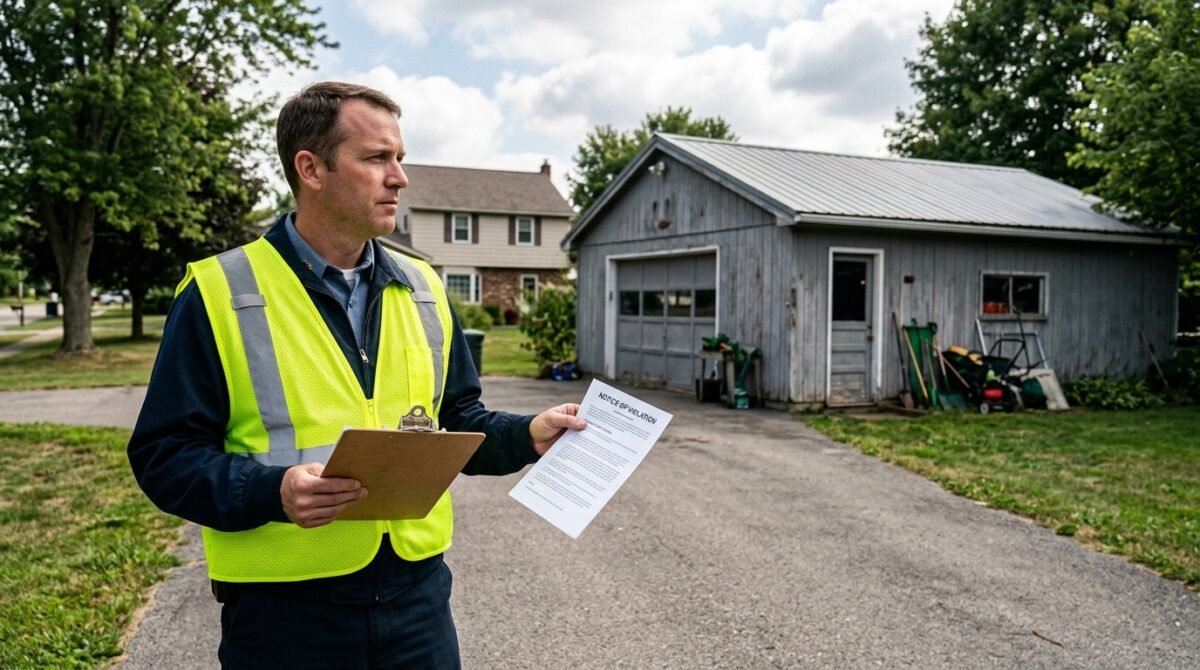
By noon, a city vehicle was idling in front of our workshop. I watched from the upstairs window as an inspector got out, clipboard in hand. I saw him talking to the current ‘guests,’ who looked visibly annoyed and confused. He walked the perimeter of the studio, took photos of the lockbox, and eventually knocked on the door of the main house. I didn’t answer. I let him leave a notice of violation on the front porch.
“I just received a notice from the city. Do you have any idea what this is about? Someone reported us for the Airbnb listing! I think one of the neighbors is trying to sabotage us!”
— Susan, voice note sent to Mark’s phone
The irony was delicious. Susan was playing the victim, blaming ‘nosy neighbors’ for an issue she had single-handedly created. Mark sat on the couch, listening to the message, and for the first time, he didn’t try to defend them. He looked at me, sighed, and deleted the message without responding. We were finally on the same page.
The city inspector came back the next day with a formal cease-and-desist order. He explained that if the studio wasn’t returned to its original use immediately, there would be daily fines that would quickly exceed the profit they had made from the rental. The legal weight of the situation finally hit home for them, but they still tried to blame us for ‘not warning them’ about the zoning laws.
I watched as they scrambled to refund their upcoming guests and deactivate the account. It was a chaotic scene of panic and finger-pointing. They had spent so much time planning their little side hustle that they hadn’t considered the simplest legal reality: they didn’t own the property, and they certainly didn’t have the legal standing to operate a commercial business on someone else’s land.
The neighbors, who had previously been friendly, were now staring at the situation with a mix of curiosity and disdain. The ‘Superhost’ facade was crumbling in real-time. It was the most satisfying thing I had ever witnessed.
The Family Group Chat Explosion
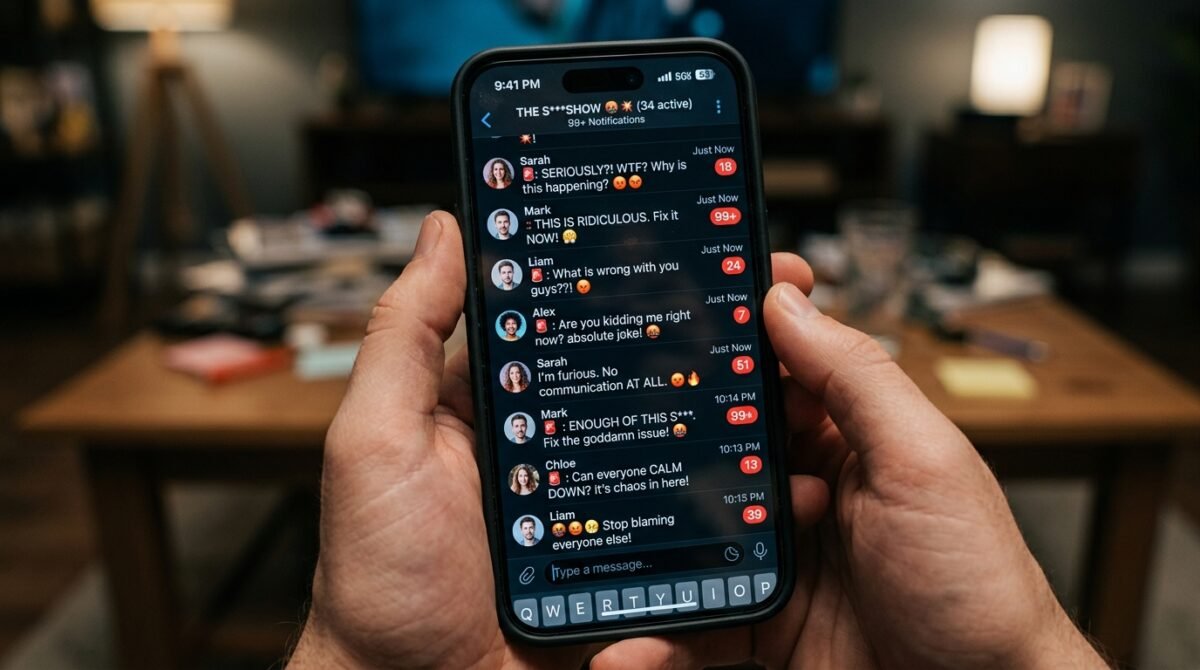
It wasn’t long before the rest of the family caught wind of the ‘incident.’ Susan, never one to let a grievance go un-aired, took to the family group chat to paint herself as the persecuted victim. She omitted the part where she had been running an illegal business out of our house and instead focused on how ‘unsupportive’ we were of their efforts to make ends meet in their golden years.
The chat exploded. My sister-in-law, who usually stayed out of things, started asking pointed questions about the money. Mark’s cousin, who works in real estate, chimed in with links to the city’s zoning ordinances, effectively dismantling Susan’s claim that she ‘didn’t know’ it was illegal. It was a bloodbath of digital drama, and I sat back and watched as the narrative they had crafted began to unravel.
“This is absolutely ridiculous. Since when does the family turn on each other over a little extra income? We were trying to help pay for the maintenance of that workshop anyway! You should be thanking us for keeping it active.”
— Susan, in the family group chat
I finally stepped in. I didn’t use flowery language or emotional pleas. I simply posted a screenshot of the Airbnb payout history—which I had managed to pull from their cloud account before they locked us out—showing the thousands of dollars they had pocketed while we were abroad. I also included a photo of the city’s notice of violation with the fine amount circled in red.
The chat went dead silent. No one defended them. It was a stark moment of realization for everyone involved: their greed had been exposed, and the numbers didn’t lie. My sister-in-law was the first to speak up, asking why they thought it was okay to use our home as their personal piggy bank. The tide had turned, and the isolation they were feeling was entirely self-inflicted.
They tried to claim that the money was for ‘family emergencies,’ but the dates on the deposits showed that the money had been used for a new cruise booking, not for any bills. It was the final straw for many of the relatives. Even the ones who usually coddled them were forced to admit that they had crossed a line that couldn’t be uncrossed. The group chat, once a place for birthday wishes and holiday plans, had become a public courtroom where their character was on full display.
I stopped checking the chat after that. I had said my piece, and the evidence was there for all to see. The damage to their reputation within the family was done, and frankly, I didn’t feel a shred of guilt. They had gambled our security for their own vanity, and they had lost.
The Aftermath and the Cost of Trust
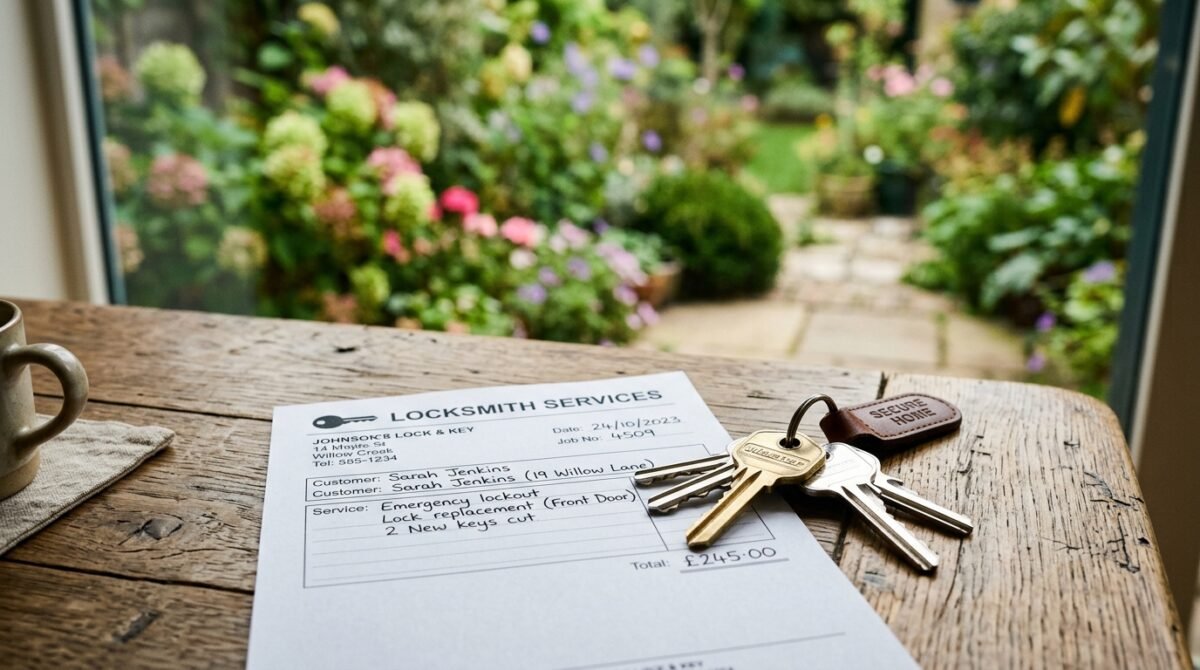
In the weeks that followed, the fallout continued to ripple through our lives. We had to have the locks on the main house and the workshop changed immediately. The sense of violation took a long time to heal; even now, I catch myself checking the garden gate at night, listening for the sound of strangers that I know shouldn’t be there. The workshop, once my creative sanctuary, still feels tainted. I’ve started the process of repainting and refurnishing it, trying to reclaim the space, but it’s a slow process.
Susan and David have refused to apologize. They claim that we have ‘ruined’ their relationship with the family and that our actions were ‘cold-blooded.’ They don’t seem to understand that it was their actions that severed the bond. They view themselves as the victims of a system that wasn’t ‘flexible’ enough to accommodate their ‘side hustle.’ It’s a level of cognitive dissonance that is as frustrating as it is fascinating.
Mark has struggled the most. He grew up believing his parents were infallible, or at least well-intentioned. Seeing them clearly for the first time—seeing the greed and the lack of respect—has been a painful transition. He’s had to come to terms with the fact that he was raised by people who would prioritize a few hundred dollars of passive income over his own marital stability and peace of mind.
“I just wish they hadn’t forced us to choose. I really thought they cared more about us than the money. I was wrong, and that’s a hard pill to swallow.”
— Mark, during a quiet evening on our porch
We’ve gone low-contact. We don’t host them for dinner, we don’t visit them, and we certainly don’t share any information about our plans or our property. The boundary isn’t just a suggestion; it’s a physical and emotional wall. It’s been liberating in a way I didn’t expect. I no longer have to worry about what they are doing behind our backs or how they are manipulating us for their own gain.
We’ve also had to deal with the legalities of the city violation. While the fines were minimized due to our quick reporting, the administrative headache was real. We had to prove that we weren’t the ones who had listed the property, and that we had taken immediate steps to stop the operation. It was a reminder that when you involve authorities, you have to be prepared to open up your own life to scrutiny.
The experience has fundamentally changed how I view ‘family favors.’ The idea of giving someone a key to your home is now treated with the same weight as giving them access to your bank account. It’s a lesson that was expensive, painful, and ultimately necessary. I am a different person now, and I suspect, so is Mark.
Reddit Weighs In: The Verdict of the Hivemind

When I finally posted this story on the r/RelationshipAdvice subreddit, I wasn’t prepared for the sheer volume of support—and the occasional, sharp reality check. Within hours, the post hit the front page, with thousands of comments debating the ethics of calling the zoning inspector on family members. It was a fascinating look at how different people perceive the hierarchy of family versus the sanctity of private property.
The consensus was overwhelming: I was not the asshole. The majority of commenters pointed out that by turning our home into an unlicensed business, my in-laws had exposed us to massive liability, potential legal action, and physical damage. They argued that my actions weren’t vindictive, but rather a necessary defensive move to protect our home and our financial future.
“You didn’t ‘call the zoning inspector on your in-laws.’ You reported an illegal, unlicensed business that was operating on your property without your consent. They put their own greed above your home ownership and your trust. The fact that they are family makes the betrayal worse, not better.”
— u/PropertyRightsAdvocate (Top Comment, 28.5k upvotes)
Some users, however, pointed out the ‘nuclear’ nature of the response. A few suggested that I should have confronted them and forced them to pay me the money they earned before calling the city. While I understood their perspective, those people clearly hadn’t dealt with narcissists who thrive on negotiation and deflection. In my experience, once the law is broken, you don’t negotiate—you neutralize.
There were also several ‘horror stories’ from people who had similar experiences. One user shared how their own parents had allowed their ‘friend’ to live in their basement, only to find out they were running a small-scale manufacturing business that led to fire code violations that cost them tens of thousands of dollars to fix. It was a stark reminder that this wasn’t an isolated incident; it was a symptom of a common issue: the belief that family property is ‘public’ property.
The community analysis was surprisingly deep. People didn’t just focus on the drama; they broke down the liability issues, the potential for an ‘adverse possession’ claim if things had gone on longer, and the importance of having a ironclad paper trail when dealing with family disputes. It felt like a collaborative effort to ensure that we were legally protected moving forward.
Reading the comments helped me realize that I hadn’t lost my mind. The gaslighting I had been experiencing from my in-laws was real, and the validation from strangers—who had no stake in our family dynamic—was incredibly healing. It turned a private, isolating trauma into a shared lesson about boundaries, respect, and the reality that some family members don’t deserve the trust you so freely give them.
Reflecting on the ‘Family First’ Myth

We are often raised with the idea that ‘family comes first.’ It’s a beautiful sentiment that assumes a baseline of mutual respect and care. But what happens when that sentiment is weaponized? When ‘family’ becomes a justification for theft, boundary-crossing, and manipulation? My experience with the Airbnb saga made me realize that ‘family first’ shouldn’t mean ‘family before my sanity’ or ‘family before the law.’
Susan and David used the guise of family to bypass the rules of the adult world. They assumed that because we were their children, we were inherently obligated to forgive, forget, and pay for their ‘errors.’ This is the hallmark of a toxic dynamic: the belief that your relationship gives them license to exploit you. It’s a trap that many people fall into, and it’s the hardest one to escape because it comes from a place of love and duty.
I’ve learned that setting boundaries isn’t an act of aggression; it’s an act of self-preservation. By calling the zoning inspector, I wasn’t ‘destroying’ my relationship with my in-laws; I was stopping them from destroying themselves—and us—with their entitled behavior. They are the ones who chose the path of deception; I simply followed the path of accountability.
“Boundaries are not walls to keep people out; they are fences to keep yourself safe. Don’t feel guilty for protecting your home.”
— A piece of advice from a commenter that stuck with me
The lessons from this experience have infiltrated every part of our lives. We are more cautious about who we give keys to, more transparent about our financial and professional projects, and more comfortable saying ‘no’ to unreasonable requests. We’ve stopped trying to please people who view our kindness as a weakness to be exploited.
There is a specific kind of grief that comes with realizing your in-laws aren’t the people you thought they were. It’s not the sharp, sudden pain of a death; it’s a dull, persistent ache of disappointment. But that grief is also accompanied by a strange, newfound strength. You realize that you can survive the worst of their behavior, and you can emerge on the other side with your integrity intact.
I don’t regret what I did. If I could go back to the moment we landed in Tokyo, I would do exactly the same thing. In fact, I might do it sooner. The peace of mind I have now, knowing that my home is mine again, is worth more than any family relationship built on lies and exploitation.
The Future of Our Boundaries

Where do we go from here? The relationship with Susan and David remains in the deep freeze. We haven’t spoken in months, and frankly, I’m in no rush to break the silence. There are no holidays shared, no phone calls, and no casual drop-ins. It is a quiet life, but it is a peaceful one. The fear of what might happen next has evaporated, replaced by the confidence that we know exactly how to handle them if they try anything again.
We are considering selling the workshop or converting it into something that can’t be rented out, like a dedicated hobby room that lacks the amenities for guests. It’s an extreme step, but it’s one that ensures our peace of mind for the long term. We are also looking into legal safeguards to ensure that no one—not even family—can ever claim any sort of ‘right’ to our property based on past favors.
Mark has started seeing a therapist to work through the guilt and the anger. It’s been a transformative process for him. He’s learning that he isn’t responsible for his parents’ choices and that he doesn’t have to carry the burden of their failures. We’re building a family of our own, one based on mutual respect, honesty, and clear, healthy communication.
“I’m finally starting to feel like I own my own life again, not just my house.”
— Mark, feeling hopeful for our future
We’ve also become much more active in our neighborhood, getting to know the people on our block. Ironically, the ‘nosy neighbor’ who might have reported them if I hadn’t is now a close friend who helps us look after the house when we go on trips. It turns out that having a real, genuine community is a much better security system than relying on family members who you don’t actually trust.
The Airbnb saga will likely be a story we tell for years—a cautionary tale of what happens when you treat your children like assets. But for us, it’s a milestone. It marks the end of our ‘people-pleasing’ phase and the beginning of our ‘boundary-setting’ phase. It’s not the path we would have chosen, but it’s the one that made us who we are today.
We have learned that we are capable, resilient, and, above all, capable of putting ourselves first. That’s a lesson that no amount of money could have taught us, and it’s one that we will carry with us for the rest of our lives.
Final Thoughts: When Family Betrays You
Betrayal by family hits differently than any other kind. It’s a violation of the most fundamental social contract we hold. When parents, who are supposed to be our protectors, become the ones who exploit our vulnerability, it forces us to reconsider everything we thought we knew about loyalty. But there is power in that realization. You don’t have to be a victim of your family’s history.
If you find yourself in a similar situation—where your boundaries are being ignored and your trust is being sold for parts—don’t wait for permission to stand up for yourself. You don’t need a consensus from the rest of the family, and you don’t need to feel guilty for protecting your livelihood. The law is there for a reason, and it doesn’t care about ‘family dynamics’ when it comes to fraud or illegal business practices.
My story is a reminder that you are the primary architect of your own peace. Whether you are dealing with greedy in-laws or simply trying to establish a life independent of generational expectations, you have the right to set the terms of your relationships. Do not sacrifice your sanctuary for the sake of ‘keeping the peace’—because in the end, it’s not peace at all; it’s just the slow erosion of your own life.
“The most important boundary you will ever set is the one that protects your dignity from the people who should be the first to respect it.”
— A closing thought on the importance of self-respect
We are moving forward, one day at a time, and the weight of the past is finally beginning to lift. We have our home back, we have our peace back, and most importantly, we have our autonomy back. The lesson was hard, but the freedom that followed is priceless.
I want to thank everyone who read our story, shared their thoughts, and validated our experience. It’s been a wild ride, but knowing we aren’t alone in this struggle has made all the difference. Stay strong, keep your boundaries high, and never apologize for protecting what is yours.
Conclusion
The saga of our workshop-turned-Airbnb is a testament to the fact that sometimes, the most painful endings are the ones that lead to the most important beginnings. By standing our ground and refusing to be complicit in our own exploitation, we reclaimed not just our property, but our sense of self. It was never about the money; it was about the fundamental right to exist in our own home without being treated like a resource to be mined by those we once trusted.
We are curious to hear from you. Have you ever had a family member cross a line so significantly that you had to involve the law or cut ties completely? How did you navigate the fallout with your extended family, and what did you learn about the importance of boundaries in the process? Share your stories in the comments below—let’s talk about the reality of family dynamics, the difficulty of setting boundaries, and the strength it takes to prioritize your own well-being.
What's your verdict on this dilemma?
Vote below to contribute to the official community consensus.

Have a Dilemma Keeping You Up at Night?
Share your real-life feud, wedding chaos, or relationship crossroads anonymously with our editorial team.
What do you think ?
0 Comments🛡️ Comments are moderated to protect community integrity. Your comment will appear once approved by the editorial team.