
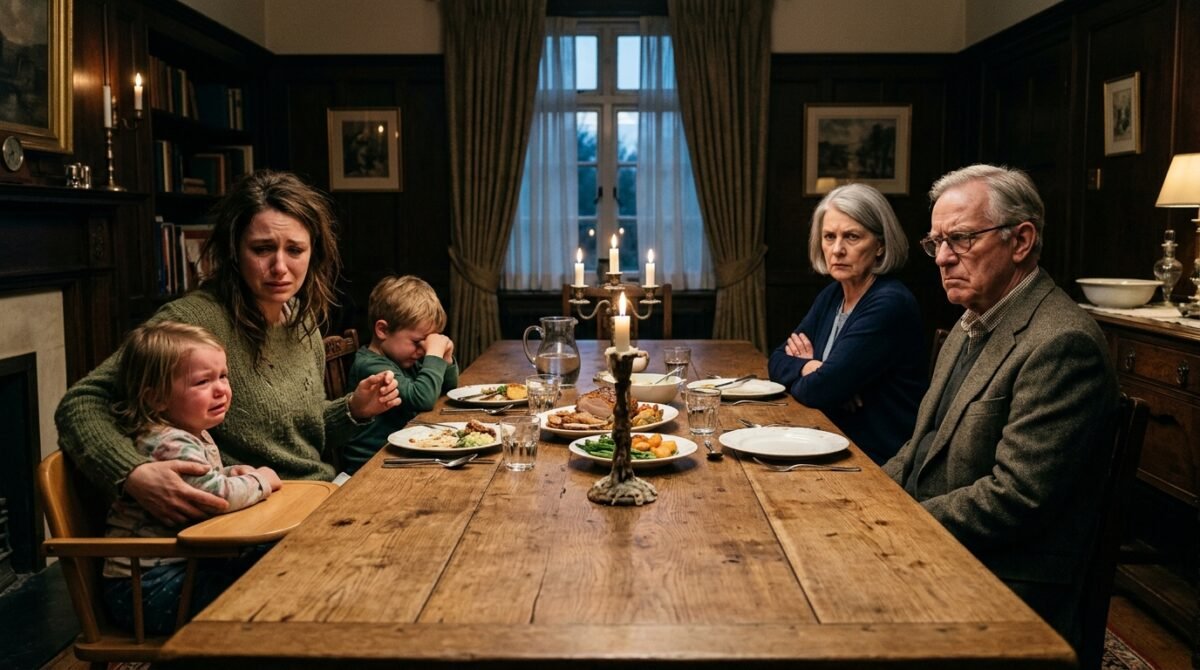
Sunday dinner at the Miller household was always intended to be a pillar of stability. For years, I had navigated the subtle, often unspoken tensions of being an outsider in my husband’s family. I am fluent in both English and my native Tagalog, and from the moment my children were born, I made a conscious choice to raise them bilingually. To me, this was not just a linguistic preference; it was a way to ground my children in the heritage that half of their identity was built upon.
The trouble began subtly. Initially, it was just small, snide comments about ‘secret conversations’ or ‘exclusive behavior.’ But as the months turned into years, the passive-aggression curdled into a formal demand. During a Sunday dinner that felt heavier than usual, my mother-in-law leaned across the table, her silverware clinking sharply against the porcelain, and issued a decree that would shatter the peace of our family dynamic.
She looked me dead in the eye and told me that if I wanted to continue attending these dinners, I was to speak ‘only the language of this country’ in her presence. She claimed my native language was ‘disrespectful’ and ‘exclusionary’ to the rest of the table. What she didn’t realize was that I wasn’t just losing my patience; I was losing my respect for the very foundation upon which these family traditions were built.
This is the story of how a seemingly benign request for conformity turned into a firestorm of cultural pride, matrimonial tension, and the difficult realization that sometimes, the family we marry into is not the family we deserve. It is a story about the boundaries we draw to protect our children and the price we pay when we refuse to apologize for who we are.
The Sunday Dinner Ultimatum That Changed Everything
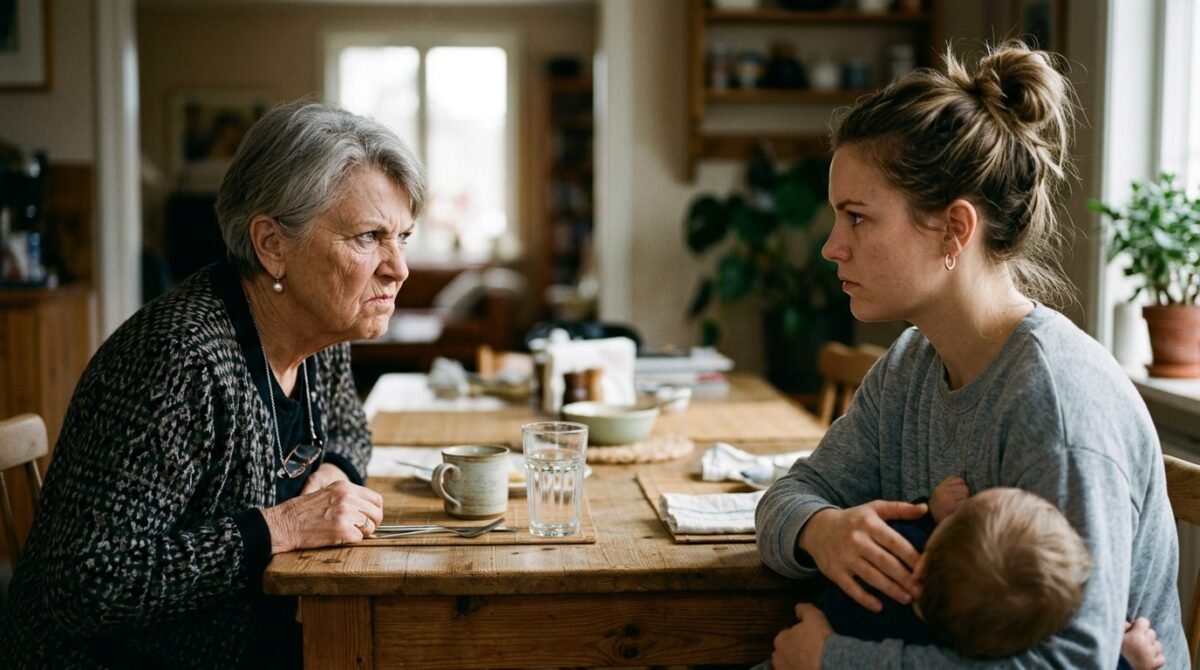
The evening started like any other, with the smell of roast beef and the ambient hum of polite conversation. My husband, Mark, was busy helping his father with the wine, while I sat with my two-year-old and four-year-old, whispering gentle reassurances in my native language as I helped them navigate their dinner plates. It was second nature to me, a reflex of love and connection that I hadn’t even stopped to consider might be an issue.
Suddenly, the ambient noise in the room dropped to an uncomfortable silence. My mother-in-law, Susan, cleared her throat, a sound that cut through the room like a jagged blade. She had been watching me for ten minutes, her eyes narrowing every time I spoke to the kids. When she finally spoke, her voice was deceptively calm, dripping with a manufactured sweetness that I had learned to fear over the years.
“I think we have all had enough of the side-conversations, don’t you? If you want to be part of this family, you speak the language we all understand. It is incredibly rude to hide behind a dialect when we are sitting right here.”
— Susan, Mother-in-Law
I felt the heat rise in my cheeks, a mixture of embarrassment and rising indignation. My husband stopped what he was doing, looking between his mother and me, his expression caught in a state of paralyzing neutrality. He didn’t want to pick a side, but his silence was becoming the loudest thing in the room.
I looked at my children, who were blissfully unaware of the cultural war erupting at their dinner table. I realized then that if I conceded, I was teaching them that their heritage was something to be ashamed of, something to be hidden whenever it became ‘inconvenient’ for someone else’s comfort. The stakes were no longer about dinner manners; they were about my children’s sense of self-worth.
I didn’t yell. I didn’t flip the table. I simply looked Susan in the eye and said, ‘I speak to my children in my native language because it is part of who they are, and I refuse to stop.’ The atmosphere became suffocating, and the rest of the dinner passed in a blur of clinking cutlery and forced, monosyllabic responses.
The Late Night Text That Stripped Away the Pretense

When we arrived home, the air in our car was thick with resentment. Mark tried to diffuse the situation, suggesting that I just ‘play along’ for the sake of peace. He called it a small compromise, but I knew it was a slippery slope to complete cultural erasure. I went to bed feeling isolated, but the notifications on my phone were just beginning to light up.
At 11:30 PM, I saw the notification from the family group chat. It was a message from Susan, sent to the entire family, including my husband’s siblings. She wasn’t just venting; she was creating a narrative that painted me as the antagonist. She framed my refusal to comply as an act of hostility, suggesting that I was intentionally trying to alienate the children from their ‘true’ roots.
“I am deeply saddened that my grandchildren are being taught to keep secrets at our family table. It is heartbreaking to see the divide being created by such stubbornness. We deserve better.”
— Family Group Chat / Susan
The audacity of her public shaming left me shaking. I read the messages, seeing the responses from other family members pouring in. Some were neutral, some were clearly taking her side, and others were staying silent. It was a orchestrated attempt to isolate me, to make me feel like the irrational one in a family that had never truly welcomed my background.
I looked at Mark, who was scrolling through his own phone, his face falling as he read the vitriol directed toward his wife. He finally realized that this wasn’t just a simple disagreement at the dinner table; it was a targeted campaign to force conformity. I didn’t need him to fight my battles for me, but I needed him to see the reality of the environment his family was creating.
I decided not to respond in the group chat. Instead, I saved every screenshot. I knew that in the world of family drama, documentation was the only defense against gaslighting. I was already planning my next move: we wouldn’t be attending the following Sunday, and it was time for a very difficult conversation about boundaries.
When Silence Becomes a Statement

The following Sunday, we stayed home. The decision was not made lightly, but it was essential. As the time for dinner approached, I watched my phone light up with increasingly hostile messages from Susan, demanding to know where we were and why we were ‘punishing’ the grandparents. The manipulation was palpable; she was using the grandchildren as emotional currency.
I spent the day focusing on the kids, speaking to them entirely in my native language, playing games, and reading books that celebrated our culture. It was a reclaiming of space, a reminder that our home was our sanctuary. When Mark came in, he looked exhausted. He had been getting calls from his father, who was demanding to know why his son was ‘letting his wife control the family schedule.’
We sat down for a long, honest talk. I laid out the reality: this wasn’t about the language, it was about the control. If we let them dictate what we said to our children, what would they dictate next? Our diet? Our schooling? Our values? I told him that I loved him, but I would not raise my children in an environment where they had to apologize for their mother’s identity.
“You have to choose, Mark. You can go to dinner and play the role of the obedient son, or you can stay here and be the husband and father who protects his family. I cannot be the person who sacrifices our children’s cultural heritage for your mother’s comfort.”
— OP to Husband
He finally understood. The realization that he had been an enabler, even if unintentionally, hit him hard. He texted his parents back, not with an apology, but with a firm boundary: we were taking a break from Sunday dinners until everyone could respect our parenting choices and our right to speak whatever language we chose in our own home and with our children.
The silence that followed that text was deafening. There were no more messages for three hours. Then, the real explosion began. It wasn’t just disappointment; it was pure, unadulterated rage masquerading as concern for the family’s ‘unity.’ We had officially moved from a disagreement to a full-blown family schism.
The Internet Weighs In: The Reddit Verdict
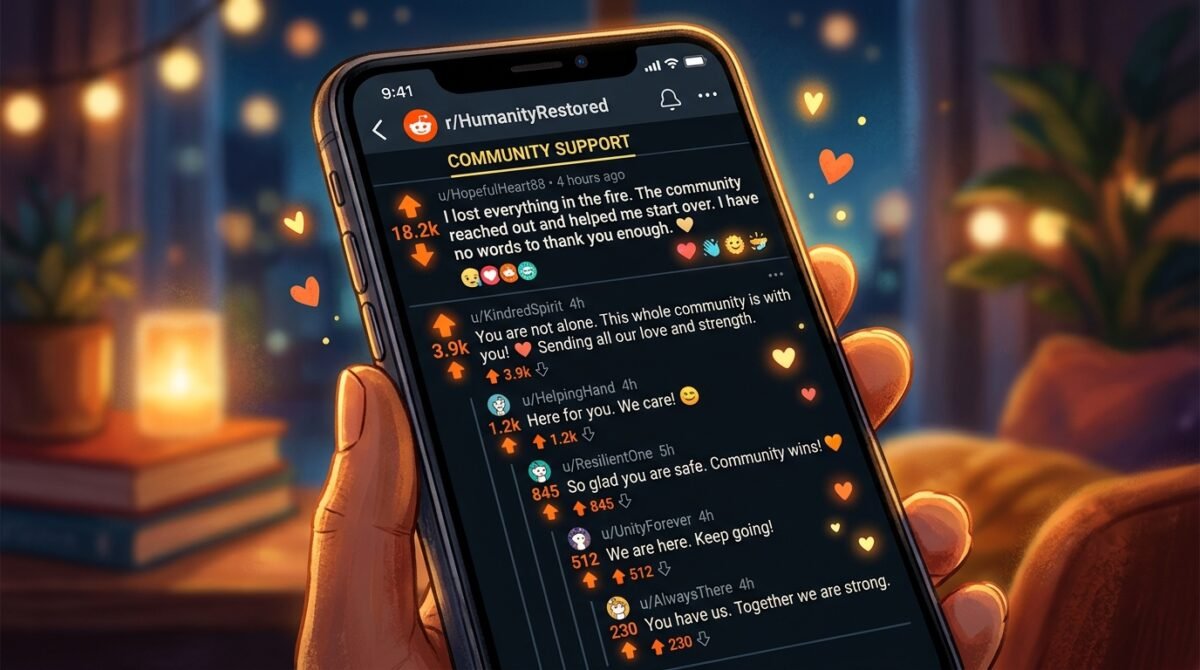
I posted about the situation on a popular subreddit, needing a sounding board from strangers who couldn’t be manipulated by the family. I didn’t expect the response I got. Within an hour, the thread had thousands of upvotes and hundreds of comments from people who had dealt with similar, and often much worse, forms of cultural gatekeeping.
The community was overwhelmingly on my side. They saw the situation for what it was: a blatant attempt to enforce assimilation and assert dominance. Many users pointed out that bilingualism is a gift to children, not a slight against the grandparents, and that the in-laws’ insistence on ‘English only’ was rooted in xenophobia, not politeness.
“This isn’t about dinner manners. This is about control. They want to strip away your culture so they can mold your children into their image. Don’t you dare stop speaking your native language. That is a beautiful legacy you are giving your kids.”
— u/CulturalPreservationist (Top Comment, 32.5k upvotes)
Other users shared stories of how they had stood their ground, only for the in-laws to eventually come around, or, in some cases, to stay estranged. One comment, in particular, resonated with me, highlighting the long-term psychological impact of the behavior I was trying to prevent in my children.
“If you give in now, they will know exactly where your breaking point is. They will push you on everything else. The language is the test. If you pass the test by surrendering, they own you. Keep your language, keep your boundaries, and let them be mad. Their anger is not your responsibility.”
— u/BoundaryExpert (18.2k upvotes)
The validation from the internet was the armor I needed. It confirmed that my feelings weren’t just ‘sensitive’ or ‘dramatic’—they were a healthy, necessary reaction to a toxic situation. I wasn’t being ‘difficult’; I was being a parent who prioritized her children’s identity over an outdated set of social expectations.
The Failed Mediation Attempt
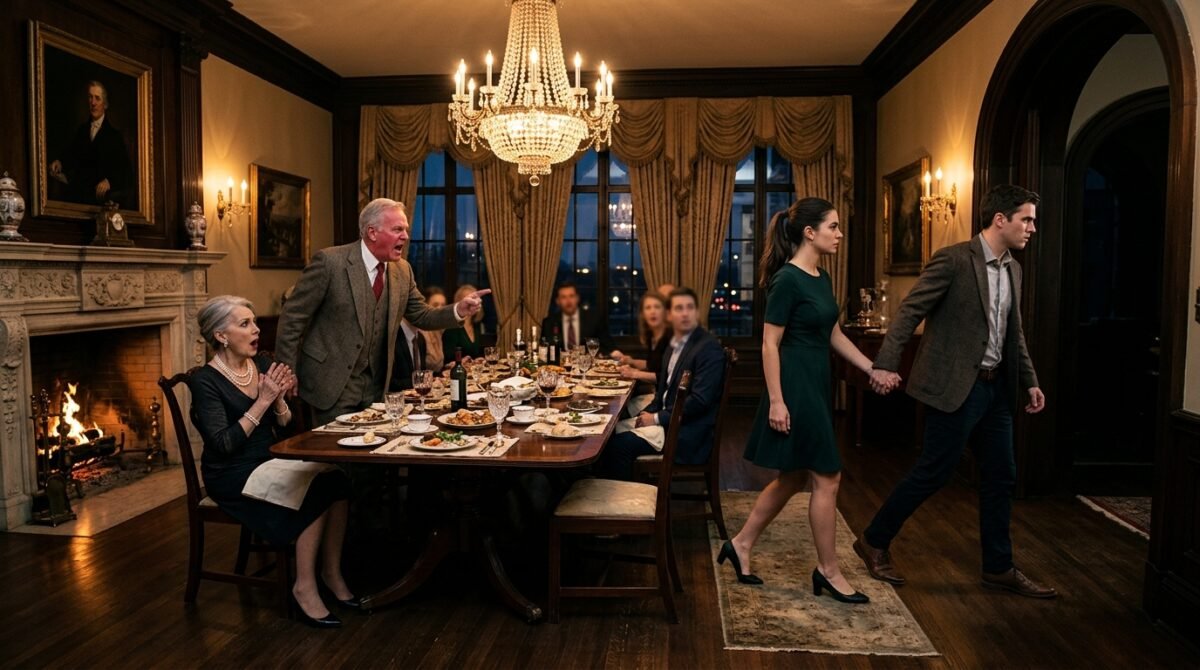
My husband’s father reached out a week later, suggesting a ‘sit-down’ to ‘clear the air.’ He insisted that his wife didn’t mean to be hurtful, that she was just ‘set in her ways,’ and that we were overreacting. He proposed that we come over for a ‘trial dinner’ where I would agree to speak English at the table, but could speak my native language in the hallway or the kitchen.
The compromise was insulting. It was a request to hide our identity like a dirty secret. I told Mark that I would go, but only if we were allowed to set the terms. I wanted it made clear that the language of our household was not up for negotiation and that my children would be raised as they were raised, regardless of whose house we were visiting.
“This is not a negotiation. My language is not a secret to be hidden in a hallway. If you want us in your home, you have to accept us as we are. That includes my culture, my heritage, and the language I speak to my children.”
— OP at the Mediation Dinner
The meeting went exactly as I expected. Susan remained cold, refusing to look at me, and constantly interrupted whenever I spoke to the children. It was a theater of control. Every time I spoke to my kids in my native tongue, she would loudly comment on how ‘rude’ it was, as if I were speaking in tongues to summon a demon.
The tension was so thick I could practically taste it. Mark finally stood up, his voice trembling but firm. He told his parents that he was tired of the constant critique and the emotional abuse. He stood by my side, declaring that we would be leaving and wouldn’t be back for the foreseeable future. The shock on their faces was priceless, but the heartbreak was deep.
We walked out of that house with our heads held high, even as my mother-in-law screamed accusations at our backs. It was the hardest thing I had ever done, but it was also the most liberating. We were no longer waiting for their approval; we were simply living our lives, free from the crushing weight of their expectations.
Reclaiming Our Roots and Our Peace

In the months that followed, our life changed in ways I hadn’t anticipated. Without the weekly stress of the Sunday dinner, I found myself more present with my children, more creative with our activities, and much more confident in my identity. We started a new tradition: Sunday brunch, just the four of us, where we cooked meals from my home country and listened to music in my language.
It was a celebration of who we were, not a desperate attempt to fit into someone else’s mold. My children began to pick up more of the language, their confidence growing as they realized that it wasn’t something to be hidden, but something to be proud of. They started asking questions about their heritage, and I was finally able to tell them stories without the fear of interruption.
The impact on my marriage was just as significant. Mark and I had grown closer through the fire. He had stepped out from under the shadow of his upbringing, and we had built a stronger, more independent partnership. He saw, for the first time, how much damage his parents’ expectations had been doing to our mental health.
“I never realized how much weight I was carrying until I put it down. I’m sorry it took me so long to see it, but I’m so glad we’re here now. We are a family, and that’s all that matters.”
— Mark to OP
We did receive a few more angry letters from his parents, which we chose to ignore. We had established a boundary, and we were sticking to it. The peace we found was worth more than any Sunday dinner, and the growth my children experienced was proof that we had made the right choice.
Looking back, I realize that the conflict wasn’t about the language at all; it was about the power dynamic. By refusing to conform, I had stripped them of their ability to control me, and that was the real ‘offense.’ I had learned that my voice, my language, and my culture were not bargaining chips—they were the very essence of my family’s survival.
The Aftermath: When Boundaries Are Tested
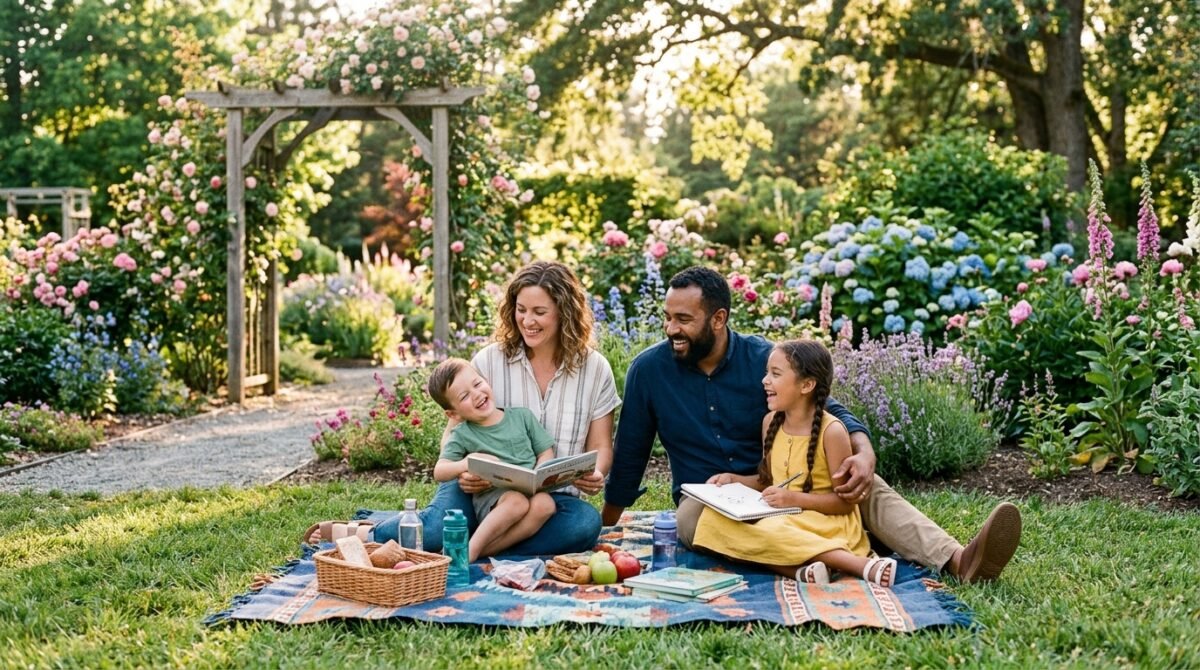
There were moments of weakness, of course. Holidays were the hardest. I would see photos on social media of the rest of the family gathering, and the familiar pang of exclusion would surface. But then I would look at my children, thriving in the freedom we had created, and the feeling would vanish. I knew that the ‘peace’ of the past was built on a foundation of my unhappiness.
My mother-in-law tried to reach out through other family members, asking for ‘reconciliation’ on her terms. She sent gifts for the kids, but they were always accompanied by letters that were subtly passive-aggressive, lamenting the ‘distance’ we had created. I held the line, refusing to engage until there was a sincere apology and a guarantee of respect.
I realized that for some people, change is simply not an option. They are so entrenched in their biases that they cannot see the humanity in others. And that is okay. I wasn’t looking to change them anymore; I was just looking to live my own life, free from the toxicity that had defined our relationship for so long.
“You cannot heal a relationship with someone who refuses to admit they are the problem. I have stopped trying to convince them of our worth. We are worthy, regardless of whether they see it or not.”
— OP’s reflection
We found a new community, a group of friends who celebrated our diversity and supported our parenting choices. It wasn’t the traditional family structure I had once dreamed of, but it was real, it was supportive, and it was entirely ours. We were no longer living for others; we were finally living for ourselves.
This journey taught me that blood is not always thicker than water—that the family we choose and the values we hold are what truly bind us together. I am no longer the outsider looking in; I am the architect of my own family’s legacy, and that is a power I will never relinquish.
The Lessons of Cultural Resilience
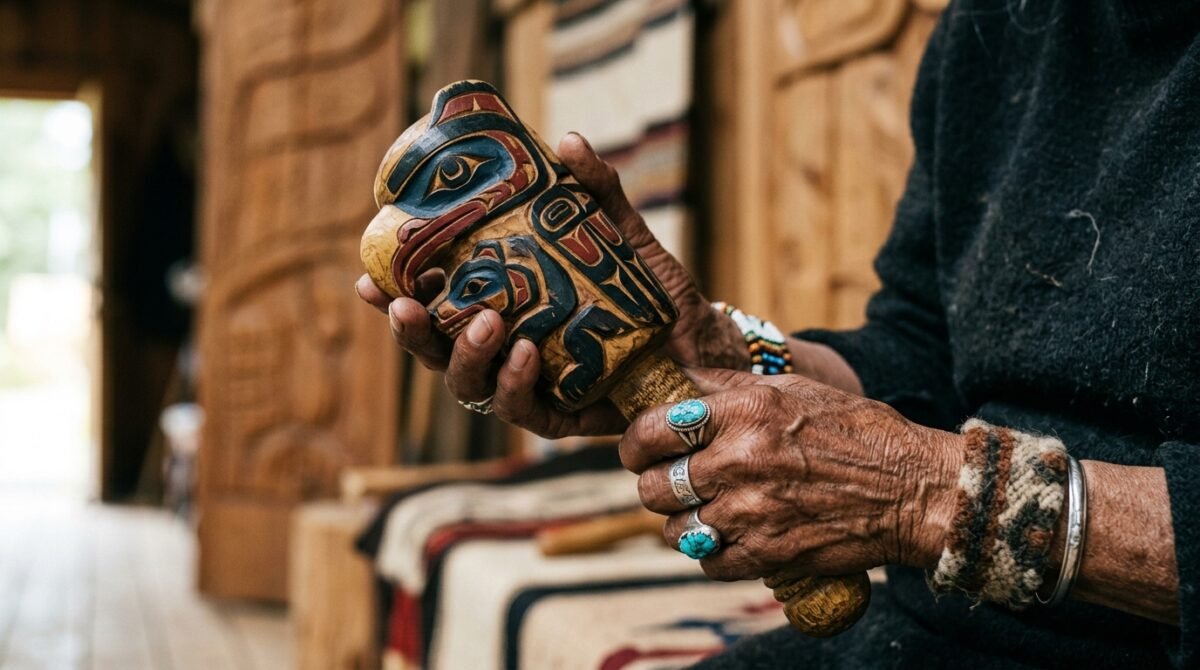
What does it mean to protect a culture in a world that often demands assimilation? It means standing tall when you are told to shrink. It means speaking your truth when you are told to be quiet. It means understanding that your language is a bridge to your past, not a barrier to your present.
I look at my children now, and I see the beauty of their dual heritage. They are becoming more empathetic, more worldly, and more grounded in their identity than I ever could have hoped. They know that being different is not a flaw; it is a strength. They know that their mother’s voice is a source of love, not a cause for shame.
If you are in a similar situation, if you are being asked to hide who you are for the sake of ‘family peace,’ remember this: your culture is not an inconvenience. Your language is not an insult. Your identity is a gift that you are passing down to the next generation, and you have every right to protect it with everything you have.
“Never apologize for your heritage. It is the soil in which you grow, the roots that keep you grounded, and the wings that allow you to soar. If someone cannot respect that, they do not deserve to be a part of your life.”
— A piece of advice from a fellow survivor
We are still low-contact with my in-laws, and I am at peace with that. I don’t need their validation anymore. I have the love of my children, the support of my husband, and the strength that comes from standing up for what I know is right. Our Sunday dinners are now filled with laughter, stories, and the beautiful sounds of two languages mingling in the air—a testament to our resilience.
So, to everyone who has ever felt forced to choose between their family and their identity: choose yourself. Choose your children. Choose the truth. The path might be difficult, and the journey might be long, but the destination—a life lived with authenticity—is more than worth the struggle.
Reflecting on the Silent Majority
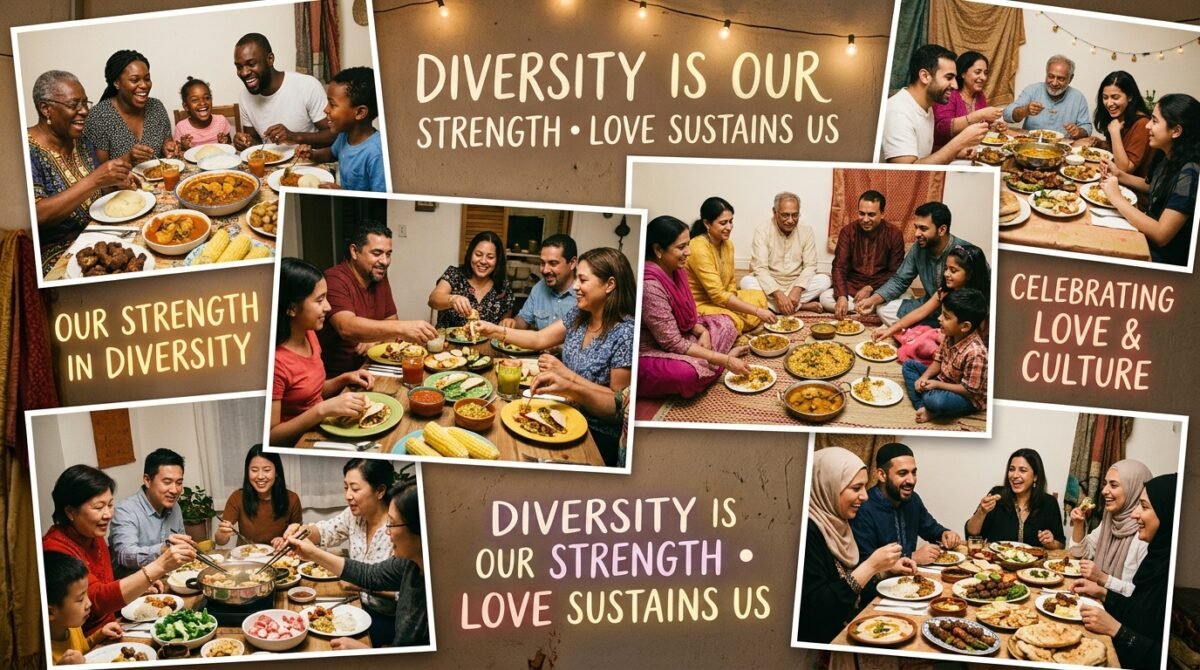
It is worth noting that we are not alone. Through this process, I have heard from countless others—people from all walks of life—who have faced similar ultimatums. It seems that the ‘Sunday dinner’ is often a stage for power plays, and the language we speak is just one of many weapons used in the battle for control.
Why is there such a visceral reaction to languages other than English in the home? It comes down to a fear of the unknown, a fear of being left out, and a deep-seated belief that ‘different’ is dangerous. But when that fear is turned into a demand for conformity, it becomes a form of cultural violence. It is an attempt to erase a person’s history and replace it with a homogenized, controllable version.
I think of the many families out there who are currently sitting at tables where they feel unseen, unheard, and pressured to hide parts of themselves. I hope this story serves as a reminder that your voice matters, and your heritage is something to be celebrated, not suppressed. You are not obligated to accept less than you deserve, no matter who the request comes from.
“You have to be the change you want to see in your family tree. If you don’t set the boundary, who will? Your children are watching, and they are learning what is acceptable based on how you handle these moments.”
— Reader reflection
We are the guardians of our children’s future, and that includes their cultural legacy. When we stand our ground, we are not just winning a battle; we are ensuring that they grow up with a sense of pride in who they are. That is the greatest gift we can give them, and it is a gift that no one, not even the most controlling grandparent, can take away.
Take heart. The struggle is real, but so is the victory. We have built a life of joy, of connection, and of pride, and that is a legacy that will last far longer than any argument at a dining table. We are moving forward, and we are doing it on our own terms.
Moving Forward: A New Legacy

Looking ahead, my focus remains on the well-being of my children and the health of my marriage. We are continuing to explore new ways to connect with our culture, from language classes to community festivals, and the kids are loving every minute of it. They are becoming more curious, more engaged, and more proud of their roots.
I have also learned to let go of the need to ‘win’ the argument. There is no ‘winning’ with people who refuse to see you. There is only the decision to walk away and create a better life elsewhere. I have found that true peace comes not from their admission of guilt, but from my own realization that I don’t need their approval to be complete.
My relationship with my husband has never been better. We have faced a significant challenge and come out stronger on the other side. We have learned to communicate better, to support each other’s boundaries, and to prioritize our little family above all else. We are no longer just a couple; we are a united front, ready to take on whatever life throws our way.
“The most important thing I’ve learned is that my worth is not determined by my in-laws’ approval. I am enough. My children are enough. And our heritage is enough.”
— OP’s final thoughts
If there is one thing I hope you take away from this story, it is that you are not alone. You have the power to draw lines, to hold your ground, and to create the life you want for yourself and your children. Do not be afraid to stand up for what you know is right, and never, ever apologize for who you are.
We are moving on to a brighter chapter, one filled with love, laughter, and the rich, beautiful tapestry of our shared heritage. Thank you for following our story, and I hope it gives you the courage to stand up for your own.
Conclusion
The journey from that tense Sunday dinner to where we stand today has been transformative. It was never just about a language; it was about the fundamental right to exist authentically in the presence of those who would rather have us conform. By choosing to hold our ground, we didn’t just preserve a language; we preserved our children’s self-esteem and our own integrity.
We have learned that boundaries are not just about keeping people out; they are about keeping our values in. We have seen firsthand that when you refuse to compromise your identity, you create a space where your children can grow up knowing exactly who they are and where they come from. That is a legacy that far outweighs the temporary discomfort of family conflict.
What about you? Have you ever had to choose between family expectations and your own cultural identity? How did you handle the pressure to conform, and what boundaries did you find necessary to set? Let’s discuss in the comments below—I want to hear your stories of resilience and the ways you have reclaimed your peace.
What's your verdict on this dilemma?
Vote below to contribute to the official community consensus.

Have a Dilemma Keeping You Up at Night?
Share your real-life feud, wedding chaos, or relationship crossroads anonymously with our editorial team.
What do you think ?
0 Comments🛡️ Comments are moderated to protect community integrity. Your comment will appear once approved by the editorial team.