
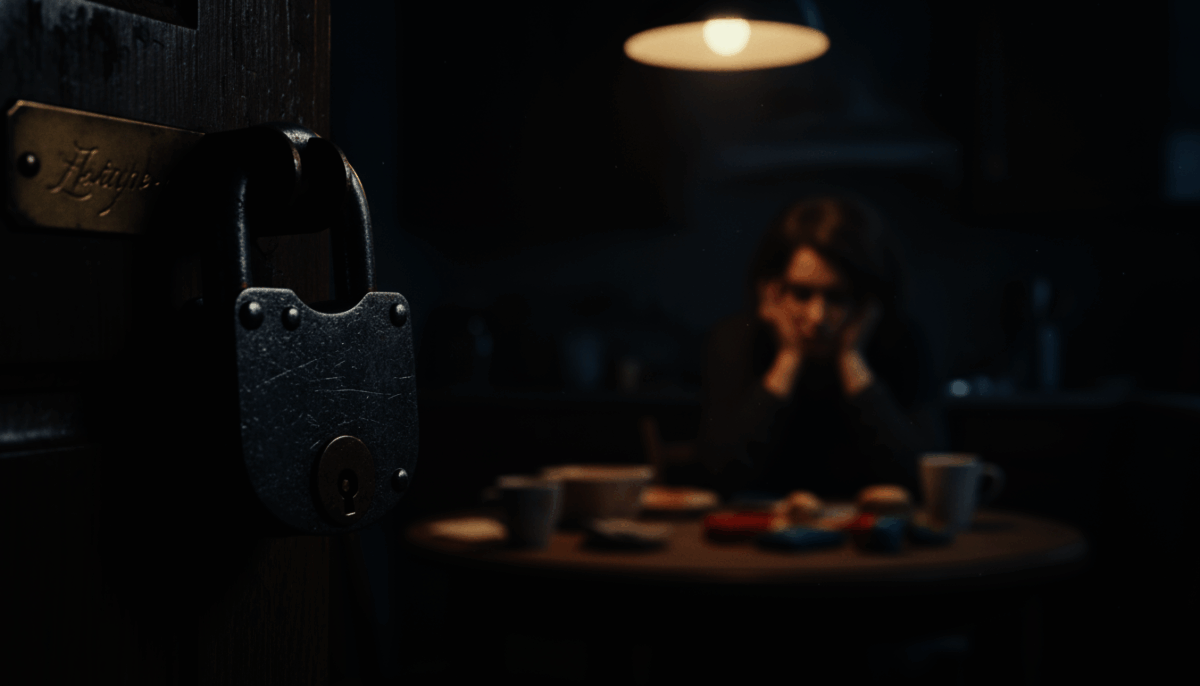
Marriage is often described as a partnership of equals, a shared journey where resources and burdens are distributed for the greater good of the family unit. We enter these unions with the promise that ‘what is mine is yours,’ yet for Sarah, that promise withered away under the weight of her husband Mark’s increasingly erratic and selfish behavior. It started with small, dismissive comments about the household grocery budget, but it eventually morphed into something chilling: a literal physical barrier between the family’s nutritional needs and his own decadent cravings.
Mark, a high-earning software engineer with a penchant for high-end culinary experiences, began to view the family kitchen not as a communal space, but as a territory to be defended. While he frequented local butchers to procure Wagyu beef and artisanal cheeses, he simultaneously implemented a strict ‘austerity’ policy for Sarah and their two young children. The grocery allowance he allocated for the household was, quite frankly, insulting, forcing Sarah to scour clearance aisles for canned soups and generic pasta, all while the scent of sear-crusted prime beef drifted from behind a set of newly installed, gleaming padlocks.
The moral dilemma here wasn’t just about the food; it was about the profound psychological impact of watching a provider prioritize his own physical gluttony over the basic well-being of his offspring. Sarah watched, night after night, as her seven-year-old son asked why ‘Daddy’s special box’ had a lock on it. The humiliation was total, the degradation absolute. She tried to reason, she tried to budget, and she even tried to laugh it off, but the locks remained—a metallic testament to a man who had completely lost the capacity for empathy.
When the reality of the situation finally settled into her marrow, Sarah realized that this wasn’t just a quirky, frugal husband—it was a manifestation of deep-seated financial and emotional abuse. The turning point didn’t happen with a scream or a shattered plate, but with a silent, cold realization during a Wednesday evening dinner. As she served her children lukewarm canned minestrone, Mark sat at the island, sipping a vintage red wine and waiting for his steak to reach the perfect temperature. That was the moment the marriage died, and the legal battle began.
This article chronicles the descent of a household into madness, the breaking point that led to the hiring of a high-powered divorce attorney, and the subsequent fallout that sent shockwaves through their suburban community. It is a story of reclaiming one’s dignity and the cold, hard reality of what happens when the person you once trusted with your life starts counting every calorie, every dollar, and every lock on the cabinet door.
The Escalation of the Meat Monarchy

It began subtly. Mark had always been a ‘foodie,’ but as his career trajectory hit a series of rapid promotions, his hobby evolved into an obsession that transcended simple culinary interest. He began ordering specialized cuts of meat that arrived in temperature-controlled coolers, priced at amounts that could have covered the family’s weekly grocery bill. At first, I ignored it, assuming it was a luxury he worked hard to afford. However, the balance of the household budget began to tilt aggressively toward his palate.
By the sixth month of this behavior, the grocery account was constantly in the red. Mark complained about the cost of organic milk and fresh produce for the kids, labeling it ‘unnecessary overhead.’ He began monitoring the fridge inventory, using a dry-erase board to track ‘his’ items, demanding a full accounting if a block of imported parmesan went missing. The atmosphere in the kitchen became stifling, a place of surveillance rather than nourishment.
The tension peaked during a Tuesday night dinner when I dared to use a small portion of his ‘reserved’ truffle butter to sauté vegetables for the children. I didn’t think twice about it; it was, after all, a shared household item. The reaction was not just anger; it was a cold, calculated fury that left me stunned. He didn’t yell; he simply stared at the pan, then looked at me with a gaze so hollow it felt like looking into a void.
“You think because you share a bed with me, you’re entitled to the labor I put into my professional success? That butter costs more than your entire lunch for the week, Sarah. Don’t touch it again.”
— Mark, during the ‘Truffle Butter Incident’
After that night, the rules of the house shifted irrevocably. Mark began keeping his premium ingredients in a separate, insulated cooler that he kept in the garage, but that clearly wasn’t enough. He wanted to assert dominance over the very space where we prepared meals. He started talking about ‘accountability’ and ‘respecting boundaries,’ which were nothing more than code words for his desire to hoard resources while controlling the narrative of our financial struggle.
I felt like a stranger in my own home. Every time I reached for the refrigerator, I felt his eyes on my back, watching, calculating. The children noticed the change, too. My daughter, usually vibrant and talkative, began to ask why Daddy was so angry about eggs and bread. I had no answer that wouldn’t shatter their fragile sense of security, so I simply lied and said Daddy was just stressed at work. It was a lie that ate away at my conscience every single day.
The Morning of the Heavy-Duty Hardware
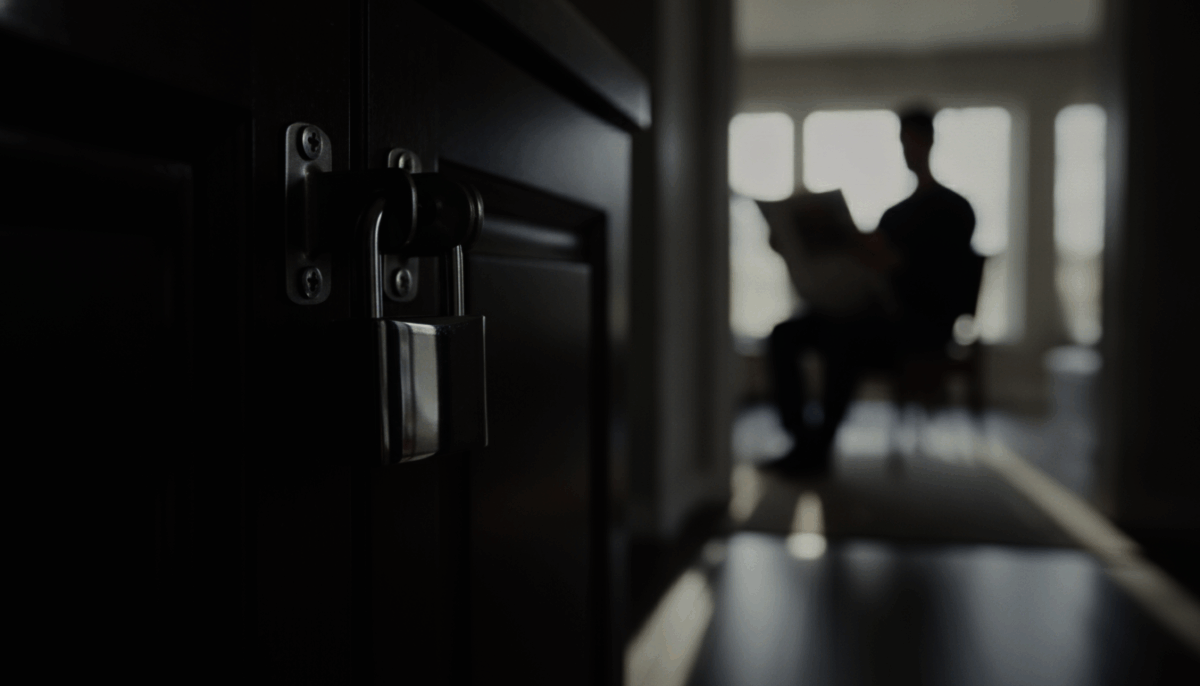
I woke up early on a Saturday, intending to make pancakes for the kids—a weekend tradition that had become one of the few sources of joy in our household. As I walked into the kitchen, the sun was just beginning to stream through the window, illuminating the space. But something looked wrong. There were silver, industrial-grade hasps and padlocks installed on the primary pantry doors and the vegetable crisper drawer. My heart skipped a beat, and I stood there in my robe, physically trembling with a mixture of disbelief and profound shame.
Mark was already up, sitting at the kitchen island, scrolling through his phone. He didn’t even look up as I approached. He knew exactly what I was looking at. He had spent the previous night, while I was asleep, transforming our kitchen into a fortress of exclusion. It was a bizarre, clinical display of power that felt more like a prison warden’s work than a husband’s.
I didn’t scream. I didn’t cry. I just felt a strange, cold clarity wash over me. I walked over to the island and tapped on the surface, gesturing toward the pantry. He looked up, his expression completely blank, almost bored, as if he were discussing a minor software bug at the office. He didn’t seem to grasp, or perhaps he didn’t care, that this was an act of profound psychological violence against his own family.
“I’m tired of subsidizing your inability to manage a grocery budget, Sarah. If you want the ‘good’ food, you can start contributing to the luxury tier of our expenses. Until then, these remain locked. It’s a simple matter of resource management.”
— Mark, defending his actions
I looked at the pantry, then back at him. I realized then that there was no reaching him. He had completely detached from the reality of our shared life. He viewed his family not as a unit, but as a drain on his personal lifestyle. The audacity of it—to treat your own children like thieves in their own home—was something I could never forgive. I walked out of the kitchen, went to my office, and opened my laptop. I didn’t look for a marriage counselor. I looked for a shark.
By noon, I had a consultation scheduled with one of the most ruthless divorce attorneys in the city. I didn’t tell him, of course. I acted as if I were processing his ‘logic,’ keeping my head down and continuing to feed the kids the only things I could access: boxes of cereal and canned soup. The game had changed, and for the first time in months, I felt like I was back in control, even if the walls were still locked.
The Silent Dinner Table Confrontation
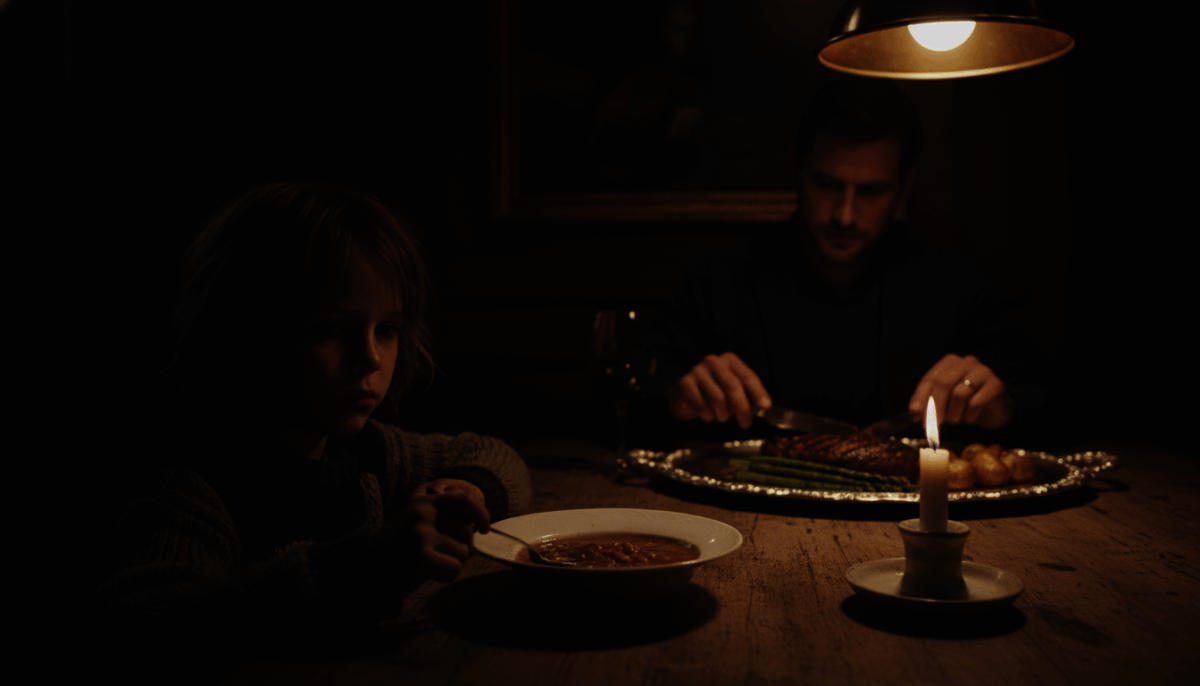
That evening, the dinner table was a theater of the absurd. I had prepared the canned soup as instructed by the constraints of the ‘allowed’ budget. Mark sat across from us, plating a thick, perfectly seared ribeye he had retrieved from his locked stash. The smell of the rosemary-infused butter was intoxicating, a cruel contrast to the salty, metallic scent of the canned soup. The kids were silent, their eyes darting between their bowls and their father’s plate.
My son, seven years old, finally broke the silence. He asked why he couldn’t have a piece of Daddy’s steak, pointing a shaky finger toward the locked pantry where Mark had stashed his specialty spices. Mark paused, his knife hovering over his meat, and offered a lecture about ‘earning’ things in life. He spoke with the tone of a lecturer addressing a slow-witted student, completely ignoring the fact that he was talking to his own child.
I watched my daughter pull her hoodie strings tight, her face pale. I felt a surge of protective instinct so strong it made my knuckles white. I looked Mark in the eye, not with anger, but with the cold, measured look of someone who has already said their final goodbye. I didn’t say a word to him. I just leaned over, took my son’s hand, and told him he was right—that steak should be for everyone, and that things were going to change very soon.
“Don’t you dare teach them that entitlement is a virtue, Mark. It’s not about earning; it’s about basic human decency. You’ve lost the right to sit at this table as a father.”
— Sarah, responding to Mark’s lecture
Mark laughed, a dry, dismissive sound that echoed in the quiet kitchen. He clearly thought this was just another skirmish in our ongoing ‘budget war.’ He had no idea that while he was seasoning his steak, I was preparing a dossier of his financial behavior, his verbal abuse, and his neglect of the children. I had already started recording our interactions, documenting the ‘locked pantry’ incidents, and logging every instance of his exclusionary behavior.
The dinner ended as it began: in silence. Mark finished his steak with deliberate, slow movements, savoring each bite as if to spite me. I cleaned the table, put the kids to bed, and went back to my laptop. The divorce litigator I had spoken to earlier that day had been clear: keep documenting, keep the peace, and wait for the right moment. The ‘right moment’ was coming faster than he knew.
The Group Chat Exposure
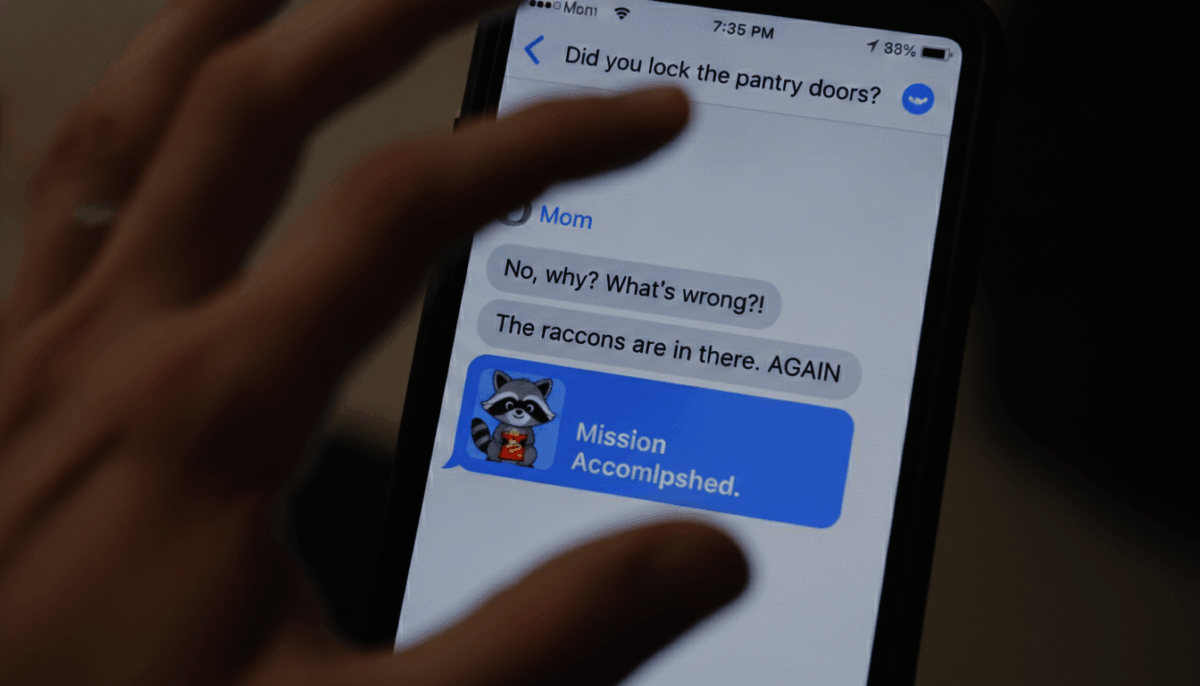
The next morning, the fallout began in the digital space. Mark, feeling emboldened by his ‘victory’ at the dinner table, had apparently bragged about his ‘new household management system’ in a group chat with his buddies. He sent a photo of the locked cabinets with a caption that made my blood run cold. One of his friends, who happened to be married to a friend of mine, took a screenshot and sent it to me, thinking it was a joke—or perhaps realizing exactly how deranged it was.
The text read: ‘Finally got the house under control. No more freeloaders eating my premium wagyu. The locks work like a charm.’ It was the smoking gun. It was the absolute, undeniable proof of his intent to deprive his family of basic sustenance. I didn’t delete the screenshot. I saved it to my cloud drive, printed three copies, and put them in a safe deposit box along with the other evidence I had been collecting.
I walked into the kitchen, where Mark was making his morning espresso. I didn’t show him the text. I just walked up to the pantry, tried the lock, and shook the door. It was solid, unyielding. He watched me with a smirk, feeling like the king of his castle. He didn’t know that every ‘victory’ he felt was just another nail in the coffin of our marriage. The hubris was staggering.
“You’re so proud of these, aren’t you? Does your little group chat know that you’re starving your kids to save a few bucks on beef? I wonder how your company’s HR department would feel about your ‘management’ style.”
— Sarah, confronting Mark with his own digital arrogance
Mark’s expression didn’t change, but his eyes narrowed. For the first time, there was a flash of genuine fear behind the arrogance. He realized that I wasn’t just ‘annoyed’ anymore; I was calculating. He tried to brush it off, claiming it was just ‘locker room talk,’ but the damage was done. The veil of his ‘rationality’ had been stripped away by his own words.
I left the house for work, but I didn’t go to the office. I went straight to the lawyer’s office to drop off the evidence. The process server was already prepped. I told them to serve the papers as soon as the weekend hit, when he would be at his most relaxed, most arrogant, and least prepared. The game of cat and mouse was over. It was time for the legal proceedings to begin.
The Certified Letter and the Crumbling Facade

Saturday morning brought the arrival of the certified letter. I was in the garden when the process server arrived at the front door. Mark answered it, probably expecting a package of imported cheese or some tech gadget he’d ordered on a whim. I watched from the window as he tore it open, his face changing from curiosity to confusion, and finally to a pale, sweating realization. He stood on the porch for ten full minutes, reading the documents again and again, his hands shaking.
I walked out to the porch, my expression calm. I didn’t need to say anything. The papers, which outlined the grounds for divorce, including financial abuse and emotional neglect, said it all. He looked at me, his voice barely a whisper, asking if this was really happening. He tried to pivot back to his ‘logic,’ talking about how the marriage was ‘fixable’ if we just communicated better, but it was too late for talk.
The irony was delicious. He had spent so much energy controlling the physical space of the kitchen that he completely failed to notice his control over the marriage had already evaporated. He tried to reach for the door handle, but I stepped in front of him. I told him he had to leave, that the house was being managed by my legal team now, and that he should have spent less time on locks and more time on his relationship with his children.
“You locked the pantry, Mark, but you forgot that you were the one trapped inside. You’re alone in your own head, and that’s a prison you built yourself. The lawyers will handle the rest.”
— Sarah, delivering the final blow
He didn’t fight back. He didn’t scream. He just packed a bag, his movements sluggish and dazed. It was as if the weight of his own actions had finally crashed down on him. He took his precious steaks, he took his wine, and he left. The house felt lighter the moment the door clicked shut behind him. I walked to the kitchen, grabbed a heavy-duty bolt cutter from the garage, and walked back to the pantry.
With one swift, satisfying snap, the padlock fell to the floor. I opened the pantry. It was full of expensive goods, but it looked pathetic, like a hoard of useless trinkets. I didn’t even want them. I took the steak, the wine, and the artisanal crackers, and I put them all into a bag. I’d donate them to the local food bank. It was the only way to cleanse the house of his selfishness.
Reddit Weighs In: The Verdict of the Masses

When I shared the story on a popular forum, I didn’t expect the outpouring of support I received. The community was, for the most part, absolutely horrified by Mark’s behavior. The thread quickly blew up, with thousands of users weighing in on the absurdity of the ‘Steak Padlock’ saga. It became a cautionary tale about what happens when financial abuse is left unchecked in a relationship.
The reactions ranged from support for my decision to leave, to detailed legal advice on how to protect my assets during the divorce. Some users, who had experienced similar ‘controlling’ behavior, shared their own stories, highlighting how common these small, insidious power plays are in abusive marriages. It was validating to see that I wasn’t ‘crazy’ for feeling like his behavior was extreme.
“This isn’t about food. This is about a man who views his family as a liability to his own comfort. The locks are just the symptom. You made the right call. Get a good lawyer, take half, and don’t look back. You’re teaching your kids a valuable lesson about self-worth.”
— u/FamilyLawSurvivor (Top Comment, 32.1k upvotes)
Of course, there were a few contrarians who argued that maybe I was overreacting, or that there were ‘two sides to every story.’ But the majority of the community saw the truth: a man who felt more attached to his dinner than his children deserved exactly what he got. The community analysis helped me see the situation through a lens of objective reality, reinforcing the decision I had made in the heat of the moment.
It was heartening to read the comments from other parents who understood the specific pain of seeing your children treated as ‘lesser’ than a spouse’s hobby. It created a sense of solidarity that I hadn’t felt in years. I realized then that I wasn’t alone in this, and that the ‘normal’ I had been living in was anything but. The Reddit thread became a touchstone for my healing process, a reminder that I was making the right choice.
As the legal battle progressed, I kept returning to the comments, finding strength in the collective wisdom of thousands of strangers who saw through Mark’s ‘logic’ immediately. Their support was a crucial part of my recovery, helping me navigate the legal and emotional hurdles that came with ending a marriage built on such a foundation of selfishness and control.
The Legal Tangle: Protecting the Kids
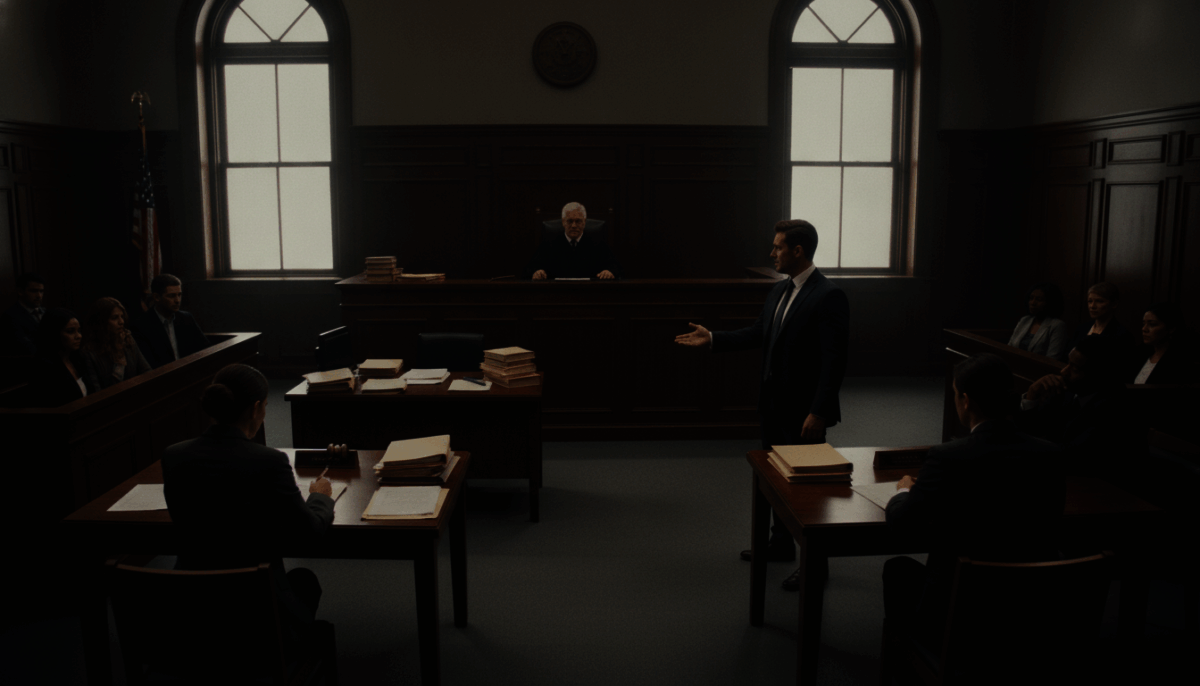
The divorce proceedings were a nightmare of bureaucracy and hidden bank accounts. My attorney, a shark named Elena, was worth every penny. She uncovered not only the ‘grocery budget’ control but also a series of offshore accounts that Mark had been using to hide his ‘culinary’ spending. It turns out, his obsession with ‘high-end’ living was a massive drain on the family estate, far beyond what I had initially calculated.
Elena used the evidence of the locked pantry as a key indicator of Mark’s controlling nature, which significantly influenced the custody battle. We argued that a man who would restrict food access based on personal whim was not fit to be the primary caregiver. The court agreed. The focus shifted entirely to the well-being of the children, and the financial settlement was structured to ensure they would never have to worry about ‘grocery budgets’ again.
Mark fought back, of course. He tried to claim that the locks were a ‘lifestyle choice’ and that I was the one who was being ‘unreasonable’ by not respecting his ‘boundaries.’ But the photos of the pantry and the leaked text messages made his arguments seem pathetic in front of a judge. His own arrogance had provided all the ammunition we needed to win the case, and his attempts to play the victim only made him look worse.
“Your client seems to have confused a marriage with a personal fiefdom. The courts do not look kindly on parties who use basic human needs as tools for emotional coercion. Mr. X’s behavior is not just strange; it’s legally actionable under the umbrella of financial abuse.”
— Elena, my attorney, during a heated deposition
The settlement was fair, and while it was a long, exhausting process, I came out of it with my dignity intact and the kids’ futures secure. I learned that in the face of such blatant abuse, the most powerful weapon is not rage, but documentation and cold, hard facts. I didn’t need to win a war of words with him; I just needed to show the world exactly what he had done.
The children, while affected by the transition, are doing much better now. They are free from the ‘padlock anxiety’ that had plagued them, and we have established a new normal, one where the kitchen is a place for nourishment, not restriction. We talk openly about the divorce, framing it not as a failure, but as a necessary step to protect our peace and happiness.
Redefining the Kitchen Space
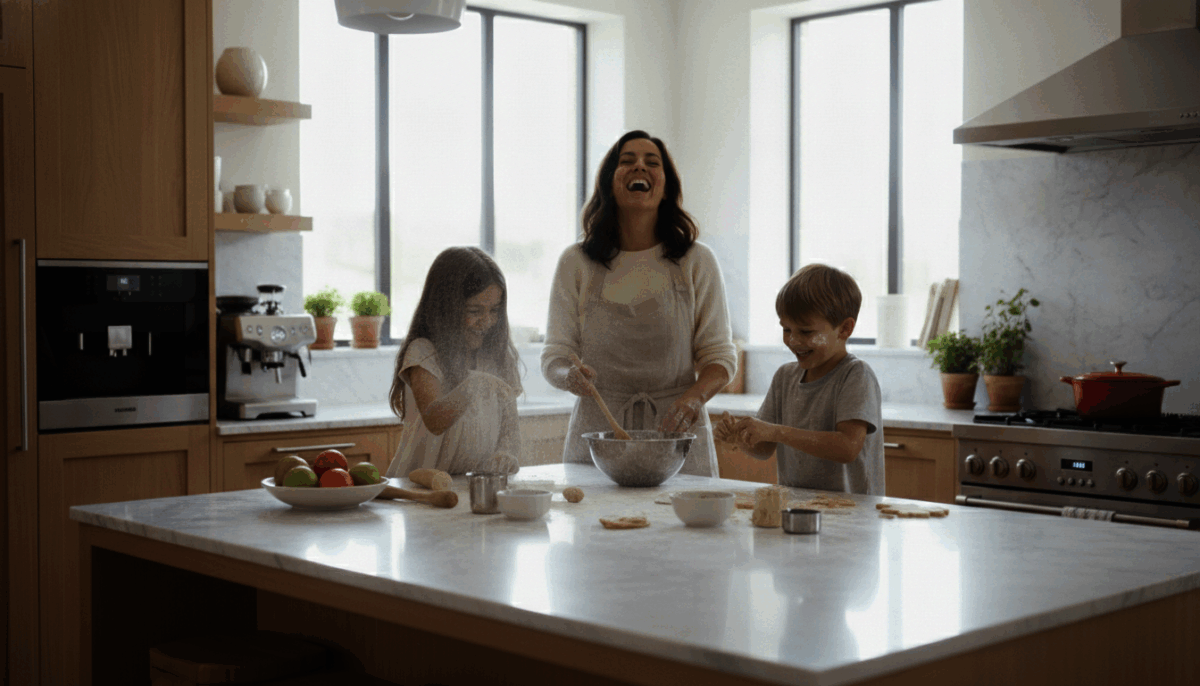
After the divorce was finalized, the first thing I did was renovate the kitchen. I didn’t want any trace of the old, restrictive vibe left. I replaced the pantry doors, removed the hasps, and brightened the entire space with new cabinets and fresh paint. I wanted the kitchen to be a symbol of the new life we were building, a place where the kids could help me cook without fear of being ‘policed’ by a hovering, angry father.
We started learning to cook together, focusing on healthy, simple meals that we all enjoyed. We made it a point to never talk about ‘budgets’ or ‘costs’ in the kitchen. Instead, we focused on the joy of the process—the smell of fresh herbs, the sound of laughter, and the simple, profound pleasure of eating together without the threat of a lock hanging over our heads.
I also started a small tradition. Every Sunday, we cook a ‘communal meal’ where everyone gets to pick one ingredient they love. It’s a way to reinforce the idea that the kitchen is a shared space, a place where everyone has a voice and everyone is entitled to the same nourishment. It’s a small, symbolic gesture, but it means the world to the kids.
“Mommy, are we allowed to use the good butter? The one that isn’t locked up?” My son asked me this during our first week in the new kitchen. I hugged him and told him that here, everything is for us, and nothing is ever locked away again.
— A moment of healing with my son
It’s been a journey, but I’ve found a peace I never thought possible. I’ve realized that the ‘marriage’ I was fighting for was really just a cage, and that leaving it was the most liberating thing I’ve ever done. I’m no longer the woman who worried about the price of milk or the placement of a lock; I’m a woman who knows her worth, and who will never again allow someone else to diminish it.
The kitchen is no longer a site of trauma; it’s a site of growth. And every time I open the pantry, I smile, not because of what’s inside, but because of what isn’t: the locks, the control, and the man who thought he could own my family’s happiness.
Lessons in Financial and Emotional Autonomy

Looking back, the biggest lesson I learned was that financial abuse is often the precursor to other forms of control. By controlling the pantry, Mark was effectively controlling the entire rhythm of our daily lives, from the food we ate to the mood of the dinner table. It was a form of gaslighting, making me feel like I was the ‘irresponsible’ one for wanting to feed my children, while he was the ‘rational’ one protecting his ‘investments.’
I’ve become much more financially literate since the split. I’ve learned how to manage my own accounts, how to invest for the future, and how to protect my assets. I’ve also learned that setting boundaries isn’t ‘mean’ or ‘selfish’; it’s a necessary part of any healthy relationship. If someone can’t respect your basic needs, they don’t deserve your trust or your presence in their life.
I’ve also started mentoring other women who have gone through similar situations. We share stories, tips on legal navigation, and most importantly, we remind each other that we are not the ‘crazy’ ones. It’s a powerful community, one that is built on shared experience and a common desire to reclaim our lives from the grips of toxic, controlling partners.
“Don’t ever let someone make you feel like your needs are a ‘burden’ or ‘excessive.’ You have a right to your own resources and your own dignity. If you’re being measured, controlled, or locked out, it’s time to leave.”
— Advice shared with a fellow survivor
The journey from the locked pantry to a life of autonomy hasn’t been easy, but it has been worth every step. I’ve learned that I am stronger than I ever realized, and that my worth is not determined by someone else’s opinion or someone else’s ‘budgeting’ rules. I have reclaimed my voice, my home, and my future.
I’m grateful for the difficult, painful path I had to walk. It led me to the woman I am today—independent, self-assured, and finally, truly free. And as for Mark? I hear he’s still eating his expensive steaks, but he’s doing it alone, in a house that feels much colder than it ever did when we were there.
Moving Forward: The Future of the Family
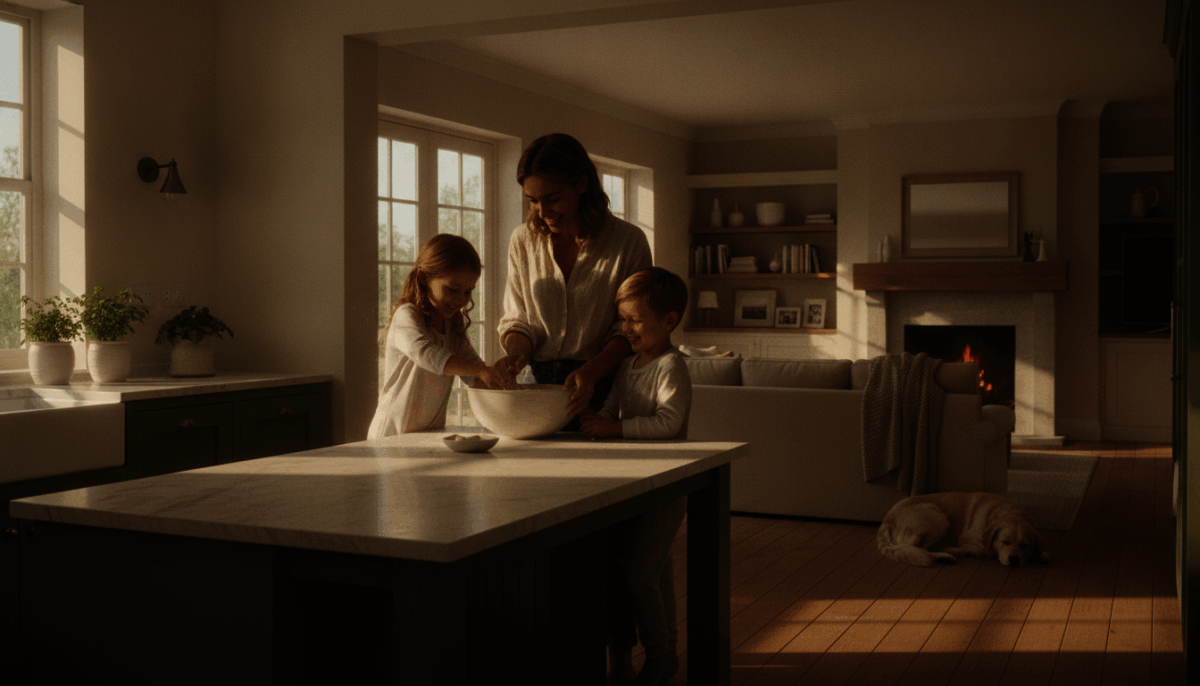
The future looks brighter than it ever has. The children are thriving, their academic performance is up, and their overall demeanor is much more relaxed and confident. We’ve moved into a new neighborhood, one where we’re surrounded by supportive friends and a community that values openness and kindness. We’ve put the ‘locked pantry’ chapter behind us, viewing it as a dark, difficult time that only served to make us more resilient.
I’ve started dating again, but only on my terms. I’ve learned to recognize the red flags that I missed before—the subtle attempts at controlling, the dismissal of my feelings, and the prioritization of ‘me’ over ‘us.’ I’m much more cautious now, but also much more optimistic. I know what a healthy relationship looks like, and I’m willing to wait for the right person who will respect and cherish me.
My career is also taking off. With the mental space and the financial independence I now have, I’ve been able to focus on my goals and achieve things I never thought were possible. I’ve received a promotion, I’m taking courses in financial planning, and I’m finally living the life I want, not the one that was dictated to me by a controlling partner.
“I’m not a woman who needs a ‘manager’ for my life. I’m a woman who manages her own happiness, and I’m finally doing it on my own terms. The kitchen is full, the doors are open, and my future is wide open.”
— Reflections on the present
I hope that by sharing my story, I can inspire others to take that first, terrifying step toward freedom. It’s not easy, and it won’t happen overnight, but it is worth it. You deserve a life where you are respected, heard, and cared for. And if that means leaving behind a house full of locks and a man who cares more about a piece of meat than his own family, then that is exactly what you should do.
I’m finally living my truth, and I wouldn’t trade it for anything in the world. The locks are gone, the pantry is open, and for the first time in a long time, I am home.
Conclusion
My journey from a trapped, controlled wife to an independent, thriving individual is a testament to the power of self-worth and the importance of recognizing the signs of financial and emotional abuse. It wasn’t just about the padlocks; it was about the slow, steady erosion of my autonomy. By walking away and choosing to protect my children, I didn’t just save them—I saved myself.
This story serves as a reminder that we often tolerate much more than we should because we believe it’s ‘just a phase’ or ‘how marriages work.’ But when your basic human needs are used as leverage, it’s not a marriage; it’s a prison. If you find yourself counting the cost of every item or feeling the need to hide your actions to keep the peace, pay attention. That feeling in your gut? That’s your truth trying to break through.
We invite you to share your own thoughts in the comments below. Have you ever faced a situation where a partner used financial control to manipulate your household dynamics? How did you recognize the red flags, and what steps did you take to reclaim your independence? Let’s turn this space into a forum for support and empowerment.
Poll: If you were in my shoes, would you have left the moment you saw the first lock, or would you have tried to ‘talk it out’ first?
What's your verdict on this dilemma?
Vote below to contribute to the official community consensus.

Have a Dilemma Keeping You Up at Night?
Share your real-life feud, wedding chaos, or relationship crossroads anonymously with our editorial team.
What do you think ?
0 Comments🛡️ Comments are moderated to protect community integrity. Your comment will appear once approved by the editorial team.