

Marriage is built on a foundation of shared assets, mutual trust, and the assumption that life-altering decisions are made in tandem. For most couples, the purchase of a family vehicle—the minivan that ferries the kids to soccer practice, carries the grocery hauls, and serves as the vessel for chaotic weekend road trips—is a joint commitment. It represents stability and a shared future. But for one woman, that foundation was pulverized in a single afternoon when she returned home to discover that her husband had essentially liquidated their family’s mobility to appease a relative who had never held a job in his adult life.
This isn’t just a story about a car. It is a story about the erosion of boundaries, the toxicity of ‘family first’ narratives that prioritize blood relations over spouses, and the moment a partner realizes they are no longer in a partnership, but a hostage situation. When the protagonist of this story found the driveway empty and her husband sheepishly explaining that his ‘down on his luck’ cousin now had a reliable ride, the betrayal cut far deeper than the loss of a vehicle. It was an existential realization that her husband viewed her resources as his own property to distribute at whim.
The events that followed—the late-night arguments, the gaslighting, the weaponized guilt, and finally, the calculated, scorched-earth decision to treat the car as stolen property—represent a classic case of what happens when a spouse is pushed past their limit. This is a journey through the disintegration of a marriage, a lesson in legal consequences, and a look at the viral fallout that occurs when one spouse finally decides that if they aren’t going to be respected, they are certainly going to be feared.
In the pages that follow, we will dissect the timeline of this betrayal, the toxic influence of the husband’s family dynamic, and the blistering aftermath of a police report that changed everything. From the quiet, cold rage of the initial discovery to the chaotic, bridge-burning resolution, this narrative explores the raw reality of financial infidelity and the reclamation of agency in a relationship that had forgotten what equality meant.
The Empty Driveway and the Casual Admission
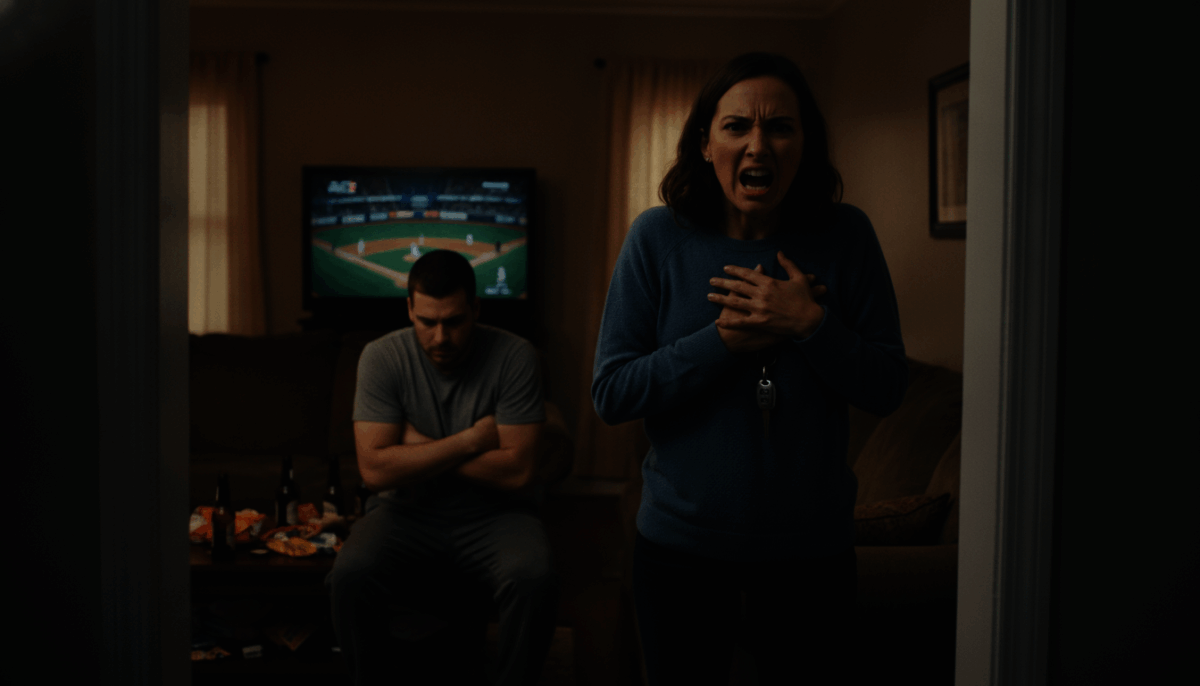
I remember the heat of that Tuesday afternoon vividly. It was a humid July day, and I had just finished a brutal shift at the hospital. My feet were throbbing, my head was pounding, and the only thing keeping me going was the thought of pulling our silver minivan into the garage, grabbing a cold drink, and decompressing for ten minutes before the evening chaos with the kids began. As I turned onto our street, I noticed the empty spot. It was usually there, tucked behind the hedges, a constant, reliable presence in our life.
At first, I didn’t think much of it. My husband, Mark, had been talking about taking it in for an oil change, though we hadn’t discussed it for that specific day. When I walked into the house, I saw Mark sitting on the couch, scrolling through his phone with a relaxed posture that felt entirely out of place given the state of our chaotic household. I dropped my keys on the counter and walked into the living room, feeling the tension of the day beginning to dissipate.
‘Hey, where’s the van?’ I asked, pouring a glass of water. ‘Did you actually take it to the shop? I thought you said you were busy today.’
Mark looked up, and for a split second, I saw his eyes dart toward the window. The casualness with which he responded was what truly ignited the fire. ‘Oh, yeah,’ he said, his voice a little too breezy. ‘I ended up letting Dave take it. He’s been really struggling with the commute to that new job, and he needed something reliable. I figured we could manage with the sedan for a few weeks until he gets back on his feet.’
“You gave him the car? Mark, that is our only vehicle that fits all three kids and the dog. How are we supposed to get anyone to school?”
— Me, realizing the sheer stupidity of the situation.
I stared at him, waiting for the punchline. There wasn’t one. He hadn’t just ‘let’ him borrow it; he had signed over the registration so Dave could get it insured. It was a gift. A gift of a twenty-thousand-dollar asset, given to a man who had famously failed at four different business ventures and had a history of treating vehicles like disposable lawn chairs. The audacity of it, the complete disregard for our family’s needs, hit me like a physical blow to the gut.
The Anatomy of a ‘Helpful’ Brother-in-Law
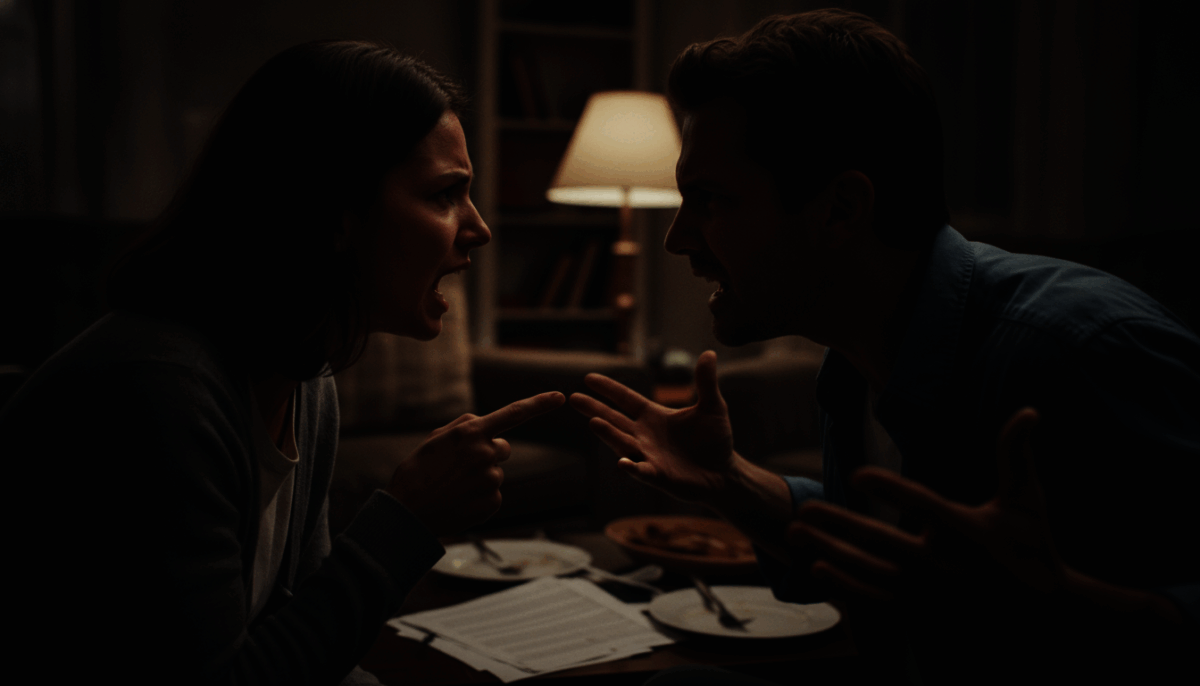
Dave wasn’t just a cousin; he was the black hole around which Mark’s family orbited. Every Christmas, every birthday, every minor inconvenience in Dave’s life was treated by Mark’s parents as a tragedy that needed rescuing. I had been vocal about my boundaries for years. I had told Mark that Dave’s inability to keep a job wasn’t our responsibility. Yet, here we were, the primary sponsors of a grown man’s lifestyle, simply because Mark felt a pathological need to play the hero to gain his mother’s approval.
The history of this ‘help’ was extensive. A thousand dollars here for rent, a ‘temporary’ loan there that never saw the light of day again. Mark had been siphoning our savings for years, but this felt different. This was the van—the vehicle we’d spent three years paying off, the vehicle with the car seats, the vehicle that felt like a sanctuary for my children. By giving it away, he wasn’t just giving away a car; he was giving away my autonomy.
I sat down across from him, my hands shaking. I needed to understand the mechanics of his decision. How could he possibly justify this? Was he high? Did he think I wouldn’t notice? The sheer lack of respect for my voice in this relationship was staggering. It wasn’t about the car anymore; it was about the fact that I was an accessory to his life, not a partner in it.
“He’s family, Sarah! He’s trying to do better this time. If I don’t help him, who will? You’re being selfish.”
— Mark during the initial confrontation.
The use of the word ‘selfish’ was the catalyst for what happened next. That specific word choice is a trigger for anyone who has been gaslighted for years. It was the ultimate deflection, a way to paint my basic need for transportation as a moral failing. As he talked about ‘family values,’ I stopped listening to his words and started planning my next move. The realization was cold and sharp: he wasn’t going to fix this. He was going to double down.
The Midnight Group Chat Exposure

That night, I didn’t sleep. I lay in bed, staring at the ceiling, feeling the familiar hum of rage. I knew Mark wouldn’t go to Dave and get the keys back. He was too cowardly to face his cousin after making such a grand, selfless gesture. So, I did what any person in my position would do: I started gathering information. I checked our shared computer, looking for any communication between Mark and Dave. What I found was far worse than a simple favor.
The browser was still logged into his private email. There, tucked away in a folder he thought I wouldn’t look into, was a thread of messages with his mother. They weren’t just talking about the car; they were laughing about my ‘inevitable reaction.’ They had been planning this for weeks. His mother had been egging him on, calling me ‘uptight’ and ‘controlling’ for wanting to keep our assets secure.
“Don’t worry about Sarah. She’ll get over it once she realizes it’s for the greater good of the family. You’re a good brother to Dave, Mark. She just doesn’t understand the bond.”
— A leaked email from Mark’s mother.
Reading those words, the last shred of empathy I had for Mark evaporated. This wasn’t a mistake. This was a conspiracy to undermine me, to make me feel small in my own home. The ‘greater good’ was apparently Dave’s ability to drive a nice van to his part-time shifts at the local warehouse, while I struggled to get the kids to daycare on time. The betrayal was complete. I wasn’t being outmaneuvered; I was being erased.
I took screenshots of everything. I printed the emails. I didn’t say a word to Mark the next morning. I acted as if I were processing his decision, as if I were cooling down. He thought he had won. He thought the silence was me accepting my role as the ‘supportive, long-suffering wife.’ He had no idea that I was already speaking with an attorney and drafting a list of every single shared asset I was about to protect.
The Police Report That Changed the Narrative
Two days later, I made the call. It wasn’t a snap decision, despite how it might look. I had spoken to a lawyer who confirmed that because the title was in both our names, Mark had no legal right to transfer the title without my signature. By doing so, he had committed forgery and fraud. When I walked into the police station, I was calm. I had the documents, I had the evidence of his deception, and I had a mission.
The officer was sympathetic but firm. He explained the implications. If I reported the car stolen, it would initiate a formal investigation. It would mean that Dave would have to deal with the authorities, and it would effectively nullify the ‘gift.’ When I signed the affidavit, I felt a weight lift off my chest. I wasn’t just reporting a car; I was reporting a crime against my marriage.
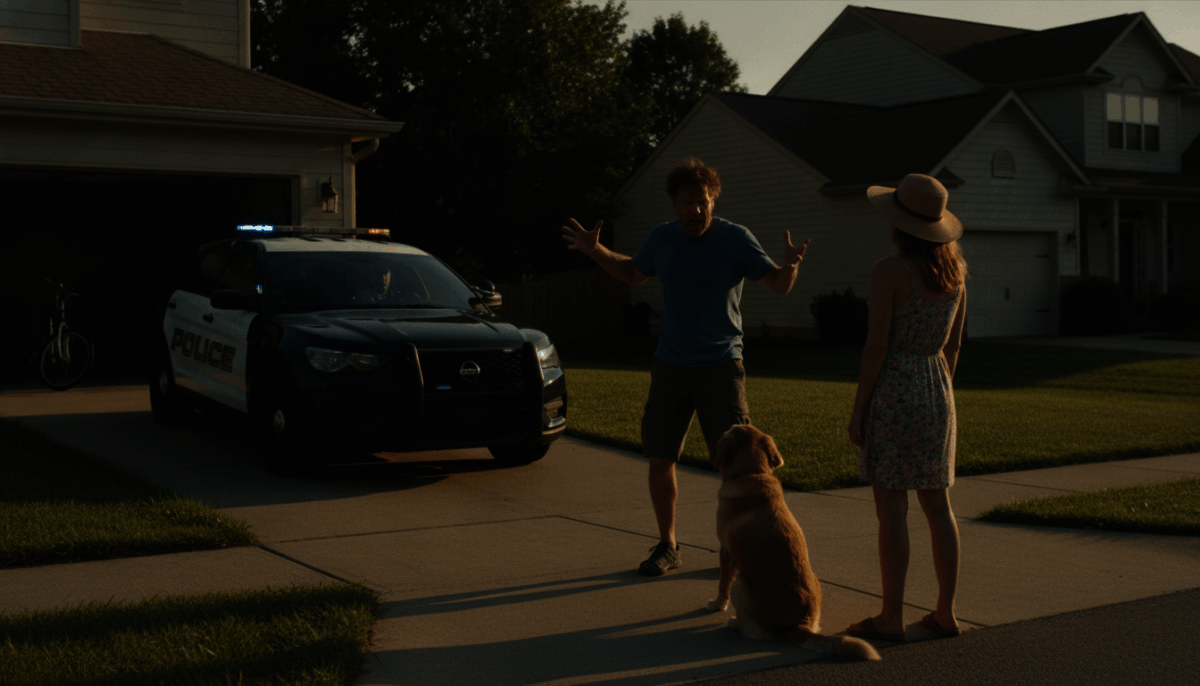
I remember the look on Mark’s face when the officer showed up at our door. He looked confused, then terrified. He tried to explain it away as a ‘family misunderstanding,’ but the officer was having none of it. ‘Sir, the vehicle was reported stolen by a co-owner who did not authorize the transfer. You need to get that vehicle back, or you are looking at serious legal trouble.’
“Are you insane? You called the police on your own husband? You’ve ruined everything! Dave is going to lose his job because he won’t have a way to get there!”
— Mark, screaming in the front yard as the police cruiser pulled away.
I just stood there, arms crossed, watching the drama unfold. The neighbors were peeking through their blinds, and for the first time in years, I didn’t care about appearances. I didn’t care about ‘keeping the peace.’ I cared about the fact that the law was finally on my side. I had forced the issue, and for once, the consequences weren’t going to fall on me.
The Fallout: Silence and Escalation
The next forty-eight hours were a blur of screaming matches and frantic phone calls. Mark was on the phone with Dave, with his mother, with anyone who would listen to his side of the story. I, meanwhile, was in my room, packing a bag. I told him in no uncertain terms that I was not living with someone who stole from me. The house, for the first time in our marriage, felt like mine again, even if it was just for a few hours.
Mark’s mother called me, threatening me with ‘legal consequences’ if I didn’t drop the report. She called me heartless, a gold digger, and every other name in the book. I didn’t argue back. I simply hung up the phone after every attempt. The silence was my best weapon. It drove them crazy. They wanted a fight, they wanted to see me break down, but I had reached a level of detachment that made their histrionics seem pathetic.
Dave eventually brought the van back, but he didn’t drive it. He had a tow truck drop it off in our driveway, the keys thrown into the grass. It was a parting gesture of defiance, but it didn’t matter. The van was back. It was dirty, there was trash in the back seat, and it smelled like stale cigarettes, but it was back in my possession. I spent three hours cleaning it, scrubbing away the evidence of Dave’s presence, reclaiming my space.
“You think you won, don’t you? You’ve destroyed this family. We can’t come back from this.”
— Mark, standing in the kitchen, looking defeated but still blaming me.
He was right, of course. We couldn’t come back from this. The trust was dead. It wasn’t just about the van; it was about the realization that he was capable of doing this to me. He was capable of lying to my face for weeks, of conspiring with his mother, of stealing from our children’s future to curry favor with his loser cousin. The van was just the spark that lit the fuse.
The Reddit Trial: How the Community Reacted
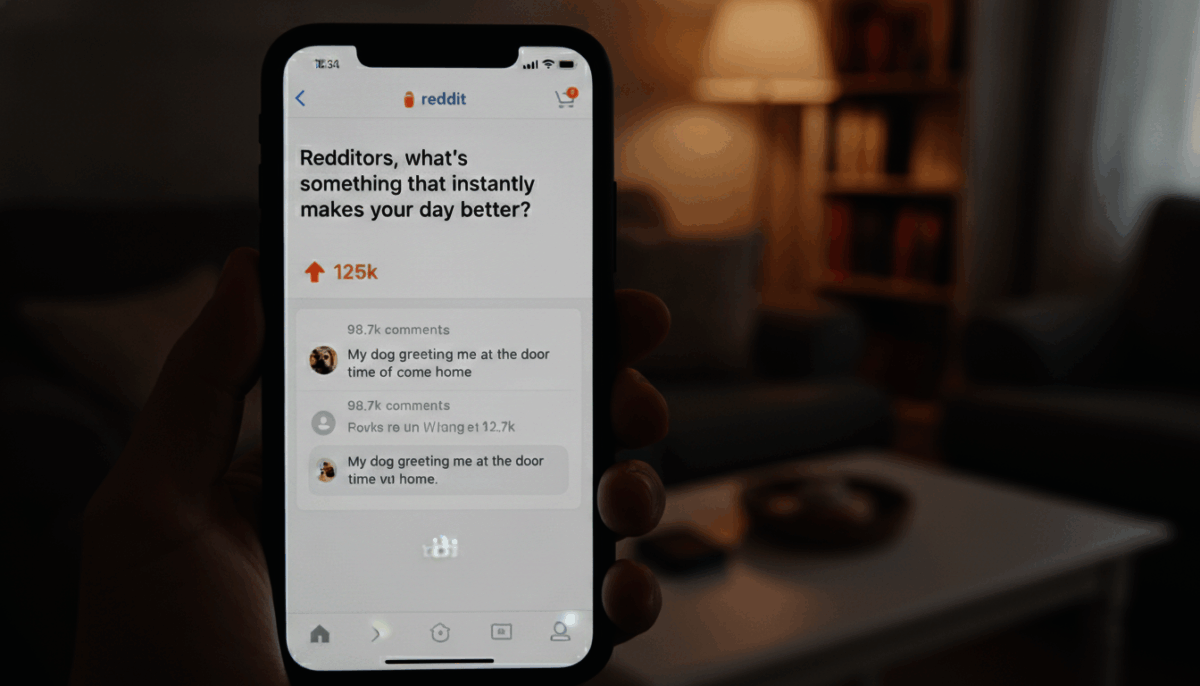
I knew I needed perspective, so I posted the story on a popular forum. I didn’t sugarcoat it. I told them exactly what I did, exactly how I felt, and the exact steps I took. I expected a mix of responses, but the overwhelming support was something I hadn’t prepared for. It was like a weight lifted off my shoulders—the validation that I wasn’t crazy for wanting to protect my own property.
People were shocked by the audacity of the husband, but they were also intrigued by the ‘nuclear’ option I took. Some called it a power move; others called it a necessary survival tactic. The comments section became a space where people shared their own stories of financial infidelity, of partners who treated them like ATMs or servants. It was a community of people who had been through the same kind of gaslighting.
“NTA. Your husband committed a crime. He thought he could use your assets as his personal piggy bank for his family. Reporting it stolen wasn’t ‘ruining his cousin’s job,’ it was protecting your property from someone who has no business having it. Don’t back down.”
— u/ReliableAdvice (Top Comment, 32.1k upvotes)
Then there were the voices of concern, the ones who pointed out that this was just the tip of the iceberg. They told me that if he could do this with a car, he would do it with everything else—our mortgage, our savings, our retirement. They urged me to look at the ‘big picture’ of my marriage. They were right. The van was the symptom, but the disease was the fundamental lack of respect.
“This is financial abuse, plain and simple. He lied to you, he forged documents, and he conspired with his family against you. Please, get a lawyer and secure your finances. He has shown you who he is. Believe him.”
— u/LegalEagleEye (15.6k upvotes)
Reading those comments was like seeing my own life through a lens that didn’t have his thumb over it. I wasn’t the ‘uptight wife’; I was a woman who had been systematically mistreated and was finally waking up to the reality of her situation. The community wasn’t just supporting my decision; they were giving me the courage to take the next step.
The Legal Reality Check

My lawyer eventually helped me understand the full scope of what I had done. While the police report was the right move to get the vehicle back, it also created a paper trail that would be essential in the divorce proceedings. Yes, we were heading toward a divorce. There was no coming back from the level of betrayal we had reached. The van was the final straw, but the accumulated weight of years of his family’s interference made the decision inevitable.
We had to go through a rigorous process of auditing our finances. It was painful to see exactly how much money had leaked out of our household to support Dave and his other ‘ventures.’ Every thousand dollars, every ‘loan’ that was really a gift—it all laid out in spreadsheets that made me sick to my stomach. Mark had been systematically draining our potential to build a future, all for the sake of an image he was desperate to project to his mother.
The legal process was cold, efficient, and necessary. It stripped away the emotional noise and focused on the facts. The fact was that he had breached the contract of our marriage. He had prioritized his cousin over the stability of his own children. When we sat down for the first mediation, he still looked at me with that same condescending look, as if I were the one who had made a mistake, as if I were the one who needed to be ‘reasonable.’
“If you just agree to drop the theft charge, maybe we can work this out. This is so unnecessary, Sarah.”
— Mark during the first mediation meeting.
I didn’t even look at him. I looked at the mediator and calmly explained that the report was based on legal facts and that I had no intention of withdrawing it. His face dropped. He realized that the dynamic had shifted permanently. He was no longer the one in control, and he had no idea how to navigate a world where I didn’t cater to his whims.
The Final Shift: Finding My Independence

It has been six months since I reported the van stolen. I am now living in a small apartment that I can afford on my own, and I have full custody of my kids during the week. The transition was brutal, but it was also the most liberating experience of my life. I have my own accounts, my own car, and my own peace of mind. The constant, gnawing anxiety that I felt in my marriage has disappeared, replaced by a quiet, steady strength.
Mark is currently struggling. Without my income, he has had to move into a smaller place, and his mother is no longer able to bail him out because she’s tied up in her own financial messes. He tries to reach out, to blame me for his situation, to guilt-trip me about the kids, but I have set firm, unshakeable boundaries. If he wants to talk about the children, we talk. If he wants to talk about the past or the van, I hang up.
The kids are doing well. They don’t have the fancy vacations anymore, but they have a mother who is present, who is calm, and who doesn’t treat their environment as a hostage situation. We have our own routines, our own little rituals, and for the first time, I feel like I am teaching them what a healthy, respectful relationship looks like. I am showing them that you don’t have to tolerate being treated as a secondary priority.
“Mom, why don’t we have to ask Dad for permission to do things anymore?”
— My daughter, simple, profound, and heartbreaking.
That question was the ultimate confirmation that I did the right thing. It wasn’t about the van, and it wasn’t about the cousin. It was about the fact that they had witnessed the inequality in our home, even at their young age. They were learning, and I am proud to say they are learning that their boundaries matter, that their needs are valid, and that they never have to sacrifice themselves for someone else’s ego.
Reflecting on the ‘Family First’ Myth

In the aftermath, I’ve had a lot of time to think about the concept of ‘family first.’ It’s a phrase that is often weaponized to silence dissent and maintain toxic hierarchies. We are taught that family is unconditional, that you forgive everything, that you support your blood relatives no matter the cost. But that philosophy is fundamentally flawed when it is used to justify the exploitation of one person for the benefit of another.
Real family is about mutual support and shared goals. It’s about building something together, not tearing one person down to prop up another. When Mark used that phrase, he wasn’t talking about our family; he was talking about his family of origin. He was using me as a resource to buy their approval. He was prioritizing their needs over the needs of his wife and children. That isn’t family; that’s an alliance against a partner.
I’ve learned that setting boundaries isn’t mean, and it isn’t ‘selfish.’ It is a necessary component of self-respect. If I had never set those boundaries, if I had never reported the theft, I would still be in that house, waiting for the next shoe to drop, waiting for the next sacrifice, waiting for the next time I was told my voice didn’t matter. The van was the catalyst, but the lesson was universal.
“Setting boundaries is not an act of hostility; it is an act of clarity. It defines where I end and you begin, and it protects the integrity of both our lives.”
— A thought that keeps me grounded now.
I’m not angry anymore. I’m just clear. I see the situation for what it was, and I have accepted the consequences of my actions. I lost a marriage, but I saved myself. And in the end, that is the only outcome that truly mattered. I have a life now that I can claim as my own, and that is a victory worth every single bit of the drama it took to achieve it.
Moving Forward: The Lesson for the Future
So, where do I go from here? I focus on the future. I focus on building a stable, loving environment for my kids. I focus on my career, which has seen a resurgence now that I’m not constantly distracted by the chaos at home. I’m dating a little bit, but I’m very careful, very observant. I don’t give my trust away easily anymore; it has to be earned, and it has to be maintained.
I often see questions online from people in similar situations, wondering if they should stay for the kids, or if they’re overreacting to a ‘small’ betrayal. My advice is always the same: if you are asking the question, you already know the answer. Trust your gut. If your spouse is consistently putting someone else’s interests ahead of yours, if they are making major financial decisions without your input, you are not in a partnership. You are in a situation that is ripe for exploitation.
The fear of the unknown is what keeps most people in toxic relationships. They are terrified of what happens if they leave, what people will say, how they will manage. But the unknown is infinitely better than the known misery of a relationship where you are not respected. I am living proof that there is life after the blowout, that there is peace after the chaos, and that you can rebuild your life on your own terms.
“The most important relationship you will ever have is the one you have with yourself. Never betray that for the sake of anyone else.”
— Words I live by now.
I’ve learned that the only person who can truly protect your interests is you. Don’t wait for permission to be respected. Don’t wait for your partner to have an epiphany. If the boundary is crossed, you have to be the one to enforce it. And if that means blowing up the life you thought you had, then maybe that life wasn’t worth having in the first place.
Conclusion
This journey from a minivan theft to a complete life reclamation serves as a stark reminder that marriage is not a blank check. It is a fragile agreement that requires constant, intentional upkeep. When one partner treats the other as an extension of their own will rather than an equal, the relationship loses its integrity. The decision to report the vehicle as stolen was not just about the car; it was a desperate, necessary act of self-preservation in a marriage that had already begun to decay.
The discourse surrounding this story—the viral Reddit support, the backlash from the family, and the ultimate legal resolution—highlights a universal truth: we are often socialized to tolerate disrespect under the guise of loyalty. But loyalty cannot exist without reciprocity. True partnership is about building a shared life, not a hollow shell where one person’s needs are constantly sacrificed to maintain an illusion of harmony.
As I sit here today, I am not the woman who stood in that kitchen, shocked and silent. I am a person who has reclaimed her autonomy. I am a person who knows her worth, and I am a person who is no longer afraid of the consequences of standing up for herself. For those of you currently navigating your own dilemmas, know that the path out of toxicity is often steep, but it is always worth the climb.
What about you? Have you ever had to draw a hard line in your marriage that changed everything? Have you ever dealt with a partner who prioritized their family over your shared well-being? Join the debate in the comments below, and let’s talk about the hard truths of setting boundaries in love. Is it ever truly ‘too far’ when you’re fighting for your own self-respect?
What's your verdict on this dilemma?
Vote below to contribute to the official community consensus.

Have a Dilemma Keeping You Up at Night?
Share your real-life feud, wedding chaos, or relationship crossroads anonymously with our editorial team.
What do you think ?
0 Comments🛡️ Comments are moderated to protect community integrity. Your comment will appear once approved by the editorial team.