
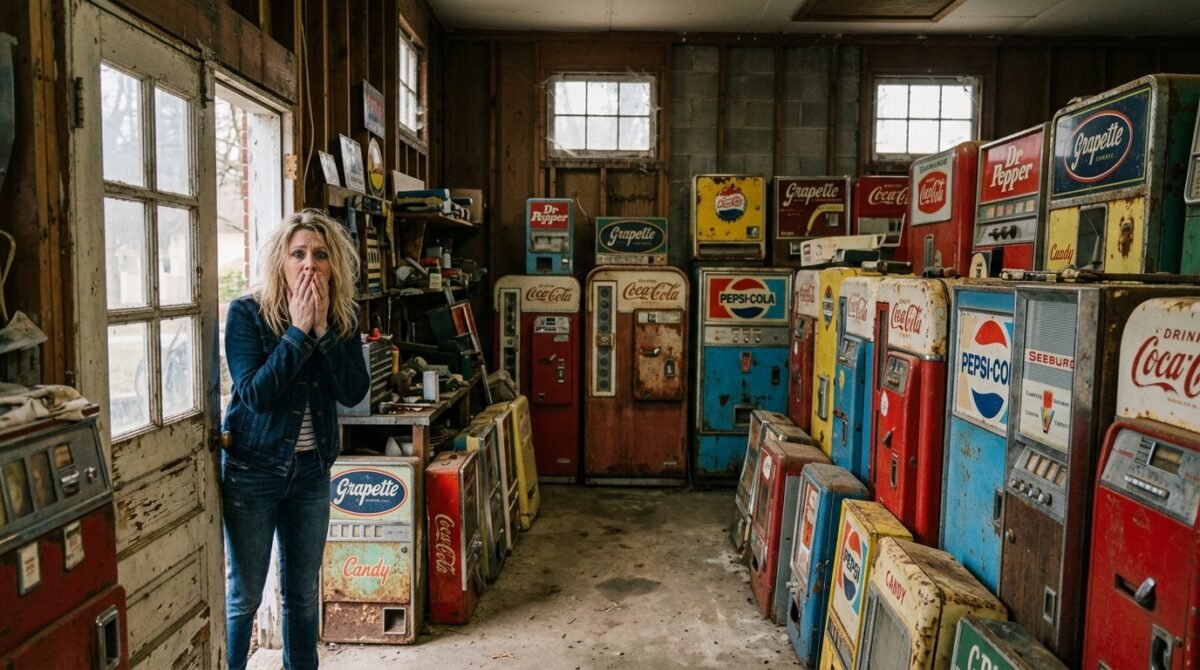
Marriage is built on trust, shared dreams, and, perhaps most importantly, the security of a joint financial future. For Sarah and Mark, that security had been carefully nurtured over a decade of prudent saving. They were the couple that everyone pointed to as the gold standard of financial stability—no credit card debt, a healthy emergency fund, and a dedicated ‘dream home’ savings account that grew with every paycheck. Or so Sarah thought, until a simple banking notification shattered the facade of their suburban tranquility.
The notification was mundane: a routine alert about a low balance in their high-yield savings account. At first, Sarah assumed it was a bank error, a glitch in the app, or perhaps a pending house repair she had forgotten about. She logged in, expecting to see the usual five-figure balance, but was instead greeted by a double-digit number that made her stomach drop. Her fingers trembled as she clicked through the transaction history, the names of local logistics companies and antique dealers flashing across the screen in a blur of unfamiliar debits.
As the reality set in, the silence of the house became deafening. She walked into the garage, a space Mark had insisted on keeping locked for ‘private projects’ over the last three months, and turned the key. There, gleaming under the harsh fluorescent lights, sat a fleet of rusted, vintage vending machines—gumball dispensers, snack boxes from the sixties, and heavy, iron-clad soda dispensers. It wasn’t just a purchase; it was a total liquidation of their existence.
This wasn’t just a financial lapse; it was a fundamental betrayal of their partnership. The moral dilemma wasn’t merely about the money lost; it was about the secret life Mark had been leading, the lies he had spun to keep her in the dark, and the absolute disregard for her autonomy in their shared life. As Sarah stood amidst the cold, metal relics of her husband’s mid-life crisis, she realized the man she married had vanished behind a wall of twisted entrepreneurship and ego.
What followed was a harrowing journey through the wreckage of a marriage, involving late-night confrontations, frantic attempts to recover assets, and the cold, hard realization that some investments aren’t just monetary—they are deeply, irrevocably emotional. This is the story of how twenty machines costing forty thousand dollars bought a one-way ticket to divorce court, and how the internet reacted when the truth finally spilled out.
The Morning the App Refreshed to Zero

It started on a Tuesday, the most unremarkable day of the week. I was sitting at the kitchen table with my coffee, scrolling through my emails, when I noticed the alert from our joint bank. It was a ‘low balance’ warning—a feature I had actually forgotten we set up years ago when we were struggling students. I chuckled to myself, assuming it was a mistake. I opened the app, and that’s when the blood drained from my face.
The account, which held the down payment for the home we were supposed to close on in three months, was sitting at exactly forty-two dollars and twelve cents. I refreshed the page three times. I rebooted my phone. I even checked the other accounts, thinking maybe I was looking at the wrong one. But they were all the same: drained. The total damage was just over forty-five thousand dollars, all moved out in a series of suspicious transfers over the last sixty days.
My heart hammered against my ribs as I looked at the transaction descriptions. ‘Vintage Logistics,’ ‘Antique Vending Warehouse,’ ‘Restoration Supplies LLC.’ I felt a wave of nausea so strong I had to sit down on the floor. I called Mark immediately. He didn’t pick up, which wasn’t unusual for him during a board meeting, but this felt different. It felt like a trap door had opened beneath me.
“Mark, I’m looking at the bank account right now. Where is the money? Please tell me you didn’t do what I think you did. Call me immediately.”
— Sarah’s urgent voicemail to Mark
I left the voicemail and then proceeded to call him four more times. Each time, it went straight to his voicemail. My hands were shaking so hard I could barely type. I checked his location on our shared ‘Find My Friends’ app, and he was at a storage unit facility about ten miles from our house. That was the moment the panic turned into a cold, hard rage.
I grabbed my car keys, not caring that I was still in my pajamas. I didn’t know what I was going to do, but I knew I couldn’t sit in that quiet house for another minute. I drove to the storage facility, the highway blurring past me, my mind racing through every possible explanation. Was he being blackmailed? Was it a gambling addiction? I never imagined the answer would be something as absurd as a fleet of antique vending machines.
The Garage of Industrial Absurdity
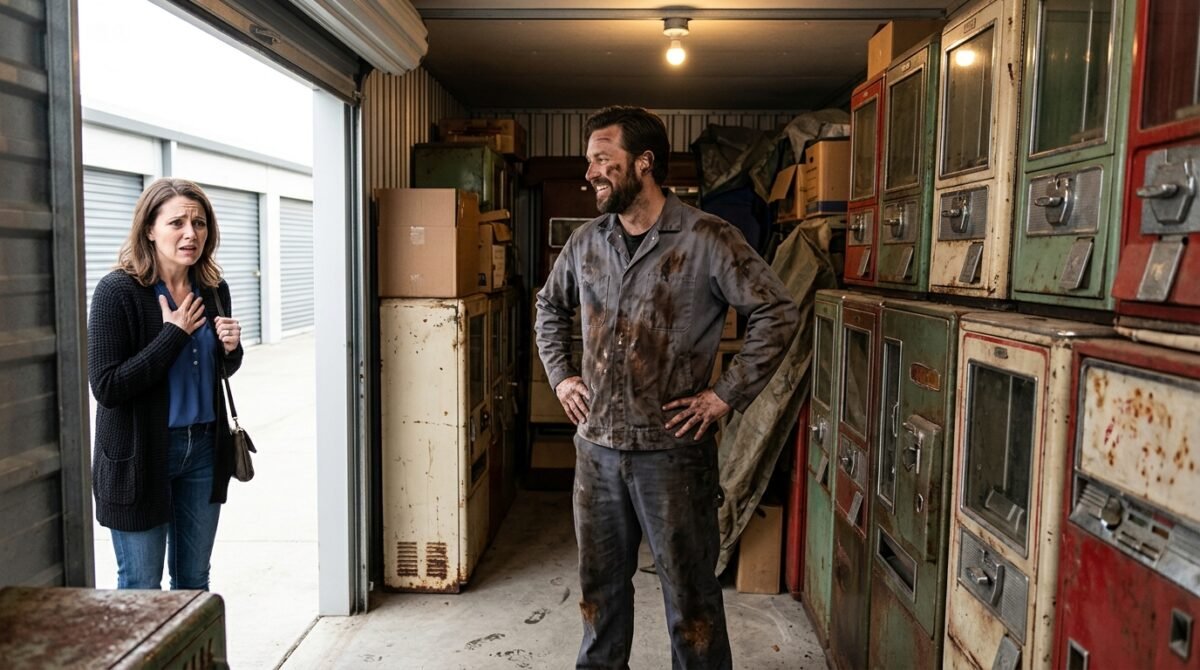
I arrived at the storage facility and found his truck parked right in front of unit 402. The gate was partially open, and I could hear the sound of someone scraping metal and the high-pitched whine of a power drill. I walked up to the unit, my pulse pounding in my ears, and stepped inside. The sight that greeted me was beyond anything I could have concocted in my worst nightmares.
There, lined up in neat rows like soldiers in a bizarre, rusted army, were vending machines. There were at least twenty of them. Massive, heavy, painted in faded red and blue, with ‘5 cents’ or ’10 cents’ still emblazoned on the fronts. Some were missing their glass, others were spray-painted with half-hearted attempts at ‘restoration.’ Mark was standing in the corner, covered in grease and rust, holding a wrench like it was a holy relic.
He looked up, and his face went white. He dropped the wrench, the clatter echoing off the concrete walls. He didn’t look guilty at first; he looked ecstatic, like he had just discovered a hidden treasure. He gestured to the room with a wide, manic grin, oblivious to the sheer horror written on my face. It was the face of a man who had completely lost touch with reality, a man who had traded our future for a pile of junk.
“Sarah! You’re here! Look at this, honey. I’ve been waiting for the right time to show you. This is the future. Passive income. Can you imagine the margins on these? I’ve already got a lead on three more from a guy in Ohio.”
— Mark, moments before the confrontation
I stared at him, unable to speak. The smell of oil, old soda syrup, and rust was suffocating. I looked at the machines—these heavy, useless monoliths—and then back at Mark. I realized then that he hadn’t just bought machines; he had bought into a fantasy. He was convinced that in a world of digital payments, people would be clamoring to drop coins into a 1954 candy dispenser.
I walked over to a particularly rusted one and touched the glass. It was cold, dead. ‘Mark,’ I said, my voice dangerously quiet. ‘This is our house money. This is our future. You spent our savings on… on this?’ He stepped forward, trying to put his arm around me, but I recoiled as if he had burned me. The disconnect was absolute. He thought he was being a visionary; I knew he was being an economic illiterate.
The Economic Logic of a Madman

We sat in his truck for two hours, the air conditioner humming loudly in the background. Mark kept talking about ‘vending trends,’ ‘niche markets,’ and ‘capitalizing on nostalgia.’ He had spreadsheets on his laptop that showed projections of five-hundred percent returns within three years. He actually believed that he had found a secret, untapped goldmine. It was textbook delusion, a classic example of someone who had watched too many ‘hustle culture’ videos on TikTok.
He had spent every single cent of our savings, including the money we had set aside for my dental surgery and his mother’s birthday gift. When I pointed out that these machines were essentially giant paperweights that needed constant maintenance, he brushed me off with a wave of his hand. He told me I was ‘lacking vision’ and that I was ‘stuck in a traditional mindset’ that was holding us back from generational wealth.
I asked him why he hadn’t consulted me, and he said he didn’t want to ‘burden me with the stress of the acquisition phase.’ The audacity was staggering. He had treated our marriage as a venture capital firm where he was the CEO and I was the silent, under-informed investor who wasn’t allowed to see the books. It wasn’t just about the money anymore; it was about the complete lack of respect for my partnership in our life.
“Do you honestly think that the average person is going to go out of their way to find a mechanical candy machine in 2024? These aren’t an investment, Mark. They’re a tombstone for our savings account.”
— Sarah to Mark
He just stared at me, his eyes glassy and defensive. He claimed that he had a ‘five-year plan’ that accounted for everything, including the maintenance and the locations. He had even rented the storage unit for six months in advance. Every decision had been made in total secrecy, fueled by a cocktail of ego and bad advice he found on the dark corners of internet forums.
By the time I left, I felt hollowed out. I realized that the man I had married—the pragmatic, hardworking, and kind man—had been replaced by this stranger who thought he was a tycoon. I went home and started packing a bag. I knew I couldn’t stay in the house, not while he was planning to fill it with more of his ‘assets.’ The divide between us felt wider than any continent.
The Group Chat Exposure
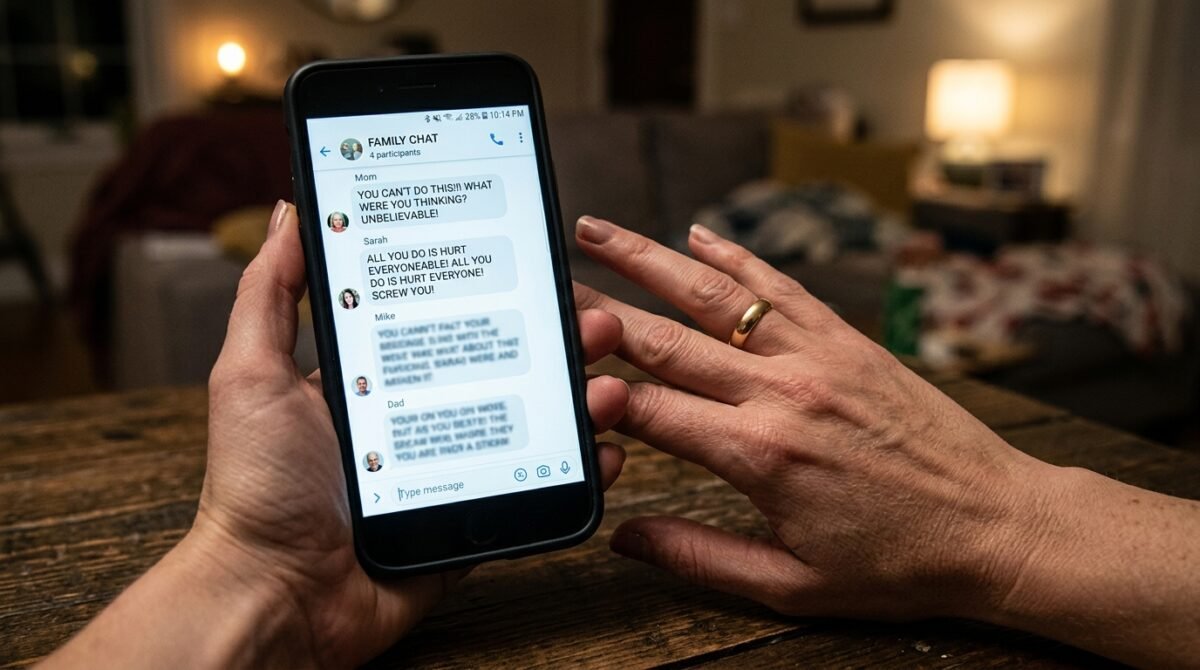
The next day, I was added to a group chat by Mark’s brother, David. I hadn’t been in a group chat with them in months, and I immediately knew something was wrong. As I opened the chat, I saw messages that confirmed my worst fears. Mark hadn’t just done this alone; he had been bragging about it to his siblings, painting me as the ‘unsupportive’ wife who was trying to ‘crush his dreams.’
I read through the history of the messages, and my blood turned to ice. He had been sending photos of the machines, bragging about how he ‘hustled’ the money out of our account before I could notice. He called me ‘the ball and chain’ and joked about how he was going to buy me a fancy gift once the machines started turning a profit. The level of disrespect was beyond anything I could have imagined.
“She’s so uptight about the money. Doesn’t understand the vision. I had to move the funds before she got suspicious. Once these are online, she’ll be begging to invest more.”
— Mark to his brother in the family group chat
I took screenshots of every single message. I didn’t say a word in the chat. I simply saved the evidence and then blocked the entire group. It was the final nail in the coffin of our relationship. I realized then that he wasn’t just delusional; he was malicious. He knew what he was doing was wrong, and he had actively hidden it from me while mocking me to his family.
I called a lawyer that afternoon. I wasn’t playing around anymore. I needed to know what my rights were, how I could protect what little assets were left, and how I could get out of this marriage with my sanity intact. The lawyer was shocked by the story. She told me that financial infidelity is one of the leading causes of divorce, and that what Mark had done was a textbook case of financial abuse.
I felt a strange sense of relief as I sat in the lawyer’s office. The secrets were no longer mine to carry. The reality of the situation was out in the open, and for the first time in weeks, I felt like I had a plan. I wasn’t just a victim; I was a person taking control of her life. I didn’t care about the machines or the ‘passive income.’ I cared about my future, and Mark clearly wasn’t part of it.
The Reddit Trial: OP vs. The Hustle King
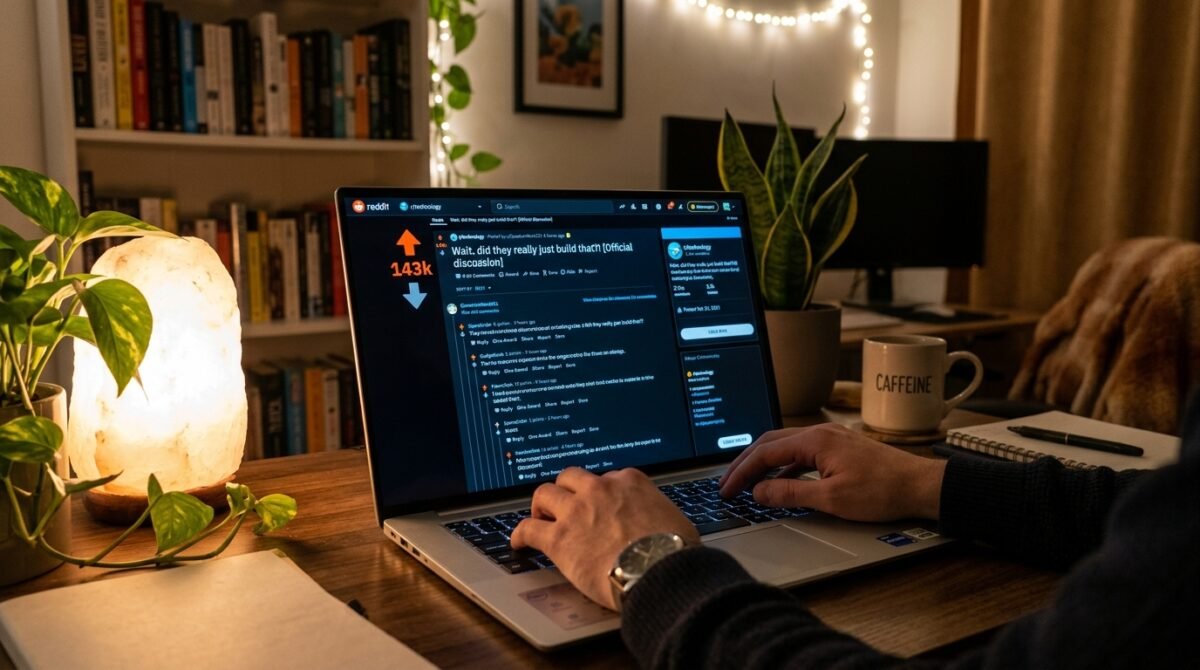
I posted my story on a popular subreddit the next night. I needed validation, or maybe I just needed to vent to strangers who wouldn’t judge me. I wasn’t prepared for the response. Within an hour, my post had thousands of upvotes and hundreds of comments. People were outraged, horrified, and some were even mocking Mark’s ‘business model.’ The community rallied around me in a way I hadn’t expected.
The consensus was unanimous: I was not the asshole. Many people pointed out that this wasn’t just a poor investment; it was a breach of contract that marriage entails. They urged me to file for divorce immediately and to consult a forensic accountant to see if there was any way to recover the funds. Some even shared their own stories of financial betrayals, which made me feel less alone in my struggle.
“This is not just ‘a bad investment.’ This is financial abuse. He stole your savings, lied to you, and mocked you to his family. This is a massive red flag that he is capable of much worse. Get a lawyer, freeze the accounts, and run.”
— u/FinancialTruthSeeker (Top Comment, 32.5k upvotes)
I read through the comments for hours. It was therapeutic to see that the world saw the madness for what it was. I wasn’t crazy for being upset. I wasn’t ‘unsupportive’ for wanting to know where our house deposit had gone. The validation I received gave me the courage to move forward with the divorce filing, even when Mark came home and tried to gaslight me into believing I was the one who was overreacting.
The Reddit community even started doing math on his ‘vending machine fleet.’ They calculated the costs of maintenance, electricity, licensing, and insurance, proving that his business model was essentially a money pit that would have bankrupted us in less than a year. It was the reality check I needed to fully let go of the idea that we could ‘work through this’ by just selling the machines.
I didn’t reply to any of the comments, but I read them all. I felt a sense of empowerment knowing that thousands of people were on my side. I realized that my life didn’t end with this marriage. It was just the beginning of a new chapter, one where I wouldn’t be tethered to someone else’s delusion. The internet had spoken, and for once, the crowd was right.
The Sunday Dinner Silence
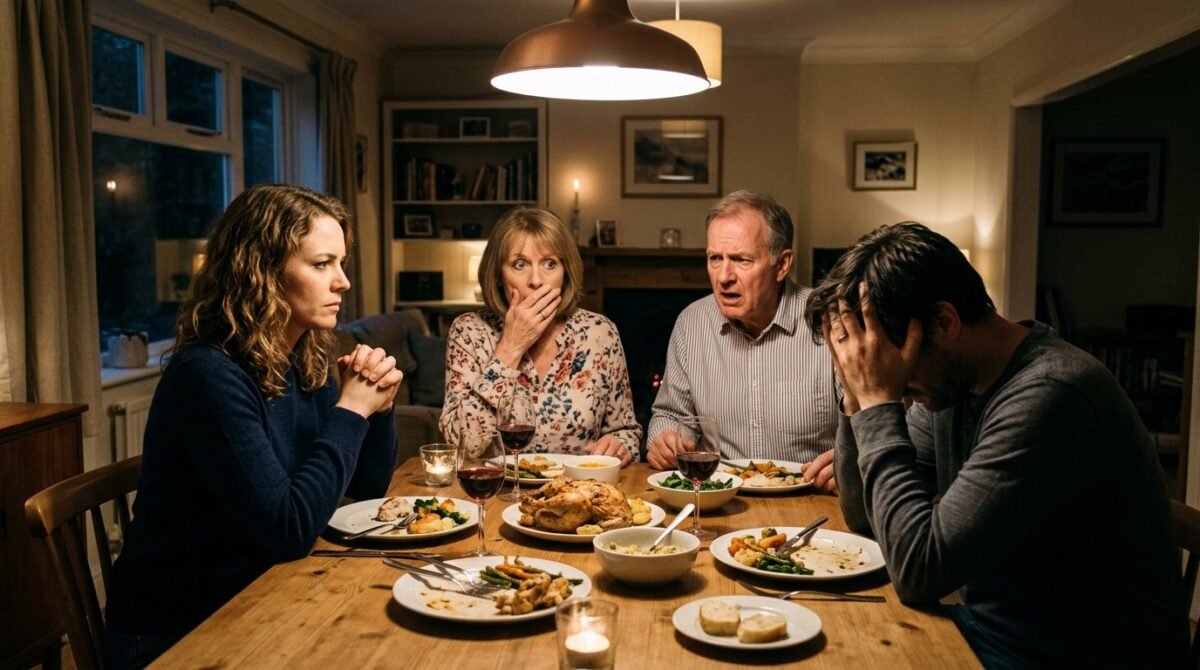
The following Sunday, we were expected at his parents’ house for dinner. I debated not going, but I knew I needed to face them. I wanted them to know what their son had done. Mark was tense the entire drive over, asking me not to bring up ‘the business.’ I didn’t promise him anything. When we arrived, the air in the house was thick with tension.
His mother greeted us with a smile that didn’t reach her eyes. She clearly knew something was up, probably from the family group chat. We sat down to dinner, and the conversation was agonizingly superficial. We talked about the weather, the local sports team, and the neighbors’ new fence. Mark was trying so hard to act normal, but his leg was bouncing under the table, and he kept checking his phone.
Finally, I couldn’t take it anymore. I put my fork down and looked directly at his mother. ‘Mark told you about the vending machines, didn’t he?’ The silence that followed was absolute. His father stopped chewing, his mother set her glass down, and Mark turned a shade of pale that I hadn’t seen before. The cat was finally out of the bag, and there was no going back.
“He told me it was a brilliant business move. He said you were the one holding him back. Is that what you think, too? That it’s okay to steal from our future for a garage full of scrap metal?”
— Sarah addressing Mark’s parents
Mark tried to interrupt, but his father held up a hand. ‘Let her speak, Mark.’ I laid it all out. I told them about the savings, the secret transfers, and the mockery in the group chat. I didn’t leave anything out. I watched as their expressions shifted from curiosity to shock, and finally to deep, profound disappointment. They weren’t enabling him; they were horrified.
His mother actually started crying. She apologized to me, not for what he did, but for the fact that she hadn’t raised him to be this kind of person. It was a heartbreaking moment. I realized that I wasn’t just divorcing Mark; I was saying goodbye to the family I thought I had. It was the most difficult dinner of my life, but it was also the most liberating.
The Legal Reality Check
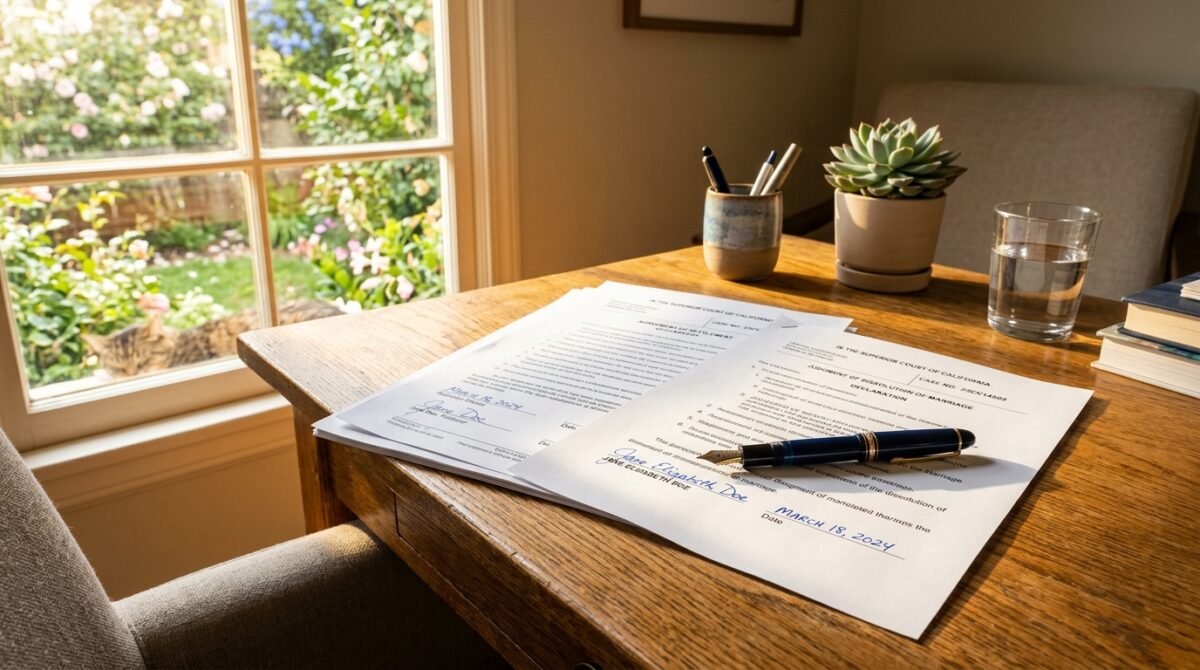
The next morning, I met with my divorce attorney. She had already pulled the bank records and was preparing a motion to freeze any remaining assets. She warned me that getting the money back would be difficult, as Mark had essentially turned our liquid assets into ‘business equipment’ that was now depreciating in value. It was a sobering reality check: the money was likely gone.
We discussed the division of the remaining debts and the legal ramifications of his actions. Because the account was joint, he had ‘legal’ access, which made it harder to claim theft, but the sheer volume and the secretive nature of the transactions gave us a strong case for financial mismanagement. It was going to be a long, drawn-out battle, but I was prepared for it.
I also learned about the ‘vending machine’ business. It turns out, most of the machines he bought were illegal in several states due to safety regulations, and many were infested with rust and mold. They were practically worthless. The ‘investment’ he was so proud of was a total disaster from every possible angle. It was almost laughable if it hadn’t cost me my entire life savings.
“He’s basically bought a pile of scrap metal that is a liability, not an asset. Even if we sell them, you’re looking at pennies on the dollar. The best we can do is try to liquidate them quickly to stop the ongoing storage fees.”
— Sarah’s lawyer
I felt a strange sense of calm. I wasn’t angry anymore; I was just tired. I wanted the nightmare to be over. I signed the paperwork, feeling the weight of the last ten years shifting off my shoulders. I was reclaiming my life, one signature at a time. The attorney told me that I had done the right thing, that many people stay in these situations for years, hoping for a change that never comes.
I left the office and walked into the bright afternoon sun. I didn’t know what the future held, but I knew it wouldn’t involve a fleet of vending machines. I felt a sense of freedom that I hadn’t felt in a long time. The legal path was going to be hard, but it was the path to my own restoration. I was no longer a victim; I was a survivor.
The Day the Machines Were Towed
When the day came to clear out the storage unit, I didn’t go. I couldn’t bear to see it. Mark had to do it alone, or with whatever ‘business partners’ he had managed to con into helping him. I stayed home and started boxing up my own things. It was a symbolic act, reclaiming my space and my identity. I was going to move into a small apartment, something that was mine, and mine alone.
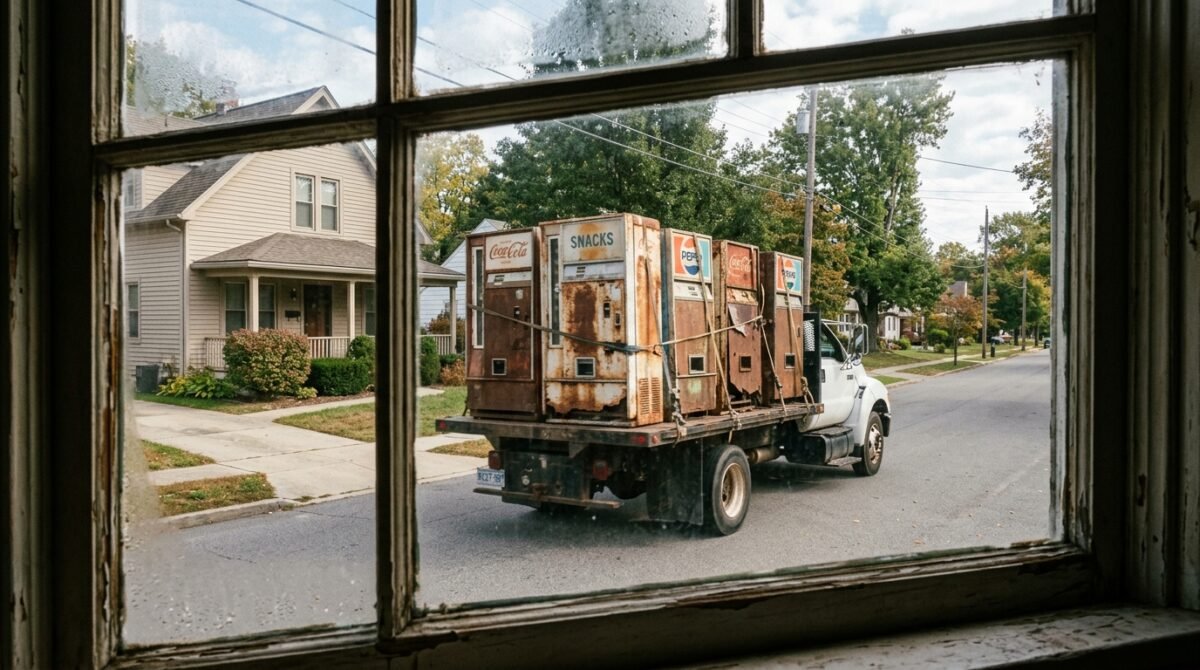
I watched from the window as a flatbed truck pulled into the driveway later that day. It was full of the machines, loaded up in a haphazard fashion. They looked even more pathetic in the daylight—dirty, rusted, and completely out of place in our suburban neighborhood. Mark was standing by the truck, looking defeated. He wasn’t the visionary anymore; he was just a guy who had ruined his life for nothing.
He walked to the door and knocked. I didn’t open it. I shouted through the wood that I didn’t want to talk. He begged for a minute, saying he had ‘an idea’ to fix it. I told him the only idea I was interested in was him signing the divorce papers. He stood there for a long time, his shadow stretching across the porch, before finally walking back to the truck and driving away.
“I just need one more chance, Sarah. The machines are sold, I’ve got the money back. Please, let’s just talk. We can start over.”
— Mark pleading at the front door
I didn’t believe him. Even if he had sold the machines, the damage was done. The trust was gone, and there was no way to rebuild it on a foundation of lies and theft. I watched the truck disappear down the street, the sound of the engine fading into the distance. It was the last time I would ever see those machines, or the man who had traded our life for them.
I sat on my half-packed boxes and finally cried. I cried for the life I had planned, for the home I would never buy with him, and for the man I used to love. It was a grief that went deeper than money. It was the grief of a shattered future. But when the tears stopped, I felt a new resolve. I was going to be okay. I was going to build a new life, a better one, and I would do it on my own terms.
The Aftermath of a Failed Empire

Months later, the dust has finally settled. The divorce is finalized, and while I didn’t recover the full amount of the savings, I managed to secure enough to start over. Mark, on the other hand, is still dealing with the fallout of his ’empire.’ He lost his job, his family is rightfully furious with him, and he’s facing legal issues from some of the people he tried to sell his ‘restored’ machines to.
It’s a tragic end to what could have been a happy life, but it was his choice. He prioritized his ego and a fantasy over our marriage and our future. I’ve learned a lot about myself in this process. I learned that I am stronger than I ever thought, that I can handle adversity, and that I deserve better than a partner who doesn’t respect me.
I’ve started therapy, and it’s been incredibly helpful. I’m working on rebuilding my sense of self-worth and learning how to set boundaries in my future relationships. I’m not in a rush to date again. I’m focused on my career, my friends, and my own happiness. I’m discovering that life is much better when you’re not constantly waiting for the other shoe to drop.
“The most expensive lesson I ever learned cost forty-five thousand dollars. It taught me that trust isn’t a given—it’s earned, and it can be lost in a heartbeat if you don’t keep your eyes open.”
— Sarah’s reflection on her journey
I still see those kinds of vending machines sometimes in old diners or vintage shops. They don’t make me angry anymore. They just make me smile at the absurdity of it all. It’s a reminder of a period in my life that, while painful, was also a powerful catalyst for change. I’m not the same person I was a year ago, and I’m grateful for that.
I’m living in my new apartment, and it’s perfect. It’s small, but it’s mine. I have my own savings account, and every time I see it grow, I feel a sense of pride that has nothing to do with anyone else. I’ve survived the worst, and I know that whatever comes next, I can handle it. I’m finally, truly, independent.
Reflecting on the Financial Infidelity

Financial infidelity is a silent killer of relationships. It doesn’t always involve vending machines or grand, public failures; often, it’s small, hidden debts, secret accounts, or a slow accumulation of lies that erodes the foundation of a partnership. Looking back, I can see the signs I missed—the defensiveness, the secrecy, the sudden obsession with ‘wealth creation’ that felt disconnected from our reality.
If you find yourself in a situation where your partner is hiding money or making major financial decisions without your input, please don’t ignore it. Trust your gut. Transparency is the bedrock of a healthy marriage. You deserve to be a full partner in your life, not a bystander who is left to pick up the pieces when the walls come crashing down.
I’ve reached out to several people since I shared my story who were going through similar struggles. It’s comforting to know that I’m not alone, but it’s also sobering to see how widespread this issue is. We need to have better conversations about money, about expectations, and about the importance of mutual respect in our relationships.
“Money is just money. But the trust that it represents is priceless. Once that is broken, the marriage is essentially over. Don’t let someone else’s financial fantasy become your nightmare.”
— Sarah’s advice to readers
I’ve come to peace with my story. It wasn’t the path I would have chosen, but it led me to a place of strength and self-discovery. I hope that by sharing this, someone else can avoid the same traps, or at least feel empowered to speak up when something feels wrong. Your voice matters, and your future is worth protecting.
I am grateful for the journey, as difficult as it was. It taught me about my own resilience and the importance of never compromising my values for someone else’s dream. I’m moving forward, one step at a time, and I’m excited about what the future holds. For the first time in my life, I’m the one in charge of my own destiny.
Conclusion
The story of Mark and his vending machines is a stark reminder that in any partnership, the most valuable asset isn’t the bank account—it’s the trust you hold in one another. When that is squandered on ego-driven delusions, no amount of ‘passive income’ can fill the void left behind. Sarah’s journey from shock to liberation serves as a powerful testament to the necessity of financial independence and the courage required to walk away when the foundation of a marriage is built on sand.
What about you? Have you ever had a partner make a secret, life-altering financial decision, or have you had to navigate the delicate balance of shared finances in your own relationship? We want to hear from you. Share your experiences in the comments below—whether it’s a story of a narrow escape, a lesson learned, or a struggle you’re currently facing. Your voice matters, and your story might just be the one that helps someone else find their way to a better future.
Community Poll: What would you do if your partner liquidated your savings without asking?
- A) Immediate divorce, no questions asked.
- B) Attempt counseling to recover, but only with total financial transparency.
- C) Legal action to recover as much as possible before deciding on the marriage.
- D) Other (Share in the comments).
What's your verdict on this dilemma?
Vote below to contribute to the official community consensus.

Have a Dilemma Keeping You Up at Night?
Share your real-life feud, wedding chaos, or relationship crossroads anonymously with our editorial team.
What do you think ?
0 Comments🛡️ Comments are moderated to protect community integrity. Your comment will appear once approved by the editorial team.