
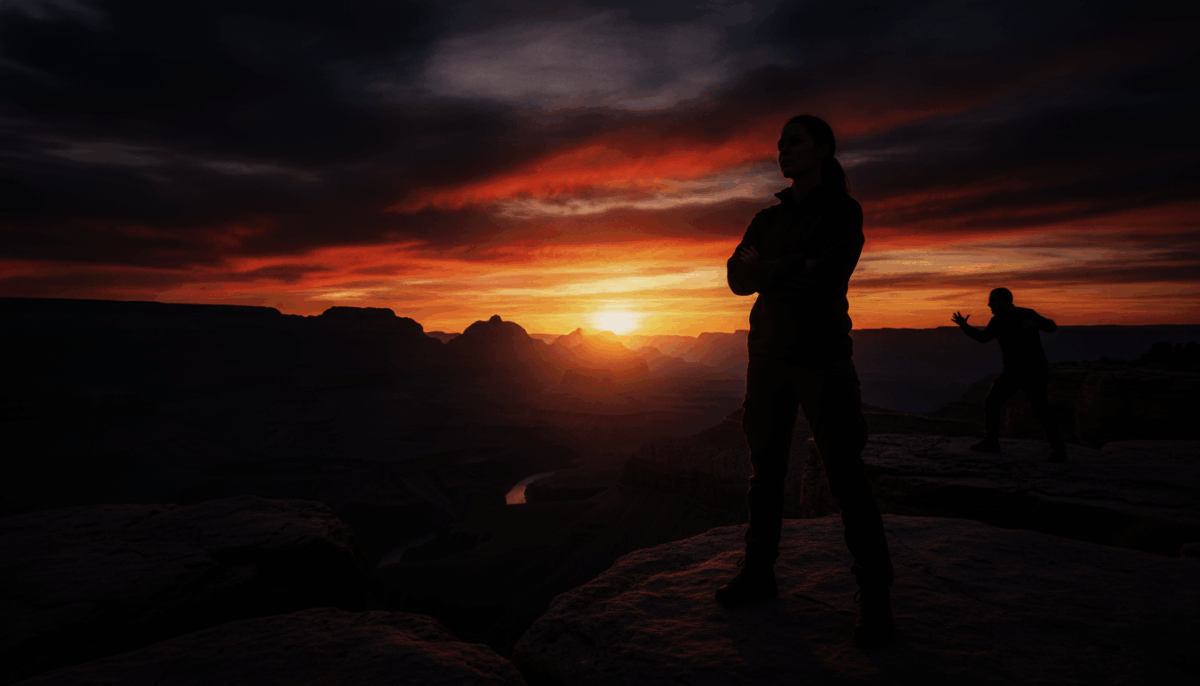
I always believed that marriage was about partnership—a shared journey of growth, mutual respect, and the promise that we were enough for each other. My husband, Mark, had been the love of my life for seven years. We were the couple that everyone envied, the ones who went on adventurous hikes, shared long weekend brunches, and whispered about our future children in the quiet hours of the night. But beneath the surface of our picture-perfect life, a rot had been festering, fueled by his obsession with perfection and a cruel, analytical mind that I never saw coming.
We had been planning our dream vacation to the Grand Canyon for months. It was meant to be a celebration of our anniversary, a chance to reconnect after a busy year of promotions and long hours. I spent weeks preparing, buying new gear, and getting excited for the breathtaking views. I never could have predicted that the vast, open expanse of the Arizona desert would become the backdrop for the most devastating realization of my entire life.
It started with a simple, innocuous request. Mark had asked me to grab his tablet from the car to check our itinerary. It was locked, but I knew the passcode—we had always been transparent with our electronics. I didn’t intend to snoop; I just wanted to see if we had reservations for dinner. What I found instead was a file labeled ‘Project Optimization,’ an encrypted folder he had carelessly left open in his haste to get to the trailhead.
My heart stopped the moment I saw the spreadsheet. It wasn’t a budget or a work project. It was a grid, columned by physical attributes—weight, skin elasticity, muscle tone, and ‘sexual appeal’—comparing me against his personal trainer, a woman named Elena. The betrayal wasn’t just in the comparison; it was in the clinical, cold-blooded way he had categorized my humanity into data points. The hike ahead suddenly felt like a walk toward my own funeral.
This is the story of how I stopped being a variable in Mark’s twisted experiment and reclaimed my autonomy. It is not a story of forgiveness or reconciliation, but one of radical self-respect. When I left him at the Grand Canyon, I didn’t just leave a bad husband; I left behind the woman I had become trying to fit into his suffocating vision of ‘perfection.’
The Excel Sheet of Human Degradation
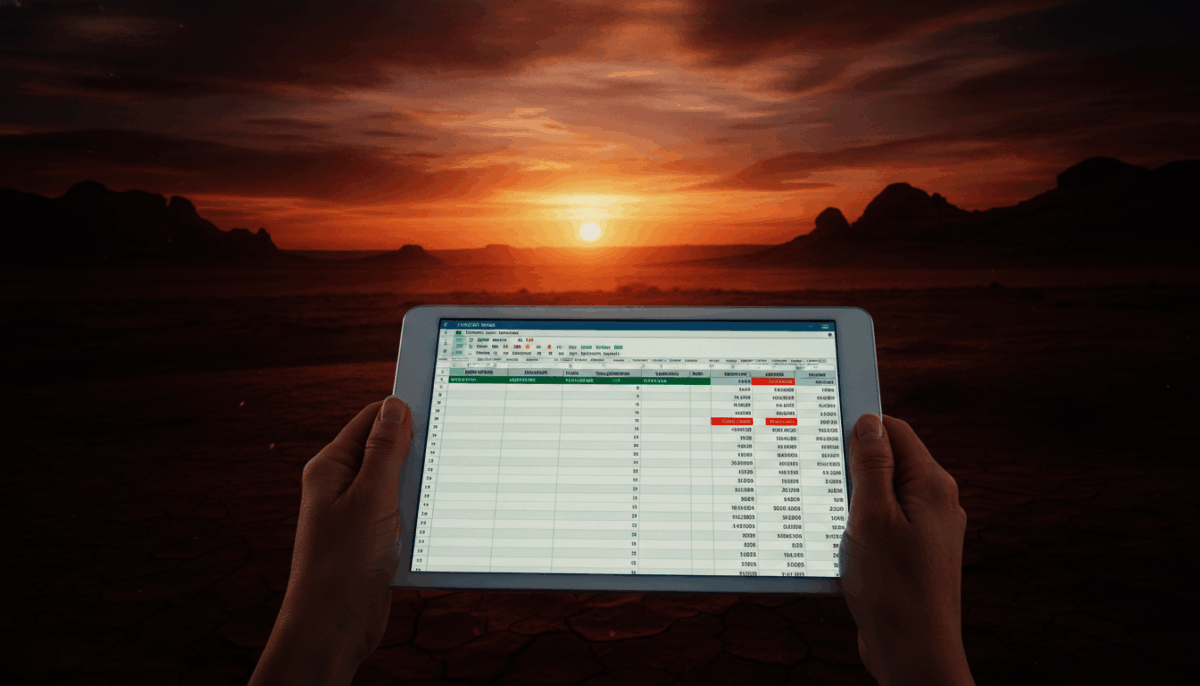
I stared at the screen, my fingers trembling so violently that I almost dropped the tablet onto the red dirt of the trail. The file was titled ‘Comparison Matrix,’ and the headers were absolutely chilling. It was organized by month, tracking my progress against Elena’s baseline physique. He had documented my body with the same detached clinical interest one might use to track the depreciation of a vehicle.
The notes were what gutted me the most. Beside a column marked ‘Midsection Tone,’ he had written, ‘Wife showing lack of commitment compared to E’s defined abs.’ Beside ‘Facial Symmetry,’ he had noted, ‘Needs skincare adjustment; E has clearer natural radiance.’ It was a masterclass in psychological abuse, hidden behind the guise of a ‘wellness plan’ he had insisted we follow together.
“I thought we were just getting healthy together. I had no idea you were using me as a baseline for your sick fantasies about someone else.”
I read through pages of these notes. He had recorded dates of our intimate encounters and scored them based on how well I ‘performed’ compared to his mental image of Elena. It was not just an affair of the body; it was a total dehumanization of our marriage. I felt a cold, sharp clarity wash over me, replacing the initial shock with a burning, white-hot rage that I knew would carry me through the next few hours.
I looked up toward the trail. Mark was fifty yards ahead, signaling for me to hurry up, his posture arrogant and demanding. He had no idea I was carrying the smoking gun that would incinerate his world. I didn’t say a word. I simply slipped the tablet into my backpack, turned off the screen, and started walking toward him, my pace steady and my mind locked in a state of absolute, detached determination.
The air in the canyon was thin, but for the first time in years, I felt like I could finally breathe. The weight of ‘perfection’ had been lifted, replaced by the heavy, iron realization that my husband was a man who looked at a sunset and only saw something that needed to be improved. I knew, with absolute certainty, that this marriage was over, and I didn’t need to consult a spreadsheet to understand my own value.
The Silent Hike to Nowhere
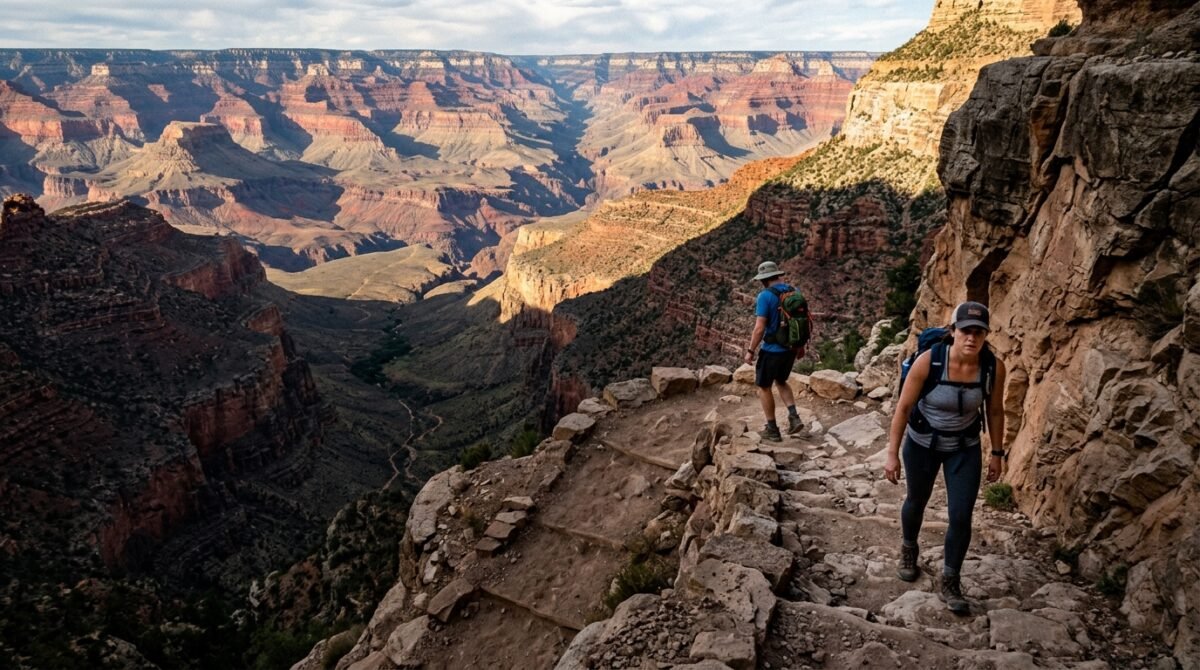
I caught up to Mark near the Bright Angel Trailhead. He didn’t even look at me, his eyes fixed on the path ahead, his tone clipped and impatient. ‘You’re slow today,’ he muttered, checking his fitness tracker. ‘We need to hit the lookout by noon if we want to get the lighting for the photos you wanted.’ The irony was suffocating. He wanted the photos—the ones he would undoubtedly use to critique my appearance later.
I stayed behind him, watching the way he moved—that familiar, arrogant swing of his shoulders. I thought about the thousands of dollars he had spent on my ‘wellness,’ the personal trainers he had hired for me, the subtle comments about my diet, and the ‘gifts’ of high-end skincare that were really just criticisms in fancy packaging. I had spent years thinking I was lucky to have a man so invested in ‘us,’ never realizing that ‘us’ was just his personal project.
“Mark, look at me. Tell me, do you really think I’m just a project? A work-in-progress that never quite makes the cut?”
He stopped, annoyed, and turned around, his brow furrowed in irritation. ‘What are you talking about? We’ve been over this. I’m just trying to help you reach your potential. Why are you being so dramatic? We’re supposed to be having a good time.’ He didn’t see the fire in my eyes. He didn’t see the end of his life as he knew it. He just saw an obstacle to his vacation itinerary.
I didn’t argue. I didn’t scream. I simply smiled, a thin, sharp expression that must have unsettled him, though he was too self-absorbed to register the danger. ‘Potential,’ I repeated, tasting the word like bile. ‘You’re right, Mark. I think I’ve finally reached my potential today.’ I kept walking, leaving him to scramble to keep up, his confusion growing with every step we took deeper into the canyon.
The landscape was vast and indifferent, a reminder of how small our problems were, yet how massive the betrayal was. I could have confronted him right there, but I wanted to make sure he was far enough away that he couldn’t just jump into the car and drive home in a fit of pique. I wanted him to feel the isolation of the desert, just as I had felt the isolation of our marriage.
The Edge of the World Confrontation
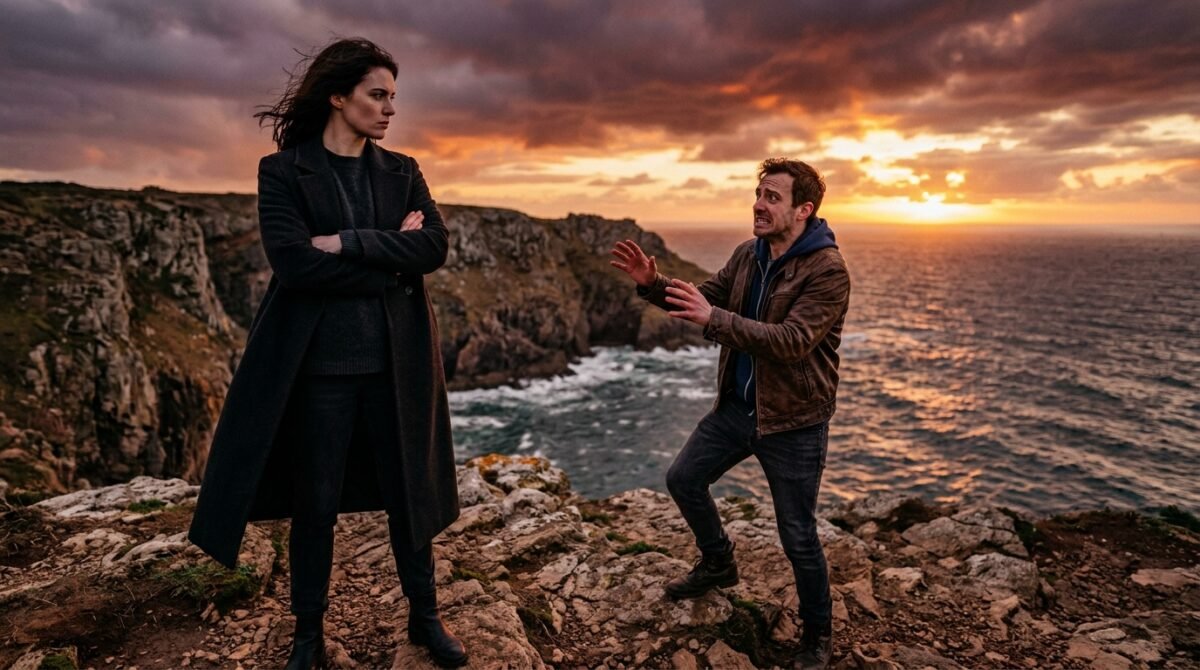
We reached a secluded overlook, far from the tourist crowds. It was stunning, the orange and purple layers of rock stretching out into eternity. Mark started setting up his tripod, fussing over the angles, ordering me to stand in a specific way to get the ‘perfect light.’ The audacity was staggering. He was still trying to curate my existence while I was busy dismantling his.
I pulled the tablet out of my bag and held it out to him. ‘Check your itinerary, Mark,’ I said, my voice steady and cold. He glanced at it, confused, and then his face went pale as he saw the spreadsheet still open on the screen. The silence that followed was heavy, broken only by the distant sound of the wind whistling through the canyon walls.
“How long? How long have you been tracking me like I’m some kind of livestock in your barn?”
He tried to snatch it away, but I stepped back, my eyes locked on his. ‘Don’t,’ I warned, my voice dropping to a whisper. ‘If you take one more step toward me, I’m throwing this over the edge. And after that, I’m taking the car keys and driving away. You can explain to your precious trainer why you’re stranded in the middle of Arizona.’ The fear in his eyes was delicious.
He started stammering, trying to gaslight me, calling it a ‘misunderstanding,’ a ‘motivational tool’ he had read about in some toxic self-help blog. ‘It’s not what you think,’ he pleaded, his voice cracking. ‘I was just… I was just trying to keep us on track. You know how much I value our future.’ He was pathetic, stripped of his arrogance, reduced to a groveling child caught with his hand in the cookie jar.
I didn’t care about his excuses. I didn’t care about his ‘motivation.’ I saw the man for exactly what he was—a shallow, manipulative narcissist who couldn’t love anything that wasn’t a reflection of his own obsession. I dropped the tablet on the rock, turned my back on him, and began the long walk back toward the trailhead. I didn’t look back to see if he was following. I didn’t care.
Leaving the Ghost Behind

The walk back was the longest, most liberating experience of my life. Every step felt like shedding a layer of skin—the ‘perfect’ clothes he picked out for me, the diet he enforced, the subtle ways he molded my personality to fit his social status. I was leaving all of it in the canyon. I reached the car, unlocked it, and threw my bags into the trunk. I had enough cash to get to a hotel in Flagstaff, and from there, I would figure it out.
I sat in the driver’s seat, gripping the wheel, and for the first time in years, I didn’t check the mirrors to see if I looked okay. I just looked at the road ahead. I started the engine, and as I pulled away, I saw him in the rearview mirror, appearing on the horizon, looking small and frantic. I didn’t stop. I didn’t hesitate. I drove until the canyon was nothing more than a memory in the distance.
“I hope the view is worth it, Mark. Because that’s the last of me you’ll ever see.”
I checked into a hotel that night and spent hours on the phone with my lawyer, sending over the screenshots I had managed to sync to the cloud before I left. I wanted this to be as public and as painful for him as possible. He had spent years trying to control my image; now, he was going to have to deal with the reality of his own destruction.
The next morning, I saw he had sent hundreds of messages. I blocked him on everything. I didn’t need his explanations, his apologies, or his threats. I had the truth, and for the first time in my life, that was more than enough. I spent the day wandering through the small town, eating whatever I wanted, and not thinking about my weight, my appearance, or my ‘potential.’ I was just me.
I realized then that my life hadn’t actually started when I met him. My life was starting now, in the aftermath of the crash. The silence of the hotel room wasn’t lonely; it was peaceful. It was the sound of a clean slate. I had been a captive in my own home, a prisoner of his vanity, and I had finally picked the lock.
The Viral Aftermath
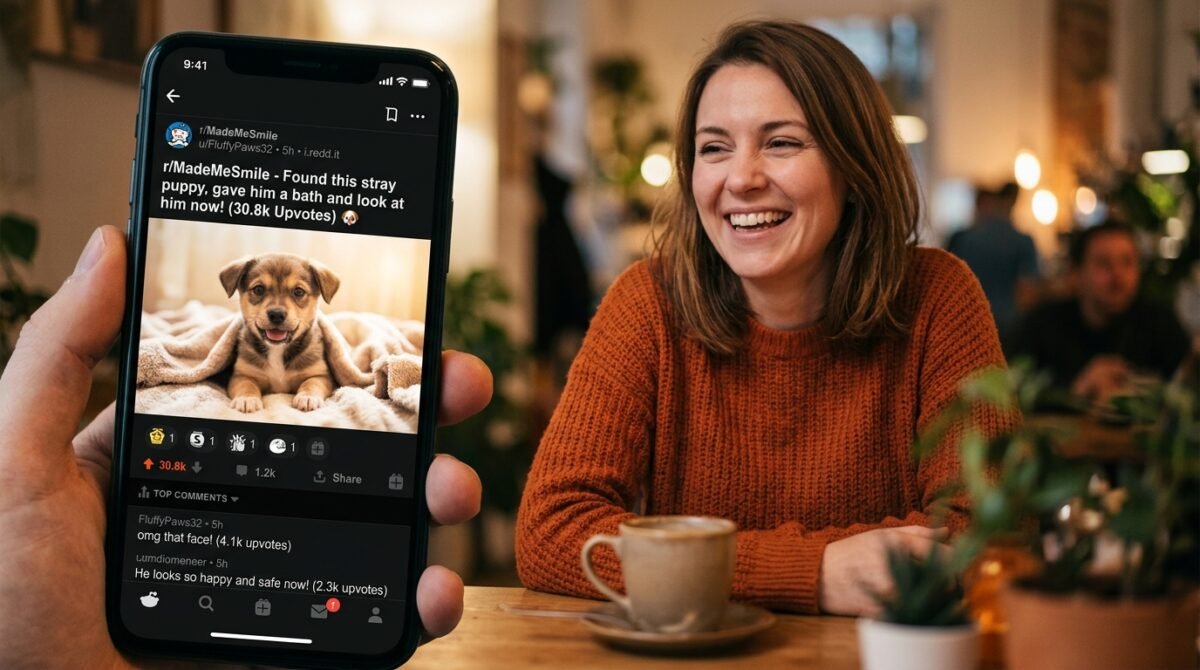
I didn’t intend for the story to go viral, but a friend of mine, after hearing the details, convinced me that I needed to document it for my own protection. I posted the story on a popular forum, keeping names anonymous but sharing the screenshots of the spreadsheet—with the trainer’s name redacted, of course. The response was immediate and overwhelming. Thousands of women reached out to share their own stories of being ‘optimized’ by their partners.
“My ex used to track my spending and my calories in a shared app. Seeing this just confirmed that I wasn’t crazy for leaving. You are a hero for walking away.”
— u/SelfWorthFirst (Top Comment, 45k upvotes)
The community support was incredible. It wasn’t just validation; it was a collective sigh of relief from so many who had felt the same suffocating pressure. I was no longer the victim of a manipulative husband; I was part of a movement of women refusing to be measured, assessed, or improved by men who couldn’t love them for who they were.
Mark tried to reach out through family members, claiming he was being ‘defamed’ and that I was ‘ruining his career.’ My lawyer handled it, pointing out that truth is an absolute defense. He was quickly losing his grip on the narrative, and the more he tried to fight, the more he looked like the villain everyone knew he was. He had built his world on lies, and now it was crumbling around him.
I started attending therapy, not to ‘fix’ myself, but to unlearn the habits of self-critique he had instilled in me. It was hard work, but every session felt like a victory. I was learning to see myself not as a collection of flaws and potential improvements, but as a whole, complete person who deserved to be loved without conditions or spreadsheets.
I look back at the photos from our trip—the ones he took of me, trying to pose me like a mannequin—and I don’t see a victim. I see a woman who was waiting for the right moment to set her life on fire. And that’s exactly what I did. I burned it down, and from the ashes, I built something new. Something mine.
The Legal Takedown
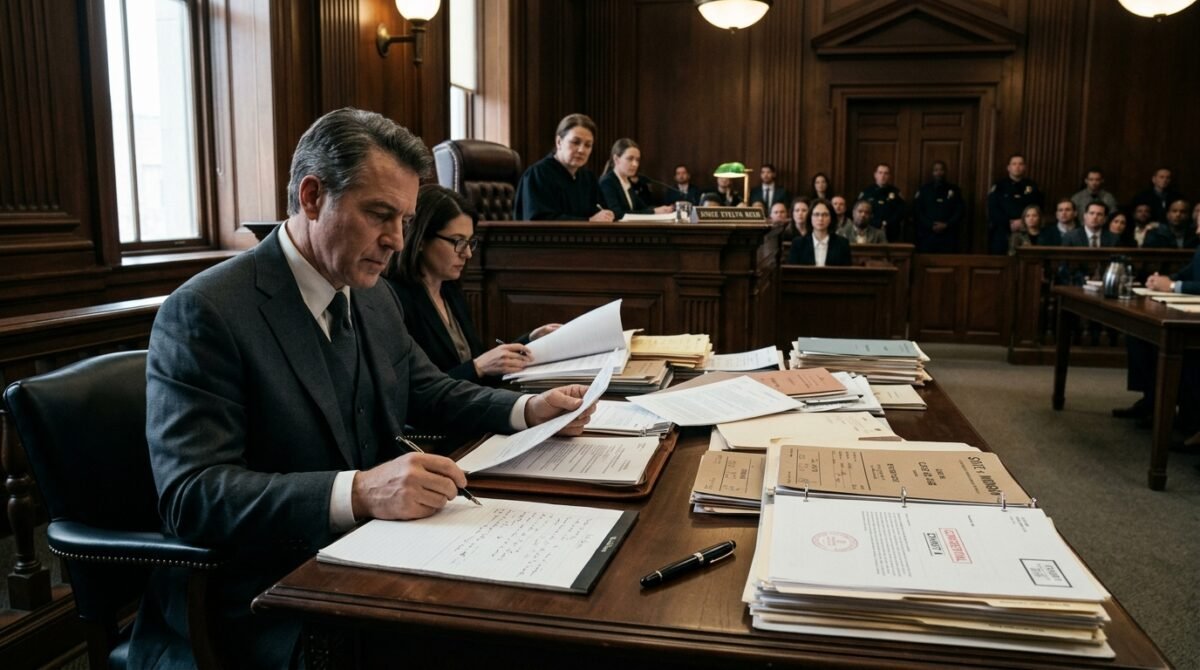
The divorce proceedings were brutal. Mark was desperate to maintain his facade of the ‘perfect husband’ who was merely ‘concerned for his wife’s health.’ He tried to submit his ‘wellness program’ as evidence that he was a supportive partner, but my legal team dismantled that argument in seconds. We presented the spreadsheet as evidence of psychological abuse and emotional manipulation.
“Your Honor, this is not a health plan. This is a manual for the systematic degradation of a human being.”
The judge was not impressed by his attempts to frame his control as care. The discovery process revealed even more—emails to his friends bragging about how he had ‘molded’ me, and texts to his trainer mocking my ‘lack of progress.’ It was all there, the ugly, petty reality of his obsession. The court saw it for what it was, and it cost him dearly.
He lost the house, he lost his reputation, and he lost any chance of us ever having a civil relationship. I didn’t want his money or his apologies; I wanted his absence. I wanted to ensure that he couldn’t do this to anyone else. By the time the final decree was signed, I felt a weight leave my chest that I hadn’t realized I was carrying for seven years.
I was finally free, but the process had left me exhausted. I learned the hard way that when you marry a man who is obsessed with the surface, you are inevitably going to be buried by it. I had to learn to trust my own instincts again, to believe in my own worth without someone else’s validation. It was the hardest thing I’ve ever done, but it was worth every tear.
Today, I am stronger than I ever was when I was ‘perfect.’ I have scars, I have flaws, and I have a life that is entirely my own. And the best part? I don’t have to report to anyone about how I’m doing. I am the architect of my own happiness, and that is a beauty that no spreadsheet can ever capture.
Finding My Own Rhythm
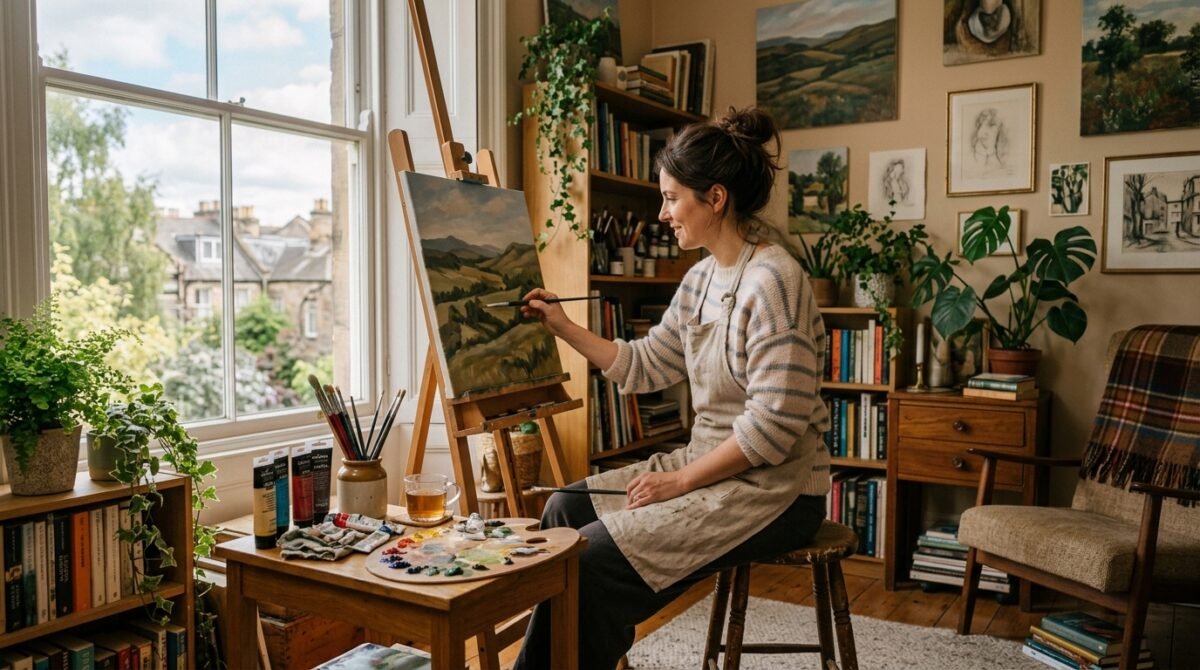
Life after the canyon is quiet, but it is a good quiet. I moved to a city where no one knew who I was, where I could reinvent myself on my own terms. I stopped counting calories, I stopped worrying about my skin, and I started living. I rediscovered hobbies that Mark had told me were ‘a waste of time,’ like painting and hiking, but for myself, not for the photos.
I still have days where the trauma hits—where I catch myself looking in the mirror and searching for the flaws he pointed out. But then I remember the spreadsheet, and I laugh. I laugh because it was so small, so pathetic, and so completely irrelevant to the actual, breathing human that I am. I am not a project. I am a person.
“I used to define my value by how close I could get to his standards. Now, I define my value by how far I can get from them.”
I’ve started dating again, very casually, and it’s a revelation. I meet men who listen when I speak, who don’t care about my weight, and who think my flaws are just a part of who I am. It’s strange, at first, to be seen as a whole person, but it’s getting easier. I’m learning that love isn’t a performance; it’s a shared vulnerability.
I still think about that day at the Grand Canyon. It’s a permanent scar, but it’s also a badge of honor. It’s the day I realized that I was worth more than his opinions, more than his data, and more than his vision of ‘perfection.’ It was the day I truly woke up, and I wouldn’t trade that moment for anything in the world.
If you take anything from this, let it be this: if someone is trying to ‘optimize’ you, run. Run until you can’t see them anymore. Your life is not an experiment, and you are not a variable in someone else’s equation. You are the entire world, and you deserve to be treated like it.
The Lessons of the Spreadsheet

Looking back, the spreadsheet was a gift, in a way. It was the ultimate, undeniable proof that I was being abused. Without it, I might have spent years more questioning my own sanity, wondering if I was just being ‘difficult’ or ‘sensitive.’ But there it was—the cold, hard truth, laid out in black and white cells. It was the key to my escape.
I’ve learned that the most dangerous people are the ones who mask their control as ‘love’ or ‘support.’ They don’t want you to be happy; they want you to be a reflection of their own desires. They don’t want a partner; they want a project. And as long as you are a project, you can never be loved for who you actually are.
“The moment they start ‘helping’ you to become someone else, they have already stopped loving who you are.”
I have a new perspective on relationships now. I look for people who celebrate my quirks, who encourage my growth without directing it, and who think I’m beautiful on my worst days. I don’t want someone who wants to ‘fix’ me, because I’m not broken. I was just in a relationship that didn’t know how to handle me.
I’m grateful for the pain, in a way, because it taught me to be my own best friend. I learned how to stand up for myself, how to trust my gut, and how to walk away when the ground under me starts to shift. I am no longer waiting for permission to be happy, and that is a freedom that no man can ever take away from me again.
So, here is to the spreadsheets, the judgments, and the ‘perfect’ plans. May they all end up in the trash where they belong. And here is to the rest of us—the messy, imperfect, beautiful, and completely un-optimizable women who are finally learning how to live for ourselves.
Why We Stay and Why We Leave
I often get asked why I stayed for so long. It’s a good question. I think the answer is that I was conditioned to believe that love was a sacrifice. I thought that if I worked hard enough, if I met his standards, if I was just a little bit better, then he would finally be happy, and then we would be happy. It’s a trap, the idea that love is something you have to earn.
It’s hard to leave because the abuse is so subtle. It’s not always a scream; it’s a comment about your weight, a suggestion to change your makeup, a ‘helpful’ nudge to try a new workout routine. It’s a slow erosion of your self-esteem, piece by piece, until you don’t even remember who you were before they started ‘improving’ you. It’s the frog in the boiling water, and I was well-boiled.
“I thought I was being a good wife. I didn’t realize I was being a good captive.”
The decision to leave wasn’t made in a day. It was made in thousands of tiny, ignored moments—the ones where I should have spoken up but stayed silent, the ones where I should have walked away but stayed to ‘fix’ things. The Grand Canyon was just the final, explosive push I needed to finally realize that the water was boiling and I was dying.
Leaving is the hardest part, but it’s also the most important. You have to be willing to lose everything—your comfort, your social circle, your ‘perfect’ life—to gain yourself back. And let me tell you, gaining yourself back is worth every single sacrifice. It is the greatest investment you will ever make.
If you are in a situation where you feel less than, where you feel like you’re being measured against someone else, please hear me: you are enough. You are more than enough. You don’t need to be optimized, you don’t need to be fixed, and you certainly don’t need to be compared. You are a complete, beautiful human being, and you deserve a love that respects that.
Building a Future Without Baselines

Today, I am building a future that isn’t based on comparisons. I’ve started a business, I’m traveling to places he never wanted to go, and I’m surrounded by friends who love me for my messiness. I’m finally living in color, rather than the gray, clinical world he forced me to inhabit. Every day is a new adventure, and none of them involve tracking my performance.
I sometimes look back at the emails and texts and realize how small he was. He was so terrified of being ordinary that he had to try to make me extraordinary, but only in the ways that fed his own ego. He was a small man in a big world, and he was never going to be happy because he was always looking at the wrong things.
“I’m not a baseline for his life anymore. I’m the author of my own.”
I am learning to love my body again, not for what it can do for someone else, but for what it can do for me. I’m learning to appreciate the way I laugh, the way I think, and the way I see the world. I am reclaiming every part of myself that he tried to change or erase, and it feels like coming home.
If there is one thing I’ve learned, it’s that your life is far too short to spend it being someone else’s project. Don’t let anyone turn you into a spreadsheet. Don’t let anyone rank you, measure you, or assess you. You are the only person who gets to decide who you are, and that is a power that nobody else should ever have.
So, here is to the future. It’s unwritten, it’s un-optimized, and it’s entirely mine. I’m looking forward to every messy, imperfect, beautiful day of it, and I wouldn’t change a single thing about where I am today. I am free, and that is the only thing that matters.
Conclusion
My journey from the Grand Canyon to today has been the most transformative experience of my life. It wasn’t just about leaving a toxic marriage; it was about reclaiming the very essence of my humanity from a man who treated it like data. I hope my story serves as a reminder to every reader that you are not a project to be completed, a body to be ranked, or a variable to be adjusted. You are a person, and you are inherently, unequivocally enough.
The reactions I’ve received have been both heartbreaking and inspiring. So many of you have shared your own stories of being ‘optimized,’ and I want you to know that you are not alone. There is a community of us now, a collective force that refuses to be diminished. We are the ones who chose ourselves, and we are stronger for it. The debate continues in the comments—some say I should have left sooner, others say I should have been even more ruthless—but the truth is, I left at the exact moment I was ready. And that is all that matters.
I want to hear from you. Have you ever felt like you were being ‘optimized’ or measured by someone you loved? What was the moment you realized you were more than their expectations? Let’s keep this conversation going. Your stories have the power to save someone else, just like yours saved me.
POLL: What is the biggest red flag in a relationship?
- A partner who constantly offers ‘helpful’ improvements on your body or habits.
- A partner who tracks your personal growth in a way that feels clinical or detached.
- A partner who compares you to others in their life.
- A partner who prioritizes their own itinerary over your feelings.
What's your verdict on this dilemma?
Vote below to contribute to the official community consensus.

Have a Dilemma Keeping You Up at Night?
Share your real-life feud, wedding chaos, or relationship crossroads anonymously with our editorial team.
What do you think ?
0 Comments🛡️ Comments are moderated to protect community integrity. Your comment will appear once approved by the editorial team.