
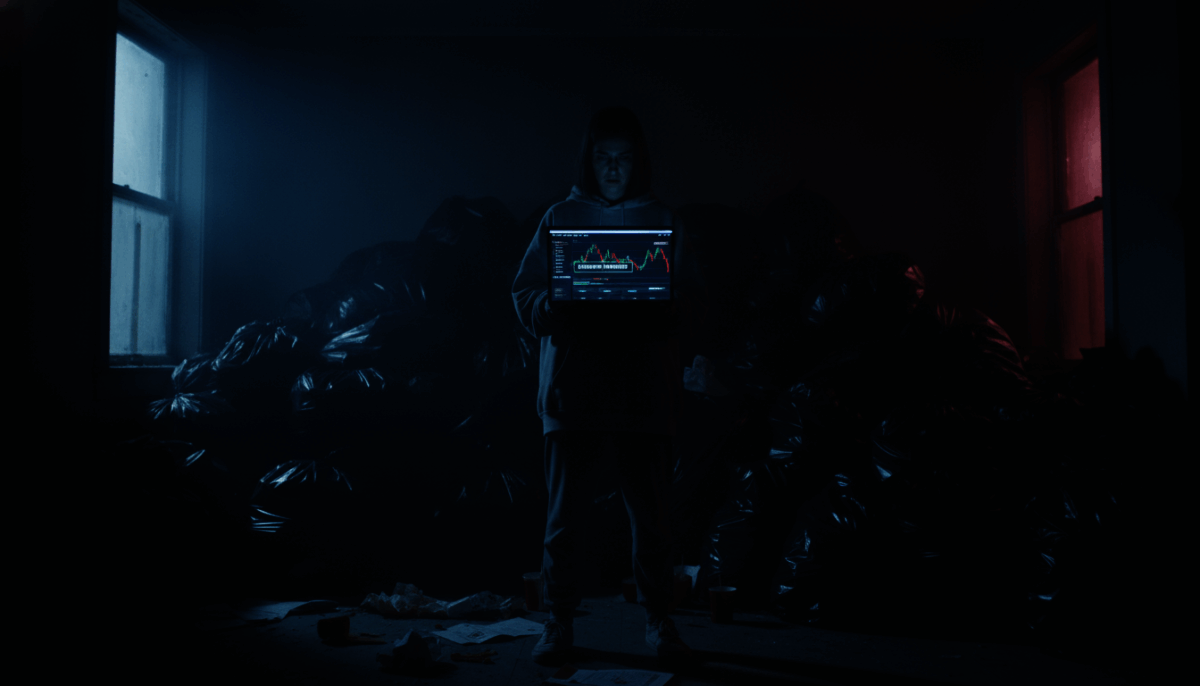
For three years, Mark and I had been building a monument to our future. We lived in a cramped, drafty studio apartment, eating ramen and skipping vacations, all to save for the ‘forever home’ that sat like a golden promise on our horizon. We had a joint savings account, meticulously labeled ‘House Fund,’ and every paycheck was a ritual of shared sacrifice. I believed in us. I believed in the life we were carving out of the chaos of adulthood.
But love, as I would soon discover, is often blind to the digital breadcrumbs of betrayal. It started with subtle inconsistencies—a missing paycheck here, a strange late-night alert on his phone there. I dismissed my growing anxiety as the jitters of pre-wedding nerves. After all, Mark was the man who had promised me a foundation. He was the man who held my hand during the worst of my career burnout and encouraged me to aim higher.
The moral dilemma that eventually shattered my reality wasn’t a slow-moving fade out of affection; it was a cold, calculated heist. When I finally peeked behind the curtain of his ‘investment portfolio,’ I didn’t find stocks or bonds. I found a direct conduit to his ex-wife’s digital wallet, siphoning away the very bricks and mortar of our future. The realization didn’t hit me with a scream; it hit me with the deafening silence of a person realizing they have been living with a stranger.
This is the story of how I transitioned from a loving partner to a woman packing a life into garbage bags in the span of four hours. It is a story about the intersection of modern finance, old-fashioned gaslighting, and the moment you decide that your dignity is worth more than a down payment. It is a cautionary tale for anyone who assumes that ‘ours’ really means ‘ours’ in the age of decentralized finance.
The Late-Night Glow of a Laptop Screen

It was 3:14 AM on a Tuesday. The apartment was deathly quiet, save for the hum of the refrigerator. Mark was fast asleep, his breathing rhythmic and peaceful, a stark contrast to the churning anxiety that had kept me awake for the better part of the week. I had been noticing small, unexplained discrepancies in our shared bank account statements—tiny amounts that didn’t quite add up, like phantom fees or miscalculated interest.
I opened his laptop, which he had left unlocked on the kitchen island. I didn’t intend to snoop, or at least, that is what I told myself as I clicked on his browser history. I was looking for proof that I was crazy, that I was just being paranoid. Instead, I found a tab open to a crypto exchange dashboard I didn’t recognize. The transaction logs were aggressive, showing outbound transfers labeled with addresses I didn’t understand.
My heart hammered against my ribs like a trapped bird. I followed the trail of breadcrumbs, searching for context, until I stumbled upon a saved note file. It contained a list of wallet addresses and a series of cryptic messages addressed to ‘K,’ his ex-wife, whom he had supposedly been no-contact with for two years. One line stood out, seared into my brain: ‘The house fund is almost empty; this will cover the debt you mentioned.’
“I just wanted to make sure she was okay. She was in trouble, and it’s just money, right? It’s not like I wasn’t going to make it back with the trading gains.”
— Mark’s later confession (paraphrased)
The room seemed to tilt. Every sacrifice I had made over the last thirty-six months felt like a punch to the gut. I wasn’t just losing money; I was losing the reality I thought I had built. I stared at the screen until my eyes burned, watching the numbers drop as another ‘transaction’ moved to an external wallet. The betrayal wasn’t just the theft; it was the audacity of using our future to pay for his past.
The 4:00 AM Confrontation

I didn’t wait for morning. I didn’t wait for a calm moment to discuss it over coffee. I marched into the bedroom and flicked the overhead light on, ignoring his groggy protest. Mark sat up, rubbing his eyes, irritation written all over his face. He looked annoyed that his sleep had been interrupted, completely unaware that the walls of his world were about to come crashing down.
I held the laptop in front of him, the screen still displaying the transfer logs. ‘Explain this,’ I said, my voice shaking with a terrifying, cold clarity. He looked at the screen, then at me, and his face went through a spectrum of emotions: confusion, realization, and finally, a pathetic, desperate attempt to feign ignorance. He tried to claim it was a glitch, a mistake, a shared investment project he ‘forgot’ to mention.
The lies were so clumsy, so insulting, that I felt a strange sense of relief. It was easier to leave when the person in front of you was so obviously, transparently pathetic. He tried to grab my arm to stop me from pacing, but I pulled away. The boundary had been shattered, and there was no going back. I told him he had thirty minutes to explain why the ex-wife was receiving our deposit money, or he could start packing.
“You’re acting crazy. It’s a decentralized asset. I was managing our future wealth. You just don’t understand how crypto works, and you’re blowing this completely out of proportion.”
— Mark’s defense during the argument
He continued to talk, spinning a web of jargon about ‘hedging’ and ‘short-term liquidity,’ but the words were just noise. I watched him, really watched him, and realized that I had never actually known him. I had known a version of him that he performed to keep me compliant. As he talked, I walked into the closet and started pulling his clothes off the hangers with a manic, singular focus.
The Garbage Bag Eviction

The sound of plastic rustling was the soundtrack of my emancipation. I didn’t care about folding. I didn’t care about his expensive suits or the shoes he loved so much. I grabbed everything from the closet, the drawers, the bathroom shelf. Every item that touched his skin felt like a contaminant I needed to remove from my living space. He followed me around the apartment, pleading, begging, trying to touch my shoulder, but I was untouchable.
I told him that every time he reached for me, I felt like I was being robbed all over again. He eventually stopped begging and started shouting, accusing me of being vindictive and irrational. He called me ’emotional’ and ‘unhinged,’ the classic arsenal of a man who has been caught red-handed. I just kept packing, filling bag after bag, leaving them in a pile by the front door like a monument to my wasted time.
By 5:30 AM, the apartment was half-empty. It was the most liberating feeling I had ever experienced. I wasn’t just throwing out his clothes; I was throwing out the expectations, the future, the dreams that were built on a foundation of sand. I pointed to the door and told him that if he didn’t leave, I would call the police and tell them exactly what he had done with our joint funds.
He looked at the mountain of black bags, then at the locked door. The reality finally settled in. He wasn’t going to talk his way out of this one. He hadn’t just broken my trust; he had committed a crime against our household. With a look of pure malice, he grabbed his keys and the laptop, leaving the bags behind, and slammed the door with enough force to rattle the pictures on the walls.
The Digital Paper Trail
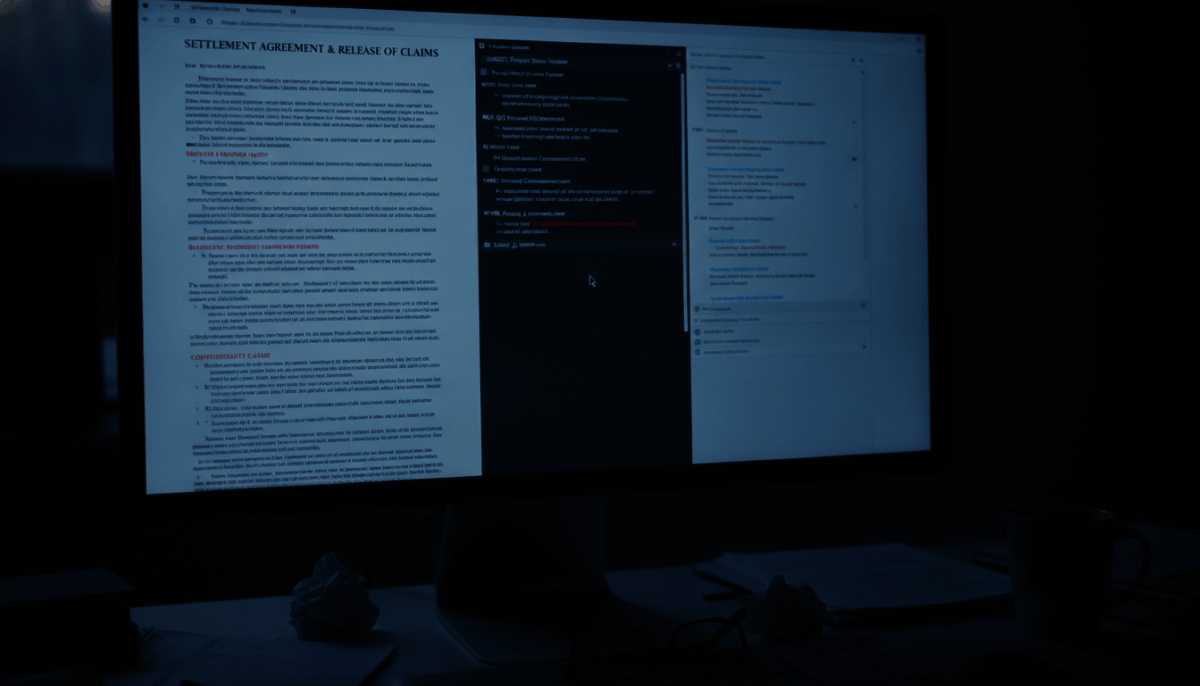
Once the door clicked shut, the adrenaline began to fade, leaving behind a cold, sharp focus. I sat at my own computer and began to document everything. I took screenshots of every transaction, every transfer, every timestamp. I compiled the emails he had sent to the ex-wife that were still synced on his browser. I was building a case, not just for a lawyer, but for my own sanity.
I reached out to our bank at 8:00 AM, the moment their fraud department opened. I laid out the situation with a clinical detachment that surprised even me. I explained that funds from our joint account had been moved to a crypto wallet without my authorization or knowledge. The bank representative was surprisingly helpful, noting that because it was a joint account, this was a ‘civil matter,’ but they flagged the activity for review.
I then reached out to a lawyer who specialized in domestic financial disputes. I sent them the folder of evidence I had painstakingly put together. For the first time in years, I felt like I was in control. The money might be gone, lost in the volatile abyss of crypto, but the proof of his betrayal was rock solid. I wasn’t going to play the victim; I was going to be the auditor of his life.
Throughout the day, my phone pinged constantly. Mark was sending messages, alternating between begging for ‘one more chance’ and threatening me with legal action for ‘stealing his property’ by throwing out his things. I ignored them all, blocking him on every platform except for the one where I could keep a record of his admissions. I was documenting the destruction of my relationship in real-time.
The Family Group Chat Explosion
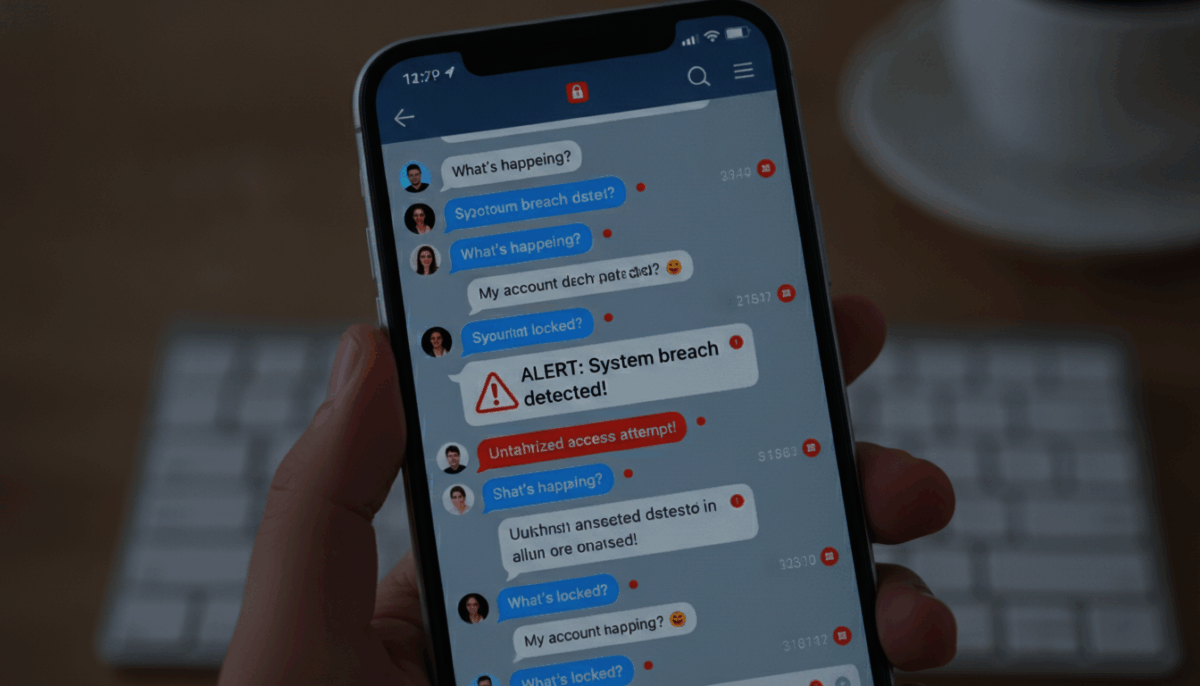
By noon, the news had hit the family grapevine. Mark’s mother, a woman who had always treated me like an outsider, sent a flurry of messages to our group chat. She claimed that I was overreacting to a ‘simple misunderstanding’ and that Mark was just ‘passionate about their future.’ It was the kind of gaslighting that I was no longer willing to participate in.
“Listen, you don’t know what it’s like to be a man under pressure. Mark is trying to build something for you both. Don’t throw away a perfectly good man because of a little crypto confusion. Think about the house!”
— Mark’s Mother, Family Group Chat
I didn’t argue. I didn’t defend myself. I simply posted a screenshot of the transaction ledger showing the exact amounts that had been siphoned off, followed by the message he had written to his ex-wife. The silence in the group chat was immediate and profound. It stayed that way for hours, until Mark’s sister finally messaged me privately to apologize.
The family had been weaponized against me, used to make me feel like the unreasonable one. But seeing their reactions, I realized how deep the rot went. They were all enabling his behavior, treating his erratic financial choices as a character quirk rather than a dangerous, predatory habit. I felt a sense of profound sadness for them, but mostly, I felt a sense of liberation.
I exited the group chat, leaving them to their own echo chamber. I didn’t need their validation, and I certainly didn’t need their advice. The house was a ghost, the money was gone, and the man was a memory. I was finally, truly alone, and for the first time in a long time, I could breathe without the weight of his expectations pressing down on my chest.
The Reddit Trial: Community Reactions

I posted my story on a popular forum, needing to know if I had lost my mind. I laid out the timeline, the discovery, and the garbage bag eviction. I didn’t ask for pity; I asked for a reality check. The response was overwhelming. Thousands of comments poured in, most of them validating my anger and warning me about the legal complexities of crypto theft.
“NTA. You didn’t just find out he was cheating with his ex; you found out he was stealing your future. The garbage bags were the only appropriate response to that level of disrespect. Please, lock your credit and get a lawyer immediately.”
— u/FinancialTruthSeeker, 14.5k upvotes
“OP, you need to treat this like a business liquidation. He isn’t your fiancé; he is a liability. The fact that he’s using your house deposit to fund his ex’s life is a massive red flag that he never left that relationship. Pack the rest, change the locks, and don’t look back.”
— u/RealityCheckDaily, 8.2k upvotes
Reading the comments was like receiving a steady stream of sanity. People shared their own stories of financial abuse, of partners who siphoned money, of the heartbreak of discovering that a shared life was a one-sided fiction. It wasn’t just about the money; it was about the profound violation of trust that comes when someone you love treats your resources as their own personal piggy bank.
I learned about ‘financial infidelity,’ a term I hadn’t known before but one that perfectly described my life. I realized that my situation wasn’t unique, but it was severe. The advice was unanimous: do not engage, protect your assets, and get out. I felt empowered by the collective wisdom of strangers who had been through the fire and come out the other side.
The Legal Reality Check

A week later, I sat in my lawyer’s office. She was a stern, no-nonsense woman who looked at the documentation I had brought with a mixture of professional interest and genuine sympathy. She confirmed what I had feared: since the money was in a joint account, ‘theft’ is a difficult legal term to prove, but ‘misappropriation of funds’ during a breakup was a strong angle for a civil suit.
We discussed the implications of the crypto transfers. Because crypto is so volatile and anonymous, tracing the funds would be a nightmare. My lawyer suggested that I focus on the ‘breach of fiduciary duty’ regarding the house fund. It was a cold, clinical conversation that brought me back to earth. I wasn’t just a jilted lover; I was a claimant in a financial dispute.
She warned me that Mark would likely fight back, using his family’s resources to drag the case out. She also told me to prepare for him to claim that the money was his all along, citing his higher salary or his ‘investment expertise.’ It was a cynical, ugly view of the relationship I had thought was built on love, but it was the reality I needed to face.
I left the office feeling drained but focused. I had a clear path forward, and it didn’t involve Mark. The emotional pain of the breakup was still raw, but it was being tempered by the necessity of the fight. I realized that I would likely never see that money again, and I made peace with that loss. The money was the price I paid for the lesson.
Cleaning Up the Remains

I spent the weekend finishing the cleanup. I found things tucked away in the back of the pantry, in the bottom of the linen closet, in the junk drawer—small remnants of a life we had lived together. Every item I found felt like a ghost, a reminder of a promise that had been broken long before I found out about the crypto wallet. I didn’t throw these things out; I donated them.
I scrubbed the apartment from top to bottom, wanting to remove every trace of his existence. I changed the sheets, the towels, the rugs. I replaced the picture frames with art I chose myself. I was reclaiming the space, turning it from a shared battlefield back into a sanctuary. It was a physical manifestation of my healing process, a ritual of purging the past.
As I worked, I thought about the house we were supposed to buy. I realized I didn’t even like the neighborhood we were looking at. I had been compromising on the location, the style, the size, all for the sake of ‘us.’ Without Mark, I realized I wanted something completely different—a place that was mine, a place where I could breathe and create a life that wasn’t dictated by someone else’s desires.
I felt a strange sense of excitement for the future. The betrayal had left a hole in my life, but it had also cleared the brush, leaving me with a clean slate. I was no longer an anchor to someone else’s chaotic lifestyle; I was free to drift, to grow, to decide what I wanted for myself.
The Final Text Message

Two weeks after the move-out, a message popped up on my screen. It was from Mark. It wasn’t an apology; it was a demand. He wanted me to return his ‘hard drive,’ which he claimed contained sensitive crypto keys. I laughed, a short, sharp sound that startled the cat. I had already turned over all his remaining items to his sister, as per my lawyer’s instructions.
“I know you’re holding onto my drive. If I don’t get those keys back, you’ll be hearing from my lawyer. Don’t think you can just walk away with my assets.”
— Mark’s final text message
I replied with a single, clinical message: ‘I have already surrendered all of your possessions to your sister. Any further communication regarding your assets will be directed to my attorney. Please do not contact me again.’ I then blocked his number for good. It was the most satisfying thing I had ever typed.
I felt a sense of closure that I hadn’t expected. The fear of his retaliation had evaporated, replaced by a firm, unwavering boundary. I was no longer the victim of his gaslighting; I was the architect of my own life. I deleted the thread, wiped the conversation from my phone, and closed the final chapter on our relationship.
The silence that followed was peaceful. I wasn’t waiting for a reply, I wasn’t hoping for an apology, and I wasn’t fearing a confrontation. I was simply moving on. The money was gone, the house was a dream that had dissolved, but I was still standing, and that, I realized, was the only thing that mattered.
A New Foundation

Six months later, I am in a new apartment. It’s smaller, but it’s mine. I don’t have a ‘house fund’ anymore; I have a ‘financial independence fund.’ I invest in index funds, I research my own stocks, and I keep my accounts strictly, painfully separate from anyone else. I have learned the hard way that financial transparency is the ultimate test of a relationship.
I have started dating again, but the bar is incredibly high. I don’t look for someone who shares my financial goals; I look for someone who respects my financial autonomy. I ask questions, I observe, and I never, ever merge accounts until I am absolutely, unequivocally sure of the person’s character. I have become a student of my own boundaries.
Looking back, I don’t regret the relationship. I regret the time I wasted, but I don’t regret the experience. It taught me how to stand up for myself, how to trust my intuition, and how to define my own worth. I am not the woman I was when I found that laptop, and for that, I am grateful.
The house I dreamed of is still out there, but I will buy it on my own terms. And when I do, I will walk through the front door, turn the key, and know that every brick, every window, and every cent spent on it is a testament to my own strength and resilience. I am the owner of my life, and that is a far better home than any house could ever be.
Conclusion
The story of my ‘fiancé’ is a testament to the fact that you can live with someone for years and never truly know the digital life they are leading behind the screen. Betrayal in the modern age isn’t always about secret kisses; it’s about secret ledgers, hidden crypto wallets, and the slow, quiet erosion of a shared future. I chose to pack the bags, but the real cleanup was in my own mind, untangling the dependency I had allowed to build.
I’ve realized that the greatest tragedy wasn’t the loss of the money—though that hurt—but the loss of the trust I had placed in a person who didn’t value it. If you are reading this and find yourself questioning the ‘phantom fees’ or the strange, late-night laptop habits of your partner, trust your gut. Do not wait for the perfect moment to ask the hard questions. Your dignity is the most valuable asset you own.
I’d love to hear from you. Have you ever discovered a ‘digital betrayal’ that changed everything? How did you handle the fallout when your financial world collided with a partner’s secrets? Let’s talk about it in the comments below—your stories help us all stay vigilant and empowered.
What's your verdict on this dilemma?
Vote below to contribute to the official community consensus.

Have a Dilemma Keeping You Up at Night?
Share your real-life feud, wedding chaos, or relationship crossroads anonymously with our editorial team.
What do you think ?
0 Comments🛡️ Comments are moderated to protect community integrity. Your comment will appear once approved by the editorial team.