

We all have that one friend who thrives on chaos. For years, Sarah was the life of the party, the person who made every weekend brunch feel like a scene from a movie. When she proposed a girls’ trip to a five-star resort in Cancun, I didn’t hesitate. I worked double shifts for six months to afford the luxury suite, intending it to be my reward for a year of grueling corporate law practice. It was supposed to be a week of cocktails, turquoise waters, and relaxation. I never imagined it would end with me sitting in a sterile hotel security office, staring at a printout of charges that felt like a punch to the gut.
The trouble didn’t start with a bang; it started with a whisper—a frantic, sobbing phone call from the beach. Sarah claimed her purse, containing her passport, wallet, and phone, had been snatched while she was cooling off in the ocean. My natural instinct was to protect her, to be the steady anchor during a crisis. I gave her my hotel room number and directed her to the concierge, telling her to charge whatever she needed to my folio to get settled while we sorted out the logistics of the ‘missing’ belongings.
But the ‘missing’ belongings were never missing. The purse was safely tucked away in her carry-on, a ruse designed to test the limits of my generosity and the security protocols of the resort. What followed was a masterclass in manipulation. She didn’t just ask for a meal or a taxi ride; she lived like a queen on my dime, assuming I would be too polite—or too preoccupied with my own vacation—to audit the fine print. The total at the end of the week wasn’t just a nuisance; it was a devastating $3,400 invoice that threatened my rent payments for the coming month.
This story isn’t just about money. It’s about the realization that the person you’ve known for a decade can look you in the eye, hug you, and simultaneously drain your bank account without blinking. As the truth began to surface through a series of accidental hotel notifications and a loose-lipped cabana boy, the veneer of our friendship crumbled. I am now left with the fallout, the debt, and the burning question: when does ‘helping a friend’ cross the line into being a victim of calculated theft?
The Fabricated Crisis on the White Sands

It was midday on Tuesday, the third day of our getaway. The sun was oppressive, a brilliant white heat that shimmered off the sand. I was reading a book in our suite when my phone buzzed with an incoming call from a hotel staff member’s device. Sarah’s voice on the other end was a frantic, ragged mess of sobs and high-pitched anxiety. She told me she had been swimming, and when she emerged, her expensive designer tote—the one she insisted was ‘essential’ for the trip—was gone. She claimed it held everything: her credit cards, her phone, and her passport.
My heart sank, not for the money, but for the sheer terror of being stranded in a foreign country without documentation. I immediately jumped into ‘fixer’ mode. I told her to stay exactly where she was, to talk to the resort security, and that I would handle the logistics. I gave her my room credentials, telling her that my account would cover the emergency expenses. I felt like a hero, a steady hand in a crisis, completely unaware that the play was already in motion.
“Please, just use my folio number. Get whatever you need—food, water, a safe place to sit. I’ll be down in twenty minutes. Don’t panic, I’m calling the embassy.”
I spent the next hour on the phone with the resort staff and the local consulate, my stress levels climbing with every passing minute. I felt the weight of responsibility for her safety. When I finally found her at the poolside bar, she looked strangely composed for someone who had just lost their identity. She was sipping a frozen margarita, a large, ornate sun hat shielding her face. She looked like a vacationing socialite, not a theft victim in distress. I approached her, my breathing still erratic from the rush, only to be met with a calm smile that didn’t quite reach her eyes.
She brushed off my questions about the police report, saying that security was ‘handling it’ and that she didn’t want to dwell on the negative. She insisted we order lunch—’on the house,’ she joked, gesturing to my suite bill. At the time, I brushed the oddity aside as a coping mechanism. I thought she was just trying to stay positive. Little did I know, the bill she was racking up was already well into the three-digit range, and the ‘stolen’ purse was resting comfortably in our hotel room closet under a pile of her dirty laundry.
The $3,400 Discovery in the Small Hours

The realization didn’t come in a dramatic confrontation, but in the sterile, unfeeling light of an iPad screen. It was the night before our flight home, and I was logging into the resort app to settle the final bill and book our airport shuttle. I expected a few hundred dollars—a few lunches, a couple of rounds of drinks, maybe the cost of an extra beach umbrella. When the balance loaded, my browser stuttered. I refreshed it twice, convinced it was a glitch in the hotel’s archaic billing system. $3,450.22.
I scrolled through the line items, my heart pounding a rhythm against my ribs that I could feel in my throat. It wasn’t just food. There were four separate charges for ‘VIP Cabana Rental’—each costing $600—spanning the days she claimed to be ‘recovering’ from the trauma of the theft. Then there were the spa treatments: a ‘Couples Massage’ for two, which was confusing since I had been in meetings all afternoon, and a $400 ‘Signature Facial’ and body scrub package. The list went on, a litany of luxury services that she had charged directly to my room number.
“I just needed to feel like a human again, you know? After the theft, I felt so violated. I thought you would understand—you always say we should treat ourselves.”
The anger that surged through me wasn’t hot; it was cold, clinical, and sharp. I stood up from the bed, the iPad shaking in my hands, and walked to the closet where she had stored her belongings. I remembered her claiming her bag was stolen, but I hadn’t actually seen the closet in two days. I pulled the handle. There, sitting right on top of her luggage, was the designer tote. The one that was supposedly stolen from the beach. I opened it. Her phone, her wallet, and her passport were all sitting inside, pristine and untouched.
I felt a sickening wave of betrayal, the kind that makes you physically unsteady. She hadn’t just been careless; she had been calculating. She had used my vulnerability, my empathy, and my hard-earned savings to fund a luxury experience she couldn’t afford herself. I didn’t yell. I didn’t scream. I simply took a photo of the bag, a photo of the itemized receipt on my iPad, and sat down on the edge of the bed to wait for her to come back from the hotel bar.
The Confrontation and the Gaslighting Attempt

When she walked through the door, she was humming, carrying a glass of wine and looking entirely too refreshed for someone who had just put me in debt. She stopped when she saw me sitting there. She didn’t look guilty; she looked defensive. She saw the iPad on the bed and the bag on the floor, and her entire demeanor shifted. She didn’t offer an apology. She didn’t try to explain. Instead, she immediately went on the offensive, a tactic she had used in minor disagreements for years, but never on this scale.
She claimed that the ‘stolen’ purse was a replacement she bought at the airport—a blatant, insulting lie that she expected me to believe. She tried to frame the charges as a ‘necessary expense’ to cope with the trauma of the trip, suggesting that as my best friend, I should have been happy to help her through such a difficult time. The audacity was breathtaking. She looked at me with wide, innocent eyes, acting as if I was the one being unreasonable for bringing up the money.
“Honestly? You’re going to be this petty about a few spa treatments? After I went through a traumatizing experience? I thought our friendship meant more than a few thousand dollars.”
I felt the distance between us widening, a chasm that could never be bridged. She wasn’t just gaslighting me; she was weaponizing our history to make me feel like the villain. She told me that I was ‘obsessed with money’ and that my success had made me cold and unfeeling toward those who were struggling. She turned the narrative of her theft into a narrative of my lack of character. It was a masterstroke of emotional manipulation, designed to make me question my own sanity and my own values.
But the numbers didn’t lie. $3,400. That was two months of rent, or a significant portion of my student loan payments. It wasn’t ‘a few spa treatments.’ It was a significant financial burden that she had forced upon me without my consent. As she continued to lecture me on the importance of support and generosity, I realized that I didn’t know this person at all. The Sarah I thought I knew was an illusion, a projection I had maintained for the sake of a friendship that was clearly one-sided.
The Digital Breadcrumbs and the Cabana Truth
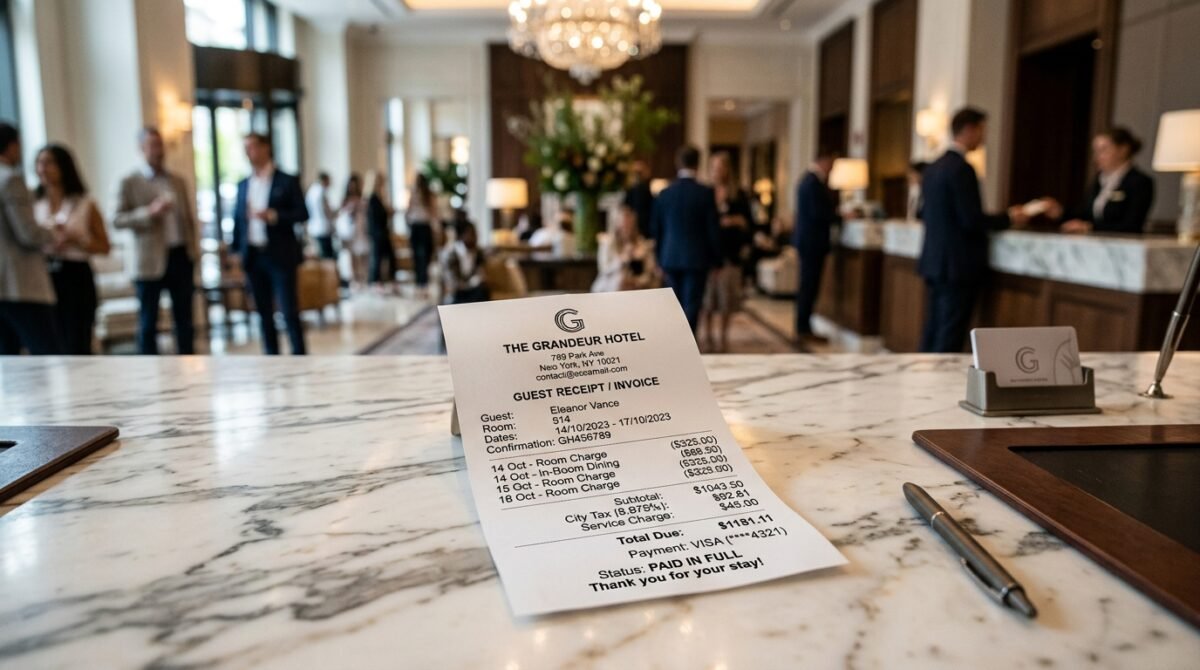
The next morning was a blur of frantic hotel bureaucracy. I went to the front desk, armed with the photos I had taken and a printout of the charges. I spoke to the manager, a man who looked sympathetic but firm about hotel policy. He confirmed that the charges were verified with a signature—a signature that, when I examined it, was clearly a forgery of my own, practiced over years of signing for shared dinner bills. My hands were shaking so hard I could barely sign the dispute forms.
While I was waiting for the manager to return, I checked my phone. Sarah had been busy. She had sent a stream of messages to our mutual friends back home, painting me as the ‘angry, controlling friend’ who was ruined a ‘perfectly good vacation’ over a misunderstanding. She had even included a screenshot of a text I had sent her earlier in the trip, where I jokingly said I would ‘cover her’ for a drink, stripping the context away to make me look like I was reneging on a promise.
“I don’t know what’s wrong with her. She’s acting like I committed a crime just for booking a massage. I think she’s having some kind of mental breakdown.”
— Leaked Message from Sarah to the Group Chat
I also visited the cabana desk, hoping to find out exactly who had authorized the rental. The staff member, a young man who recognized me from the previous days, was incredibly helpful. He pulled up the logs. He described Sarah coming to the desk every single morning, specifically asking for the most expensive package, and explicitly telling him that I was ‘taking care of everything’ and that I didn’t want to be disturbed with questions. He showed me the security footage of her walking to the desk, laughing with a new group of friends she had met, clearly not the distraught victim she portrayed.
The evidence was overwhelming. It wasn’t just a mistake or an act of desperation. It was a planned, executed deception. She had been treating me like an unlimited bank account for the entire duration of the trip, relying on the fact that I was too busy or too polite to check the balance until the very end. The betrayal was complete. I walked back to the room, the heat of the Mexican sun feeling like a weight on my shoulders, and started packing, knowing the friendship was effectively over.
The Fallout: When the Masks Come Off

The flight home was silent, a cold, suffocating experience. We didn’t speak. She sat by the window, staring out at the clouds, and I sat by the aisle, my mind racing with legal options and the sheer exhaustion of having to rebuild my financial cushion. When we landed, I didn’t wait for her at the baggage claim. I went straight to my car, my keys clutched in my hand, and drove away without a word. I knew that if I stayed, I would either say something I regretted or end up being pulled back into her narrative.
By the time I reached my apartment, my phone was blowing up. Sarah had reached out to our mutual friends, and now, they were reaching out to me. Some were supportive, but others were confused, echoing her claims that I was overreacting. The pressure to ‘keep the peace’ was immense. I had always been the one to smooth over conflicts, the one who apologized even when I wasn’t at fault. But this was different. This wasn’t a petty argument; it was a fundamental breach of trust that had real-world consequences for my life.
“I’ve never seen you act like this. Is it really worth ending a ten-year friendship over money? Can’t you just work it out?”
— Text from a mutual friend
I realized then that the expectation of my forgiveness was just as toxic as the original theft. People were comfortable with me being the victim of a petty misunderstanding, but they were uncomfortable with me holding someone accountable for a serious transgression. They didn’t want the truth; they wanted the status quo. They wanted me to be the ‘big person’ and accept the loss, to continue the friendship as if nothing had happened, because it was easier for them than dealing with the reality of Sarah’s behavior.
I started setting boundaries. I told our mutual friends the truth—not as a sob story, but as a statement of fact. I shared the receipts, the evidence of the forgery, and the reality of the situation. Some people were horrified; others distanced themselves, not wanting to get involved in the drama. I lost friends, yes, but I also realized who actually cared about me. It was a painful, necessary pruning of my social circle, but it was the only way to move forward without the weight of her influence.
Reddit Weighs In: The Verdict of the Hive Mind
I posted my story on a popular relationship advice subreddit, just to see if I was losing my mind. I expected a mix of responses, maybe some people telling me to be lenient. I was not prepared for the overwhelming wave of support and the absolute condemnation of Sarah’s actions. The internet, for all its faults, can be incredibly validating when you are gaslit by someone you trusted. Within hours, the post had thousands of upvotes and a comment section that read like a masterclass in boundary setting.
“This isn’t just a friend who is bad with money. This is theft. She committed fraud, she forged your signature, and she gaslit you to hide it. Cut her off yesterday. You don’t owe her your bank account or your emotional labor.”
— u/JusticeForOP (Top Comment, 28.4k upvotes)
The community support was a balm to my frazzled nerves. People shared their own stories of being taken advantage of by ‘friends’ and warned me about the legal implications of letting this go. They pointed out that her behavior was a pattern, not an isolated incident. They urged me to pursue the hotel for the unauthorized charges, providing me with the terminology and the leverage I needed to stand my ground. It wasn’t just about the money anymore; it was about the principle of the thing.
Some comments were brutal in their honesty, reminding me that by being ‘the nice one’ for so long, I had inadvertently trained Sarah to treat me this way. That was a hard pill to swallow, but it was essential for my growth. I had been a participant in my own exploitation by consistently forgiving the small slights, the ‘borrowed’ money, and the boundary violations. The community helped me see that I was not just a victim of her actions, but also a participant in the dynamic that allowed them to flourish.
“You’re not the one ruining the friendship. She ruined it when she forged your signature for a $3,400 shopping spree. Don’t let her frame this as you being ‘petty.’ You’re being responsible.”
— u/FinancialTruth (12.1k upvotes)
The feedback loop was essential. It gave me the courage to do what I needed to do. I contacted the hotel’s corporate office, I filed a formal report, and I started the process of reclaiming my money. The validation from strangers who didn’t have any stake in my life was more comforting than I could have imagined. It was the push I needed to stop apologizing for my own boundaries and start enforcing them with ironclad resolve.
The Legal and Financial Repercussions
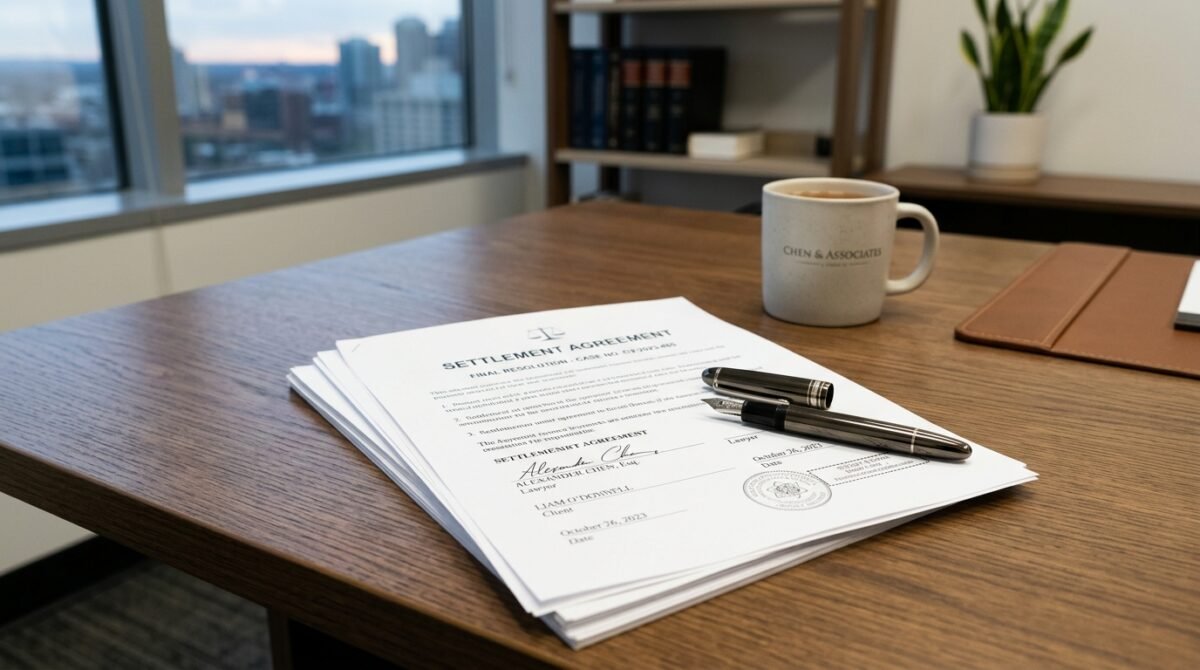
Pursuing the hotel for the unauthorized charges was a test of my patience and my resolve. It involved hours of back-and-forth emails, providing documentation, and talking to people who were initially skeptical of my claims. But the evidence was on my side. The forged signatures, the logs from the cabana desk, and the hotel’s own security footage proved that I was not the one authorizing these services. The hotel, terrified of the bad publicity and the potential legal implications of enabling fraud, finally agreed to investigate.
It wasn’t a quick fix. It took months of paperwork and, at one point, a threat of legal action against the resort for poor security protocols. During this time, Sarah tried to reach out several times. She sent long, rambling texts, alternating between apologies and further attacks on my character. She claimed that she was ‘suffering’ because of my decision to involve the hotel. I didn’t respond. I had blocked her on every platform, and I had instructed the hotel staff to direct all communication regarding the bill to my lawyer.
“I can’t believe you’re doing this to me. I thought we were sisters. Do you know how much this is going to hurt my credit score? You’re acting like a vindictive stranger.”
— Blocked Message from Sarah
I realized that the financial cost of the trip was only the tip of the iceberg. The time I spent dealing with this mess, the emotional toll, and the stress of potential legal entanglements were all costs that Sarah had imposed on me without a second thought. I started to calculate not just the $3,400, but the thousands of dollars in lost productivity and the personal cost of the therapy I needed to process the betrayal. It was a staggering amount, and it made me realize how much of my life I had given to a person who clearly didn’t respect me.
Eventually, the hotel agreed to waive the vast majority of the charges, settling for a small fee to cover the actual food consumption. It was a win, but it felt hollow. The money was back in my account, but the trust was gone, and the damage to the relationship was irreversible. I felt a sense of relief, but also a deep, lingering sadness for the friendship I had lost. I had stood my ground, I had won, but the victory felt like a final, closing chapter on a part of my life I would never get back.
Reflecting on the Pattern of Entitlement

Looking back, I can see the signs I ignored. Sarah had always had an air of entitlement, a belief that the world owed her something because of her charm or her status. She would borrow things and ‘forget’ to return them, or she would assume that I would pick up the tab at dinner because I had a higher-paying job. I had framed these behaviors as ‘quirks’ or ‘hobbies’—a way to avoid conflict and keep the friendship smooth. I was the enabler, and she was the beneficiary.
This is a common dynamic, especially among friends where there is an income disparity. The person with more is often expected to be the donor, the safety net, the one who doesn’t mind losing a little here and there. But there’s a difference between generosity and exploitation. Generosity is a choice, a gift given freely. Exploitation is a theft, a manipulation of trust to get what you want without the consequences. Sarah didn’t see me as a person; she saw me as a resource.
“I thought we were equals. But you were just a wallet. You were just a means to an end, a way to live a life you couldn’t afford on your own.”
The tragedy is that I think she genuinely believed her own narrative. She really did think that she was entitled to my money, that her ‘trauma’ gave her a free pass to do whatever she wanted. She lived in a world where her desires were the only reality, and anyone who stood in her way was a villain. I was just the latest obstacle in her path. This realization was the most painful part—not that she tried to steal from me, but that she never cared about me enough to even consider the impact of her actions.
I’ve started to look at my other relationships differently. I’m no longer the one who pays for everything. I’m no longer the one who apologizes when someone else crosses a boundary. I’ve learned that the people who truly care about you will respect your limits. They will value your contribution as much as their own. They won’t see you as a resource to be tapped, but as a partner in a mutual, respectful relationship. It’s a hard lesson, but it’s one I’m grateful to have learned before she could do even more damage.
Rebuilding Trust After the Betrayal

The hardest part of the aftermath was not the money; it was the cynicism that crept into my life. I found myself questioning everyone’s motives. When a friend offered to pay for a drink, I wondered if they were expecting a favor in return. When someone asked for a loan, I felt an automatic, defensive surge of ‘no’ that was painful to sit with. I had to consciously work to not let Sarah’s actions dictate how I interacted with the rest of the world. It was a daily practice of vulnerability and caution.
I started going to therapy to process the betrayal and the loss of the friendship. My therapist helped me understand that the issue wasn’t just Sarah; it was my inability to set firm boundaries. I had been raised to be ‘nice,’ to prioritize the comfort of others over my own needs. This upbringing had left me vulnerable to people like Sarah, who are experts at identifying and exploiting that kind of compliance. It wasn’t my fault that she stole from me, but it was my responsibility to make sure it never happened again.
“You are not responsible for other people’s bad behavior, but you are responsible for your own boundaries. You have to protect your peace.”
— Therapist’s advice during a session
I also learned to appreciate the friends who had stood by me. When they heard the full story—not the version Sarah had spun, but the cold, hard reality of the theft—they were horrified. They supported my decision to cut her off, and they helped me rebuild my confidence. I realized that my circle was smaller, but it was significantly stronger. The people who were left were the ones who truly respected me, the ones who didn’t view my generosity as an entitlement.
Rebuilding trust is a slow process. It’s not something you do overnight. It’s a series of small, consistent actions that prove that people are worthy of your trust. I’m taking my time. I’m being more selective about who I let into my life, and I’m being much more explicit about my boundaries from the start. I’m no longer afraid to say ‘no.’ I’m no longer afraid to ask for what I need. And most importantly, I’m no longer afraid to walk away from anyone who doesn’t treat me with the respect I deserve.
The Final Word: Setting the Standard

Today, I am in a much better place. The debt is gone, the friendship is a memory, and I have a much clearer understanding of my own worth. I don’t look back at the Cancun trip with the same sense of dread anymore. Instead, I look back at it as the moment I finally woke up. It was the catalyst for a fundamental change in how I approach my life, my money, and my relationships. I am no longer the person who lets others walk over me for the sake of ‘keeping the peace.’
I have learned that the most important relationship you will ever have is the one you have with yourself. If you don’t respect your own boundaries, nobody else will. If you don’t value your own hard work, nobody else will. I am proud of the woman I am today—the one who stood up for herself, the one who fought for the truth, and the one who had the courage to cut off a toxic influence, no matter how long the history was.
“Don’t set yourself on fire just to keep others warm. Your generosity should be a reflection of your abundance, not a depletion of your existence.”
To anyone out there who is currently dealing with a ‘friend’ who feels entitled to your time, your money, or your sanity: please listen. You do not owe them your silence. You do not owe them your bank account. You deserve friends who treat you with the same love, respect, and consideration that you give to them. If you’re questioning whether or not a relationship is toxic, if you’re constantly making excuses for someone else’s behavior, it’s time to take a hard look at the reality of the situation.
You are worthy of more. Don’t wait for a $3,400 bill to realize that you deserve to be treated with respect. Set your boundaries now, and if someone doesn’t like them, that is a reflection of their character, not yours. You are the architect of your own life. Make sure you build it with people who build you up, not people who look for every opportunity to tear you down.
Conclusion
My experience in Cancun was a brutal lesson, but one I am ultimately glad I learned. It stripped away the illusion of a decade-long friendship and forced me to confront the reality of my own boundary-setting (or lack thereof). It wasn’t just about the money; it was about the fundamental way I valued myself in relation to those around me. I lost a friend, but I gained a much deeper understanding of what it means to be a person of worth, deserving of respect and consideration.
I hope that by sharing this, I can encourage anyone else who feels trapped in a cycle of ‘being the nice one’ to take a step back and evaluate the costs—not just the financial ones, but the emotional and mental ones as well. Your boundaries are not petty, they are not ‘mean,’ and they are not a sign that you don’t care. They are the foundation of healthy, sustainable relationships.
What about you? Have you ever had a ‘friend’ who used your generosity to fuel their own entitlement? How did you handle it? Did you manage to set boundaries, or did you have to walk away entirely? Let’s talk about it in the comments below—I want to hear your stories and your advice for those currently stuck in the middle of a toxic dynamic.
What's your verdict on this dilemma?
Vote below to contribute to the official community consensus.

Have a Dilemma Keeping You Up at Night?
Share your real-life feud, wedding chaos, or relationship crossroads anonymously with our editorial team.
What do you think ?
0 Comments🛡️ Comments are moderated to protect community integrity. Your comment will appear once approved by the editorial team.