
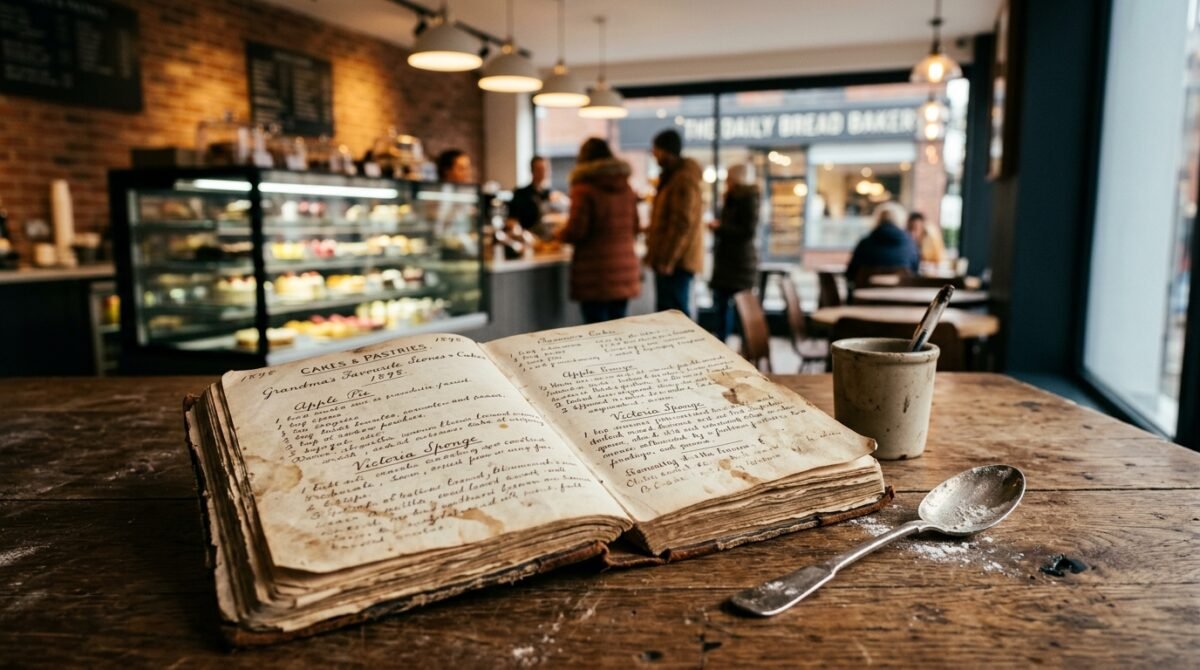
They say that food is the language of love, a sentiment passed down through generations in my family through a tattered, flour-dusted leather journal. That book wasn’t just a collection of instructions for sourdough starters and grandmother’s signature shortbread; it was my inheritance, a living archive of our ancestry. For years, my best friend, Sarah, was the only person outside of my bloodline who knew its secrets. We had planned to open a boutique bakery together, a dream fueled by countless late nights and shared cups of coffee.
But dreams can be dangerous when they encounter the cold, hard ambition of someone who stops valuing the person behind the promise. When Sarah suddenly went silent, stopped returning my calls, and then launched a high-end bakery in our neighborhood—featuring my great-grandmother’s precise signature recipes on her menu—the floor fell out from under me. The realization wasn’t immediate; it was a slow, agonizing burn that started with a post on social media and ended with a legal notice delivered to her pristine, granite-topped counter.
The dilemma here wasn’t just about the business loss; it was about the profound violation of trust. How do you handle a thief who isn’t a stranger, but the person who helped you hold the book in the first place? My journey from betrayal to legal action was paved with gaslighting, family pressure, and the uncomfortable reality that some people will burn down a decade of friendship for a shot at a profit margin.
In this narrative, I will pull back the curtain on the timeline of the betrayal, the specific moments where I realized the theft had occurred, and the fallout that forced me to choose between preserving a dying friendship or protecting my family’s legacy. This isn’t just a story about cookies and cakes; it’s about the cost of loyalty when that loyalty is completely one-sided.
The Shared Dream That Soured
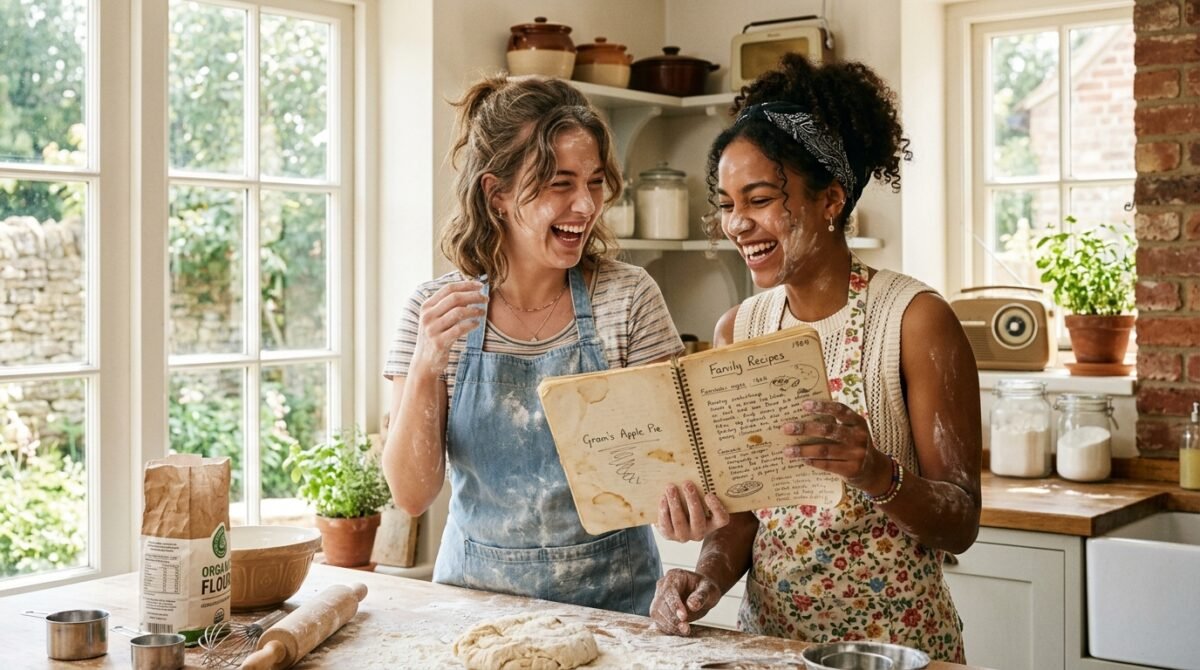
Sarah and I had been inseparable since we were toddlers. Our friendship was built on the foundation of shared lunches, school secrets, and eventually, a mutual obsession with professional baking. We spent four years developing a business plan, scouting locations, and testing the recipes in my kitchen. The recipe book was the heart of our operation. I trusted her implicitly with the ledger, even leaving it at her apartment for weeks while I was traveling for my corporate job.
Looking back, there were warning signs I chose to ignore. She would often comment on how ‘wasted’ these recipes were in a home kitchen, suggesting that they needed to reach a wider audience, but she always pushed for a version of the business that prioritized rapid expansion over my desire for quality control. I brushed it off as her being driven, never imagining that ‘driven’ meant stealing the very vehicle of our success.
The shift happened three months before she opened ‘The Golden Crumb’. She started distancing herself, claiming she was ‘taking some time to focus on her mental health’ and that she wouldn’t be able to help with the initial startup meetings. I believed her, even sending her supportive texts and flowers to her house to keep her spirits up. I was entirely blind to the fact that those ‘mental health’ days were being spent finding a commercial lease and filing for an LLC.
“I just need space to figure out who I am outside of our partnership, OP. Please respect my process and stop texting me about the business plan.”
— A text message from Sarah, sent two weeks before the grand opening.
I felt guilty for being needy. I gave her the space she requested, not realizing that I was essentially giving her the runway she needed to launch the project that would eventually destroy our friendship. The trust I had invested in her was being weaponized against me, and I was sitting at home, completely oblivious, still thinking we were on the same team.
The Instagram Announcement That Changed Everything

The betrayal hit me on a Tuesday morning while I was scrolling through my feed. A sponsored post popped up for a new bakery in town. At first, I didn’t recognize the brand, but then I saw the signature item: ‘Great-Grandma’s Lavender Honey Shortbread’. The name was slightly modified, but the description was verbatim. My stomach dropped. I clicked on the profile, and there she was—Sarah—standing in front of a shiny new espresso machine, smiling like she hadn’t just stolen my soul.
I couldn’t breathe. I grabbed my copy of the recipe book from my drawer, panic rising in my throat. I flipped through the pages, looking for the physical copy I had left at her place. It was gone. I had retrieved it a month ago, but I hadn’t checked the contents closely because I trusted her. She must have photographed every single page during the months she had it. The sheer premeditation of it was what hurt the most.
I tried calling her immediately. She sent it to voicemail. I called again, and this time, she picked up, but her voice was cold, professional, and entirely devoid of the warmth I had known for twenty years. It was as if I was talking to a stranger who had been practicing this conversation in a mirror for weeks.
“Sarah, I see what you’ve done. You used my family’s recipes. You stole the book! How could you do this after everything we planned?”
“OP, you’re being hysterical. Those recipes are common knowledge. You don’t own the concept of shortbread, and frankly, you were never going to actually launch the business. I just moved faster.”
— A tense, heated phone call during which the truth finally surfaced.
The conversation ended with her threatening to block my number if I ‘harassed’ her further. She actually used the word ‘harassed’ to describe me asking about my own intellectual property. I sat on my kitchen floor, surrounded by the smell of yeast and disappointment, realizing that the person I had spent my entire life with was dead, replaced by an opportunist.
The Legal Reality Check
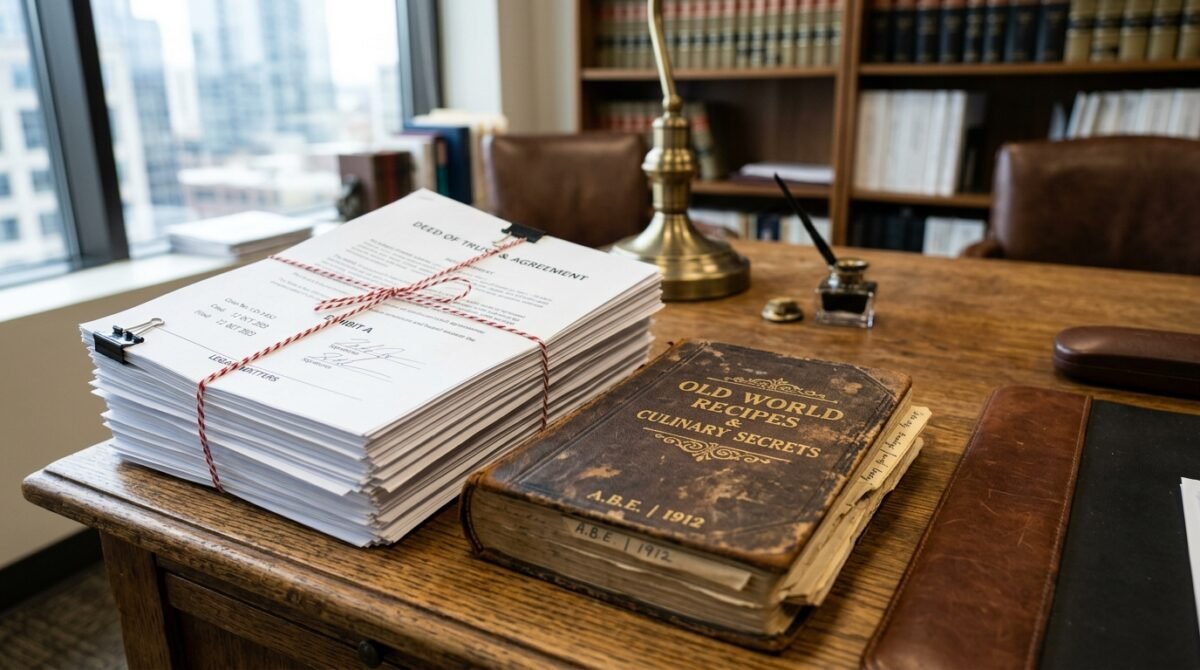
I didn’t go to the internet for advice at first; I went to a local attorney who specialized in intellectual property and small business disputes. I assumed this would be an open-and-shut case. I had documentation of the recipes, the dates they were written, and years of email chains between Sarah and me discussing the business. However, the lawyer quickly grounded me in the harsh reality of food law.
He explained that while the specific aesthetic and branding could be protected, the recipes themselves were difficult to copyright. The law protects the ‘expression’ of the recipe, not the chemical formula of the food. If she had tweaked the quantities or changed the order of instructions, she might be in the clear. But the blatant use of my great-grandmother’s signature, and the fact that she was using our original business plan’s structure, gave us a sliver of hope.
He drafted a cease and desist letter that was firm, cold, and legally imposing. It demanded that she cease using our specific proprietary descriptions, remove the stolen branding elements, and pay a licensing fee if she wanted to continue using the specific recipe structures that I could prove were unique to my family. It was a bluff, in some ways, but it was a necessary one to show her that I wasn’t just a heartbroken friend—I was a business owner defending her assets.
The preparation for sending that letter was the most stressful week of my life. I had to categorize every single recipe, find the oldest dates of origin, and create a timeline of our partnership. My dining room table became a war room, covered in legal pads, printouts of emails, and photos of my grandmother cooking from the original book. It was a grueling process that forced me to relive every positive memory and turn it into a piece of evidence.
The Unannounced 6:00 AM Kitchen Intrusion

I was in my kitchen, early in the morning, trying to get a head start on some baking, when I heard a frantic pounding on my front door. I looked through the peephole and saw Sarah. She looked disheveled, her makeup smeared, and she was pacing back and forth on my porch. I didn’t want to open the door, but the noise was waking up the entire neighborhood. I cracked it open, my heart pounding in my chest.
She didn’t even say hello. She pushed past me, walking straight into my kitchen as if she still lived there. She saw the legal documents spread out on the counter and scoffed. The audacity of her, coming into my home while I was in the middle of preparing to take legal action against her, was staggering. She started yelling, saying that I was ruining her life and that the letter had scared off her investors.
“You’re going to destroy both of us! My investors are asking questions about the recipes. If you pull this, the business folds, and I lose everything. Is that what you want?”
“You shouldn’t have stolen from me, Sarah. You wanted the business? You should have been honest. You didn’t just steal a recipe; you stole our history.”
— A tense confrontation in the kitchen at dawn.
I told her to leave. I had to threaten to call the police before she finally retreated. She left, but not before slamming my front door so hard it cracked the wood. That was the moment I knew there was no going back. Any shred of friendship had been obliterated by her need to keep the stolen goods. I realized then that she didn’t care about the recipes at all; she cared about the power dynamic, and by challenging her, I had become the villain in her narrative.
The Secret Group Chat OP Wasn’t Supposed to See
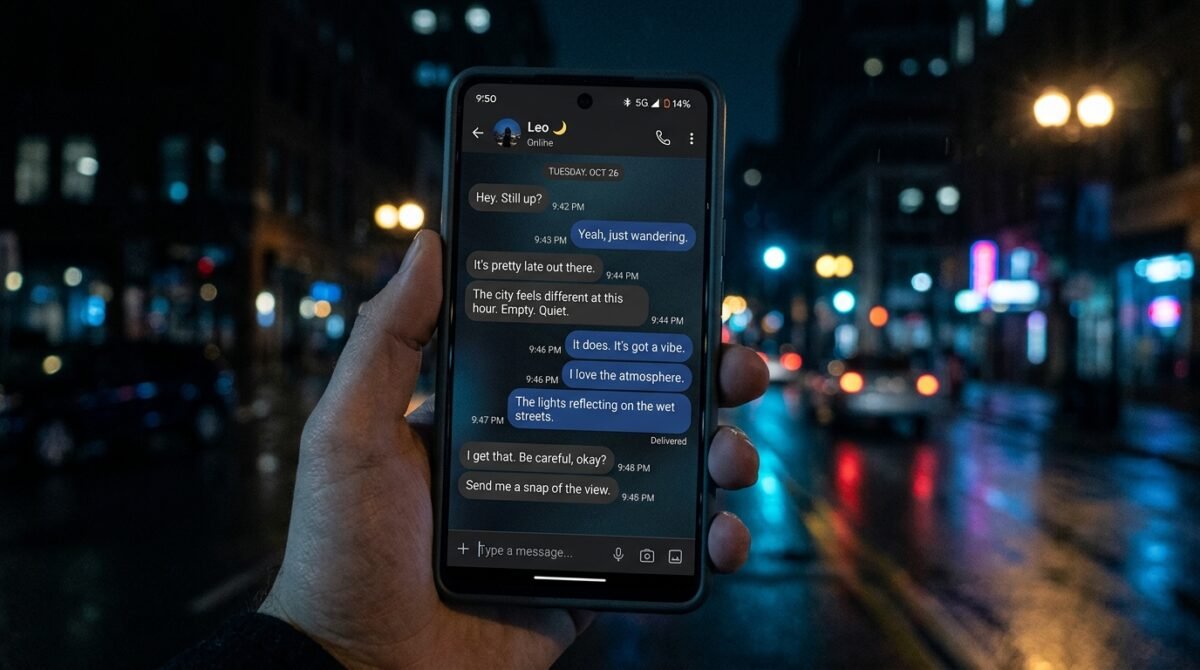
A week later, I received a message from a mutual friend who felt guilty about the situation. She sent me screenshots from a private group chat that Sarah had created with our shared social circle. The chat was titled ‘The Real Victims of OP’s Greed’. I read through the messages, my hands shaking so violently I almost dropped my phone. Sarah had been spinning a narrative that I was a controlling, unhinged business partner who refused to let her grow.
She claimed that I had ‘gifted’ her the recipes in a drunken moment, and that I was now having a mental breakdown because I couldn’t handle her success. She was painting me as a jealous, sabotaging ex-friend who was trying to extort her. The messages were filled with insults about my baking, my work ethic, and my character. It was a systematic effort to alienate me from our entire community.
“Honestly, she’s just bitter that I actually did the work. She wanted to play bakery, I wanted to build a legacy. If she tries to sue, I have my lawyers ready to counter-sue for defamation. She’s just a sad, lonely girl with a dusty book.”
— A leaked text from the group chat where Sarah discusses the legal threat.
Seeing my life, my history, and my character torn apart in a text thread was worse than the theft of the book itself. I realized that she wasn’t just a thief; she was a master manipulator. She needed to make me the villain so that she could justify her actions to everyone else. It was gaslighting on a massive scale, and it was working. Most of our friends had stopped messaging me, presumably believing the lies she was feeding them.
Why the Sunday Dinner Table Went Completely Silent
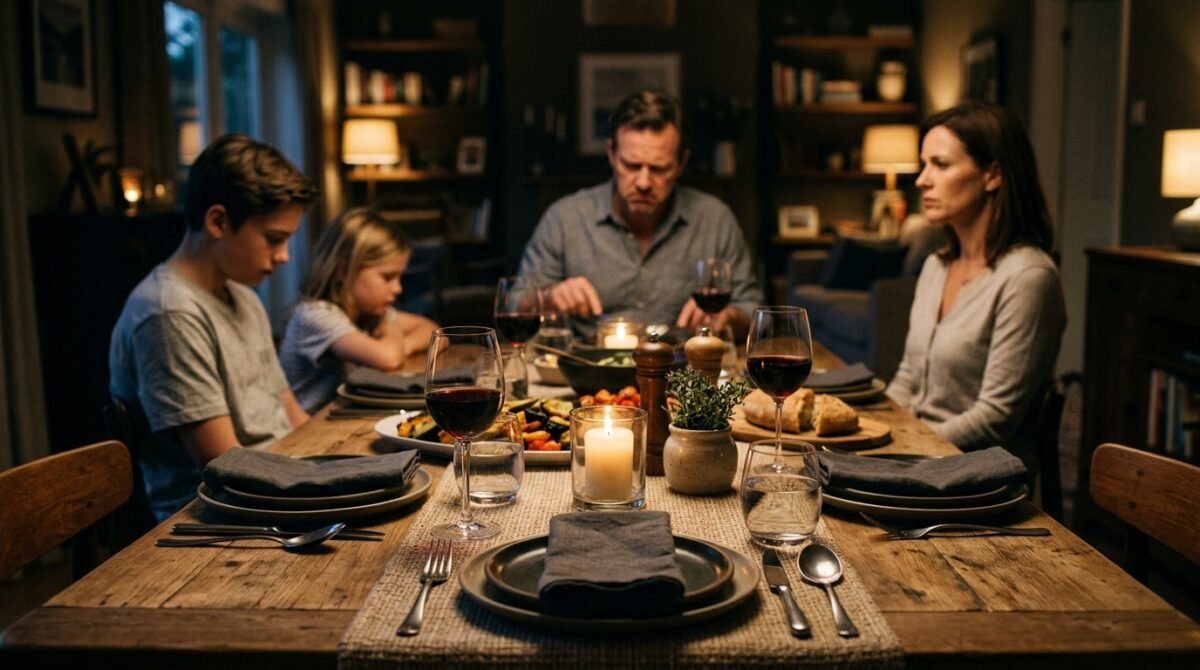
My parents and Sarah’s parents have been friends for thirty years. Sunday dinner at our house was a tradition that hadn’t missed a beat in over two decades. But this Sunday, the tension was thick enough to cut with a knife. Sarah had been invited by my mother, who still hadn’t fully grasped the gravity of the situation. When Sarah walked through the door, the air in the room just vanished.
She acted like nothing had happened. She brought a box of pastries from her bakery, placing them on the table with a flourish. My father didn’t touch them. He just looked at her, his eyes cold. The conversation was strained, mostly consisting of small talk about the weather and work. Every time Sarah mentioned her ‘new project’, I could feel my blood pressure rising.
I finally couldn’t take it anymore. I stood up and excused myself, but my mother stopped me. She asked why I was being so cold to my ‘best friend’. I looked at Sarah, then at my mother, and decided to let the truth out. I told them everything, from the theft of the book to the leaked group chat messages. The silence that followed was deafening. Sarah didn’t even try to deny it; she just sat there, looking down at her plate.
“She stole my grandmother’s legacy, Mom. She didn’t just steal a recipe; she stole everything that meant anything to me. And then she went to our friends and lied to make me look crazy.”
— A moment of absolute honesty at the family dinner table.
My mother’s face went pale. She looked at Sarah, who was clearly caught, and for the first time, I saw her realize that her ‘daughter’s best friend’ was a fraud. Sarah stood up, grabbed her coat, and left without a word. She never came back to our house. The Sunday dinners, however, were never the same again, forever marked by that moment of confrontation.
The Certified Letter That Changed Everything
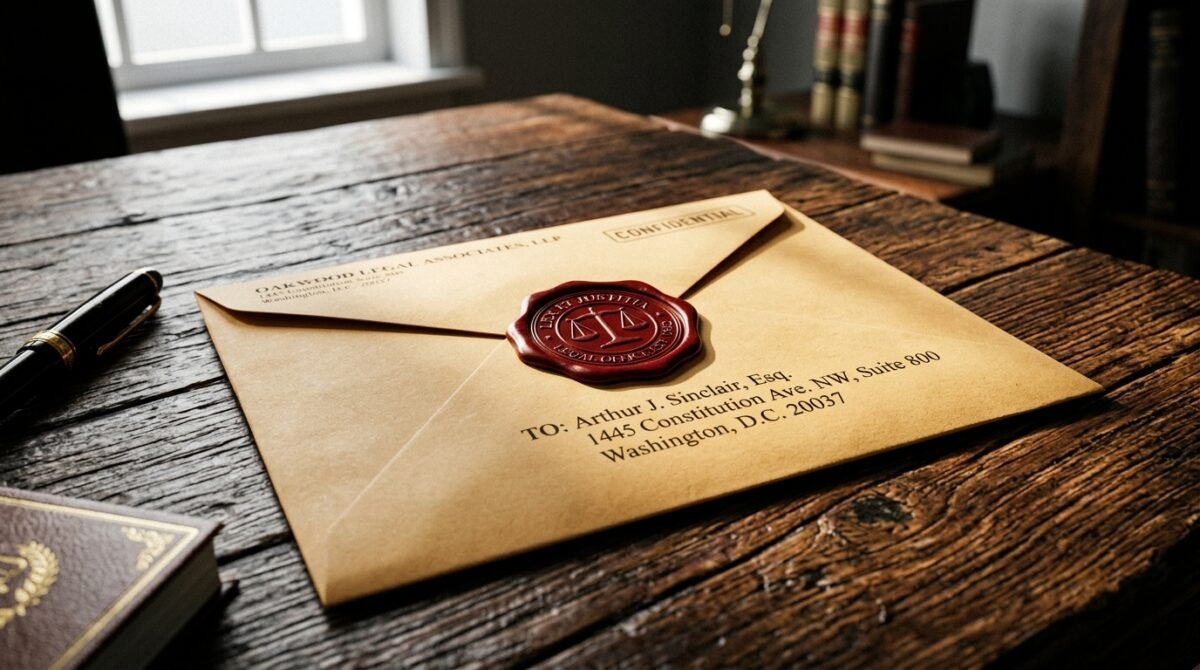
The cease and desist letter arrived at her bakery’s front desk via courier. My lawyer kept me updated on her reaction. She had attempted to call him, but he refused to speak with her directly, directing her to communicate only through her own legal counsel. It was the moment the reality of the situation finally hit her. This wasn’t a playground spat anymore; this was a legal matter that could potentially shut her down.
Within forty-eight hours, I received a call from her attorney. They were trying to settle. They wanted to negotiate a ‘co-existence’ agreement where she could continue to use the recipes, provided she gave me credit and a percentage of the profits. My lawyer advised me that this was actually a win, as it would be nearly impossible to stop her from using the recipes entirely without a long, expensive court battle.
I sat with the offer for a long time. I realized that no amount of money could fix the friendship. I didn’t want a partnership with her, not even a professional one. I wanted her to stop using the brand identity that I had built. I instructed my lawyer to counter-offer: she could keep the recipes, but she had to rebrand entirely, remove any reference to my grandmother’s name, and pay a lump sum to cover the cost of my legal fees.
It was a compromise, but it felt like the only way to move on. I was tired of being the person who was constantly looking over their shoulder, worrying about what she was doing next. I wanted to focus on my own life, my own baking, and my own future. Giving her the recipes in exchange for a clean break felt like the best way to reclaim my peace of mind.
The Internet Weighs In

When I finally posted a redacted version of the situation on an anonymous forum, the response was overwhelming. Thousands of people reached out with support, advice, and their own stories of betrayal. It was the first time I felt like I wasn’t alone. The community helped me realize that what happened to me wasn’t just a simple disagreement, but a classic case of a toxic individual preying on a trusting friend.
“You need to stop thinking about the friendship and start thinking about the assets. She is not your friend, she is a business competitor who has already shown you who she is. Block her, sue her for everything you can, and never look back. NTA, OP. Absolutely NTA.”
— u/BreadAndButterAdvice (Top Comment, 18.2k upvotes)
There were, of course, the contrarians. Some people felt that ‘recipes are for everyone’ and that I was being petty. But the overwhelming majority stood with me, offering me encouragement and validation. Reading the comments helped me realize that the gaslighting I had been subjected to by Sarah was not my fault. It was a deliberate tactic to keep me quiet and compliant.
The thread became a hub for people who had experienced similar situations in their own lives. I read stories about stolen intellectual property, betrayed partnerships, and the pain of realizing that someone you love is not who you thought they were. It was a cathartic experience that helped me stop questioning my own sanity and start focusing on my recovery.
Reclaiming My Passion
After the legal agreement was signed, I took a long break from baking. Every time I touched the recipe book, I felt the pain of the betrayal. I started working on new recipes, ones that were entirely my own, separate from the ones Sarah had stolen. It was a therapeutic process, rediscovering my own creativity without the shadow of the past hanging over me.
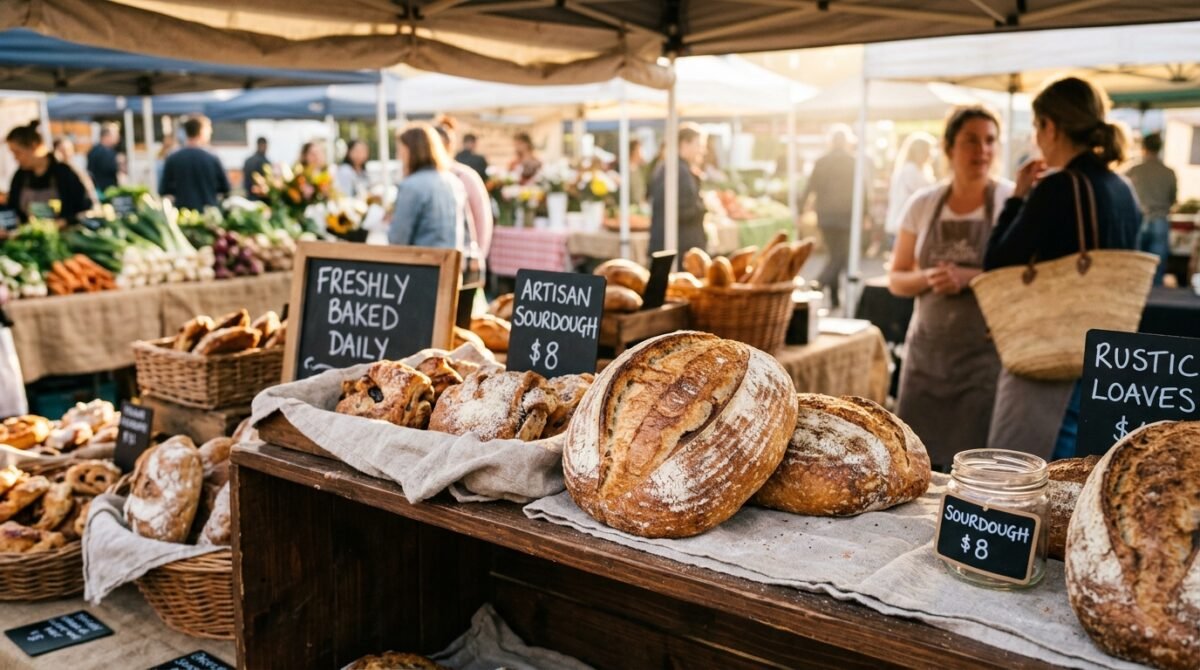
I eventually started selling my own goods at a local farmers’ market. It wasn’t the big, flashy bakery that Sarah had, but it was mine. Every loaf of bread, every pastry was a testament to my hard work and my own talent. I wasn’t relying on my great-grandmother’s legacy anymore; I was building something new, something that was entirely, authentically mine.
The process of rebuilding was slow, but it was rewarding. I started to find joy in baking again, not as a duty or a family obligation, but as an expression of my own personality. I met new people who were genuinely supportive, and I learned to set boundaries in my relationships, something I had never been good at before. I realized that my value wasn’t tied to the things I could provide to others, but to the person I was becoming.
I still think about Sarah sometimes. I see her bakery on social media occasionally, and while it still stings, it doesn’t break me. I’ve realized that the life she built is built on a lie, and that kind of foundation can never truly hold up in the long run. I, however, am building my life on a foundation of truth and hard work, and that is a much stronger place to be.
Lessons From the Ashes

Looking back, the biggest lesson I learned was that trust is not a birthright; it is something that must be earned and maintained. I gave Sarah my trust without expecting anything in return, and I paid the price for it. I now understand that even the closest friends can have a different set of values, and that it is okay to put yourself first, especially when it comes to your own creations and your own intellectual property.
I’ve also learned the importance of documentation. Whether it’s in business or in life, having a record of your agreements, your progress, and your contributions is essential. It’s not about being suspicious of others; it’s about protecting yourself and your work. I used to think that being ‘professional’ with friends was cold, but now I know it’s just responsible.
I’m still healing from the betrayal. It’s a process that takes time, and there are days when the anger still flares up. But I’ve learned to manage it, to channel it into my work, and to focus on the things that bring me joy. I’ve realized that life is too short to be wasted on people who don’t have your best interests at heart, and that it’s perfectly okay to close the door on people who have shown you that they don’t value you.
I am grateful for the journey, as painful as it was. It taught me who I am and what I’m capable of. I’ve come out on the other side as a stronger, more resilient person, and I’m ready for whatever comes next. I hope that by sharing my story, I can help others who might be in a similar situation, and perhaps save them some of the pain that I went through.
Conclusion
The story of my recipe book and the ensuing fallout with my best friend is a testament to the fact that sometimes, the people we love the most are the ones who can hurt us the deepest. It was a difficult journey, one that forced me to look at my life, my values, and my relationships in a completely different way. But through the pain and the betrayal, I have found a new sense of strength and a renewed passion for my own creative work.
I’ve learned that the cost of trust can sometimes be very high, but the price of integrity is always worth it. I am no longer the person who was taken advantage of; I am someone who stood up for themselves and their legacy. And while the wounds may never fully heal, they have become a part of my story, a story of resilience, of reclaiming my voice, and of moving forward into a brighter future.
What about you? Have you ever had a friend or family member betray your trust over a business idea or a shared creative project? How did you handle it, and what did you learn from the experience? Let’s talk about it in the comments below—your experiences might be the guidance someone else needs to stand up for themselves.
What's your verdict on this dilemma?
Vote below to contribute to the official community consensus.

Have a Dilemma Keeping You Up at Night?
Share your real-life feud, wedding chaos, or relationship crossroads anonymously with our editorial team.
What do you think ?
0 Comments🛡️ Comments are moderated to protect community integrity. Your comment will appear once approved by the editorial team.