
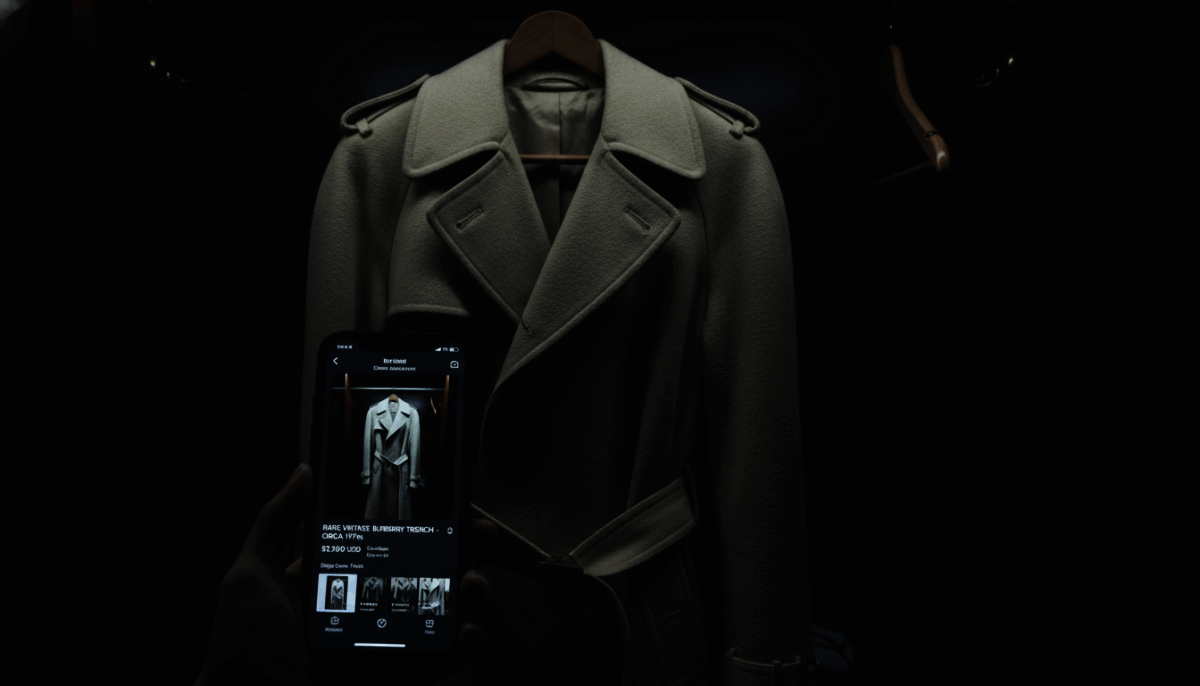
Friendship is often described as a sacred bond, a pact of mutual respect and unspoken boundaries. For Sarah and I, that bond spanned two decades. We grew up together, sharing secrets, clothes, and dreams, and through the years, we developed a system of trust that I believed was unbreakable. Or, at least, I did until last Tuesday. The item in question was not just a piece of clothing; it was my grandmother’s 1970s Burberry trench coat—a piece of family history I had painstakingly restored and maintained.
When Sarah asked to borrow it for a ‘high-stakes’ networking brunch, I hesitated. Not because I didn’t trust her with the coat, but because it was delicate. She looked me in the eye, swore on her life that it would be returned in pristine condition, and left my apartment with a promise that felt heavy with sincerity. I had no reason to doubt her. We were as close as sisters, and she knew the sentimental value that coat held for me.
Three days passed. I checked my phone, expecting a text about how the event went or a notification that she was on her way over to return the garment. Instead, I received a push notification from a luxury consignment app I frequent—a curated alert for a vintage trench coat in my size. My heart skipped a beat as I opened the app, expecting a coincidence. The photos were too clear, too familiar. The specific stitching on the cuff, the slight discoloration on the bottom interior lining—it was my coat.
My hands shook as I clicked through the listing. The seller was a user named ‘SarahVee92.’ The description boasted about it being a ‘rare, vintage find’ with ‘minimal wear,’ priced at nearly three times what I had seen similar pieces sell for. The realization didn’t hit me all at once; it was a slow, sickening descent into cold, hard reality. My best friend hadn’t just borrowed my clothes; she had effectively liquidated my personal property for a quick profit.
I sat on my living room floor, staring at the screen, unable to process the audacity. How could someone who knew the history of that coat, someone who had watched me cry over the loss of my grandmother, turn around and try to sell it to a stranger? The moral dilemma wasn’t just about the money. It was about the complete erasure of our shared history for a few hundred dollars of quick cash. This wasn’t just a misunderstanding—it was a calculated act of betrayal.
The Initial Request and the Promise
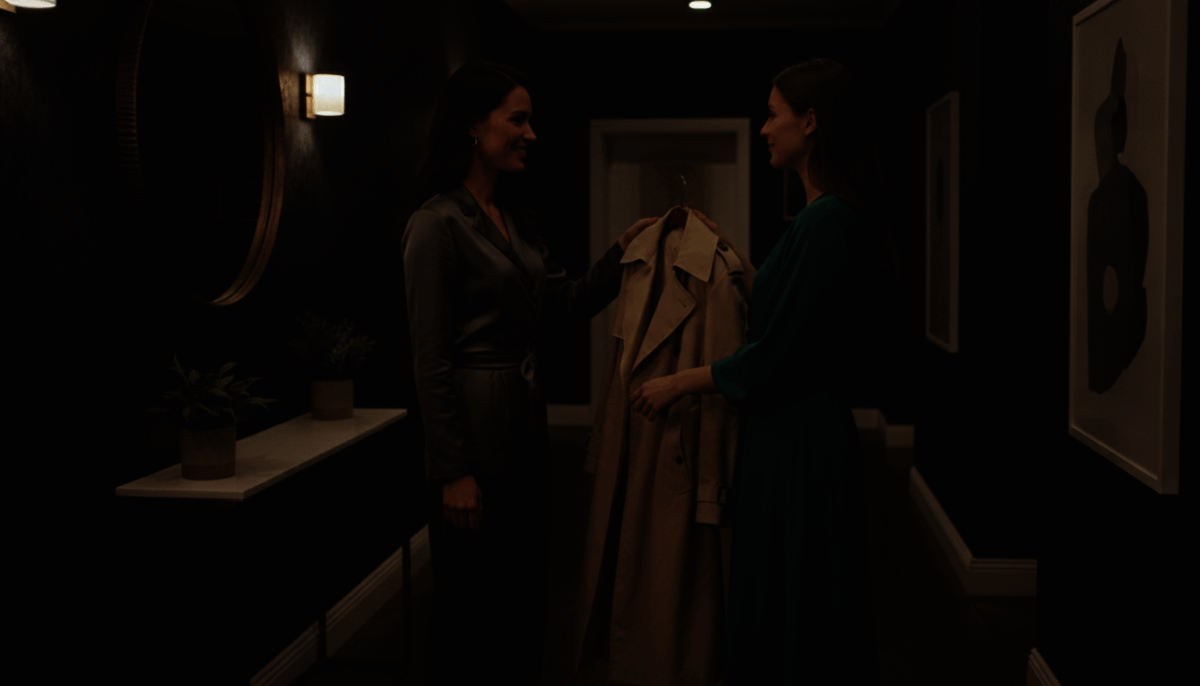
The request came on a rainy Tuesday evening. Sarah had stopped by my place, looking uncharacteristically polished. She was wearing a chic outfit that clearly needed a focal point—a classic silhouette. When she spotted the coat hanging in my guest closet, her eyes lit up with a familiar, hungry intensity. She asked to borrow it with a level of charm that usually disarmed my better judgment. ‘It’s for the career-defining brunch, Clara,’ she said, clutching her hands in mock desperation. ‘If I look the part, I get the lead. I just need that edge.’
I felt a twinge of apprehension. That coat was an heirloom. I reminded her of the history, the time it took to source the original buttons after they went missing during a move. She listened, nodded, and even wiped away a fake tear. ‘I promise, I will treat it like it’s my own,’ she whispered. She made me promise not to post photos of her wearing it, saying she wanted to keep her look a surprise for the people she was meeting. In hindsight, I see now that was the first red flag.
I handed it over, watching her put it on. She looked stunning in it, the beige fabric catching the light of the hallway. She did a little twirl, thanked me profusely, and walked out the door. The air in my apartment felt lighter, and I genuinely felt proud to help her. I thought this was what friends did for each other. I thought we were a team.
“You’re a lifesaver, Clara. I’ll bring it back by Thursday, freshly dry-cleaned, I swear. You are literally the best friend anyone could ever ask for.”
— Sarah, before leaving with the coat
I didn’t think twice about the exchange. I spent the next two days assuming she was out making her big break. I sent one text on Wednesday checking in, but she didn’t respond. I attributed it to the busy schedule of someone on the cusp of a major promotion. I was actually rooting for her. I was excited to hear all the details of the brunch and see if the coat had indeed brought her the confidence she claimed she needed.
Looking back, the silence should have been deafening. But I was so blinded by the years of shared history that I gave her the benefit of the doubt. I didn’t realize that in her mind, our friendship was just a resource to be harvested. I was the donor, and she was the operator. The coat wasn’t a borrowed item; it was inventory.
The Discovery on the App
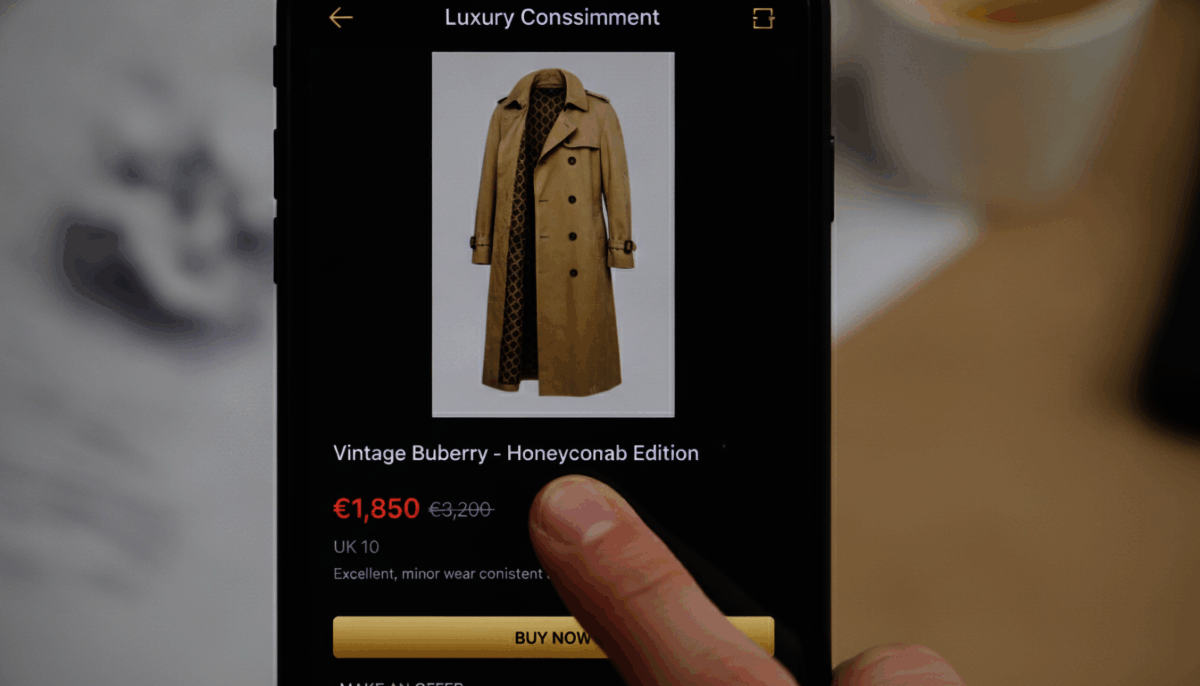
Thursday morning arrived, and with it, the notification that shattered my world. I was sipping coffee, scrolling through my feed when the ‘New Listing’ alert popped up. At first, I ignored it. Then, the thumbnail caught my eye. I clicked it, and my breath hitched. The photos were taken in a brightly lit room with a white backdrop—likely Sarah’s bedroom. The coat was laid out perfectly. I zoomed in on the hem. There was the tiny, ink-like smudge from when I’d leaned against a dry-erase board in my office three years ago.
It wasn’t just my coat. It was my identity, my history, and my trust being hawked to the highest bidder. My heart began to race. I checked the seller’s profile. The bio was empty, but the username ‘SarahVee92’ was unmistakably hers. She had joined the platform just yesterday. She hadn’t even waited for the event to end. She had taken the coat, photographed it, and listed it before she even had a chance to wear it.
I felt a wave of nausea wash over me. I tried to call her, but it went straight to voicemail. I sent a text, then another. My fingers flew across the screen. I was oscillating between rage and pure, unadulterated disbelief. I felt like I was experiencing a glitch in the simulation. How could someone be so brazen? Did she think I wouldn’t see it? Or worse, did she know I would see it and just not care?
“Hey Sarah, are you serious right now? I just saw the listing on the app for my coat. Please tell me this is some kind of sick joke. Take it down immediately.”
— My text message to Sarah
I waited for hours. Nothing. The listing remained active. More people were favoriting it by the minute. I felt my property being auctioned off in real-time, and I was utterly helpless to stop it. The irony of the situation wasn’t lost on me—my own friend was turning my grandmother’s legacy into her own personal spending money. The betrayal felt physical, a sharp pain in my chest that wouldn’t subside.
I started taking screenshots of everything. The photos, the price, the description. I needed proof. I knew that if I confronted her directly without evidence, she would try to gaslight me, as she had done so many times in the past. This time, I was going to be ready. I spent the afternoon documenting the entire situation, my mind racing with scenarios of how to handle the inevitable fallout.
The Confrontation

When she finally called me back, it was late in the evening. She sounded calm, almost bored. I didn’t give her a chance to speak first. I laid it all out. I told her I knew exactly what she was doing. I told her I had screenshots. I told her that she needed to delete the listing and bring my coat back to my apartment within the hour, or I would be taking much more drastic measures. Her response was chillingly cold.
She didn’t deny it. Instead, she started to lecture me on ‘entrepreneurial spirit’ and how ‘the coat was just sitting in the closet doing nothing.’ She told me that I was being petty and that she needed the money for an emergency. She turned the narrative, accusing me of being selfish for not supporting her in her time of need. I was stunned. It was a masterclass in manipulation.
“Clara, don’t be dramatic. I was going to buy you a new one with the profit. It’s called being resourceful. You’ve always been so attached to things that don’t matter. This is about my future.”
— Sarah’s response during our phone call
I could hear the entitlement dripping from her voice. She genuinely believed she had the right to do this. She viewed my belongings as her personal assets. It was then that I realized I didn’t really know this person at all. Everything I thought we had built was a foundation of sand. She was willing to throw away twenty years of friendship for a few hundred dollars. I realized then that she had been doing this for a long time—borrowing things, ‘losing’ them, and then conveniently never replacing them.
I told her that if the coat wasn’t back by morning, I would report her account for fraud to the app and file a police report for theft. The silence on the other end was heavy. She finally hung up on me. I spent the rest of the night pacing my living room, unable to sleep. My head was spinning with the implications of the entire night’s events. I had lost a friend, but I was fighting to save the last tangible piece of my grandmother.
The next morning, I woke up to a notification on my phone. The listing had been deleted. But the coat wasn’t back. I felt a surge of panic. Where was it? Had she already sold it to someone else offline? I reached out to the app’s support team, providing all the screenshots and evidence I had gathered. I was determined to get my property back, no matter the cost to our friendship. It was already dead; now it was just a matter of justice.
The Fallout and Social Circles

Word traveled fast. Within 48 hours, our mutual friends were asking questions. Sarah had spun a narrative that I was ‘going through a mental health crisis’ and was ‘harassing her over a piece of old clothing.’ She played the victim so well that I found myself having to explain the situation to people I considered close friends. It was exhausting. I felt like I was being gaslit by the entire group, and some were even suggesting I just ‘let it go’ to keep the peace.
The pressure to apologize was immense. I had people telling me that I was ‘overreacting’ and that Sarah was ‘stressed’ and ‘would have made it right eventually.’ It was maddening. I started to distance myself from the group. I didn’t want to be around people who couldn’t see the moral bankruptcy in what she had done. I felt incredibly isolated, but I also felt a strange, new sense of clarity. I was finally seeing the dynamics for what they were.
One by one, the people who were truly my friends reached out, confused by the story Sarah was telling. I sent them the screenshots. The shift in their perspective was immediate. Once the evidence was presented, there was no room for her narrative. It was clear that she had stolen from me. The realization that I had been protecting her reputation for years made me sick. I had covered for her so many times, and this was how she repaid me.
“I had no idea she was capable of this. I’ve been lending her my designer bags for months. I feel like such an idiot. Thank you for showing me the truth.”
— A mutual friend, in a private message
The fallout wasn’t just about the coat anymore; it was about the exposure of her character. The ripple effect was massive. People started checking their own inventories, realizing how many items of theirs had gone ‘missing’ after being lent to Sarah. It was a systematic pattern of behavior. I wasn’t the only victim; I was just the only one who had the concrete proof to call her out publicly.
She reached out to me a few days later, begging me to take down the screenshots I had shared with our friends. She said I was ‘ruining her reputation.’ I didn’t respond. At this point, there was nothing left to say. I had my coat back—she had dropped it off in a crumpled plastic bag on my porch while I was at work—but the damage to the relationship was irreparable. The cost of her greed had been the end of our friendship.
The Reddit Community Weighs In
I decided to post my story on a popular forum to see if I was crazy. I needed a reality check. I laid out the entire timeline: the borrowing, the listing, the confrontation, and the aftermath. Within minutes, the comments started flooding in. The validation was overwhelming. People weren’t just siding with me; they were horrified by the level of entitlement Sarah displayed. The thread blew up, reaching the front page in less than four hours.
The consensus was unanimous: I was not the one at fault. People pointed out that what she did was not just unethical, it was legally theft. Many commenters shared their own horror stories of friends taking advantage of their kindness. It was strangely comforting to know that I wasn’t alone, that this was a common enough issue that there was a name for it: ‘The Entitled Friend Syndrome.’
“This isn’t just about a coat, OP. This is about a predator in your inner circle who has been using you for years. Cut her off completely and don’t look back. You are not responsible for her ‘career’ or her ‘financial struggles.’ She is a thief, plain and simple.”
— u/JusticeForClara (Top Comment, 32.4k upvotes)
The advice was varied. Some suggested legal action, while others warned that she would continue to try to manipulate me if I didn’t go ‘no contact.’ I took every piece of advice to heart. The community also helped me realize that my guilt was a byproduct of her manipulation. I had been conditioned to feel bad for her, and that was the most toxic part of our dynamic. It was time to break the cycle.
I felt a massive weight lift off my shoulders. The community’s response acted as a mirror, showing me the reality of the situation without the cloud of my past attachment to her. I wasn’t a bad friend for calling her out. I was a person standing up for herself. The internet, in all its chaotic glory, had provided me with the objective perspective I had been missing.
I kept the thread updated for a few days, answering questions and providing more context. It became a space for people to vent about their own experiences, and I realized that my story was just a small piece of a larger societal issue. We are taught to be ‘nice’ and ‘helpful,’ but we are rarely taught how to set boundaries when those traits are being exploited by the people we trust the most.
The Legal Reality Check

After the dust settled, I spoke with a legal acquaintance just to be sure about where I stood. They confirmed my suspicions: Sarah’s actions were textbook conversion of property. Even if she intended to ‘make it right,’ the act of listing my item as her own without my consent was a violation. It wasn’t just a moral failing; it was a civil liability. I didn’t end up filing formal charges because I had the coat back, but the knowledge that I had the legal upper hand gave me a sense of security I hadn’t felt in weeks.
I also learned about the ‘terms of service’ on these consignment apps. They take unauthorized listing very seriously. I had already reported her account, and the platform had permanently banned her from selling. This was the consequence that mattered to her most—not the loss of our friendship, but the loss of her ability to monetize other people’s property. She was furious when she found out, sending me a flurry of angry, incoherent messages.
“You’re really going to ruin my reputation over an app? You’re so pathetic. I hope you’re happy with your stupid coat. Nobody likes you anyway, Clara.”
— Final text message from Sarah
I didn’t reply to the final outburst. I simply blocked her number. It was the most satisfying thing I had done in years. The lack of response was my power. She wanted a fight, she wanted a reaction, she wanted to drag me down into the mud with her. By simply cutting her off, I denied her the one thing she craved: control over my emotions.
The legal side of things taught me that my belongings have value that extends beyond the monetary. They represent boundaries. When I allow someone to cross those boundaries, I am essentially telling them that my life and my things are theirs for the taking. Never again would I be so casual about my possessions, especially the ones that carry deep, personal meaning.
Looking back, the legal threat was the final nail in the coffin of our relationship. It made her see that I was no longer the pushover she had counted on. She realized she couldn’t manipulate the system, and she realized she couldn’t manipulate me. That realization was the ultimate victory, even if it came at the cost of a decade-long bond.
Reflecting on the Trust Gap
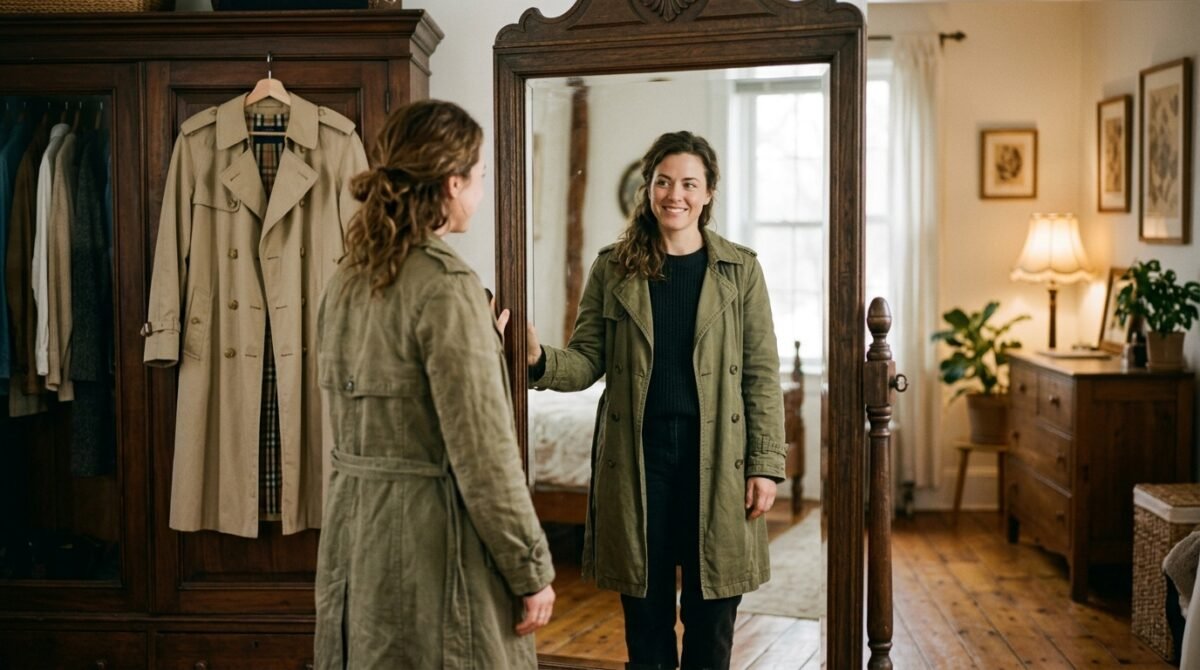
Months later, I find myself looking at my closet with a different set of eyes. The coat is back, cleaned and repaired, hanging right where it belongs. But the experience changed the way I interact with everyone in my life. I’ve become more cautious, perhaps a bit more guarded. It’s not necessarily a bad thing; it’s a necessary evolution. I used to think that true friendship meant having no boundaries, but now I understand that true friendship requires them.
I’ve had to re-evaluate many of my relationships, not just with Sarah. I looked at how I let people walk all over me, how I apologized for things I didn’t do, and how I consistently put others’ needs above my own. The betrayal was the catalyst for a much deeper self-reflection. I realized that my own lack of self-respect had invited this kind of treatment into my life. If I didn’t value my things, why should anyone else?
I’ve started to set firm boundaries with my friends and family. It’s uncomfortable at first, but it’s liberating. When someone asks to borrow something, I don’t feel the need to say yes just to be ‘nice.’ I’ve learned that saying ‘no’ is a complete sentence. It’s a way of protecting my peace and the things I love. It’s a lesson that cost me a coat and a friend, but it was worth the price.
“Setting boundaries is not an act of hostility, but an act of self-love. If someone gets angry when you say no, it only confirms that they were only in it for what they could get from you.”
— My therapist, during one of our sessions
The hole in my social circle left by Sarah was quickly filled by people who respect me. I’ve found that when you stop allowing toxic people to occupy your time and energy, you make room for those who actually care about you. It’s been a beautiful transformation, one that I wouldn’t have embarked on if I hadn’t been pushed to the edge by that one, final, unforgivable act.
I still think about her sometimes. Not with anger, but with a strange, detached pity. She is a person who has to burn every bridge she crosses to get a little bit of heat. That’s a lonely way to live. I, on the other hand, have my life, my dignity, and my coat. And for the first time in a long time, that’s more than enough.
Financial Lessons and Ownership

One of the biggest lessons I learned from this ordeal was the importance of keeping an inventory of my high-value items. I started a simple spreadsheet, documenting the purchase date, the estimated value, and the condition of everything worth over $200. It sounds obsessive, but it’s given me a sense of order. When you own things, you should know what you have. It makes it harder for people to ‘gaslight’ you into thinking an item never existed or was ‘always damaged.’
I also realized how much I had been using my material possessions to seek validation from others. Sarah knew that I loved that coat, and she used it to get to me. By attaching so much of my self-worth to my belongings, I made myself vulnerable to anyone who wanted to use them as leverage. I’ve since worked on decoupling my identity from my material wealth. Things are just things, but the boundaries I hold around them are sacred.
I’ve also started to be more transparent about my finances and my possessions. If I’m not willing to share something, I say so immediately. I don’t wait for a ‘right time.’ Honesty is the best policy, even if it makes things a little awkward. I’ve found that the people who truly respect me don’t get offended when I have boundaries. They appreciate them. It’s a filter for the people who belong in my life.
“If you can’t say no to someone, you aren’t their friend. You’re their servant. A real friendship has the freedom to disagree and the freedom to say no without fear of retaliation.”
— A thought from my personal journal
The financial aspect of this was relatively small in the grand scheme of things—the coat wasn’t worth millions—but the lesson was priceless. I learned that I can defend myself. I learned that I don’t need anyone’s permission to own my life. I learned that there is nothing wrong with being ‘difficult’ when it comes to defending your own integrity.
I’ve since donated some of my unused luxury items. The act of letting go of those things on my own terms felt like reclaiming my autonomy. I don’t want to be defined by what I own. I want to be defined by who I am, how I treat others, and how I stand up for myself. The coat is just a coat, but it’s now a symbol of my own growth.
Rebuilding Trust in New Friendships

Trust is a fragile thing. After the betrayal, I was understandably hesitant to let anyone new into my circle. I kept people at arm’s length, wary of their intentions. I found myself scanning every new person I met for signs of ‘Sarah-like’ behavior. It was a defensive reflex, but I knew I couldn’t live like that forever. Trust has to be earned, but it also has to be given.
I started small. I shared little pieces of myself, observed how people reacted, and paid attention to whether they respected my boundaries. I stopped giving people the ‘benefit of the doubt’ when they showed me who they were. I started listening to my intuition, that small voice that used to warn me about Sarah years ago—the voice I had ignored for so long because I wanted to be a ‘good friend.’
The friendships I’ve built since then are different. They are grounded in mutual respect and clear communication. We talk about money, we talk about boundaries, and we talk about when we need space. It’s not always easy, and it’s not always perfectly smooth, but it’s real. There is no performance, no ‘fake it until you make it,’ and definitely no hidden agendas. We are just people, existing in each other’s lives because we want to be there.
“Trust is not a static state. It is a dynamic process that we build every day. The best way to build it is to be transparent about what you need and to hold others accountable when they fail to meet those needs.”
— A piece of advice from my new mentor
I’ve realized that I don’t need a large circle of friends. I need a small, solid circle of people who have my back and who I can trust with my life—and my clothes. Quality over quantity is the mantra I live by now. The loss of Sarah wasn’t a loss at all; it was a cleaning of the house. It was making space for the right people to enter.
I’m grateful for the experience, as painful as it was. It forced me to grow in ways I never would have otherwise. I’m a stronger, wiser, and more self-aware person because of it. And honestly? I look better in that trench coat than Sarah ever did. It belongs to me, and it represents a woman who knows her worth.
Final Thoughts on the ‘Designer’ Dilemma

The irony of the situation wasn’t lost on me: the coat that started this whole drama is arguably the most ‘designer’ thing I own, yet it’s the thing that taught me the least about fashion and the most about human nature. It’s a classic piece, timeless and enduring, much like the values I’ve had to reclaim for myself. People obsess over the brand, but they rarely consider the history or the effort that goes into maintaining such things.
We live in a culture that pushes us to ‘flip’ items, to treat our possessions as potential capital. It’s a mindset that encourages us to look at the world, and each other, as commodities. When I see people on these apps, I don’t just see items for sale; I see the stories behind them. I see the items that were stolen, the items that were sold in desperation, and the items that were parted with in moments of great, personal transition.
I’ve decided that I won’t be using those apps anymore. There’s something about the transactional nature of it all that leaves a bad taste in my mouth. I’d rather keep my things, wear them until they fall apart, and then pass them on to someone who truly cares, not someone who wants to make a quick buck. I want to live a life that is less about what I have and more about who I am.
“The value of an item is not in its price tag, but in the memories it carries and the boundaries it represents. Don’t let anyone define your worth by what you own.”
— My concluding thought on the ordeal
I’ve reached a place of peace. The rage has dissipated, the betrayal is a distant memory, and the coat is just a coat again. But the lessons are permanent. They are etched into my understanding of friendship, boundary setting, and self-respect. I am the gatekeeper of my own life, and I am finally doing a good job of it.
If you are reading this and you are in a similar situation, know this: you are not crazy, you are not overreacting, and you deserve better. Don’t let anyone make you feel small for standing up for your property or your peace. You have the right to say no, and you have the right to walk away. The people who matter will respect you for it, and the ones who don’t? They were never your friends in the first place.
Conclusion
This story is a stark reminder of how fragile, yet vital, boundaries are in our closest relationships. It’s easy to get lost in the comfort of a long-term friendship, to assume that the rules of society don’t apply, or that the ‘good old days’ give someone a permanent pass to overstep. But as we’ve seen, the moment those boundaries are ignored for the sake of convenience or greed, the foundation of the relationship crumbles.
I’ve learned that setting boundaries isn’t about being mean or distant; it’s about creating a safe space where authentic relationships can flourish. It’s about protecting yourself from those who would use your kindness against you. I’m proud of how I handled this, and I’m even more proud of the woman I’ve become on the other side of this conflict.
What about you? Have you ever had a friend cross a line so significantly that it changed the course of your relationship? How did you handle the pressure to ‘just get over it’ or ‘keep the peace’? Let’s discuss in the comments below. Do you think I was too harsh, or was going ‘no contact’ the only way to heal?
What's your verdict on this dilemma?
Vote below to contribute to the official community consensus.

Have a Dilemma Keeping You Up at Night?
Share your real-life feud, wedding chaos, or relationship crossroads anonymously with our editorial team.
What do you think ?
0 Comments🛡️ Comments are moderated to protect community integrity. Your comment will appear once approved by the editorial team.