

Friendship is often described as the family we choose for ourselves. For ten years, Sarah was that person—the one who held my hair back when I was sick, the one who knew my deepest secrets, and the one who had an open invitation to my apartment. We were practically sisters, sharing wardrobes, keys, and life experiences. I never thought there would be a boundary she wouldn’t respect, especially when it came to my most cherished possession: a vintage gold chain that belonged to my grandmother, a woman I lost before I even had the chance to know her properly.
The necklace wasn’t just gold; it was a piece of history. It was the only tangible link I had to a lineage of resilience, a delicate piece of jewelry that had survived wars and migrations. It lived in a velvet-lined box tucked safely away in my jewelry armoire, rarely worn, and treated with the reverence of a religious relic. It wasn’t something to be worn on a frantic Saturday night out at a crowded dive bar. Yet, that is exactly where it ended up, without my knowledge or consent.
The realization didn’t hit me all at once. It started as a gnawing suspicion when I noticed my jewelry box had been tampered with. The velvet lining was slightly askew, a tell-tale sign that someone had been rummaging through my things while I was at work. When I texted Sarah about it, the response was suspiciously delayed, filled with vague deflections that felt entirely out of character for someone I had trusted with my life.
What followed was a harrowing journey of deception, gaslighting, and the ultimate realization that the person I called my best friend didn’t value my history or my boundaries—she only valued the aesthetics of her own night out. This is the story of the broken gold, the broken trust, and the painful process of closing the door on a decade-long connection that had rotted from the inside out.
The Subtle Incursion of My Private Space

It began on a Tuesday evening when I returned home from a grueling shift at the hospital. I walked into my bedroom, my mind heavy with the day’s patients, and immediately noticed the jewelry box on my vanity was slightly ajar. I knew I had closed it tight before leaving that morning. A cold sense of unease washed over me. I checked my rings, my earrings, and then, with a sinking heart, I reached for the velvet box containing the gold chain. It was missing.
My heart hammered against my ribs. I spent the next twenty minutes tearing my room apart, checking under the bed, inside my purse, and behind the vanity. Nothing. I had been out with Sarah the night before, but she hadn’t come home with me afterward. Or had she? My memory of the night was hazy due to exhaustion. I pulled out my phone and scrolled through our recent messages, looking for any clue, any mention of her stopping by.
I texted her, my fingers trembling slightly. ‘Hey, did you happen to grab my jewelry box by mistake when you were hanging out here earlier? My grandmother’s necklace is missing and I’m panicking.’ I waited for the three dots to appear, but the silence stretched into an hour. Then two. It was entirely uncharacteristic of her to ignore a message of such urgency.
When she finally replied, the text was cold and dismissive.
“Why are you acting like a detective? I didn’t touch your stuff. Maybe you misplaced it yourself?”
— Sarah, via Text Message
. The defensiveness in her tone was loud. I didn’t want to believe she was lying, but the intuition that had served me well for years was screaming that something was fundamentally wrong with our dynamic.
I spent the entire night in a state of hyper-vigilance, questioning my own sanity. I felt like a stranger in my own home. I called her again, but it went straight to voicemail. The seed of doubt had been planted, and it was growing into a thicket of anxiety that made it impossible to sleep or focus on the tasks at hand. I felt violated, not just by the missing item, but by the sudden, sharp wall she had erected between us.
The Instagram Revelation
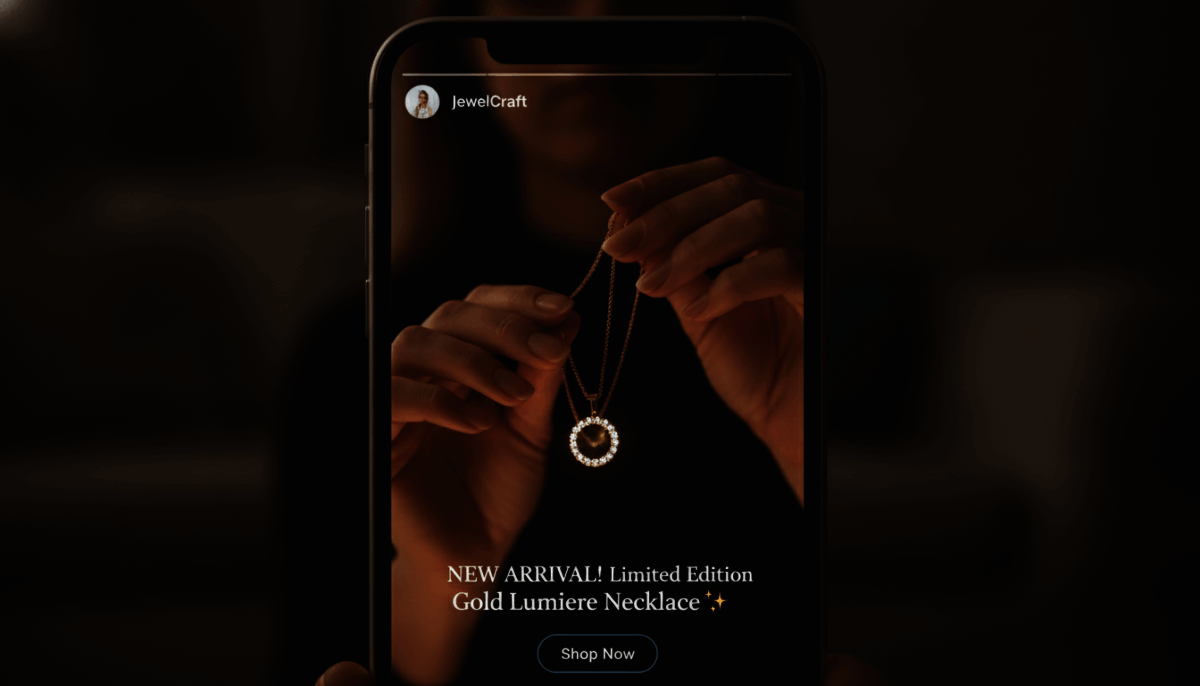
I was doom-scrolling through my social media feed early the next morning, desperate for any distraction, when I saw it. Sarah had posted an Instagram story from a nightclub I had never even heard of. She looked radiant, dressed in a borrowed outfit, dancing with a group of friends I barely recognized. And there, shining brightly against her collarbone in the club’s strobe lighting, was the unmistakable twisted gold pattern of my grandmother’s necklace.
My breath hitched in my throat. I watched the video again, turning the brightness up to the maximum level. There was no denying it. The clasp, the specific length, the way it caught the light—it was undeniably mine. She hadn’t just ‘borrowed’ it; she had worn it to a loud, drunken club, exposing a family heirloom to the risk of theft, loss, or breakage. I felt a surge of hot, blinding anger followed immediately by a wave of profound heartbreak.
I took a screenshot of the video, zooming in on the necklace until it was grainy but recognizable. I sat on the edge of my bed, feeling the weight of the betrayal. She knew how much that necklace meant to me. She knew the story of how my grandmother walked across the border with nothing but that chain sewn into her coat lining. To see it treated as a fashion accessory for a night of debauchery was the ultimate insult.
I didn’t wait for her to wake up. I sent her a message with the screenshot attached. My hands were shaking so hard I could barely type.
“I just saw your story. You wore it. You told me you didn’t touch it, and then I see you wearing my grandmother’s necklace at a club. How could you be so careless with something that is clearly not yours to take?”
— My message to Sarah
. The ‘read’ receipt appeared instantly, but there was no reply. I knew she was there, staring at the screen, and I knew she was scrambling for an excuse that wouldn’t hold water.
The silence that followed was heavy and suffocating. I realized then that our decade of friendship was resting on a foundation of sand. She hadn’t just crossed a line; she had burned the line and salted the earth where it stood. I went to work that day feeling like a shell, trying to maintain my professionalism while my heart was being torn apart by the realization that I had been keeping a snake in my inner circle.
The Confrontation and the Shattered Clasp
She arrived at my apartment that evening, looking sheepish but still projecting that aura of casual entitlement that had always irritated me. She didn’t offer an apology right away; instead, she walked straight to the kitchen as if nothing was wrong, grabbing a bottle of water from the fridge. I stood in the doorway, blocking her path, my arms crossed tightly over my chest. I wasn’t going to let this slide with a shrug and a ‘my bad.’
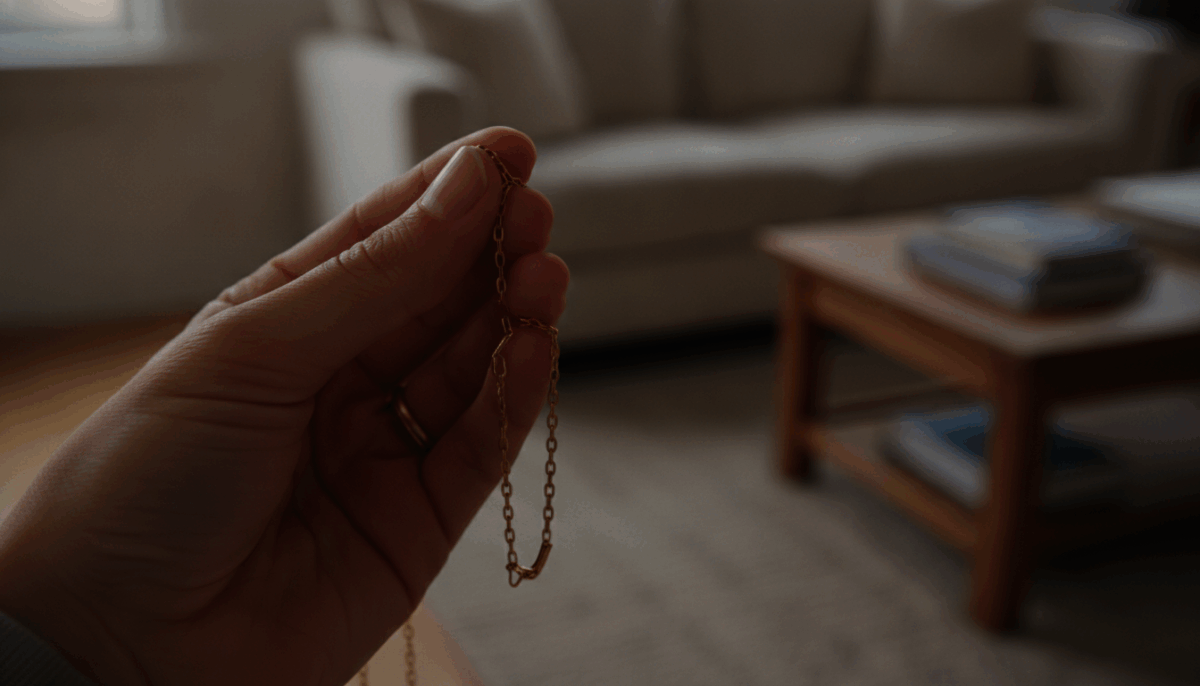
“Where is it?” I asked, my voice dangerously calm. She sighed, a sound of deep annoyance, and pulled her hand out of her pocket. In her palm lay the necklace. But it wasn’t the necklace I remembered. The delicate gold chain had been snapped. The clasp was mangled, and one of the links had been stretched and twisted, effectively ruining the structural integrity of the heirloom. It looked like it had been yanked off in a hurry, perhaps while dancing or getting changed.
I let out a sound that was half-gasp, half-sob. I reached out to take it, but she pulled back, still acting as if she were the victim of an overreaction.
“It’s just a piece of jewelry, okay? I didn’t mean for it to break. You have so much other stuff, why are you making such a big deal out of one little chain? I’ll buy you a new one. Just stop acting like I murdered someone.”
— Sarah’s dismissive defense
. The audacity left me speechless for a moment. She didn’t see the history. She didn’t see the blood and sacrifice that went into that gold. To her, it was a commodity, a replaceable object.
I told her to leave. I told her that she wasn’t welcome in my home anymore, and that I needed time to process the fact that she had stolen from me and then lied to my face. She tried to cry, tried to make it about her ‘rough week,’ but I wasn’t having it. The emotional manipulation that had worked so well on me for ten years suddenly lost its power. I saw her for what she was: a selfish person who prioritized her own vanity over the feelings of her supposed ‘best friend.’
As she walked out the door, she shouted that I was being ‘dramatic’ and that I would regret losing her. I watched her leave and then locked the door behind her, sliding the deadbolt into place with a sense of finality. I looked down at the broken gold in my hand, the reality of the damage sinking in. It wasn’t just the chain that was broken beyond repair; it was the trust that held our friendship together.
The Internet Weighs In: A Viral Dilemma

I didn’t tell anyone in our mutual friend group immediately, but the pressure to vent was immense. I ended up posting the situation on a popular subreddit, keeping the names anonymous but sharing the details of the theft and the breakage. Within hours, the post had gained thousands of upvotes and hundreds of comments. The collective outrage from strangers was both validating and overwhelming. People were sharing their own stories of boundary-crossing friends and offering advice on how to handle the aftermath.
The consensus was clear: I was in the right to cut ties. Many users pointed out that the theft of an heirloom is a major red flag, a sign of deep-seated disrespect that often precedes even worse behavior. Some suggested that I should demand she pay for the restoration, while others warned me that she would likely never take responsibility or pay a dime.
“This is not a mistake; it’s a character flaw. People who think they have the right to your property—especially family heirlooms—have a fundamental misunderstanding of boundaries. Cut her off and don’t look back. You’ll be surprised how much lighter your life feels without someone like that in it.”
— u/BrokenTrustSurvivor (Top Comment, 18.2k upvotes)
Reading the comments helped me realize that I wasn’t being ‘dramatic.’ I was reacting to a legitimate betrayal. The validation of the internet hive-mind gave me the courage to stand my ground when Sarah started texting me again, trying to gaslight me into thinking I had ‘given her permission’ to borrow it in the past. It was a lie, of course, but she was banking on the fact that I might doubt myself.
I also saw comments that warned me about the ‘apology tour’ she would likely embark on, trying to paint me as the villain to our mutual friends. ‘She’s going to make you out to be the crazy one,’ one user warned. ‘Prepare for the smear campaign.’ It was a sobering thought, but I knew that the truth would eventually come out, and if my friends chose to believe her lies over the reality of what she had done, then they weren’t the kind of friends I wanted in my life anyway.
The support was a mix of practical advice and emotional solidarity. I learned about jewelry repair specialists who might be able to salvage the broken link, which gave me a sliver of hope. I had been so focused on the broken relationship that I had forgotten there might be a chance to restore the physical object, even if the emotional value had been tarnished by the circumstances of its destruction.
The Smear Campaign Begins

It didn’t take long for the mutual friends to start reaching out, asking what was going on between Sarah and me. She had clearly been busy painting a picture of me as an unhinged, materialistic person who threw away a decade of friendship over a ‘cheap piece of gold.’ One friend, Jessica, sent me a message asking if I was ‘okay’ and suggesting I should ‘forgive and forget’ for the sake of the group. It was the first sign that the narrative was being twisted.
I responded to Jessica with the truth, including the screenshot of the necklace as evidence of the theft. The reaction was immediate. Jessica, who had been a close friend of both of us, was horrified. She hadn’t known about the heirloom status of the necklace or the fact that Sarah had lied about taking it. The ‘cheap piece of gold’ narrative crumbled the moment the full context was revealed.
It became a game of telephone, with Sarah trying to stay ahead of the truth. I had to choose: should I go on the offensive or take the high road? I decided to tell the truth to anyone who asked, simply and directly. I didn’t need to embellish; the facts were damning enough on their own. The more people who heard the full story, the less effective her smear campaign became.
“I heard you’re telling people I’m crazy. I have screenshots of our entire conversation, Sarah. I suggest you stop the lies before I decide to post them publicly. You stole an heirloom. That is a fact, regardless of how you spin it.”
— My text to Sarah
. The response was a wall of vitriol, filled with insults and accusations that I was a ‘toxic friend’ who never really cared about her. It was a classic projection technique, and it only confirmed that I had made the right choice.
The group dynamic shifted drastically. Some friends chose to stay neutral, which I interpreted as a silent endorsement of Sarah’s behavior. I had to let them go, too. It was painful, but the realization that I was cleaning house was empowering. I didn’t want people in my life who were willing to overlook a betrayal of this magnitude, or who were too weak to hold a friend accountable for their actions.
Professional Appraisal and the Reality of Loss
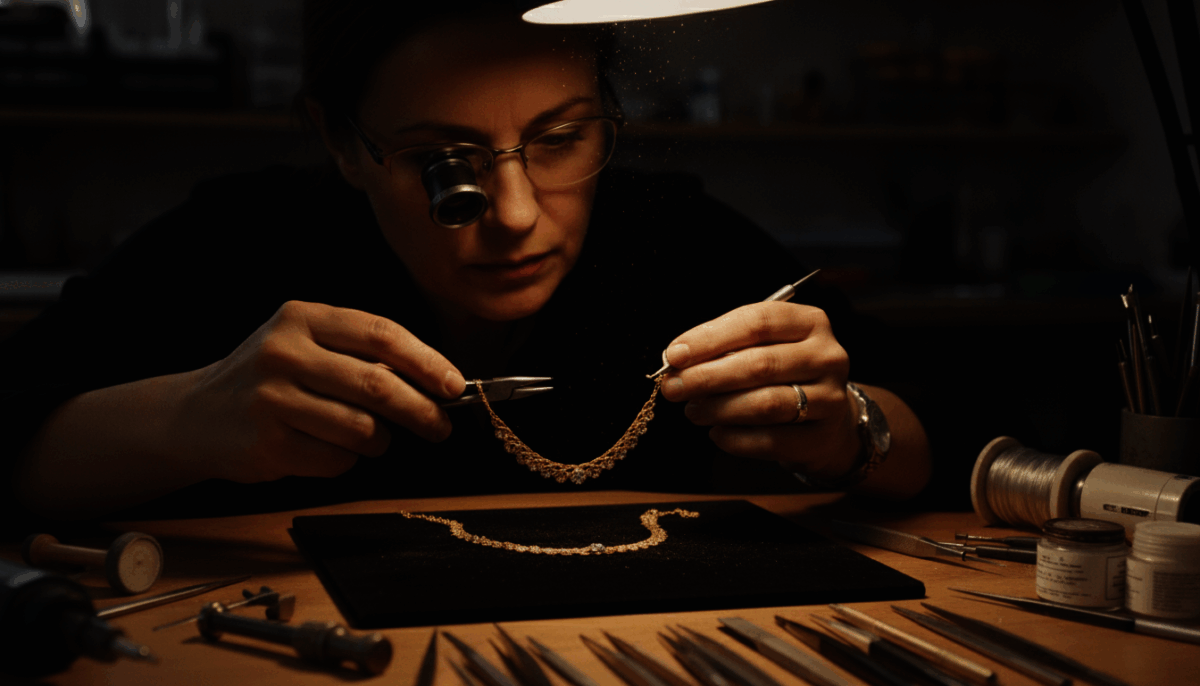
I finally found a reputable jeweler who specialized in antique restoration. Bringing the broken necklace to them felt like taking a wounded patient to the ER. The jeweler examined the damage under a magnifying glass, his face set in a grim expression. He explained that the gold had been stretched to the point of structural fatigue, and the clasp had been forced open with significant pressure. It would be a delicate, costly process to restore it, and even then, it would never be exactly as it was.
The cost of the repair was significant, nearly four hundred dollars. I thought about sending the bill to Sarah, but I decided against it. I didn’t want to engage with her anymore, even for the sake of financial restitution. I wanted her out of my life completely, and if paying the four hundred dollars meant I didn’t have to talk to her ever again, it was a price I was willing to pay. My peace of mind was worth far more than the cost of the repair.
While I waited for the restoration to be completed, I spent a lot of time reflecting on the nature of ‘borrowing.’ People often assume that because they have a close relationship with someone, they are entitled to their belongings. It’s a toxic mindset that ignores the fact that everyone has different levels of attachment to their possessions. I had learned the hard way that I needed to be much clearer about my boundaries, even with people I thought I knew perfectly.
The jeweler, a kind older man, shared his own story of a lost heirloom. ‘Gold can be mended,’ he said softly, ‘but memories are fragile. Don’t let the anger destroy the memory of your grandmother. Keep the necklace, but let go of the person who broke it.’ His words were a profound comfort. I realized that my anger towards Sarah was starting to overshadow the positive memories I had of my grandmother, and I needed to shift my focus back to where it truly mattered.
I paid for the repair and left the shop feeling a strange sense of closure. The necklace was back in my possession, mended and polished, but the dynamic had shifted. It was no longer just an object; it was a symbol of my resilience and my commitment to protecting my own well-being. I put it back in the velvet box, but this time, I added a lock to the cabinet where I stored it. It was a practical, necessary step to ensure that my personal space remained my own.
The Final Text and the Door Closing
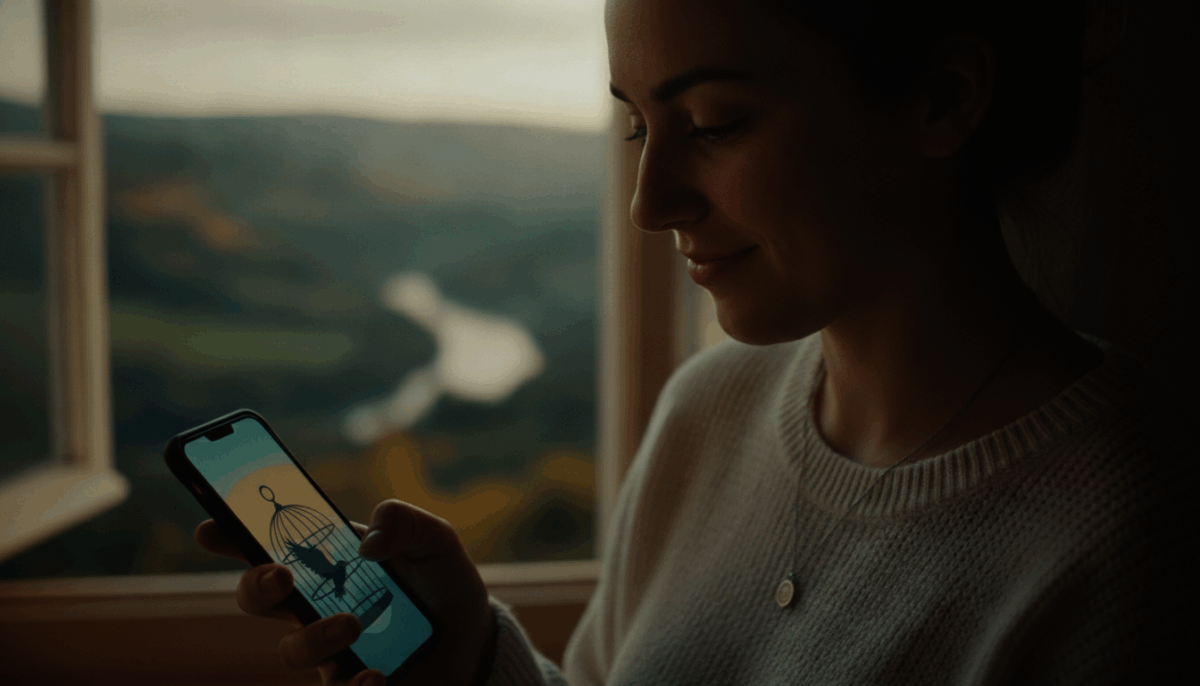
A few weeks later, Sarah tried to reach out one last time. It was a long, rambling message about how much she missed our friendship and how she ‘didn’t realize it was such a big deal.’ She apologized, but it was the kind of non-apology that focused entirely on how *she* felt, not on the damage she had caused. She didn’t offer to pay for the repair, nor did she acknowledge the theft itself as a wrong act. It was clearly a play to get back into my life without having to take real accountability.
I read the message and felt absolutely nothing. No anger, no sadness, just a clinical sense of finality. I realized that the woman writing that text wasn’t the friend I had known for a decade; she was a stranger who had been masquerading as a friend for years. The blinders were off, and I could see all the little instances of entitlement and selfishness I had ignored for so long. The necklace incident wasn’t an anomaly; it was the inevitable conclusion of a pattern.
I decided not to respond. No explanation, no final lecture, no closure-seeking dialogue. I just blocked her number and all her social media accounts. It felt like the final piece of the puzzle falling into place. I had spent so much time trying to be the bigger person, trying to explain my feelings, but I realized that she was incapable of understanding them. Some people are just not built to be empathetic, and you cannot teach someone to care about you.
“The most powerful thing you can do when someone violates your trust is to stop giving them access to your life. Silence is not weakness; it is the ultimate boundary.”
— A thought I wrote in my journal
The days after blocking her were the quietest I had experienced in years. I didn’t have to worry about her stopping by unannounced or checking her stories to see if she was wearing my things. I was back in control of my space and my story. It was a small victory, but it meant everything to me. I had reclaimed my life, and I had protected the memory of my grandmother in the process.
I started noticing how much energy I had for other things. I reconnected with friends I had neglected while I was too busy dealing with Sarah’s drama. I started focusing on my career again, feeling a sense of clarity that I hadn’t realized I was missing. The loss of a ten-year friendship was a heavy thing, but it was a loss that had to happen for me to grow into the person I needed to be.
Reflecting on the Roots of Entitlement

Looking back, I can see the warning signs that I had been blind to for years. The way she would ‘borrow’ my clothes without asking and return them stained or stretched. The way she would make comments about how ‘lucky’ I was to have certain things, as if my possessions were somehow an affront to her. It was a slow creep of entitlement that I had mistaken for intimacy. We were so close that I thought we didn’t need boundaries, but I learned that boundaries are what make intimacy possible.
I realize now that my need to be liked and my desire to be the ‘easygoing’ friend had made me a target for her behavior. I had set a precedent where my things were communal property, and she had taken that to its logical extreme. It wasn’t just about the necklace; it was about the lack of respect for my autonomy. I had been a participant in my own exploitation because I was too afraid to set a firm limit.
I think about the concept of ‘best friend’ and how we romanticize it. We think that a best friend is someone who should have access to every part of our lives, but that’s a dangerous myth. Everyone, even the people we love most, needs to be treated with a level of respect that acknowledges their separate life and their own boundaries. When we lose that, we lose the foundation of the relationship. I had to learn that the hard way, but I’m glad I learned it.
I’ve started reading more about healthy relationships and the psychology of friendship. It’s been fascinating to see how common these patterns are. The entitlement, the gaslighting, the smear campaigns—it’s a playbook for toxic behavior that many people find themselves trapped in. I hope that by sharing my story, I can help someone else recognize the signs and feel empowered to set their own boundaries before things get to the point of a broken heirloom and a destroyed friendship.
I’m grateful for the experience in a strange way. It forced me to grow. It forced me to look at my own patterns and understand why I allowed myself to be treated that way for so long. I’m a different person now—stronger, more self-assured, and much more protective of my own happiness. The gold necklace sits in its box, a reminder of what was broken, but more importantly, a reminder of what I chose to rebuild.
Moving Forward: Boundaries and Healing

Healing from a friendship breakup is often ignored in our culture. We talk about romantic breakups with such intensity, but losing a ‘sister’ is a specific kind of grief that can be just as profound. I had to mourn the decade of memories, the inside jokes, the shared history. There were days when I found myself wanting to call her to share a piece of news, only to remember that she was no longer part of my world. It was a painful, lingering phantom limb sensation.
But with time, the pain began to fade. It was replaced by a sense of stability and peace that I hadn’t realized I was lacking. I started setting firmer boundaries with everyone in my life, not just friends. I learned to say no without providing an explanation, to protect my time and my energy, and to demand the same level of respect that I gave to others. It was a transformative experience that has improved every aspect of my life.
I also learned the importance of surrounding myself with people who celebrate my boundaries rather than testing them. I have a new circle of friends now—people who ask before they borrow, who respect my space, and who understand the value of the things I hold dear. It’s a different kind of friendship, one that is built on mutual respect rather than enmeshment. It’s a healthier, more sustainable way to live, and I wouldn’t trade it for anything.
I still have the necklace. Sometimes I wear it, and when I do, I think of my grandmother. I don’t think about Sarah anymore, or at least not with the same intensity. The necklace has been reclaimed. It’s no longer a symbol of her betrayal, but a symbol of my own resilience. It survived the breakage, and so did I. We both carry the scars, but we are still here, and we are still shining.
If you find yourself in a similar situation—feeling like your boundaries are being ignored, feeling like you’re being taken for granted—listen to that voice. It’s not being ‘dramatic.’ It’s your intuition telling you that something is wrong. Don’t wait until something precious is broken to stand up for yourself. You are worth more than the convenience of others, and you deserve to have friends who respect your history and your heart.
Community Reflection: Lessons Learned
The discussions on the original post didn’t end with just advice; they sparked a larger conversation about the entitlement we see in modern friendships. Many people shared stories of their own experiences with ‘boundary-blind’ friends, highlighting the need for more dialogue around these issues. It was clear that I wasn’t alone in this struggle, and that gave me a sense of solidarity that was truly comforting. We are all learning how to navigate these complex relationships, and sometimes, the lessons are learned the hard way.
One of the most important takeaways from this entire ordeal was the realization that I don’t owe anyone access to my life. I have the right to curate my circle, to protect my property, and to set the terms of my own relationships. It’s a simple truth, but it’s one that I had suppressed for years. Accepting it has been the most liberating experience of my adult life. I’m no longer a passenger in my own life, trying to keep everyone happy; I’m the driver, and I choose who gets to ride along.
I’ve also learned that forgiveness is not the same as reconciliation. I might forgive Sarah someday, in the sense that I no longer carry the anger, but I will never let her back into my life. That is a boundary I have set for my own protection. Reconciliation requires trust, and trust is earned, not given. Since she has shown no ability to earn it or even understand why it was lost, there is no path back for her. And that is perfectly okay.
I want to thank the community for their support and their honesty. They held up a mirror to my life and helped me see things that I had been hiding from myself. The journey hasn’t been easy, but it has been worth every step. I’m a better version of myself for having gone through this, and I’m ready for whatever comes next. The broken gold has become a symbol of my own wholeness, and that’s the best outcome I could have asked for.
So, the next time you feel that little twinge in your gut when a friend crosses a line, don’t ignore it. Listen to it. It’s there for a reason. And remember, you are the guardian of your own life and your own heirlooms—both the physical ones and the ones you carry in your heart. Protect them fiercely, because they are yours, and they are irreplaceable.
Conclusion
My journey from betrayal to reclamation was not a straight line, but it was a necessary one. Through the wreckage of a broken necklace, I found the strength to rebuild my own boundaries and, in doing so, rediscovered my own worth. Friendship should be a source of support and joy, not a drain on your spirit or a risk to your most precious memories. By choosing to walk away from the toxicity, I chose myself, and that is a decision I will never regret.
The story of the stolen and broken necklace is a cautionary tale, but it is also a story of empowerment. It is a reminder that we are all the stewards of our own histories, and we have the right to protect them. The gold was mended, and the friendship was discarded, but the lessons learned will last a lifetime. I hope this account serves as a reminder to anyone struggling with similar boundary issues that you are not alone, and that you have the power to change your own narrative.
Now, I turn it over to you. Have you ever had a friend treat your boundaries as suggestions rather than rules? How did you handle the betrayal, and what did you learn about your own worth in the process? Let’s discuss in the comments below—I would love to hear your stories and share in the journey of healing together.
What's your verdict on this dilemma?
Vote below to contribute to the official community consensus.

Have a Dilemma Keeping You Up at Night?
Share your real-life feud, wedding chaos, or relationship crossroads anonymously with our editorial team.
What do you think ?
0 Comments🛡️ Comments are moderated to protect community integrity. Your comment will appear once approved by the editorial team.