
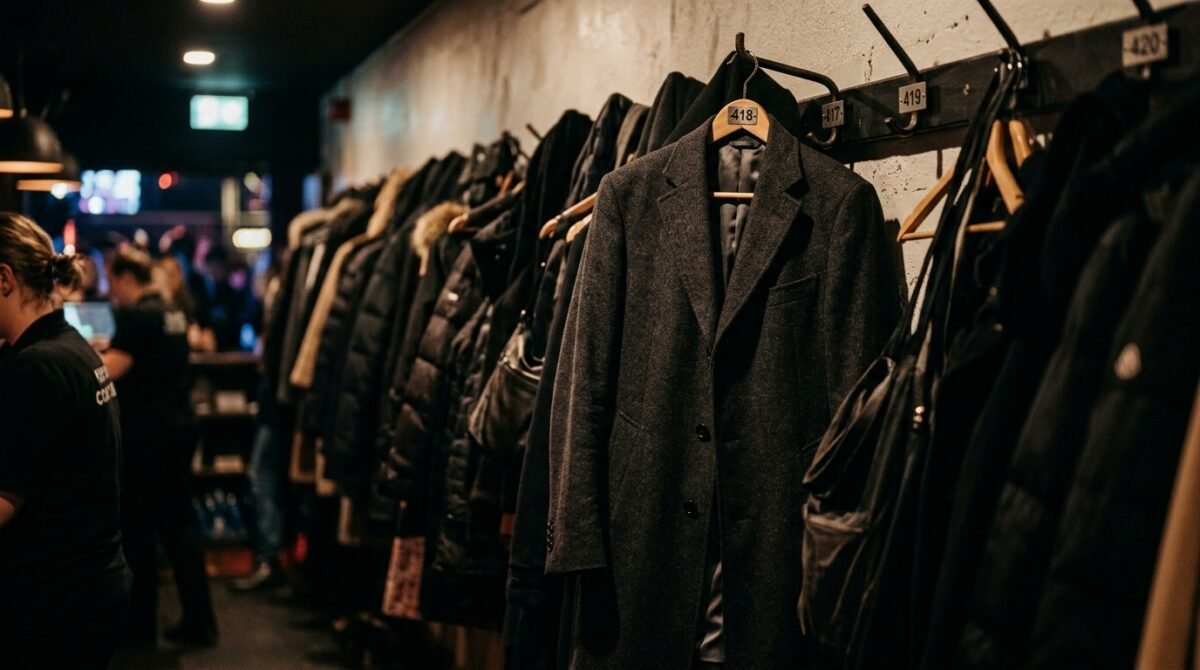
We have all heard the golden rule of borrowing: return it in the condition you received it. But what happens when that item is a luxury, limited-edition wool coat worth $800, and the person responsible for its disappearance treats it like a disposable paper napkin? This story isn’t just about a lost garment; it is about the erosion of trust, the audacity of financial gaslighting, and the moment a long-term friendship finally hit a brick wall of pure, unadulterated selfishness.
The trip was supposed to be a dream getaway—a long-planned excursion to Berlin for a week of culture, art, and the city’s legendary nightlife. My friend, Clara, and I had been planning this for months. I saved specifically to buy a high-quality, structured wool coat for the trip, a piece I had invested in for its warmth and style. Little did I know that by the second night, that coat would become the centerpiece of a conflict that would end our relationship.
As we stood in the freezing queue of a notorious underground club, I made a mistake I would regret for the rest of the trip: I let Clara hold onto my coat while I went to the bar. She assured me she would look after it, keeping it at our table. When I returned, the coat was gone, and Clara was dancing as if nothing had happened, her drink sloshed across the floor, and my seat empty.
The ensuing conversation was not one of apology or accountability. Instead, it was an immediate, defensive pivot that left me reeling. Clara, who has always had a knack for minimizing my concerns, looked me in the eye and suggested that since the coat was ‘pre-loved’ in her eyes, a replacement from a local thrift store would be ‘more than generous.’ What followed was a week of mounting tension, ridiculous text exchanges, and the total disintegration of a five-year friendship.
This article chronicles the slow-motion car crash of that vacation, the bizarre logic Clara employed to justify her lack of responsibility, and how the internet reacted when the full scope of her entitlement was laid bare. Sometimes, the most expensive item you lose isn’t the coat—it’s the person you thought you knew.
The Mistake at the Coat Check

The club was a cavernous, concrete basement in Kreuzberg, pulsing with a bass that vibrated through the soles of our shoes. We were exhilarated, caught up in the neon haze of a city that never sleeps. I had taken off my $800 coat—a heavy, camel-hair blend piece—because the club was stifling. I handed it to Clara, trusting her implicitly. She was the one who had insisted on this specific club, the one who navigated the door staff with ease, and the one who claimed to be ‘responsible’ for our belongings.
I spent maybe fifteen minutes at the bar, fighting through a crush of bodies to get two gin and tonics. When I turned back toward our small, sticky high-top table, I saw Clara dancing with a group of strangers. My heart sank. My coat was nowhere to be seen. I waded through the crowd, my pulse quickening, and grabbed her arm, shouting over the music. She looked at me, confused, as if I were interrupting her performance.
“Clara, where is my coat?” I demanded, my voice tight. She blinked, her pupils dilated, and gestured vaguely toward the empty stool. “I put it down there, it must have been taken! Why are you so stressed? It’s just a coat. Someone probably just grabbed it by mistake. Look, the music is amazing, don’t ruin the vibe.”
“You lost an eight hundred dollar coat in a foreign country and your only reaction is to tell me not to ruin your vibe? Are you kidding me?”
I felt a cold wave of panic wash over me. The coat wasn’t just expensive; it was a staple of my professional wardrobe and a significant financial hit. Clara just rolled her eyes and turned back to her new friends, leaving me to scramble through the dark, sticky corners of the club, checking under tables and asking strangers if they had seen a camel-colored coat. I spent the next hour in a state of growing resentment while Clara continued to treat the night like a carefree adventure.
The Audacity of the Thrift Store Offer

The next morning, the reality of the loss truly set in. We were in our hotel, and I was trying to find a way to contact the club’s lost and found. Clara was lying in bed, scrolling through her phone, looking entirely unbothered. I asked her again if she remembered exactly where she put it, hoping for a sliver of hope, but she just scoffed. That was when she dropped the bombshell that would define our conflict for the next six months.
“Look, I’m sorry it’s gone, but it happens,” she said, not even looking up from her screen. “I checked online, and you can get a really nice wool coat at a thrift store down the street for maybe fifty bucks. I’ll split the cost with you, twenty-five each. That’s more than fair, right? You’re acting like I stole it from you on purpose.”
I stared at her in total disbelief. She was comparing a high-end designer piece to a stained, second-hand garment that hadn’t been dry-cleaned in years. The lack of empathy was staggering. I tried to explain the difference in quality, the cost, and the fact that she was the one who let it walk away, but she just doubled down, claiming that I was being ‘materialistic’ and ‘difficult’ for expecting her to pay for a new, full-priced replacement.
“I am not buying a crusty thrift store coat to replace a luxury item you lost because you were too busy dancing to care about my belongings. You owe me the replacement value, not a pittance.”
She sighed loudly, threw her phone on the bed, and started packing her suitcase. “If you want to be that way, fine. But I’m not paying for your ‘luxury’ taste. You chose to bring an expensive coat to a club, that’s on you. I’m not a bank.” The conversation devolved into a shouting match, and for the remainder of the trip, we barely spoke. The tension in our small hotel room was suffocating, a silent testament to the bridge that was burning in real-time.
The Group Chat Escalation
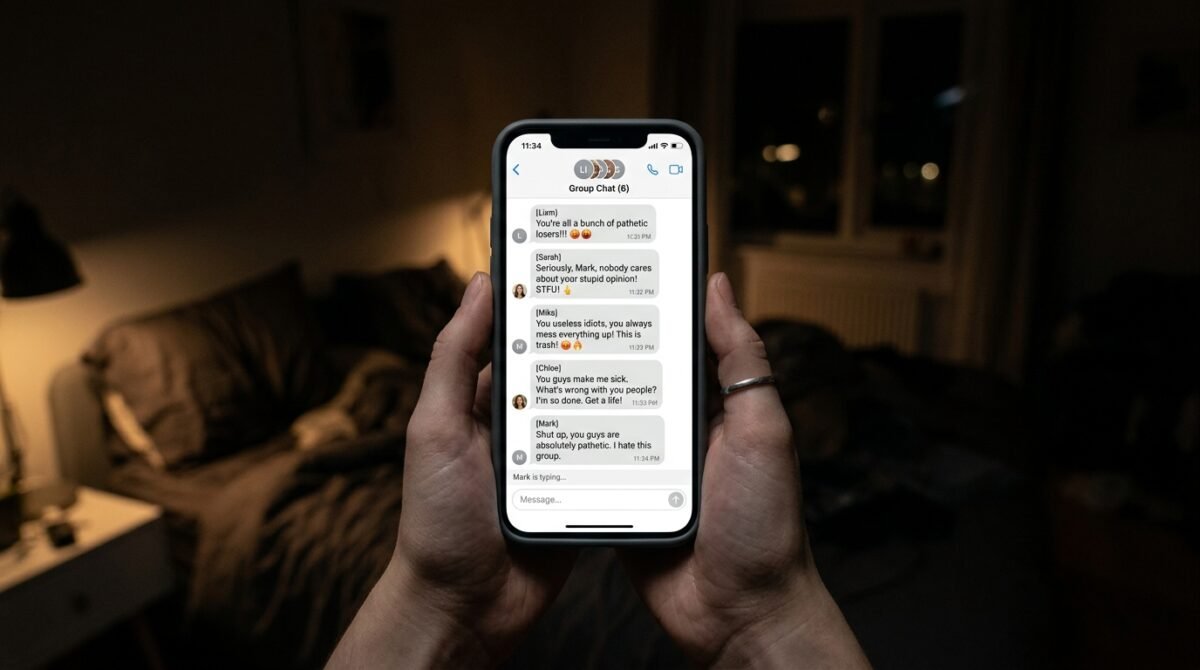
When we finally returned home, I expected an apology. Instead, I found myself added to a group chat with our mutual friends, titled ‘Berlin Drama.’ It was clear Clara had gotten there first, painting a picture of me as an entitled, aggressive friend who was trying to extort money from her over a ‘trivial’ accident. The messages started pinging at 2:00 AM, a barrage of passive-aggressive commentary and outright lies.
I read through the messages with my stomach in knots. Clara had told everyone that I had ‘forced’ her to watch the coat and that I had spent the entire trip ‘harassing’ her about the money. Our friends, who only had her version of the story, were chiming in with messages of support for her, telling me to ‘get over it’ and stop being a ‘dramatic brat.’ It was a masterclass in manipulation.
“Hey everyone, just wanted to say that OP is blowing this way out of proportion. It was an accident! I offered to help her find a new coat, but she’s demanding a full refund for an old item. I think we need to draw a line.”
— Clara, via Group Chat
I didn’t respond immediately. I took screenshots of every single message. I realized then that Clara wasn’t just refusing to pay; she was actively trying to destroy my reputation within our social circle to make her refusal seem justified. This was no longer about a coat. This was about power, control, and who got to dictate the narrative of our failing friendship. I knew I had to handle this carefully, but the urge to burn the whole thing down was growing by the minute.
The Reddit Trial
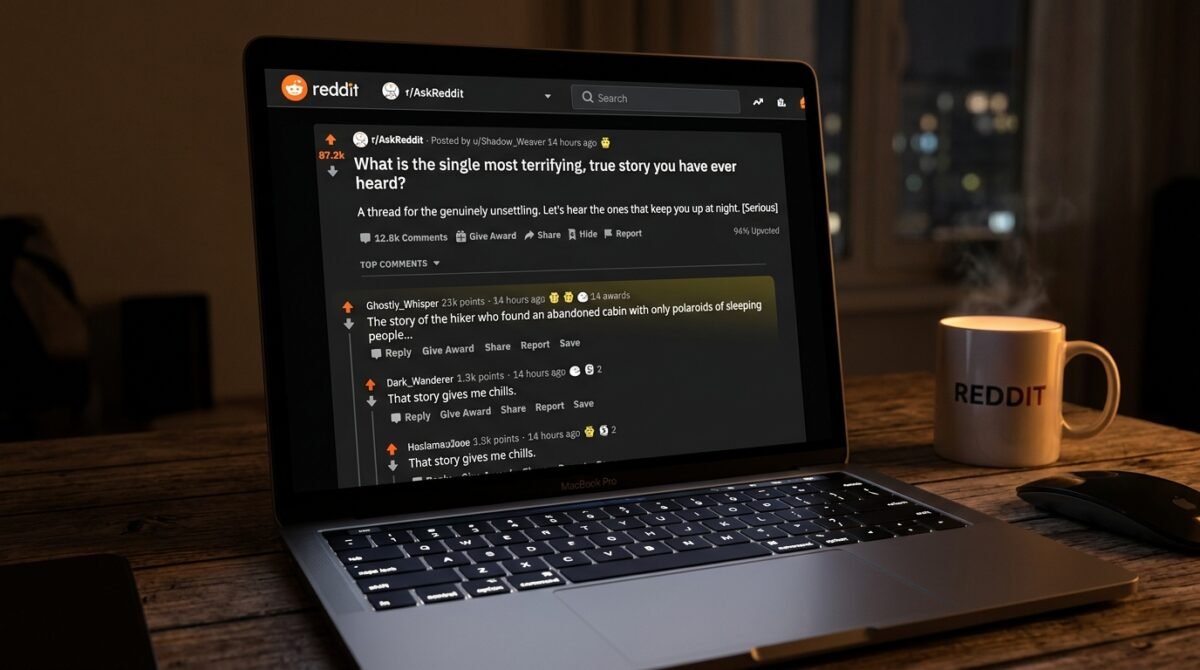
Unable to process the gaslighting from my own friends, I turned to the internet. I posted a detailed breakdown of the situation on a popular subreddit, leaving out names but including the exact price, the incident, and the absurd offer of a thrift-store replacement. Within hours, the post blew up. The validation I had been craving from my inner circle was now coming from thousands of strangers who saw the situation for exactly what it was: a major breach of trust and a blatant attempt at financial manipulation.
I watched the upvotes climb into the thousands. The consensus was overwhelming: Clara was in the wrong, and her refusal to pay was a massive red flag. The comments were brutal, calling out her manipulation and validating my anger. It wasn’t just about the coat anymore; it was about the way she had weaponized our mutual friends against me. Reading the support felt like finally being able to breathe again after being held underwater for a week.
“This isn’t about a coat. This is about your ‘friend’ having zero respect for you or your property. The fact that she went to your mutuals to control the narrative is a classic toxic behavior. Cut her off and send her a bill.”
— u/FriendlyNeighbor88 (Top Comment, 12.4k upvotes)
The community support gave me the backbone I needed to stop responding to the group chat and start documenting everything properly. I realized that if I wanted to be taken seriously, I couldn’t just be the ‘angry friend.’ I had to be the person who had receipts, facts, and a clear set of boundaries. The Reddit thread became my private counsel, a place where I could vent, reflect, and prepare for the inevitable confrontation that was coming.
The Legal Threat and the Final Confrontation

Armed with the advice from the comments and a sense of righteous clarity, I decided to send Clara a formal, documented request for the money. I calculated the replacement cost—not for a new coat, but for the current market value of that specific brand—and sent it to her via certified mail. I also included a polite but firm note stating that our friendship was on hold until this matter was resolved. I wasn’t playing games anymore.
Clara arrived at my apartment unannounced two days later. She wasn’t calm. She slammed the envelope onto my kitchen counter and started shouting before I had even fully opened the door. The mask of the ‘casual traveler’ was gone, replaced by a frantic, defensive rage. She claimed that my demand for payment was ‘threatening’ and that I was ‘ruining’ her life over a piece of wool. She clearly hadn’t expected me to actually formalize the request.
“You’re really going to try to sue me? Over a coat? You are the most pathetic person I have ever known. Do you really think our friends are going to side with you after this?”
I stood my ground, my voice steady for the first time in weeks. I reminded her that she had lost the item while in her care, and that refusing to take responsibility for it was the reason we were in this position. I didn’t yell; I didn’t cry. I just reiterated the facts. It was clear that she didn’t care about the money; she cared about not having to be accountable for her actions. She left in a huff, promising that she would ‘never speak to me again,’ which, frankly, sounded like a blessing.
The Fallout Among Friends

The weeks following the final confrontation were agonizing. While I had the support of the internet, my local circle was still split. A few people reached out privately, having seen the Reddit post (which they somehow connected to me), and apologized for their previous judgments. Others, however, fully committed to Clara’s side, seeing my demand for payment as an ‘unforgivable’ escalation. It was a painful social culling, but it was necessary.
I discovered that Clara had been telling everyone that I had ‘stolen’ money from her in the past, a complete fabrication designed to discredit my character. It was shocking to see how far she would go to avoid paying $800. I had to have several difficult conversations with friends I had known for years, explaining the reality of what happened and providing the evidence of the original cost and the specific circumstances of the loss.
“I honestly can’t believe she’s telling people you stole from her. Everyone who knows you knows that’s a lie. She’s spiraling, and I’m sorry you’re stuck in the middle of it.”
— A mutual friend, via private message
I realized that the friendships that were damaged by this were perhaps not as strong as I had believed. A real friend would have asked for my side of the story before jumping into a group chat to bully me. By the end of the month, I had cleared the air with the people who mattered and had effectively cut off those who were content to live in the reality Clara had created. It was lonely for a while, but it was a cleaner, more honest kind of loneliness.
Reflecting on the Financial Gaslighting

Looking back, the most insidious part of this experience wasn’t the lost coat; it was the persistent attempt to make me feel crazy for valuing my own belongings. Clara’s insistence that a thrift-store coat was a ‘reasonable’ replacement was a classic tactic of financial gaslighting. It was designed to force me into a position of ‘flexibility’ where I would eventually accept a loss just to make the conflict go away. It’s a common tactic used by people who refuse to respect boundaries.
I spent a lot of time reading about narcissistic behavior and the psychology of entitlement. It helped me understand that this wasn’t about the $800. It was about the fact that Clara saw me as someone who would ultimately concede to her demands. By standing my ground, I hadn’t just fought for my money; I had disrupted a dynamic where I was expected to play the role of the ‘accommodating friend’ regardless of the cost to myself.
“When someone shows you who they are, believe them. She showed you that your property, your boundaries, and your feelings are secondary to her convenience. Why are you still debating this?”
— Another Redditor, insightful response
I learned that financial boundaries are just as important as emotional ones. If you don’t stand up for your assets, you are essentially telling the other person that they can continue to treat your life like their own personal playroom. It was a bitter lesson, but one that has saved me from countless future conflicts. I don’t let people hold onto my things anymore, and I certainly don’t apologize for expecting people to honor their commitments.
The Aftermath and Personal Growth

It has been six months since the Berlin trip. I never did get the full $800, though Clara eventually paid a portion of it through a mediation effort from a mutual friend who just wanted the drama to end. I accepted the partial payment, not because it was fair, but because I was finished with the process. I have moved on, and my life feels lighter without the constant need to manage Clara’s outbursts or defend my own reality.
I have made new friends, ones who respect boundaries and who understand that ‘it’s just a coat’ is not a valid excuse for negligence. I am more selective about who I travel with and even more careful about who I trust with my belongings. The experience was a painful initiation into the reality that adulthood means acknowledging when a relationship has served its purpose and knowing when to close the door.
“I learned that if someone cannot respect your property, they will never respect your time or your feelings. That coat was a small price to pay for the lesson.”
I sometimes look at the new coat I bought with the money Clara finally coughed up—a beautiful, well-made piece that I take excellent care of. Every time I put it on, I remember the night in Berlin. It’s not a memory of anger anymore; it’s a memory of my own strength. I learned that I am capable of standing up for myself, even when the world—and my friend group—expects me to stay quiet and play nice.
The Internet’s Final Verdict

The Reddit thread remains active even months later. People still comment on it, sharing their own stories of friends who refused to take responsibility for lost or damaged items. It’s become a small community of people who have been through the same type of gaslighting. It’s strange to think that my worst vacation experience has helped so many others feel seen in their own struggles with entitled friends.
The consensus on the thread is clear: I did the right thing by refusing the thrift store offer and setting the boundary. The number of people who have shared stories of similar ‘friendship purges’ is staggering. It seems that many of us have that one person in our past who just didn’t understand the concept of respect, and we all had to learn the hard way how to let them go.
“You didn’t lose a friend, you lost a liability. The coat was just the catalyst. Thank you for posting this, it’s helping me navigate a similar situation with my roommate.”
— u/SupportiveSoul, 3.2k upvotes
The thread serves as a permanent record of the event, a digital monument to the moment I decided my self-worth was higher than my desire to be ‘the nice friend.’ It’s a reminder that even when things seem chaotic and unfair, there is a community of people who will support you when you choose to act with integrity. I am grateful for the perspective, even if I wish I had never had to go through it in the first place.
Moving Forward: Lessons in Boundaries

If there is one thing I want anyone reading this to take away, it is this: do not let anyone diminish your reality. If someone loses something of yours, the burden of the loss is on them, not you. Do not let them turn the conversation into a debate about your ‘materialism’ or ‘tone.’ Keep the focus on the act of negligence and the cost of the replacement. It is not rude to ask for what is yours; it is necessary.
I have also learned the importance of clear, written agreements. If I ever go on a trip with someone again, we will have a frank conversation about expectations before we leave. It sounds cold, but it prevents the kind of heartbreak that comes from assuming the other person shares your values. I am happier now, surrounded by people who would never dream of asking me to accept a thrift-store replacement for a luxury item they lost.
“Boundaries are not there to hurt people; they are there to protect your peace. If someone gets angry that you have boundaries, that is all the information you need about them.”
I hope that Clara has learned something from this, though I suspect she hasn’t. She is likely still out there, moving from friend to friend, looking for someone to hold her coat while she dances, and leaving a trail of broken trust behind her. I am just glad I am no longer that person. I have reclaimed my peace, my finances, and my dignity, and that is worth far more than any coat.
Conclusion
The story of my lost coat is ultimately a story of transformation. It forced me to confront the reality that friendships are not unconditional contracts—they require mutual respect, honesty, and accountability. When those pillars are removed, the structure collapses, and no amount of nostalgia or shared history can hold it up. I walked away from the experience with a deeper understanding of what I deserve in a partner, a friend, and a confidant.
As I sit here today, I realize that the most valuable thing I regained wasn’t the money or the replacement; it was the ability to say ‘no’ to behavior that didn’t serve me. I am no longer afraid of being called ‘difficult’ or ‘dramatic’ if it means maintaining my self-respect. We all have a limit, and knowing where that limit lies is the most important part of growing up.
What about you? Have you ever had a friend destroy your property and then try to gaslight you about the cost of the replacement? Did you stand your ground, or did you let it go to keep the peace? Let us know in the comments below—I’m curious to see how many of you have faced this exact brand of entitlement.
Discussion Poll:
1. Should the friend have paid the full $800 immediately? (Yes / No)
2. Was the ‘thrift store’ offer a form of manipulation? (Yes / No)
3. Would you have ended the friendship immediately, or tried to work it out? (End it / Work it out)
What's your verdict on this dilemma?
Vote below to contribute to the official community consensus.

Have a Dilemma Keeping You Up at Night?
Share your real-life feud, wedding chaos, or relationship crossroads anonymously with our editorial team.
What do you think ?
0 Comments🛡️ Comments are moderated to protect community integrity. Your comment will appear once approved by the editorial team.