

We have all had those friends who fancy themselves experts in every field, but usually, that expertise comes in the form of unsolicited life advice or questionable fashion tips. My friend, let’s call her Sarah, was exactly that person. I had known her for five years, and while our dynamic had always skewed slightly toward her needing to be the smartest person in the room, I never imagined it would reach a level of literal financial exploitation. It started as a simple request: I was engaged, overwhelmed, and trying to decide between two florists for my wedding. Sarah had helped a cousin plan a small event once, so I thought I would get a second opinion over a casual Saturday brunch.
I never imagined that asking for an opinion on color palettes and centerpiece arrangements would be treated as a professional service contract. I thought we were just two friends chatting over eggs benedict and mimosas. I didn’t realize that in Sarah’s mind, every word she uttered—every comparison she made between peonies and dahlias—was a billable hour. I certainly didn’t expect to wake up on Monday morning to a formal invoice in my inbox for $1,500, labeled ‘Consulting Services: Wedding Floral Design and Venue Curation.’
The audacity was breathtaking. As I sat in my living room, staring at the screen, the initial confusion slowly shifted into a cold, hard anger. This wasn’t just a misunderstanding; it was a calculated power move from someone who had clearly lost her grip on reality. It wasn’t about the money—though $1,500 is a significant chunk of change—it was about the fundamental violation of what friendship is supposed to be. It was the moment I realized that my presence in her life was being viewed through the lens of a ledger, and the friendship was, quite frankly, bankrupt.
This is the story of how a single brunch invitation evolved into a legalistic nightmare, the subsequent breakdown of a long-standing relationship, and the bizarre aftermath of trying to explain to someone why you cannot charge your friends for breathing the same air as you. It is a tale of boundary-setting, the dark side of the ‘hustle culture’ mindset, and the inevitable fallout that occurs when entitlement meets a hard, immovable wall of ‘no.’
The Brunch That Cost More Than The Mimosas

It was a bright, breezy Saturday morning when I met Sarah at ‘The Golden Bistro.’ I was feeling particularly stressed, juggling spreadsheets and color swatches for my upcoming wedding. I had two options for florists, both offering slightly different aesthetics, and I felt paralyzed by the choice. Sarah, who prides herself on her ‘aesthetic eye,’ seemed like the perfect person to vent to. I brought my binder, fully expecting a casual conversation over coffee.
Sarah took her role as ‘the expert’ very seriously. She spent nearly ninety minutes dissecting the portfolios I had brought, critiquing the stem counts, and discussing the ‘vibe shift’ of seasonal arrangements versus greenhouse imports. I listened, nodded, and appreciated her input, thinking we were just bonding over the chaos of wedding planning. I even bought her brunch, including her extra side of bacon and a second mimosa, thinking it was the least I could do for her time.
As we left the restaurant, Sarah gave me a hug and told me how much she ‘loved being able to help’ and that she was ‘so glad I turned to her for her professional expertise.’ At the time, I brushed off the word ‘professional.’ I assumed it was just a quirky way of her validating her own opinions. I went home feeling relieved, thinking I had made a decision on the flowers and that the ordeal was behind me.
“Honestly, you really need to go with the second florist. The first one is so basic. If you want a truly curated experience, you need someone who understands the architecture of the space, not just the flowers. I’m glad you asked me, because nobody else would have told you the truth.”
— Sarah, during our brunch
I left the restaurant feeling like a weight had been lifted. The decision was made. Little did I know, Sarah was already mentally drafting an invoice in her head, calculating the value of her critique against some imaginary market rate for wedding planners that she definitely wasn’t qualified to charge.
The Monday Morning Inbox Shock

Monday morning started like any other, until I opened my email and saw a notification from a professional invoicing app. My first thought was that it was a mistake—perhaps a spam email or a bill for a subscription I’d forgotten about. But when I clicked the link, the header read: ‘Invoice #001: Wedding Floral Design & Venue Consultation. Total Due: $1,500.’
My heart sank. I thought it was a prank. I even chuckled, thinking Sarah was trying to be funny, perhaps making a point about how much time we spent talking about it. But the detail in the invoice was disturbing. It listed ‘2 hours of expert consultation,’ ‘3 hours of market research,’ and ‘Strategic Venue Curation,’ all priced at an hourly rate that would make a high-end lawyer blush. It was a serious, formatted, and utterly delusional document.
I sat there for a long time, trying to parse the logic. Was there ever a mention of payment? Was there a contract? Was there even a hint that this was work? I had invited her for brunch; I had paid for her meal. I had treated her like a friend. This felt like a betrayal of the sanctity of our friendship, a cold-hearted commodification of my wedding preparations that left me feeling completely violated.
“I hope you had a productive weekend! I’ve attached the invoice for the consultation services I provided during our brunch meeting. I’ve tried to be fair with my rates, considering my background and the value I brought to your wedding planning process. Please let me know if you need a payment plan.”
— Email from Sarah, Monday morning
The audacity of the ‘payment plan’ suggestion was the final straw. It implied that this was a legitimate business transaction, not a conversation between two people who were supposed to care about each other. It was clear that Sarah didn’t see me as a friend, but as a potential client she could exploit for personal gain.
The Confrontation We Didn’t Need

I didn’t reply to the email immediately. I needed to calm down. I waited until lunch to send a text, hoping to address it casually, as if I thought it was a joke. I wanted to give her an ‘out’—a chance to walk it back and pretend it was some sort of social experiment. But Sarah’s response was doubling down, cold and detached, justifying her billing as if she were a licensed consultant.
When I finally called her, the conversation was explosive. She insisted that her time was ‘incredibly valuable’ and that I had ‘wasted’ her Saturday morning talking about wedding details when she could have been doing something else. It was gaslighting of the highest order. She suggested that because I was ‘asking for advice’ rather than just ‘catching up,’ the nature of our interaction had fundamentally changed from social to professional.
I told her, as calmly as I could, that I never agreed to pay for her advice and that if I had known she was charging, I would have hired a professional who actually had credentials. This only made her angrier. She started listing all the things she had done for me in the past, essentially trying to weaponize our history of friendship to justify her current entitlement. It was a textbook case of a toxic person trying to rewrite the past to suit their current needs.
“I honestly can’t believe you’re being this cheap. I gave you my expert opinion, I saved you thousands by preventing you from making a bad florist choice, and you’re acting like I’m robbing you. You clearly don’t value my time or my skills.”
— Sarah, during our phone argument
The conversation ended with me telling her that I had no intention of paying the invoice and that she needed to respect my boundaries. She hung up on me, and for the first time in five years, the silence that followed felt like a relief rather than a loss.
The Fallout in Our Shared Social Circle

The drama didn’t stay between us for long. Sarah, desperate to be the victim, began contacting our mutual friends, framing the situation as if I had ‘stolen’ her labor and was being ‘entitled’ about her professional services. She sent screenshots of parts of our conversation to group chats, omitting the part where she demanded payment without prior notice, making it look like I had hired her and then refused to pay.
Our friends, thankfully, were not as gullible as she hoped. Most of them had experienced Sarah’s ‘expertise’ before, and they saw right through her story. One by one, they reached out to me, expressing their shock and siding with me. The group chat that was supposed to be a place for us to discuss upcoming events turned into a battlefield, with people defending my decision to cut ties and calling out Sarah’s absurd behavior.
It was exhausting to deal with the fallout. I felt like I was in high school again, dealing with petty drama, but with the added weight of adulthood and wedding stress. I had to set the record straight with several people, explaining the timeline of the brunch and the unsolicited nature of the invoice. It was a humbling experience, realizing how fragile these social connections could be when one person decides to play dirty.
“Hey, I just saw Sarah’s post in the group. I have no idea what she’s talking about. Charging for brunch advice? That’s literally insane. Don’t worry, we all know she’s full of it. You’re definitely not in the wrong here.”
— A text from a mutual friend
I realized then that Sarah had been doing this kind of thing for a long time, just on a smaller scale. People had just been too polite or too afraid of her reaction to confront her. By standing up for myself, I had essentially acted as the catalyst for everyone else to finally see her for who she was.
The Reddit Verdict: Are You The A-Hole?

I decided to post the story on a popular forum to see if I was losing my mind. I needed an outside perspective. I laid out the timeline clearly: the brunch, the casual conversation, the lack of a contract, and the sudden invoice. The response was overwhelming. Thousands of people chimed in, almost universally agreeing that the behavior I experienced was beyond toxic.
The community was particularly harsh on Sarah, calling her an ’emotional vampire’ and a ‘delusional grifter.’ Many users shared their own stories of ‘friends’ who tried to turn relationships into side hustles. It was validating to know that I wasn’t alone in this experience and that the boundaries I was trying to set were, in fact, reasonable and necessary.
The ‘Not The A-Hole’ (NTA) verdicts flooded in. People pointed out that if you don’t ask for a quote or sign a contract, you are not obligated to pay for someone’s ‘opinion,’ regardless of how much they think that opinion is worth. The consensus was that Sarah had tried to pull a scam and, when called out, resorted to manipulation.
“This is absolutely insane. You don’t charge your friends for brunch talk. If you don’t want to give advice for free, you tell them beforehand: ‘I’m not the best person to ask about this, but I could consult for you at my professional rate.’ You don’t just send a bill after the fact. Block her and move on. NTA.”
— u/ReasonableObserver (Top Comment, 32.5k upvotes)
The Reddit thread became a sanctuary for me. I spent hours reading the comments, realizing that the ‘friend’ I thought I knew was actually a person I had been making excuses for far too long. The internet, for all its faults, provided the clarity I desperately needed.
The Legal Threat and the Final Goodbye
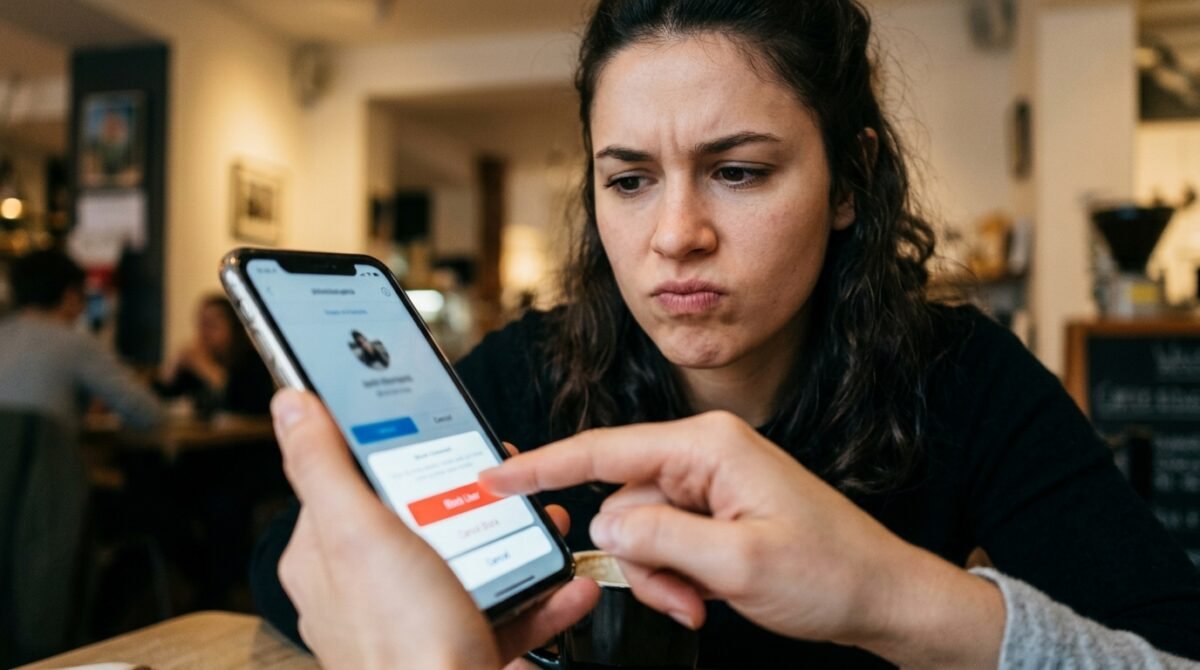
The situation escalated when Sarah sent a follow-up email, this time threatening to take me to small claims court. She claimed that our conversation constituted a ‘verbal contract.’ I laughed when I read it, but it also made me genuinely worried. Could she actually sue me? I contacted a lawyer friend who assured me that without proof of a contract, a scope of work, or an agreement on rates, her claim was completely meritless.
I sent one final, firm response. I told her that I was cutting off all contact, that any further attempts to harass me would be treated as stalking, and that if she wanted to pursue legal action, she would have to do so on her own, as I would not be paying a single cent. It was the hardest email I’ve ever had to write, but it was also the most liberating.
I blocked her on every platform—phone, social media, email. I realized that keeping a line of communication open was only giving her the power to continue her emotional abuse. I had to protect my peace, especially with the wedding approaching. I couldn’t let her negativity infect the happiest time of my life.
“I am done with this. You are not a professional consultant, you are a friend who I thought I could trust. By sending me an invoice for a brunch conversation, you have destroyed that trust. Do not contact me again. If you decide to go to court, my lawyer will handle it. Goodbye, Sarah.”
— My final email to Sarah
The silence that followed was heavy, but it was the silence of a clean break. I knew she might try to lash out in other ways, but I was prepared. I had finally reclaimed my power.
The Unintended Benefit of Cutting Ties

Once Sarah was out of my life, the atmosphere in my social circle improved dramatically. We realized how much ‘walking on eggshells’ we had been doing around her. Without her constant need to be the center of attention and her subtle manipulations, our group became much closer. We had better conversations, more genuine laughs, and a lot less drama.
I started to see how many things I had been doing just to please her. I had been choosing restaurants she liked, wearing clothes she approved of, and even tempering my own successes to avoid making her jealous. Without her influence, I felt like I could finally be myself again. It was a revelation to realize that a friend should make you feel empowered, not diminished.
I also realized that my decision to end the friendship had set a precedent for others in the group. They saw that it was possible to say ‘no’ to toxic behavior, and that the sky wouldn’t fall if you stood up for yourself. We started having more honest conversations about boundaries, and the group dynamic grew significantly more mature and supportive.
The wedding planning also became infinitely easier. I found a florist who was professional, kind, and clear about their pricing from the start. I didn’t need Sarah’s ‘expert’ opinion; I needed someone who respected my vision and my budget. I was finally able to enjoy the process, free from the shadow of someone who only saw value in transactions.
Reflecting on the ‘Expert’ Culture
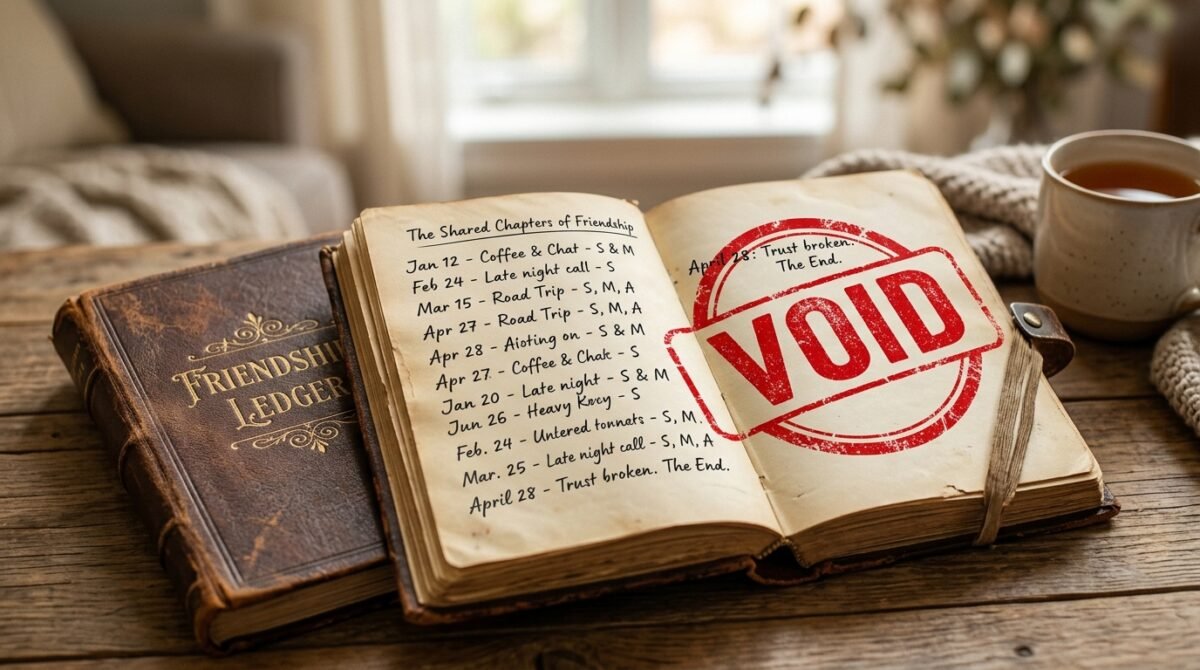
Looking back, I realize that Sarah was a product of a certain kind of culture—one that encourages everyone to brand themselves as an expert, a coach, or a consultant, often without any real training or experience. It’s a culture that makes people feel like everything they do has to be monetized, that every interaction has to have a return on investment.
Sarah didn’t want to be a friend; she wanted to be a service provider because that gave her a sense of superiority. She didn’t want to share a brunch; she wanted to facilitate a consulting session because that made her feel important. It’s a sad way to live, always looking for an angle, always calculating the cost of human connection.
I learned a lot about what I look for in a friend. I want people who show up, who listen, who care, and who never, ever ask for a ‘consulting fee’ for a casual conversation. I learned that friendship is not a transaction, and anyone who treats it like one is not a friend worth keeping.
I hope that if anyone else is going through something similar, they realize that they don’t owe anyone their time, their money, or their sanity. You are allowed to say no. You are allowed to protect your boundaries. And you are definitely allowed to end a friendship that has become a source of stress and exploitation.
What the Community Had to Say

The online discussion continued long after the initial post. People shared similar stories of ‘friendship scams’ and offered advice on how to navigate these tricky waters. The overwhelming sentiment was one of solidarity and encouragement for anyone dealing with entitlement.
Some users even pointed out the psychological underpinnings of Sarah’s behavior, suggesting she might have narcissistic tendencies or a deep-seated insecurity that made her feel the need to control every situation. It was helpful to read these perspectives, as they shifted my focus from feeling like I was ‘doing something wrong’ to understanding that this was about her issues, not mine.
“I had a friend like this who tried to charge me for ‘organizing’ my closet because she ‘has a background in design.’ I just laughed in her face and told her that if she was going to bill me, she should have told me upfront. She ended up crying, but we never spoke again. Best decision ever.”
— u/IndependentSoul (4.2k upvotes)
The community support helped me process the emotional turmoil I had been feeling. It made me realize that my reaction wasn’t ‘dramatic’ or ‘mean’—it was a healthy, protective response to someone who had crossed a fundamental boundary. I was no longer the villain in someone else’s story; I was the protagonist of my own life.
Moving Forward: Boundaries and Healing

Today, I am happily married, and my wedding was everything I wanted it to be—beautiful, stress-free, and filled with people who truly care about me. I don’t think about Sarah often, but when I do, it serves as a reminder of how far I’ve come. I’ve become much more assertive about my boundaries, both in my personal life and in my professional life.
I’ve learned to spot the signs of entitlement much earlier now. If someone starts making comments about ‘value’ or ‘professionalism’ in a casual setting, I know to be cautious. I’ve surrounded myself with people who value connection over compensation, and it has made all the difference in my happiness.
Healing from a friendship breakup is not easy. It’s a grieving process, even when the friendship was toxic. I had to let go of the five years of memories, the inside jokes, and the idea of who I thought Sarah was. But in doing so, I made space for better, more authentic connections.
I am grateful for that terrible, overpriced brunch. It was the catalyst for a major life change that I didn’t know I needed. It was the moment I stopped being a ‘yes-man’ and started being a person who stands up for their own worth. And honestly? That’s worth way more than $1,500.
Conclusion
In the end, the $1,500 invoice was never really about the money. It was about a fundamental misalignment of values. Sarah viewed the world through the lens of transaction and entitlement, while I viewed it through the lens of connection and care. When those two worldviews collided, the friendship was shattered, and honestly, that was for the best.
We all have boundaries, and sometimes it takes a truly absurd situation to help us define them. Don’t be afraid to walk away from people who don’t respect your time or your worth. You are not a service to be consumed; you are a person to be cherished. As I look back on this journey, I am reminded that the most valuable lesson I learned wasn’t about florists or wedding planning—it was about reclaiming my right to say ‘no’ to anyone who tries to turn me into a billable hour.
What about you? Have you ever had a friend try to charge you for ‘professional’ advice? Or have you found yourself in a situation where a casual favor turned into a full-blown demand? Let’s talk about it in the comments below. Your stories might be the advice someone else needs to hear today.
What's your verdict on this dilemma?
Vote below to contribute to the official community consensus.

Have a Dilemma Keeping You Up at Night?
Share your real-life feud, wedding chaos, or relationship crossroads anonymously with our editorial team.
What do you think ?
0 Comments🛡️ Comments are moderated to protect community integrity. Your comment will appear once approved by the editorial team.