

I had been planning this dinner for months. It wasn’t just a meal; it was a milestone. After years of grinding in a high-pressure corporate environment, I finally secured the promotion of a lifetime. To celebrate, I decided to host an intimate, invite-only dinner at ‘L’Avenue,’ a local fine-dining establishment known for its $120-per-plate fixed menu and curated wine pairings. The guest list was carefully curated: my partner, my sister, and my closest friend of ten years, Sarah. It was supposed to be a sophisticated evening of laughter, reflection, and expensive champagne.
When I sent the invites, I was crystal clear: this was a private party. The reservation was specifically capped at six people. I had even paid a deposit to secure the corner table, a quiet nook away from the bustling main floor. It was an investment in a memory, a moment to breathe and celebrate a hard-won victory with the people who had stood by me during the lean years. I never expected that my carefully laid plans would be hijacked by a total lack of social awareness.
The trouble began the afternoon of the event. I received a text from Sarah asking if it was ‘okay’ if she brought a few work friends who were in town. I explicitly said no, explaining that it was an intimate dinner and the reservation was strictly limited. She sent back a ‘thumbs up’ emoji, and I naively believed the matter was settled. I should have known better. Sarah had a history of pushing boundaries, often dismissing ‘rules’ as suggestions meant for other people, not for her.
Walking into the restaurant that night, the scent of truffle oil and high-end mahogany set the mood. My heart was light, and my anticipation was high. I greeted the maître d’, confirmed my reservation for six, and walked toward our table. That was when I saw it: the table, which should have been set for six, was being frantically pushed together with another table. Three chairs were already occupied by strangers, and four more people were sliding into the empty space, laughing and ordering rounds of cocktails before I had even hung up my coat.
Sarah stood in the middle of the chaos, beaming at me as if she had just performed a heroic act of inclusion. ‘Surprise!’ she shouted, waving at the group of eight people she had apparently dragged along. My blood turned to ice. My partner, standing beside me, looked as shocked as I was. In that single, suffocating moment, the milestone I had worked so hard to celebrate began to dissolve into a frantic, expensive, and deeply personal disaster.
The Uninvited Guests Take Their Places
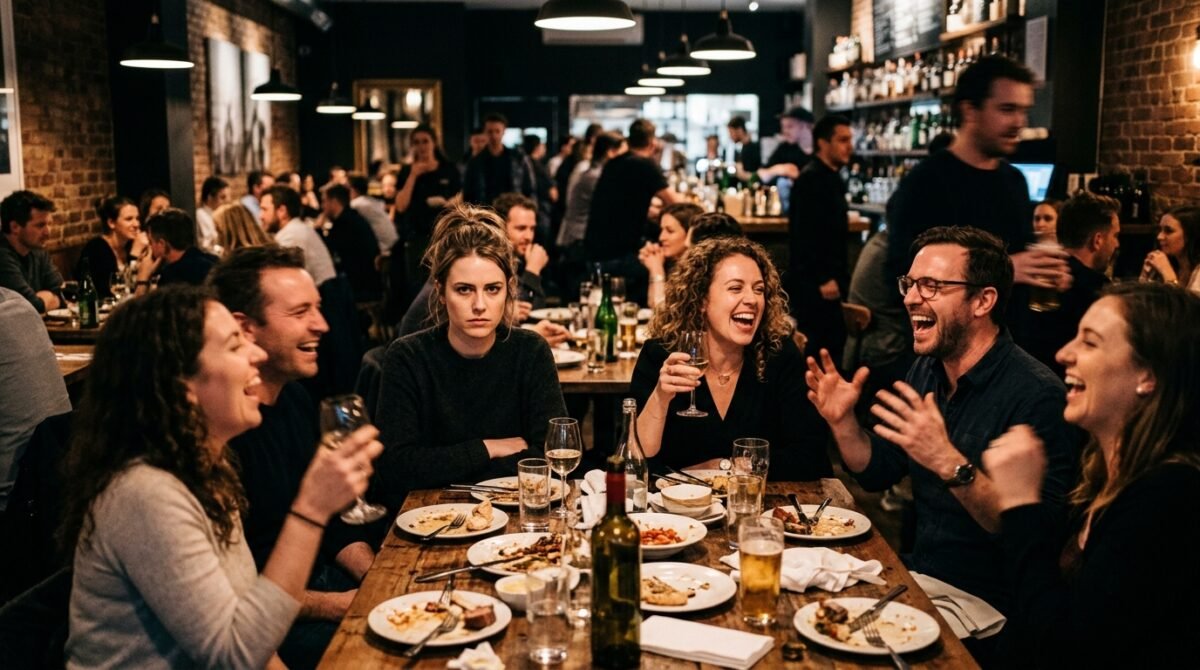
The scene was surreal. These strangers were not just casual acquaintances; they were loud, boisterous, and entirely oblivious to the atmosphere of the room. They had already ordered two bottles of top-shelf tequila, and the server looked at me with an expression of profound pity. Sarah walked over to me, her face glowing with a self-satisfaction that made my stomach turn. She didn’t see the disruption; she saw a party.
I pulled her aside, my voice trembling with controlled rage. ‘Sarah, what is this? I told you no. I told you specifically that this was an intimate dinner for six. You cannot just bring eight random people to a fixed-price event I am hosting.’ She just rolled her eyes, clutching her purse as if I were overreacting to a minor inconvenience.
“Oh, don’t be such a stick in the mud! They were bored, they’re cool people, and frankly, I thought you’d want the company. Besides, it’s just one big table now. Relax, it’s a celebration!”
— Sarah, attempting to gaslight me
I looked at the table. My sister looked mortified, hiding her face in her menu. The strangers were already loudly debating which appetizers to order, treating the table like a buffet line. The $120-per-plate cost meant that this group of uninvited guests was going to rack up a bill that exceeded my entire monthly grocery budget, and they clearly had no intention of paying for it. I felt trapped by the social pressure of the venue; I couldn’t exactly throw them out without causing a scene that would get us all kicked out.
I walked back to the table, my mind racing. I realized that my expectation of a quiet, celebratory night was gone. Instead, I was now responsible for the logistical nightmare of a dozen people who expected me to foot the bill. I sat down, my jaw tight, and decided that if Sarah wanted to host a party, she would have to deal with the consequences of her choices. I flagged down the server, and with a voice as cold as ice, I gave him the instructions that would define the rest of the night.
The server, a seasoned professional who clearly understood the social gravity of the situation, nodded once. He didn’t ask questions. He understood that this was a disaster, and he was happy to help me rectify it. He walked away to the POS system, and I turned my attention back to the table, waiting for the moment the check would eventually arrive. I knew the fallout would be catastrophic, but I was past the point of caring about maintaining the peace.
The Moment of Reckoning at the Check
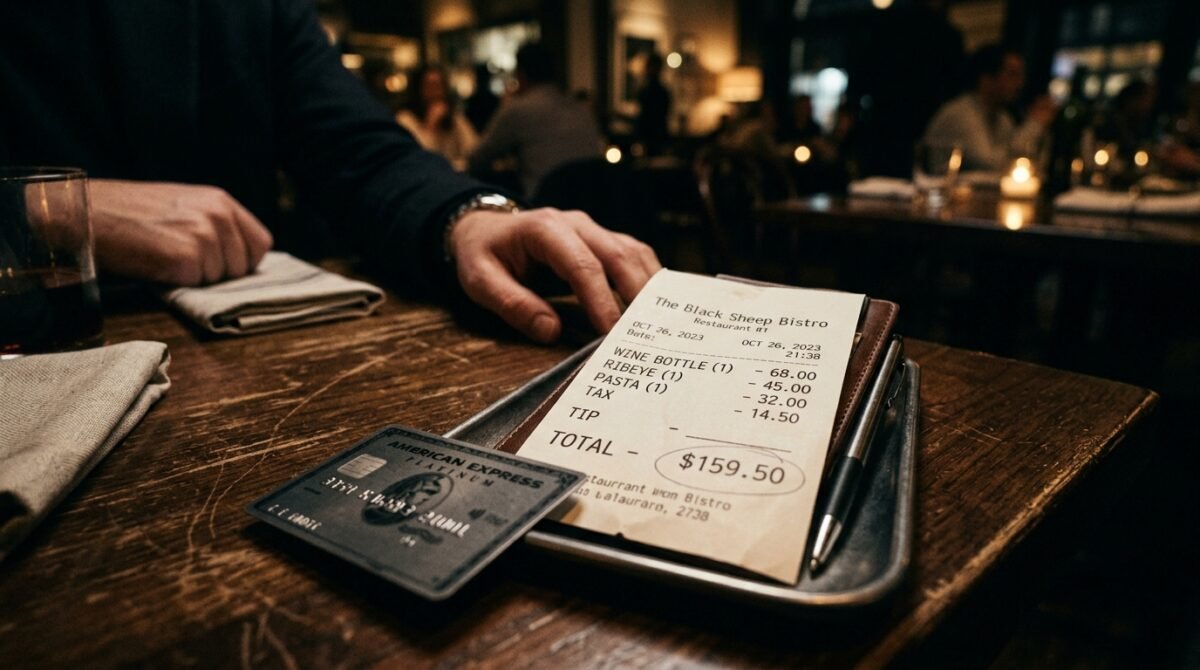
Two hours had passed. The dinner was a blur of forced small talk and the constant clinking of glasses. Sarah and her friends were ordering dessert, oblivious to the fact that I had not spoken a word to her since our initial argument. The bill arrived in a sleek leather folder, placed firmly in front of me. I didn’t reach for my card. Instead, I waited for the server to return with the breakdown I had requested.
When he came back, he laid out the itemized receipts. There were sixteen separate slips, one for every individual seat. The room suddenly went quiet as the group realized what was happening. Sarah looked at her receipt, then at me, her mouth agape in genuine shock. She hadn’t realized that I wouldn’t be paying for her ‘guests’.
“What is this? You’re splitting the bill? We’re your guests! This is incredibly tacky and embarrassing for everyone at this table. You invited us to celebrate!”
— Sarah, realizing the consequence
I leaned back, calm and collected. I looked her directly in the eyes, ensuring every person at the table could hear me. ‘I invited six people, Sarah. You invited eight strangers. I am paying for myself, my partner, and my sister. You are responsible for yourself and your uninvited entourage. The restaurant has kindly split the bill accordingly. Please settle your tab with the server before you leave.’
The air in the room was thick with tension. The strangers looked at each other, their faces turning red. Some started fumbling for their wallets, clearly embarrassed to be part of such a scheme. Sarah was fuming, her face a mask of indignation. She had expected me to be the ‘generous host’ who would just swallow the cost to save face, but she had underestimated how much this promotion meant to me and how much I valued my own boundaries.
She tried to argue, claiming I was ‘ruining the vibe,’ but I simply stood up and signaled for my partner and sister to join me. We had already paid our portion. As we walked toward the exit, I heard the server firmly telling Sarah that the restaurant policy required the bill to be settled before they could leave the table. It was a beautiful, chaotic exit that I would never forget.
The Digital Backlash Begins
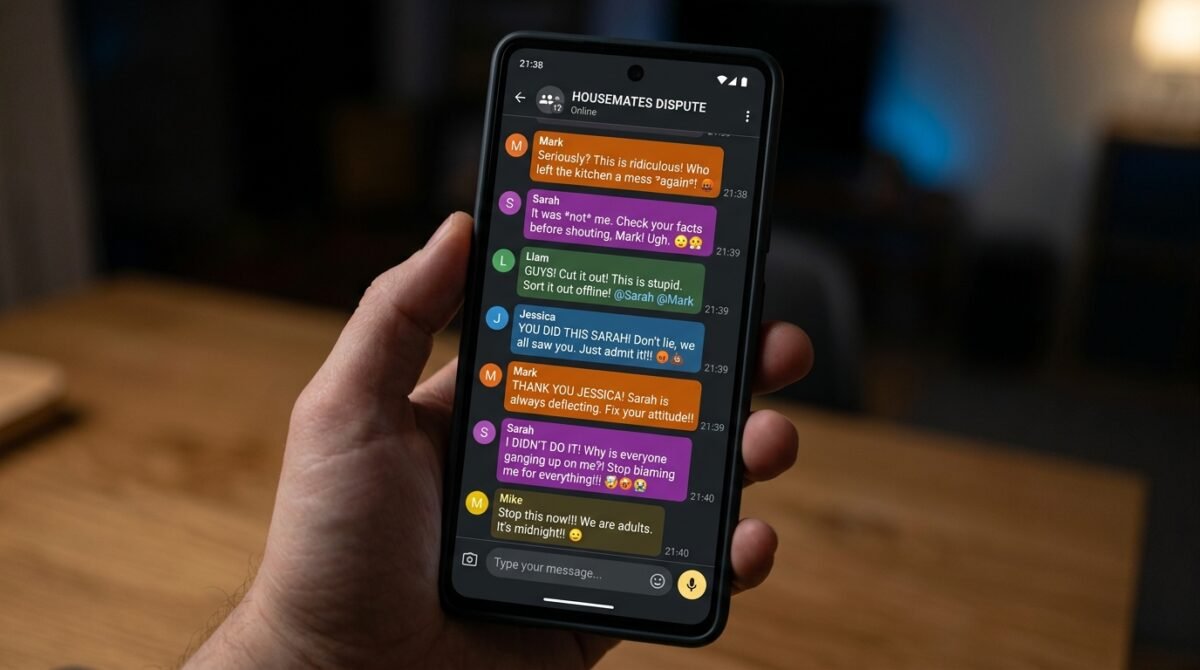
I didn’t even make it home before my phone started buzzing incessantly. It was a group chat Sarah had created, titled ‘The Dinner Disaster.’ It was filled with venomous messages from her friends, calling me names and describing my actions as ‘the most selfish thing they had ever seen.’ They were painting me as the villain, ignoring the fact that they had essentially crashed a private party.
“I cannot believe you walked out like that! Sarah told us it was a group dinner and you were picking up the tab for the celebration. You absolutely humiliated us in front of the server! You owe us an apology for the scene you caused.”
— A text from one of Sarah’s friends
I took a deep breath and typed a response that I knew would cut through their self-righteousness. I didn’t get angry; I just stated facts. I reminded them that there was no agreement for me to pay for strangers, and that their entitlement was not my problem. I then blocked the entire group, one by one. The silence that followed was incredibly satisfying.
My sister, who had seen the whole thing, was laughing as we got into the car. She told me she had never seen anyone handle a situation with such cool precision. It felt like a weight had been lifted off my shoulders. I realized that my friendship with Sarah had been one-sided for a long time, and this event was just the final catalyst that I needed to walk away.
Back at home, I poured a glass of wine and sat on the balcony. The adrenaline was fading, replaced by a sense of profound peace. I had stood my ground, I had protected my finances, and I had sent a message that my time and energy were not to be taken for granted. It was a victory, even if it cost me a ten-year friendship.
Reddit Weighs In: The Verdict of the Masses
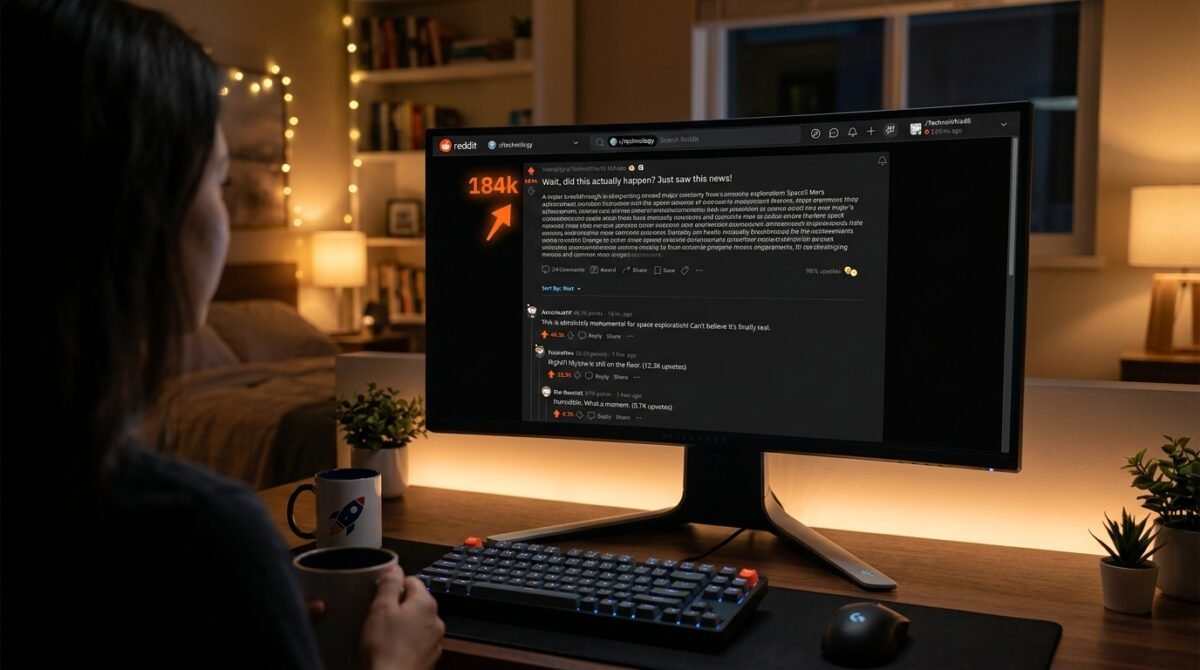
I posted about the situation on Reddit the next morning, wanting to know if I was truly the ‘asshole’ as Sarah and her friends had claimed. The response was overwhelming. Within hours, the post had thousands of upvotes and hundreds of comments, almost all of them validating my decision.
“NTA. She tried to use you as a free meal ticket for eight people you didn’t even know. That is absolute insanity. You weren’t being ‘tacky,’ you were setting a boundary against someone trying to walk all over you. Honestly, you should have left sooner.”
— u/ReasonableObserver (Top Comment, 32.4k upvotes)
The community support was a relief. People shared their own stories of friends who had taken advantage of them during group outings, reinforcing my belief that I had done the right thing. There were even a few comments from restaurant workers who praised my decision to involve the server early, noting that it made their job much easier than having to deal with an unpaid bill at the end of the night.
It was interesting to see the range of perspectives. Some people felt I should have been even stricter, telling the server to refuse service to the uninvited guests entirely. Others felt that the situation could have been handled with more grace, but even they agreed that Sarah’s actions were inexcusable. It was a reminder that boundaries are not just about personal comfort; they are about self-respect.
I spent the rest of the day reading the thread, feeling a strange sense of vindication. I wasn’t just a person who had a bad night; I was part of a larger conversation about the entitlement people often feel toward the generosity of others. It was an empowering realization that I wasn’t alone in facing these kinds of social dilemmas.
The Anatomy of a One-Sided Friendship

Reflecting on the last ten years, I began to see the patterns I had ignored. Sarah had always been the center of her own universe. She was the one who ‘forgot’ her wallet at dinner, the one who asked for favors at the last minute, and the one who made every accomplishment of mine about her. I had allowed it because I valued the history, but history is not a reason to tolerate disrespect.
The dinner was just the tip of the iceberg. I remembered the time I helped her move into her new apartment, only for her to make me do all the heavy lifting while she sat on the phone with her boyfriend. I remembered the birthday parties she threw where I felt more like an unpaid assistant than a friend. I had been a convenience for her, not a partner in a meaningful relationship.
This realization was painful but necessary. It wasn’t just about the money; it was about the lack of fundamental respect. A friend who truly cares about you would never put you in a position where you have to choose between your own happiness and the entitlement of strangers. Sarah didn’t see me as an individual; she saw me as a resource.
I decided to cut ties permanently. I didn’t send a long, dramatic letter. I just stopped responding. When she eventually tried to reach out through mutual friends, I politely declined any conversation. The bridge wasn’t just burned; it was dismantled, brick by brick, until there was nothing left to connect us.
The Financial Breakdown of the Incident

| Category | Original Plan | Actual Result |
|---|---|---|
| Total Guests | 6 | 14 |
| Cost per Person | $120 | $120 |
| My Responsibility | $720 | $360 |
| Sarah’s Responsibility | $0 | $1,080 |
Looking at the math, it’s easy to see why she was so upset. She ended up having to cover the bill for eight people who likely weren’t expecting to pay for such an expensive dinner. It was a harsh lesson in financial responsibility for her, but it was one that I was no longer willing to subsidize. The restaurant had been more than happy to facilitate the split, as it ensured that they were paid for the extra service provided.
The server later told me that the group had to argue with each other for nearly twenty minutes to figure out how to pay their share. Some of the ‘friends’ weren’t even prepared to pay for their own drinks, let alone the $120 dinner. It was a mess, and it was a direct consequence of Sarah’s lack of planning and blatant disregard for the rules I had set.
I don’t regret the calculation. I don’t regret the, what some might call, ‘cold’ approach. It was a direct consequence of a direct violation. If you bring people to a dinner without asking, you accept the responsibility for their presence and their expenses. It is a simple rule of social etiquette, and it is one that I will continue to uphold in all my future gatherings.
The Aftermath: Moving On with Dignity

It has been six months since the dinner. Life has returned to a quiet, predictable state. I am still at my new job, enjoying the responsibilities and the rewards of my hard work. I have curated a new circle of friends who respect my time and my boundaries. We go out to dinner occasionally, and it is always a pleasant, stress-free experience.
I occasionally hear news about Sarah through mutual acquaintances. She seems to be still chasing the same patterns, still trying to drag people into her chaotic world. It’s sad, but it’s no longer my problem. I have learned to recognize the red flags much earlier, and I have learned to walk away before the situation escalates into a disaster.
I have also learned that I don’t need to apologize for expecting basic respect. I don’t need to be the ‘nice’ one if that means being a doormat. Setting boundaries is not an act of aggression; it is an act of self-preservation. And in the long run, it is the only way to build relationships that are truly worth having.
Why We Feel Obligated to ‘Keep the Peace’

One of the most interesting parts of this entire experience was analyzing why I hesitated at all in the first place. Why did I feel guilty for asking for a split check? It’s because society conditions us, especially women, to be the peacemakers. We are taught that if someone else creates a problem, it is somehow our job to fix it, or at least to absorb the cost so that everyone else stays happy.
Breaking that conditioning was the most liberating part of the night. When I told the server to split the bill, I wasn’t just managing a restaurant tab; I was rejecting the idea that my comfort should always come second to the ego of others. It was a moment of profound personal growth, one that I will carry with me into every future professional and personal endeavor.
We all have people in our lives who push boundaries. The key is to realize that the ‘peace’ they want us to keep is often just a facade for their own selfishness. True peace is found in boundaries, and true friendship is found in mutual respect. Once you realize that, it becomes much easier to say ‘no’ without a second thought.
Learning to Trust Your Intuition

If there is one thing I took away from this, it is the importance of trusting your gut. From the moment I saw the extra table, I knew it was going to be a disaster. I tried to suppress that feeling, to be ‘polite,’ but the feeling was right. The moment you feel that a boundary has been violated, you are usually correct. Ignoring that feeling only leads to more trouble down the line.
I now listen to that internal warning system. If I feel uneasy about an invitation, or if a friend asks for something that feels off, I address it immediately. I don’t wait for the situation to get worse. I speak up, I clarify my expectations, and if the other person doesn’t respect them, I move on. It’s a much simpler way to live.
It’s not about being cold or uncaring. It’s about being intentional with your time and your energy. We only have so much of both, and it should be spent with people who add value to our lives, not with those who treat us as a convenience. Trusting your intuition is the first step toward a life that is truly your own.
Final Thoughts: The Cost of True Friendship

In the end, this dinner cost me a friendship, but it gave me a much stronger sense of self. I learned that I can handle pressure, that I can make tough decisions, and that I don’t need to sacrifice my dignity to be liked. The price of that dinner was $120, but the value of the lesson was far greater.
I hope that anyone reading this understands that you are allowed to have boundaries. You are allowed to say no to people who don’t respect your time or your resources. You are allowed to prioritize your own joy, especially when you have worked so hard to achieve it. Your life is not a stage for someone else’s drama.
Thank you for listening to my story. It’s a bit messy, and it’s a bit dramatic, but it’s the truth of how I learned to take back my power. If you’ve ever been in a situation where you felt forced to swallow someone else’s bad behavior, just know that you are not alone, and you have the right to walk away.
Conclusion
My life has changed significantly since that night at L’Avenue. I no longer feel the need to host large, complex dinners just to prove my success. I’ve found joy in smaller, more meaningful gatherings with friends who understand and respect the boundaries we’ve all agreed upon. The silence of my phone, free from the drama of the past, is the greatest gift I could have asked for.
This story serves as a reminder that we all deserve to be surrounded by people who lift us up, not those who use us for their own gain. While it’s never easy to end a long-term friendship, sometimes it’s the only way to save yourself from a lifetime of resentment. I am finally at peace with my decision, and I have the financial and emotional stability to look forward to the future.
What about you? Have you ever had a friend cross a line so significantly that you had to end the relationship on the spot? Or have you ever found yourself in the middle of a social disaster where you had to make a tough, public decision to protect your boundaries? I would love to hear your experiences and how you handled the situation in the comments below. Let’s keep the conversation going.
What's your verdict on this dilemma?
Vote below to contribute to the official community consensus.

Have a Dilemma Keeping You Up at Night?
Share your real-life feud, wedding chaos, or relationship crossroads anonymously with our editorial team.
What do you think ?
0 Comments🛡️ Comments are moderated to protect community integrity. Your comment will appear once approved by the editorial team.