
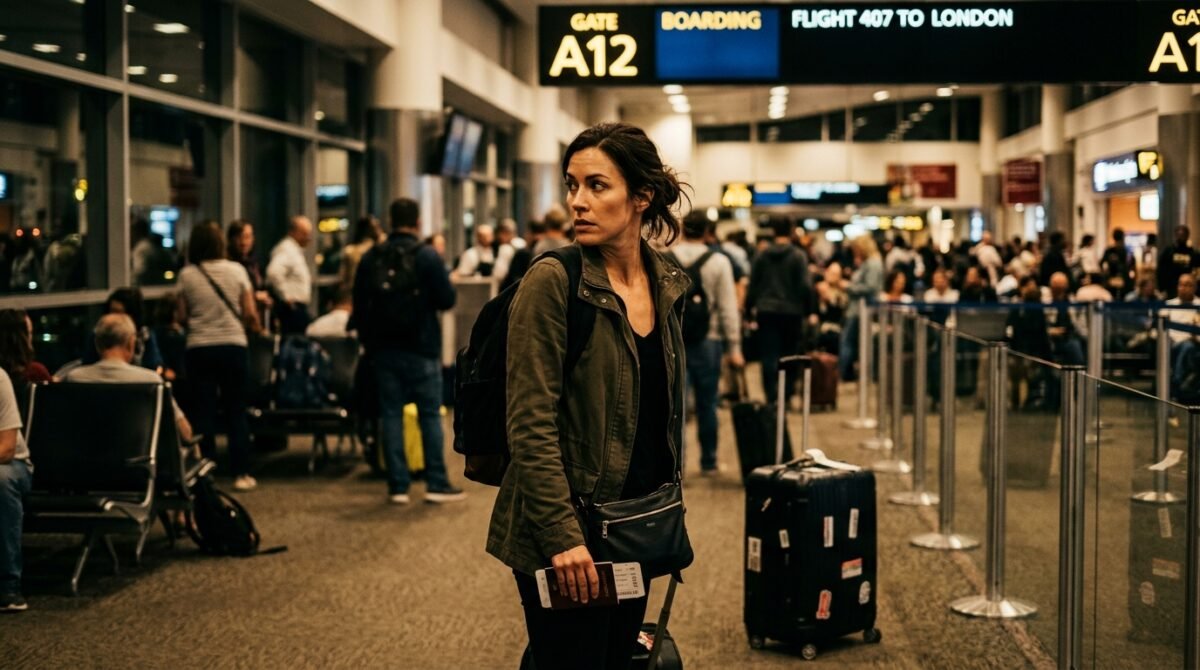
We all have our limits. For some, it is the constant interruption of a partner’s adult child; for others, it is the slow, grinding erosion of financial boundaries. For me, the threshold of my endurance was found at Gate B12, beneath the flickering glow of a departure board, holding a boarding pass that signaled a divide much deeper than the plane’s cabin partition.
Mark and I had been engaged for two years. Our relationship was meant to be a union of two lives, but increasingly, it felt like a silent merger where I was the primary investor and he was the venture capitalist for his son’s lifestyle. Tyler was twenty-five, perfectly capable of working, yet chronically adrift. Mark, driven by a mixture of lingering parental guilt and an inability to say no, had spent our entire engagement shielding Tyler from the consequences of adulthood.
The trip was supposed to be a romantic getaway to celebrate our upcoming nuptials—a final reprieve before the chaos of wedding planning took full control. I had saved for months for this vacation. It was a modest trip, planned with careful budgeting. But then, the ‘addition’ happened. Mark decided Tyler needed this ‘reset’ more than we needed intimacy, and in a move that would eventually shatter my perspective of our future, he demanded I foot the bill for his son’s comfort while I settled for the limitations of my own bank account.
As I stood there at the airport, listening to Mark explain why it was only ‘fair’ that I pay for his son’s first-class upgrade, the absurdity of the situation finally crystalized. It wasn’t just about a seat on a plane; it was about the fundamental inequity of our roles. I was the partner, the ATM, and the secondary consideration. In that moment, the choice wasn’t between flying or staying; it was between losing my money or losing my self-respect.
The Unexpected Addition to Our Romantic Getaway
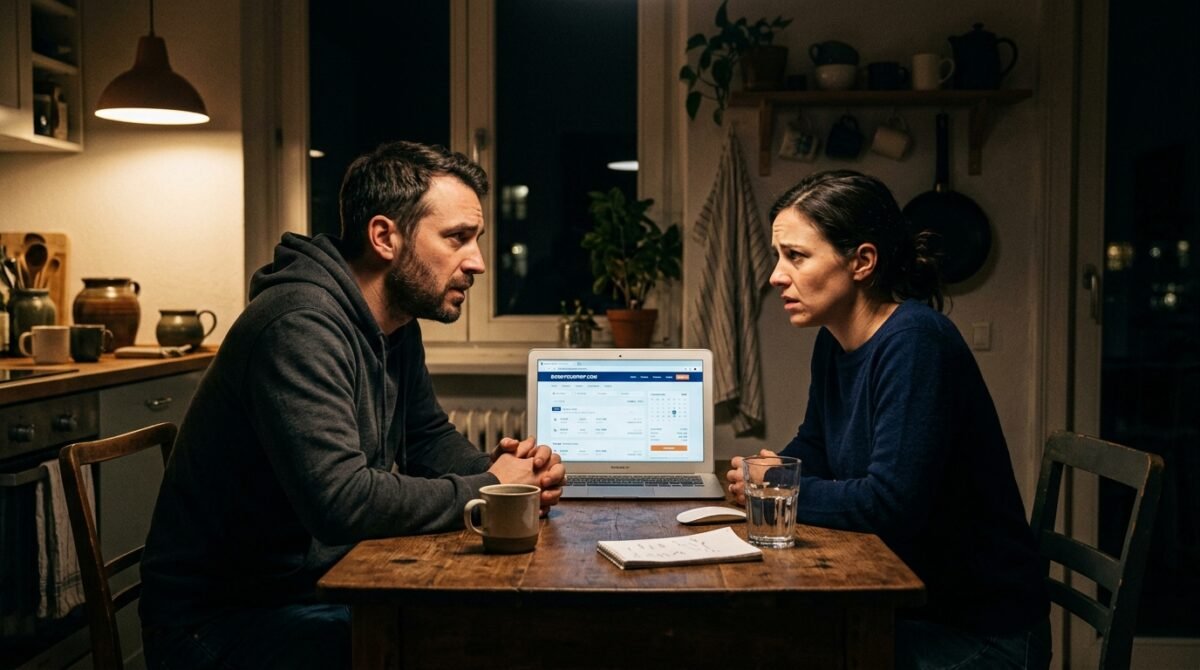
It started with a casual mention over coffee three weeks before our departure. Mark had been scrolling through his phone, an uncharacteristically smug look on his face, before dropping the news. He hadn’t asked if I wanted company; he had simply arranged it. Tyler, according to Mark, was in a ‘transitional phase’ and needed the change of scenery.
I was stunned. This was our honeymoon precursor, a time specifically set aside for us to reconnect. When I pushed back, Mark dismissed my concerns as petty. He told me that Tyler was part of the ‘package deal’ of loving him, and that my hesitation to include him was a sign that I didn’t truly accept his family dynamic.
“He’s my son, Sarah. He’s going through a hard time, and he needs this trip to clear his head. Why are you acting like this is such a burden? It’s just one extra person at a resort.”
— Mark, during our first confrontation
I tried to explain that it wasn’t about the resort; it was about the nature of our trip. I had planned for us, not for a twenty-five-year-old man who still lived in his bedroom playing video games. Mark’s response was to pivot immediately to the financial aspect, claiming he had ‘everything handled’ and that his son wouldn’t cost me a dime. That, as I would soon discover, was a masterful piece of manipulation.
The tension simmered for days. I felt like an intruder in my own vacation planning. Every time I tried to talk about our itinerary—romantic dinners, private excursions—Mark would interject with how Tyler would love the local nightlife or the water sports. I was losing the trip I had envisioned, and worse, I was losing my voice in the decision-making process.
Looking back, I realize now that this was a test. Mark was measuring how much I would tolerate before I finally snapped. He wanted to see how far he could push the boundaries of ‘togetherness’ before I retreated. I was so blinded by the desire to keep the peace that I ignored the glaring red flags waving in my face, assuming that if I just went along with it, the vacation would eventually settle into something enjoyable.
The First-Class Ultimatum at the Booking Desk
The betrayal deepened when I checked our flight itinerary online. Mark had booked his son’s ticket, but in a twist of audacity that made my blood run cold, he had opted for first-class. When I confronted him about the expense, he laughed it off, claiming he had used miles and some ‘leftover’ savings. But the seat next to mine—which I had paid for with my own hard-earned savings—remained in economy.
On the morning of the flight, the final insult arrived. Mark approached me while I was packing, his tone casual and demanding. He told me that Tyler was complaining about the legroom in economy, and since I was ‘more flexible’ and ‘better at handling long-haul flights,’ he wanted me to pay the difference to upgrade his son to the seat next to him, effectively leaving me in the back of the plane while he and his son enjoyed the luxuries of the front cabin.
“It’s a simple favor, Sarah. You’re already paying for your own ticket. Just cover the upgrade for him. It’s what a family does. You shouldn’t be so stingy when it comes to my son’s comfort.”
— Mark, the morning of the flight
I couldn’t believe my ears. I had saved for this trip for six months. I was paying for the resort, the meals, and now he wanted me to subsidize his son’s upgrade? The audacity was staggering. It wasn’t just about the money; it was the blatant disregard for my effort and my comfort. He was essentially telling me that his son’s leisure was more important than my financial stability or my experience of the trip I had helped plan.
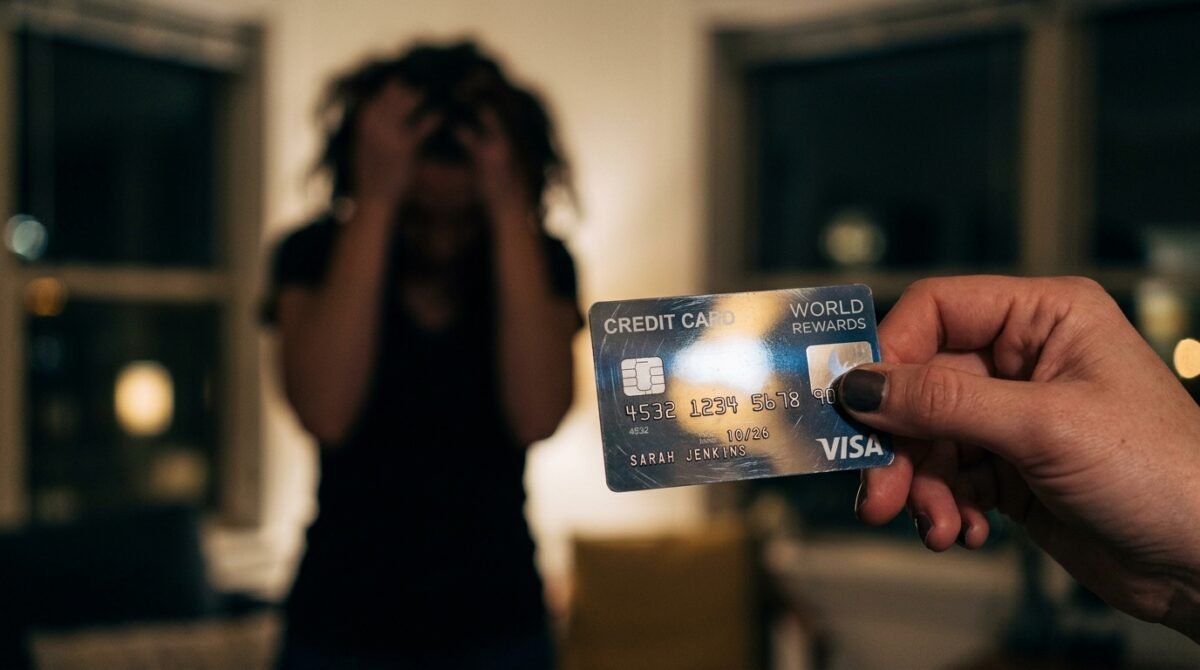
I stood there, paralyzed by the sheer selfishness of the request. Mark was already looking at his watch, impatient for me to pull out my card and make the payment as if it were a mundane errand. He had framed it as a ‘family duty,’ weaponizing the term to make me feel like a villain for protecting my bank account. The emotional toll of being treated like a secondary character in my own life began to boil over into a cold, hard resolve.
I told him I would think about it, but inside, the decision was already made. I knew that if I paid for that upgrade, I would be setting a precedent that would last for the rest of our marriage. I would be the infinite wallet, the one who sacrificed everything to ensure his son lived a life of ease. I realized that my value in his eyes was not my companionship, but my utility as a provider for his family.
The Airport Terminal Breaking Point

We arrived at the airport two hours early. The atmosphere was stifling. Mark kept checking his son’s status, making sure the upgrade had been processed correctly. He hadn’t asked me if I had paid yet, assuming I would simply cave under the pressure of the moment. I sat in the departure lounge, watching them laugh and joke, two peas in a pod, while I felt like a stranger at my own gate.
When the final boarding call for the first-class zone was announced, Mark finally turned to me. He held out his hand, expecting me to hand over the printed receipt for the upgrade. When I didn’t produce it, his face darkened. He didn’t ask; he demanded. He told me the desk agents were waiting and that if I didn’t pay now, the seat would be lost to another passenger.
“Sarah, don’t play these games now. Get your card out. The flight is boarding and you are making a scene over a few hundred dollars. Do you want this trip to be ruined or not?”
— Mark, whispering aggressively at the boarding gate
I looked at him—really looked at him. I saw the man I was supposed to marry, a man who saw me as an extension of his own needs. I saw his son, a twenty-five-year-old man who couldn’t even book his own flight, much less pay for it. The realization hit me with the force of a physical blow: this was my future. This was the rest of my life, paying for a grown man’s entitlements while my partner watched from the sidelines.
I didn’t scream. I didn’t cry. I simply looked him in the eye and told him, ‘No.’ The word hung in the air, sharp and final. Mark was stunned. He stuttered, trying to re-calculate his strategy, his face flushing with a mix of embarrassment and genuine rage. He couldn’t fathom that I had actually stood my ground. He started to raise his voice, drawing the attention of the surrounding passengers.
I knew in that instant that if I walked onto that plane, I was sealing my fate. I picked up my carry-on bag, turned away from the gate, and started walking back toward the exit. Mark followed me for a few steps, his voice hissing with threats about the ‘consequences’ of my actions, but I didn’t look back. I was finally choosing myself over the performance of a life that didn’t belong to me.
The Fallout in the Group Chat
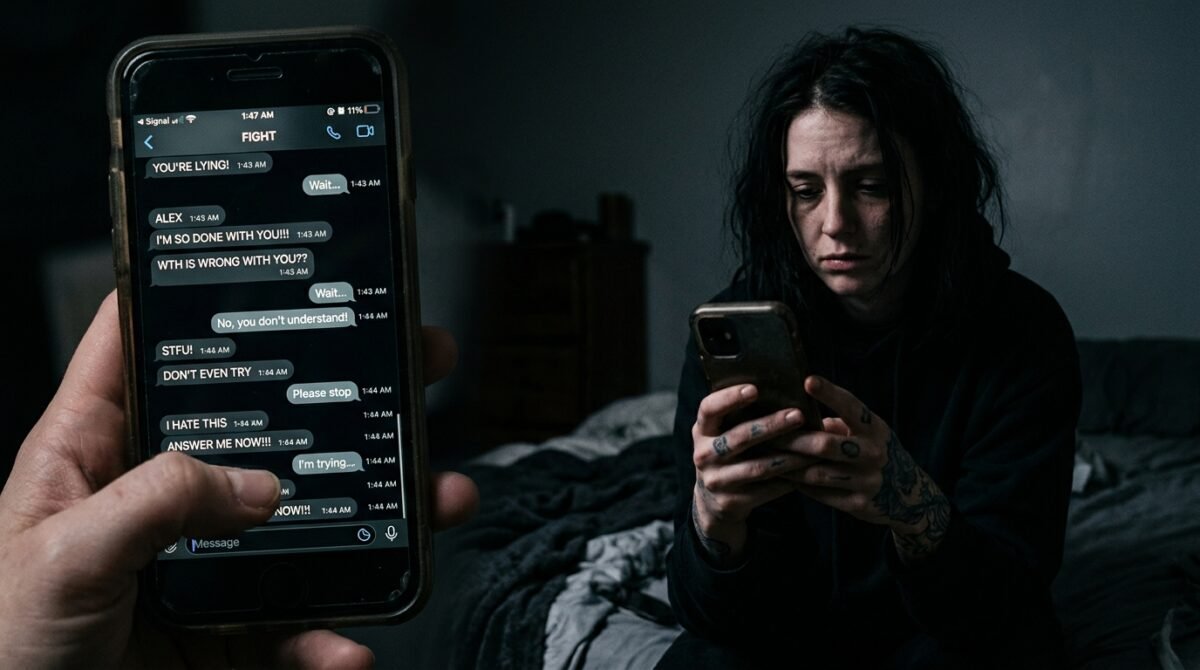
By the time I reached the taxi stand, my phone was blowing up. Mark hadn’t gone on the flight, obviously, but he was furious. He had called his mother, his sister, and even his son had joined in to send me messages. They weren’t asking if I was okay; they were attacking me for ‘ruining’ the vacation and ’embarrassing’ them in public.
The group chat was a masterclass in gaslighting. They framed my departure as a hysterical tantrum rather than a rational response to an unfair demand. They spoke about me as if I weren’t in the chat, dissecting my ‘personality flaws’ and my ‘selfishness’ with surgical precision. It was surreal to read these messages, seeing people I had once considered family turn on me the moment I set a boundary.
“How could you do this to Mark? He worked so hard to put this together. You are so selfish. A real partner would have done anything to make sure the family was together. You’ve humiliated us.”
— Mark’s sister, in the family group chat
I read through the messages, my thumb hovering over the ‘Leave Group’ button. Every notification was a confirmation that I had made the right choice. They didn’t care about my feelings or my bank account; they only cared that I had stopped playing my assigned role. It was the most liberating feeling I had experienced in years.
I didn’t respond to any of them. I knew that arguing with them would only feed their narrative. They needed me to be the ‘crazy, unreasonable woman’ so they could avoid looking at their own toxic behavior. By staying silent, I took away their ammunition. I sat in the back of the taxi, watching the city lights blur by, feeling a sense of peace I hadn’t realized was missing.
When I finally got home, I found my house keys missing—Mark had taken them. I ended up staying at a friend’s place, crashing on her couch. It was the start of a new, albeit difficult, life. I had to cancel wedding vendors, return deposits, and face the reality of a life I had spent two years building, suddenly gone. But as I settled into the quiet of the night, I knew I was finally free.
Reddit’s Verdict: The Community Speaks Out

I decided to post my story on Reddit, not for validation, but to see if I was truly as crazy as Mark and his family made me out to be. I laid out the facts, the financial history, and the final confrontation at the airport. The response was overwhelming. Within hours, the post had reached the top of the subreddit, and the comments were a mix of outrage, support, and harsh truths.
The consensus was clear: I was absolutely in the right. Users pointed out the patterns of financial abuse and the way Mark had groomed me to accept the role of the infinite provider. They shared similar stories of partners who used ‘family’ as a weapon to drain resources and enforce compliance. It was validating to see that I wasn’t alone, and that my reaction was a standard, healthy response to an unhealthy dynamic.
“This isn’t about a ticket. This is about being the ‘designated donor’ for a grown man’s lifestyle. You did exactly what you needed to do. Never look back. He will find someone else to pay his bills, but you saved your future.”
— u/FinancialFreedomAdvocate (Top Comment, 32.1k upvotes)
There were, of course, the contrarians who claimed I was ‘overreacting’ or that I should have handled it ‘privately.’ But even they were drowned out by the sheer volume of people who understood the weight of the situation. I spent the night reading through the comments, feeling a strange sense of community with people who had been through the same fire and come out on the other side.
One comment stood out to me, written by someone who had been in a similar ‘step-parenting’ trap. They described the ‘boiling frog’ effect, where you don’t notice the water getting hotter until you are already cooked. That was exactly what had happened to me. I had been slowly conditioned to believe that my money wasn’t mine, and that my boundaries were ‘selfish’ hurdles to be overcome.
The Reddit experience was the final piece of the puzzle I needed to process my emotions. It gave me the vocabulary to describe the abuse, the strength to stick to my decision, and the perspective to see that the relationship was dead long before we got to the airport. I wasn’t just walking away from a fiancé; I was walking away from a life of subservience.
The Financial Audit: A Reality Check

After the dust settled, I sat down to calculate exactly how much money had been siphoned away during our two-year engagement. The numbers were staggering. It wasn’t just the plane tickets or the occasional dinner; it was the ‘loans’ for Tyler’s rent, the ’emergency’ repairs for his car, and the ‘small investments’ in his various failed business ventures. I had been funding a lifestyle I didn’t even approve of.
I created a spreadsheet, documenting every cent. It was a painful exercise, but it was necessary. Seeing the total amount in black and white made me realize just how much of my own future I had been sacrificing. I had planned to use that money for a down payment on a house, for my own retirement, and for the life I had wanted to build. Instead, it had all been poured into a bottomless pit.
| Category | Estimated Contribution | Purpose |
|---|---|---|
| Rent Assistance | $12,000 | Tyler’s living costs |
| Vehicle Repairs | $4,500 | Tyler’s car maintenance |
| Travel/Upgrades | $8,200 | Family trips/luxuries |
| Miscellaneous | $3,000 | Unaccounted ’emergencies’ |
The data was undeniable. I hadn’t just been in a relationship; I had been a patron of a family business where I had no equity and no say in how the funds were spent. This realization killed any lingering desire I had to ‘work things out.’ There was no ‘working it out’ with a man who viewed my financial autonomy as a shared asset for his family to exploit.
I printed out the spreadsheet and left it on the table when I went to retrieve my remaining belongings from our shared apartment. I didn’t need to say anything else. The numbers spoke for themselves. I packed my bags, took my essential documents, and left the keys behind. I was ready to start again, with my savings intact and my boundaries firmly in place.
This was the end of the line. I didn’t want the money back—I knew that was a lost cause—but I wanted the clarity. I wanted to see the truth of my situation in cold, hard figures. And once I saw it, the last of my guilt evaporated. I was no longer a victim of circumstances; I was a person who had reclaimed their agency.
The Aftermath: Rebuilding My Life

The weeks following the breakup were a whirlwind of logistics. I had to change bank accounts, update my address, and deal with the fallout of canceled wedding plans. But underneath the stress, there was a quiet, profound sense of relief. For the first time in two years, I was making decisions based solely on my own needs and my own budget.
I started attending therapy to help me process the emotional manipulation I had endured. My therapist helped me identify why I had allowed myself to be put in that position in the first place—my tendency to over-function, my fear of conflict, and my belief that ‘doing the right thing’ meant sacrificing my own well-being. It was hard work, but it was worth every second.
I also reconnected with my friends and family, the ones who had been pushed to the periphery during my relationship with Mark. They welcomed me back with open arms, never once asking why it took me so long to see the truth. Their support was the safety net I hadn’t realized I was missing, and it reminded me of the life I had before I got lost in someone else’s drama.
“You’ve changed, Sarah. You seem lighter. Like you’ve finally put down a heavy weight you didn’t know you were carrying. I’m so proud of you for leaving when you did.”
— My best friend, over coffee
I started taking small steps toward my own goals. I put a deposit down on an apartment of my own, a small place that was entirely mine. I began investing in my hobbies again, things I had abandoned to make time for Mark and his son. I was rediscovering who I was outside of a relationship, and I was liking the person I saw in the mirror more and more.
The transition wasn’t easy, and there were days when I felt lonely or doubted my choices. But whenever those feelings surfaced, I thought back to the airport gate. I thought about the feeling of walking away, of choosing myself, and of the quiet, calm certainty that had filled me in the taxi ride home. That memory was my anchor, and it kept me steady through all the storms of transition.
Reflecting on the ‘Family Deal’ Trap

Looking back, I can see the insidious nature of the ‘package deal’ mentality. It’s a common trap for people in relationships with others who have children, especially adult children. You are told that accepting the partner means accepting the baggage, and that any attempt to set boundaries is an attack on the family unit itself. But this is a false dichotomy.
There is a massive difference between supporting a family and being exploited by one. In a healthy relationship, boundaries are respected, and the needs of both partners are prioritized equally. But when the relationship becomes a vehicle for one side to fulfill their parental obligations at the expense of the other, it ceases to be a partnership and becomes an extraction.
I’ve learned that the ‘family deal’ should never be used as a weapon to demand sacrifice without consent. My mistake was in believing that my compliance was the price of admission for love. I thought that if I just gave enough, if I was just ‘generous’ enough, I would eventually earn my place in his family. But you cannot earn the respect of someone who sees you only for what you can provide.
The most important lesson I’ve taken from this experience is that I am the guardian of my own boundaries. I am the one who decides where my money goes, where my time is spent, and what kind of treatment I am willing to tolerate. It sounds simple, but it is a powerful shift in perspective. It has changed the way I interact with everyone in my life, and it has made me much more cautious about who I let into my inner circle.
If you find yourself in a situation where you are constantly being asked to compromise your values or your financial stability to ‘keep the family together,’ take a step back. Ask yourself: if I stopped being the provider, would this relationship still exist? The answer to that question will tell you everything you need to know about the health of your partnership.
No-Contact and the Silence of the Ex

Since that day at the airport, I have maintained complete no-contact with Mark and his family. I blocked them on all platforms, changed my phone number, and made it clear to our mutual acquaintances that I was not interested in hearing any updates. The silence has been deafening, but it has also been incredibly peaceful.
Mark tried to reach out a few times in the beginning—through mutual friends, through emails to my work address, and even by showing up at my apartment once. Each time, I stayed firm. I didn’t engage, I didn’t argue, and I didn’t give him the satisfaction of a response. I knew that any contact would be used as a foothold to try and manipulate me back into the old dynamic.
“I don’t need an apology, and I don’t need an explanation. I need you to respect my decision to move on. Any further attempt to contact me will be handled as harassment.”
— My final, cold email to Mark
The harassment eventually stopped as he realized that I was truly gone and that his attempts were futile. He likely found someone else to play the role of the provider, someone who hasn’t yet learned the lessons I had to learn the hard way. It’s a sad thought, but it is not my responsibility. I am responsible only for my own life, my own growth, and my own future.
The silence isn’t just about avoiding him; it’s about reclaiming my own space. For two years, my life was filled with the noise of his problems, his son’s needs, and his family’s demands. Now, my life is quiet. It is filled with my own thoughts, my own plans, and my own aspirations. The silence is a reflection of the peace I have found, and I wouldn’t trade it for anything.
I am in a much better place now. I have new interests, new friends, and a perspective on relationships that is grounded in reality rather than wishful thinking. I am no longer looking for someone to ‘complete’ me, but for someone to walk alongside me as an equal. And I am confident that when the right time comes, I will be ready to build something that is based on mutual respect and shared values.
Lessons Learned: The Value of Walking Away

If there is one thing I want the readers of this story to take away, it is that you are never trapped. No matter how deep you are in a situation, no matter how much you have invested, and no matter how much pressure you are under to ‘do the right thing,’ you always have the power to walk away. You can choose to prioritize yourself, and that is never a failure; it is a victory.
Walking away at the gate was the hardest thing I have ever done, but it was also the most important. It was the moment I reclaimed my autonomy and set a boundary that would define the rest of my life. It wasn’t about the money or the ticket; it was about the fundamental right to be treated with dignity and to have my own needs respected.
I hope that my story encourages others to look at their own lives and ask the tough questions. Are you in a partnership of equals, or are you carrying someone else’s burden? Are your boundaries being respected, or are they being eroded in the name of ‘family’? Do you feel safe, valued, and heard, or do you feel like a means to an end?
If the answer is the latter, please know that you have the strength to change your circumstances. You don’t need permission to say no. You don’t need to justify your boundaries to anyone who doesn’t respect them. You deserve to be in a relationship where you are loved for who you are, not for what you can provide.
My journey is far from over, but I am walking it with my head held high. I have learned to trust my intuition, to value my worth, and to walk away when the cost of staying becomes too high. And I am finally, truly, free. The road ahead is open, and for the first time, I am excited to see where it leads.
Conclusion
My journey from a manipulated partner to a self-assured individual was born from a moment of intense clarity at an airport gate. The decision to walk away was the most difficult, yet most empowering, choice I have ever made. It wasn’t just about a first-class ticket; it was about reclaiming my life from those who sought to use me for their own convenience. I have learned that the greatest investment I can make is in myself, and I have found that true happiness comes from setting firm boundaries and sticking to them, no matter the pressure from others.
I hope my story serves as a reminder that your worth is not tied to your utility. If you are ever feeling like a secondary character in your own life, it is time to reassess the script. Thank you for listening to my journey. I invite you to share your thoughts—have you ever had to make an impossible choice to protect your peace? How do you maintain your boundaries when the people around you demand you compromise them? Let’s discuss in the comments below.
What's your verdict on this dilemma?
Vote below to contribute to the official community consensus.

Have a Dilemma Keeping You Up at Night?
Share your real-life feud, wedding chaos, or relationship crossroads anonymously with our editorial team.
What do you think ?
0 Comments🛡️ Comments are moderated to protect community integrity. Your comment will appear once approved by the editorial team.