

When I bought my Victorian fixer-upper in the suburbs, the crown jewel wasn’t the kitchen or the master suite—it was the Prohibition-era wine cellar. It was a subterranean sanctuary, climate-controlled to perfection, featuring original brick walls and iron gates. It was my pride, my hobby, and my quiet retreat from a demanding career in corporate law. When my sister, Chloe, came to me six months ago, crying about a bad breakup and a predatory landlord, I opened my doors without hesitation. I thought I was helping family; I didn’t realize I was inviting a professional grifter into my sanctuary.
The arrangement was simple: she could stay for three months while she got back on her feet, provided she respected the house and my personal space. She was supposed to be job hunting. She was supposed to be grieving her relationship. Instead, she was scouting my property for a business venture that would eventually turn my life upside down. The transition from a quiet guest to a clandestine entrepreneur happened so slowly that I barely noticed the shift until it was far too late.
It started with small things—unexplained delivery trucks in the alley, a sudden uptick in ‘party’ waste in the recycling bin, and the distinct sound of muffled thumping bass coming from beneath my floorboards long after I had gone to bed. I attributed it to her new social life, naively thinking she was finally moving on from her ex. I never checked the basement because, frankly, I trusted her. I trusted that the locked gate to my wine cellar was an impenetrable barrier to any intrusion.
The moral dilemma here isn’t just about the money she made or the violation of my property; it is about the audacity of using someone’s home as a front for a semi-legal commercial enterprise. When the truth finally came out, it wasn’t through a confession. It was through a knock on my front door at 3:00 AM from a local police officer asking why there was a velvet rope and a bouncer outside my basement bulkhead. The realization hit me like a physical blow: my own sister had been running an underground speakeasy in my home, and I was the one who would ultimately pay the price.
The Subtle Hum of Midnight Bass
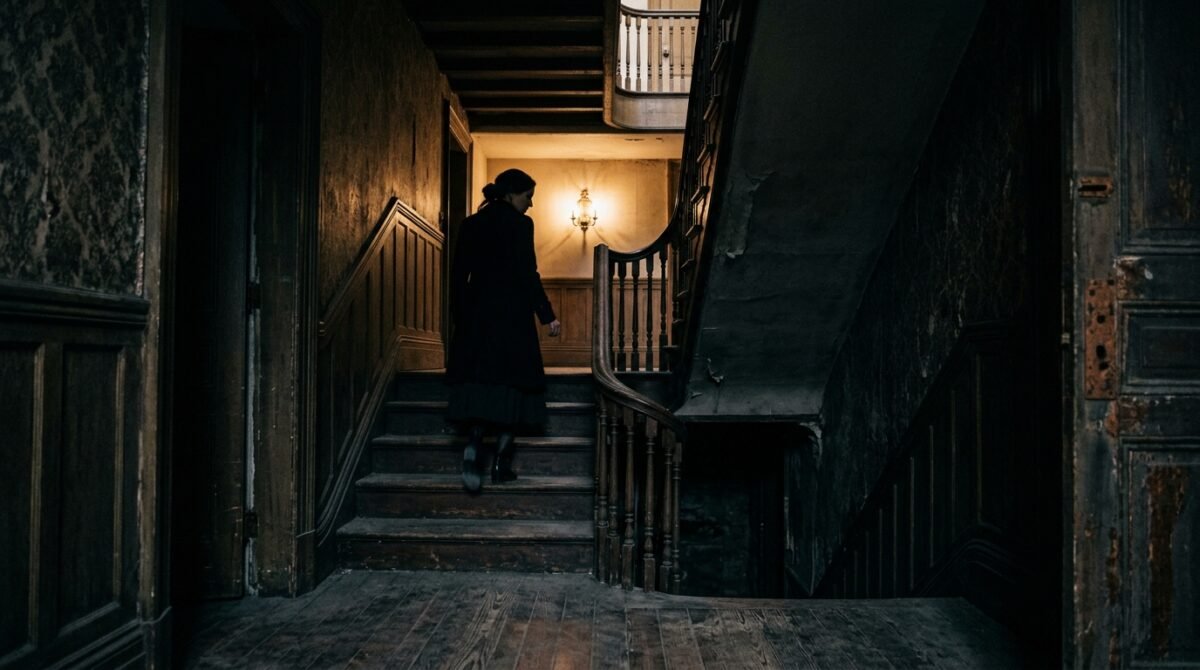
For the first few weeks, Chloe was the model guest. She kept the kitchen clean, cooked dinner on Sundays, and seemed genuinely grateful for the stability. However, as the weeks ticked by, the dynamic shifted. She began spending an inordinate amount of time in the basement, claiming she found the cold, damp air ‘meditative’ for her yoga practice. I thought it was eccentric, but harmless. I didn’t question why she needed a heavy-duty portable AC unit and a collection of high-end soundproofing foam delivered to the garage.
The sounds began shortly after. It wasn’t loud, just a rhythmic, thrumming bass that seemed to seep through the walls. When I asked her about it, she played it off with a casual indifference that was both convincing and practiced. She claimed it was just her white noise machine, cranked up to drown out the city sounds. I, exhausted from a series of high-stakes litigations, accepted this explanation, retreating to my master bedroom and wearing noise-canceling headphones to compensate.
“You know, the acoustics in that basement are actually incredible, it helps me focus on my meditation. I’m sorry if it’s bothering you, I’ll turn it down tonight.”
— Chloe, early into her stay.
I believed her. I wanted to believe her. It’s a strange thing, being gaslighted by someone you feel obligated to protect. I ignored the faint smell of artisan cocktails and the distant, muffled laughter that sometimes drifted up through the floor vents. I was so focused on being the ‘supportive older sibling’ that I blinded myself to the obvious signs of a residential invasion.
The financial ledger of my life at that moment was skewed heavily in her favor. She wasn’t paying rent, yet she was constantly dressed in new clothes and carrying expensive shopping bags. I assumed she had a secret savings account or a supportive ex-boyfriend, but in reality, she was already banking the profits from the illicit bar she had constructed beneath my feet. Every night I went to sleep, I was essentially tucking myself in above a bustling, clandestine nightclub.
Looking back, the signs were there in the trash. I’d find empty cases of high-end craft gin, boxes of vintage glassware, and bags of artisanal ice. I chalked it up to her hosting small ‘girl gatherings’ for her friends. I never once considered that she was selling tickets, hiring staff, and treating my home as a commercial venue. The level of deception required to keep such a secret in a shared living space is staggering, and looking back, I am horrified by how easily I was manipulated.
The 3:00 AM Wake-Up Call

The inevitable collapse of Chloe’s secret empire didn’t happen with a bang; it happened with a blue-and-red flicker against my bedroom curtains. I woke up at 3:15 AM to the sound of heavy, rhythmic pounding on my front door. My heart hammered in my chest. I rushed to the front window, peering through the blinds to see a patrol car idling in the driveway and two officers standing on my porch. My immediate thought was that Chloe had been involved in an accident.
I opened the door, confused and disoriented. One of the officers looked at me, then at the clipboard in his hand, his expression stern. He asked if I was the homeowner and if I was aware of the ‘commercial activity’ currently taking place on my property. The question was so absurd that I laughed—a brittle, nervous sound. I told him there was no commercial activity, only my sister living in the basement.
“Ma’am, we’ve received multiple noise complaints and reports of a ticketed entry event happening in your basement. There’s a bouncer at the bulkhead and a line of people waiting to get into your cellar.”
— The responding police officer.
I felt the floor drop out from under me. I invited them in, my mind racing with a hundred different outcomes, none of them good. We walked through the living room, down the hallway, and toward the kitchen door leading to the cellar. The air was thick with the smell of cheap smoke and expensive perfume. As we opened the door, the sound of club music hit us like a physical wall. There was my sister, standing behind a makeshift bar she had constructed out of my heirloom wine racks, serving drinks to a room full of strangers.
The shock on her face when she saw me, flanked by two police officers, was almost comical. She dropped a cocktail shaker, the sound ringing out against the brick walls. The patrons, dressed in trendy, expensive gear, looked around in confusion as the music was suddenly cut off by the lead officer. The fantasy she had constructed was dismantled in a matter of seconds, leaving only the cold reality of my violated sanctuary.
I remember standing there, paralyzed by a mixture of rage and humiliation. I had allowed this to happen. I had given her a home, and she had turned it into a money-making racket, exposing me to legal liability, property damage, and the absolute destruction of my privacy. The police began to clear the room, taking names, and Chloe just stood there, clutching a bottle of top-shelf tequila, looking at me with a mixture of defiance and pathetic realization.
The Confrontation in the Kitchen
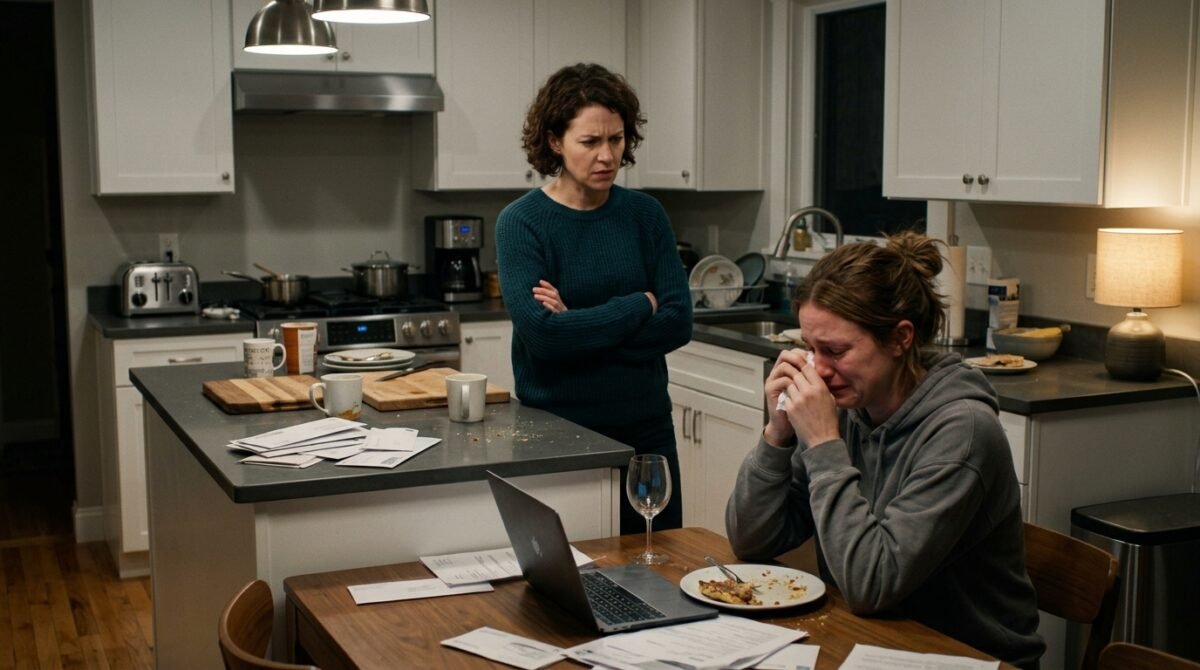
After the police left and the last of the ‘guests’ had been shooed away, the silence in the house was deafening. Chloe was sitting at my kitchen island, trying to frame the situation as a ‘misunderstanding’ or a ‘side hustle’ that had gotten out of control. My anger, which had been simmering for weeks, finally hit a boiling point. I didn’t shout, which seemed to unnerve her even more. I simply told her to start packing.
She immediately went on the defensive, pulling the ‘family’ card. She argued that I was being cold, that I didn’t understand the hardships of the modern economy, and that she had been ‘building a legacy.’ It was a bizarre, delusional defense that made my skin crawl. She genuinely believed that because she had ‘made it work’ financially, she was in the right. She had no concept of the violation she had committed against me as her sister and her landlord.
“You’re really going to throw me out over a few drinks? I was paying for everything! I was even going to pay you rent once the business hit the black!”
— Chloe, during the argument.
I reminded her that the ‘business’ was illegal, that she had no insurance, no permits, and that if a fire had broken out or someone had been injured, I would have lost my home and likely faced criminal charges. She brushed it off, claiming I was being ‘dramatic’ and that ‘everyone does this kind of thing in the city.’ The disconnect between her reality and mine was absolute.
I handed her a bag and told her she had until noon the next day to be out. She tried to cry, tried to bargain, and eventually tried to threaten me, mentioning that she had ‘legal rights’ as a tenant. That was the final straw. I informed her that because she was running a commercial enterprise on a residential lease, our agreement was void, and that if she didn’t leave voluntarily, the next people to arrive would be the sheriff’s deputies for a formal eviction notice.
The realization that I was actually willing to go through with it seemed to finally sink in. She retreated to the basement to pack, and I spent the rest of the night sitting in my living room, unable to sleep, feeling the phantom vibrations of the bass that had been haunting my home for months. It was a long, cold night, and it marked the end of my relationship with the sister I thought I knew.
The Digital Trail of Betrayal

Once Chloe was gone, I had the grim task of cleaning up the cellar. As I was dismantling her ‘bar’ and moving the equipment she left behind, I found her discarded laptop on the floor. It was open, and the screen was still active. Against my better judgment, I clicked on the browser. It was a goldmine of evidence. There were spreadsheets detailing the nightly intake, lists of ‘VIP’ clients, and a group chat dedicated to the speakeasy’s marketing.
The group chat was the most damning. It wasn’t just her friends; it was a curated list of local influencers and trendsetters. They were discussing the ‘exclusive’ nature of the club, bragging about how they were ‘bypassing the system’ by partying in a private residence. They were laughing about the ‘dull lawyer’ who lived upstairs and had no idea what was happening right under her nose. Reading their comments about me—calling me ‘the landlord lady’ and making fun of my professional life—was a sting deeper than the property violation itself.
“The landlord lady is out at a conference tonight, the cellar is all ours! Make sure to tell the regulars the entrance is through the back bulkhead, not the front door.”
— Leaked message from the speakeasy group chat.
I felt a sickening sense of humiliation. I had been the butt of their jokes while I was working hard to keep the house running, paying the mortgage, and supporting Chloe. I took screenshots of every single conversation, every transaction, and every list of names. I didn’t know what I was going to do with them, but I knew that the ‘innocent sister’ narrative Chloe was spinning to our parents needed to be countered with the cold, hard evidence of her duplicity.
It wasn’t just a business; it was a mockery of my life. They had turned my private, sacred space into a stage for their shallow, performative behavior. As I deleted the remnants of her business from my property, I felt a strange sense of catharsis. Each bag of trash, each bottle of alcohol, each piece of soundproofing foam was a step toward reclaiming my home. But the emotional damage remained, a stain on my trust that would take years to fade.
The digital trail also revealed that she had been stealing electricity and water, racking up utility bills that I was unknowingly paying. The sheer audacity of her entitlement was staggering. She didn’t just borrow my space; she treated my resources as her personal endowment. I contacted my utility providers the next morning to report the theft, feeling no remorse for the repercussions she might face.
The Family Intervention

Predictably, the family drama exploded within forty-eight hours. My parents called me, furious that I had ‘kicked Chloe out onto the street’ without a second thought. Chloe had spun a version of the story where she was simply hosting small, private gatherings for friends and I had reacted with ‘unhinged, legalistic cruelty.’ She left out the police, the commercial ticket sales, and the illegal business aspect entirely.
I listened to my mother scream at me for ten minutes before I finally cut her off. I told her that if she wanted the truth, she should look at the email I was sending her right then and there. I attached the screenshots, the police report number, and a breakdown of the utility bills. The silence on the other end of the line was the most satisfying sound I had ever heard. When my mother finally spoke again, her tone had shifted from outrage to confusion, then to pure shock.
“You did what? I thought she was just struggling with her mental health and needed a place to stay. You mean to tell me she was running a bar in your basement?”
— My mother, after seeing the evidence.
My father was harder to convince, even with the evidence. He still tried to rationalize her behavior, claiming she was just ‘entrepreneurial’ and that I should have handled it ‘internally’ rather than involving the police. This was the moment I realized that my family’s enabling was the foundation of Chloe’s behavior. They had never held her accountable, so she grew up believing that the rules simply didn’t apply to her.
I stood my ground. I told them that I was no longer the bank, the landlord, or the babysitter. I informed them that if they wanted to house Chloe, they were welcome to, but that she would never set foot in my home again. The fallout was messy. My sister called me, screaming, accusing me of being a ‘snitch’ and a ‘traitor.’ I listened to it all without responding, then blocked her number.
The family gatherings in the coming months were tense. I was the ‘villain’ for holding my boundaries, and Chloe was the ‘victim’ of my lack of sisterly support. It was a classic dynamic, but for the first time in my life, I didn’t care about being the good girl. I cared about my peace, my space, and my integrity. I realized that the only way to have a healthy relationship with my family was to redefine the terms entirely.
Legal Repercussions and Property Inspection

The legal aftermath was far more tedious than the initial eviction. Because Chloe had hosted commercial events, I had to hire a professional home inspector to ensure that the structure of my cellar hadn’t been compromised. I also had to meet with a local zoning attorney to ensure that the police report hadn’t triggered any long-term liabilities for me as a homeowner. The process was expensive, time-consuming, and a constant reminder of the chaos she had brought into my life.
I was lucky, in a way. The city was lenient because I was the one who had cleared the space and cooperated fully with the investigation. However, the fines for the noise violations and the lack of proper commercial zoning were significant. I sent the total bill to Chloe, knowing full well I would never see a cent of it. It was a matter of principle. I wanted it documented that she was the one responsible for the financial burden.
“Your property is technically compliant, but you’ve been flagged for suspicious commercial activity. You need to keep a record of everything in case the city follows up in six months.”
— My attorney’s advice during our consultation.
The inspector found evidence of structural stress on the wine racks and minor water damage from the makeshift bar’s sink installation. The repair costs added up quickly. Every time I wrote a check for a repair, I thought about how easy it would have been for her to just ask for help instead of turning my home into a crime scene. The lack of remorse she showed was the hardest pill to swallow.
I spent weeks obsessing over the home. I installed a new, high-security gate for the cellar and a sophisticated camera system that covered every inch of the downstairs. I didn’t want to live in fear, but I also didn’t want to be caught off guard ever again. The process of ‘re-securing’ my home was a way of reclaiming my sense of safety and control. It was a physical manifestation of the boundaries I was setting in my personal life.
By the end of the legal process, I was exhausted. The experience had aged me, made me cynical, and completely transformed my view of my sister. But it had also made me stronger. I knew now that I could face a crisis—even one of my own making—and emerge on the other side, bloodied but unbowed. The ordeal had cost me money, but it had also bought me the clarity to see who truly deserved a place in my life.
The Internet Weighs In: Reddit’s Verdict

I finally posted my story to the ‘Relationship Advice’ sub-forum on Reddit, needing an objective perspective from people who hadn’t been indoctrinated by my family’s excuses. I expected a mix of responses, but the overwhelming support was shocking. The post went viral within hours, racking up tens of thousands of upvotes and thousands of comments. The community didn’t see me as a villain; they saw me as someone who had been severely taken advantage of.
The comments were a mix of validation, legal advice, and personal stories from people who had dealt with similar ‘family parasites.’ Reading them, I realized that I wasn’t alone in this. The feeling of being the ‘responsible one’ who is constantly exploited by family is a universal struggle. It gave me the strength to stay firm with my parents when they called again, asking me to ‘forgive and forget’ for the sake of the upcoming holiday season.
“This isn’t about being a bad sister, this is about your sister being a literal criminal who used you as a front for her illegal business. You are 100% in the right to go NC. Don’t let them gaslight you.”
— u/JusticeSeeker (Top Comment, 32.5k upvotes)
Some users pointed out that I could potentially sue her for the damages and the utility theft, which had never really occurred to me. I had been so focused on just getting her out that I hadn’t considered the path of financial restitution. The advice from the legal-minded Redditors gave me a new perspective on my rights. It made me feel like I wasn’t just a victim, but someone who had the power to hold her accountable.
The community also shared their own ‘horror stories’ about family members who took advantage of their hospitality. It was comforting to know that this kind of behavior was a pattern, not an anomaly. It reinforced my decision to keep her out of my life. I started feeling less like a ‘mean sister’ and more like a woman who had defended her boundaries against an unreasonable assault.
I spent hours reading through the thread, taking notes on the advice, and feeling a strange sense of comfort. For the first time in months, I felt heard. The validation from strangers who didn’t know my name or my history was exactly what I needed to stop doubting my own instincts. I realized that my family’s disapproval didn’t matter as much as the truth of my own experience.
Reframing the Narrative

After the dust settled, I sat down with my therapist to process the betrayal. We talked about why I felt so much guilt for setting a boundary, and why I had been so blind to the signs for so long. It was a difficult, painful conversation, but it was necessary. I realized that my need to be the ‘savior’ of the family was a trauma response from our childhood—one that my sister had learned to exploit perfectly.
I began to see my wine cellar not as a ‘crime scene,’ but as a symbol of my own growth. I renovated it, keeping the original brick but adding a new, secure entrance and a proper workspace for my own professional use. It was no longer a place of leisure, but a place of work, a reminder of the lesson I had learned: that your sanctuary must be protected with the same ferocity as your career.
“Boundaries aren’t walls you build to keep people out; they’re the rules you set to keep yourself safe. You didn’t evict your sister; you removed a threat to your stability.”
— My therapist, during our session.
I also stopped trying to explain myself to my parents. I realized that they would never truly understand my side because they had a vested interest in keeping the peace, even if it meant sacrificing my well-being. I started setting boundaries with them as well, limiting our conversations to neutral topics and refusing to discuss Chloe. It was a liberating feeling, to finally stop seeking their approval.
My relationship with the rest of my family is still a work in progress, but it is healthier than it has ever been. I have learned to appreciate the people who respect my boundaries and to keep my distance from those who don’t. The trauma of the speakeasy, as absurd as it sounds, was the catalyst for a much-needed transformation in my life. I am no longer the person who lets others walk over me for the sake of ‘family loyalty.’
I’ve also started taking more risks in my personal life, trusting my gut instead of second-guessing myself. The confidence I gained from handling this situation has spilled over into my career and my friendships. I am less accommodating, more direct, and significantly happier. The speakeasy is gone, but the lesson it taught me—that you are the only person responsible for protecting your life—is something I will carry with me forever.
The Final Reckoning

I haven’t spoken to Chloe in three months. I hear things through the grapevine—that she’s living with a friend, that she’s looking for a new ‘business opportunity,’ and that she still tells anyone who will listen that I ruined her life. It used to bother me, but now it just feels like the noise of a distant storm. She is no longer my problem, and for the first time in years, I feel a profound sense of peace in my own home.
Every now and then, I look at the basement door and think about what it once was—a hidden, dark place where someone tried to capitalize on my trust. Now, it’s a bright, functional space where I can work in peace. It’s a testament to the fact that you can reclaim your space, your life, and your sanity, even after the most egregious violations. I’ve learned that the people who truly love you will respect your boundaries, not push against them until they break.
“Forgiveness is for me, not for her. I don’t need to hold onto the anger to know that she has no place in my life anymore.”
— My final journal entry regarding the situation.
I still have the security cameras, and I still check them. Not out of fear, but out of habit. And each time I see nothing but the empty, quiet street, I feel a sense of accomplishment. I took back my home. I stood up for myself. I walked through the fire and didn’t burn. That, to me, is the true success story.
I know there will be those who say I was too harsh, that family is family no matter what. But those people haven’t lived in a house that was turned into a front for illegal activity by their own blood. They haven’t had the police knock on their door at 3:00 AM because of their sister’s ‘entrepreneurial spirit.’ I have, and I know exactly what I did was necessary to save myself.
If you’re out there, wondering if you’re being too ‘unreasonable’ for setting boundaries with a family member who is constantly taking advantage of you, remember my story. You are not a villain for protecting your peace. You are not a ‘bad sibling’ for saying no. You are simply a person who deserves to live in a home that is safe, secure, and truly yours.
Reflecting on the Fallout

The fallout has taught me a lot about the fragility of trust. I used to be an optimist, always assuming the best in people. Now, I am a realist. I understand that people are capable of incredible deception when they are desperate or greedy, and that includes family. This doesn’t mean I’ve become cold or unloving; it just means I’m more selective about who gets to see the inner workings of my life.
I look back at the photos of the speakeasy setup—the velvet ropes, the neon signs—and I shake my head. It looks so professional, so well-planned. It’s hard to believe that this was all happening in my basement while I was upstairs trying to figure out how to pay the property taxes. It’s a surreal chapter in my life, one that I still sometimes struggle to explain to new friends. It sounds like a script from a bad sitcom, not a real-life situation.
“It’s not just about the money. It’s about the fact that she looked me in the eye every single morning while planning how to exploit me that night.”
— A thought I wrote to myself during the worst of the fallout.
My advice to anyone facing a similar situation is simple: trust your instincts. If something feels off, it probably is. If you feel like you’re being used, you probably are. Don’t let your ‘duty’ to family stop you from doing what you need to do to protect yourself. The cost of standing up for yourself is temporary; the cost of letting someone walk all over you is permanent.
I’ve started a new chapter in my life. I’m focusing on my career, my personal growth, and building a circle of friends who respect the boundaries I’ve set. It hasn’t been easy, but it has been worth it. I am the master of my own domain again, and I’m never going to let anyone take that away from me again.
The speakeasy is gone, but the lesson remains. I am stronger, smarter, and significantly more protective of the life I’ve built. And honestly? I wouldn’t trade that for anything. Life is too short to play host to people who only see you as a means to an end, no matter who they are.
Conclusion
My experience is a stark reminder that even the most ‘standard’ sibling relationship can hide deep, systemic issues of entitlement and betrayal. For those of you who have struggled with family members testing your limits, know that your reaction is not the problem; the violation is. I chose to prioritize my home and my legal standing, and while it cost me a relationship, it bought me back my peace. The question remains: how much of our own lives are we willing to sacrifice for the sake of ‘family,’ and where does the line actually get drawn? I’d love to hear your thoughts in the comments below—have you ever had to draw a hard line with a family member who refused to respect your boundaries, and how did you handle the fallout?
What's your verdict on this dilemma?
Vote below to contribute to the official community consensus.

Have a Dilemma Keeping You Up at Night?
Share your real-life feud, wedding chaos, or relationship crossroads anonymously with our editorial team.
What do you think ?
0 Comments🛡️ Comments are moderated to protect community integrity. Your comment will appear once approved by the editorial team.