

When my husband, Mark, asked if his younger sister, Chloe, could stay in our guest cottage for a few months while she ‘found her footing’ after a messy breakup and a career pivot, I didn’t hesitate. We have a comfortable property, a beautiful detached cottage that usually serves as a home office and storage, and a deep, albeit complicated, affection for family. I believed in the sanctity of family support. I believed that when people are down, you offer them a hand, not a lecture.
The agreement was simple, written down on a piece of paper that we jokingly signed over a bottle of wine: six months of rent-free living in exchange for keeping the place tidy, contributing to the occasional utility bill, and respecting the quiet nature of our suburban neighborhood. Chloe was a creative soul, a freelance artist who had always been a bit erratic, but we assumed she was looking for a stable environment to focus on her digital illustrations. We were wrong.
It started with the subtle changes. A new delivery every day—large boxes marked with medical supply warnings. Then came the steady stream of visitors, not friends coming for coffee, but strangers—nervous, edgy, and lingering in our driveway at odd hours. The quiet, peaceful sanctuary I had curated in our backyard was being slowly, methodically transformed into a commercial operation without my consent or knowledge.
The moral dilemma didn’t present itself as a sudden explosion; it crept in through the cracks of my own misplaced trust. By the time I realized the severity of what was happening inside my own property, the risks had already ballooned into a nightmare of liability, zoning violations, and the terrifying prospect of what happens when things go wrong in a basement-level medical procedure. This is the story of how I had to dismantle a family relationship to save my own home.
The Subtle Creep of the Buzzing Machine

It began on a Tuesday morning. I was working in the main house, sipping coffee, when a low, persistent vibration began to emanate from the backyard. It sounded like an electric razor, or perhaps a small hobby tool, but it had a rhythmic quality that made the hair on the back of my neck stand up. I walked out to the porch, squinting against the early morning light, and noticed a man I didn’t recognize standing by the door of the cottage, smoking a cigarette.
He looked at me with a mixture of nervousness and defiance before tossing his cigarette butt into my pristine flowerbed. When I confronted Chloe later that afternoon, she played it off with a casual flick of her wrist, claiming she was just practicing her craft on ‘some fake silicone skins’ for a portfolio she was building. I wanted to believe her. I desperately wanted to believe that the woman who had cried on my shoulder months ago was just finding a new, healthy outlet for her artistic energy.
However, the frequency of these visitors increased. By the end of the week, I had counted four different people arriving between the hours of 8 PM and 11 PM. They weren’t staying for long, but they were leaving with bandages on their arms and looks of intense satisfaction. The smell of antiseptic, a sharp, sterile tang, began to drift from the cottage windows, mingling with the scent of the lavender bushes I spent hours tending.
“Chloe, I thought we talked about the guest cottage being a private space for you to live, not for hosting constant visitors. Why are there strangers in our backyard at ten at night?”
— Me, confronting Chloe in the kitchen.
Chloe shrugged, her eyes glued to her phone screen. “It’s just friends, sis. Everyone wants a bit of art, and I’m just helping them out. It’s not like I’m running a clinic. You’re being super paranoid about nothing.”
I felt a cold pit form in my stomach. It wasn’t the paranoia; it was the realization that my boundaries were being treated as mere suggestions. She wasn’t just living in my guest house; she was operating a business—and a dangerous one at that—on my deed, with my insurance, and without a single permit in sight.
The Discovery of the Unsanctioned Studio
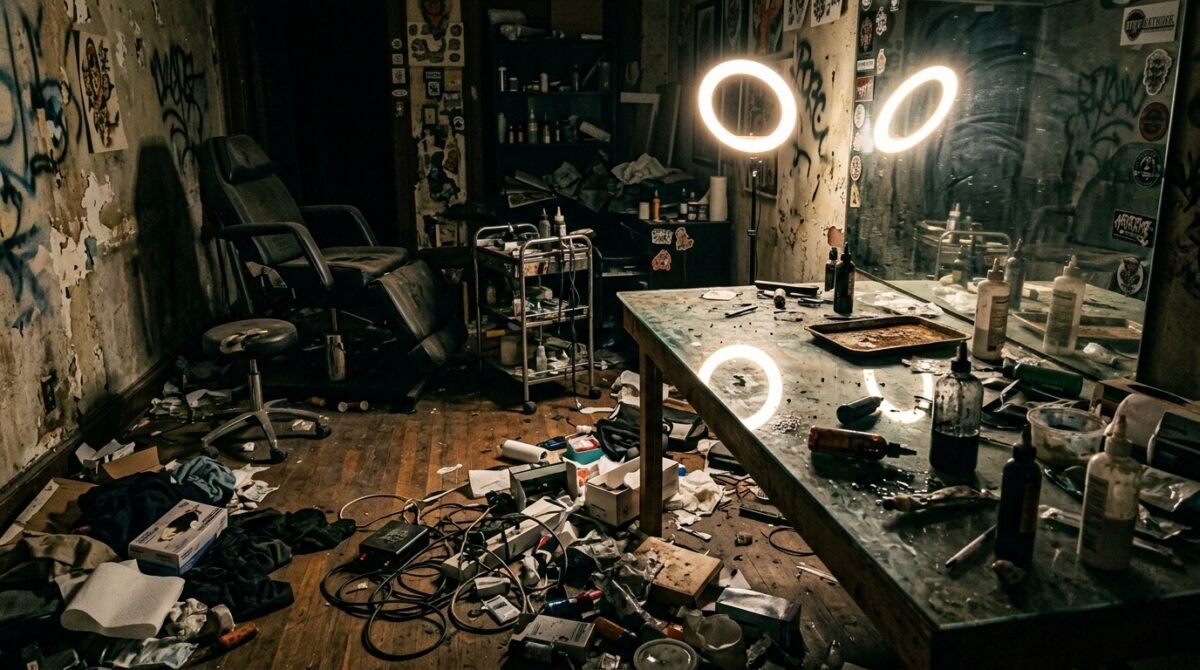
The tipping point arrived on a rainy Sunday. Chloe had gone into town for groceries, leaving the cottage unlocked—an oversight I would later be grateful for. The smell of ozone and heavy cleaning solution was overpowering as I stepped inside. The once-cozy guest space had been gutted of its personal touches. A professional-grade hydraulic chair sat in the center of the room, surrounded by LED ring lights, rolling carts covered in disposable needles, and gallon jugs of industrial-strength disinfectant.
My heart hammered against my ribs. I saw a stack of waiver forms sitting on the counter, printed on cheap copy paper, with my address clearly listed at the top. ‘Chloe’s Custom Inks,’ the header read in a bold, amateurish font. Below that, a liability release that conveniently forgot to mention the landlord’s lack of consent. I was looking at a liability nightmare that could end with us losing our home if a single person developed an infection.
I grabbed my phone and snapped photos of everything: the needles, the ink stations, the biohazard containers that were clearly being disposed of in our regular household trash. I felt like a stranger in my own home. I had opened my doors to help a sister-in-law survive a tough season, and in return, she had turned my asset into a clandestine, high-risk workplace.
“I just walked into the cottage. I see the chair. I see the needles. I see the waiver forms with our home address on them. What were you thinking, Chloe? You are putting us at serious legal and financial risk.”
— My text to Chloe.
The response didn’t come for an hour. When it did, it was laced with the kind of manipulative deflection that I was starting to recognize as her signature move. She acted as if I were the one who had committed a crime by entering the space. She called me ‘invasive’ and ‘controlling,’ completely glossing over the fact that she had endangered our property and our personal safety. The gaslighting had begun in earnest.
The Sunday Dinner Silence
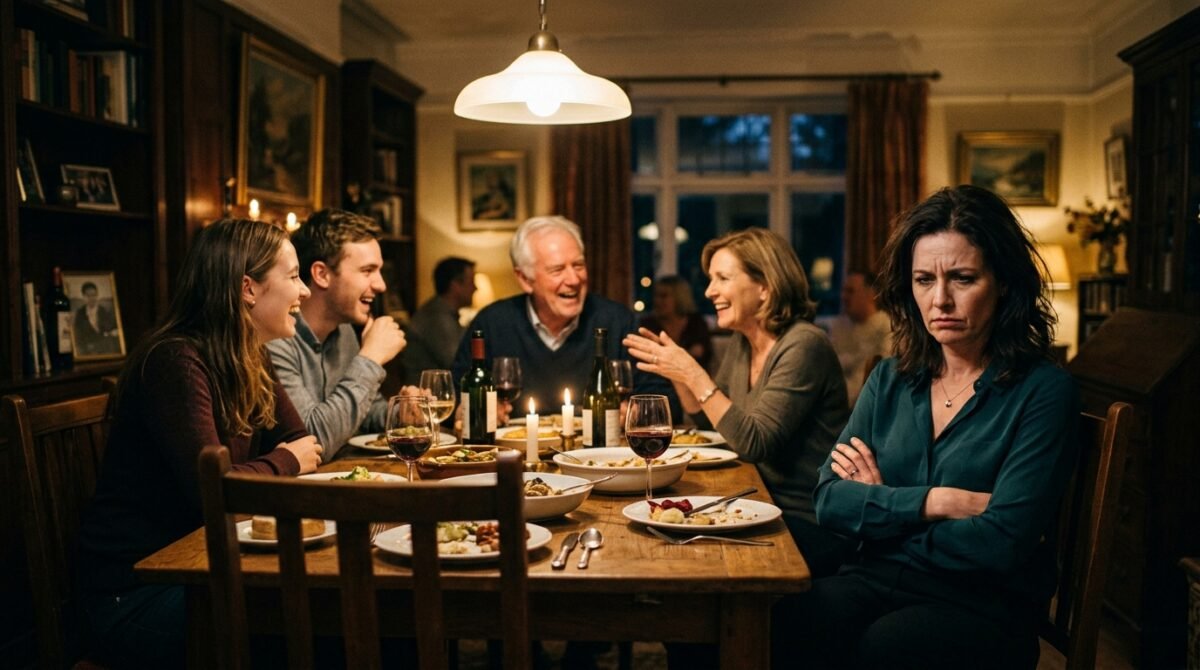
Mark and I were expected at his parents’ house for the weekly Sunday dinner. I knew I had to tell him, but I wanted to wait until we weren’t in the middle of a conflict. However, the situation was untenable. As we sat at the dinner table, the atmosphere felt thick with tension. Chloe was there, acting perfectly normal, joking with her mother about her ‘exciting new project’ that was ‘really taking off.’
I finally broke the silence, my voice shaking slightly as I recounted the day’s events to the entire family. The table went deathly quiet. Mark looked at me, then at his sister, his face a mask of confusion and mounting anger. His parents, however, reacted with a bizarre defensiveness, as if their daughter’s entrepreneurial spirit was being stifled by my ‘strict rules.’ They didn’t see the risk; they only saw a ‘hustle’ they wanted to support.
“It’s not just a hobby, Mom. She is tattooing people in our guest house without a license, without insurance, and using our electricity. If someone gets a staph infection, guess who they are suing? Not Chloe. They are suing the homeowners.”
— Me, speaking to the family over dinner.
Mark’s father sighed, waving a hand dismissively. “You’re overreacting, dear. She’s young, she’s talented, and she needs to make a living. Why can’t you just let her use the space for a little while until she finds a shop? It’s family, for heaven’s sake.”
I looked at Mark, expecting him to back me up, but he remained silent, staring at his plate. It was the first time I realized that my own husband was going to be an obstacle in this. He was paralyzed by the fear of upsetting his family, even when their demands were putting us in direct peril. That moment at the dinner table was the turning point; I knew I was on my own.
The Inevitable Confrontation
When we got back home, the argument was explosive. Mark accused me of ‘making a scene’ in front of his parents, while I accused him of being a spineless enabler. The argument moved from the kitchen to the living room, and eventually, we were both standing outside the guest cottage. Chloe was inside, and when she saw us, she didn’t look remorseful. She looked annoyed.
She emerged from the cottage, wiping ink off her hands with a rag. ‘You told them?’ she sneered, looking at me. ‘I can’t believe you would try to sabotage my career just because you’re bored and need something to complain about.’ The entitlement was staggering. She truly believed that our house was her personal venue, and that my concerns were nothing more than petty grievances.
I gave her an ultimatum right there in the yard. She had forty-eight hours to clear out the equipment and cease all operations, or I was serving her with a formal eviction notice. I didn’t care about the family drama anymore. I cared about the fact that my home was being used for something that could land me in legal trouble. The look on her face shifted from annoyance to genuine shock.
“You have 48 hours to remove every single needle, every chair, and every client from this property. If I see one more stranger walking to that door, I am calling the police and having you trespassed. This is my house, and I am done being taken advantage of.”
— My ultimatum to Chloe.
She turned on her heels and stormed back into the cottage, slamming the door so hard the siding rattled. Mark stood there, looking miserable. He knew I was right, but he hated the conflict. As we walked back to the house, I knew that our marriage was going to be tested in the coming days, but I refused to back down. The safety and integrity of my home were non-negotiable.
The Leaked Family Group Chat
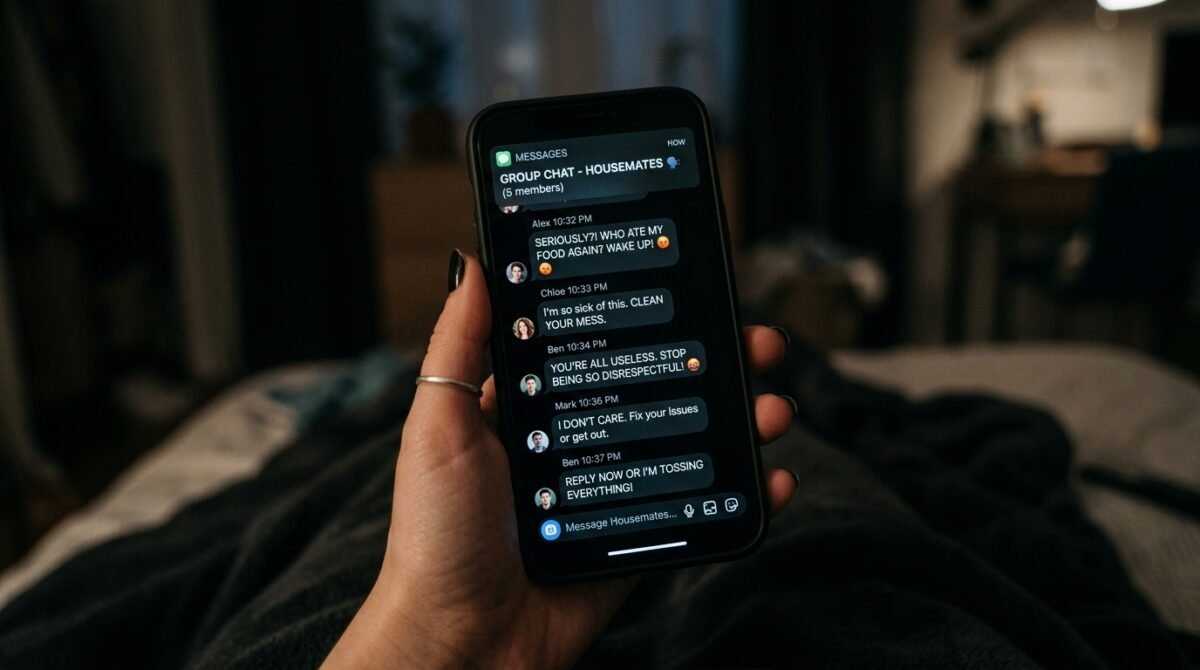
The next morning, I woke up to a flurry of notifications on my phone. Mark had left his phone on the charger, and a notification from the family group chat pinged, lighting up the screen. I didn’t intend to snoop, but the preview text was impossible to ignore. It was from Chloe, and it was venomous.
She was painting me as a villain, claiming I was jealous of her talent and that I was trying to force her onto the street. The responses from his family were even worse. They were discussing ways to ‘talk some sense’ into me, effectively ganging up on me in a private space where I couldn’t defend myself. I realized then that they had been talking about me for days.
“She’s so uptight. I’m literally just trying to get my life together and she acts like I’m running a drug den. Mark needs to get a backbone and tell her to back off. It’s his house too.”
— Chloe, in the family group chat.
The sense of betrayal was suffocating. I had invited these people into my life, supported them, and opened my home to them, and this was how they talked about me when they thought I wasn’t looking. I took a deep breath, took a screenshot of the entire conversation, and sent it to Mark’s personal phone. I didn’t add any commentary. I just let the evidence speak for itself.
When Mark saw the messages, the look on his face changed from passive hesitation to cold, hard realization. He had spent his whole life trying to keep the peace, but seeing his own family actively conspiring against his wife was a bridge too far. He finally understood that there was no ‘peace’ to keep—only a line that had been crossed.
The Certified Letter of Eviction
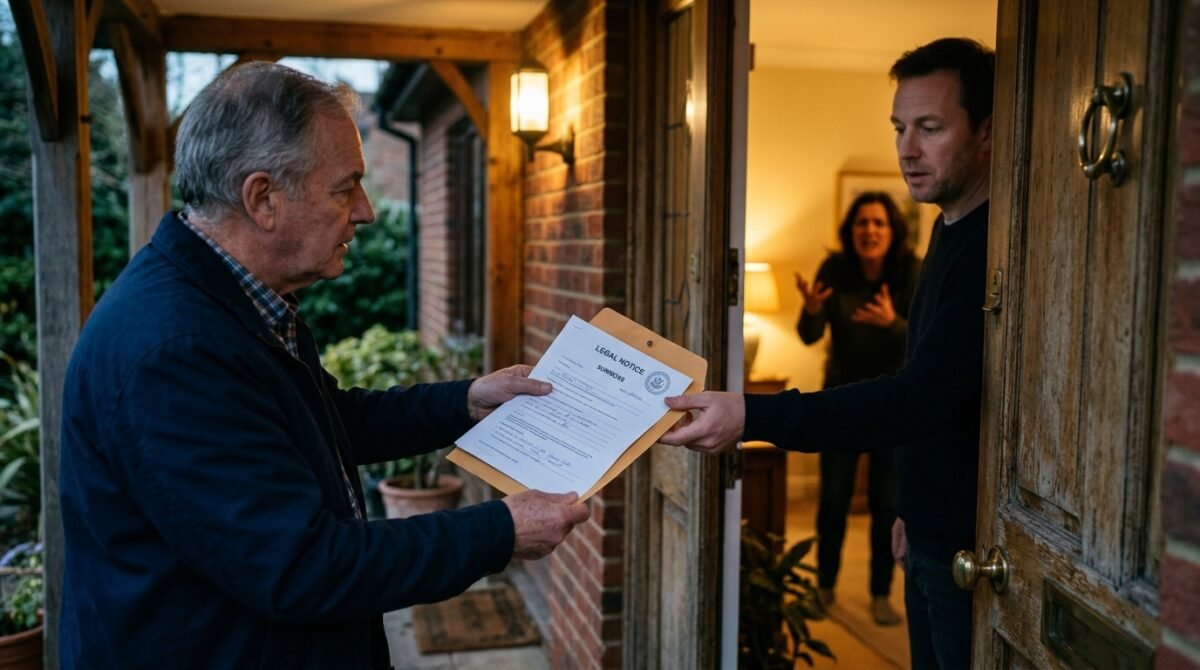
The forty-eight hours passed, and on the morning of the third day, I saw a client walking up the path. It was the final straw. I didn’t bother arguing. I had already prepared the paperwork, and I had the local sheriff’s department on speed dial. I had consulted with a lawyer, and he had confirmed that despite her being family, she was a tenant, and I needed to follow the legal process to the letter.
When the process server arrived at my door to serve the notice, I felt a strange sense of calm. The chaos of the last few weeks was finally being replaced by the cold, clear structure of the law. Chloe came out of the cottage, screaming when she saw the papers. She accused me of being a heartless monster, but I didn’t engage. I just stood there, arms crossed, watching as the reality of her choices finally caught up with her.
Mark stood next to me. He didn’t say a word to her, which was the most powerful thing he could have done. He held my hand, his grip firm and steady. Chloe looked at him, pleading for his help, but he didn’t move. He had seen the texts, and he had seen the way his family spoke about us. He had finally chosen his own home over the family dynamic that had dictated his life for so long.
“You’ve had your warnings, Chloe. You chose to ignore them. Now you have thirty days to vacate this property, or we will initiate formal eviction proceedings through the court. Do not bring another client onto this property, or we will involve the police for trespassing.”
— The final notice delivered by the process server.
The silence that followed was heavy and final. Chloe went back inside, and the house stayed quiet for the rest of the day. The buzzing of the tattoo machine had stopped, and for the first time in months, I could hear the wind in the trees. The storm had passed, leaving behind a new, harder reality.
Reddit Weighs In: The Verdict of the Internet

I decided to share the story on a popular forum to see if I was losing my mind. I needed to know if I was being the villain or if I was merely defending my home. The response was overwhelming. Within hours, the post had thousands of comments, and the consensus was so overwhelmingly in my favor that it was almost jarring. It turned out that thousands of people had dealt with similar boundary-stomping family members.
The commenters were brutal in their defense of my position. They pointed out that I wasn’t just ‘annoyed’ by a hobby—I was protecting myself from massive financial and legal ruin. Many people shared stories of their own experiences with ‘family business’ disasters, confirming that my fear of a lawsuit was not paranoia, but a necessary, mature consideration of reality.
“NTA. You are not a ‘hostile landlord,’ you are a responsible homeowner. An unlicensed tattoo studio in a residential cottage is a recipe for a lawsuit, an insurance nightmare, and potentially a criminal record if something goes wrong. She is incredibly entitled.”
— u/HomeOwnerReality, 18.2k upvotes
“The fact that she was using your address on the waivers is the smoking gun. That’s not a mistake; that’s intent. She was using your credibility to legitimize her illegal operation. You’re doing the right thing, and honestly, your husband needs to grow a spine.”
— u/LegalEagleEye, 15.6k upvotes
Reading these comments helped validate the decision I had made. It gave me the strength to stand by the eviction notice, regardless of the guilt trips my in-laws were sending my way. The collective wisdom of the internet served as a mirror, showing me that while family is important, it doesn’t mean allowing your life to be dismantled by someone else’s lack of respect.
The Aftermath: Clearing the Cottage

The weeks leading up to the final move-out date were agonizingly quiet. Chloe barely spoke to us, moving her boxes out in the middle of the night like a thief. I didn’t help her, and I didn’t offer to store anything. The cottage was a shell of its former self, cluttered with old ink bottles, stencils, and discarded equipment that she had left behind. When I finally walked inside after she turned in the keys, the smell of antiseptic had faded, replaced by the scent of dust.
I had to hire a professional cleaning crew to sanitize the space. They found needles tucked into the floorboards and ink stains on the walls that would require a complete repaint. It was a stark reminder of how close I had come to disaster. Every piece of equipment I discarded into the trash felt like a weight being lifted off my shoulders. I was reclaiming my space, one room at a time.
Mark helped me paint the room, covering over the scuffs and the memories of the last few months. We didn’t talk much about Chloe, but we talked a lot about us. We discussed how we would set boundaries moving forward, not just with her, but with his parents. We agreed that our home was our sanctuary and that no amount of family pressure would ever be allowed to compromise it again.
“I’m sorry I didn’t stand up for you sooner. I see now that I was trying to preserve a version of my family that doesn’t really exist. Thank you for holding the line, even when I was making it harder for you.”
— Mark, while we were painting the cottage.
That apology was the beginning of our own healing process. We realized that setting boundaries isn’t an act of aggression; it’s an act of preservation. By removing the toxic element from our lives, we had made room for a stronger, more honest partnership. The house felt like ours again—not a business, not a hostelry, but a home.
The Final Fallout with the In-Laws
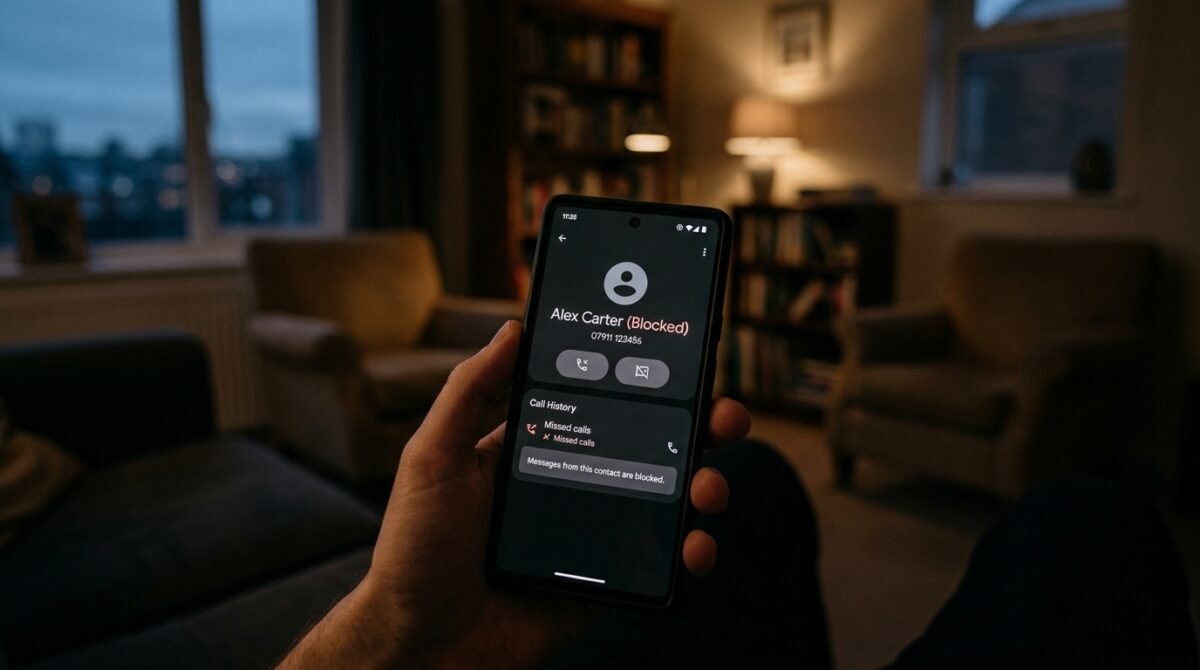
The fallout with Mark’s parents was predictable. They refused to speak to us for months, claiming we had ‘abandoned’ Chloe when she was at her most vulnerable. They couldn’t understand that we had offered her a home, and she had responded by turning it into a liability. They prioritized her comfort over our reality, a cycle they had clearly been repeating for her entire life.
We eventually had to go low-contact with them. It wasn’t a decision made lightly, but it was necessary for our mental health. Every conversation was filled with passive-aggressive comments about ‘family loyalty’ and ‘forgiveness.’ We realized that as long as we were around them, we were being expected to apologize for a situation we didn’t create. The distance was the only way to heal.
Chloe eventually moved into a small apartment in the city, and from what we heard, she was still trying to tattoo people out of her living room. I didn’t feel happy about her struggle, but I felt relieved that it was no longer happening on my property. The guilt that I had initially felt began to dissipate, replaced by the understanding that I couldn’t save someone who didn’t want to follow the rules of a civilized, respectful life.
“You guys are dead to us. How could you do this to your own blood? Family is supposed to be there for each other, not calling lawyers because of a few needles.”
— A voicemail from Mark’s mother.
I saved the voicemail. Not to hold it over them, but as a reminder of why we had to draw the line. It serves as a permanent record of the dysfunction that once tried to consume our lives. We have moved on, and we have found a peace that we never knew was possible before the cottage incident.
Lessons in Hard Boundaries

Looking back, the biggest lesson I learned was about the difference between being kind and being a doormat. I thought I was being a supportive sister-in-law, but in reality, I was enabling behavior that was fundamentally unsafe and disrespectful. I learned that you can love someone and still hold them accountable for their actions, and that if they choose to break your trust, they forfeit their place in your private world.
Our home is now used exactly how we intended it. It is a hobby space, a place for guests who actually respect our boundaries, and a sanctuary where we can be ourselves without fear of legal consequences. The ordeal forced us to define our values and, more importantly, to align them with our actions. We are no longer the family that says ‘yes’ to everything; we are the family that protects what we have built.
I often wonder what would have happened if I had just ignored the buzzing machine for a few more months. We could have been facing a lawsuit, or worse. The realization that I was mere weeks away from a life-altering crisis is a sobering thought. It reinforces the importance of listening to your gut when something feels off, especially when it involves the people you love.
“Boundaries aren’t about keeping people out; they’re about keeping the peace within. I would rather be the villain in someone else’s story than a victim in my own home.”
— My reflection on the experience.
We are stronger now. We communicate better, we are more selective with our time, and we have realized that the only people who get angry when you set boundaries are the ones who were benefiting from you not having any. That realization has been the most liberating part of the entire journey.
Conclusion
My life has changed significantly since the eviction. I no longer feel the need to justify my space to others, and I have found a profound sense of peace in knowing that my home is truly my own. The drama with the in-laws has faded into the background, and while it’s sad to have lost those relationships, I have gained a sense of self-respect that is worth far more than their approval.
If you find yourself in a situation where someone is taking advantage of your kindness, don’t wait for them to change. Hold your boundaries, protect your peace, and do what is necessary to keep your home safe. You are the only person who can advocate for your life.
What about you? Have you ever had to draw a hard line with a family member, even when it caused a major rift? Do you believe there is such a thing as ‘too much’ support? Share your thoughts in the comments below—I’d love to hear your experiences.
What's your verdict on this dilemma?
Vote below to contribute to the official community consensus.

Have a Dilemma Keeping You Up at Night?
Share your real-life feud, wedding chaos, or relationship crossroads anonymously with our editorial team.
What do you think ?
0 Comments🛡️ Comments are moderated to protect community integrity. Your comment will appear once approved by the editorial team.