
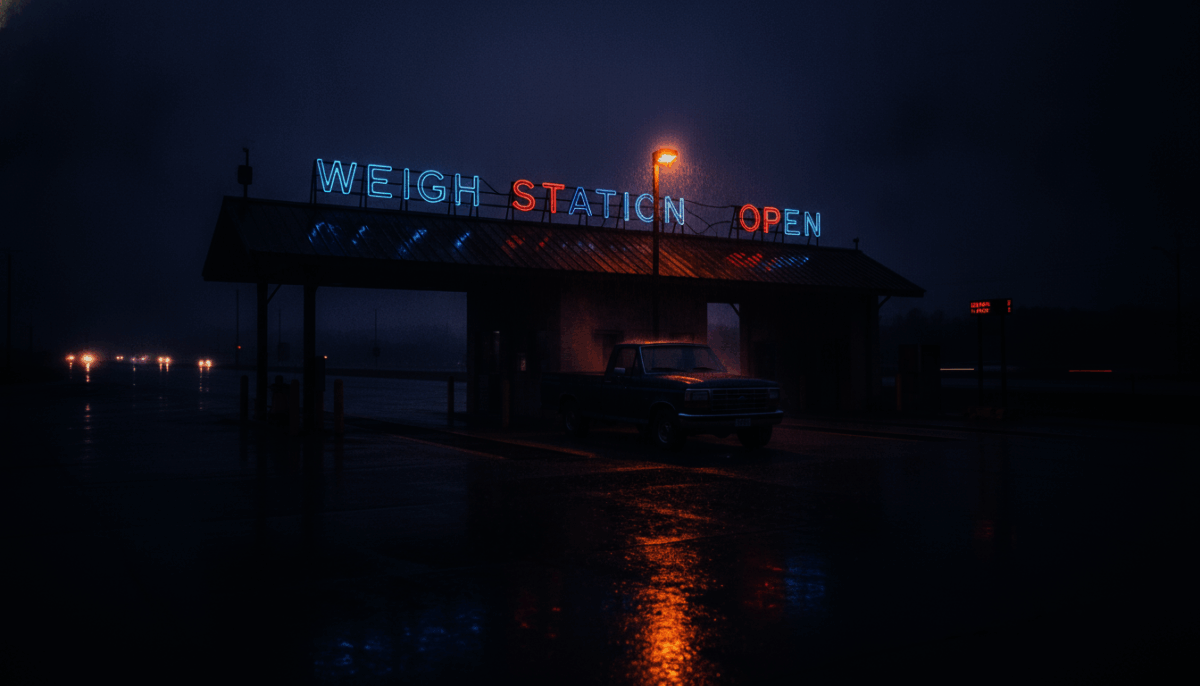
Moving in together is supposed to be a milestone—a romantic leap into a shared future. For Mark and me, it was meant to be the start of our life in a new city, two hours away from our respective jobs and families. We had spent weeks scouring listings, arguing over paint swatches, and dreaming about the oversized sectional we’d finally have space for. I never imagined that this supposed ‘exciting chapter’ would end in a torrential downpour, miles from civilization, with me standing on the side of a highway, watching the taillights of my own life fade into the gray.
The issue wasn’t the move itself, nor the stress of packing boxes. It was the entitlement that had been festering beneath the surface of our relationship for months, finally bubbling over in a display of breathtaking selfishness. Mark had rented a truck, but he hadn’t accounted for the sheer volume of our belongings. When we realized the cabin was cramped, the solution he proposed wasn’t to take two trips, nor was it to leave the less important items behind. It was to relegate me to the open truck bed, surrounded by IKEA furniture, while the sky turned black and the rain began to lash against the windshield.
I remember looking at him, hoping to see a flicker of concern, a sign that he was joking. Instead, I saw a man who had already decided that his comfort was non-negotiable. The rain was cold, biting, and relentless, but the realization that I was merely an accessory to his life was colder. It wasn’t just about the truck; it was about every boundary he’d eroded, every request he’d dismissed, and every sacrifice he’d expected me to make without question. That highway weigh station became the site of my liberation.
In the paragraphs that follow, I will recount the descent from a dream move to a cold-blooded ultimatum. I will detail the gaslighting that led up to that moment, the specific, stinging words he used to justify his cruelty, and the split-second decision that changed everything. This isn’t just a story about a bad moving day—it’s a story about the breaking point that every person in a one-sided relationship eventually reaches. It’s about the moment you realize that the person in the driver’s seat isn’t driving toward a future for both of you, but only for themselves.
The Logistics of a One-Sided Compromise
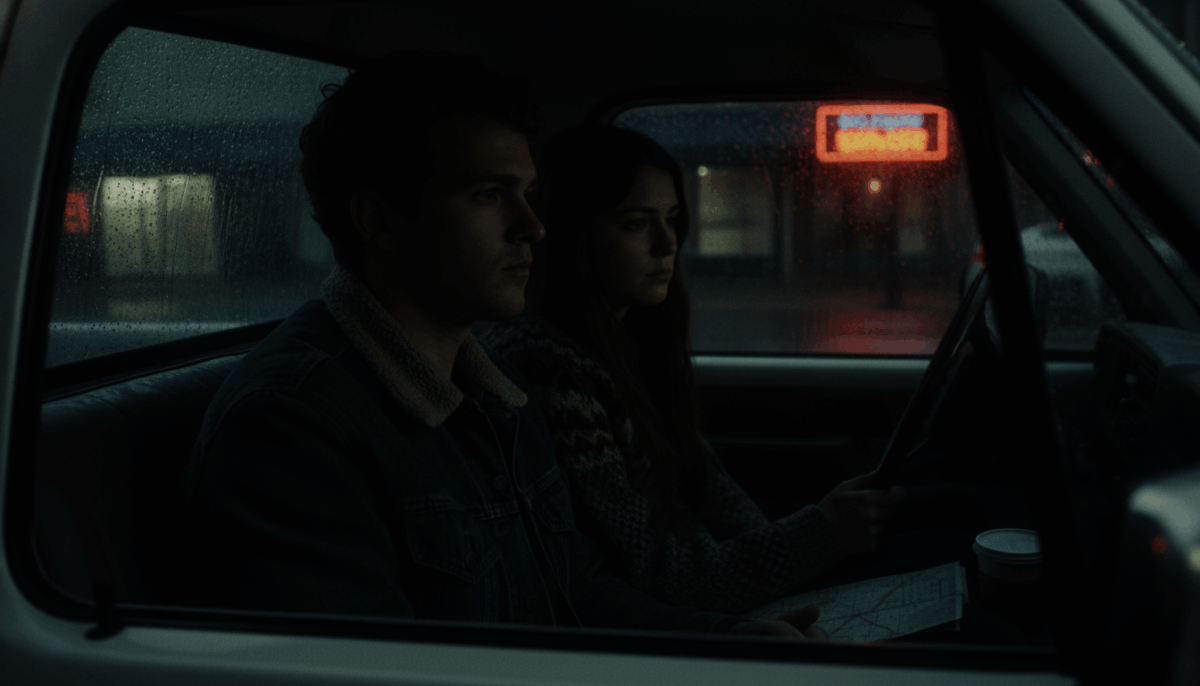
The planning phase should have been my first warning sign. Mark took full control of the logistics, claiming he had a ‘system’ for packing that would save us hours of labor. In reality, his system consisted of throwing delicate items into boxes without padding and insisting that we take every single piece of furniture I had ever owned, regardless of its condition or whether it would actually fit in our new apartment.
I brought up the space issue multiple times. I suggested we sell the older dresser, or perhaps ship some of the smaller items. Each time, Mark dismissed my concerns with a wave of his hand. He was fixated on the idea that we were ‘starting fresh’ with everything we owned, regardless of the physical constraints of our transit method. He insisted on renting a single, slightly undersized pickup truck instead of a proper van, citing his desire to ‘save money’ for a weekend trip he wanted to take next month.
The day of the move began at 5:00 AM, with the temperature hovering near freezing and a light drizzle already settling in. As we loaded the truck, the inefficiency of his ‘system’ became painfully obvious. We were stacking boxes precariously, and the furniture was shifting with every slight movement. Mark was already agitated, snapping at me for not holding the ladder steady enough or for asking questions about how he intended to secure the load.
“You’re overthinking this, Sarah. It’s just a two-hour drive. Everything is going to fit, and it’s going to be fine. Just stop complaining and help me tie this down.”
— Mark, moments before the disaster unfolded
The tension was palpable. He wasn’t working with me; he was working through me, using my labor to facilitate his vision. Looking back, I can see how perfectly he had conditioned me to prioritize his goals over my own comfort or safety. I felt like a tool in his shed, not a partner in his life.
By the time we hit the highway on-ramp, the sky had opened up. It wasn’t a sprinkle anymore; it was a full-blown thunderstorm. The highway was slick, the visibility was plummeting, and I could feel the truck swaying under the weight of the unbalanced load. The atmosphere in the cabin was suffocating, thick with the weight of things unsaid and the growing dread of the hours ahead.
The Moment the Cabin Doors Slammed Shut
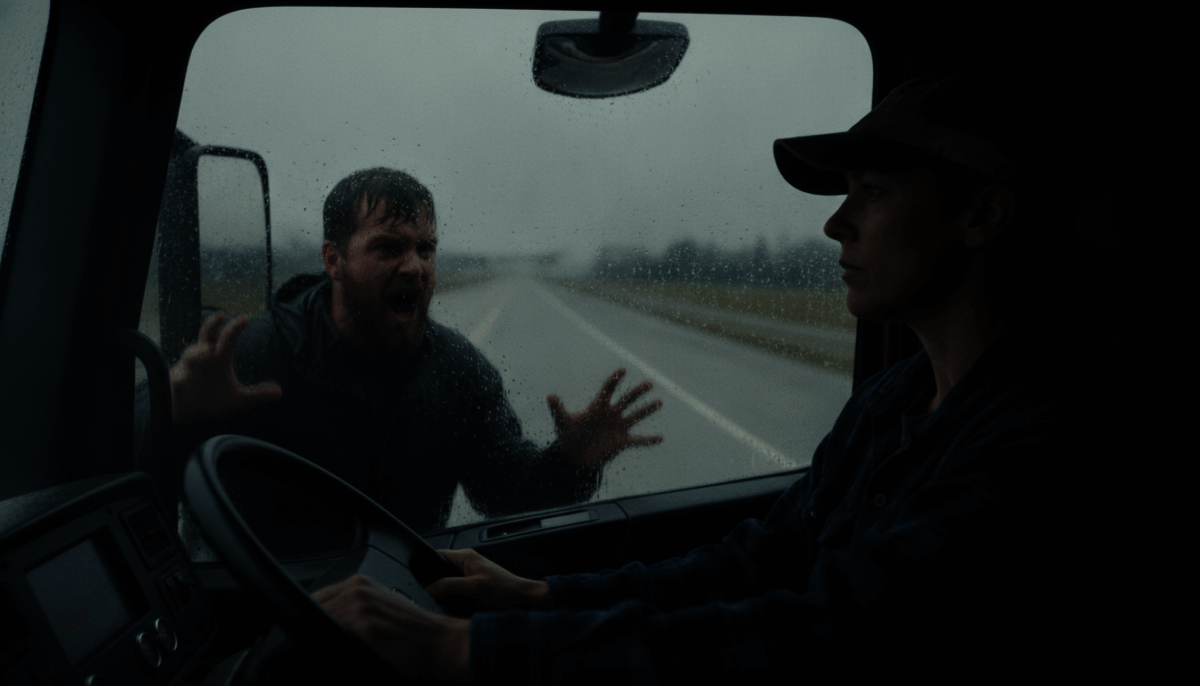
We pulled over at a roadside rest stop because the wind was catching the tarp and threatening to blow our belongings across the highway. Mark was furious, pacing around the truck, cursing the weather, the road, and the furniture itself. He started rearranging boxes, shoving them into tighter configurations, and when he finally stopped, he looked at the narrow sliver of space left in the cab. Then he looked at the open truck bed, which was becoming a pool of freezing rainwater.
He gestured toward the truck bed with a look of absolute pragmatism that bordered on sociopathic. He didn’t ask me; he commanded me. He told me that since I was ‘lighter,’ I needed to sit in the back to stabilize the load and hold down the tarp. He told me it would only be for an hour, that the rain wasn’t that heavy, and that I should just put on a rain jacket. He acted as if he were suggesting a minor inconvenience rather than a dangerous, humiliating act of blatant disrespect.
“Are you joking, Mark? You want me to sit in the back of the truck, in the rain, with the furniture, while you drive in the heated cabin? That is absolutely not happening.”
— My response, feeling the first surge of real, cold-blooded clarity
He scoffed, his face twisting into that look of patronizing disbelief he often wore when I pushed back against his demands. He told me I was being ‘dramatic’ and ‘difficult’ for no reason. He kept insisting that it was for the safety of our possessions, as if my bodily safety and physical well-being were secondary to a secondhand coffee table. That was the moment the veil finally lifted. I wasn’t his partner; I was a utility.
The air felt heavy, almost electric with the intensity of the argument. I watched him stand there in the rain, soaking wet, hair plastered to his forehead, demanding that I subject myself to the elements so he could drive in comfort. I realized that if I agreed to this, I was signaling that I would accept anything—any level of degradation, any degree of danger—as long as it served his convenience. I felt a cold, hard resolve settle in my chest, a feeling I had never experienced before.
I stayed in the cab, locking the door. He banged on the window, his voice muffled by the downpour, shouting for me to get out. He was red-faced, veins bulging in his neck, screaming about how I was ruining our move. I didn’t unlock the door. I didn’t even look at him. I just sat there, listening to the rhythm of the rain, feeling a strange, hollow sense of peace knowing that I was done.
The Weigh Station Ultimatum
We continued driving, but the tension in the cab was unbearable. Mark didn’t speak, but his driving was erratic, aggressive. He was weaving in and out of lanes, slamming on the brakes, clearly trying to provoke a reaction from me. He wanted me to be scared, he wanted me to apologize, he wanted to see me crumble. When we reached the state-run weigh station, he pulled over, not because the truck needed checking, but because he needed to escalate the confrontation.
He killed the engine and turned to me, his voice a low, dangerous hiss. He told me that if I didn’t get in the back, we were leaving the furniture behind and he would never speak to me again. He framed it as a test of my commitment to ‘our’ future. He wanted me to prove, once and for all, that I was willing to sacrifice for the relationship. He was essentially telling me that my worth was measured by my willingness to suffer for his comfort.
“This is the test, Sarah. Do you want this life, or do you want to keep playing games? If you stay in this seat, you’re telling me that this relationship is over. Get in the back, or get out of the truck.”
— Mark’s ultimatum at the weigh station
I looked at the desolate, concrete landscape of the weigh station, the gray sky pressing down on us, and then I looked at him. I saw the entitlement of a man who had never been told ‘no’ in a way that mattered. He believed I would fold because I always had. He believed that my fear of being alone, of ‘failing’ at the move, would outweigh my sense of self-respect. He was wrong.
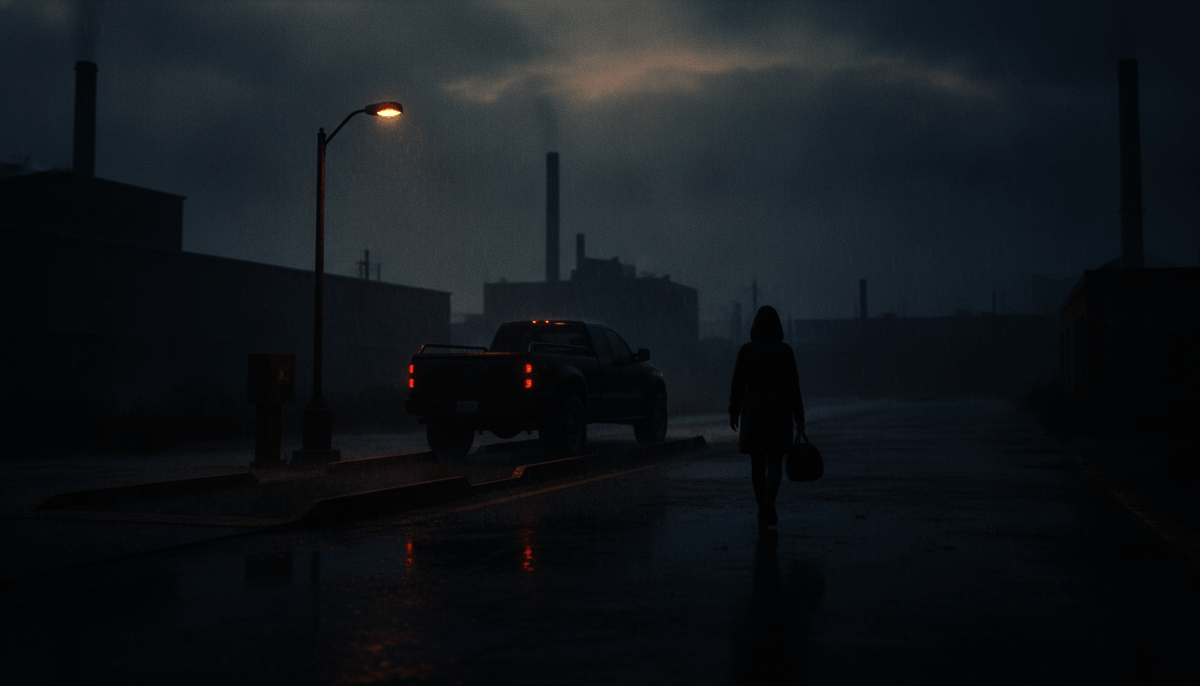
I opened the door and stepped out. I didn’t grab my bags. I didn’t grab the electronics. I just stepped onto the wet, oil-stained concrete of the weigh station and looked at him one last time. He looked genuinely shocked, as if he expected me to climb into the truck bed in tears. He didn’t expect me to walk away entirely. He thought he was holding all the cards, but he was holding a hand of empty promises.
I told him that he could keep the furniture. I told him he could have the new apartment. I told him he could have the truck, the rain, and the misery he was so intent on creating. I told him that I was done being the person he molded to fit his life. And then, I started walking. I didn’t look back to see his reaction, but I could hear him yelling, his voice trailing off into the sound of the wind and the traffic.
The Fallout in the Group Chat
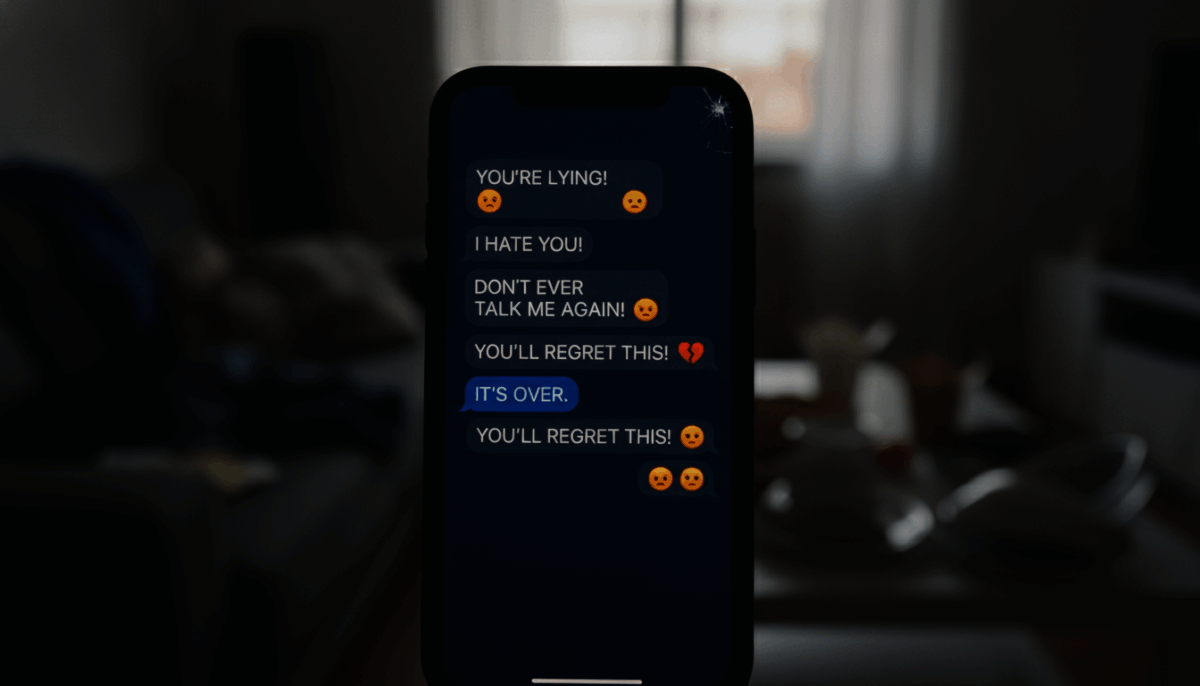
The next few days were a blur of chaotic messages and frantic phone calls. Mark didn’t just accept my departure; he tried to curate the narrative, reaching out to our mutual friends and family to paint me as the unstable, irrational partner who ‘abandoned’ him in the middle of a move. He sent screenshots, carefully cropped to exclude his demands, showing only my refusal to ‘help’ with the furniture.
He sent a flurry of messages, some pleading, some threatening, and some just plain delusional. He seemed genuinely unable to understand why I wouldn’t just ‘get over it.’ To him, it was a one-time incident that I was blowing out of proportion. He couldn’t grasp that the incident wasn’t the cause of the break-up; it was the final, undeniable proof that the break-up was necessary.
“I don’t understand how you can just do this. We had a life planned. You’re throwing away everything over a bit of rain? Come back. I’ll pay for the professional movers to get the rest. Just stop this insanity.”
— A text from Mark two days after the incident
I didn’t reply to any of them. I blocked him on every platform, one by one. It was the most liberating experience of my life. The group chat, which had been a source of anxiety for me for months, was suddenly silent. I had already left the chat, but my friends were whispering. Some reached out to ask if I was okay, others stayed silent, waiting to see what the ‘official’ story would be. I didn’t owe anyone an explanation.
The toxicity of his narrative was starting to unravel on its own. People who knew us, who had seen his behavior at parties or gatherings, started to piece it together. They started to realize that the ‘craziness’ he described didn’t match the person they knew. The cracks in his performance were beginning to show, and it was satisfying to watch from a distance.
I spent that week in a quiet, rented room, sleeping on a mattress on the floor, and for the first time in years, I slept soundly. I didn’t have to worry about the next demand, the next slight, or the next ‘test’ of my loyalty. The quiet was heavy, but it was a good kind of heavy. It was the weight of freedom.
The Anatomy of a Slow-Motion Breakup
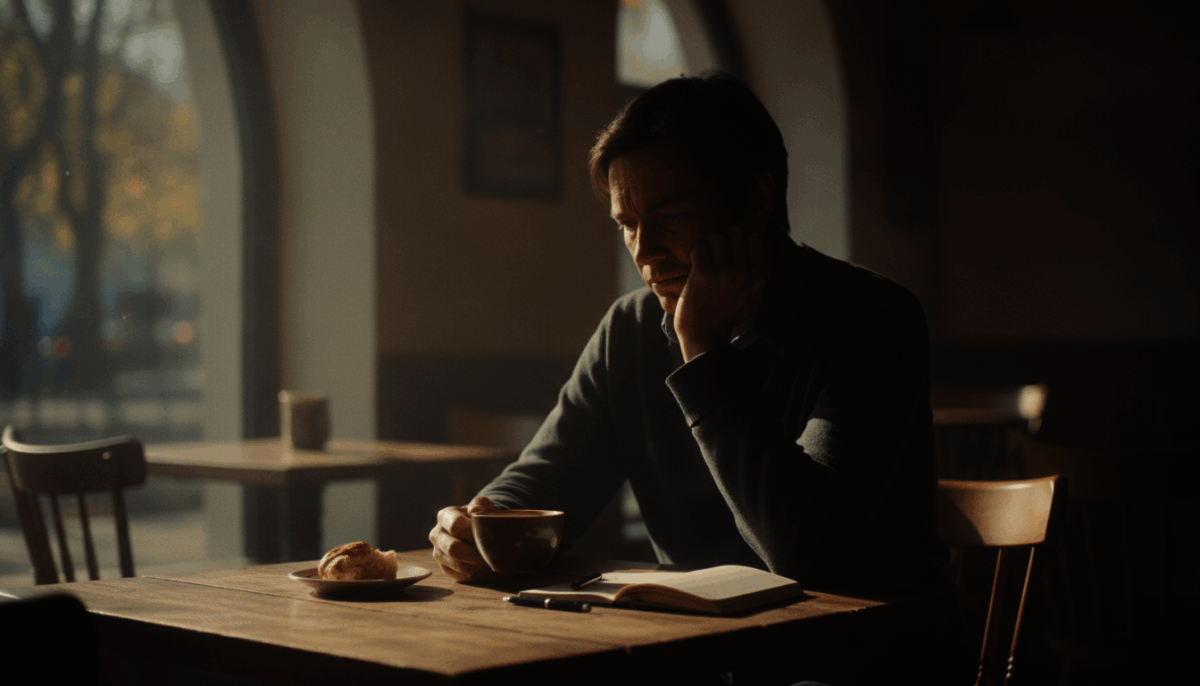
Looking back, I can see the patterns that I had been too close to notice. It wasn’t just the truck. It was the ‘minor’ things—the way he would insist on choosing the restaurant, the way he would ‘forget’ to pick me up from the airport, the way he would belittle my interests in front of his friends. It was a slow, steady erosion of my autonomy. He hadn’t changed overnight; he had just successfully desensitized me to his patterns over time.
He was a master of the ‘small ask.’ He would ask for something slightly unreasonable, and if I pushed back, he would frame it as a sign that I didn’t care about him. By agreeing, I would feel like a ‘good’ partner, which in turn made it harder for me to complain about the next, slightly larger request. It was a textbook case of boundary violation, one that I had been complicit in by failing to assert my own needs early on.
I remember one specific incident from six months ago. We were at a dinner party, and I was excited to share news about a promotion I had received. Before I could even finish my sentence, he interrupted me to tell a story about his own day at work. When I tried to continue, he signaled for me to be quiet, as if I were a child. I felt small, dismissed, and unimportant, but I didn’t say anything. I just smiled and let him take the stage.
“I think the real issue here isn’t just the truck. It’s the fact that you’ve been living in his shadow for so long that you forgot what it felt like to stand in the sun. That weigh station wasn’t a failure, it was your re-emergence.”
— A message from my sister, sent after she heard the full story
That message from my sister hit me harder than any of the arguments Mark and I ever had. She was right. I hadn’t been a partner; I had been a prop. The realization was painful, but it was also incredibly empowering. I wasn’t losing him; I was losing the version of myself that he had created—the version that was small, quiet, and always willing to yield.
The process of unpacking those memories was harder than packing the truck, but it was necessary. I had to confront the fact that I had allowed this to happen. I had to acknowledge my own complicity in my diminished state. It was a hard pill to swallow, but it was the only way to ensure that I would never find myself standing in a rainy weigh station again.
Internet Verdict: The Reddit Thread That Went Viral
I eventually decided to share my story on a popular relationship subreddit, expecting a mix of advice and criticism. I wasn’t prepared for the sheer volume of support. Within hours, the post had thousands of upvotes and hundreds of comments from people who had been in similar situations. The community was, for the most part, overwhelmingly supportive, validating my decision to walk away and warning others about the red flags I had missed.
The consensus was clear: I had done the right thing. Many users pointed out that the truck incident was a ‘mask-off’ moment, a point where he simply stopped pretending to care about me and showed his true, selfish colors. They provided perspective, shared their own stories of ‘final straws,’ and offered advice on how to navigate the post-breakup fallout.
“This wasn’t a moving day, this was a litmus test. He wanted to see if you would degrade yourself for his convenience. You passed the test by leaving, not by getting in the truck. Stand tall, OP.”
— u/RelationshipGuru88 (Top Comment, 32.5k upvotes)
“The amount of people in the comments calling him ‘practical’ is terrifying. If your partner’s ‘practicality’ involves you sitting in the freezing rain while they stay dry, they aren’t practical. They’re a narcissist.”
— u/RealityCheckDaily (12.4k upvotes)
Reading these comments was both healing and eye-opening. It made me realize that I wasn’t alone, and that my experiences were valid. The community, often so cynical, showed a surprising amount of empathy. People who had been through their own ‘weigh station’ moments reached out to offer support and encouragement. It was a reminder that while the world can be harsh, there is also a great deal of understanding to be found in the shared experiences of others.
There were a few dissenters, of course, who argued that I was being ‘petty’ or that I ‘should have communicated better.’ But those comments were quickly buried, overwhelmed by the sheer force of support from those who understood the reality of the situation. It was a powerful demonstration of the collective wisdom of the internet, a reminder that sometimes, the most ‘irrational’ act is actually the most rational choice you can make.
I kept the thread open for a few days, reading every comment, feeling a sense of community that I had been denied in my relationship. It wasn’t about the drama; it was about the confirmation that I was a person who deserved better. That thread became a repository of strength for me, a place I could go back to whenever I felt tempted to doubt my decision.
The Aftermath: Reclaiming My Space

After the initial storm passed, the silence in my new apartment—which I had found for myself, on my own terms—felt like a symphony. I spent the first few weeks just enjoying the emptiness. I didn’t have to worry about where I placed my furniture, or whether the decor was ‘efficient’ enough. I could decorate how I wanted, live how I wanted, and breathe without the pressure of someone else’s expectations.
It wasn’t always easy. There were nights when I missed the companionship, when I wondered if I had been too harsh, when I felt the familiar pull of the ‘what-ifs.’ But those moments were fleeting. Every time I felt that way, I would recall the image of him in the rain, screaming at me to get in the truck. That memory was a powerful anchor, a reminder of the reality I had escaped.
I started focusing on myself again. I joined a pottery class, something I had always wanted to do but hadn’t because Mark thought it was ‘too messy’ and ‘a waste of time.’ I reconnected with friends I hadn’t spoken to in months. I started therapy, which was perhaps the most important step in my recovery. It helped me understand why I had been so willing to tolerate the toxicity for so long.
“You didn’t lose a boyfriend, Sarah. You lost a weight that was holding you down. The furniture was just a metaphor for the baggage he expected you to carry for him.”
— My therapist, during our fourth session
My therapist was right. The move hadn’t just been about furniture; it had been about the weight of the relationship itself. Once I let go of that baggage, I felt light for the first time in years. I wasn’t just surviving; I was thriving. I was learning that I didn’t need someone else to define my life, to set my boundaries, or to tell me what was ‘reasonable.’
I started to see the world differently. I became more attuned to my own needs, more vocal about my boundaries, and more confident in my decisions. The weigh station, once a symbol of a painful breakup, became a symbol of a new beginning. It was the place where I had finally decided to stop living for someone else and start living for myself.
The Unexpected Encounter

Several months later, I ran into an old friend of Mark’s at a local coffee shop. The encounter was unexpected, but it provided a sense of closure I hadn’t anticipated. He told me that Mark was still single, still complaining about his ‘crazy ex,’ and still living in the same cycle of self-entitlement. He told me that Mark had never quite understood why I left, and that he continued to use the story to gain sympathy from anyone who would listen.
Hearing that confirmed everything I had learned. He hadn’t changed, and he wasn’t going to change. He was still the same man who believed that the world, and everyone in it, existed to serve his own needs. My leaving hadn’t been a wake-up call for him; it was just an inconvenience that he had turned into a story where he was the victim.
I didn’t feel angry. I didn’t feel sad. I felt a profound sense of indifference. He was a character in a chapter of my life that had already ended. The story was over, and I had moved on to a new one, one that was much more interesting, much more vibrant, and much more my own. I thanked the friend for the update, paid for my coffee, and walked out into the sunshine.
“He’s still the same, Sarah. You really did escape. Everyone sees it now, even if he doesn’t.”
— Mark’s friend, during our brief encounter
That encounter was the final piece of the puzzle. I had spent so much time wondering if I had done the right thing, if I had been too harsh, if I had somehow failed him. But hearing that he was still trapped in his own cycle of delusion, I realized that I hadn’t failed him—I had saved myself from being part of that cycle.
I walked home, listening to the birds, feeling the warmth of the sun on my face. I realized that the best revenge wasn’t winning the argument or getting the last word; it was simply moving on and living a life that was better than anything he could have ever offered me. I had reclaimed my space, my identity, and my future. And that, in the end, was all that mattered.
Lessons in the Rain
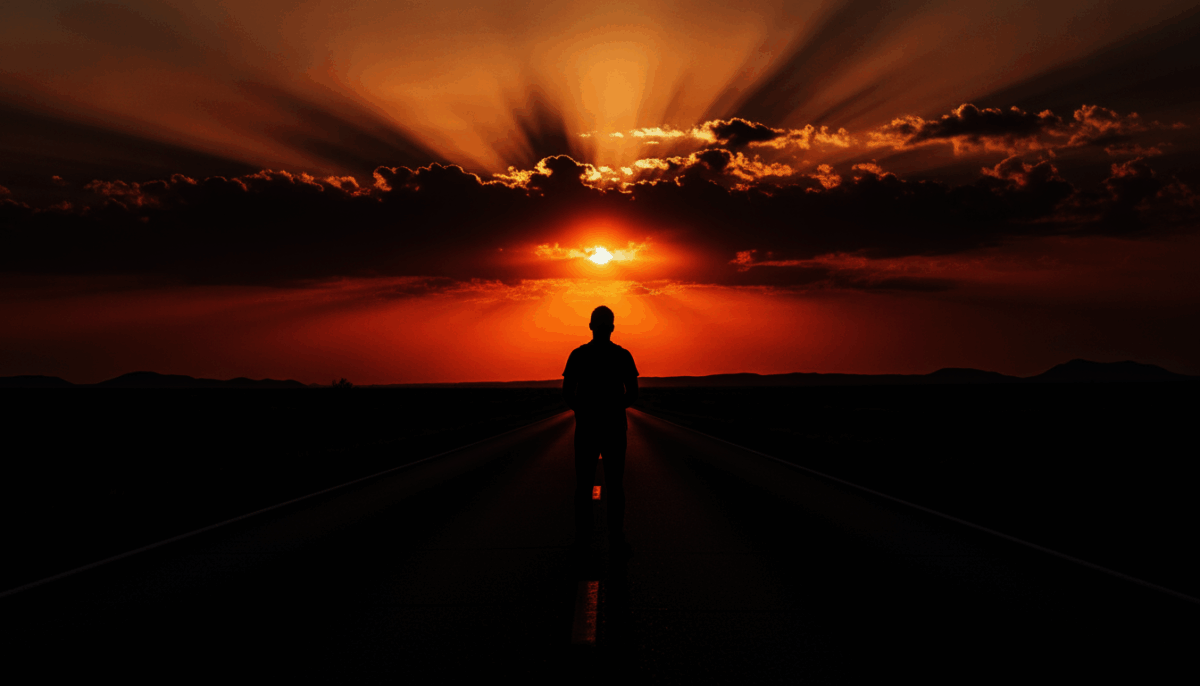
Looking back, the rain wasn’t a tragedy; it was a cleansing. It washed away the illusions, the expectations, and the weight of a relationship that had become a prison. I learned that your worth is not defined by your partner’s perception, but by your own actions and the boundaries you set. I learned that a real partner is someone who supports you, not someone who expects you to support them at your own expense.
I also learned the power of the word ‘no.’ It’s a small, simple word, but it carries a weight that can change the trajectory of your life. Every time I say ‘no’ to something that doesn’t align with my values, I’m saying ‘yes’ to myself. That is a lesson I will carry with me for the rest of my life, a lesson I learned on the slick, oil-stained concrete of a highway weigh station.
I still think about that day sometimes, but the memory doesn’t sting anymore. It’s a reminder of how far I’ve come, of the strength I didn’t know I possessed, and of the freedom I found on the other side of a difficult decision. It’s a part of my history, not the end of my story. I am the driver of my own life now, and I’m heading toward a destination that I chose for myself.
“Don’t settle for a life that makes you feel small. If you find yourself in the back of a truck while someone else sits in the cab, don’t wait for them to change. Take the wheel yourself.”
— A piece of advice I now share with anyone who asks
I am grateful for that day, as strange as it may sound. Without it, I might still be living in that cramped apartment, feeling small and unimportant. Without it, I might never have discovered the person I was meant to be. The rain was cold, the weigh station was desolate, but the outcome was life-changing. And for that, I will always be thankful.
A Future Without Limits

Today, my life is filled with things that make me happy: my pottery, my friends, my work, and the quiet joy of a home that is truly mine. I am no longer defined by the expectations of others, but by the goals I set for myself. I am learning to trust my own judgment, to listen to my own voice, and to act in accordance with my own values. The journey hasn’t been easy, but it has been worth every step.
I look forward to the future with a sense of excitement rather than dread. I know that there will be challenges, but I also know that I have the strength and the resilience to face them. I am no longer a passenger in someone else’s life; I am the driver of my own. And that, in the end, is the greatest lesson of all.
I hope that if anyone reading this is currently in a situation where they feel unheard, undervalued, or pushed to the margins of their own life, they find the courage to speak up or walk away. You deserve to be in the cab, you deserve to be respected, and you deserve a life that is built on mutual care and support. Don’t wait for the rain to start falling before you realize your own worth.
“You are the architect of your own happiness. Don’t let anyone else build your life for you, especially if they’re building it at your expense.”
— My final takeaway
Thank you for letting me share my story. It’s been a long journey, but it’s one that I’m proud to have taken. I’m standing tall, I’m living fully, and I’m finally at home. And that, dear reader, is the best place to be.
Conclusion
The story of my breakup at the weigh station is a reminder that no matter how deep we are in a relationship, we always have the power to step out. It’s rarely about the singular incident—the truck bed, the rain, or the argument—but about the culmination of a thousand small moments where we were asked to shrink ourselves to fit another person’s reality. I chose to stop shrinking, and in doing so, I found a version of myself I thought I’d lost forever.
If you have ever been in a position where you were forced to choose between your partner’s demands and your own dignity, I want to hear from you. We often feel ashamed for having ‘allowed’ ourselves to reach a breaking point, but there is no shame in realizing you deserve better. How did you reclaim your boundaries? What was the moment you realized you had to walk away? Let’s discuss in the comments below.
Poll: When is the right time to walk away from a relationship that feels like a ‘weigh station’ stop?
1. The moment your basic needs are ignored.
2. After a series of minor boundary violations.
3. When you realize you’re no longer the person you want to be.
4. Only when a major ‘deal-breaker’ incident happens.
What's your verdict on this dilemma?
Vote below to contribute to the official community consensus.

Have a Dilemma Keeping You Up at Night?
Share your real-life feud, wedding chaos, or relationship crossroads anonymously with our editorial team.
What do you think ?
0 Comments🛡️ Comments are moderated to protect community integrity. Your comment will appear once approved by the editorial team.