
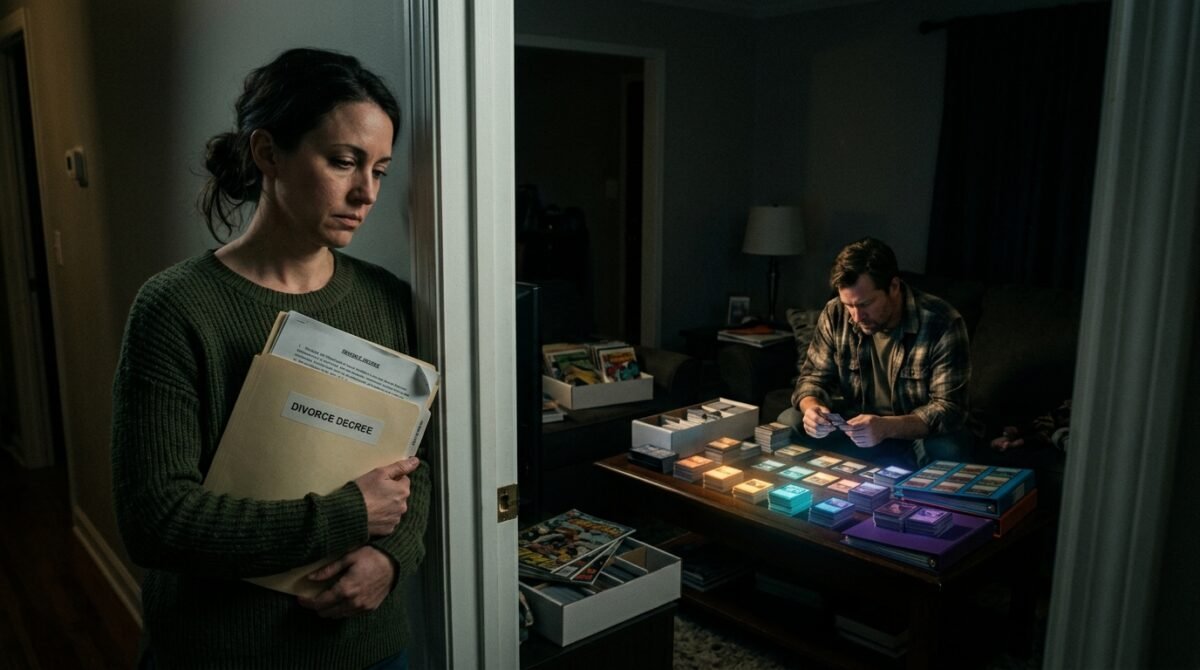
For seven years, we lived in a state of quiet suburban bliss. Our home, a charming craftsman bungalow we had paid off in full three years into our marriage, was our sanctuary. It represented stability, hard work, and a future where we didn’t have to worry about the crushing weight of interest rates or bank demands. Or so I thought. My husband, Mark, was always a collector—he started with vintage coins, moved to retro video games, and eventually settled into the high-stakes, volatile world of rare trading cards. I viewed it as a harmless hobby, a quirk of a man who needed something to obsess over after a long week at his accounting firm.
I never questioned the expenses, mostly because he told me he was using his ‘fun money’ from his side consulting gigs. I trusted him implicitly with our finances, believing we were building a legacy together. The house was our cornerstone; it was the one thing that was undeniably ours, free and clear, protected from the whims of the market and the greed of lenders. I had even framed the final mortgage payoff statement and hung it in our hallway as a symbol of our freedom. It sat there, a silent guardian of our peace, until the day the mail arrived.
It wasn’t a bill—it was a notice from a title company regarding a lien on our property. My heart plummeted. I remember standing in the kitchen, the scent of morning coffee suddenly turning nauseating. I assumed it was a clerical error, perhaps a mix-up with the tax assessor, but as I unfolded the document, the cold, hard reality began to set in. There was a second mortgage on our home. The amount was staggering—nearly three hundred thousand dollars—all taken out in the last six months.
The air left the room as I realized the gravity of the situation. This wasn’t a mistake; it was a calculated, deliberate act of financial violence. My mind raced through the last few months of Mark’s behavior: the late nights in the study, the hushed phone calls, the secretive trips to local hobby shops that he claimed were just for ‘networking.’ The realization hit me with the force of a physical blow: he hadn’t been networking. He had been hunting for cardboard treasures with the money that was supposed to keep a roof over our heads.
I didn’t call him. I didn’t scream. I sat on the kitchen floor with that document, feeling the floorboards beneath me—the floorboards he had technically pawned off to strangers—and I knew then that the man I married was a stranger. I wasn’t just losing my home; I was losing the foundation of my reality. The trust I had built for nearly a decade dissolved in the span of an hour, and as I heard his key turn in the front door, I knew exactly what I had to do.
The Envelope That Stopped Time
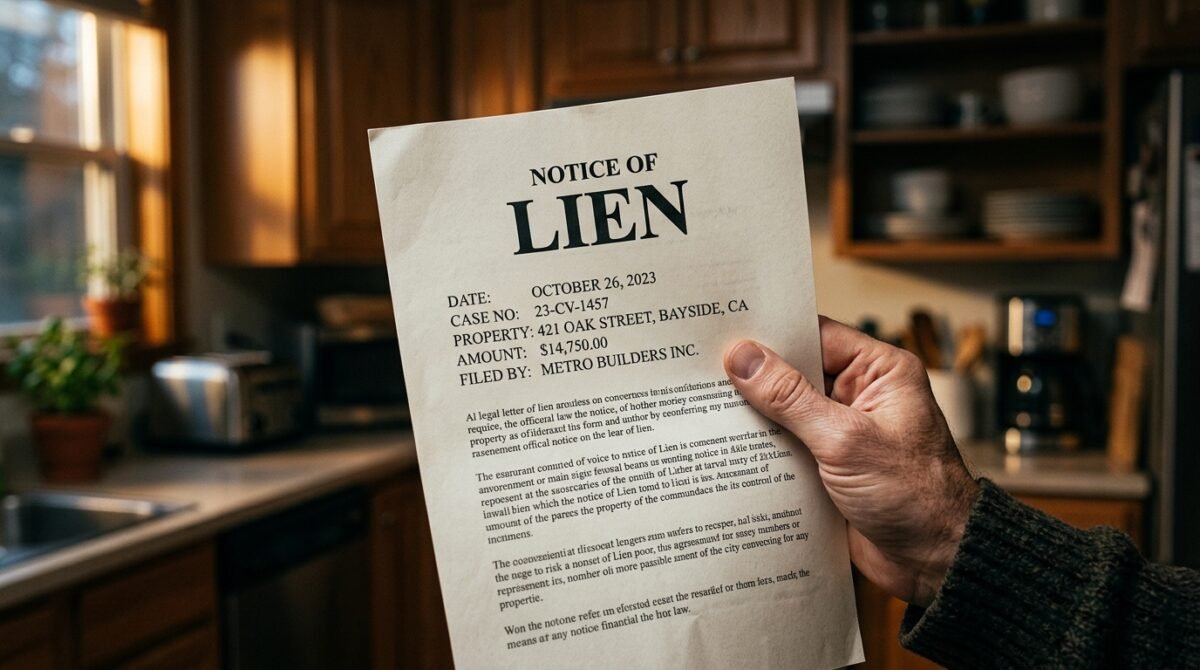
I remember the exact weight of that envelope. It was thick, heavy, and official, with the logo of a firm I didn’t recognize. When I opened it, the word ‘LIEN’ seemed to glow in the midday light. My hands shook so violently that I had to sit down on the kitchen island bench. I read the figures over and over again, the zeros blurring together until they formed a wall of debt that felt insurmountable.
I immediately called the lender. The representative on the other end was polite, almost robotic, confirming that a ‘Mark Stevenson’ had indeed applied for and received a substantial loan against the property. When I told them I was the co-owner and had never signed anything, there was a long, uncomfortable silence. Then came the revelation: a digital signature, a notarized document, and a fake passport photo that looked suspiciously like someone who had gone to great lengths to bypass my involvement.
I felt a cold sweat break across my neck. This was forgery. This was criminal. I looked at the hallway where our payoff statement hung, mocking me with its gold-leafed frame. I walked over and took it down, feeling the heavy glass pull against my skin. I didn’t smash it, but I placed it face down on the dining table, a sign that the life represented by that document was effectively over.
“Ma’am, I suggest you consult with an attorney immediately. The documents provided to us were notarized and signed in your name. If you are claiming fraud, you need to file a police report.”
— Representative, First Fidelity Lending
The realization that he had not only betrayed our marriage but had committed a felony to fund his addiction left me breathless. I realized that my silence—my tendency to avoid conflict and ‘trust’ his financial decisions—had become the very trap he used to cage me. I wasn’t just a victim of a bad husband; I was a victim of my own blind faith.
The Vault in the Home Office

After the call, I walked toward his home office. It was a room I rarely entered, respecting his need for space and privacy. The door was locked, a new addition he had installed just months ago. I didn’t hesitate; I went to the kitchen, found the screwdriver set, and removed the hinges. The door swung open with a soft, ominous creak.
The room looked like a museum of madness. Displays of cards, some encased in plastic slabs, covered every inch of the mahogany desk. There were binders labeled with cryptic codes and a large fireproof safe shoved into the corner, slightly ajar. I walked over to the safe, my heart hammering against my ribs. Inside, I found the receipts—tens of thousands of dollars spent on single, ‘rare’ cards. There were bank statements from hidden accounts I never knew existed, all showing massive outflows and corresponding inflows from the home equity loan.
I felt a strange sense of detachment. It was like looking at the autopsy of a relationship. The invoices showed purchases from as recently as two days ago. He hadn’t just used the money; he was still actively bleeding us dry. I took photos of everything, my hands finally steady, capturing the evidence of the ruin he had brought upon our lives. This was the proof I needed, not just for a divorce, but for the police.
“Everything is for the long term. This is an investment. You don’t understand the market, but you’ll see. We’re going to be millionaires by the end of the year.”
— A handwritten note found inside the safe, dated last month.
I realized then that he wasn’t just a collector; he was a gambler who had convinced himself he was an investor. He had treated our home as a piggy bank to chase mythical returns on pieces of cardboard, completely oblivious to the fact that he was destroying the very foundation of our existence for a hobby that held zero intrinsic value.
The Confrontation at Midnight
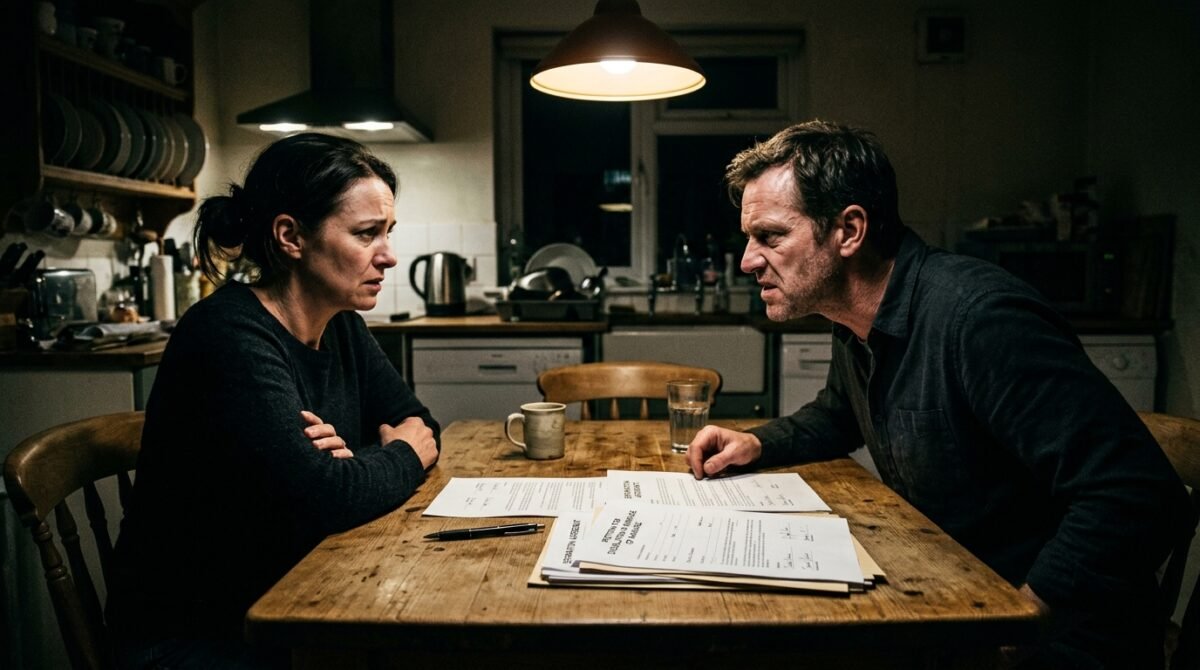
Mark came home at 11 PM, whistling a tune. He walked into the kitchen, looking for a snack, and stopped dead in his tracks when he saw me sitting at the kitchen table. The divorce papers were laid out in front of me, next to the bank statements and the lien notice. The silence in the room was deafening.
His face went pale, then red. He didn’t ask what was wrong; he knew. He looked at the documents, then at me, and his shoulders slumped. He didn’t even try to deny it. He just sighed, a sound of profound annoyance, as if I had caught him tracking mud onto the carpet, rather than destroying our lives. That lack of shock, that sheer indifference, was more painful than the betrayal itself.
“You weren’t supposed to find out this way,” he said, his voice cold and detached. He walked to the fridge, grabbed a beer, and sat down across from me, as if we were discussing a minor disagreement about dinner plans. The audacity, the utter lack of remorse, triggered a fire in me that I didn’t know I possessed. I stood up, my voice shaking with a cold, sharp clarity.
“You stole our home, Mark. You forged my signature, you put a lien on our future, and you did it for cards. Look at these papers. Read every single word.”
— The moment I confronted him.
I didn’t let him speak. I told him that the papers were already filed, that the police were being notified about the forgery, and that he had twenty-four hours to vacate the premises before I had the locks changed. He looked at me, eyes narrowing, and finally, the mask of the ‘harmless collector’ slipped away, revealing a man consumed by desperation and entitlement.
The Digital Breadcrumb Trail
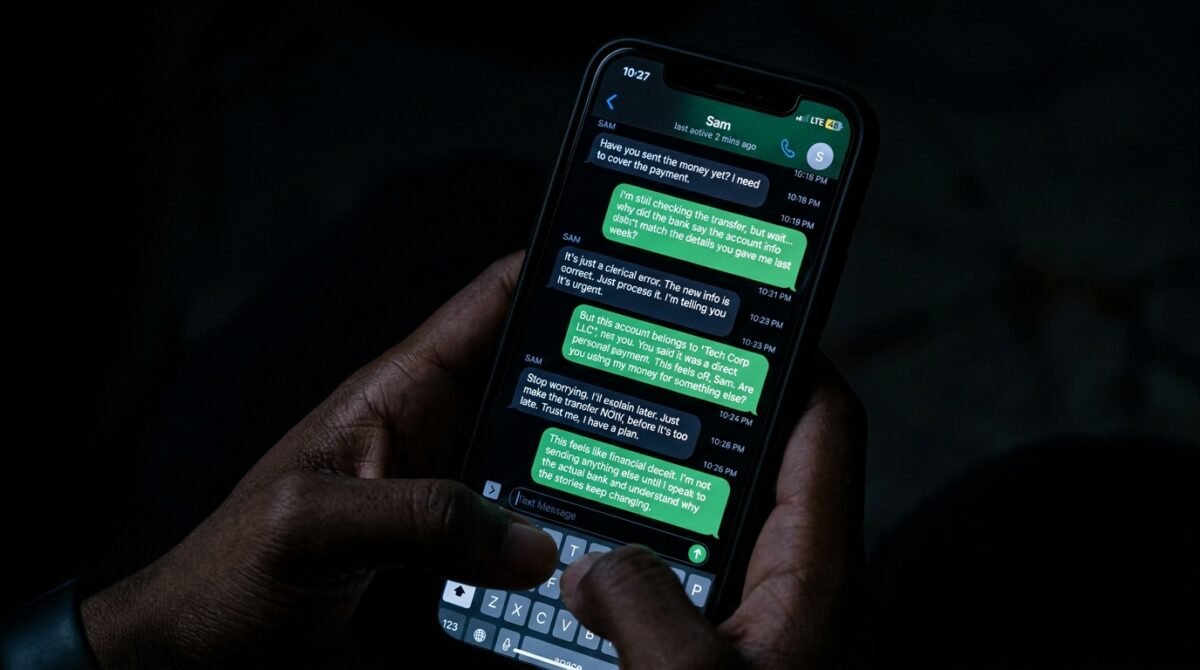
That night, I didn’t sleep. I spent the hours going through his phone while he was downstairs, pacing the living room. I found the group chats—’The Vault Hunters’ and ‘Elite Card Investors.’ These were echo chambers of men reinforcing each other’s delusions. They traded tips on how to hide assets, how to leverage properties, and how to lie to their spouses. It was a cult of financial ruin.
I saw messages from people egging him on, telling him that the ‘market dip’ was just a temporary hurdle and that he needed to ‘double down’ to realize his gains. The messages were sickeningly predatory. He had been manipulated, yes, but he was a willing participant, seeking validation for his reckless behavior from strangers on the internet rather than talking to his wife of seven years.
“Don’t let her find out. Once the next set drops, we flip these and pay off the loan before she even notices. Just hold the line, man.”
— A message from a group chat member known as ‘AlphaCollector88’
I screenshotted every conversation. I documented the names, the dates, and the specific amounts he had moved through these offshore accounts. It was a blueprint of a complete financial breakdown, all occurring while I was busy working my job to contribute to our retirement. I realized then that my marriage had been a facade for years.
The Morning After the Storm
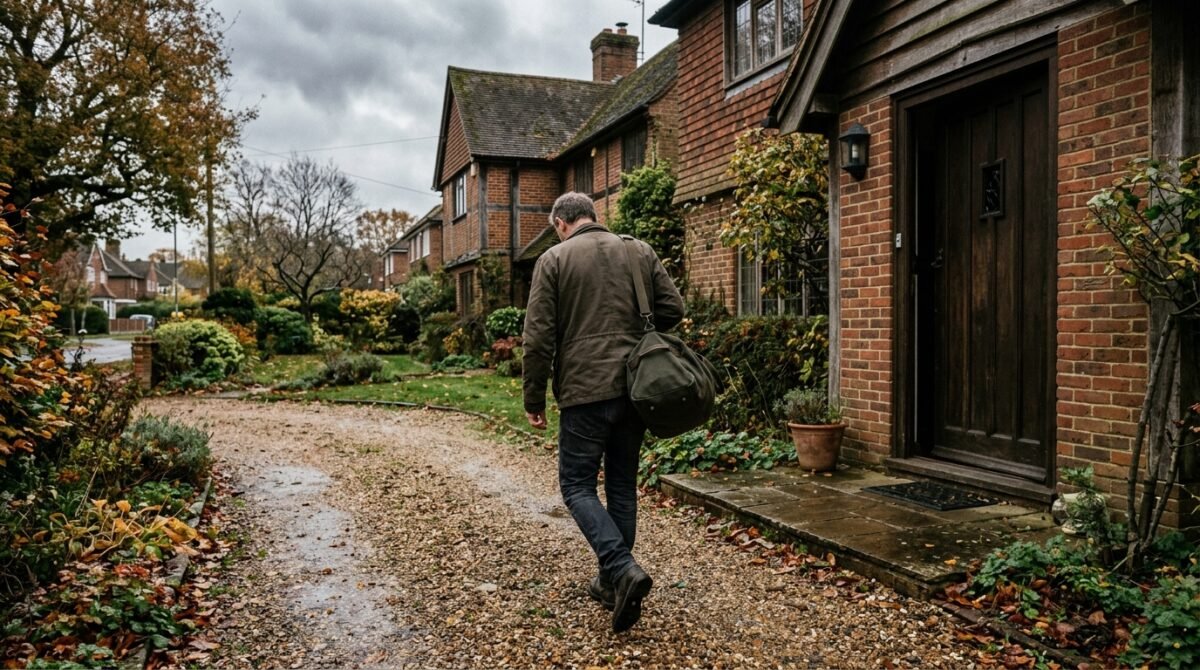
The next morning was surreal. Mark had packed a bag, but he hadn’t left. He was sitting on the couch, surrounded by his ‘investments,’ trying to catalog them for a potential sale. He looked pathetic. The reality of his situation had finally hit him—he was broke, he was being sued, and he was losing his home. He kept repeating that if I just waited, we could ‘make it all back.’
I felt a deep sense of pity for him, but it was overshadowed by the necessity of survival. I called a locksmith and told him to change every deadbolt on the house while Mark was standing there. The sound of the drill was the sound of my life resetting. When the locksmith left, I looked at Mark and told him that the only way he was getting back in was through a court order.
He begged. He cried. He tried to tell me that it was all for ‘us,’ that he wanted us to have a life of luxury. I looked at the man I had once loved and realized I didn’t know him at all. The person I married wouldn’t have risked everything on a game. I told him to leave, and for the first time, he obeyed. He walked out the front door, leaving behind the stacks of cards that had cost him his marriage.
“You gave me everything, and you threw it away for paper. I hope those cards keep you warm at night, because I am done.”
— My final words to him as he walked out the door.
He left, but the damage was done. The house was still under the weight of that mortgage, and the legal battle was only just beginning. But as the door clicked shut, I felt the first glimmer of hope I had felt in weeks.
The Reddit Trial: Community Verdicts

I posted my story on a throwaway account, desperate for validation or perhaps just a sounding board. I didn’t expect the response I got. Within hours, the thread had thousands of comments, a mix of outrage, legal advice, and personal stories of similar betrayals. It was a harsh, unfiltered look at the reality of financial infidelity.
The community was overwhelmingly on my side, but they didn’t hold back on the warnings. People told me that his ‘trading card’ hobby was likely a cover for a deeper addiction—gambling—and that I needed to be prepared for him to try and fight for the assets. They advised me to secure the cards as ‘evidence’ and ‘marital assets’ before he could sell them off to pay his debts.
“NTA. This isn’t just a hobby, this is financial abuse. He didn’t just spend money; he leveraged your future. You need a forensic accountant immediately. Don’t let him sell those cards until they are appraised and frozen by the court.”
— u/FinanceExpert_Lawyer (Top Comment, 32.1k upvotes)
It was validating to see that I wasn’t crazy. The comments helped me realize that I had been a victim of a very specific, very dangerous type of abuse. I started keeping a log of everything, following the advice of the commenters who had been through the hell of divorce and financial discovery.
The Forensic Accountant’s Revelation

I hired a forensic accountant as suggested by my attorney. The process was grueling. We spent weeks going through every single transaction Mark had made in the last two years. The numbers were even worse than I had initially feared. It wasn’t just the mortgage; he had tapped into our savings, our mutual funds, and even borrowed money from his parents under the guise of an ’emergency’ that never existed.
The accountant found that Mark had been ‘washing’ money through a series of accounts linked to the trading card platforms. He had been buying and selling to himself to inflate the value of his cards, a classic pump-and-dump scheme applied to collectibles. The sheer scale of the deception was mind-boggling. He had turned our life into a shell game.
I felt a mix of anger and cold analytical satisfaction as the report came together. This wasn’t just bad behavior; it was a criminal enterprise. The bank was also under investigation for failing to verify the identity of the person signing for the mortgage. Every layer of the deception was being peeled back, and I was finally in control of the truth.
“He wasn’t just investing. He was running a private market manipulation scheme using your home equity as collateral. This is a level of premeditation I rarely see in domestic cases.”
— Forensic Accountant reviewing the findings.
The report became the backbone of our divorce filing. It wasn’t just a request for a split; it was a demand for restitution. I wasn’t going to let him walk away with anything, especially not the cards that had caused all this.
The Courtroom Confrontation
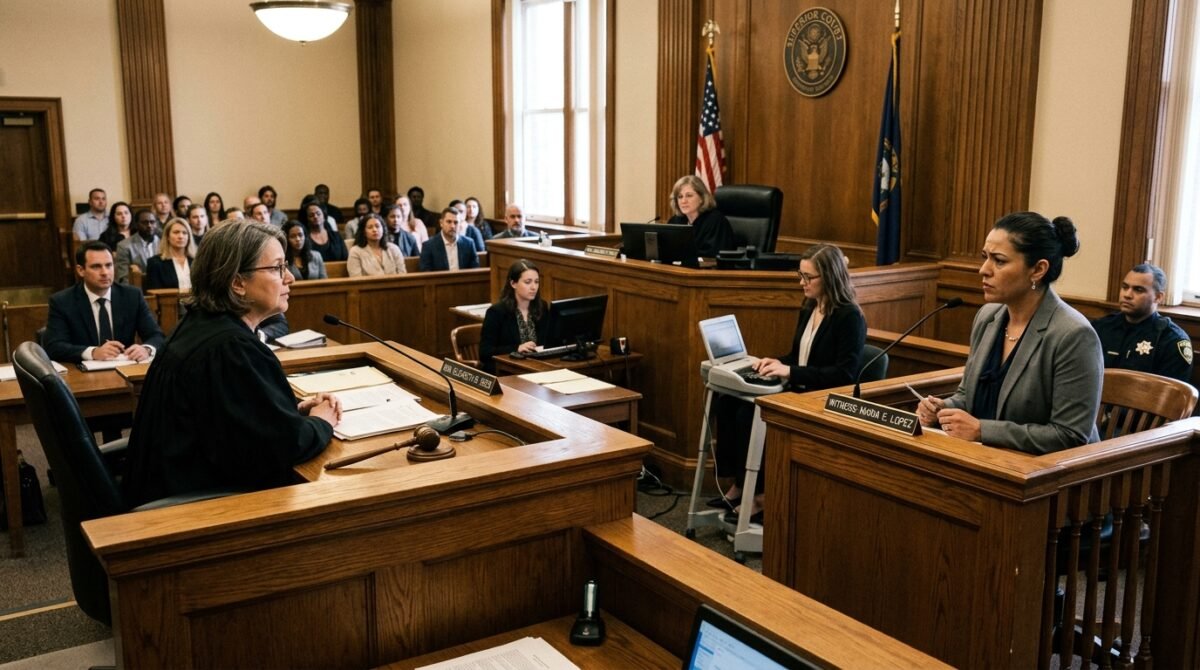
The day of the hearing was the most difficult day of my life. Walking into the courthouse, seeing Mark sitting there with his lawyer, looking tired and defeated, brought back a wave of memories. We had once planned to start a family, to grow old in the house he had put on the chopping block. Now, we were sitting across from each other like enemies.
The judge was unimpressed with Mark’s defense. His lawyer tried to argue that the cards were ‘marital property’ and that he should be allowed to sell them to ‘repay the debt.’ My attorney countered immediately, presenting the evidence of fraud, the forgery, and the manipulation scheme. The judge’s expression shifted from professional boredom to visible anger as the facts were laid out.
When I had to testify, I didn’t look at Mark. I looked at the judge. I spoke about the trust he had broken, the fear of losing my home, and the way he had systematically dismantled our life for a whim. It was the hardest thing I’d ever done, but it was also the most liberating. For the first time, my voice wasn’t shaking. I was speaking the truth, and the truth was on my side.
“I worked for years to pay off that mortgage. He didn’t just lose money; he stole my sense of safety. I am not asking for a favor; I am asking for justice.”
— My statement in court.
The judge ruled in my favor on several motions, including the freezing of the assets and the immediate sale of the cards to satisfy the debt. It wasn’t a total victory—the bank still had a lien—but it was a start. The house would be saved.
The Unraveling of the Collection
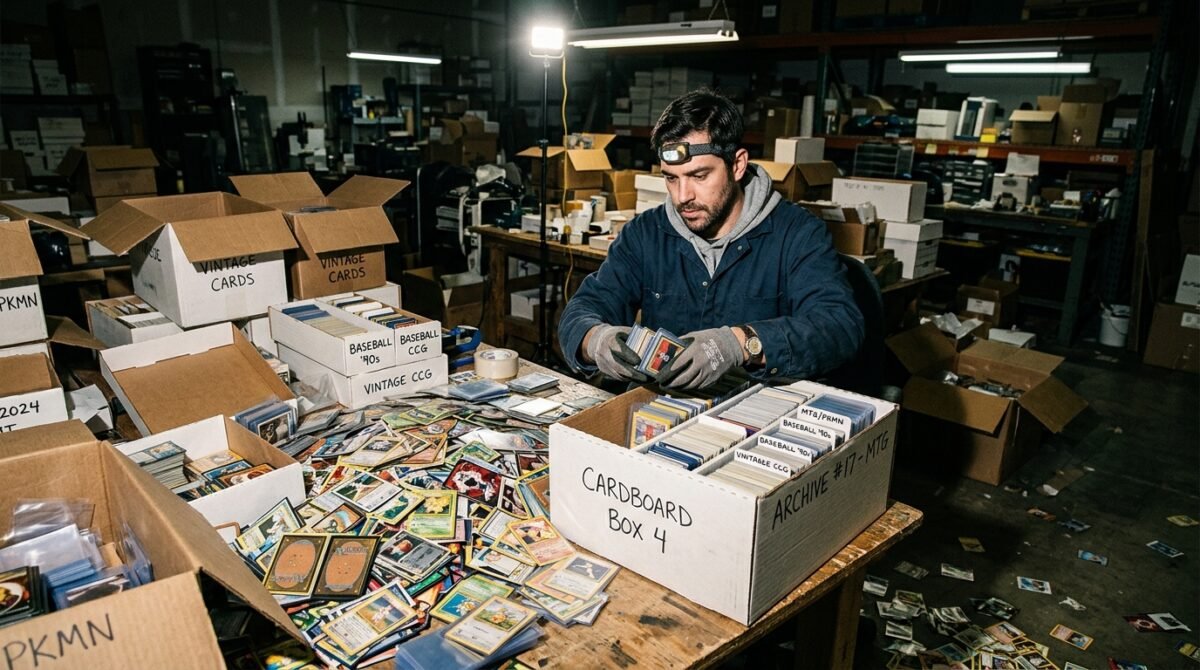
The liquidation of the trading cards was a public spectacle. The court-appointed appraiser, a man who actually knew the value of these things, arrived with a team. It took three days to catalog everything. They were stunned by the sheer number of worthless cards mixed in with the few gems he had actually managed to find.
Mark was present for the inventory, as required by law. He hovered over them like a ghost, begging the appraisers to be ‘careful’ with a specific rare card. It was truly pathetic. Watching him lose his ‘treasures’ one by one, each one being tossed into a shipping crate like standard office supplies, was a form of closure I didn’t know I needed.
He lost everything. The cards fetched less than 40% of what he had paid for them. The market he had relied on was a bubble, and it had popped the moment he was forced to sell in bulk. He had gambled our home on a losing hand, and now, he was sitting in an empty apartment, with nothing to show for his years of ‘investing’ but a massive debt and a ruined reputation.
“This collection is mostly common filler. The ‘rare’ items are mostly counterfeits or heavily damaged. He was scammed as much as he was scamming.”
— The court-appointed appraiser’s final report.
I didn’t gloat, but I felt a weight lift off my shoulders. The cards were gone, the house was secure, and I was finally free from the shadow of his obsession. I could breathe again.
Building a Life from the Ashes

The aftermath of the divorce was a long, slow process of rebuilding. I had to repair my credit, handle the legal fallout with the bank, and learn how to trust again. It took two years, but the mortgage is gone. I still live in the same house, but it feels different now. It’s no longer a symbol of a life with Mark; it’s a symbol of my own resilience. I painted the walls, replaced the furniture, and reclaimed the space as entirely my own.
I haven’t spoken to Mark since the final hearing. I heard through mutual acquaintances that he’s working at a warehouse, trying to pay off the remaining debt that the sale of the cards didn’t cover. He’s alone, and from what I hear, he’s still looking for that ‘one big break.’ It’s a sad existence, but it’s not my concern anymore.
I’ve learned that trust isn’t a passive state—it’s an active, daily choice. I’m much more cautious now, both in my finances and my relationships. I don’t give anyone blanket access to my life, and I don’t ignore the red flags. I’ve realized that I am stronger than I ever gave myself credit for. I survived a betrayal that would have broken most people, and I came out the other side with my home and my sanity intact.
“You never really know someone until you see how they handle money, crisis, and power. I saw all three, and I chose to walk away.”
— My reflection on the experience.
I still look at that hallway where the payoff statement used to hang. I don’t put anything back there. I like the empty space. It reminds me that nothing is permanent, and that the only true security I have is the one I build for myself.
Conclusion
My journey through this nightmare has been a testament to the importance of financial literacy, boundaries, and the courage to confront the uncomfortable. Financial infidelity is a silent killer of marriages, one that thrives in the dark corners of ‘private hobbies’ and ‘trust.’ If you find yourself in a situation where your partner is making major financial decisions without your input, or if you feel a sense of unease about their spending habits, do not wait. Investigate. Protect yourself. Your future is not a bargaining chip for someone else’s obsession.
I am now in a place of peace, though the scars remain. My story is a warning, but also a hope. You can survive the worst, and you can rebuild. As for my community, I see you, and I hear you. Many of you have shared your own tales of financial betrayal, and it reminds me that we are not alone. We must advocate for ourselves and never allow the fear of conflict to supersede the necessity of our own survival.
What about you? Have you ever had to draw a hard line in your marriage when money and trust collided? Would you have done anything differently, or does my path resonate with your own experience? Let’s talk in the comments.
What's your verdict on this dilemma?
Vote below to contribute to the official community consensus.

Have a Dilemma Keeping You Up at Night?
Share your real-life feud, wedding chaos, or relationship crossroads anonymously with our editorial team.
What do you think ?
0 Comments🛡️ Comments are moderated to protect community integrity. Your comment will appear once approved by the editorial team.