
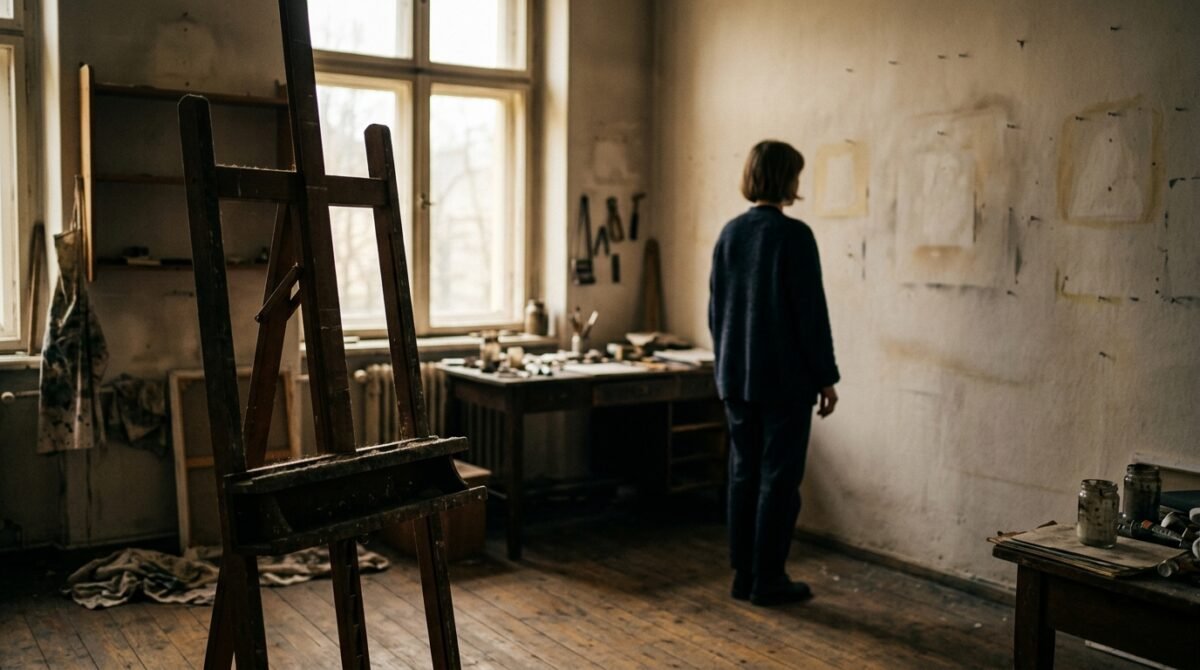
Grief is a strange, shapeless entity. It lingers in the corners of a room, waits for you in the quiet moments of the morning, and often attaches itself to the physical objects our loved ones leave behind. For me, those objects were my late mother’s oil paintings. She wasn’t a world-famous artist, but to me, her brushstrokes were a language of love, memory, and history. When she died suddenly, I was devastated, but I found solace in those canvases. They were, in many ways, the last tangible fragments of her soul that I could hold onto.
My family, however, viewed these paintings very differently. To them, they were clutter. To them, they were assets. To them, they were simply ‘things’ that took up space in a house that needed to be cleared for a quick sale. I was working out of state at the time of the funeral, trusting that my siblings and cousins—people I had known my entire life—would handle the packing of her estate with the same reverence I felt. I had explicitly stated, in writing, that the studio room was to be left untouched until I returned.
The betrayal didn’t happen with a roar, but with a quiet, devastating realization. It started with a phone call from a neighbor, then a social media post, and finally, the stomach-churning discovery of a yard sale advertisement. The violation of my trust was so total, so cold, and so calculated that it left me reeling. I didn’t just lose my mother’s art that day; I lost the family I thought I knew.
This is the story of how a collection of oil paintings became the catalyst for a permanent severance of ties. It is a story about the intersection of greed and grief, the boundaries we must draw to protect our sanity, and the uncomfortable truth that sometimes, blood is not thicker than the malice people can harbor toward their own kin. As I navigate the aftermath of complete estrangement, I find myself looking at my life anew—unburdened by the expectations of those who stole my past, but forever changed by the cost of reclaiming my future.
The Explicit Instruction Left Behind
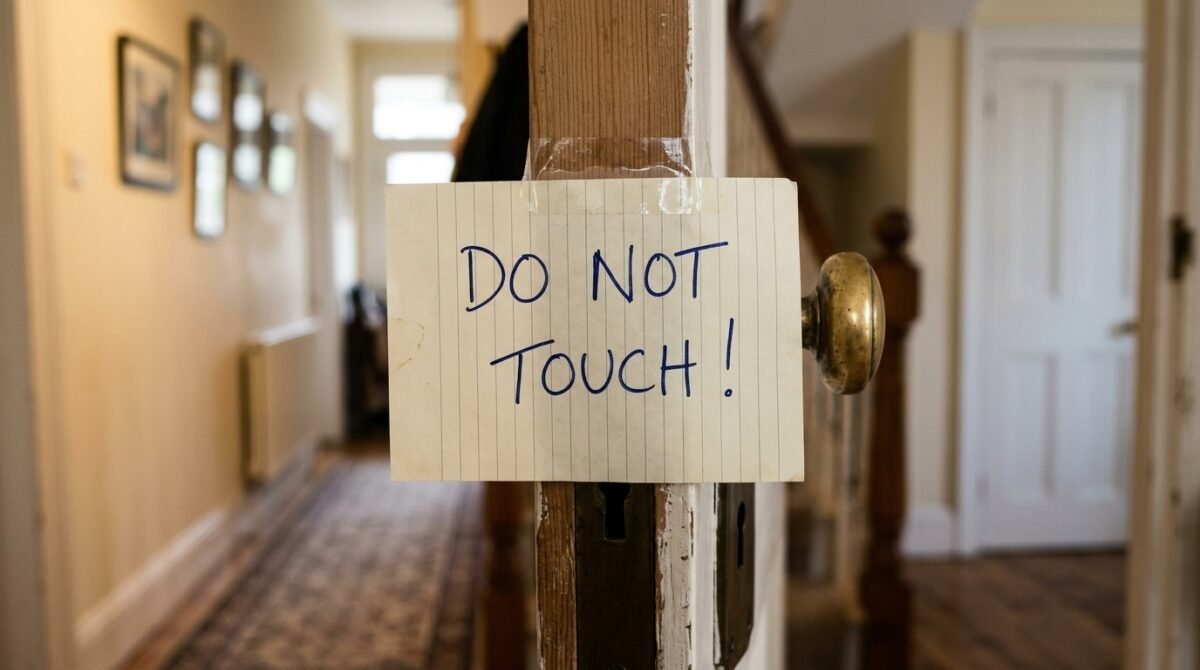
I had been meticulous. Before I left for the funeral arrangements, I had typed out a formal, itemized list for my siblings, Sarah and Mark. The studio, specifically, was marked as ‘Do Not Touch.’ I even went so far as to put a sign on the door, a physical barrier meant to prevent the very thing I feared. I knew that my family had a habit of treating common property as their own, but I believed that in the shadow of a parent’s death, there would be a shred of common decency.
I remember sitting with my sister in the kitchen, just days after the burial. I looked her in the eye and explained that the paintings were meant to be cataloged by a professional. I wasn’t trying to hoard them; I wanted to ensure they were preserved properly. They were fragile, some aging, and they required specific climate conditions. She had nodded, patting my hand with that practiced, insincere comfort that I should have recognized as a red flag immediately.
“I promise you, the house is being locked up tonight. We aren’t moving anything out of that room. We understand how much those canvases mean to you, and we’re going to respect your wishes. Just go home, get some rest, and we’ll deal with the probate process when you return.”
— Sarah, my sister, during the wake
I felt a temporary sense of relief. I flew back to my apartment three states away, exhausted and emotionally drained. For three days, I slept. I didn’t check my phone. I didn’t check social media. I was entirely immersed in the fog of loss. It was only when I finally returned to my emails that I saw the first notification from a childhood friend who lived in my hometown.
The message was short, attached with a screenshot of a public Facebook marketplace post. ‘Hey, did you see what your cousin is doing? I thought you said you were keeping those paintings.’ My heart stopped. I clicked the image, and there, laid out on a folding table in the middle of a driveway, were my mother’s paintings. They were being sold for twenty dollars apiece. The indignity of it hit me harder than the death itself.
The $20 Price Tag on a Lifetime of Work
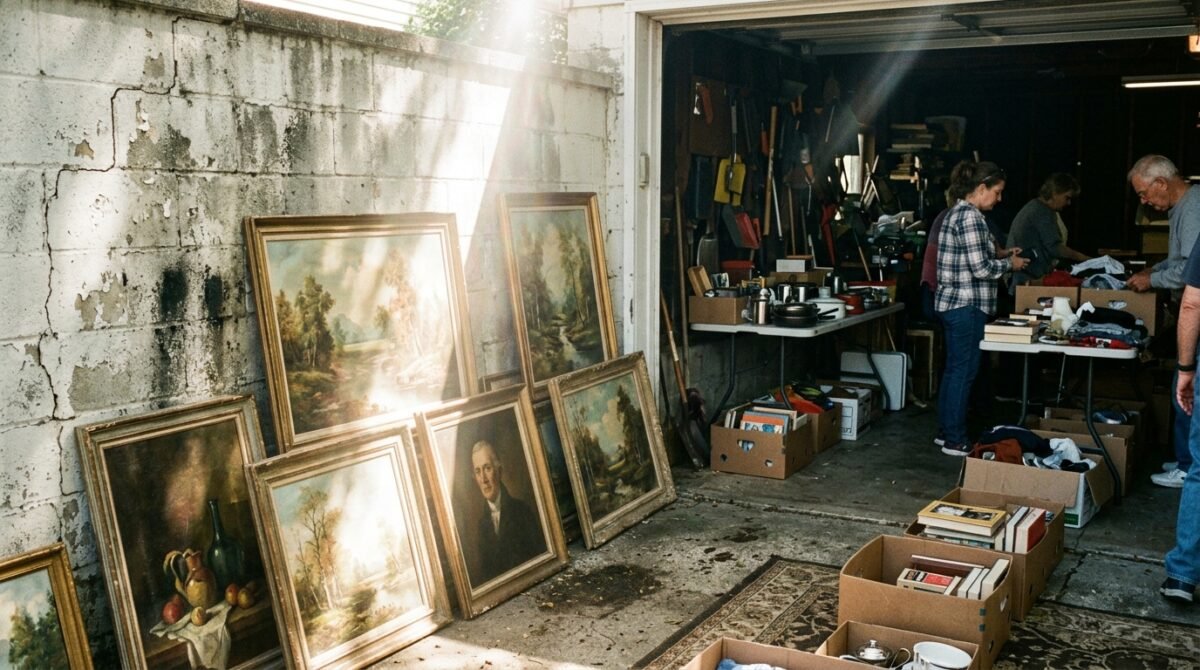
Seeing the photos of those canvases being discarded like yesterday’s newspaper felt like a physical assault. My mother had spent decades mastering her craft. Some of those pieces had hung in our living room for my entire childhood. They captured moments—birthdays, vacations, quiet rainy afternoons—that now felt like they were being auctioned off to the highest bidder for the price of a cheap lunch.
I immediately called my cousin, Greg, who had been tasked with ‘clearing the garage.’ I was shaking so violently that I could barely hold the phone to my ear. When he answered, he sounded disturbingly casual, as if he were just hosting a neighborhood barbecue. The sound of people haggling in the background made my skin crawl. It was a chaotic symphony of disrespect.
“Greg, why are you selling the paintings? I told you specifically, those were not to be touched. I am on my way to the airport right now, but you need to stop the sale immediately and gather everything that has been sold.”
— My panicked call to my cousin, Greg
Greg’s reaction was the turning point. He didn’t apologize. He didn’t stutter. He simply sighed, a sound of profound annoyance, as if I were the one inconveniencing him. He argued that the house ‘needed to be cleared’ and that he didn’t have the space or the time to store my ‘junk.’ He claimed that the proceeds were going toward the estate’s ‘cleaning fund,’ which was a lie I knew immediately.
The audacity of his justification was breathtaking. He told me that since I was the ‘only one’ who cared about the art, I should have hired a professional moving crew the day after the funeral. He effectively turned his theft into a lecture on my lack of organization. By the time I hung up, I realized that I wasn’t just dealing with a misunderstanding; I was dealing with a complete lack of moral alignment. They didn’t care about my mother, and they certainly didn’t care about me.
The Group Chat Revelation
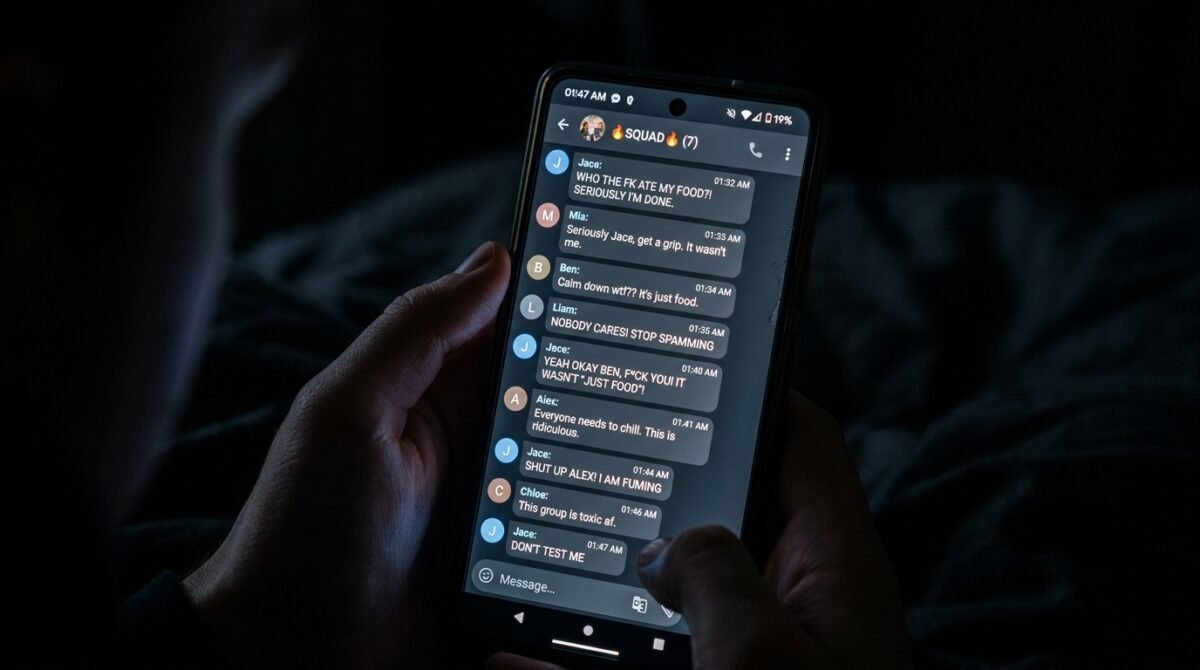
The betrayal deepened when I realized this wasn’t an isolated incident of stupidity. My brother had accidentally added me back into the family group chat that I had muted weeks ago. I wasn’t meant to see the messages, but the notifications started popping up on my lock screen while I was in the middle of a frantic drive to get to the airport. The conversation was a revelation of exactly how my family viewed me and my mother’s legacy.
“She’s such a drama queen about those dusty canvases. Honestly, who cares? It’s just paint on canvas. We needed the cash for the funeral expenses anyway, and she was never going to pay her share. Let her cry about it, she’ll get over it once she sees the money in the estate account.”
— Sarah in the family group chat
I felt a cold, hard stone form in my stomach. The ‘funeral expenses’ were already fully covered by life insurance. They were pocketing the money, and they were using my grief as a convenient cover. The conversation continued, with my other siblings joking about how ‘easy’ it was to fleece me. They weren’t just selling the paintings; they were mocking my emotional attachment to them. It was a calculated, mean-spirited act of erasure.
I took screenshots of everything. I didn’t reply in the chat. I didn’t give them the satisfaction of an argument. I simply saved the evidence, knowing that this would be the final nail in the coffin of our relationship. I realized then that I had been the family’s ‘good one’ for years—the one who played by the rules, who was always there to help, who never asked for much. And in return, they had treated me with absolute contempt.
The Unannounced Confrontation

When I arrived at the house, the ‘garage sale’ was still in full swing. It was a bizarre, surreal scene. Neighbors were digging through my mother’s personal effects, oblivious to the fact that they were scavenging the wreckage of a grieving family. I walked through the front door, feeling like an intruder in my own home. My sister, Sarah, was sitting at the kitchen table, counting cash from a metal lockbox.
She looked up, and for a second, there was a flicker of genuine shock on her face. Then, it hardened into that familiar, condescending mask. She stood up, smoothing her dress, ready to launch into a practiced defense. I didn’t give her the chance. I walked straight to the studio door. It was unlocked, and the room was nearly bare. The easel was overturned, and the last few remaining canvases were stacked haphazardly in the corner, some with scratches on the frames.
“You have no right to be here. This is private property, Sarah. Everything in this room was meant for me, and you knew it. You didn’t just sell them; you disrespected every single memory of her. You are a thief.”
— My confrontation with Sarah in the hallway
She tried to minimize it, as she always did. She claimed it was all just ‘stuff’ and that I was being hysterical. She even had the gall to tell me that I should be thanking them for doing the ‘dirty work’ of clearing out the house. The gaslighting was so intense that for a moment, I actually doubted my own reality. But then I looked at the wall, where a faint outline of dust showed where my favorite painting—a portrait my mother painted of me as a child—had been hanging.
I grabbed the remaining canvases, ignoring her protests. I walked out to my car, loading them into the trunk with a steady, clinical focus. I didn’t cry. I didn’t scream. I felt an odd, hollow calm. This was the end. I wasn’t just leaving the house; I was leaving the version of myself that had allowed these people to dictate my worth for so many years.
The Legal Ultimatum
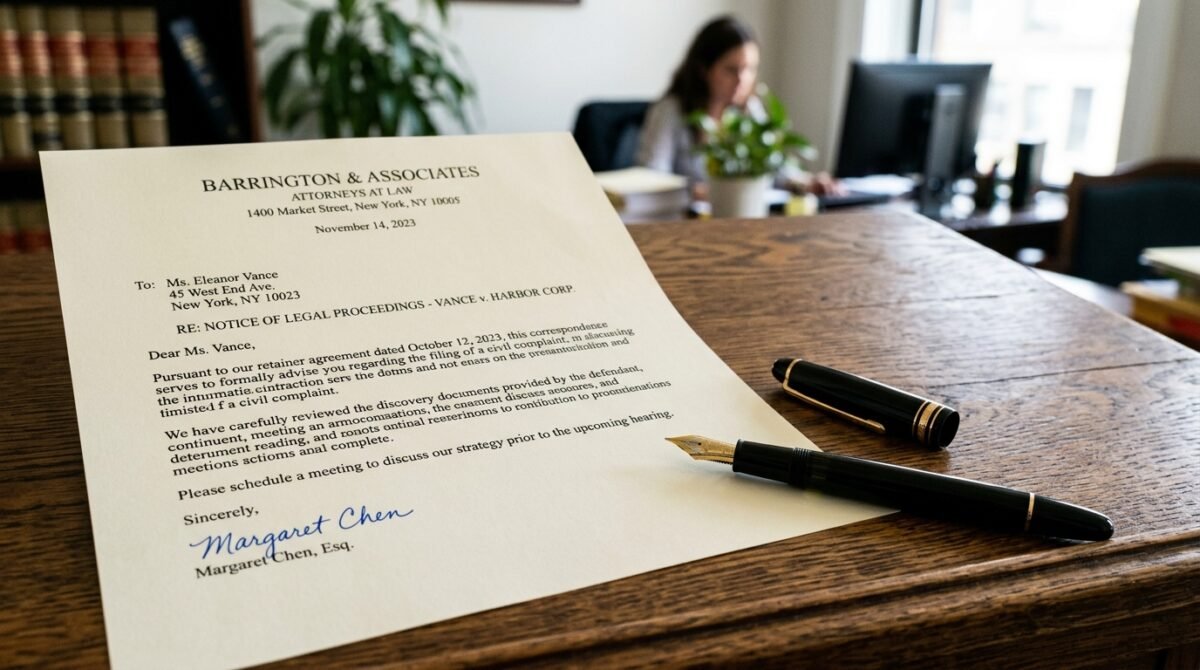
I didn’t stop with just taking back what was left. I went to a lawyer the following Monday. Because my mother’s will had not yet been fully processed, and because I had evidence of the theft and the group chat messages, I had a case. I wasn’t interested in the money—I wanted them to feel the weight of their actions. I wanted a formal accounting of every cent they had made from the sale of items that weren’t theirs to sell.
The lawyer, a sharp-eyed woman who looked at the group chat screenshots with a mix of disgust and professional interest, confirmed that I had grounds for a suit. We sent a formal letter to my siblings, demanding an immediate return of the proceeds and a list of who had purchased the items, so I could potentially buy them back. The reaction from the family was immediate and explosive. My phone didn’t stop ringing for three days.
“You’re really going to sue us? Over some old paintings? You’re tearing this family apart for a few bucks. You should be ashamed of yourself. Mom would be horrified at what you’re doing right now.”
— A voicemail from my brother, Mark
The irony was thick enough to cut with a knife. They were the ones who had torn the family apart, and they were the ones using my mother’s name to manipulate me. I sent the letter, but I also sent a final text to the group chat before I blocked every single one of them. I didn’t want a debate. I wanted a declaration of independence.
I told them that the legal action was not about the art, but about the lack of respect. I told them that they had crossed a line that could never be uncrossed. I finished by saying that if they contacted me again, it would be through my attorney. Then, I hit ‘block’ on every number. The silence that followed was the most beautiful thing I had experienced in months.
The Internet Weighs In: Reddit’s Verdict

I posted my story on a popular forum, needing to know if I was truly the villain they made me out to be. I was prepared for the worst, but the response was overwhelmingly supportive. It turned out that I wasn’t the only one who had dealt with family members who viewed inheritance as a personal piggy bank. The stories were heartbreakingly similar, and the validation was profound.
“NTA. Your family didn’t just sell paintings; they sold your trust. They knew exactly what those meant to you and they did it anyway, specifically to hurt you or because they simply don’t value your feelings. Go no-contact and never look back. The ‘we’re a family’ excuse is always used by people who want you to roll over while they mistreat you.”
— u/JusticeForOP, 32.5k upvotes
Another user brought up a point I hadn’t even considered—the psychological aspect of the theft. They suggested that my family’s behavior was a form of ‘enmeshment’ where they believed they had rights over my emotional well-being simply because of our shared DNA. It was a sobering thought, but it helped me understand that this wasn’t about the money. It was about power.
The community support provided me with a strange kind of comfort. People I had never met were telling me that my boundaries were healthy, that my reaction was justified, and that I didn’t owe my family anything just because we shared a bloodline. It was a massive contrast to the toxic environment I had been raised in, where ‘family first’ was used as a weapon to suppress any form of individuality or self-respect.
Cleaning Out the Ghost of the Past
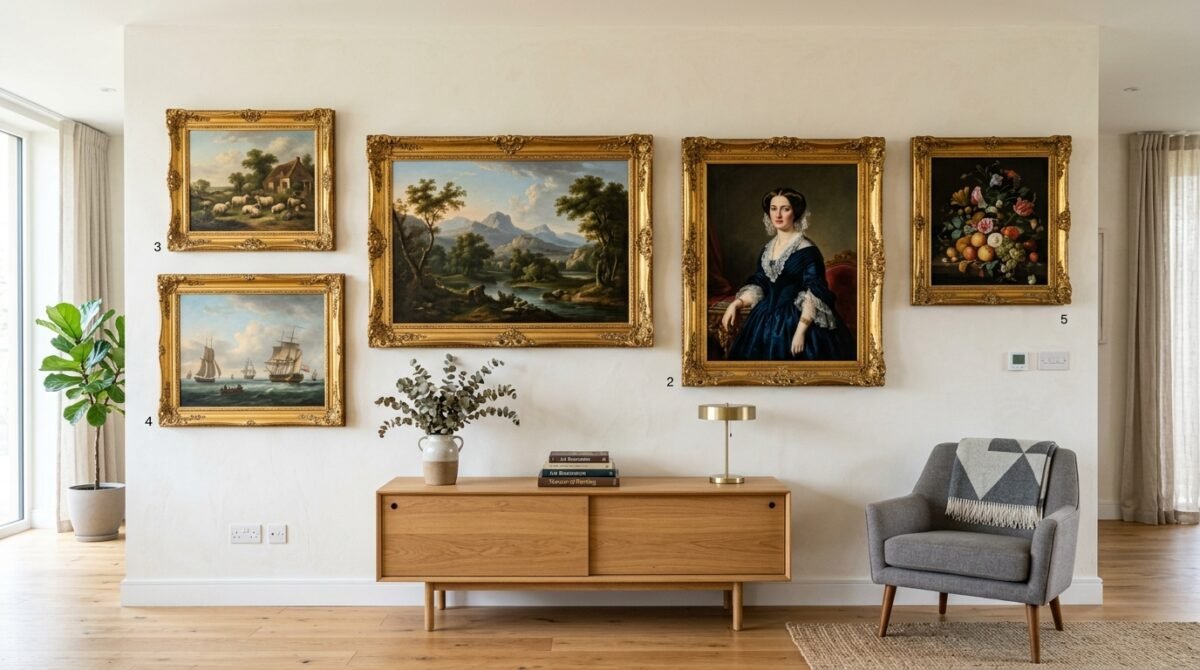
With my family successfully blocked, I turned my attention to the paintings I had recovered. They were damaged, yes, but they were still hers. I took them to a professional restorer, a quiet, older man who understood the value of sentimental preservation. As he worked on the canvases, he told me stories about his own family, about how he had lost everything in a fire, and how he understood why I was so determined to save these specific pieces.
We spent weeks going through the collection. He managed to repair the frames and restore the vibrancy of the colors. Every time I looked at the paintings, I didn’t see the theft anymore. I saw the work of the woman who had taught me how to see color in a gray world. The restoration process became a form of therapy for me, a way of reclaiming my mother from the people who had tried to monetize her legacy.
I also started clearing out the rest of my life. I moved to a different city, one where nobody knew my family and nobody had an opinion on how I ‘should’ be dealing with my grief. I established new routines. I made new friends who had no connection to my past. It was a slow, deliberate process of rebuilding, but for the first time in my life, I felt like I was the architect of my own identity.
The paintings now hang in my new apartment, not as trophies of a fight, but as a sanctuary. Whenever I have a hard day, I look at them, and I remember why I fought for them. I remember that I am capable of standing up for myself, and I remember that I don’t need the approval of people who would sell my heart for twenty dollars in a driveway.
The Silence That Follows

Months have passed now. The silence from my family is absolute. I haven’t heard a word, and in truth, I haven’t wanted to. I know that they probably talk about me—I’m sure I’m the ‘crazy one’ in their stories—but their narrative no longer has any power over me. I’ve realized that their opinions were never based on reality; they were based on their own selfish needs.
I’ve learned to embrace the solitude. For years, I felt like I had to be constantly available, constantly accommodating, and constantly ‘part of the group.’ Now, I understand that true family is something you build, not something you are born into. My friends, the people who have supported me through the legal battles and the emotional turmoil, they are my family now.
Sometimes I think about the paintings that were sold. I still keep an eye on local listings, hoping that maybe, one day, I’ll find them. But even if I don’t, I know that the ‘spirit’ of the collection is with me. The ones I saved are enough. They are a representation of a love that was pure, and they serve as a reminder that I am not defined by the betrayal I endured.
Life is short, and it is fragile. We spend so much of our time trying to appease people who would just as soon sell us out for a quick buck. My lesson was a hard one, but it was necessary. I am done with the games. I am done with the guilt. And I am certainly done with anyone who thinks they have the right to claim my mother’s memory for their own gain.
The Aftermath: Moving Forward
I am often asked if I regret going no-contact. The answer is always a simple, resounding ‘no.’ When people ask if I miss them, I tell them that you can’t miss someone who was never really there for you in the first place. My siblings were strangers who happened to share my DNA. They didn’t know me, they didn’t respect me, and they certainly didn’t love me as I needed to be loved.
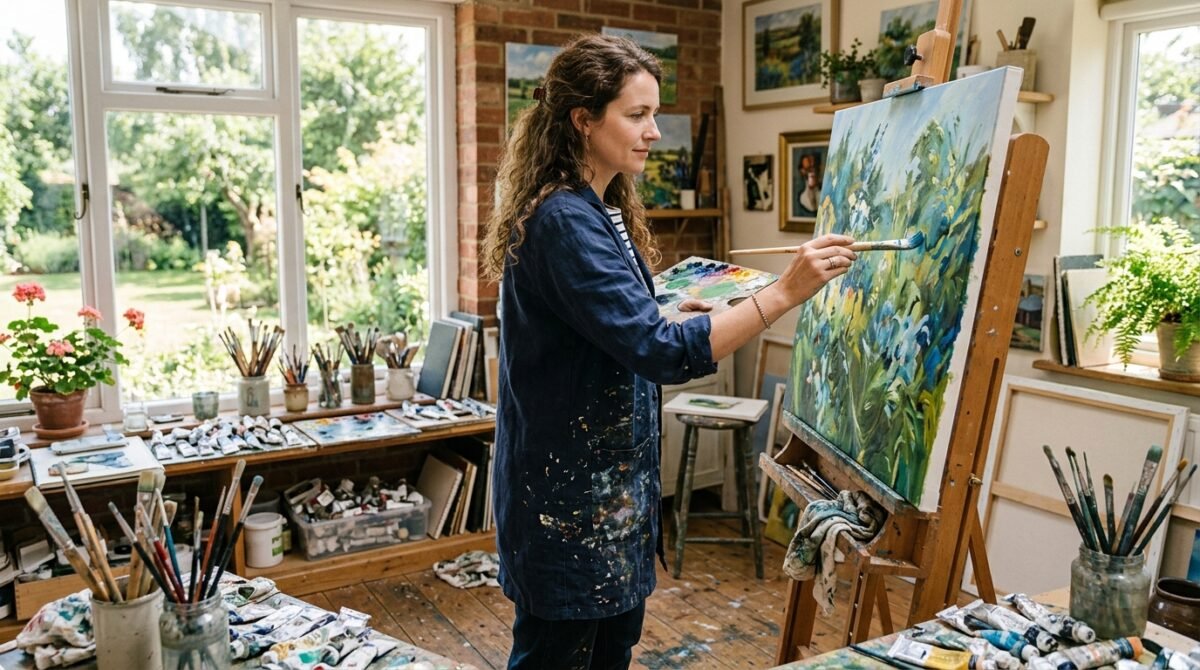
I have started painting myself, inspired by my mother’s legacy. It’s not about becoming a professional; it’s about the process. It’s about putting my own emotions onto the canvas, about finding a way to process the anger, the sadness, and the ultimate liberation. It’s a way to keep my mother’s spirit alive in a way that is entirely my own.
My advice to anyone dealing with a similar situation is this: Trust your gut. If someone in your life makes you feel like you are being ‘difficult’ for asking for basic respect, they are gaslighting you. You are not a ‘drama queen’ for wanting your boundaries to be honored. You are not a ‘villain’ for protecting your mental health. You have a right to your own life, your own memories, and your own path.
I am not the same person I was when my mother died. I am tougher, yes, but I am also more authentic. I don’t apologize for my needs anymore. I don’t apologize for my choices. And most importantly, I don’t apologize for walking away from people who treated me like an object to be discarded. I am finally free.
A Final Reflection on Boundaries

Boundaries are not walls we build to keep people out; they are the gates we build to decide who gets in. For too long, I left my gate wide open, assuming that everyone would act with the same integrity I held for them. I was wrong, and I paid a heavy price for that naivety. But that price was the tuition for the most important lesson of my life: I am the only one who can protect my peace.
The paintings were the catalyst, but the transformation was internal. I had to learn to value myself enough to say ‘no’ to my own flesh and blood. That is perhaps the hardest thing any human can do. It goes against every social conditioning we have. But once you do it, once you see that the world didn’t end and that you are still standing, the feeling is intoxicating.
I look forward to the future now. I’m no longer tied to the history of my family’s dysfunction. I’m no longer waiting for them to ‘get it’ or for them to apologize. Their apology would mean nothing because they still don’t understand what they did wrong. I have moved past the need for their validation. I have found my own, and it is worth more than all the oil paintings in the world.
To anyone reading this who feels stuck in a toxic family dynamic: you can leave. You don’t need their permission. You don’t need their understanding. You just need the courage to take that first step away from the chaos and toward your own life. It will be hard, and you will grieve, but on the other side of that grief is a life that is truly, entirely yours.
Conclusion
The story of my family and the stolen paintings has become, in my mind, a metaphor for the entire relationship. It was a collection of beautiful things that were taken for granted, misunderstood, and ultimately liquidated by people who lacked the capacity to appreciate their true value. I am grateful that I had the strength to walk away, and I am grateful for the life I have built since.
I leave you with this final thought: Your history is yours to curate. You do not have to keep the people who tear down your walls, and you do not have to keep the things that cause you pain. Protect your legacy, protect your boundaries, and never let anyone tell you that your feelings aren’t worth the price of a canvas.
What about you? Have you ever had to cut ties with someone who violated your boundaries during a time of extreme grief? How did you handle the fallout? Let’s talk in the comments below.
What's your verdict on this dilemma?
Vote below to contribute to the official community consensus.

Have a Dilemma Keeping You Up at Night?
Share your real-life feud, wedding chaos, or relationship crossroads anonymously with our editorial team.
What do you think ?
0 Comments🛡️ Comments are moderated to protect community integrity. Your comment will appear once approved by the editorial team.