
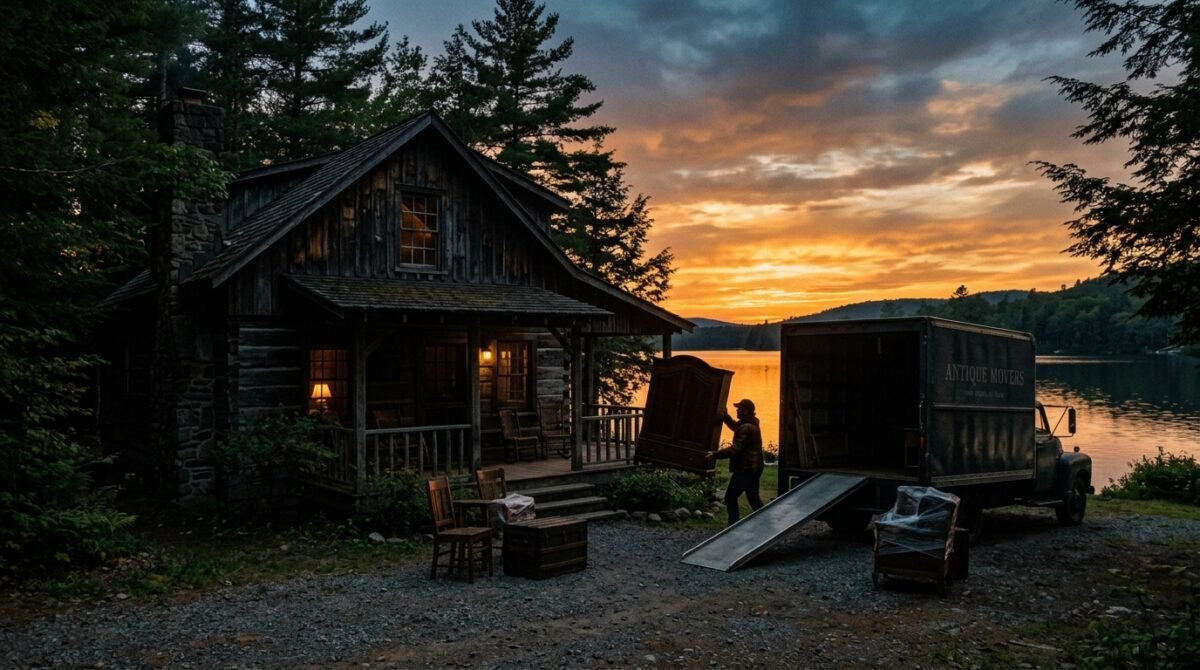
For as long as I could remember, the cabin on Blackwood Lake wasn’t just a building; it was the repository of my family’s soul. It was where my grandfather carved his initials into the mahogany mantelpiece and where my mother spent her final summers before the cancer took her. When my father remarried three years after her death, I kept an open mind. I welcomed Susan and her two children, Mark and Jessica, into the fold with genuine grace, believing that a bigger family meant more love to go around. I never expected that my father’s new life would demand the erasure of my old one.
The betrayal didn’t happen overnight. It was a slow, agonizing erosion of boundaries. First, it was the ‘updating’ of the kitchen, which effectively removed the hand-painted tiles my mother had commissioned. Then came the ‘hosting’ of Susan’s extended family for every major holiday, leaving me to feel like a guest in my own history. But the final nail was the rewritten will. My father, blinded by a mid-life desire to be the patriarch of a ‘new’ family, decided that the cabin—and everything inside it—should belong to his step-children, citing that they ‘needed the space more’ because they lacked a summer home.
I was not consulted, nor was I warned. I found out through an accidental glance at a legal document left on the dining room table during a tense Sunday brunch. The realization hit me like a physical blow: my heritage, the physical remnants of my grandparents’ lives, and the sanctuary of my childhood were being handed over like cheap trinkets to people who hadn’t spent a single day scraping paint off the porch rails. I felt a cold, sharp clarity wash over me. If the house was theirs, then the history—the pieces that actually made it a home—were mine to save.
This isn’t a story about greed. It is a story about the fight for agency when your own parent decides you are replaceable. It is about the legal and moral gray areas of heirlooms versus real estate. In the span of forty-eight hours, I systematically reclaimed every single item that had a family name etched on the bottom. The resulting explosion didn’t just break the relationship with my father; it shattered the fragile veneer of our ‘blended family’ and left the inheritance in a state of absolute, hollowed-out ruin.
The Sunday Brunch Where Silence Screamed
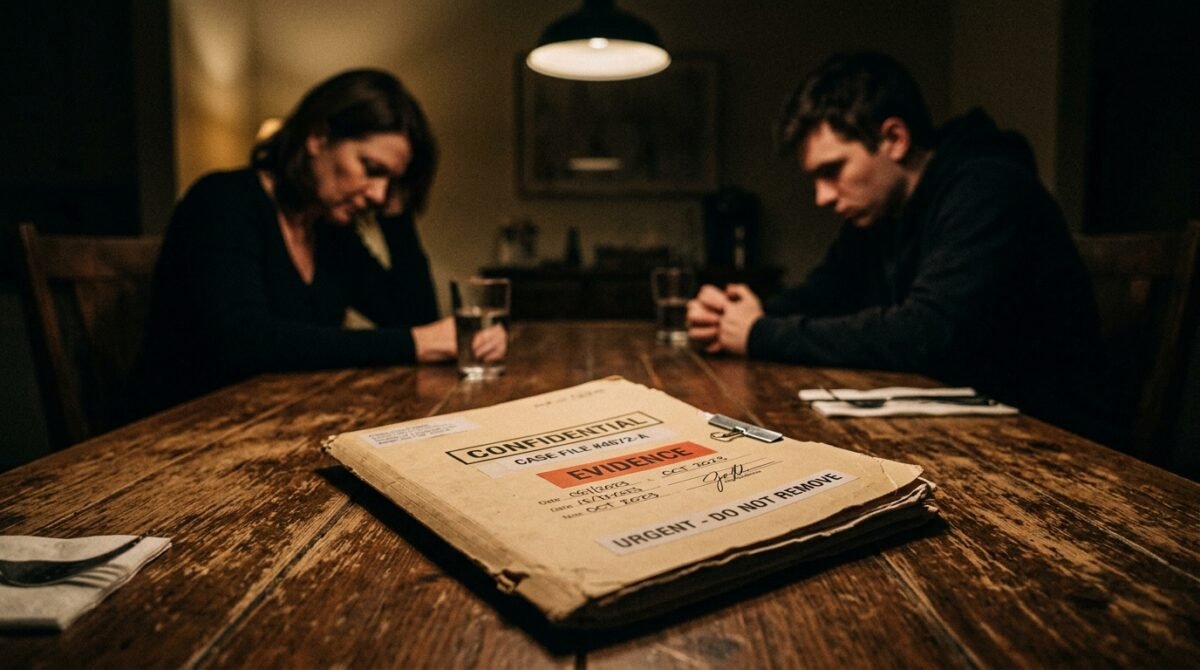
The brunch started with the smell of burnt bacon and the forced cheerfulness that Susan brought into our home. My father was acting jittery, constantly checking his watch and glancing at the manila folder resting near the toaster. I had come over to discuss the summer maintenance schedule for the cabin, a ritual I had performed every May for fifteen years. I wanted to coordinate the staining of the dock, unaware that my role as the ‘cabin keeper’ had already been stripped away.
When my father excused himself to take a ‘work call’—a transparent lie given that he had retired two years prior—I reached for a napkin near the folder. The folder slid open, and the top page was a summary of the new trust agreement. My eyes scanned the legalese, settling on a paragraph that made my blood run cold. It explicitly stated that the Blackwood Lake property, including all ‘contents and fixtures,’ was to be transferred to Mark and Jessica upon his passing. My heart hammered against my ribs.
Susan walked back into the kitchen, her smile faltering when she saw me holding the documents. She didn’t look guilty; she looked defensive. She had clearly been the architect of this move. She began a rehearsed speech about ‘fairness’ and ‘blending legacies,’ but I wasn’t listening. I was looking at the antique dining chairs, the ones my grandmother had refinished by hand, and realizing they were no longer mine to protect. They were now just part of a package deal for people who treated this place like an Airbnb.
“I hope you understand, dear. Your father just wants to make sure the kids feel like they are truly part of the family. A cabin like this is wasted on someone who works as much as you do.”
— Susan, my stepmother
I didn’t argue. I didn’t shout. I simply folded the paper back into the folder and looked at her. The silence in the kitchen was thick, suffocating. I realized then that my father had already signed away my birthright, and he wasn’t going to look me in the eye to tell me. That was the moment I realized the war for my family history had officially begun.
The Logistics of a Quiet Reclamation
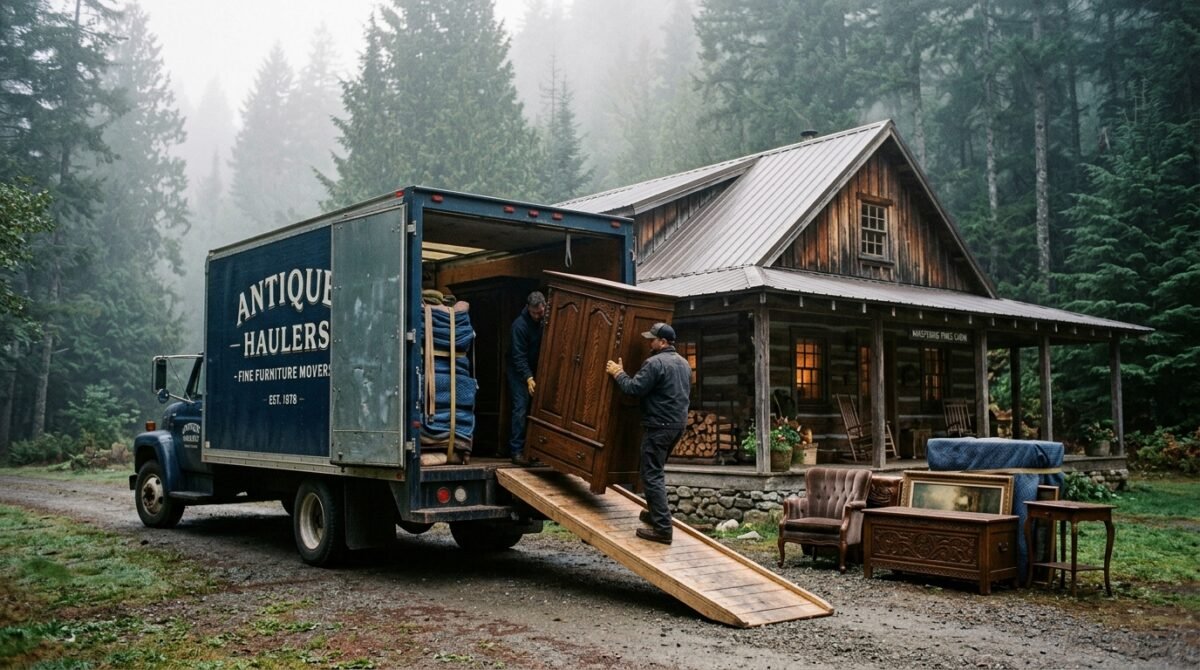
The plan took shape over the next twenty-four hours. I knew the cabin layout better than anyone. I knew the weight of the hand-carved cedar chest in the master bedroom, the exact dimensions of the stained-glass lamp in the study, and the fact that the heavy iron fireplace tools were not bolted down. I hired a local moving company, one that specialized in antique relocation, and instructed them to be at the cabin at 6:00 AM on a Tuesday, when my father and Susan were usually at their weekly golf league.
I had to be meticulous. I wasn’t stealing; I was reclaiming. Every single item I took had a receipt or a written record of ownership from my grandfather’s estate. I spent the night before walking through my own house, marking spaces with masking tape to ensure the items would fit. The emotional weight of the task was staggering. I was effectively stripping the cabin of its soul, turning a home back into a shell.
By 5:00 AM, I was in my car, driving up the winding mountain road. The sunrise over the lake was beautiful, cruel in its indifference to the drama unfolding. When the movers arrived, I didn’t hesitate. I gave them a list: the furniture, the vintage books, the heirloom quilts, the silverware, and the hand-woven rugs. We moved with the precision of a heist crew, though my hands were shaking so violently I had to keep them tucked into my pockets.
“Are you sure about this, ma’am? Once we load these, they aren’t coming back out for a while. The weight is significant.”
— The lead mover
I just nodded. I watched as they carried out the dining table. It felt like watching an amputation. Each piece of furniture left behind a ghostly outline in the dust, a stark reminder of what had once been. By 9:00 AM, the cabin was nearly empty. It was nothing more than a wooden box now, stripped of the history that made it the Blackwood Lake cabin.
The 10:00 AM Phone Call

I was halfway back to the city when my phone started vibrating. It was my father. I let it ring. He called again, then again, then a fourth time. When I finally answered, his voice was a mixture of shock and blind rage. He hadn’t yet arrived at the cabin, but neighbors had already texted him that a moving van was pulling away from the property.
He demanded to know what I was doing. I remained calm, my voice steady despite the adrenaline still coursing through my veins. I explained that since the cabin was going to his new children, I decided to reclaim the family heirlooms that had been in my possession—or the possession of my mother—long before he ever met Susan. He threatened to call the police, claiming I was looting his property.
I reminded him that those items were part of my mother’s estate, which had been left to me in a separate, notarized document from her own will. I told him he could sue me if he wanted, but that the legal costs would far outweigh the value of the ‘used’ furniture he was so desperate to keep for his new family. The silence on the other end was deafening. He had never heard me stand up for myself before.
“You are destroying this family, you selfish brat! Those items belong in the cabin. They belong to the legacy of this house!”
— My father, screaming over the phone
I hung up on him. I felt no satisfaction, only a profound sense of exhaustion. The bridge hadn’t just been burned; it had been dismantled, piece by piece, just like the cabin’s furniture. I arrived home to see my living room filled with the pieces of my childhood, and I knew that while I had won the battle for the history, I had lost the father I once loved.
The Digital Fallout in the Family Group Chat

The real fireworks started when the family group chat—which I had forgotten to leave—erupted. Susan had evidently been the one to walk into the hollowed-out cabin. Her messages were a flurry of exclamation points and accusations. She called me a thief, a sociopath, and a danger to my father’s health. Mark and Jessica chimed in with their own indignations, acting as if they had been personally victimized by my removal of the furniture.
I watched the screen as they accused me of emotional blackmail. It was fascinating to see how quickly they turned the narrative. They weren’t angry that I took the furniture; they were angry that they had been cheated out of the ‘vibe’ they wanted for their summer home. They wanted the history without the family member attached to it. They wanted the aesthetic of a legacy they didn’t earn.
“Unbelievable. You really have no shame, do you? You’ve ruined your father’s retirement plans just because you’re a bitter child. Give it back or we’re going to the authorities.”
— Mark (Step-brother), via text
I typed a single response, knowing it would be my last. I laid out the facts: the items were documented, the legal ownership was mine, and the cabin was legally theirs to keep, but it was now entirely their responsibility to furnish. I didn’t apologize. I didn’t engage with the insults. I simply set the chat to ‘Mute’ and left the group. The sense of relief was instantaneous. The toxicity had been contained to a screen I no longer had to look at.
The Legal Checkmate
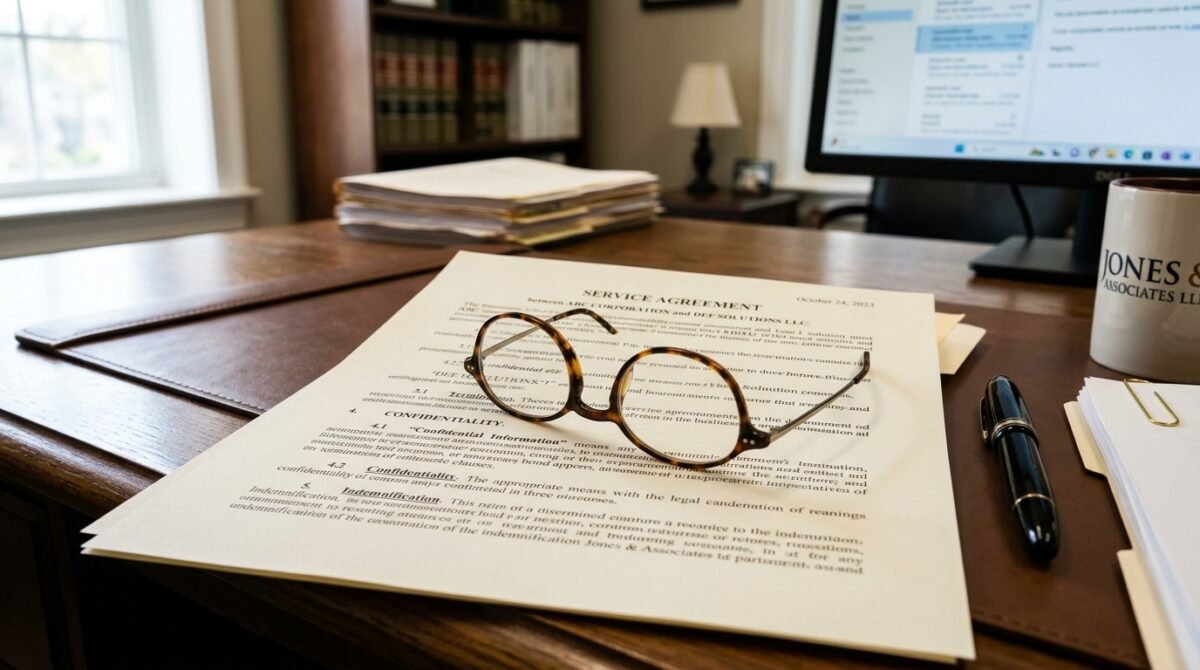
Three days later, I received a certified letter from a law firm representing my father. They demanded the immediate return of the ‘stolen’ property, threatening civil litigation. I had already anticipated this. I sat down with my own lawyer, a woman who had handled my mother’s estate, and laid out the documentation I had spent hours organizing. The paper trail was pristine. Every item I took was a specific bequest to me, documented years ago.
My lawyer sent a swift, brutal response to their firm. She pointed out that if my father insisted on a legal battle, we would be happy to force an audit of the entire trust, including the transfer of the property to the step-siblings. It was a bluff, but a calculated one. The transfer of the cabin was tied to specific tax stipulations that my father had likely skirted in his rush to please Susan. The threat of an IRS inquiry into his finances was enough to silence the lawyers.
We heard nothing back for two weeks. During that time, I focused on my own life. I spent my evenings repairing the scratched wood on the sideboard and polishing the silver. It was a cathartic process, reclaiming the items and restoring them to their former glory. I wasn’t just saving furniture; I was validating my mother’s existence. I was ensuring that the things she loved wouldn’t be used as props for people who didn’t know her name.
The legal pressure eventually evaporated, but the social fallout remained. My father stopped calling. I wasn’t invited to the monthly dinners, and I heard through the grapevine that Susan had begun shopping for cheap, modern alternatives to the antiques I had taken. The cabin, now a modern, soul-less box, sat empty for most of the summer. It was exactly what they deserved.
The Reddit Verdict: A Community Divided

I posted my story on a popular subreddit, needing an objective perspective on whether I was the villain. The response was overwhelming. Within an hour, the thread had thousands of comments, ranging from absolute support to harsh condemnation. People were polarized by the intersection of inheritance, family obligation, and the messy reality of step-family dynamics. It was a digital town square, and I was the subject of the debate.
The ‘NTA’ (Not The Asshole) camp was vocal and passionate. They saw the cabin not as property, but as a vessel of memory that my father had recklessly discarded. They pointed out that if I didn’t take the items, they would have eventually been sold or destroyed by someone who didn’t appreciate them. The validation was a relief, though it didn’t change the hollow feeling in my chest.
“This isn’t about furniture; it’s about the erasure of a person. You didn’t steal anything; you performed a rescue operation on your own history. NTA.”
— u/HistoryBuff99 (Top Comment, 18.2k upvotes)
The ‘YTA’ (You’re The Asshole) crowd was equally fierce. They argued that my actions were petty and that I should have let it go for the sake of ‘keeping the peace.’ They viewed my behavior as a childish act of spite, arguing that things are just things and that I had permanently scorched the earth for material items. Reading the comments, I realized that everyone brings their own family trauma to these debates. Some people hold onto things too tightly; others have never had anything worth holding onto.
The Empty Cabin Reality
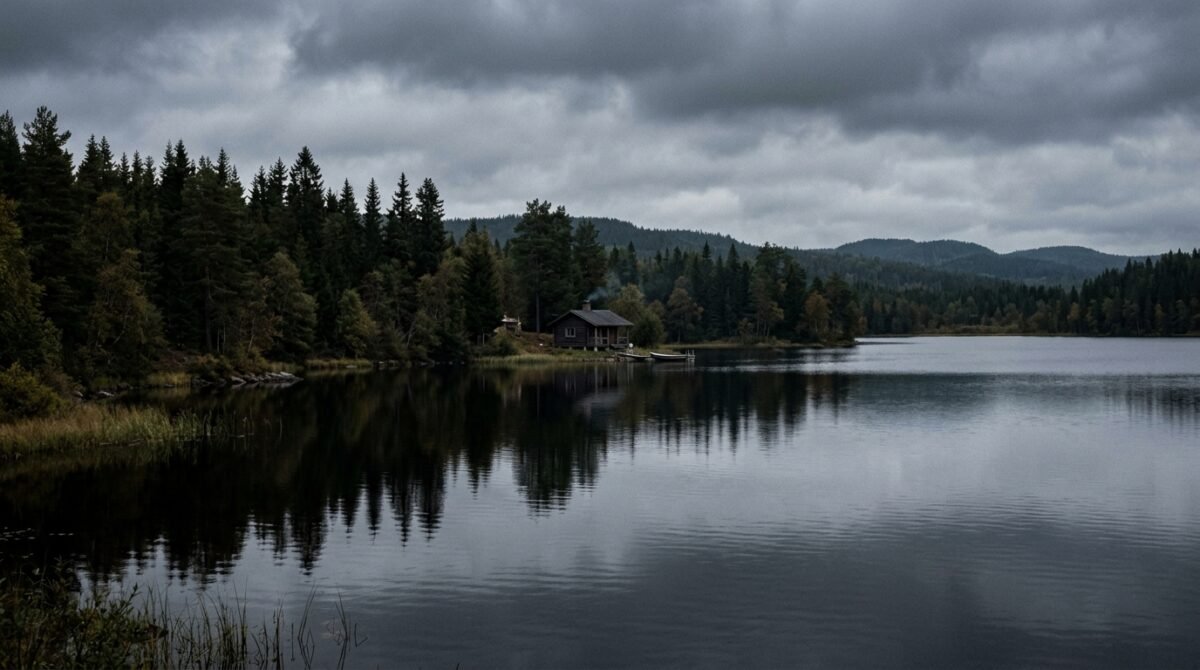
I decided to drive by the lake one last time, just to see the ‘new’ version of the cabin. It was late August, and the property looked abandoned. The dock was peeling, the garden was overgrown, and the windows were dark. It was a stark contrast to the vibrant, lived-in home it had been for twenty years. My father had wanted a legacy, but he had managed to create a tomb instead.
I saw Susan’s car in the driveway, but she wasn’t outside. The house felt cold, even from the outside. I sat in my car for a long time, watching the lake ripple. I realized that my father’s need to replace me had backfired in the most profound way possible. He had tried to buy love and family harmony with property, only to find that the property meant nothing without the people who gave it life.
I didn’t get out of the car. I didn’t knock on the door. I just turned around and drove away. The closure wasn’t in confronting them; it was in realizing that they were already suffering the consequences of their choices. They had their cabin, but they didn’t have a home. And I, in my own way, had reclaimed the pieces of my identity that they had tried to strip away.
“You can own the house, but you cannot own the memories. And without the memories, it’s just wood and stone.”
— A thought that kept me company on the drive home
It was a quiet departure, one that signaled the end of my investment in the Blackwood Lake property. I was done. The legal battles were over, the furniture was in my home, and the emotional distance I had built was now a permanent feature of my life.
Reflecting on the ‘Things’ That Bind Us
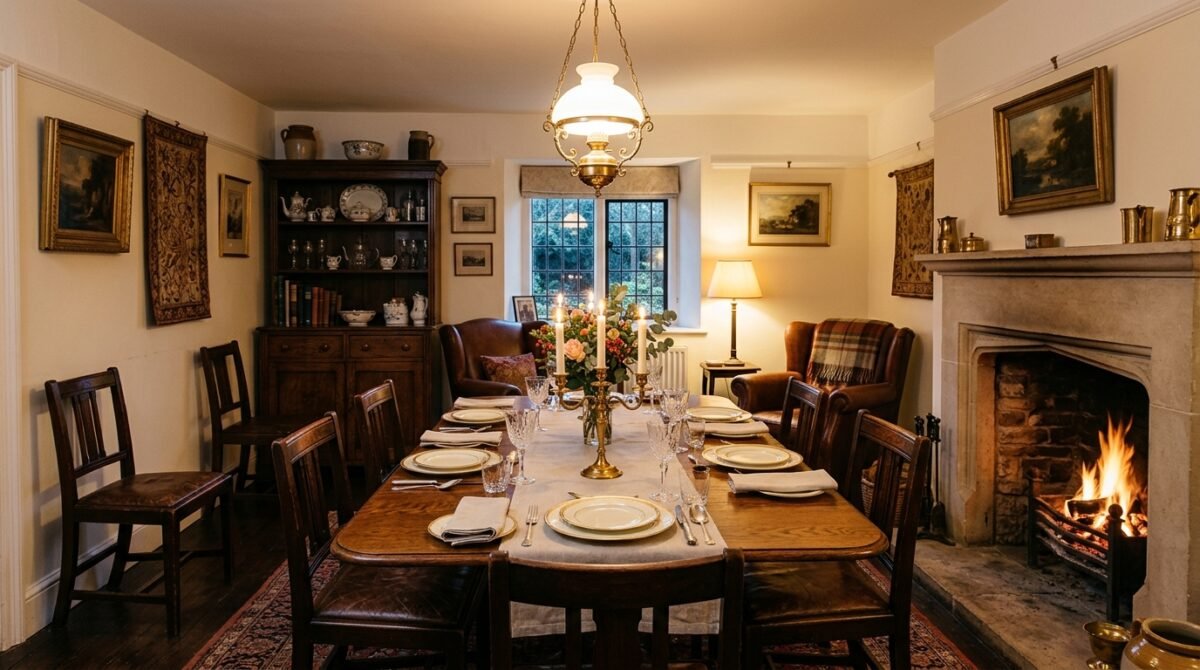
Looking back, I realize that the items I reclaimed—the cedar chest, the silver, the quilts—aren’t just objects. They are anchors. They represent a time when my family was whole, when my mother was alive, and when my father was someone I recognized. By taking them, I wasn’t just holding onto wealth; I was holding onto a version of myself that I didn’t want to lose.
My father had labeled me ‘materialistic’ for taking the antiques, but he was the one who prioritized the real estate over our relationship. He was the one who looked at my mother’s life and saw ‘old stuff’ that needed to be cleared out to make room for a new life. The irony was not lost on me. He wanted a clean slate, and by God, I gave it to him.
I started inviting friends over, people who appreciated the history behind the pieces. We used the antique silverware for casual dinners, and we sat on the chairs that had survived decades of family gatherings. Each item has a story now, a new chapter added to its long history. They aren’t gathering dust in a cabin; they are being used in a home that respects where they came from.
My relationship with my father is currently ‘low contact.’ We exchange polite emails during the holidays, but the conversation never ventures into the past. He never mentions the cabin, and I never ask. It’s a clean, cold arrangement that protects me from further disappointment. I have made my peace with the fact that I will never be the daughter he wants me to be, and that is perfectly fine.
The Lessons of Inheritance and Boundaries

If there is a lesson here, it’s about the absolute necessity of boundaries. I spent years trying to accommodate my father’s new life, bending over backward to maintain a relationship that was increasingly one-sided. I thought that by being ‘the bigger person,’ I would eventually win his favor. I was wrong. The bigger person is often just the person who gets walked on until there is nothing left.
Inheritance is a messy, complicated subject that brings out the worst in people. It forces us to confront our mortality and our value in the eyes of those we love. My father’s attempt to bypass the natural order of things, to hand off my heritage to his step-children, was a declaration of war. By responding in kind, I established the boundary that my mother’s legacy was not for sale or for gift-giving.
I’ve learned that sometimes, you have to be the villain in someone else’s story to be the hero in your own. The people who called me selfish didn’t know the years of quiet disrespect I had endured. They didn’t know about the ‘updating’ of my mother’s life. I don’t regret my actions, and I don’t regret the fallout. The peace I have now is worth more than any cabin on a lake.
I hope that anyone reading this understands that you don’t have to tolerate the systematic erasure of your history. Your inheritance is more than just money or property; it is the physical representation of the people you love. Protect it, honor it, and if necessary, reclaim it. You are the curator of your own legacy, not your parents, and certainly not their new spouses.
Looking Toward the Future

Today, I am in a different place. The antiques are restored, my home feels like mine, and the anger has finally faded into a dull, manageable hum. I don’t spend my days thinking about the cabin or my father’s new family. I have built a life that feels authentic to me, one that isn’t dependent on his approval or his assets. I’ve realized that freedom is the most valuable inheritance I could have ever asked for.
The cabin is still there, I assume. I hear reports from family friends that it’s rarely used, a trophy property that sits empty while the ‘new’ family navigates their own complicated dynamics. It doesn’t bother me anymore. It’s their house, their problem, and their responsibility. I no longer feel the pull of the lake or the memory of the porch. The memories are in the furniture I saved, not in the physical location.
I often think about the day I drove away from the cabin for the last time. It wasn’t a sad day; it was the first day of my true independence. I had learned to value myself, to set boundaries, and to fight for what mattered. That growth is the real antique I have to cherish, the one that can never be sold or given away by someone else.
I would do it all again. Every single item I packed, every firm word I spoke, and every boundary I set was a step toward the person I am today. And for that, I am grateful to my father. He taught me that I am the only person who can truly protect my past and secure my future. I’ve stopped looking for his validation, and in return, I have found my own.
Conclusion
The story of the Blackwood Lake cabin is a cautionary tale of what happens when we prioritize the needs of a new life over the respect owed to the past. It serves as a reminder that family legacies are fragile, and when they are treated with indifference, they are easily lost. I hope my experience encourages you to look closely at your own boundaries and to ensure that you are never erased from the story of your own life.
I want to hear from you. Have you ever had to fight for a piece of your family history? How do you handle it when parents decide to rewrite the terms of your inheritance? Let’s talk about it in the comments below—I’m curious to see how many of you have had to take the hard road to protect what is truly yours.
What's your verdict on this dilemma?
Vote below to contribute to the official community consensus.

Have a Dilemma Keeping You Up at Night?
Share your real-life feud, wedding chaos, or relationship crossroads anonymously with our editorial team.
What do you think ?
0 Comments🛡️ Comments are moderated to protect community integrity. Your comment will appear once approved by the editorial team.