

When my sister, Chloe, announced her pregnancy, the entire family was over the moon. She had been dreaming of a ‘luxury’ experience—the kind you see on curated Instagram feeds, complete with artisanal grazing tables, a custom mocktail bar, and a professional photographer. As someone who works in event coordination, I naively volunteered to handle the logistics. I saw it as a gesture of love, a way to alleviate the stress of her third trimester while ensuring she felt celebrated.
The planning process started with standard enthusiasm. I set up a budget, contacted vendors, and created a digital RSVP portal to track guest counts for the catering services. Chloe was specific about every detail, demanding ‘VIP’ treatment for her friends and a ‘curated’ environment. I spent weeks coordinating with floral designers and sourcing high-quality linens, all while footing the initial deposits out of my own pocket, trusting that the family would chip in as promised. I felt like the ultimate sister, the one who could make dreams happen.
However, the red flags began to flutter when I noticed a strange influx of messages from distant acquaintances and people I didn’t recognize. They weren’t asking about gift registries or diaper sizes. They were asking about ‘ticket tiers’ and ‘entrance packages.’ My confusion quickly turned to cold, hard dread as I realized that the guest list was ballooning with individuals who had no personal connection to Chloe. The air in our family home, once filled with anticipation, turned thick with a mounting sense of betrayal.
I began to dig deeper, checking the links that one of the ‘guests’ had accidentally sent me in a DM. My heart sank. There, on a secondary marketplace, was a beautifully designed landing page for ‘The Royal Baby Gala,’ featuring my sister’s face, a list of ‘exclusive benefits,’ and a price tag for entry. She wasn’t just hosting a baby shower; she was running an event business using my labor, my funding, and my family’s name as the hook. The moral dilemma wasn’t just about the money anymore—it was about the absolute commodification of our family’s love.
This article chronicles the slow, agonizing realization of my sister’s betrayal, the explosive confrontations that followed, and the final, scorched-earth decision I had to make to protect my integrity. It’s a story about boundaries, the dark side of social media influence, and why sometimes, you have to burn the house down to stop the fire from spreading to the rest of the family.
The Mysterious Inquiries from Strangers
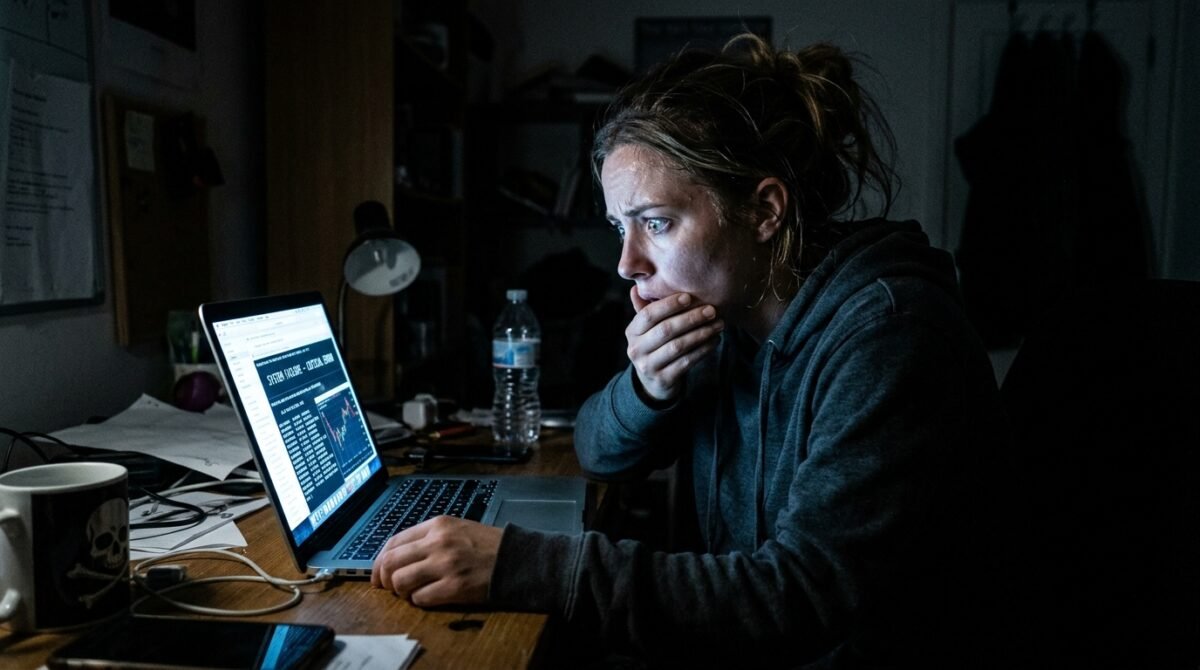
It started as a trickle. A woman I vaguely recognized from high school messaged me on Facebook, asking if the ‘Gold Tier’ ticket included a private photo opportunity with the guest of honor. At first, I assumed it was a bizarre joke or a phishing attempt. I replied politely, stating that this was a private family baby shower and that no tickets were involved. The response I received back was a screenshot of a website I didn’t recognize, showing a graphic with my sister’s name and a ‘buy now’ button.
My pulse quickened as I navigated to the site. The branding was impeccable—it mimicked the digital invitations I had painstakingly designed—but the text was entirely different. It promised an ‘exclusive afternoon of luxury and networking’ for the modern mother-to-be. The entrance fee was listed at $150, with a ‘Premium VIP’ upgrade available for $300. I stared at the screen, feeling my blood turn to ice. My sister had taken the invite list I had compiled and repurposed it as a marketing database.
I reached out to Chloe immediately, my hands shaking. I didn’t want to accuse her without absolute proof, but the existence of the site was enough to warrant a serious conversation. I felt foolish for having invested so much time and money into a vision she clearly viewed as a revenue stream. The sheer audacity of using our family as a product was something I couldn’t wrap my head around.
“Chloe, why am I seeing a website selling tickets to your baby shower? I just got a message asking if the VIP package is still available. Please tell me this is a misunderstanding.”
— Sent via iMessage
Her response didn’t come for an hour. When it finally arrived, it wasn’t an apology. It was a justification. She claimed she was just trying to ‘cover costs’ and that since so many people wanted to come, she decided to monetize the excess demand. She acted as if the idea was brilliant, a masterstroke of modern event management. She had completely bypassed the concept of a shower being a gift and turned it into an enterprise.
I spent the rest of the night looking through the backend of the site, which she had inadvertently left logged in on a shared family tablet. It was worse than I thought. She had already sold over 40 tickets. The money had been funneled into a private account I had no access to. The betrayal wasn’t just the monetization; it was the fact that she had kept me in the dark while I was actively paying vendors for the ‘luxuries’ she was selling to strangers.
The Confrontation Over Coffee

I met Chloe at a local cafe the next morning. She arrived looking perfectly composed, wearing a designer maternity dress that I knew I had likely paid for through the ‘ticket’ proceeds. I had the printouts of the website, the emails from the vendor, and a list of the ‘guests’ who had no relation to our family. I wasn’t there to negotiate; I was there to demand an explanation for why my labor had been exploited.
As I laid the documents on the table, she didn’t look remorseful. She looked annoyed. She dismissed my concerns, claiming that I was being ‘jealous’ of her entrepreneurial spirit. She argued that since the venue was expensive, she was just being ‘proactive.’ The disconnect between her reality and mine was profound. She truly believed that because she was the one having the baby, she was entitled to whatever profits she could squeeze out of the event.
“You’re acting like I’ve committed a crime. People want to be part of the experience! I’m just giving them what they want and making sure the event pays for itself. You should be happy I’m so resourceful.”
— Chloe, during the cafe confrontation
I pushed back, explaining that this wasn’t about resourcefulness—it was about lying to me and the family. I told her that our aunt had bought a gift specifically because she thought it was a private family celebration. I pointed out that the catering company would likely charge us for an ‘event’ rather than a ‘private party’ if they knew she was selling tickets, which would lead to a massive legal and financial nightmare for me, the one who signed the contracts.
She rolled her eyes, telling me I was ‘overreacting’ and that the vendors didn’t need to know the ‘fine details.’ That was the moment I realized she had no intention of stopping. She was fully committed to the scheme. She viewed me not as her sister, but as a project manager she could manipulate to facilitate her side hustle. The conversation ended with her storming out of the cafe, leaving me with the bill and a sinking feeling in my stomach.
I sat there for a long time after she left, watching the people in the cafe go about their lives. I felt a profound sense of isolation. I had spent so much of my own savings to make this event ‘perfect’ for her, and she had treated my efforts as nothing more than a platform for her greed. I realized then that I couldn’t just let it slide. If I proceeded with the shower, I was an accomplice. If I stopped it, I was the villain in her narrative.
The Group Chat Explosion
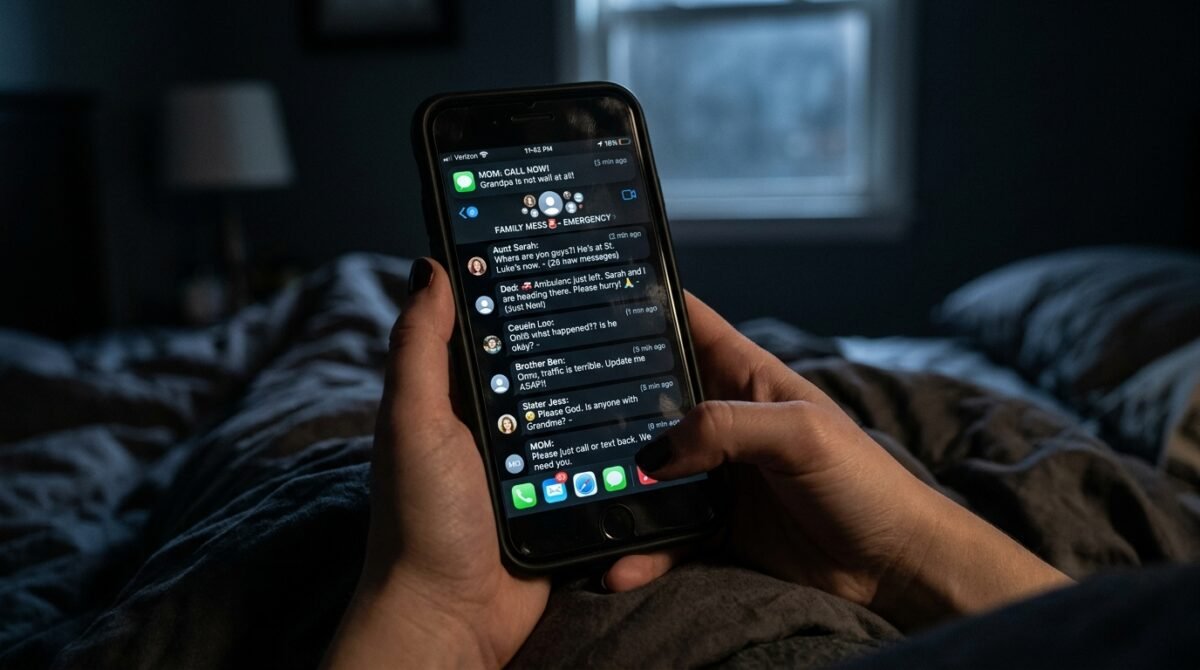
That evening, the family group chat became the battlefield. Chloe had clearly been texting our mother, spinning a narrative where I was ‘sabotaging’ the event because I couldn’t handle the pressure. My phone wouldn’t stop buzzing with messages from relatives who had no idea what was actually happening, all of them siding with the ‘poor, pregnant’ sister. I finally snapped and decided to drop the truth bomb, including screenshots of the ticket-selling website.
The silence that followed in the chat was deafening. Even my mother, who usually jumps to Chloe’s defense, had nothing to say in the face of the evidence. I laid it out clearly: I was pulling all my funding, cancelling the venue contracts, and resigning from my role as the shower coordinator effective immediately. I told them exactly why: I would not be an accessory to fraud and exploitation.
“I am done. The venue is canceled. The caterers have been notified. Chloe, you can host your own ‘gala’ with the money you made off these tickets. Do not call me again until you decide to apologize.”
— Sent via Family Group Chat
The reactions were instantaneous. Some aunts were horrified, while others were confused, asking if they still needed to bring gifts to the ‘gala.’ It was a mess. Chloe started calling me incessantly, her voice shifting from pleading to screaming within seconds. She accused me of ruining her baby’s first celebration, of being a spiteful sister, and of ‘stealing’ her dream day. It was a masterclass in gaslighting.
I didn’t answer her calls. I spent the next few hours drafting emails to the venue and the caterer, making it abundantly clear that I was no longer responsible for the event. I had to pay a hefty cancellation fee, but it was worth every penny to wash my hands of the entire situation. The stress had manifested physically—my hands were trembling, and I couldn’t stop pacing the living room.
As the night wore on, the messages from the ‘ticket holders’ started coming in. They were confused, angry, and demanding refunds. I had to issue a broadcast message stating that the event was canceled and that all inquiries needed to be directed to the organizer, Chloe. I felt a strange sense of vindication as I watched the house of cards collapse. It was a painful, necessary destruction.
The Fallout with the Vendors

The next day brought the administrative fallout. Dealing with the catering manager was the hardest part. She was confused, having received a call from Chloe trying to ‘upgrade’ the menu for the ‘VIPs.’ I had to explain that the event was canceled and that the person calling was not authorized to make any changes to the contract. The manager was professional but clearly irritated, noting that they had blocked off the date and turned down other lucrative bookings.
I ended up having to pay the cancellation fee out of pocket, a significant blow to my savings account. Every dollar felt like a reminder of the lesson I was learning about boundaries. I reflected on the times I had helped Chloe in the past, always expecting that she would eventually grow up. This time, there was no room for error. The financial hit was a tangible cost of my own naivety.
Chloe continued to reach out, but her tone had changed. She started blaming me for the lost income from the ticket sales, claiming that I had caused her ‘severe emotional distress’ which would affect her pregnancy. She even threatened legal action, saying she would sue me for the ‘lost revenue.’ I laughed, knowing that she couldn’t possibly take me to court without admitting to the fraud she had orchestrated.
“You’re responsible for the lost revenue because you couldn’t keep your mouth shut. My lawyers will be in touch about the money I’m out because of your petty outburst.”
— Chloe’s message to OP
I consulted with a friend who is a lawyer, just to be safe. She confirmed that Chloe had no legal standing to sue me for ‘lost revenue’ from a fraudulent enterprise. It was the reassurance I needed to finally hit the ‘block’ button. Seeing her name vanish from my contacts list felt like a physical weight being lifted off my shoulders. I was done.
The vendors were incredibly understanding once I explained the situation in full. One of them, the florist, actually offered me a discount on my next event, saying that they had seen ‘red flags’ with Chloe’s requests as well. It was comforting to know that I wasn’t just losing my mind—the behavior was objectively abnormal to everyone involved.
The Aftermath and Reflection

A month later, the dust began to settle. I had stopped hearing about the ‘gala’ entirely. Apparently, Chloe tried to move it to a smaller venue, but without the professional planning and the connections I had established, it fell apart. Most of the ‘VIPs’ demanded their money back, and the venue she scrambled to find ended up pulling out when they realized the ‘event’ was essentially a ticketed party for strangers.
I took time to process the emotional toll. I realized that my desire to be the ‘perfect sister’ had blinded me to Chloe’s patterns of behavior for years. I had been subsidizing her lifestyle under the guise of family support, never realizing that she viewed my assistance as an entitlement. The cancellation of the shower was the first time I had ever set a firm, immovable boundary, and it felt empowering.
I started seeing a therapist to talk about codependency and the guilt I felt for ‘ruining’ a family milestone. The therapist helped me understand that I didn’t ruin the shower; I simply refused to be the stagehand for a performance that was exploitative and dishonest. The guilt was a relic of my past conditioning, not a reflection of my current actions.
“You have to remember that you set a boundary to protect your own integrity. You didn’t do this to hurt her; you did this because you were being exploited.”
— My Therapist
My relationship with the rest of the family has been strained, but honest. Some of them still don’t fully get it, thinking I should have just ‘let it go’ for the sake of the baby. But I’ve learned that ‘keeping the peace’ is often just a code for ‘allowing bad behavior.’ I’m no longer willing to sacrifice my mental health or my bank account to keep that peace.
I’ve started focusing on my own projects, my own work, and my own boundaries. It’s a quiet life, but it’s a peaceful one. I still send gifts for the baby, addressed to my mother, but I haven’t spoken to Chloe. I’ve realized that family is a choice, not just a biological fact, and I choose to surround myself with people who respect my labor and my character.
Reddit Weighs In: The Verdict

I decided to share my story on Reddit, bracing myself for the comments. I expected a mix of opinions, but the overwhelming support was staggering. Thousands of users pointed out that I had done the right thing, highlighting the ethical and legal implications of what my sister had attempted to do. The thread blew up, reaching the front page within hours, with people sharing their own horror stories of entitled family members.
Many users focused on the audacity of the ticket-selling scheme. They pointed out that if the event had gone forward, I could have been held liable for all sorts of things—tax evasion, consumer fraud, and safety violations. The ‘NTA’ (Not The Asshole) consensus was near-unanimous. It was validating to see so many strangers recognize that I was not the one in the wrong.
“OP, you didn’t just save yourself money; you saved yourself from a massive legal headache. Selling tickets to a private event without permits is a nightmare waiting to happen. You absolutely did the right thing.”
— u/LegalEagle88 (Top Comment, 32.4k upvotes)
There were, of course, the dissenters. A small minority argued that I should have just let her learn her lesson, or that I was too ‘cold’ for shutting it down so abruptly. I read those comments with interest, realizing that people who advocate for ‘unconditional family support’ are often the ones who haven’t had to deal with this level of exploitation. I didn’t engage, but I read them to see if I had missed anything.
The discussion also turned to the psychology of entitlement. Several commenters noted that family members who ‘leech’ off others often do so because they’ve never been told ‘no’ in a way that actually costs them something. By canceling the shower, I didn’t just stop an event; I removed the ‘free’ support system Chloe had been relying on for years. It was a wake-up call, even if she refused to answer.
Reading the comments helped me realize that this wasn’t just my drama; it was a societal issue. People are increasingly commodifying their lives for social media, and this was just a logical, albeit extreme, extension of that trend. It made me feel like part of a larger conversation about the value of genuine connection versus transactional relationships.
The Legal and Financial Realities

When we look at the numbers, the reality is even starker. I had invested nearly $5,000 in deposits, custom signage, and catering consultations. Chloe’s ‘ticket’ revenue was estimated to be around $6,000, which she was keeping entirely for herself. The math doesn’t lie; she was essentially using my $5,000 investment to generate $6,000 of pure profit. It was a business model where I took all the risk and she took all the reward.
I’ve since learned that many venues have clauses in their contracts about ‘ticketed events.’ If I had proceeded, and the venue found out, they could have sued for breach of contract, which would have been significantly more expensive than the cancellation fee I ended up paying. I am thankful every day that I pulled the plug when I did, as it saved me from a potential lawsuit from the event space itself.
| Category | My Investment | Chloe’s Gain (Estimated) |
|---|---|---|
| Venue Deposit | $2,500 | $0 |
| Catering Setup | $1,500 | $0 |
| Decorations | $1,000 | $0 |
| Ticket Revenue | $0 | $6,000 |
The financial ledger of the situation is clear proof of the lopsided nature of the ‘cooperation’ Chloe demanded. She didn’t need a sister; she needed a financier who wouldn’t ask questions. The fact that she was willing to risk my reputation and my financial stability for a quick buck speaks volumes about her priorities. I hope that by sharing this, other people in similar positions realize they have the power to stop being the ‘enabler’ in their families.
This is a warning to anyone who finds themselves being ‘the planner’ for a family member who suddenly wants to make an event ‘professional.’ Always check the contracts, always hold the passwords, and if someone starts talking about charging for entrance to a family event, run. The cost of ‘helping’ is often much higher than you think.
Lessons in Setting Boundaries

Looking back, the most important lesson I’ve learned is that ‘no’ is a complete sentence. I spent so much of my life feeling like I had to justify my refusal to participate in things that made me uncomfortable. I thought if I provided enough evidence—the contracts, the ethics, the family reputation—that the other person would eventually understand and agree. I was wrong.
Some people don’t want to understand. They want to control. When you stop providing the service they need, they don’t change their perspective; they just move on to the next person they can manipulate. I had to accept that I couldn’t ‘fix’ my sister. I couldn’t make her see the value of our family dynamic over the value of her own convenience. That acceptance was the hardest part of the entire ordeal.
I’ve also learned that I am capable of standing my ground, even when it’s uncomfortable. For a long time, I feared the confrontation. I feared the family drama that would come with saying no. But the drama happened anyway, and I survived it. In fact, I came out on the other side feeling stronger and more secure in my own values. The sky didn’t fall, and my life didn’t end.
“Boundaries aren’t walls to keep people out; they’re gates to protect what matters most to you. When you keep those gates open to toxic behavior, you invite chaos into your own life.”
— Reflection from my journal
I hope that anyone reading this understands that you are not obligated to support behavior that exploits your trust. You are not a ‘bad’ person for wanting to be respected. You are not ‘spiteful’ for refusing to be a pawn in someone else’s scheme. Protect your peace, your money, and your dignity at all costs.
Finally, I want to emphasize that it’s okay to grieve the relationship you *wanted* to have, even while acknowledging that the relationship you *have* is toxic. I still miss the sister I thought I had, but I no longer miss the dynamic we were trapped in. It’s a bittersweet realization, but it’s the truth I need to live by.
The Road Ahead

So, where does this leave us? I’m still low-contact with Chloe. We exchange civil pleasantries when absolutely necessary at family gatherings, but the days of me planning her life are over. She’s had her baby, and by all accounts, she is doing fine. I’ve sent gifts, but I no longer participate in the ‘grand spectacles’ she attempts to orchestrate. I’ve found that a distance is the best way to maintain our relationship, such as it is.
I’ve also started doing events for clients who value my work and who treat me with the respect I deserve. It’s a different kind of satisfaction, knowing that when I invest time and effort into an event, it’s for a genuine celebration and not a front for someone else’s business. I’ve regained my passion for the work, which I thought I had lost during the whole ‘baby shower’ nightmare.
The family dynamic has shifted in unexpected ways. Some of my cousins have started reaching out to me, thanking me for standing up for what was right. It seems that I wasn’t the only one who felt the weight of Chloe’s entitlement, just the only one who was in a position to act. We’ve formed a small, supportive group that doesn’t include her, which has been a pleasant surprise.
“I just wanted to say that I’m proud of you. I know it was hard, but you did what needed to be done. We were all thinking it, but you actually said it.”
— My cousin, in a recent text
I’m moving forward with a sense of clarity I didn’t have before. I know now that I can handle the fallout, that I can survive the criticism, and that I can prioritize my own well-being. It’s a lesson that was expensive, stressful, and painful, but one that I wouldn’t trade. It’s the lesson of self-respect.
If you find yourself in a situation like mine, remember this: you don’t owe anyone your labor or your integrity. If something feels wrong, it probably is. Trust your gut, hold your ground, and don’t be afraid to pull the plug. You are the author of your own story, and you have the power to decide who gets a front-row seat to your life.
The Final Word: A Community Call

I’ve shared this story not to seek more validation, but to start a conversation. We live in a world where everything is content, everything is a product, and everything has a price. It’s easy to get swept up in that, to lose sight of what actually matters. But when we start treating our families like customers and our milestones like revenue streams, we lose the very essence of what makes those moments precious.
I want to hear from you. Have you ever had a situation where a family member tried to exploit your skills or your kindness for their own gain? How did you handle it? Did you stand your ground, or did you cave to the pressure? Your stories are the ones that remind us we aren’t alone and that our boundaries are worth fighting for.
The comment section is open. Let’s share our experiences, learn from each other, and support those who are currently struggling to find their voice in toxic family dynamics. Whether you agree with my decision or have a different take, I want to hear your perspective. What does family mean to you, and when is it okay to walk away?
“Your boundaries are the physical manifestation of your self-respect. Never apologize for having them, and never feel guilty for enforcing them when someone crosses the line.”
— A piece of advice I wish I had known earlier
Thank you for reading, for listening, and for being part of this conversation. Your support has meant more to me than I can say. Let’s continue to build a community where we value honesty, respect, and genuine connection over the hollow promises of social media clout. We’re in this together, one boundary at a time.
Conclusion
Reflecting on this journey, I realize that the most difficult decisions are often the ones that lead to the greatest personal growth. Canceling the shower was not just about the money or the fraud; it was about reclaiming my autonomy and defining what I am and am not willing to tolerate. It was the moment I realized that my value is not defined by how much I can ‘do’ for others, but by my commitment to my own principles.
I hope this narrative serves as a reminder that your worth is not tied to your utility. You don’t have to be the ‘helper,’ the ‘financier,’ or the ‘planner’ if it comes at the cost of your self-respect. True family, and true friends, will support your boundaries, not test them. If you’re currently in the middle of a similar struggle, know that you are stronger than you feel, and you have the right to choose who is part of your world.
Reader Poll: If you were in my position, would you have canceled the event immediately, or would you have tried to talk her out of it first? Share your thoughts below!
What's your verdict on this dilemma?
Vote below to contribute to the official community consensus.

Have a Dilemma Keeping You Up at Night?
Share your real-life feud, wedding chaos, or relationship crossroads anonymously with our editorial team.
What do you think ?
0 Comments🛡️ Comments are moderated to protect community integrity. Your comment will appear once approved by the editorial team.