
Friendship is often described as a sacred bond, an anchor in the turbulent waters of adult life. We share secrets, milestones, and memories that span decades, assuming that the history we have together is enough to weather any storm. But what happens when the foundation of that trust is eroded by something as trivial—and yet as pointedly insulting—as a few dollars in unpaid tolls from a trip half a decade ago?
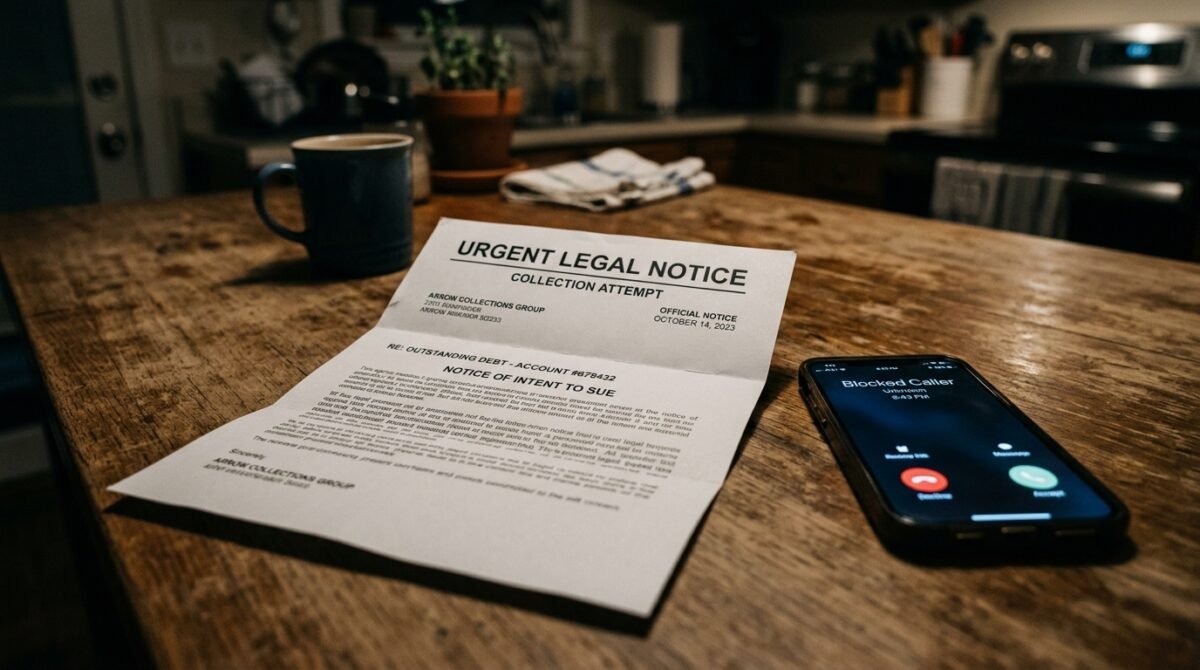
For Sarah and her childhood friend, Jessica, the friendship seemed unbreakable until the mail arrived. It wasn’t a birthday card or an invitation to brunch; it was a formal, typeset document detailing ‘outstanding debts’ from a summer road trip taken in 2018. The audacity of the request was matched only by the sheer absurdity of the timeline.
This isn’t just a story about money. It is a story about the slow decay of mutual respect, the weaponization of bureaucracy, and the moment a person realizes that ‘friendship’ has been downgraded to a business transaction. As the situation spiraled, the boundaries of acceptable behavior were tested, eventually leading to a digital severing that felt long overdue.
In this deep dive, we explore the anatomy of a friendship gone wrong. We examine the psychological toll of petty vendettas, the way social circles react to such bizarre ultimatums, and the ultimate necessity of cutting ties when the past becomes a shackle rather than a support system.
The Ghost of Road Trips Past

The road trip in question took place in July 2018. It was a sun-drenched weekend getaway to the coast, characterized by loud music, bad gas station snacks, and the kind of laughter that only exists between people who have known each other since grade school. At the time, we were both broke, living paycheck to paycheck, and the concept of splitting gas or tolls was handled with a casual ‘I’ll get this, you get that’ attitude.
There was no spreadsheet. There was no formal ledger. There was only the camaraderie of the open road. I remember paying for the hotel, she paid for the gas, and we split the tolls intermittently as we passed through the electronic gates. It was a fluid arrangement that worked for us at the time, or so I thought.
Fast forward six years, and the memory of that trip had faded into the background of our lives. We had both moved on, navigated careers, and lived through the pandemic. Yet, somewhere in the recesses of Jessica’s mind, a ledger was still running. It wasn’t until a gray Tuesday morning that I realized the past wasn’t buried at all.
I opened my mailbox expecting bills or junk mail, but found a heavy, cream-colored envelope. Inside was a typed letter, formal in tone, listing ‘Itemized Road Trip Expenses 2018’ with a subtotal for tolls that had allegedly never been reimbursed. It was a bizarre, jarring artifact of a time that no longer existed.
“Dear Sarah, please find the enclosed documentation regarding the unpaid toll balance from our 2018 coastal trip. With current inflation, the total amount due is $42.50. Please remit via Zelle by Friday.”
— The Letter
I stared at the paper, convinced it was a prank. Who sends a collection letter for forty dollars six years after the fact? It felt like a deliberate act of hostility, a way to signal that she had been holding onto a secret grudge for longer than I had been in my current relationship. The nostalgia of the memory was instantly poisoned.
The Initial Confrontation

My first reaction was to call her. I assumed, perhaps naively, that this was some sort of weird joke or that she was going through a mental health crisis and needed someone to talk to. I dialed her number, heart pounding, expecting a sheepish explanation. Instead, she picked up with the clinical coldness of a debt collector.
I didn’t lead with anger. I led with confusion. I asked her point-blank if she was joking. The silence on the other end of the line was heavy, pregnant with a strange kind of vindication. She didn’t laugh. She didn’t crack a smile. She simply doubled down on the legitimacy of the debt.
“I’ve been doing some financial reorganizing, Sarah. I realized how much I’ve carried for people over the years. It’s not about the money, it’s about the principle. You owe me that, and I expect you to be a responsible adult and pay what is owed.”
— Jessica on the phone
I felt a chill run down my spine. The way she weaponized the phrase ‘responsible adult’ made it clear that this wasn’t about the $42.50. It was about power. It was about creating a hierarchy where she was the creditor and I was the debtor, turning our shared history into a leverage point.
I countered by reminding her of the times I’d covered her meals, the coffee I bought, and the emotional labor I’d performed during her breakup in 2019. She dismissed it all, claiming those were ‘gifts’ and that the tolls were ‘pre-agreed expenses.’ It was a masterclass in gaslighting, rewriting history to suit her current narrative of victimhood.
By the end of the call, I realized there was no reasoning with her. She had already decided that I was the villain, and this letter was her official indictment. The friendship was effectively over before I even hung up the phone.
The Group Chat Explosion
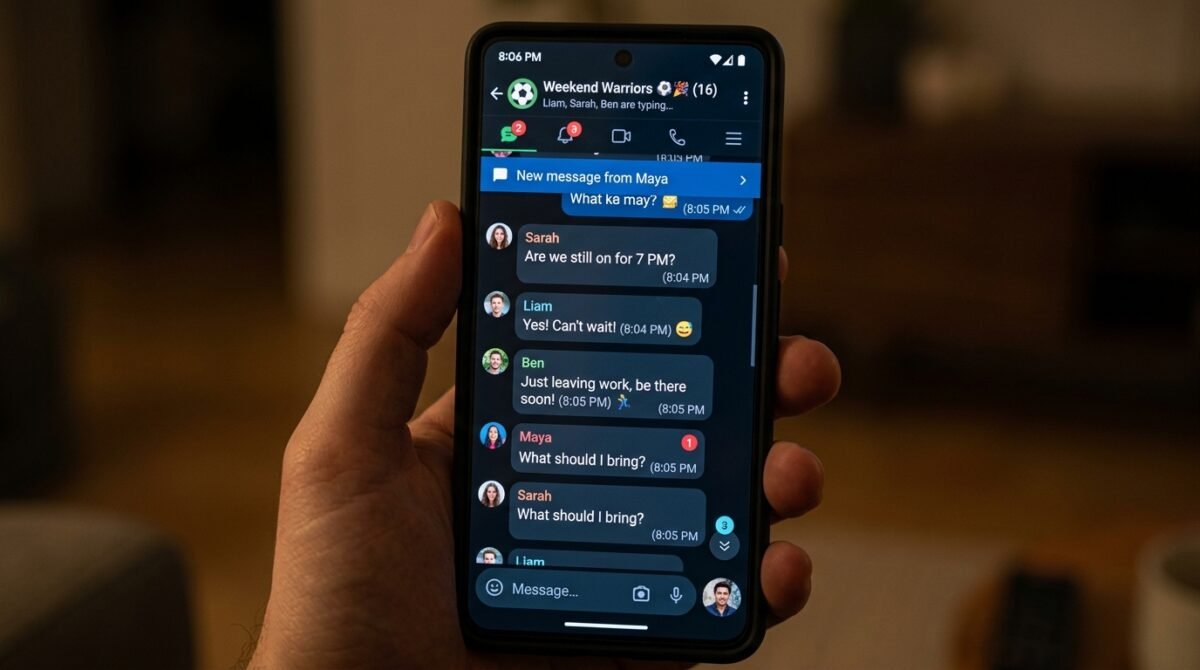
When the news leaked into our wider friend group, the reaction was immediate and polarized. Jessica had apparently been complaining about my ‘lack of accountability’ to anyone who would listen. She had painted me as someone who constantly takes advantage of others, using the road trip as her definitive evidence.
Our group chat, usually reserved for memes and brunch plans, turned into a battlefield. It was uncomfortable for everyone involved. Some friends tried to play mediator, suggesting that I just pay the money to ‘keep the peace,’ while others were rightfully horrified by the pettiness of the situation.
“I honestly don’t understand why we’re making this a thing. Just pay the woman and move on. Is a few bucks really worth losing a decade-long friendship?”
— Mutual Friend, in the Group Chat
I found myself defending my character against people I’d known for years. It was exhausting. Jessica was thriving in the chaos, sending screenshots of our ‘unpaid’ transactions and frame-by-frame receipts from 2018. She was building a case file.
The pressure to capitulate was intense. The ‘keep the peace’ crowd didn’t realize that paying the money wouldn’t fix the friendship; it would only validate her behavior. It would signal that I accepted her terms, that I accepted her right to audit my life at her whim. I refused to play by those rules.
I finally stepped into the chat. I didn’t yell. I didn’t use all caps. I simply stated the facts: the money was a non-issue, the principle of the matter was the betrayal of trust, and I was done being subjected to her revisionist history. The silence that followed my text was deafening.
Anatomy of a Grudge

I spent that night trying to understand why. Why now? Why this? I looked back at our texts from the last few years. There were subtle signs I’d missed—small jabs, passive-aggressive comments about my spending, a weird obsession with tracking who paid for what. I had ignored them, thinking it was just her personality.
It turns out, Jessica had been keeping a ‘friendship debt ledger’ for a long time. She had entries for coffees, gas, tolls, and even the cost of a movie ticket she’d bought when I forgot my wallet in 2020. It wasn’t a friendship; it was an accounting firm.
This behavior is often a sign of deep-seated insecurity. By maintaining this mental balance sheet, she was ensuring that no one could ever truly be her equal. If she was always owed something, she was always in a position of moral superiority. It was a control mechanism designed to keep people indebted to her.
When I realized this, the anger evaporated, replaced by a profound sense of sadness. I wasn’t just losing a friend; I was mourning the realization that the friendship had never been as genuine as I thought. Every memory I had was now tainted by the knowledge that she had been counting the cost of my presence in her life.
I started deleting the photos from my phone. The road trip pictures were the first to go. Looking at them now, I didn’t see fun or freedom. I saw a ticking time bomb, an invoice waiting to be sent. It was a painful purge, but a necessary one for my own peace of mind.
The Final Ultimatum

Jessica didn’t let up. She sent a follow-up email—a formal ‘Final Notice’—demanding payment by the end of the week or threatening to ‘involve others.’ It was absurdly dramatic, like a scene from a low-budget legal thriller. She had even looked up local small claims court filing fees, which were ironically higher than the debt itself.
I didn’t respond to the email. I knew that any engagement would just feed her need for drama. Instead, I sat down and wrote a final message of my own, not for her, but for myself. I wanted to be clear about why this was the end of the road for us.
“Jessica, this isn’t about $42.50. It’s about the fact that you’ve treated our friendship like a business transaction for years. I am not a line item in your ledger. Consider the friendship closed.”
— My final message to her
I hit send, then immediately blocked her number, her email, and her social media accounts. There was no ‘closing statement’ from her, no final argument. Just the click of the block button and the sudden, overwhelming silence of a boundary finally held.
It was the most liberating thing I had done in years. The anxiety that had been bubbling in the back of my mind—the fear of her next demand, the dread of our next interaction—vanished. I was finally free from the invisible debt she had imposed on me.
The next day, I went to a local coffee shop. I bought a coffee for myself and one for the person behind me. It was forty-two dollars and some change, the same amount as her ‘debt.’ It felt like a cleansing ritual, a way to reclaim the value of my own generosity.
The Reddit Verdict

I posted about the situation on a popular subreddit, needing to know if I was actually the one in the wrong. The response was overwhelming. Thousands of people chimed in, almost unanimously siding with me. The consensus was clear: friends don’t send invoices for six-year-old tolls.
“This isn’t just petty, it’s a symptom of a much larger personality disorder. She’s trying to punish you for something, likely something she’s invented in her own head. Block and don’t look back. You’re NTA.”
— u/LogicAndReason, 18.2k upvotes
There were also people who shared their own horror stories of ‘friendship accountants.’ It was validating to know that I wasn’t alone, that this kind of toxic behavior was more common than I thought. People shared tips on how to handle similar boundary-pushing individuals.
“I had a friend like this. She kept a notebook of everything I ‘owed’ her. The moment I confronted her, she blew up. Best thing I ever did was end it. Your peace of mind is worth way more than $42.”
— u/PeaceOfMind, 12.5k upvotes
The community support was the final push I needed to fully let go of the guilt. I realized that my desire to keep the peace was being exploited by someone who didn’t care about peace at all. I was NTA (Not The Asshole), and I finally believed it.
The comments section became a space for collective healing. People told stories of the ‘trash taking itself out,’ and the relief that comes with purging toxic people from one’s life. It was a powerful reminder that we get to choose our families, and we get to choose who we give our energy to.
Reflecting on the Loss

Despite the relief, there is still a quiet, lingering sadness. Losing a childhood friend is a specific kind of grief. It’s the loss of someone who knew the ‘you’ from before you were ‘you.’ It’s the loss of shared history, the shorthand, the inside jokes that no one else will ever understand.
I mourn the version of her that existed before the ledger. I wonder if she was always like this, or if something changed. I wonder if she’s happy, or if she’s truly so miserable that she has to drag everyone else down into her petty, transactional view of the world.
But then I remember the letter. I remember the coldness of her voice on the phone. I remember the way she tried to make me feel small and irresponsible. And I know that I didn’t lose a friend; I lost a weight that had been pulling me down for far too long.
Healing is not a linear process. Some days I’m angry, some days I’m sad, and some days I’m just confused. But I’m moving forward. I’m learning to set better boundaries with the people who remain in my life, and I’m learning to recognize the signs of transactional behavior before it gets to the point of a formal collection letter.
This experience has changed me. It has made me more guarded, perhaps, but also more intentional. I value my friends who give without keeping score, and I cherish the spontaneous, messy, un-audited nature of real, unconditional love. I am finally, truly, moving on.
The Aftermath and Boundaries

It has been six months since I blocked Jessica. I haven’t heard from her, though I know through the grapevine that she is still telling anyone who will listen that I ‘stole’ money from her. It’s sad, but it no longer has the power to hurt me.
I’ve implemented stricter boundaries in my life. I no longer feel the need to justify my financial or personal choices to anyone. If someone asks for money, I lend only what I am willing to lose. If someone starts keeping score, I walk away. The cost of ‘keeping the peace’ is no longer something I am willing to pay.
I’ve also started therapy. It has helped me untangle the guilt I felt for ‘abandoning’ a long-term friendship. I’ve realized that I didn’t abandon her; I chose to protect my own well-being. There is a distinction, and it’s a vital one to make.
“You cannot set yourself on fire to keep others warm. If a friendship is based on a ledger, it was never a friendship—it was a contract you never signed.”
— My Therapist
My life feels lighter. I have more room for people who bring joy and support, rather than judgment and demands. I am learning that it is okay to outgrow people, and it is okay to leave behind the parts of your life that no longer serve your growth.
The $42.50 incident was the catalyst for a much-needed evolution. I look back on that road trip now, not with bitterness, but with a sense of closure. The trip was fun while it lasted, and the ending, while painful, was necessary to clear the path for everything that comes next.
Lessons in Adult Friendships

What have I learned? First and foremost, that friendship is not a transaction. If someone is keeping a mental list of every nickel and dime, they aren’t your friend—they are an auditor in a friendship’s clothing. True friendship is marked by a generous, non-competitive spirit.
Second, that silence is a powerful tool. When someone tries to goad you into a conflict, you don’t have to participate. You don’t have to defend your side, you don’t have to explain your reasoning, and you definitely don’t have to pay a ‘debt’ that doesn’t exist.
Third, that it is okay to trust your gut. If something feels off, if you feel like you’re walking on eggshells, or if someone makes you feel small, pay attention to that. Your intuition is usually the first line of defense against toxic behavior, even if you try to override it with years of history.
Finally, I’ve learned the value of the ‘clean break.’ Sometimes, there is no closure to be had in a final conversation. Sometimes, the most powerful thing you can do is remove yourself from the narrative entirely. The block button isn’t just a digital tool; it’s a psychological reset.
I am grateful for the experience, as bizarre as it was. It taught me that I am capable of standing up for myself, even against the weight of history. I am stronger, wiser, and more at peace than I have ever been. And that, in the end, is worth far more than any toll money.
Final Reflections and The Road Ahead

Life continues, and I am finding beauty in the small, unscripted moments. I am surrounding myself with people who celebrate my successes and support me through my failures, without ever reaching for a calculator. It’s a different kind of life, one defined by authenticity rather than expectation.
I still think about the road trip sometimes. I remember the laughter and the music, and I choose to hold onto those memories while letting go of the bitterness that followed. The debt—both the real one and the emotional one—has been settled in the only way that matters: by walking away.
If you are reading this and find yourself in a similar situation, know that you are not alone. Know that your worth is not defined by anyone else’s expectations, and that you have the right to curate your life to include only those who treat you with kindness and respect.
The road ahead is long and full of potential. I am excited to see what new friendships I will form, and what new adventures I will take—this time, without any hidden costs or unexpected bills. The journey, after all, is about who you share it with, not how you split the tolls.
Thank you for letting me share this story. It has been a long time coming, and writing it down has been the final piece of the puzzle. I hope that in sharing my journey, I’ve helped someone else realize that it’s okay to put yourself first, and that you deserve nothing less than true, unconditional friendship.
Conclusion
The saga of the $42.50 toll debt serves as a stark reminder that some people view relationships through a lens of commodification, while others view them as bonds of trust. By choosing to block Jessica, the narrator reclaimed their autonomy and refused to be a line item in a fabricated ledger. This story isn’t just about a petty demand; it’s about the courage to recognize when a relationship has become a source of toxicity rather than support.
In the aftermath, the narrator found peace, community validation, and the strength to set boundaries that will serve them for years to come. The lesson is clear: when the cost of a friendship starts to exceed the value of the bond, it is time to reassess your priorities and protect your peace.
What do you think? Have you ever dealt with a ‘friendship accountant’ who kept score of every favor and expense? Would you have paid the toll money just to keep the peace, or would you have done exactly what the narrator did and hit the block button? Join the conversation in the comments below.
What's your verdict on this dilemma?
Vote below to contribute to the official community consensus.

Have a Dilemma Keeping You Up at Night?
Share your real-life feud, wedding chaos, or relationship crossroads anonymously with our editorial team.
What do you think ?
0 Comments🛡️ Comments are moderated to protect community integrity. Your comment will appear once approved by the editorial team.