

Growing up, our father was a man of few words, but he spoke volumes through his turntable. The basement was his sanctuary—a cavernous, wood-paneled room lined floor-to-ceiling with thousands of pressings from the golden age of rock, jazz, and soul. When he passed away unexpectedly, the vinyl collection wasn’t just physical inventory; it was the tangible history of his life, his taste, and his legacy. As the person who spent the most time sitting on that carpeted floor listening to the crackle of the needle, it felt only natural that I would inherit the collection. I spent three years cataloging, cleaning, and preserving every single sleeve. It was my way of grieving, my way of keeping him close.
My brother, Leo, was never a fan of the music. He was the kid who slammed doors, played loud top-40 radio, and mocked the ‘dusty old junk’ we grew up around. For years, he ignored the collection entirely. It wasn’t until a week ago—when he announced he was planning a three-country tour of music festivals—that he suddenly developed a deep, sentimental, and inconvenient ‘love’ for our father’s records. He didn’t want to listen to them. He wanted to liquidate them.
The audacity of his request hit me like a physical blow. He didn’t ask; he demanded, framing it as if he were doing me a favor by ‘decluttering’ my life. When I refused, the narrative shifted. Suddenly, I wasn’t just the sister who wouldn’t share; I was the ‘selfish, greedy hoarder’ who was standing in the way of his ‘once-in-a-lifetime’ experiences. This isn’t just about records anymore. It’s about entitlement, the commodification of grief, and the breaking point of a lifelong sibling dynamic.
This article chronicles the descent into a family nightmare, from the initial, arrogant demand to the leaked group chats that turned our relatives against me. I am tired of being the villain in a story I didn’t write. This is the truth about what happened when my brother decided my inheritance was his personal ATM.
The 2:00 AM Call About ‘Financial Liquidity’
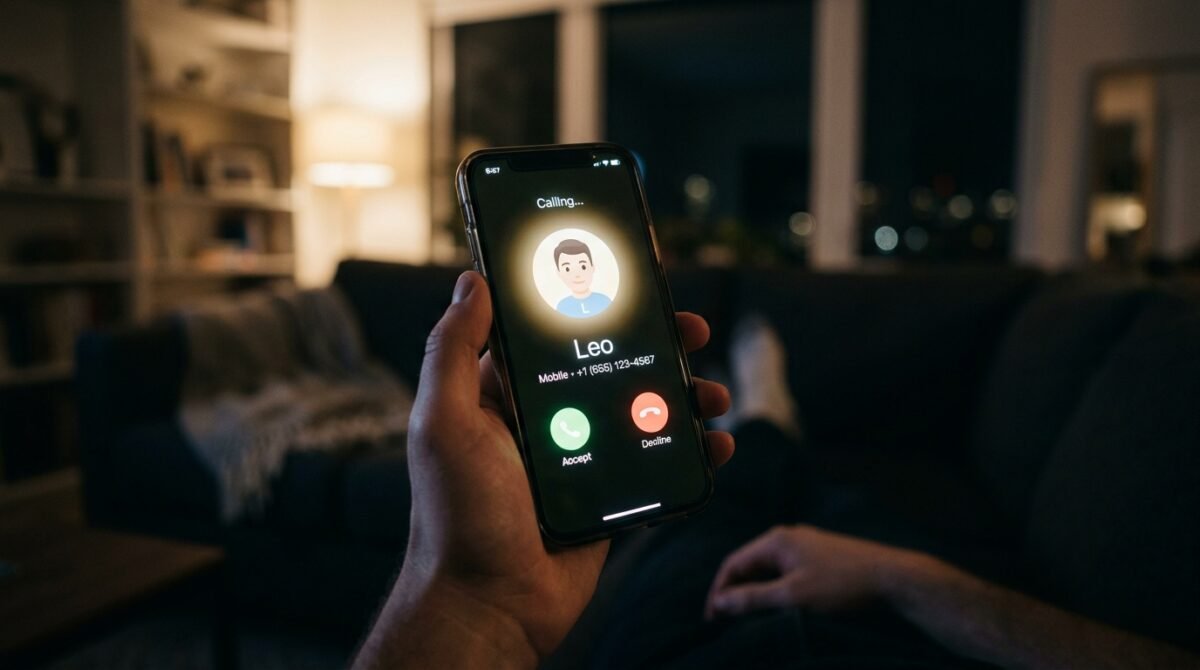
It started with a phone call that lasted forty-two minutes. Leo didn’t even bother with pleasantries. He started by telling me he had found the ‘perfect’ festival lineup in Europe and that he had calculated the total cost of tickets, travel, and lodging to be somewhere in the neighborhood of six thousand dollars. He spoke with the casual confidence of someone who assumes money is simply a resource that exists to be accessed.
I kept waiting for him to ask for a loan, or perhaps to mention a bonus he was expecting at work. Instead, he started talking about the ‘value’ of Dad’s collection. He had clearly done his research on Discogs, rattling off the names of rare pressings like he was reading a menu. He wasn’t talking about them as memories; he was talking about them as liquidated assets.
“Listen, I know you think you’re being all ‘sentimental’ by keeping those boxes stacked up in your guest room, but they’re just objects. They’re sitting there gathering dust while I’m trying to actually live my life. I’ve checked the market. The collection is worth way more than I need for the trip. It’s the perfect way to get the cash without taking out a high-interest loan.”
— Leo, during the initial confrontation
I was stunned into silence. I had spent so much energy trying to preserve these records, ensuring the humidity levels were right, replacing the inner sleeves with acid-free paper. To him, they were just currency. I finally managed to tell him that they weren’t for sale, and that even if they were, they didn’t belong to him. His reaction was immediate and icy.
He didn’t plead or bargain; he switched tactics. He moved from ‘investment advice’ to personal attack. He told me that I had always been the golden child, the one who Dad ‘preferred’ because I liked his ‘boring’ hobbies. He accused me of hoarding the inheritance to keep a piece of Dad to myself, as if my appreciation of the music was a weapon used against him.
By the time I hung up, my hands were shaking. I wasn’t just dealing with a brother who wanted money; I was dealing with a brother who felt that his lack of foresight was my financial responsibility. The conversation ended with him telling me to ‘think it over’ before I made a decision I would ‘regret for the rest of my life.’ It was a veiled threat that hung in the air long after the line went dead.
The Infiltration of My Personal Sanctuary
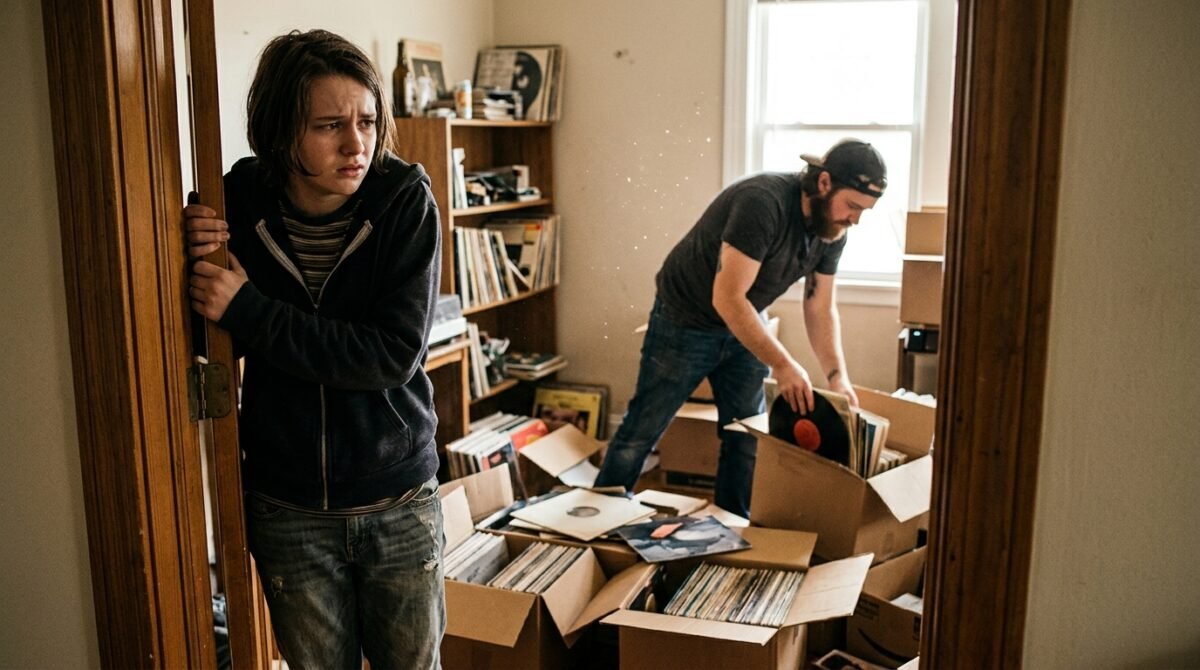
Two days after our phone call, Leo showed up at my front door unannounced. I was working from home, and I hadn’t even checked my messages. When I opened the door, he didn’t wait to be invited in. He walked straight past me, heading directly for the spare room where I kept the collection. It was a blatant power move, an attempt to assert ownership over a space that had nothing to do with him.
I followed him, my heart pounding in my chest. He was already pulling boxes off the shelves, flipping through the LPs with a careless speed that made me wince. He wasn’t looking at the music; he was looking for the ‘heavy hitters’—the first pressings, the limited editions, the rarities that collectors dream of. He looked like a scavenger, not a brother.
“You’re actually going to let these sit here and rot? I’m serious, Sarah. These are worth a fortune. If you give me the top fifty, I won’t even ask for anything else. You get to keep your ‘precious’ memory, and I get the summer of a lifetime. Why are you being so difficult? It’s literally just plastic and cardboard.”
— Leo, while rummaging through the collection
I stood in the doorway, blocking the exit. I told him to leave, my voice shaking with a mix of fury and disbelief. He laughed—a condescending, patronizing sound that echoed in the small room. He tried to brush past me, but I didn’t move. The tension was thick enough to choke on. I told him if he didn’t put the box back and leave, I was calling the police.
He stopped then, looking at me as if he were seeing a stranger. The mask of the ‘carefree brother’ dropped, replaced by something much darker. He sneered, calling me a ‘selfish gatekeeper’ and stating that Dad would be embarrassed by how I was treating his only son. He claimed that the collection was family property, and that my unilateral decision to keep it was a form of theft.
Watching him handle our father’s legacy with such disregard was physically painful. He didn’t care about the music, the history, or the love our father had for these objects. He only cared about the price tag. When he finally left, he didn’t say goodbye. He slammed the door hard enough to rattle the windows, leaving me standing in a room full of records that suddenly felt tainted by his greed.
The Weaponization of the Family Group Chat
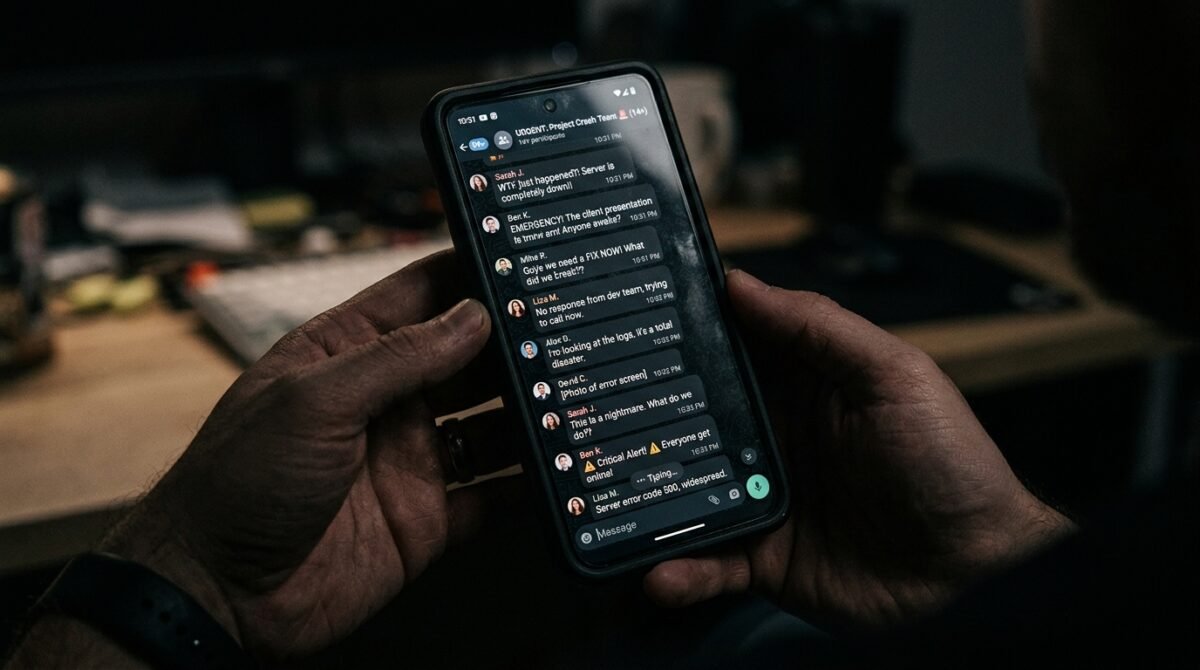
I thought the confrontation was over, but I was wrong. Less than an hour later, my phone started vibrating incessantly. The family group chat—which usually consisted of photos of dogs and birthday wishes—had become a war zone. Leo had screenshotted a picture of the collection and sent it to the entire family with a caption that painted me as a greedy, vindictive person.
He didn’t mention his desire to pawn the records for festival tickets. Instead, he told everyone that I was ‘refusing to share’ an inheritance that was meant to be split equally. He framed it as me holding onto assets for my own gain, while he was ‘struggling’ and simply wanted a small portion to ‘get back on his feet.’ The manipulation was calculated, surgical, and effective.
“I just think it’s sad that Sarah thinks she’s the only one who deserves anything from Dad. I asked for a few things to help with my current situation, and she literally threatened to call the cops. It’s like she’s trying to erase me from the family legacy entirely.”
— Leo, in the family group chat
My aunt, who had always been the mediator, chimed in immediately. She suggested that perhaps I should be ‘more generous’ and that family was more important than ‘objects.’ My cousin chimed in with a passive-aggressive comment about how ‘sharing is caring,’ clearly not understanding the full context of what was happening. I felt completely isolated, forced to defend my boundaries against a narrative I hadn’t even had the chance to explain.
I took a screenshot of the initial, ridiculous demand he had made about the festival tickets and sent it to the group. I didn’t say much—just the truth. I explained that these were not for ‘survival’ or ‘getting back on his feet,’ but for a luxury vacation that he couldn’t afford. The silence that followed was deafening. It lasted for nearly three hours before anyone typed another word.
It was a Pyrrhic victory. While I had cleared up the lie, the damage to my reputation in the family was already done. People don’t like to be corrected, and they certainly don’t like to feel like they’ve been played. The discord in the chat continued, with some relatives siding with me, but most choosing to stay ‘neutral’—which, in my experience, is just another way of saying they didn’t want to get involved in the mess.
The Financial Breakdown of Entitlement

To justify my position to the family, I decided to lay out the reality of the situation. I created a breakdown of the collection’s value versus what Leo was asking for. It wasn’t just about the records; it was about the precedent. If I gave him the ‘top fifty’ as he requested, he would effectively be taking the most valuable pieces of the collection, leaving me with the sentimental but less liquid items.
| Record Category | Estimated Market Value | Leo’s Demand |
|---|---|---|
| Rare First Pressings | $12,000 | 100% (Included) |
| Common LPs | $4,500 | 0% (Ignored) |
| Total Value | $16,500 | $12,000 |
The numbers made it clear. He wasn’t asking for a ‘fair share.’ He was asking for the crown jewels. He wanted the records that were the most difficult to replace, the ones that had the most history attached to them. Seeing it all in a table format helped some of the more logical family members see what was happening. They realized this wasn’t about him ‘getting his fair share’; it was about him cherry-picking the assets for maximum profit.
I sent the table to the group chat with a short, cold message. I told them that I had spent years maintaining this collection, and that if it were to be sold, it would be sold to honor Dad’s memory, not to pay for someone’s party. The response from my uncle was a surprise. He actually sided with me, pointing out that Leo had never once shown an interest in the music when Dad was alive.
Leo’s response to the table was predictable. He doubled down on his victimhood, calling the table ‘corporate and cold’ and accusing me of ‘treating our family like a business transaction.’ He ignored the math entirely, focusing on the emotional language he knew would bait my relatives. It was a classic deflection tactic, and it made me realize that there was no way to ‘win’ this argument with logic.
I realized then that the conflict wasn’t about the money at all. It was about his inability to accept ‘no’ from me. He had spent his entire life being the ‘little brother’ who could get away with anything, and the fact that I was finally setting a hard, unyielding boundary was something he couldn’t process. The financial breakdown was just proof that his requests were unreasonable, but to him, it was just another reason to hate me.
The Inevitable Reddit Community Trial
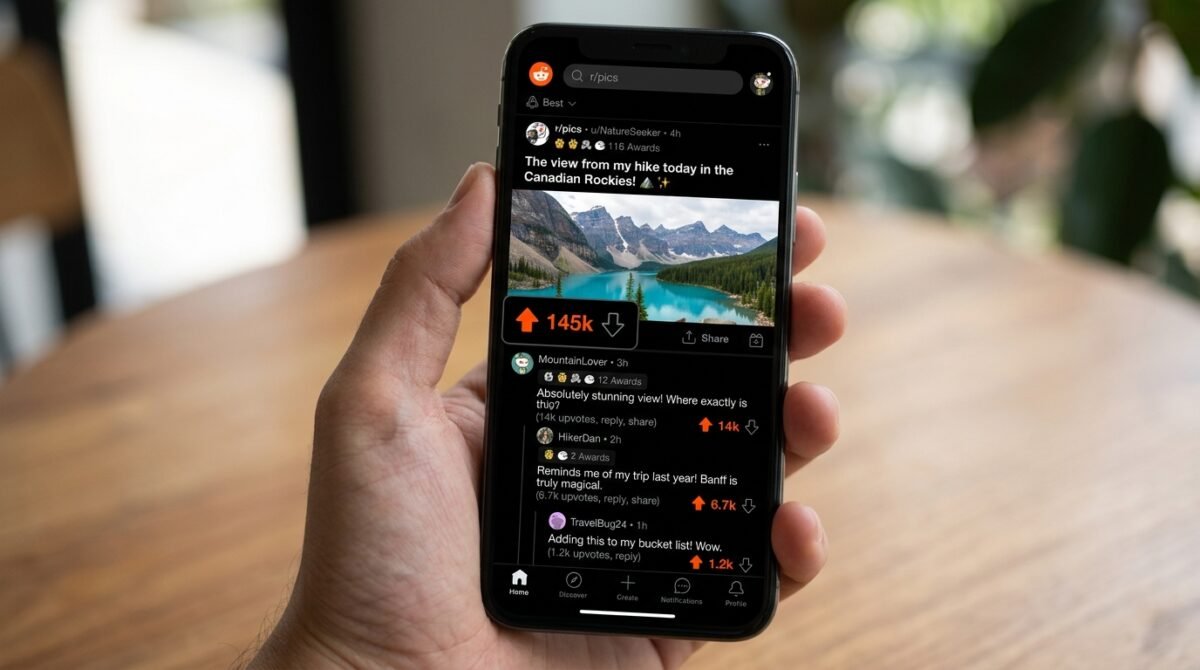
I reached a point where I needed an objective perspective. I posted my story to the AITA subreddit, keeping the details anonymous but the facts clear. I wanted to know if I was truly being the ‘selfish, greedy hoarder’ that Leo had painted me as. Within an hour, the post had blown up. The comments started pouring in, and for the first time in weeks, I felt a sense of validation.
“NTA. Your brother is showing his true colors. He doesn’t want the records because he loves the music; he wants them because he views them as a piggy bank. Do not give him a single one. Once you start, he will never stop asking for more. Hold the line, OP.”
— u/VinylLover88 (Top Comment, 15.2k upvotes)
The community was overwhelmingly on my side. They pointed out the common patterns of toxic family members who view others’ assets as their own entitlement. They offered advice on how to handle the situation legally, suggesting I keep the records in a climate-controlled storage unit if I didn’t feel safe with them in my home. The sheer number of people telling me I wasn’t being ‘selfish’ was incredibly cathartic.
Of course, there were dissenters. A few users argued that since it was an ‘inheritance,’ it should have been divided equally from the start, regardless of interest. But those comments were quickly buried by others who explained that an inheritance of a specialized collection isn’t a simple cash split. You don’t take a physical collection of art or music and chop it in half just to satisfy a sense of ‘fairness.’
Reading these comments allowed me to step back and see the situation for what it was: a test of boundaries. I realized that my guilt had been manufactured by Leo to make me cave. By seeing it through the eyes of thousands of strangers, the power he held over me began to dissipate. I wasn’t the bad guy. I was simply protecting my property and my father’s legacy from someone who wanted to burn it for a fleeting experience.
The Reddit thread became a source of strength. I checked it whenever I felt the urge to apologize, whenever the family pressure became too much. It served as a mirror, reflecting the absurdity of Leo’s demands and reinforcing my decision. I learned that saying ‘no’ to a family member is often the most important thing you can do for your own mental health.
The Sunday Dinner Where Everything Changed

The family had a scheduled dinner at my mother’s house. I knew Leo would be there, and I knew he wouldn’t let the issue go. I prepared myself for an ambush. When I walked through the door, the atmosphere was thick with tension. Everyone was being overly polite, which is a sure sign that something unpleasant is about to happen. We sat down to eat, and the silence was only broken by the clinking of silverware.
Ten minutes in, Leo dropped the bomb. He didn’t look at me; he looked at our mother. He started talking about how ‘some of us’ were making it impossible to keep the family together. He talked about the records again, but this time he framed it as me ‘ruining the family dynamic’ because I was ‘obsessed’ with the past. He was trying to turn my mother against me, playing on her desire for a peaceful family life.
“Mom, it’s not just about the records. It’s about how she treats us. She’s turned into this person who thinks she’s above everyone else because she has these things. I just wanted to do something nice for myself, and she treated me like a criminal. I don’t even recognize her anymore.”
— Leo, at the dinner table
My mother looked at me, her face unreadable. I took a deep breath and spoke. I didn’t yell. I didn’t get emotional. I laid out the facts again, calmly and clearly. I told her about the festival trip. I told her that Leo had tried to raid my home to take items he hadn’t earned or cared for. I told her that his definition of ‘family dynamic’ was me giving him whatever he wanted, whenever he wanted it.
The table went silent. My mother has always been one to prioritize peace, but she is also a woman who values respect. When I finished, she looked at Leo. She asked him if it was true that he wanted to sell the records for a trip. He tried to deflect, to say it was ‘just an idea,’ but my mother wasn’t having it. She told him that if he wanted to go on a trip, he should work for it, just like everyone else.
It was a turning point. For the first time, someone in the family didn’t just stay neutral. They actively rejected his narrative. Leo’s face turned bright red. He pushed his chair back, stood up, and stormed out of the house. The dinner continued, but the air felt lighter. I had stood my ground, and for once, the world didn’t end.
The Certified Letter of ‘Fairness’
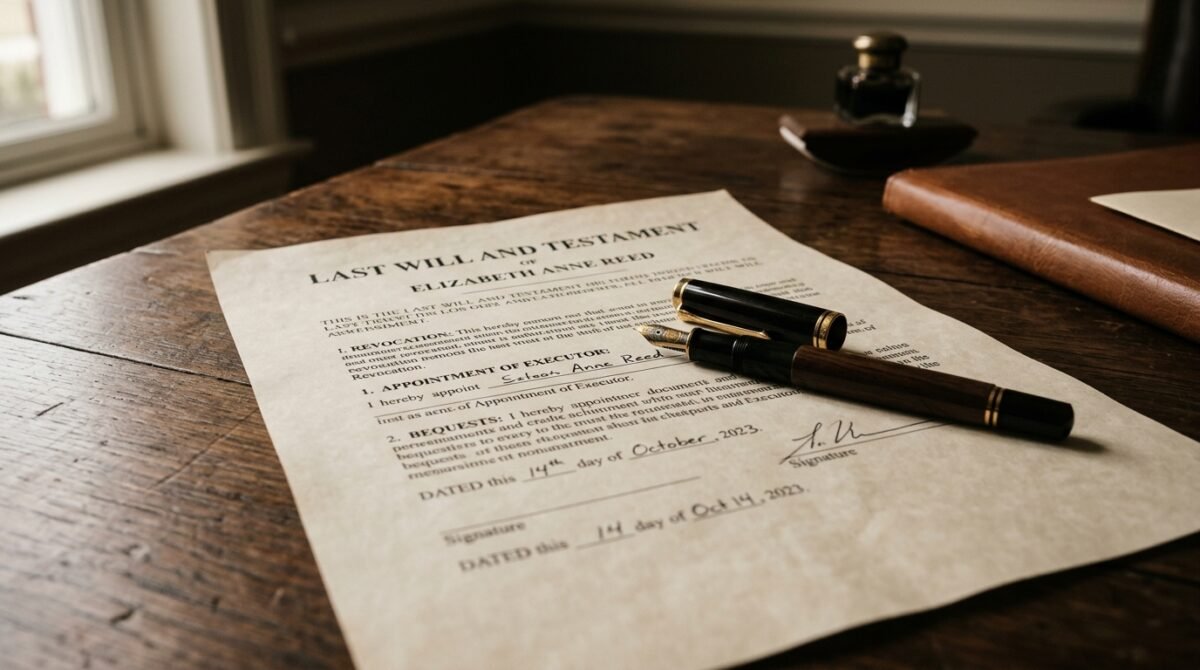
Two weeks after the dinner, I received a certified letter in the mail. It was from a paralegal service Leo had clearly hired. It was a formal demand for an ‘inventory and appraisal’ of the entire collection, suggesting that if I didn’t comply, he would take me to small claims court to force a buyout. It was absurd, but it showed how far he was willing to take this.
I took the letter to an actual lawyer, just to be safe. My lawyer laughed for a full minute before explaining that Leo had absolutely no legal ground to stand on. The collection had been transferred to me in the will, and there was no clause requiring me to share it. The letter was a bluff, an expensive piece of paper designed to intimidate me into submission. I didn’t even respond.
A few days later, Leo sent me a text. He wasn’t acting like the victim anymore; he was acting like the aggressor. He claimed that the ‘legal process’ had already started and that I was going to be ‘sorry’ when the court forced me to sell everything to pay for his fees. It was pathetic, honestly. He thought he could scare me into compliance with legalese.
“You think you’re so smart hiding behind your ‘legal’ ownership. You’ve got a month. Hand over the records, or I’m going to make sure the whole family knows exactly what kind of a person you really are. I’m not going to stop until you regret this.”
— A text message from Leo
I didn’t reply to the text. I just screenshotted it and sent it to my lawyer, who advised me to keep a paper trail of everything. I realized then that my brother was willing to burn our relationship to the ground over a few thousand dollars and his own ego. It was sad, but it was also freeing. I stopped caring about what he thought of me.
The ‘legal threat’ was the last desperate gasp of a man who realized he had no power. He couldn’t bully me, he couldn’t guilt-trip me, and he couldn’t manipulate the family anymore. He was left with nothing but his own anger. I felt a strange sense of pity for him, but I also felt a deep, resolute sense of peace. I was done.
The Final Severing of Ties

I knew I couldn’t keep this up forever. The stress of the conflict was affecting my health, my work, and my ability to enjoy the very thing I was fighting to protect. I made the decision to go low-contact with Leo. I blocked his number and removed him from my social media. I told my mother that I wouldn’t be attending any family events where he was present, at least for the foreseeable future.
It was a difficult decision, but it was necessary. I couldn’t be around someone who viewed me as a resource rather than a sister. I started focusing on my own life, my own goals, and my own joy. I listened to the records more than ever, not as a duty, but as a way to find solace in the music. The house felt quiet, but it was a peaceful quiet, not a tense one.
Some of our mutual friends reached out, trying to ‘fix’ the situation. They thought that if we just sat down and talked, we could find a compromise. I told them that the time for compromise had long since passed. The issue wasn’t the records; it was his behavior, his entitlement, and his inability to respect me. There was no ‘middle ground’ between someone who wants to take what isn’t theirs and someone who wants to keep what they own.
I began to see the situation as a blessing in disguise. It had forced me to set boundaries that I should have set years ago. It taught me that I don’t owe anyone an explanation for how I manage my own property, and that my worth isn’t tied to how much I ‘share’ with others. I had finally learned how to say no, and it felt incredible.
Leo eventually stopped reaching out. He realized that I wasn’t going to budge, and he moved on to the next person he could manipulate. I heard through the grapevine that he ended up working a double shift all summer to pay for his festival tour. I didn’t feel any satisfaction in that, but I did feel a sense of closure. He wanted something he didn’t have, and he realized he couldn’t get it from me.
The Unintended Lesson of the Vinyl Collection
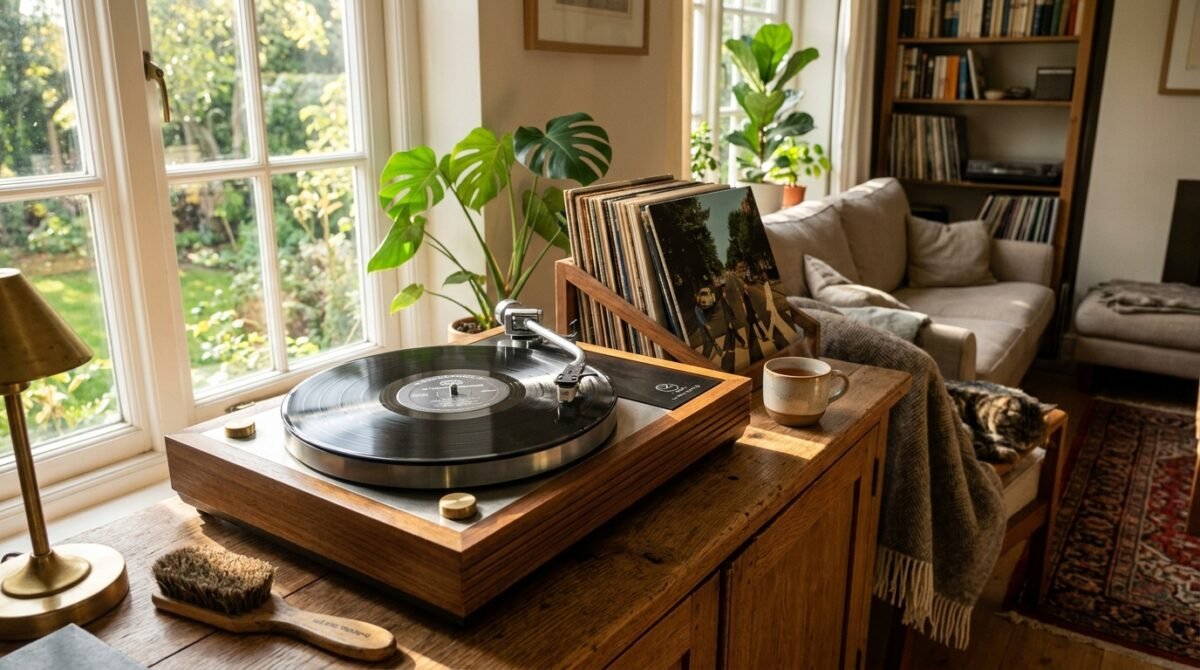
Reflecting on everything, I realized the irony of the situation. My father’s record collection was meant to bring us together, to share in the music he loved. Instead, it became the catalyst for a rift that might never heal. But that wasn’t the music’s fault, and it certainly wasn’t the collection’s fault. It was the result of a long-standing pattern of behavior that was always going to come to a head eventually.
The records taught me more about my brother than any conversation ever could. They showed me exactly what he valued and how he saw the people around him. I didn’t lose a brother because of a disagreement over some plastic discs; I lost the illusion of a brother who had my back. And in that sense, the collection didn’t just preserve Dad’s legacy—it helped me preserve my own self-respect.
I still listen to the records every Sunday. I pick a favorite, put it on the platter, and let the music fill the room. I think about my dad, and I think about how he would have handled this. He was a man who believed in hard work and respect, and I think he would have been proud of the way I stood my ground. He wouldn’t have wanted his legacy to be used as a pawn in a petty argument.
To anyone out there dealing with a family member who feels entitled to your things, your time, or your emotional labor: set your boundaries. Don’t worry about being ‘selfish.’ Sometimes, being selfish is the only way to protect your mental health and your integrity. You are allowed to say no. You are allowed to keep what is yours.
I’m finally at peace. The records are safe, my conscience is clear, and for the first time in a long time, I’m listening to the music for the sake of the melody, not the noise of the argument. It turns out that the most valuable thing about the collection wasn’t the rarity of the pressings or the price tag on the secondary market—it was the strength it gave me to stand up for myself.
Community Echoes: The Internet’s Final Verdict

Even months after the initial incident, people still message me on the original thread to ask for updates. It’s comforting to know that I wasn’t alone in this experience. Thousands of people have shared their own stories of entitled siblings, greedy relatives, and the painful process of cutting off toxic family members. It’s a universal problem, and knowing that makes it easier to bear.
“OP, I went through the exact same thing with my sister and my mom’s jewelry. Once you start setting boundaries, they will call you every name in the book. Let them. You are protecting your peace. Keep holding that line. It’s worth it.”
— u/BoundariesMatter (Top Comment, 8.4k upvotes)
The community has become a support group of sorts. We share advice, talk through our guilt, and celebrate the small victories of saying no. It’s a testament to the fact that while family is important, it shouldn’t come at the cost of your own identity. We all deserve to be treated with respect, and sometimes, that respect has to be earned through distance.
I’ve realized that I don’t need the approval of my family to know I did the right thing. I have the support of a global community of people who understand the nuance of this situation. I don’t feel the need to justify myself anymore, and I certainly don’t feel the need to offer up my belongings to prove my love. I am enough just as I am.
If you’re currently in the middle of a similar struggle, know that you aren’t the villain. You are just a person trying to navigate a difficult situation with your dignity intact. Don’t let the fear of being ‘the bad guy’ stop you from doing what’s right for you. Your boundaries are the walls that keep you safe, and you have every right to build them as high as you need.
Thank you for listening to my story. It wasn’t easy to share, but it was the most important thing I could do. I hope that by reading this, you find the strength to set your own boundaries, to protect your own ‘records,’ and to find your own peace in the middle of the noise.
Conclusion
The saga of the 1970s vinyl collection has finally come to an end, at least for me. While the family rift remains, the noise has faded into the background. I have learned that true inheritance isn’t just about what is left behind in a will; it’s about the lessons learned along the way. I inherited my father’s love for music, but I also learned the necessity of self-preservation.
I am curious to hear from you, the readers. Have you ever had to draw a line in the sand with a family member who refused to respect your property or your boundaries? How did you handle the inevitable backlash? Share your stories below—let’s keep this conversation going and support each other in the messy, complicated reality of family dynamics.
Poll: If you were in my shoes, would you have given your brother even a small portion of the collection to ‘keep the peace,’ or was the total refusal the only way to go?
What's your verdict on this dilemma?
Vote below to contribute to the official community consensus.

Have a Dilemma Keeping You Up at Night?
Share your real-life feud, wedding chaos, or relationship crossroads anonymously with our editorial team.
What do you think ?
0 Comments🛡️ Comments are moderated to protect community integrity. Your comment will appear once approved by the editorial team.