

For most people, a van is just a vehicle, a means to get from point A to point B. For me, the ‘Iron Nomad’—my custom-converted 2019 Sprinter—is a physical manifestation of two years of blood, sweat, and a very depleted savings account. I spent every weekend covered in sawdust, learning how to wire solar panels, and agonizing over the precise shade of oak for my cabinetry. It was my sanctuary, a project that kept me sane during a brutal corporate career transition. I never imagined that this labor of love would become the epicenter of a family explosion that would leave me questioning everything I thought I knew about blood ties.
The trouble started exactly three weeks before my brother, Mark, was set to marry his fiancé, Sarah. Mark has always been the ‘golden child,’ the one who coasted through life on charm while I navigated the rougher terrain. When he announced their plan for a three-week cross-country honeymoon, I was genuinely happy for him. That was until he showed up at my house unannounced on a Tuesday evening, a beer in one hand and a look of casual expectation on his face. He didn’t come to talk about the wedding; he came to claim my van.
“It’s just a vehicle, and you know how much we love the outdoors,” he told me, as if he were asking to borrow a lawnmower rather than the primary residence I had poured my soul into. When I told him no, the reaction wasn’t just disappointment—it was disbelief. He seemed genuinely baffled that I would put my own property above his ‘once-in-a-lifetime experience.’ This wasn’t just a request; it was a demand born from a deeply ingrained sense of entitlement that had been brewing in my family for years.
What followed was a slow-motion car crash of family dynamics, group chat wars, and emotional manipulation that forced me to draw a line in the sand. I learned very quickly that in my family, ‘family shares everything’ is really just a polite way of saying, ‘what’s yours is mine, and what’s mine is non-negotiable.’ This is the story of how I defended my boundaries, lost a bit of my family, and learned that sometimes, saying ‘no’ is the most powerful thing you can do.
The Tuesday Evening Ambush
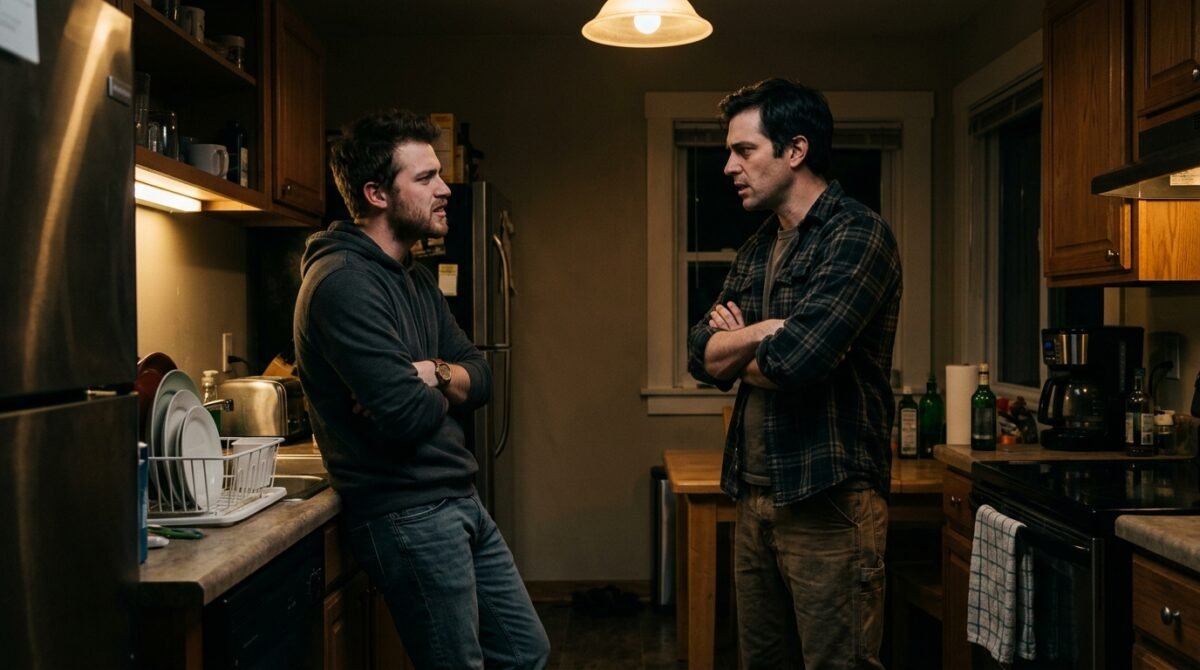
Mark arrived at my driveway exactly at 6:45 PM. I was halfway through a dinner of leftovers, still wearing my work clothes, when he knocked on the door with that specific, wide-eyed look he uses when he wants something expensive. He didn’t even wait for me to invite him in before he started talking about the logistics of his honeymoon. He painted a picture of open roads, mountain vistas, and the ‘perfect aesthetic’ for their Instagram photos. I listened for ten minutes, waiting for the punchline, which arrived with all the subtlety of a sledgehammer.
“So,” Mark said, leaning against my kitchen counter, “we did the math, and renting an RV for three weeks is going to cost us four grand. It’s a total waste of money when you have the perfect setup sitting right in your driveway. We’ll just borrow the Sprinter. It’s family, right? You’re not even planning on using it for at least a month.”
“Mark, I put two years of my life into that van. It’s not a rental. It’s my home. I don’t let anyone drive it, let alone take it for three weeks across the country.”
— Me, trying to stay calm
His face darkened instantly. He shifted from ‘charming brother’ to ‘offended victim’ in a heartbeat. He argued that I was being petty, that the van was meant for ‘adventures,’ and that denying him this favor was a sign that I didn’t care about his marriage. The entitlement was so thick it felt like I could reach out and grab it. He didn’t see a complex piece of engineering that required specific maintenance; he saw a toy that I was selfishly withholding.
I held my ground, citing the liability, the wear and tear, and the simple fact that I was uncomfortable with anyone else behind the wheel of my custom build. I told him he could look into professional rental services, but he scoffed at the idea of spending money when he could just guilt-trip his sibling. When he finally left, he didn’t say goodbye. He just slammed the door, leaving me in the silence of my own home, wondering if I had truly just crossed a line by saying no.
The Inevitable Group Chat Explosion
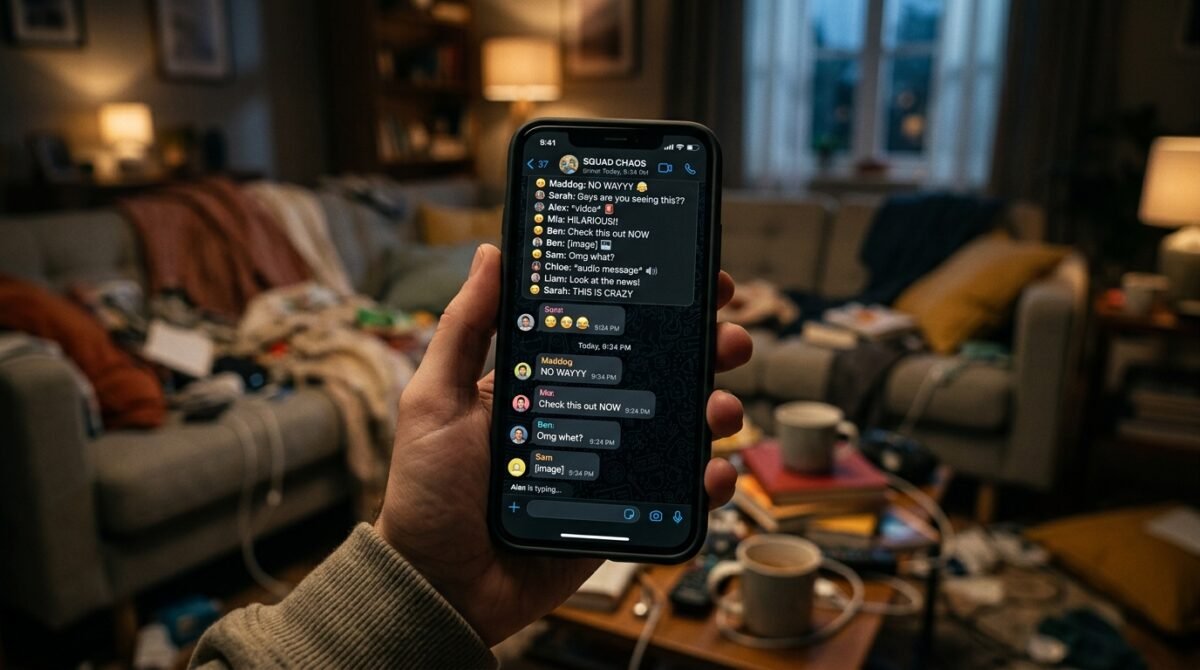
I knew it was coming, but I didn’t expect the speed of the fallout. By 9:00 PM, the family group chat—which usually consists of ‘good morning’ memes and scheduling birthday dinners—was blowing up. My mother started it, naturally. She sent a message that essentially framed me as the villain of the story, claiming that I was ‘refusing to support my brother’s happiness over a piece of metal.’ It was classic triangulation, turning the rest of the family into a jury before I even had a chance to state my side.
I watched my phone vibrate incessantly, the notifications piling up like debris from a storm. My aunt chimed in, talking about ‘family values,’ and my cousin added a snide remark about how ‘some people value property over people.’ It was a masterclass in gaslighting. They weren’t interested in why I said no; they were only interested in why I had the audacity to prioritize my own property over their collective ego.
“OP, it’s just a van. Don’t be so dramatic. Mark is starting a new chapter. Can’t you just let him borrow it and stop being so possessive?”
— Mom, via Family Group Chat
I didn’t engage immediately. I took a deep breath, walked out to the driveway, and looked at the van. I ran my hand over the custom-built side panel, feeling the grain of the wood. This wasn’t just metal and tires. This was the result of thousands of dollars and hundreds of hours of learning. I realized then that if I gave in, I would be setting a precedent for every single thing I ever worked for. My boundaries were being tested, and if I failed here, I would never have them back.
I finally typed out a response, choosing my words carefully. I didn’t get angry; I got factual. I outlined the insurance constraints, the specific nature of the van’s systems that required training to operate, and the fact that I had already planned my own trip in the coming weeks. I hit send, tossed my phone onto the couch, and went to bed. The silence that followed was heavy, but it was mine.
The Financial Reality Check

The next morning, the messages were even worse. It seemed like Mark had decided to escalate by bringing his fiancé, Sarah, into the fray. She didn’t text me directly, but I knew she was the one feeding him the ammunition. They started talking about ‘the cost of the wedding’ as if that entitled them to my assets. It was the classic ‘we’re spending so much money on the wedding that we deserve free stuff’ mentality that plagues so many couples.
I decided to put together a breakdown of what the van actually cost and what it would cost to insure it for them. I figured if they saw the numbers, they might realize that borrowing a $60,000 custom build wasn’t the same as borrowing a friend’s Honda. I sent a document to the group chat. It detailed the solar setup, the electrical system, the custom insulation, and the specific insurance policy that explicitly barred non-owner drivers.
| Category | Estimated Replacement Value | Insurance Restriction |
|---|---|---|
| Sprinter Chassis | $45,000 | Policyholder Only |
| Custom Conversion | $15,000+ | Commercial Usage Only |
| Solar/Electrical | $4,000 | Non-transferable |
The response to the table was silence, followed by my dad calling me. He didn’t talk about the numbers. He talked about ‘legacy’ and ‘brotherhood.’ He told me that being a family meant sharing the load, and that by withholding the van, I was actively hurting Mark’s wedding experience. The disconnect was profound. They were arguing from a place of emotional entitlement, while I was arguing from a place of reality. It was clear that no amount of logic would penetrate their belief system.
“Dad, it’s not about not loving Mark,” I told him, my voice shaking slightly. “It’s about the fact that this van is a complex machine. If he breaks the solar charge controller or drains the battery bank below the threshold, it’s a three-week repair process. I can’t afford that. And honestly? I don’t trust him to care for it the way I do.” My dad sighed, a sound of pure disappointment that cut deeper than any insult.
The Secret Group Chat Revelation
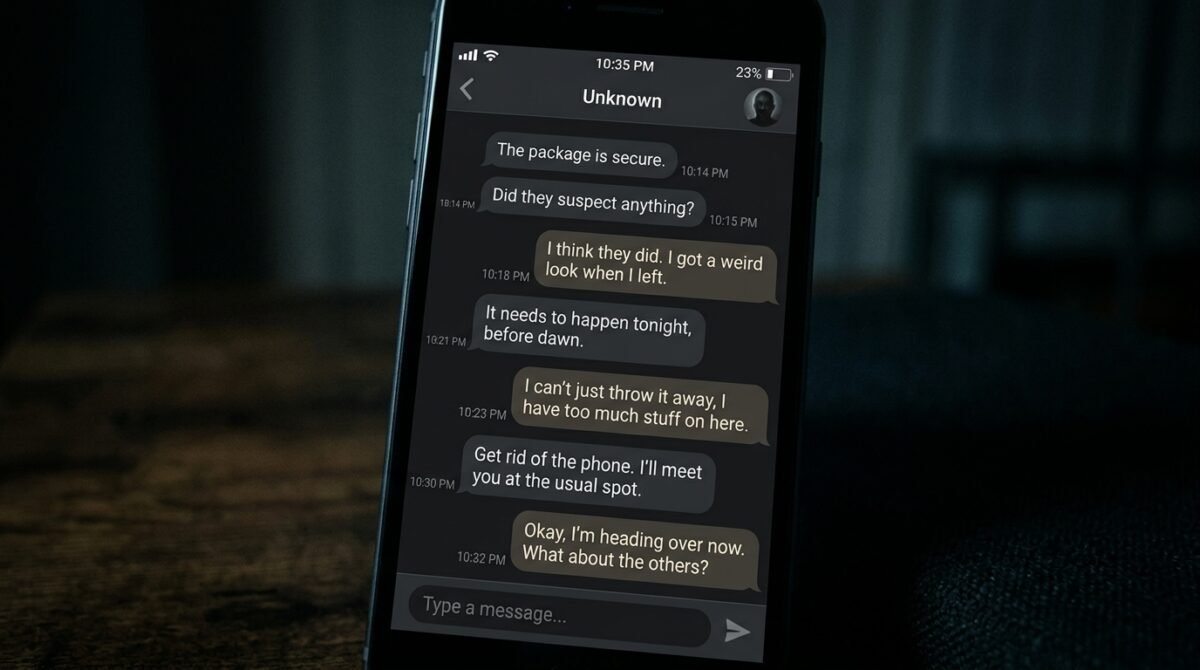
The true turning point came when my cousin, who had stayed out of the argument until that point, accidentally added me to a separate group chat—a chat where Mark and his friends were discussing how to ‘handle’ me. Apparently, they had been brainstorming ways to get the keys without my permission. I saw messages about finding a spare key, about ‘just taking it for a few days’ and hoping I wouldn’t notice, and even talk of threatening to uninvite me from the wedding if I didn’t comply.
My blood went cold. This wasn’t just about a vacation anymore. This was about a complete lack of respect for my autonomy and my property. I screenshotted every single message. I didn’t say a word in that chat. I simply left it. The silence on my end must have been terrifying for them, as they realized they had completely overplayed their hand. I felt a strange sense of calm wash over me. The gray area had vanished. I wasn’t just defending my van; I was protecting myself from people who would violate my trust in a heartbeat.
“If he doesn’t give it up by Saturday, we’re just going to go over there while he’s at work. He’s too conflict-averse to call the cops on his own brother. It’s the perfect crime.”
— Mark, in the leaked group chat
I didn’t wait. I immediately contacted a local locksmith and had the locks changed on the van the next morning. I also installed a high-end GPS tracker and a kill switch that would disable the engine if it were started without my remote fob. I was no longer playing the ‘supportive brother’ role; I was in full defensive mode. The irony was that I had started the week wanting to be kind, and ended it fully prepared to treat my brother like a stranger trying to steal my property.
The realization was painful. I had always admired Mark, looked up to his ease in social situations, and wanted to be the supportive sibling. But that version of Mark was a construct—a mask that fell away the moment he didn’t get his way. Seeing those texts wasn’t just a shock; it was a wake-up call that changed the trajectory of our entire relationship. I realized that the ‘family shares everything’ mantra was a trap, and I was done being the bait.
The Sunday Dinner Silence
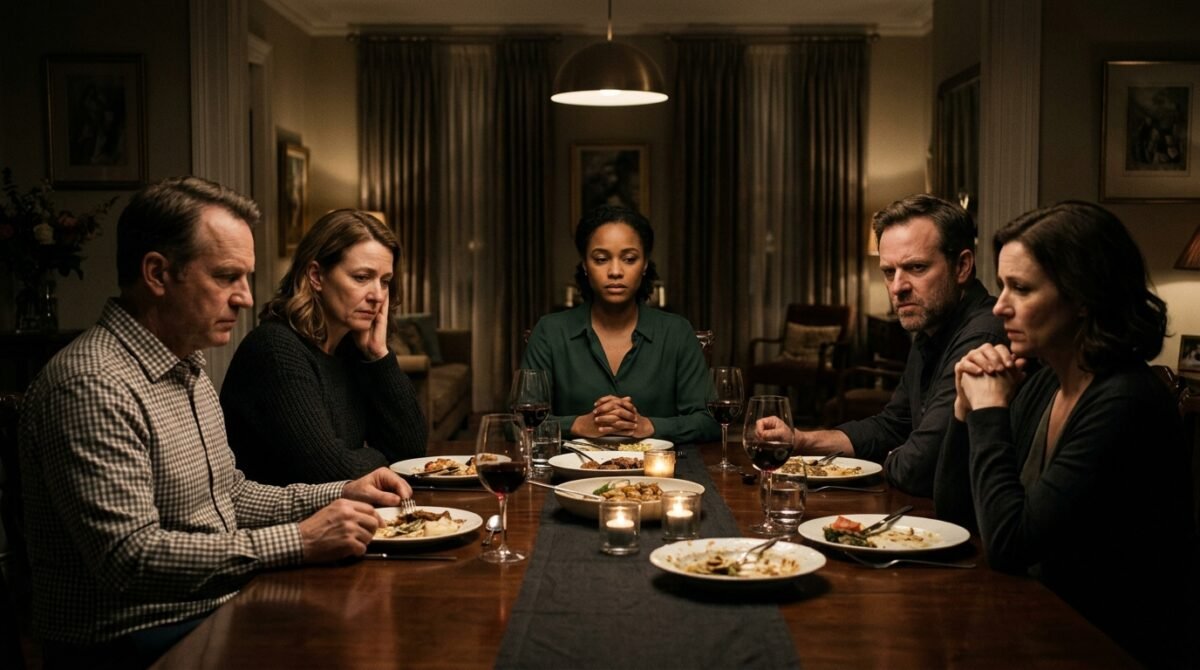
I knew I couldn’t avoid the family dinner that Sunday. It was at my parents’ house, and skipping it would only confirm their narrative that I was being ‘difficult.’ I walked in, prepared for the worst. The atmosphere was palpable; the air felt like it was thick with unspoken accusations. My parents were stiff, my aunt wouldn’t look at me, and Mark sat in the corner, staring at his phone, refusing to meet my eyes.
Dinner was a quiet affair, punctuated by the clinking of silverware and forced questions about work. Nobody mentioned the van. Nobody mentioned the group chat. It was the classic ‘elephant in the room’ syndrome, where everyone pretends that the massive, glaring issue doesn’t exist to keep the peace. But the peace was fake. I could feel the tension radiating off my mother, who clearly wanted to explode but was holding back for the sake of the ‘family image.’
“So, Mark, have you figured out your travel plans for the wedding yet? I heard rentals are getting expensive this time of year.”
— Me, breaking the silence just to watch them squirm
The look on Mark’s face was priceless. He went bright red, stuttered, and tried to change the subject back to the food. My mom shot me a look that could have killed, but I didn’t back down. I wasn’t going to let them pretend that everything was normal. If they wanted to talk about the ‘family,’ they could talk about the reality of it. I felt empowered, not by being mean, but by refusing to be intimidated in my own family’s house.
The rest of the dinner passed in a blur of passive-aggressive remarks and forced smiles. When I left, I didn’t hug anyone. I simply said goodnight and walked out to my car. As I pulled away, I caught a glimpse of Mark through the window. He was standing there, looking smaller than I had ever seen him. It wasn’t triumph I felt, but a deep, quiet sadness for the realization that our relationship had fundamentally shifted. We weren’t brothers in the way I thought we were; we were just two people who happened to share the same upbringing.
The Public Verdict
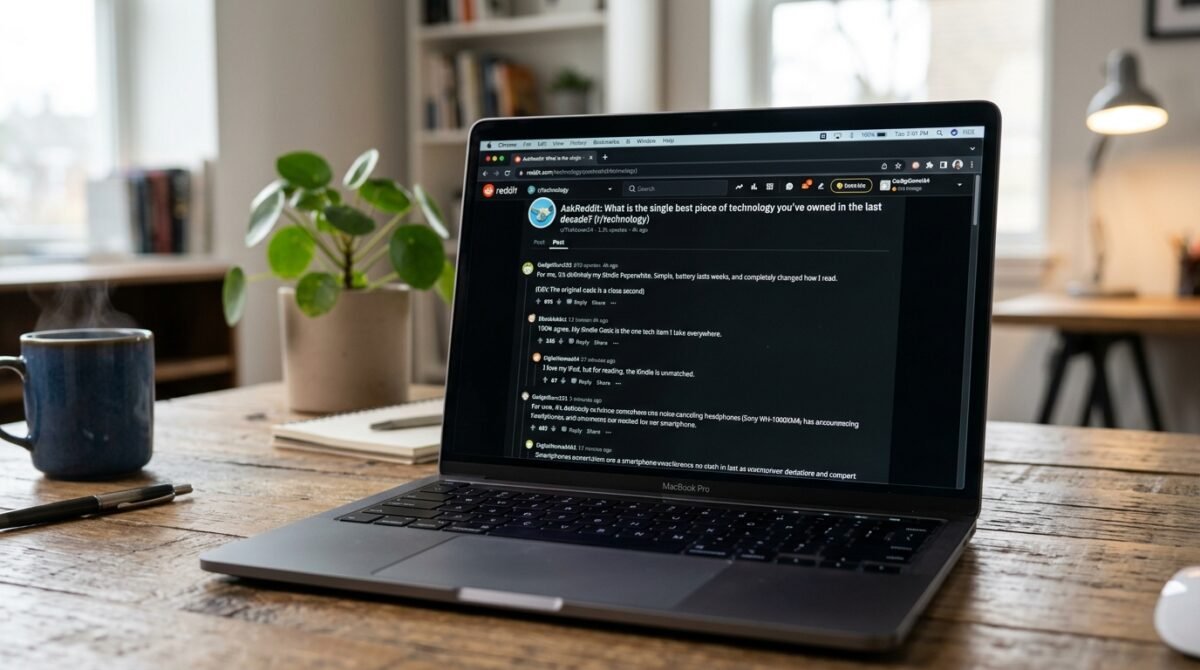
I turned to the internet, not for validation, but for perspective. I posted the full story on a popular forum, keeping names changed and focusing on the facts of the situation. Within an hour, the post had thousands of comments. The consensus was overwhelming, but there were enough dissenting voices to keep the debate interesting. Most people were horrified by the entitlement, while others warned about the legal ramifications of family ‘borrowing’ things.
“NTA. Your brother is essentially trying to steal your property because he feels entitled to it by blood. Do not give in. If he gets that van, you will never see it again, and if he breaks it, he will never pay you back. Stick to your guns.”
— u/VanLifeWarrior (Top Comment, 28.5k upvotes)
The variety of perspectives was eye-opening. Some users told stories of their own families destroying their belongings, while others argued that I should have compromised for the ‘greater good.’ Reading the comments helped me realize that the dilemma I was facing was common, but the reaction I was getting from my family was extreme. It reinforced my decision to keep the van secure and to stay firm in my ‘no.’
The most helpful comments were the ones from people who had been through similar situations. They shared advice on how to set boundaries, how to handle the inevitable fallout, and how to protect one’s mental health during such a stressful period. It wasn’t just about the van anymore; it was about the psychological toll of being the one who breaks the cycle of entitlement. I felt supported by strangers in a way I hadn’t felt by my own relatives.
I took the advice to heart and drafted a final message to my family. I didn’t want to argue anymore. I wanted to state my boundary one last time, clearly and concisely, and then step back. I sent it to the group chat, knowing it would be the last thing I ever wrote there. I wasn’t looking for an apology anymore; I was looking for closure. The internet had given me the confidence to walk away from the drama, and I took it.
The Final Ultimatum

My final message to the family group chat was simple: I was no longer discussing the van. If anyone brought it up again, I would leave the conversation. I also told them that Mark was welcome to attend my place for family events, provided he respected my property and my boundaries. It was the most difficult thing I had ever done—to set a condition on my own brother—but it was necessary for my own peace of mind.
The response was predictable: outrage, accusations of being ‘cold,’ and pleas to ‘just be the bigger person.’ I didn’t reply to any of it. I muted the chat, then left it entirely. The silence that followed was the sound of a weight being lifted off my shoulders. I had spent so much energy trying to justify my existence as an individual within a family that valued conformity over respect. Now, that energy was mine again.
“I am not here to be a resource for others to exploit. The van is not available. Please respect this boundary. I love you all, but this is non-negotiable.”
— My final message to the group chat
A few days later, Mark called me directly. He didn’t ask for the van. He apologized—half-heartedly, at first, then more sincerely as he realized I wasn’t going to budge. He admitted that the wedding stress had made him act out, but he still didn’t quite grasp the magnitude of what he had done. It was enough of an opening for us to start moving forward, but I knew the relationship would never be the same. The trust had been damaged, and it would take time to repair.
I felt a strange sense of relief. I had survived the pressure, the manipulation, and the social isolation, and I was still standing. The van was still in my driveway, safe and sound, ready for the trip I had been planning for months. I realized that the value of the van wasn’t in its price tag or its features, but in the lessons I had learned while building it—and while defending it.
The Road Ahead

I’m writing this from a campsite in the Rockies, the air crisp and clear, the mountains standing like silent sentinels around me. The van is performing perfectly, just as I built it to do. Every time I turn the key, I feel a sense of pride that isn’t just about the vehicle, but about the person I became in this process. I learned that my boundaries are not signs of selfishness, but the bedrock of my self-respect.
My relationship with Mark is in a state of ‘careful reconstruction.’ We talk, we text, but the old dynamic of casual entitlement is gone, or at least significantly muted. I think he’s starting to understand that I’m not just a resource to be used, but a person with my own life and my own goals. It’s a slow process, but it’s real, and that’s all I can ask for at this point.
Looking back, I realize that the most important thing I did wasn’t to win the argument, but to refuse to participate in the toxic cycle of manipulation. I didn’t need to convince them that I was right; I only needed to be firm in my own truth. It was a hard lesson to learn, but one that I think will serve me for the rest of my life. I’m no longer the person who apologizes for having things I worked hard for.
The road stretches out before me, and for the first time in a long time, I feel completely free. Free from the expectations of others, free from the need to please, and free to define my own life on my own terms. The van is just a vehicle, yes, but it’s my vehicle, and it’s going to take me exactly where I need to go. And honestly? That’s the best feeling in the world.
Conclusion
This experience served as a brutal but necessary masterclass in the art of setting boundaries. It taught me that ‘family’ is not a synonym for ‘doormat’ and that the people who truly care about you will respect your limits, even when it’s inconvenient for them. The fallout was difficult, but the clarity I gained was invaluable. I’m now more comfortable saying ‘no’ than I ever have been, and I’ve learned that the people who get angry when you set boundaries are the ones who were benefiting from you not having any.
I’m curious to hear from you, dear readers: Have you ever been in a position where family entitlement forced you to take a stand, even at the risk of hurting relationships? How did you navigate the fallout, and what advice would you give to someone currently struggling to draw a line in the sand with their own loved ones? Let’s talk about it in the comments below—I’m looking forward to reading your stories and sharing the wisdom of our collective experiences.
What's your verdict on this dilemma?
Vote below to contribute to the official community consensus.

Have a Dilemma Keeping You Up at Night?
Share your real-life feud, wedding chaos, or relationship crossroads anonymously with our editorial team.
What do you think ?
0 Comments🛡️ Comments are moderated to protect community integrity. Your comment will appear once approved by the editorial team.