
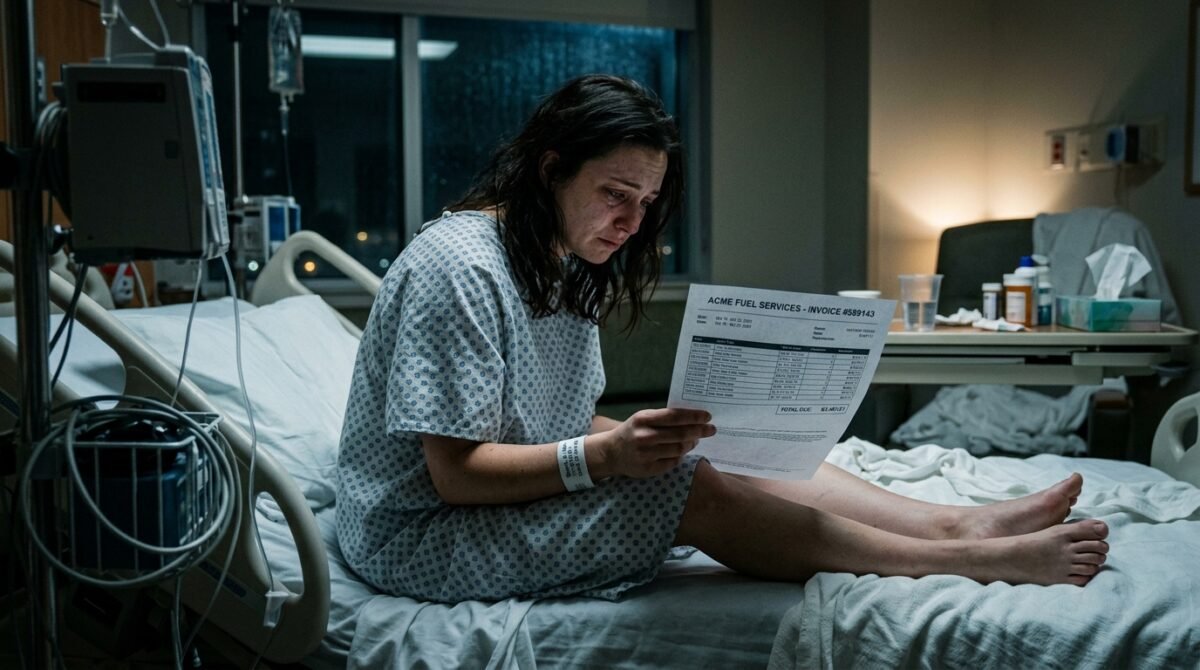
We have all heard the horror stories about dating apps, disastrous first dates, and the inevitable ‘ick’ that comes with discovering a partner’s hidden quirks. But there is a line—a thick, indelible line—between being frugal and being fundamentally inhuman. My name is Sarah, and until last Tuesday, I thought I was in a stable, committed relationship with Mark. We had been together for two years, shared a dog, and were even discussing moving in together. I believed we were partners in the truest sense of the word. That illusion shattered in the sterile, fluorescent-lit hallway of the St. Jude’s Emergency Room at 4:00 AM.
Appendicitis is not a condition you plan for. It is a violent, sudden intrusion of pain that leaves you clutching your abdomen, sweating through your sheets, and unable to form coherent sentences. When I woke Mark up that night, I was terrified. I was vomiting, shaking, and barely able to walk. The drive to the hospital was a blur of agony, during which Mark complained about the traffic and the fact that he was ‘losing sleep.’ I apologized profusely, even while clutching my side, feeling guilty for the inconvenience of my own medical emergency. I had no idea that while I was being wheeled into surgery, Mark was already calculating the cost of the trip.
When I woke up from anesthesia, the pain was dull, but the world felt different. Mark was sitting in the chair by my bed, his phone in his hand, looking bored. He didn’t ask how I felt. He didn’t ask if the surgery went well. Instead, he reached into his jacket pocket, pulled out a neatly folded piece of printer paper, and placed it on the tray table next to my water pitcher. It was an itemized list. Gas, mileage, parking, and a ‘convenience fee.’ My heart dropped, not from the physical trauma, but from the realization that I was dating a man who viewed my life-saving surgery as a business transaction.
This story isn’t just about a bill; it is about the erosion of empathy in modern relationships. As I recovered, I began to see the patterns I had ignored for two years. The split checks for groceries I barely ate, the ‘service charges’ for help with moving furniture, and the constant, nagging feeling that I was an account to be balanced rather than a human being to be loved. This narrative is a deep dive into the fallout of that night, the community reaction that followed, and the painful process of reclaiming my worth from a man who measures everything in dollars and cents.
The 4:00 AM Convenience Tax

The drive to the hospital was supposed to be a moment of support, but it felt like a hostage situation. As I writhed in the passenger seat, my appendix threatening to rupture, Mark was focused entirely on his gas gauge. He kept mentioning that his tank was nearly empty and that he would have to fill up on the way back. I was in a haze of fever and pain, barely able to process the words coming out of his mouth, but the underlying tone was clear: my pain was an unwanted burden on his schedule and his wallet.
“Are you going to be sick in the car? Because I just got this detailed, and if you ruin the leather, you’re paying for a full professional cleaning. Seriously, Sarah, stop moaning. It’s making it hard to concentrate on the navigation.”
When we finally arrived at the ER, he didn’t help me walk inside. He pointed to the sliding glass doors and told me to get myself checked in while he went to find parking. He didn’t accompany me to the triage desk. He didn’t tell me he loved me or that he would be right there. He just walked away, concerned only with finding a spot that wouldn’t cost him an ‘arm and a leg,’ as he put it.
I remember sitting in the waiting area, clutching my side, wondering why he was acting so cold. I convinced myself that he was just stressed, that he didn’t know how to handle medical emergencies. I excused his lack of empathy as a personality quirk, a result of his analytical nature. I was so wrong. The bill he presented to me later wasn’t an anomaly; it was his personality in written form.
Looking back, the signs were always there. He was the kind of person who would calculate the exact tip percentage and then subtract the cost of a drink that was slightly watered down. He loved spreadsheets, but he used them to control, not to organize. That night at the hospital was the first time his obsessive record-keeping intersected with my actual life, and the result was devastating.
The Spreadsheet of Resentment
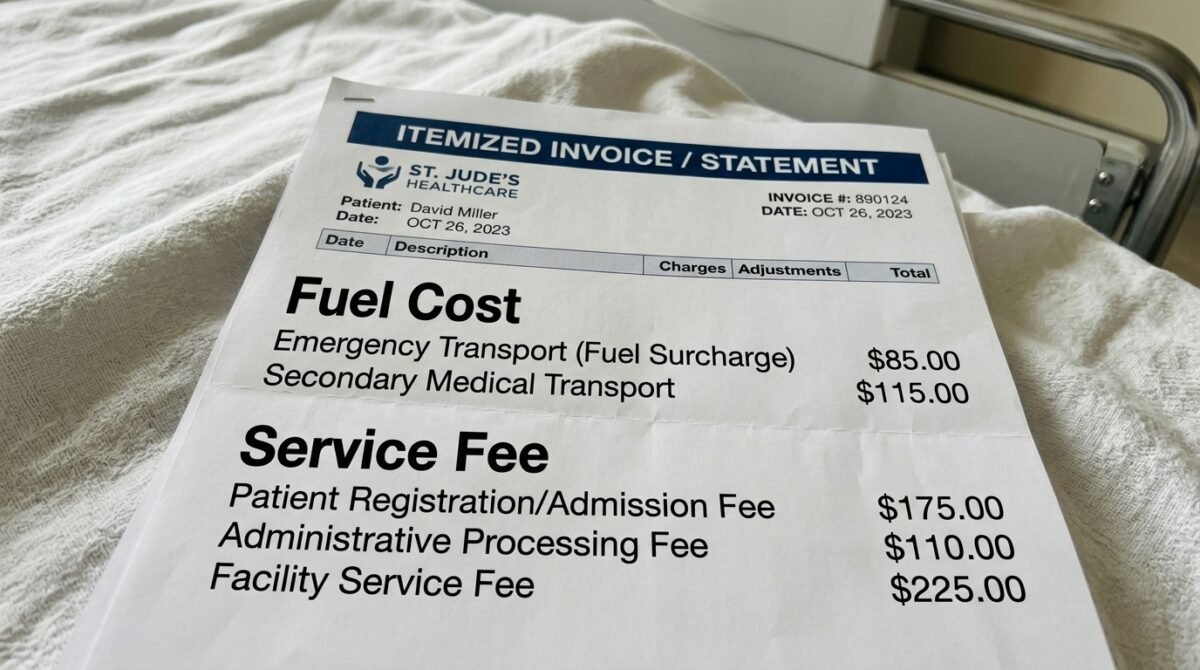
When the nurse finally brought me a glass of water the next morning, I looked at the paper Mark had left on the tray. It wasn’t just a list; it was a formal invoice. It included the price of fuel based on the current market average, the cost of the ER parking garage, and a ‘time compensation’ fee for the four hours he spent in the waiting room. My hands were shaking, and it wasn’t just from the post-surgery weakness. I was in shock.
I called him into the room, my voice raspy. I held up the paper and asked him what it was. He looked at me with a completely straight face, as if he were explaining a complex tax return to a client. He didn’t see the absurdity of it. He saw it as a matter of principle. He believed that because he wasn’t my husband, he wasn’t responsible for ‘covering my medical-related expenses,’ even the transportation to get there.
“Look, Sarah, I’m not being mean. I’m being fair. You had an emergency, and I stepped up to drive you. But my time is valuable, and that fuel wasn’t free. If I didn’t drive you, you would have had to pay for an ambulance. So, in a way, I’m actually saving you money by doing this. You’re welcome.”
I stared at him, unable to speak. The sheer audacity of his logic was staggering. He was comparing his presence as my partner to a professional ambulance service, and he was billing me for the difference. I asked him if he had any idea how hurtful this was, but he just shrugged. He told me that people who don’t keep track of their expenses are the ones who go bankrupt. He called me ‘fiscally irresponsible’ for expecting him to cover the cost of a ride.
This was the moment the veil lifted. I realized that for two years, I had been in a relationship with a calculator, not a person. He didn’t care about my appendix or my recovery. He cared about his bottom line. I told him to leave, and for the first time, I didn’t feel guilty. I felt an overwhelming, icy clarity. I wasn’t losing a partner; I was cutting a bad investment.
The Viral Reddit Breakdown
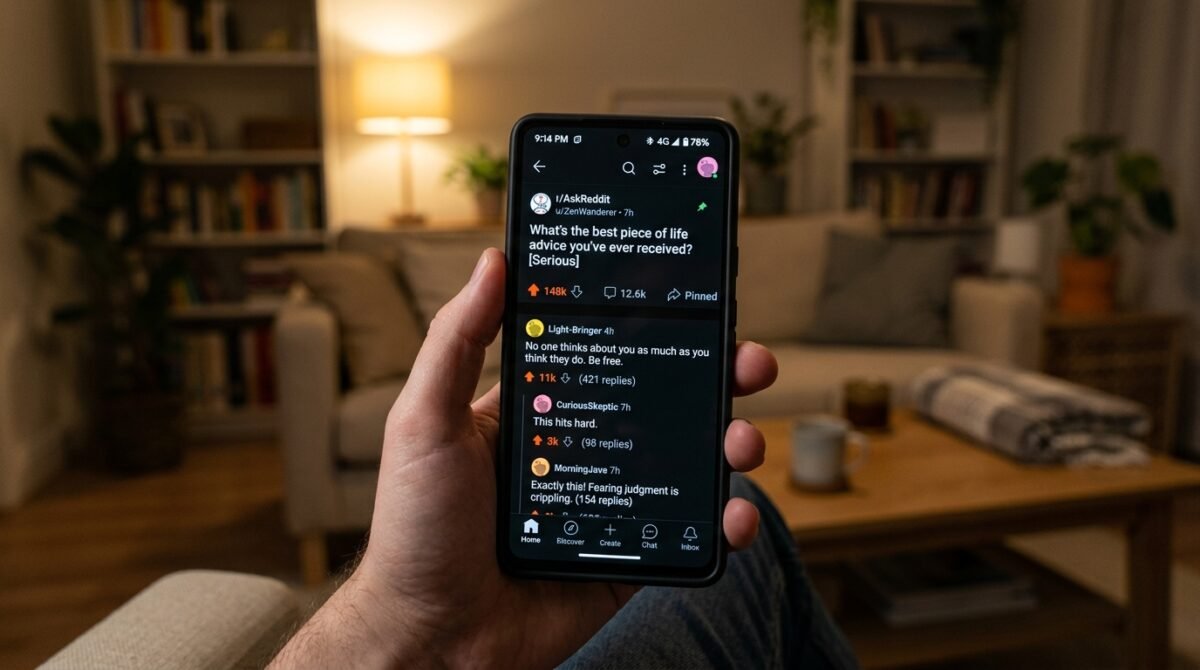
I didn’t tell anyone at first. I was too embarrassed. I felt like a fool for dating someone so transactional. But after a few days of silence, Mark started sending me texts demanding payment, threatening to take me to small claims court if I didn’t pay the ‘outstanding invoice.’ I finally broke down and posted the story on a popular relationship subreddit, expecting to be told I was overreacting or that I should just pay him to be done with it.
The response was immediate and overwhelming. Within three hours, the post had 15,000 upvotes and thousands of comments. The internet, for once, was in total agreement. People were horrified. They didn’t see a ‘frugal partner’; they saw a textbook case of emotional and financial abuse. The community didn’t just support me; they provided legal analysis, psychological insights, and, most importantly, the validation I desperately needed.
“This is not a partner. This is a predatory lender. Please, for the love of everything, change your locks, return his spare key, and block him on everything. This is not normal behavior—this is sociopathic.”
— u/RelationshipGuru88 (Top Comment, 24.3k upvotes)
Reading through the comments, I felt a weight lift off my chest. I saw stories from hundreds of other women who had been in similar situations, where their partners commodified their care. I realized that my situation wasn’t unique, but it was absolutely unacceptable. The ‘Reddit army’ gave me the strength to handle the next phase of this nightmare: the breakup.
One user, a lawyer, explained that Mark had no legal standing to demand payment for a voluntary act of assistance. He couldn’t ‘invoice’ me for helping me, just like I couldn’t invoice him for the times I cooked dinner or cleaned his apartment. That gave me the confidence to stand my ground. I stopped responding to his messages and started the process of reclaiming my independence.
The Confrontation at the Apartment
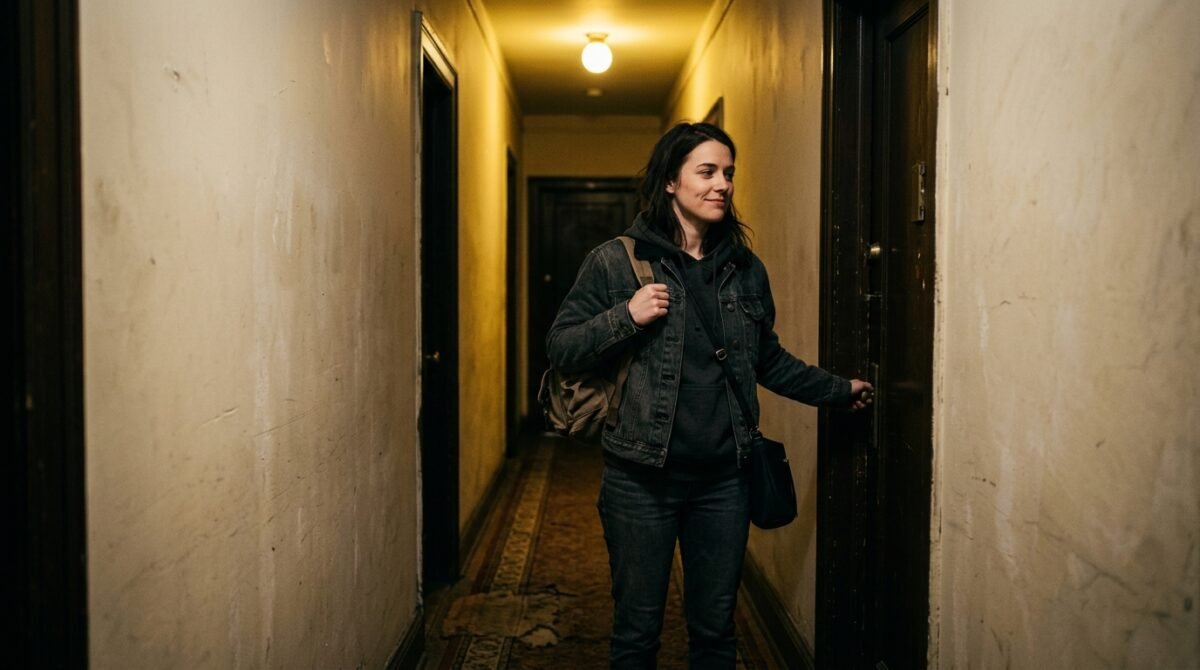
Mark didn’t take the silence well. He showed up at my apartment two days after I was discharged, thinking he could intimidate me into paying. He walked in with his ‘financial records’ folder, ready to make his case. I was sitting on my sofa, still recovering, and I didn’t even get up to greet him. I just pointed at the door and told him it was over.
He laughed, thinking I was joking. He started talking about how ’emotionally volatile’ I was and how this was just a side effect of my surgery. He tried to gaslight me into believing that the bill was my idea, that I had asked him to track the costs. It was the most surreal conversation of my life. He was rewriting history in real-time, trying to protect his ego from the reality that he was a monster.
“You’re really going to throw away two years because of a simple accounting error? I’m just trying to keep us organized, Sarah. You’ve always been bad with money, and I’ve been the one holding us together. Don’t be dramatic.”
I finally stood up, despite the pain, and looked him in the eye. I told him that if he mentioned the money one more time, I would call the police for harassment. The look on his face shifted from condescension to pure shock. He had never seen me assert myself like that. He realized, perhaps for the first time, that he no longer had any power over me.
He left, but not before calling me a ‘freeloader’ and saying that I would regret this. I didn’t regret it for a second. As soon as he walked out, I changed the locks and blocked his number. The silence that followed in my home was the most beautiful thing I had ever experienced. I was finally free from the ledger.
The Financial Audit of a Relationship

After the breakup, I started going through our ‘shared’ expenses, and it was eye-opening. I realized that for every dollar I spent on us, he had found a way to minimize his input while maximizing his control. I found apps on my shared tablet that were tracking my spending, my habits, and even my location. He had been auditing me for months without my knowledge. The ‘fuel invoice’ was just the tip of the iceberg.
I sat down with a friend and went through my bank statements. It was horrifying. I had been paying for half of his Netflix subscription, his gym membership, and even his coffee runs, all under the guise of ‘fairness.’ Meanwhile, he was keeping tabs on every cent I spent on myself. He was a master of financial manipulation, using the illusion of ‘equality’ to maintain a power imbalance.
“It’s not about the money, is it? It’s about the control. He wanted you to feel small, Sarah. By billing you for your own medical emergency, he was literally putting a price tag on your life. He wanted you to know that your existence was only valuable to him if it was profitable.”
— My best friend, during our post-breakup wine night
I started canceling subscriptions, closing joint accounts, and reclaiming my financial life. Every step felt like a victory. I wasn’t just fixing my finances; I was dismantling the infrastructure of my own oppression. I realized that my past ‘kindness’ was actually just a lack of boundaries, and I vowed never to let anyone treat me like an asset again.
This process of auditing my own life taught me more about self-worth than any therapy session could have. I learned that true partnership is about mutual support and unconditional care, not about balancing books. If your partner is holding a calculator when you’re bleeding, you don’t need a budget—you need a new partner.
The Aftermath: Letters and Threats
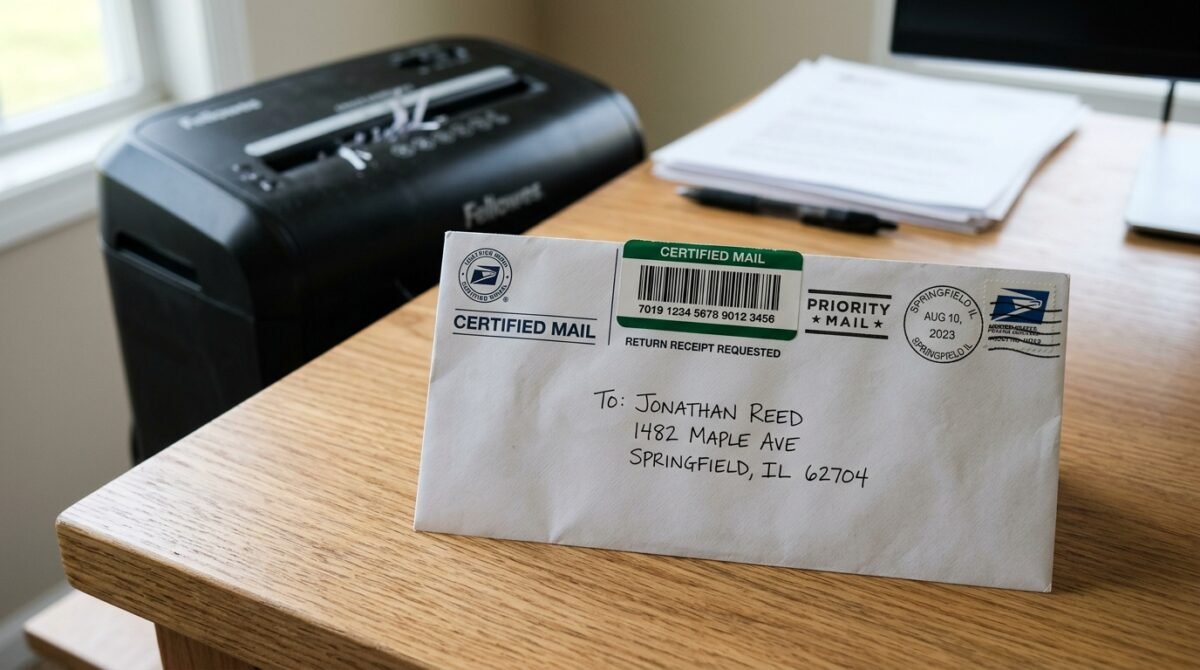
A week after I broke up with him, I received a certified letter in the mail. My heart stopped. I thought it might be legal action, but it was just a final, pathetic attempt to reclaim his ‘debts.’ He had attached a list of every item he had ever paid for, including a bag of chips from six months ago and a taxi ride I had taken alone. It was absurd.
The letter included a ‘payment plan’ and a deadline. He even threatened to report me to a debt collection agency, as if our relationship were a legal contract. I read it, laughed, and then shredded it. I didn’t even respond. Giving him a response would only fuel his delusion that he had any leverage over me.
“Dear Sarah, please find attached the final summary of your outstanding obligations. Failure to settle this debt by the 15th will result in a formal escalation. I expect you to act like an adult and pay what is rightfully owed.”
— Excerpt from Mark’s certified letter
I contacted a lawyer friend just to be sure, and she confirmed that his threats were completely toothless. She said that unless we had a formal contract signed, there was no way he could legally enforce his ‘invoices.’ She told me to keep everything—the emails, the texts, the certified letter—just in case he decided to escalate further. But for now, I was in the clear.
The audacity of his behavior was a gift in disguise. It confirmed that I had made the right decision. If he were capable of this level of petty, vindictive nonsense, who knows what else he would have done if we had stayed together? I shudder to think about what would have happened if we had shared a bank account or a mortgage.
Finding Strength in the Silence

The weeks following the breakup were a journey of rediscovery. I started doing things that I had put off because I was worried about what Mark would think or how it would impact our ‘budget.’ I took up painting, I reconnected with old friends, and I focused on my health. The physical recovery from the surgery was slow, but the emotional recovery felt instantaneous.
I learned that the silence in my apartment wasn’t empty—it was peaceful. For two years, my life had been filled with his noise, his complaints, and his constant monitoring. Now, I could breathe. I started waking up without a sense of dread, without checking my phone to see if I had done something that would upset his ‘balance.’
“You look different, Sarah. You look lighter. It’s like a mask has been removed from your face. I haven’t seen you this happy in years.”
— My mother, on our Sunday phone call
I realized that I had been shrinking myself to fit into his narrow, transactional world. I had been ignoring my own needs to satisfy his demands for efficiency. I had been playing a game where the rules were rigged against me. Now, I was playing by my own rules, and the game was much more rewarding.
The experience of the ‘fuel invoice’ was a traumatic event, but it was also a catalyst for change. It forced me to look at my life from a distance and realize that I deserved more. I deserved someone who would drive me to the hospital because they cared, not because they wanted to be reimbursed. I deserved love that wasn’t measured by a spreadsheet.
Lessons on Financial Boundaries

I have spent a lot of time reflecting on how I ended up in that relationship. I think it started with small, seemingly benign things—splitting the bill at a casual dinner, paying for my own drink at a bar. I thought it was ‘progressive’ and ‘modern.’ But over time, it devolved into a system where every aspect of our lives was transactional. I didn’t set boundaries early enough, and by the time I realized what was happening, it was too late.
I learned that boundaries are not just about saying ‘no’; they are about defining what you will and will not tolerate in a relationship. I will no longer tolerate partners who view my life as a commodity. I will no longer tolerate partners who keep ledgers of our shared experiences. I will no longer tolerate partners who don’t understand the difference between a business transaction and a relationship.
“Financial compatibility is just as important as emotional compatibility. If you can’t talk about money without feeling like you’re being audited, you’re not with the right person. Don’t be afraid to walk away from anyone who makes you feel like an expense.”
— Advice from a Relationship Coach
I have also become much more transparent about my own finances. I don’t hide my spending, and I don’t feel guilty about it. I have a healthy, open relationship with money, and I expect the same from anyone I date in the future. I am no longer interested in ‘splitting the difference’ if it means splitting my soul.
The experience has taught me that true wealth is not about what you have in your bank account; it is about the peace of mind you have in your own home. And I have never felt wealthier than I do now, living in a space where no one is keeping score, and every moment is genuinely, freely given.
The Internet’s Final Verdict

The Reddit post stayed up for months, and it continued to receive comments. People from all over the world shared their own ‘horror stories’ about partners who were obsessed with money. It became a hub for discussing financial abuse and setting healthy relationship standards. I felt proud that my story had helped so many others recognize the signs of toxicity in their own lives.
The community was not just supportive; they were empowering. They reminded me that I wasn’t alone and that my reaction was completely justified. They validated my decision to walk away and helped me see that I was worthy of so much more. The digital community became my support group, my cheering squad, and my sanity check.
“The amount of people who have come forward with similar experiences is heartbreaking, but also inspiring. Sarah, you helped us all realize that we aren’t crazy. Your story saved more than just you—it saved a lot of us.”
— u/SupportiveSoul (Comment with 12.5k upvotes)
I learned that the internet, despite its reputation for being a toxic place, can also be a source of immense healing. When you share your truth, you give others the courage to do the same. And in the process, you create a network of support that is far stronger than any single relationship.
I am grateful for every comment, every upvote, and every message of support. They helped me turn a moment of trauma into a platform for growth. And while I never planned to become a ‘viral’ story, I am glad I did. It was the push I needed to step into the light and leave the darkness of that relationship behind.
Moving Forward: My Life Today

Today, my life is completely different. I have healed, both physically and emotionally. I am working a job I love, I am surrounded by friends who truly care about me, and I am in a relationship with someone who actually understands what it means to be a partner. My new partner doesn’t keep a ledger. We support each other in ways that can’t be measured by money, and it feels incredible.
I still think about that night sometimes—the pain, the hospital, the invoice. But it no longer has any power over me. It is just a memory, a reminder of what I survived and what I learned. I am no longer afraid of being ‘too much’ or ‘too expensive.’ I am simply me, and that is enough.
“True love is the only investment that doesn’t require a balance sheet. It’s the only currency that doesn’t depreciate when you spend it. I’ve learned that lesson the hard way, but I’ve learned it well.”
— Closing thoughts from the author
I hope that if you are reading this and you recognize yourself or your partner in this story, you know that you are not alone. You deserve someone who will be there for you when the world feels like it’s falling apart, not someone who will stand over you with a receipt. You deserve to be treated with kindness, not with calculations.
Take this as your sign to audit your own relationships. If you find that the balance is off, don’t be afraid to close the account. You have more to lose by staying than by walking away. Your life is worth more than any invoice.
Conclusion
My journey from the sterile, cold reality of that hospital invoice to the vibrant, independent life I live now has been a profound lesson in self-worth. I learned that financial abuse is a subtle, creeping toxin that can hide in the guise of ‘fairness.’ By documenting my experience and sharing it with the world, I found the strength to redefine what love means to me: it is not a transaction, it is a covenant of support.
The overwhelming response from the community taught me that I was not an anomaly. Thousands of readers reached out to share their own stories of partners who had commodified their relationships, reinforcing the idea that we must demand better standards of care in our romantic lives. If you have ever felt like an expense in your own relationship, know that you are not alone and you have the power to change your circumstances.
What about you? Have you ever had a partner who made everything transactional, or have you ever had to draw a hard line on financial boundaries? Share your story in the comments below—let’s keep the conversation going and continue to support one another in seeking the love and respect we all deserve. Let us know: How would you have reacted if handed an invoice in the ER? Would you have paid it, or would you have walked out the door?
What's your verdict on this dilemma?
Vote below to contribute to the official community consensus.

Have a Dilemma Keeping You Up at Night?
Share your real-life feud, wedding chaos, or relationship crossroads anonymously with our editorial team.
What do you think ?
0 Comments🛡️ Comments are moderated to protect community integrity. Your comment will appear once approved by the editorial team.