

For fifteen years, Sarah and I were practically sisters. We navigated the awkwardness of our early twenties, the grueling grind of entry-level jobs, and the shared dreams of financial stability. We were the kind of friends who split appetizers, traded clothes, and understood each other’s unspoken cues. But then, the trajectory of our lives diverged. I pivoted into a tech role that finally paid off, while Sarah remained stuck in a cycle of retail jobs and erratic spending habits.
I never saw my success as a wedge between us. In fact, I went out of my way to ensure things stayed ‘normal.’ I’d cover the occasional coffee or buy the tickets for a concert, assuming that friendship wasn’t a transaction. However, I failed to notice the subtle shift in her language. Comments about my ‘cushy salary’ grew sharper, and the ‘treat yourself’ mentality she encouraged for me seemed to really mean ‘treat me.’
The breaking point wasn’t a sudden explosion, but a meticulously planned, high-end dinner at one of the city’s most exclusive tasting-menu spots. I thought we were celebrating my promotion. Instead, I found myself sitting across from a stranger who had convinced herself that my bank account was her personal credit line. When the bill arrived, the realization hit me like a physical blow: this wasn’t dinner, it was an extraction.
This article explores the anatomy of that night, the psychological toll of financial entitlement in close relationships, and the fallout that followed when I finally decided that my boundaries were worth more than the cost of a friendship. It is a cautionary tale about why, no matter how much you earn, you are never obligated to fund someone else’s lifestyle expectations.
The Setup: A Celebration Turned Into an Ambush

The invitation was framed as a ‘congratulations’ dinner, a gesture Sarah insisted on making. She had chosen ‘L’Etoile,’ a restaurant famous for its twenty-course tasting menu that costs $400 per person before drinks. I had expressed hesitation, noting it was a bit extravagant for a weeknight, but she insisted, telling me I deserved to celebrate my recent promotion.
When I arrived, Sarah was already seated, having ordered a bottle of vintage champagne. I felt a flicker of discomfort, as I hadn’t agreed to the bottle, but I brushed it off. We began the meal, and the atmosphere felt forced. Sarah spent most of the evening talking about her own professional frustrations, barely acknowledging the milestone I was there to celebrate.
By the tenth course, the waiter was refilling our glasses with a wine that I hadn’t seen on the menu. Sarah was beaming, ordering extra truffle shavings and caviar add-ons with a casual air that suggested she wasn’t the one footing the bill. My internal alarm bells were screaming, but I kept my composure, thinking surely she had a plan or a budget in mind.
“You’ve been working so hard, honestly, you should just relax and let me handle the ordering. It’s on me, I’ve got it all planned out for your big night.”
— Sarah, halfway through the caviar course
I trusted her. That was my first mistake. I believed that because we had been friends for fifteen years, there was an unspoken code of respect. I didn’t realize that in her mind, the code had been rewritten to favor her own desires, assuming that my ‘new money’ status made me an inexhaustible resource for her own gratification.
The Arrival of the Four-Figure Check

When the waiter finally dropped the leather-bound check folder on the table, I reached for it, expecting to see a split or perhaps a generous contribution from Sarah. Instead, Sarah didn’t even look at it. She pushed it toward me with a smirk that felt entirely devoid of warmth. The total, with tax and gratuity, was exactly $842.
I opened the folder, staring at the line items. Two tasting menus, two wine pairings, the additional caviar, the vintage champagne, and the ‘service charge’ for our party of two. I looked at Sarah, waiting for her to say it was a joke. She didn’t. She began checking her phone, effectively signaling that the transaction was complete on her end.
“Sarah, this is over eight hundred dollars,” I said, my voice quiet but steady. I felt a cold knot of anxiety forming in my stomach. I wasn’t broke, but I wasn’t a bank, and more importantly, I wasn’t an idiot. The sheer audacity of her behavior was stripping away the last of my patience.
“I know, but you can afford it now, right? I mean, your new salary is insane, and I’ve been so stressed lately. I thought you would want to treat your best friend to a night out.”
— Sarah, dismissively scrolling through Instagram
The arrogance of that sentence was staggering. She wasn’t just asking for a favor; she was claiming an entitlement. In that moment, the fifteen years of friendship felt like they were being used as leverage to justify theft. I realized she hadn’t invited me to celebrate; she had invited me to be a victim of her own envy and financial recklessness.
The Calculated Departure

I didn’t yell. I didn’t cause a scene. I took out my wallet and pulled out a fifty-dollar bill—the exact cost of my single cocktail and the modest portion of the appetizer I had consumed before she started ordering everything else. I placed the cash on the table, right next to the bill, and stood up.
Sarah finally looked up from her phone, her eyes widening in genuine confusion. She didn’t seem to process what I was doing until I was already standing over her, my coat in hand. The waiter hovered nearby, sensing the tension, but I walked past him with a calm, focused gait that surprised even me.
“I am paying for what I ordered,” I said, my voice clear enough for the neighboring tables to hear. “If you want to stay and pay for the rest of this, that’s your choice, but I’m not subsidizing your delusions of grandeur. Have a nice night, Sarah.”
“You’re really going to walk out and leave me with this bill? We’re best friends! How could you be so petty and cheap after everything I’ve done for you?”
— Sarah, panicked and shouting across the dining room
I didn’t look back. I walked out into the cool night air and felt an immediate sense of relief. The weight of the friendship had been crushing me, and I hadn’t realized it until I set it down. I checked my phone ten minutes later to find a flurry of notifications that confirmed I had made the right decision.
The Digital Aftermath: A Screen Full of Rage

My phone buzzed continuously for the next hour. Sarah wasn’t just texting; she was flooding our mutual group chat with screen captures of the bill and long, ranting paragraphs about my ‘betrayal.’ She was trying to turn the narrative, positioning herself as the wronged party who was abandoned by a ‘snobby, rich friend.’
“I honestly cannot believe she left me with an $800 bill. She makes six figures now and she couldn’t even pay for her best friend’s dinner? She’s changed so much, it’s honestly disgusting. I thought we were sisters.”
— Sarah, in our mutual friend group chat
The replies from our friends were mixed. Some were shocked, others were confused, and a few—those who had seen Sarah pull similar stunts in the past—started asking questions. I decided not to engage in the chat. I simply sent one message: ‘I paid for what I ordered. I am not responsible for your spending habits,’ and then I muted the group.
It was a masterclass in manipulation. She had painted me as the villain, hoping the social pressure would force me to Venmo her the money out of sheer embarrassment. She counted on my desire to ‘look good’ to our friends. But she had underestimated how much I had grown to value my own boundaries over her opinion of me.
The silence from me was more powerful than any argument I could have crafted. By refusing to play her game, I took away the only thing she wanted: validation of her entitlement. She was left alone with a bill she couldn’t afford, and that realization had to be a far more bitter pill than any of the courses we were served.
Community Verdict: The Reddit Perspective

I posted the story on a popular subreddit the next morning, needing to check if I was truly the villain as Sarah had claimed. The response was overwhelming. Within hours, the post had reached the top of the subreddit, with thousands of people chiming in to dissect the power dynamic and the nature of the friendship.
“NTA. This isn’t a friendship; it’s a financial exploitation arrangement. She didn’t want a celebration; she wanted a sponsor. You did the right thing by walking out. Do not pay for a single cent of that bill.”
— u/FinanceExpert_88 (Top Comment, 32.1k upvotes)
The consensus was clear: I wasn’t the ‘cheap’ friend; I was the ‘smart’ friend. Many people pointed out that Sarah’s behavior was a classic sign of someone who uses others to maintain a lifestyle they can’t afford. The emotional manipulation, the public shaming in the group chat, and the ‘best friend’ guilt-tripping were all identified as major red flags.
“The fact that she ordered extra caviar and vintage champagne without asking you confirms she had no intention of paying. She was setting a trap. This is predatory behavior, not a dinner with a friend.”
— u/RealTalkReader (15.2k upvotes)
Seeing hundreds of strangers validate my decision helped me process the guilt. I realized that my loyalty to Sarah was based on a version of her that no longer existed—or perhaps, a version of her I had projected onto her for years. The community response wasn’t just about the money; it was about the fundamental respect that a friendship requires to survive.
The Anatomy of a Parasitic Dynamic

In the aftermath, I spent a lot of time reflecting on how I allowed this to happen. I realized that for years, I had been the ‘stabilizer’ in our friendship. I was the one who picked up the tab, covered the cab fare, and made excuses for her lack of ambition. I had groomed her to expect that I would always be the safety net.
This wasn’t about my success; it was about her failure to launch and her subsequent resentment of anyone who did. When I started making more money, the dynamic shifted from ‘we are in this together’ to ‘you are the one who owes me for my loyalty.’ It was a parasitic shift that I had ignored because it was easier than confrontation.
I started looking back at other ‘incidents.’ The time she ‘forgot’ her wallet at a bar after I paid for her round. The time she ‘borrowed’ a dress and returned it stained, assuming I wouldn’t mind because ‘it was just a piece of fabric.’ These were small, but they were markers of a consistent pattern of behavior I had chosen to overlook.
It is painful to realize that someone you care for has been calculating your worth based on your bank balance. But it is also freeing. Once the mask dropped, I didn’t see a friend; I saw a person who was fundamentally unhappy with her own life and looking for a scapegoat for her dissatisfaction.
The Confrontation That Never Happened
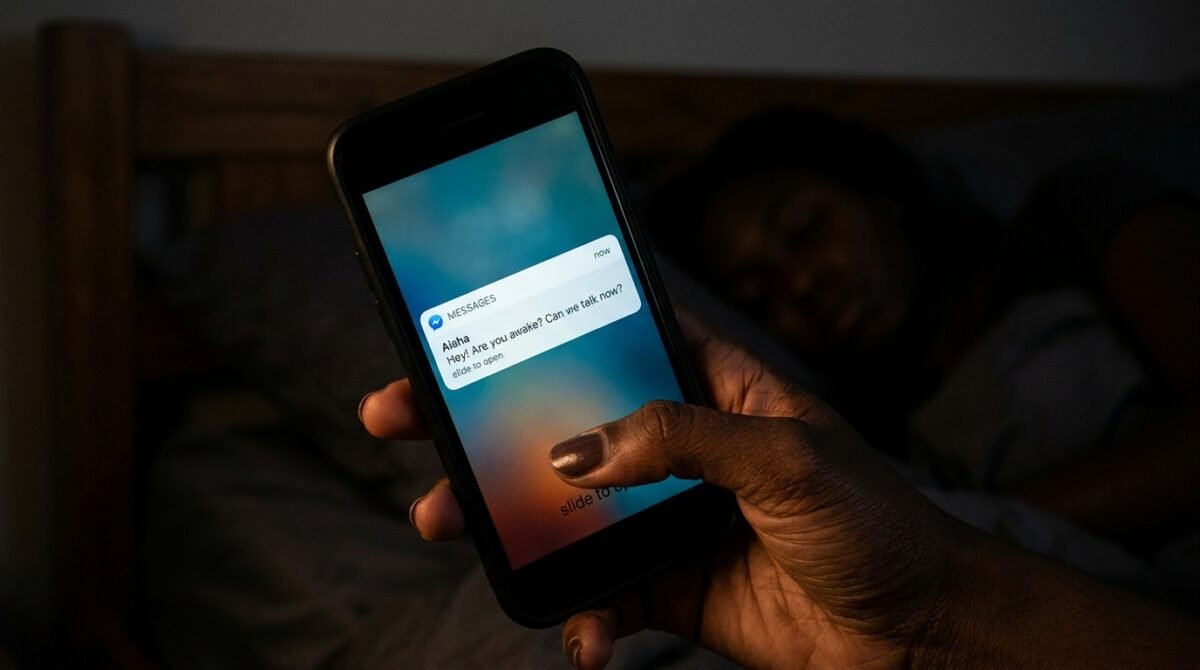
A week later, Sarah reached out. She wasn’t apologizing; she was demanding. She claimed that the restaurant had threatened to call the police or report her for theft, and she was trying to force me to ‘make it right’ by paying the balance. She still didn’t see the irony of her position.
“You need to call the restaurant and pay the bill, or I’m going to tell everyone how you abandoned me. I’m serious. You’re ruining my credit and my reputation.”
— Sarah, in a desperate late-night text
I didn’t answer. I didn’t need to. I had already spoken to my lawyer, who confirmed that I had no legal obligation to pay for food I didn’t order. The restaurant had Sarah’s information, and what she did with the bill was her problem. I had paid for my portion, which was the only ethical or legal requirement I had.
The power in the relationship had completely flipped. She needed me to bail her out, and for the first time, I wasn’t going to do it. The silence wasn’t a punishment; it was a boundary. I was no longer interested in managing her life, her debts, or her reputation. Her actions had consequences, and for once, those consequences were landing exactly where they belonged.
There was a strange sense of peace in knowing that I was no longer the one responsible for her happiness or her failures. She was an adult. It was time she started acting like one, even if the lesson was expensive and humiliating.
Lessons in Financial Boundaries

The experience taught me a hard lesson: friendship is not a free pass for bad behavior. Financial boundaries are just as important as emotional ones. By allowing people to overstep, you are not being a ‘good friend’; you are enabling a dynamic that will eventually destroy the relationship.
I have since re-evaluated all my close connections. I’ve become much more transparent about my finances, not because I want to show off, but because I want to be clear about what I am and am not willing to pay for. It’s a boundary that protects both me and the people I care about.
I also learned that it is okay to walk away from a long-term friendship if it has become toxic. You don’t owe anyone a lifetime of misery just because you share a history. Sometimes, the most respectful thing you can do is to acknowledge that the chapter has ended and move on.
My new rule is simple: if someone suggests an expensive activity, I ask for the budget upfront. If they can’t or won’t provide it, we don’t go. It has saved me thousands of dollars and, more importantly, a significant amount of stress. It turns out, people who truly care about you respect your boundaries; those who don’t are just looking for a mark.
Moving Forward: Life Beyond the Entitlement

Months have passed since that dinner. I haven’t spoken to Sarah, and I don’t intend to. I heard through the grapevine that she eventually settled the debt by selling some of her belongings, which only confirmed that she could have paid for it herself all along.
I am now focusing on building relationships with people who value me for who I am, not for what I can provide. I’ve started hosting dinner parties where everyone contributes, or where we keep things simple and low-key. The relief of not having to constantly look over my shoulder for someone trying to ‘get’ something out of me is immense.
It is interesting how one moment of clarity can reshape your entire social life. I lost a friend, but I gained a deeper sense of self-respect. I realized that my worth is not tied to my bank account, and anyone who tries to make it so is not worthy of my time or my energy.
For those currently dealing with an entitled friend, my advice is simple: don’t wait for them to change. They won’t. Set a boundary, stick to it, and if they push back, walk away. You deserve to be in relationships where there is mutual respect and care, not transactions disguised as affection.
Reflecting on the ‘Best Friend’ Label

Looking back, the title of ‘best friend’ was something we clung to long after the substance of the friendship had evaporated. We were friends of convenience and proximity, held together by the glue of shared history. But history is not enough to sustain a relationship in adulthood.
We change. Our priorities change. And sometimes, the people who were once our anchors become the weights dragging us down. Realizing this doesn’t make you a bad person; it makes you a person who is growing. It is okay to outgrow people, even people you once considered family.
The ‘check’ that night was the final act, but the play had been over for a long time. I had just been waiting for the curtain to drop. I am thankful for the experience, as painful as it was, because it forced me to confront the reality I had been avoiding for years. I am stronger now, and I am much more intentional about who I allow into my life.
If you are in a similar situation, remember: you are the author of your own story. Don’t let someone else write your script, especially when it comes at the expense of your values, your boundaries, and your hard-earned success. Be brave enough to leave the table when the check is for someone else’s ego.
Conclusion
This story is a stark reminder that entitlement is the death knell of any healthy relationship. Whether it’s a friend, a partner, or a family member, the assumption that your success is their personal asset is a boundary that must be enforced with zero ambiguity. I didn’t leave that restaurant because I couldn’t afford the bill; I left because I couldn’t afford the cost of losing my self-respect.
The internet debate that followed this incident highlighted a crucial divide: those who understand the sanctity of personal boundaries, and those who have internalized the idea that ‘rich’ friends should always be the bank. It is my firm belief that true friendship is based on equality of effort and mutual respect, regardless of income disparity.
Have you ever had a friend try to leverage your success for their gain? How did you set your boundaries, and what was the outcome? Share your experiences in the comments below; let’s discuss how we can navigate these tricky social waters without losing our sanity—or our wallets.
What's your verdict on this dilemma?
Vote below to contribute to the official community consensus.

Have a Dilemma Keeping You Up at Night?
Share your real-life feud, wedding chaos, or relationship crossroads anonymously with our editorial team.
What do you think ?
0 Comments🛡️ Comments are moderated to protect community integrity. Your comment will appear once approved by the editorial team.