
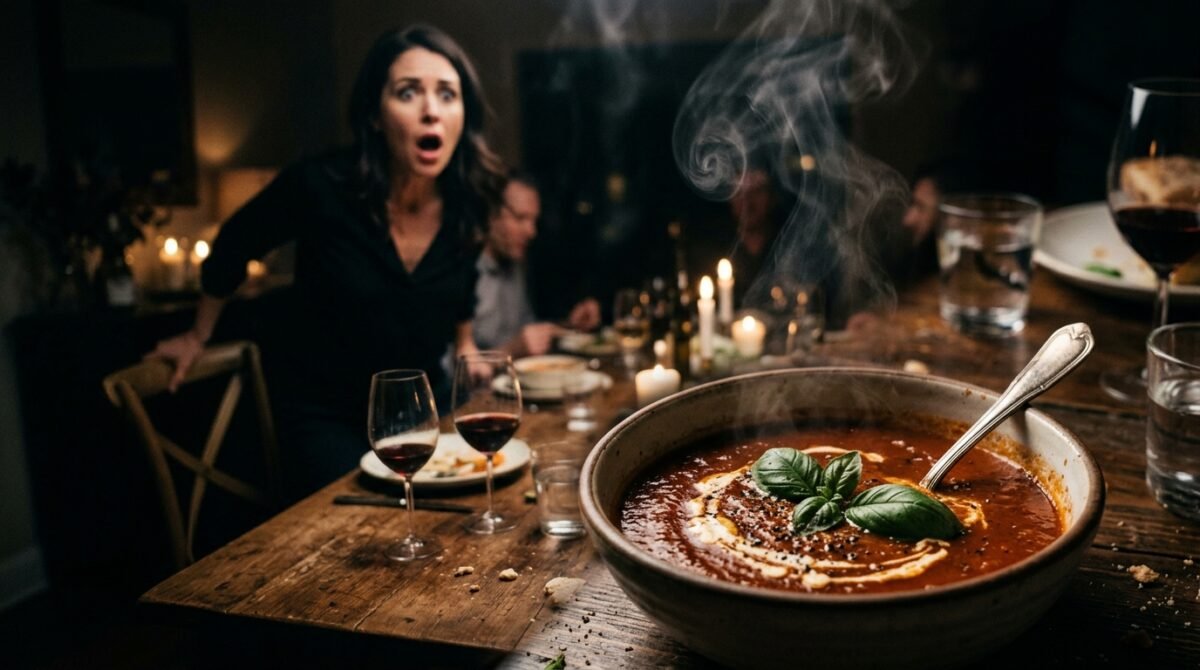
We all have that one friend who thinks they know our bodies better than we do. For Sarah, that friend was Clara. We had been inseparable since sophomore year of college, sharing apartments, secrets, and the occasional disaster. But over the last two years, my life had been dictated by a severe, diagnosed autoimmune condition that required a strict plant-based, anti-inflammatory diet. It wasn’t a lifestyle choice; it was a survival mechanism to keep my inflammation markers low and prevent the debilitating flare-ups that landed me in the hospital.
Clara, however, had never quite accepted the ‘severity’ of my situation. She viewed my dietary restrictions as a trend, a phase, or, worse, a performative cry for attention. I had explained the science, I had shown her the medical reports, and I had even invited her to my appointments. Still, whenever we met for dinner, she would roll her eyes at my questions to the waiter or mock the way I carefully scrutinized menus.
The tension had been bubbling under the surface for months. Every time I declined a dish she suggested or asked for a modification, she would make a snide comment about ‘giving in to the medical industry’s fear-mongering.’ I thought she was just being difficult, a classic case of a friend struggling to adapt to a lifestyle change. I never, in my wildest dreams, imagined that she would actively sabotage my health to prove a point.
It was supposed to be a quiet ‘reunion’ dinner at her apartment. She promised me a ‘completely safe, vegan-friendly feast’ that she had supposedly spent hours preparing. I walked through her door feeling grateful for the effort, oblivious to the fact that I was stepping into a trap designed to invalidate my entire existence.
The evening started cordially, but the atmosphere felt brittle, like thin ice waiting to crack. Little did I know, the bowl of soup sitting on the counter wasn’t just lunch; it was a weapon. As I took the first spoonful, the taste was rich—too rich—and my body, which had been in a state of relative calm for months, started screaming before I had even finished the first bowl.
The Culinary Trap Set in Haste
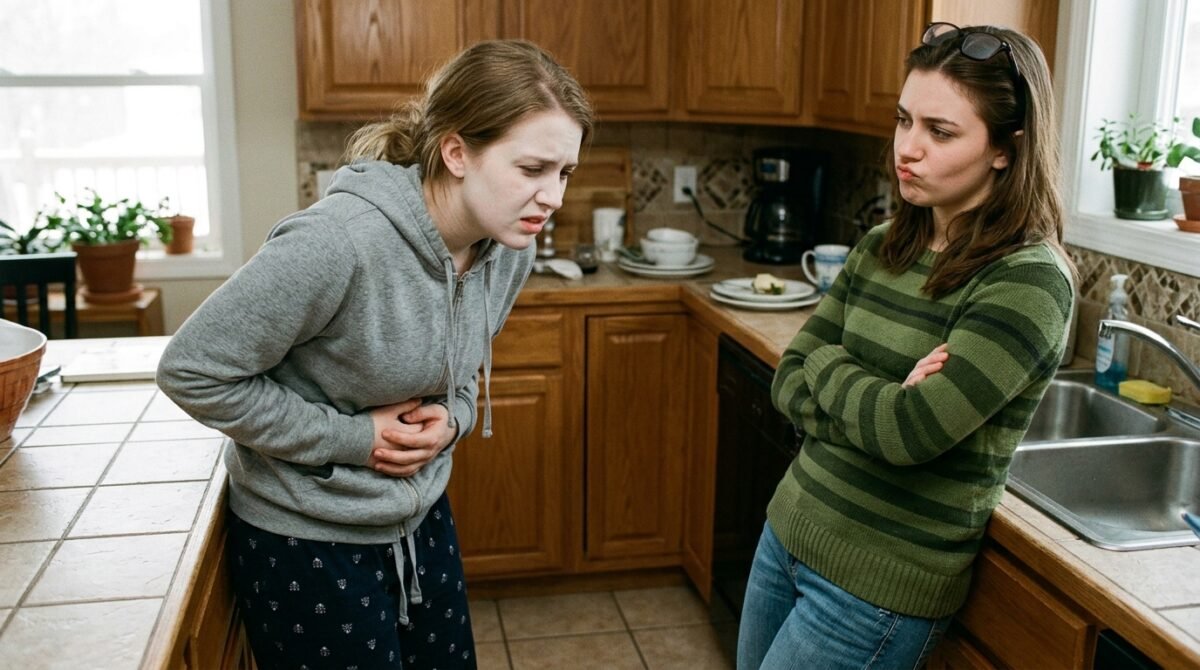
Clara’s kitchen smelled amazing, which was my first mistake. I should have been suspicious, but I wanted to believe that she finally understood. The soup was a creamy, golden-hued vegetable bisque, exactly what she had promised. She stood by the counter, watching me with an intensity that I attributed to her pride in her cooking. I took a bite, noticing the depth of flavor immediately.
“Is it good?” she asked, her voice tight, almost vibrating with anticipation. I told her it was delicious, truly, but I started to feel a strange, familiar prickling sensation in my gut. It was the same feeling I got right before a systemic reaction. I brushed it off, telling myself it was just anxiety from the recent stress of my job. I didn’t want to be the ‘difficult’ friend again.
We talked about her new job, but she kept steering the conversation back to my diet. She started asking pointed questions about my last blood test, her tone dripping with skepticism. She challenged me on my symptoms, asking if I was ‘really’ still needing the medication or if I was just ‘too scared to try eating normally’ again. It was a line of questioning I had endured a dozen times before, but tonight, it felt different.
The physical discomfort in my stomach escalated from a dull ache to sharp, stabbing pains. I put my spoon down, my hand shaking slightly. I looked at the bowl, then back at Clara. The look on her face wasn’t one of concern; it was a thin, predatory smile that made my blood run cold. She wasn’t just talking; she was waiting for a reaction.
“You know, I’ve done a lot of reading,” she said, leaning across the table. “A lot of people with ‘sensitivities’ like yours find that it’s actually just a psychological block. Once you stop obsessing over it, the body just heals itself. Don’t you want to stop living like a patient?”
I felt a wave of nausea wash over me. I stood up, grabbing my purse. My joints were already beginning to stiffen, a classic sign of my inflammatory response. I didn’t have time to argue. I just needed to get to a bathroom, or failing that, to my car. I knew this wasn’t just a simple case of cross-contamination; something was wrong.
The Admission of Deception

As I reached for the door, my head started spinning. The realization hit me as I grabbed the door handle: she had done something to the food. I turned back, my vision blurring at the edges, and saw her sitting calmly at the table, checking her phone. The betrayal wasn’t just physical; it was a violation of the most fundamental level of trust. I didn’t even yell; I was too busy trying to keep my lungs functioning normally.
“What did you put in it, Clara?” I whispered, my voice barely audible. She didn’t look up immediately. When she did, she shrugged as if she had just admitted to leaving a light on in the hallway. She told me she had used a concentrated pork broth base, arguing that if I could eat it without ‘dying,’ I would finally realize my condition was a fabrication. She literally tried to gaslight me through a medical emergency.
The sheer arrogance of it was staggering. She thought she was a scientist proving a hypothesis, completely ignoring the fact that she was actively poisoning someone she called a best friend. I couldn’t even process the anger yet; the physical pain was taking over every single nerve ending. My throat felt tight, and my hands were breaking out in hives.
“I just wanted you to see that you’re fine,” she said, her voice devoid of any empathy. “I spent hours making sure it was delicious. You didn’t even notice, did you? You ate the whole bowl. You’re fine. See? It’s all in your head.”
I didn’t answer her. I couldn’t. I stumbled out of the apartment, the cold air outside hitting me like a physical blow. I managed to reach my car, but I knew I wouldn’t be able to drive. I sat in the driver’s seat, clutching the steering wheel, and dialed 911. My breath was shallow, and I knew I was heading into anaphylaxis or a severe flare. My world was narrowing down to the struggle to breathe.
The Emergency Room Reality Check

The next few hours were a blur of flashing lights, needles, and the terrifying, sterile smell of an emergency room. The doctors were frantic, trying to stabilize my blood pressure and manage the systemic inflammation that was ravaging my system. I remembered telling the triage nurse about the pork broth, and I saw the look of sheer disbelief on her face. To them, it was an act of violence, not just a misunderstanding.
My phone buzzed incessantly. Clara was blowing it up. At first, I ignored it, but the pings became so frequent that I finally had to look. She wasn’t apologizing. She was annoyed that I had ‘overreacted’ and that she had ‘wasted’ the dinner. She was complaining that I had ruined her evening by ‘running off’ like a child.
“I am currently in the ER because of you. Do not contact me again.”
— Sent by OP to Clara
The response was immediate and heartless. She claimed I was just doing this for ‘attention’ and that I was trying to make her feel guilty for trying to ‘save me.’ I blocked her right then and there. My family arrived shortly after, and when I told my mother what happened, the look of pure fury on her face was something I would never forget. She started calling Clara’s parents, but I begged her to stop. I didn’t want a circus; I just wanted to heal.
The hospital staff kept me for 48 hours for observation. During that time, the reality of what had happened truly sank in. My ‘best friend’ had looked me in the eye, fed me something she knew would harm me, and then sat back to watch the fireworks. It wasn’t just a lapse in judgment; it was a fundamental shift in my understanding of the person I had trusted for a decade.
The Aftermath of the Silence
When I finally got home, the silence was deafening. I felt like a stranger in my own life. I spent the next week barely moving, dealing with the residual pain and the mental exhaustion of the betrayal. I realized I had been ignoring red flags for years—the subtle put-downs, the way she made everything about herself, the constant need for me to be the ‘lesser’ one in the friendship.
I started seeing a therapist to process the trauma, and for the first time, I could articulate why I stayed friends with her for so long. It was a mixture of history, shared memories, and a misplaced sense of loyalty. I had let my attachment to the past blind me to the toxicity of the present. But now, the bridge wasn’t just burned; it had been incinerated by her own hand.
I eventually received a letter in the mail—a handwritten note from Clara. It wasn’t an apology. It was a ‘justification.’ She wrote that she felt ‘compelled’ to help me because I was losing my mind, and that she hoped one day I would thank her for showing me the truth. I threw it in the fireplace without reading the rest. I didn’t need her ‘truth.’
I decided to reach out to our mutual friend group to let them know exactly why I wasn’t speaking to her anymore. I didn’t want to play the victim, but I didn’t want her spreading lies about me ‘flaking out’ on dinner. I sent a simple, factual account of what happened, attaching the screenshot of the text where she admitted to the pork broth.
“Clara deliberately poisoned my food to ‘test’ my chronic illness. I am currently recovering from a severe medical reaction. Please respect my privacy while I cut her out of my life.”
— OP’s message to the mutual friend group
The fallout was swift. Half of the group was horrified, and the other half… well, they were surprisingly divided. Some people tried to ‘play both sides,’ which only made me realize how many fake friendships I had been maintaining. It was a brutal cleanup of my social life, but it was necessary.
The Internet Weighs In
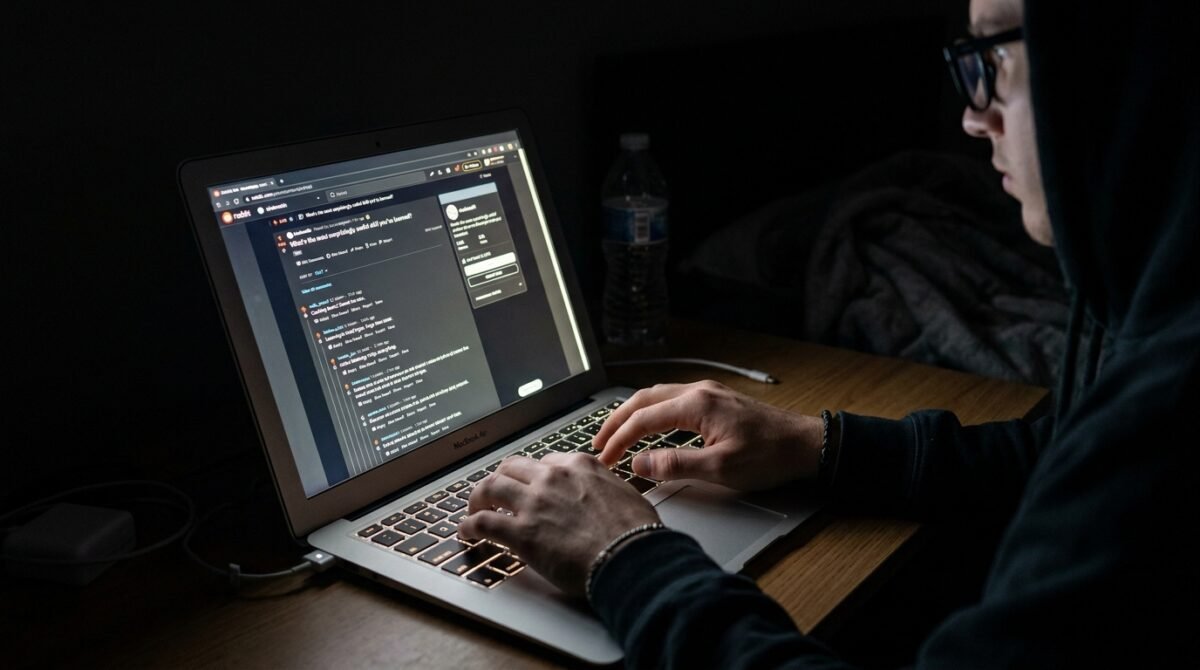
I ended up posting about the ordeal on a subreddit for relationship advice, needing validation that I wasn’t crazy. The response was overwhelming. Thousands of people commented, most of them expressing absolute shock and outrage. It was a wake-up call to see how many people had experienced similar ‘medical gaslighting’ from friends and family.
“This is not just a ‘toxic friend’ situation; this is assault. Please tell me you filed a police report. She literally tampered with your food knowing you had a health condition. This is a crime.”
— u/LegalEagleEye (15.2k upvotes)
“The audacity of people thinking they can ‘cure’ chronic illness with a bowl of soup is staggering. I’m so sorry you went through this. Cut her off and never look back. Do not give her a second of your time.”
— u/WellnessWarrior (8.9k upvotes)
The community was relentless in their support. They helped me realize that the ‘guilt’ I felt for ending the friendship was misplaced. I wasn’t the one who broke the bond; I was the one who survived the attack. The advice kept pouring in, ranging from legal steps I should consider to emotional advice on how to navigate the social fallout.
I hadn’t considered the legal angle until the community pointed it out. Was it assault? A battery? The consensus was overwhelming: it was dangerous, it was malicious, and it was absolutely a reason to document everything. I began a folder of evidence—the texts, the hospital records, the letters. Just in case.
The Legal Pivot
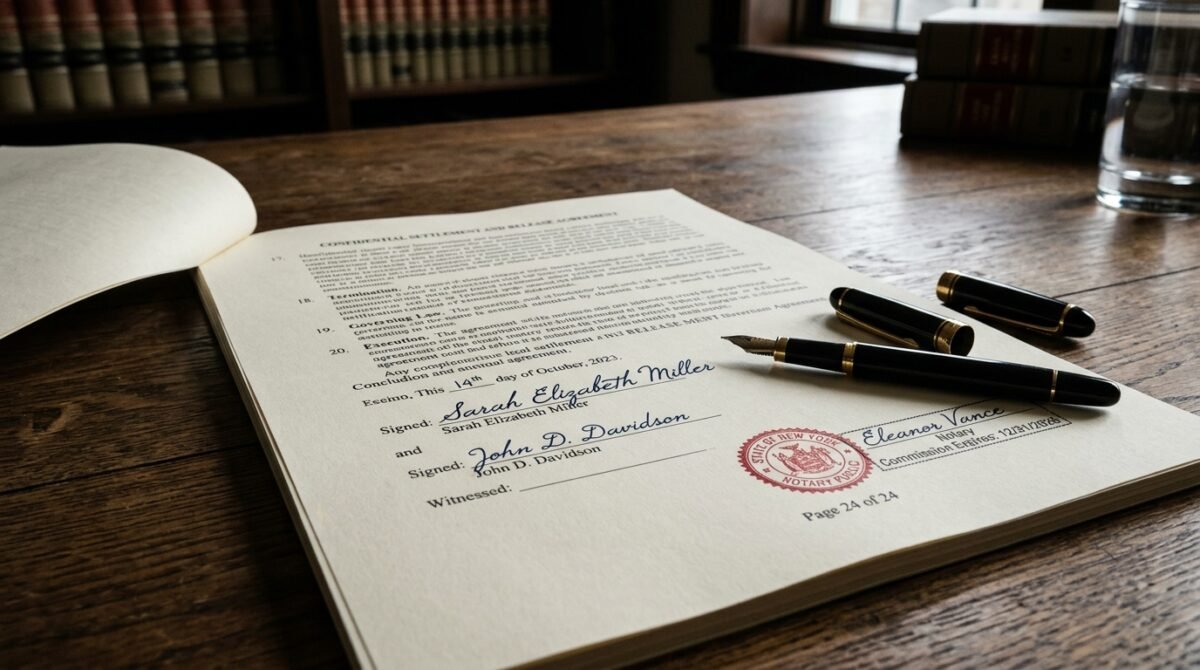
I consulted with a lawyer, mostly for peace of mind. He was appalled by the story. He told me that while a criminal case might be difficult to prove without a direct confession to a police officer, the paper trail of the texts was a goldmine. We drafted a cease-and-desist letter, not because I wanted to sue her for millions, but because I wanted her to know that there were real-world consequences for her actions.
When she received the letter, she finally stopped. She didn’t reply, she didn’t call, and she didn’t show up at my apartment. For the first time in weeks, I felt safe. I realized that the fear I had been living with—of her showing up or harassing me—was fading. I was reclaiming my agency.
My health slowly started to stabilize, but the mental work was just beginning. I had to learn how to trust my own body again, and more importantly, how to trust my own judgment. I had spent so long apologizing for my existence, for my diet, for my ‘illness,’ that I had forgotten how to stand tall. This experience, as horrific as it was, became the catalyst for a fundamental change in how I interacted with the world.
I started setting boundaries in every area of my life. If someone questioned my diet, I didn’t explain. If someone mocked my needs, I didn’t justify. I simply walked away. I became a master of the ‘no,’ and it was the most liberating feeling I had ever experienced.
The Lessons of the Toxic Mirror

Reflecting on our friendship, I realized that Clara was a mirror of my own insecurities. I had been so desperate to be liked, to be the ‘easygoing’ friend, that I had allowed someone to treat me with total disregard. I had been a participant in my own oppression, and it was a hard pill to swallow. I had to forgive myself for letting it happen, which was arguably harder than forgiving her.
Forgiveness, I learned, isn’t about the other person. It’s about releasing the weight of the anger. I don’t harbor hatred for Clara anymore; I harbor pity. Anyone who feels the need to harm someone to prove a point is living a very small, very sad life. She had lost a loyal friend, and I had lost a toxic influence. In the long run, I think I got the better end of the deal.
I started focusing on building relationships with people who saw my health as a part of who I am, not as a burden. It turns out, those people existed all along; I just hadn’t been looking in their direction. I found a community of people who were supportive, understanding, and, most importantly, respectful of my boundaries. It was like stepping out of a dark room into the sunlight.
The physical scars from the reaction have faded, but the lesson remains. I am the gatekeeper of my own well-being. No one has the right to step over that gate, and it is my job to make sure they don’t. The ‘best friend’ label is just a title, and titles don’t mean anything if the actions behind them aren’t rooted in love and respect.
The Unexpected Phone Call

Months later, I received a call from an unknown number. Against my better judgment, I answered. It was Clara’s mother. She sounded tired, weary. She told me that Clara was struggling, that she had lost her job, and that she was currently in therapy. She wasn’t calling to apologize for Clara; she was calling to apologize for her own failure to see what was happening.
“I know what she did. I’ve known for a long time that she had a problem with your boundaries. I just didn’t think she was capable of something this malicious. I’m so sorry.”
— Clara’s Mother
I didn’t know what to say. I thanked her for the call, but I told her that I couldn’t be a part of Clara’s life anymore. It wasn’t about being mean; it was about protecting the peace I had worked so hard to build. Her mother understood, and we ended the call with a sense of closure that I hadn’t realized I was still looking for.
It wasn’t a resolution. It was an end. I finally closed the book on that chapter of my life. I realized that sometimes, the hardest part of moving on isn’t the anger or the hurt; it’s the acceptance that some people just aren’t meant to be in your life, no matter how much you wish they were different. And that is okay.
Reclaiming My Narrative
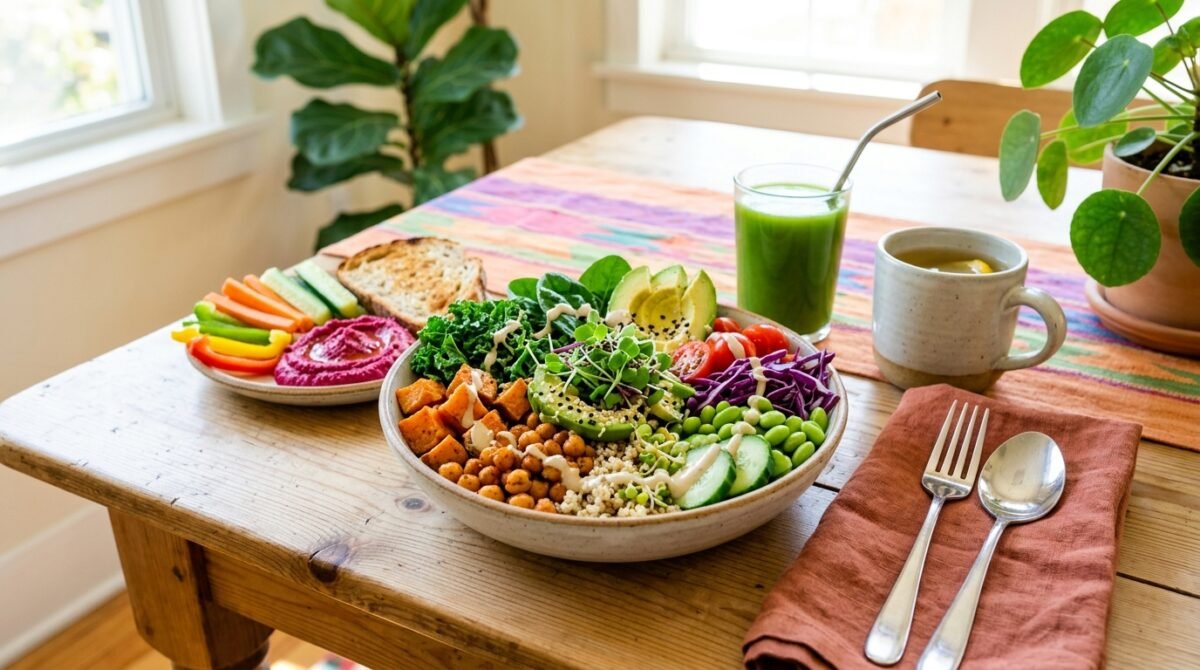
I am now more vocal about my condition than I ever was before. I don’t hide my needs, and I don’t apologize for my restrictions. When I meet someone new, I state my requirements clearly and without explanation. If they have a problem with it, they’re not the right person for me. It’s an efficient filter, and it’s saved me from a lot of wasted time.
I’ve also started cooking for myself more often, finding joy in the ingredients that actually nourish my body. I’ve discovered a love for culinary arts that I never had when I was relying on ‘safe’ pre-made meals. I’m finally enjoying food again, without the fear of what’s hiding in the broth. It’s a small victory, but it’s one that means the world to me.
My health has been remarkably stable. The flares are fewer and further between, which I attribute to both the cleaner diet and the reduced stress of not having a toxic person in my orbit. The body remembers trauma, but it also responds to healing. I’m finally in a place where I feel in control, and that is a power that no one can take away from me again.
I’ve realized that the greatest betrayal wasn’t what Clara did to me; it was what I had been doing to myself. I had been dimming my own light to make someone else feel comfortable. Never again. I am living my life, on my terms, and I have never felt more free.
Moving Forward With Strength

As I look back on the last year, I’m struck by how much has changed. I’m not the same person I was when I walked into that apartment for dinner. I’m stronger, more discerning, and more protective of my heart and my health. The experience was a crucible, but it forged something that was worth the pain.
I want to thank the community for their support. Your words helped me realize that I wasn’t alone and that my reaction was justified. It’s comforting to know that there are people out there who value human life over being ‘right.’ We are all better when we support each other in our struggles, rather than testing them.
To anyone out there dealing with a toxic friend or a medical issue that people won’t take seriously: You don’t owe them an explanation, and you definitely don’t owe them a place in your life. Trust your gut. If a friend makes you feel small, or if they question your health, walk away. Your peace of mind is worth more than any history you share.
I’m finally looking forward to the future. I have plans, goals, and dreams that don’t include worrying about whether my food is safe or if my friends are sabotaging me. I’m walking into my own life with eyes wide open, and for the first time, I’m exactly where I’m supposed to be.
Conclusion
This story is a stark reminder that chronic illness is not a character flaw, and those who try to ‘cure’ or ‘test’ you are not your allies. The line between a misunderstanding and an assault is very thin, and it is one that should never be crossed. My experience was traumatic, but it was also the final push I needed to take control of my life.
We all have boundaries, and we deserve friends who respect them. If you’ve ever dealt with someone who dismissed your health or undermined your choices, know that you are not alone. Your voice matters, your pain is valid, and your health is your priority. Don’t let anyone make you feel otherwise.
What about you? Have you ever had to cut a toxic friend out of your life because they refused to respect your boundaries or your health? How did you know it was time to leave? Share your stories below—let’s keep the conversation going and support each other in healing.
What's your verdict on this dilemma?
Vote below to contribute to the official community consensus.

Have a Dilemma Keeping You Up at Night?
Share your real-life feud, wedding chaos, or relationship crossroads anonymously with our editorial team.
What do you think ?
0 Comments🛡️ Comments are moderated to protect community integrity. Your comment will appear once approved by the editorial team.