
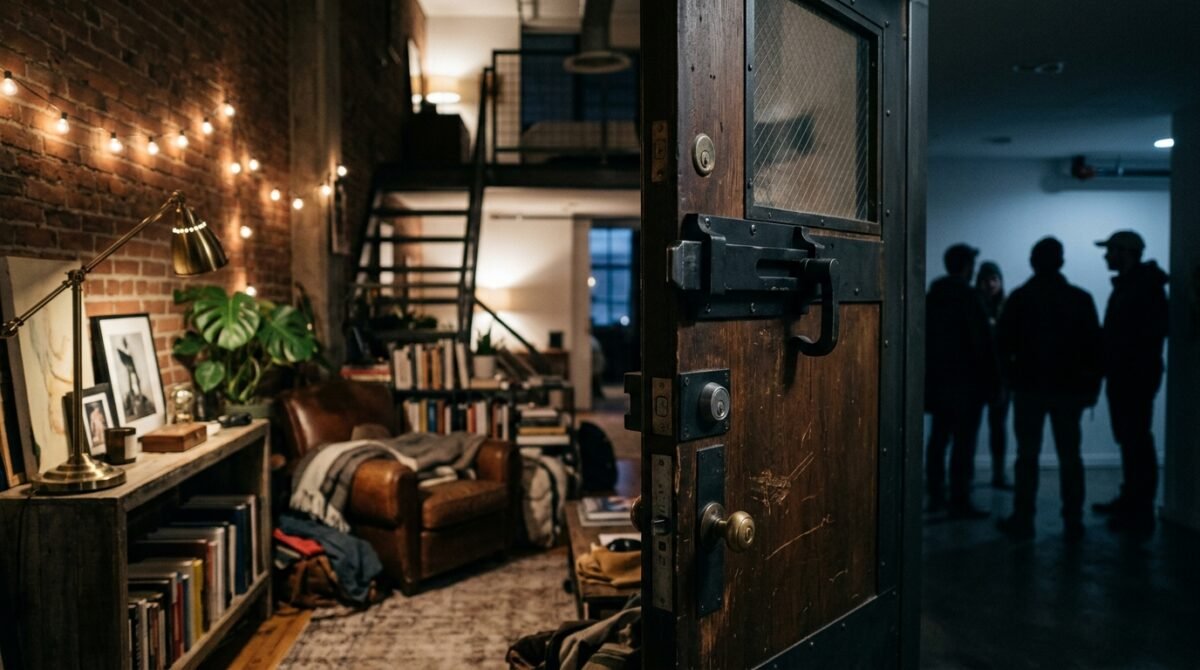
I live in what most people would call a ‘micro-loft.’ It’s roughly 450 square feet of exposed brick, polished concrete, and a very limited amount of floor space. It’s my sanctuary, a place I curated specifically for my solitary lifestyle and occasional quiet dinner for two. It is, under no circumstances, an event venue. Yet, three months ago, my best friend of ten years, Sarah, decided that my living room was the perfect, cost-free location for her engagement bash.
The audacity wasn’t just in the request; it was in the total absence of one. Sarah simply announced that she had told her guest list—all thirty-five of them—that the party was being held at ‘my place’ because it was ‘chic and intimate.’ When she dropped this news over a casual brunch, I assumed she was joking. I laughed. I even toasted to her humor. Then, she pulled out a spreadsheet of catering costs she had saved by ‘not having to pay for a venue.’
That moment marked the beginning of an escalating nightmare. I watched in slow motion as a simple boundary-setting exercise turned into a social media spectacle, a family feud, and eventually, a total breakdown of a decade-long friendship. This is the story of how I went from being the ‘supportive best friend’ to the ‘selfish villain’ who dared to lock her door to protect her sanity and her home.
What followed were weeks of gaslighting, secret group chats, and the eventual realization that some people view friendship not as a bond, but as a resource to be exploited. I had to learn the hard way that when you set a boundary, the people who benefit from your lack of them will always call you cruel for finally having a spine.
The Brunch Announcement That Changed Everything

We were sitting in a crowded cafe, the noise of espresso machines and chatter providing a background hum to the announcement. Sarah was glowing, flipping through her phone to show me ring designs, when she suddenly shifted gears. She looked at me with that wide-eyed, expectant expression she always wore when she wanted something she knew I might say no to.
‘I’ve finalized the guest list for the engagement party,’ she said, sliding her phone across the table. ‘It’s thirty-five people, which is perfect for your loft. I know you’re worried about space, but we can just move your bed into the storage unit for the night, right? It’ll look so industrial-chic.’
I stared at her, the fork halfway to my mouth. ‘Sarah, my loft isn’t a studio for hire. It’s barely big enough for four people to stand in without bumping into the kitchen island. Thirty-five people? That’s not a party, that’s a fire hazard waiting to happen. Did you even consider the logistics of thirty-five people in a space designed for one?’
She rolled her eyes, a gesture I had seen a thousand times but never felt so insulted by. ‘You’re always so negative. It’s my engagement, the biggest day of my life so far, and you’re complaining about square footage. I’ve already told everyone it’s at your place. If you say no, I’ll have to cancel, and you know how much money I’ve already spent on the catering deposits.’
“I don’t care if you have to sit in the bathroom for the duration of the party, it’s happening at your loft. Don’t be selfish, this is supposed to be about me.”
— Sarah, during the initial confrontation
I felt a cold knot form in my stomach. She hadn’t asked me; she had committed me to something I was fundamentally uncomfortable with, and then she used the ‘engagement’ card to try and steamroll my consent. It wasn’t just about the space; it was about the lack of respect for my home and my privacy.
I left that brunch feeling physically ill. I wasn’t just being asked to host; I was being told that my comfort and my personal space were negotiable if it meant Sarah could save a few thousand dollars on a venue fee. The entitlement was staggering, and it was only the tip of the iceberg.
The Escalating Pressure of the Group Chat
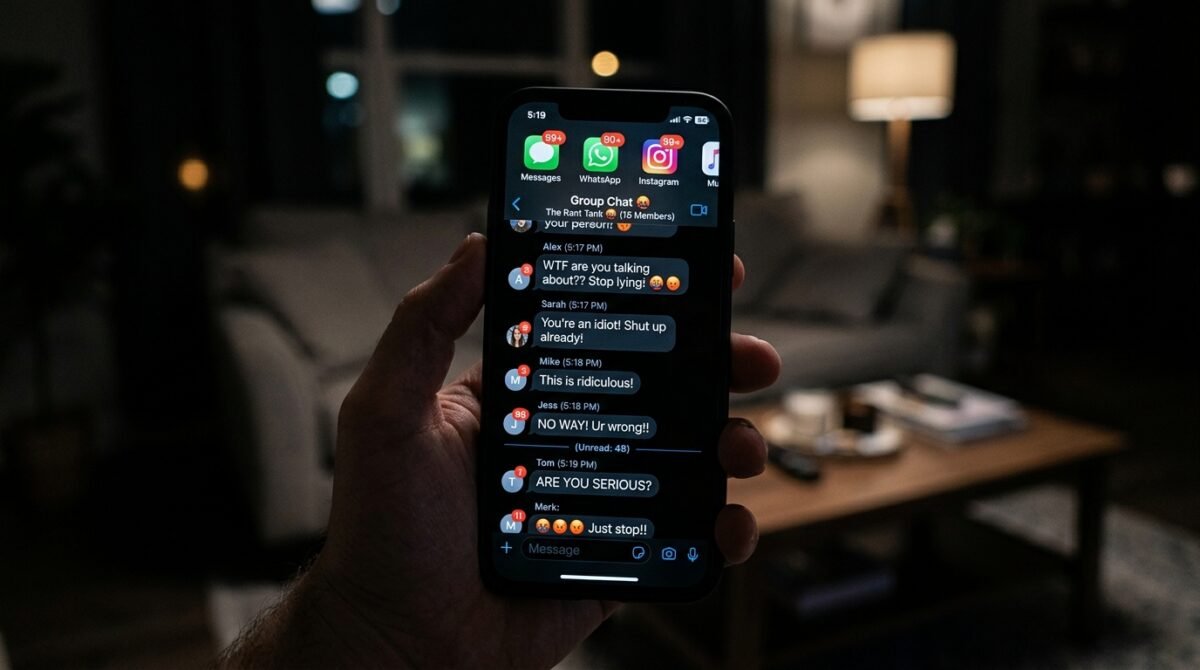
The next few days were a blur of notifications. Sarah didn’t just stop at our private conversation; she immediately added me to a group chat titled ‘Engagement Bash Prep’ that included her bridesmaids, her mother, and several mutual friends I hadn’t spoken to in years. The messages started coming in at all hours, each one more demanding than the last.
‘Hey, just making sure you have enough chairs,’ one message read. ‘I’m bringing a six-tier cake, so make sure there’s room on the counter for the display,’ said another. It was as if they were collectively deciding what I would do with my own apartment without once checking in with the person who actually lived there.
I tried to remain polite, thinking that maybe if I just clarified the logistics, they would understand. I typed out a long, carefully worded message explaining that the loft simply could not hold that many people and that I was not comfortable hosting. The response was immediate and vicious. I wasn’t met with understanding; I was met with a campaign of shaming.
“Honestly, I’m shocked you’re being this way. We’re all trying to make this special for Sarah, and you’re acting like a child over some floor space. It’s one night. Get over yourself.”
— Jessica, one of Sarah’s bridesmaids, in the group chat
The group chat became an echo chamber of entitlement. I was accused of being ‘jealous’ of Sarah’s engagement, of being ‘stingy’ with my friends, and of ‘ruining the vibe’ of the entire planning process. Every time I tried to defend myself, I was buried under a deluge of messages telling me why I was wrong.
I started muting the notifications, but the anxiety remained. I’d be at work, and my phone would buzz with a new request—someone needed to know where I kept my cleaning supplies, or if I could clear out my closet to make room for guests’ coats. It was as if they had already moved into my life, and I was merely the unwelcome tenant.
I realized then that Sarah wasn’t just asking for a favor. She was testing the limits of my boundaries. She wanted to see how far she could push me before I broke, and by the looks of it, she expected me to just roll over and take it until the very last second. But she didn’t know me as well as she thought she did.
The Inevitable Face-to-Face Showdown
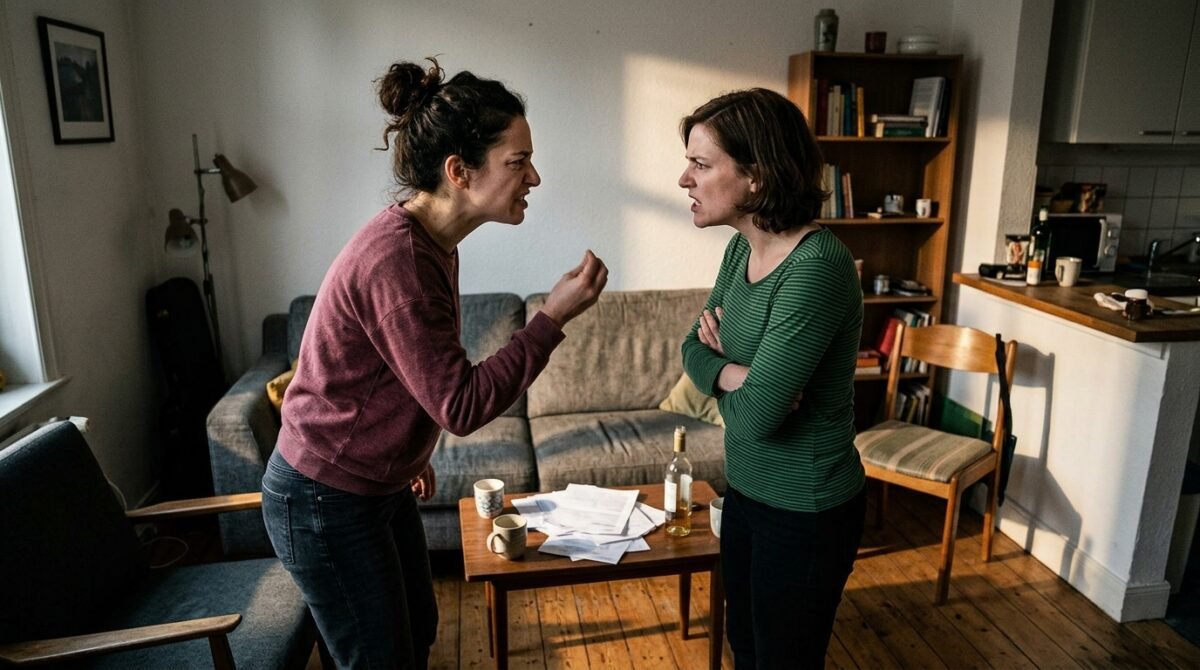
I knew I had to end this once and for all. I invited Sarah over, not to plan, but to have a final, firm conversation. I cleaned the apartment meticulously, almost as if I were preparing a fortress for a siege. When she arrived, she didn’t even look around; she just walked straight to the kitchen island and started measuring it with her hands.
‘If we move this out, we can fit a dance floor,’ she muttered, completely ignoring my presence. I stood by the door, my arms crossed, watching her. The sheer audacity of her walking into my home and already planning its deconstruction was the final straw. I felt my pulse spike, but I kept my voice steady.
‘Sarah, stop,’ I said. She turned, looking annoyed. ‘This isn’t happening. I’ve told you repeatedly that I am not comfortable with this. You are not hosting your party here. I am not moving my furniture. I am not clearing out my things. This apartment is not available.’
“You’re really going to do this to me? After everything I’ve done for you? I thought you were my best friend. You’re being so incredibly petty right now.”
— Sarah, during our final confrontation
The accusation of being ‘petty’ stung, but it also made me realize how much she had been using that specific narrative to control me. For years, I had been the ‘easy-going’ friend who never complained, which meant that any time I finally stood up for myself, it was framed as me being difficult or unreasonable. I wasn’t being petty; I was protecting my sanctuary.
She argued for an hour. She brought up times she had helped me move, times she had let me crash on her couch, trying to leverage our history to force me into submission. It was a classic manipulation tactic, and for a moment, I almost wavered. But then I looked at the state of my home—the space I worked so hard to maintain—and I realized that friendship shouldn’t come with a price tag of my sanity.
I finally walked her to the door. I told her that if she showed up with any guests, I simply wouldn’t open it. She looked at me like I was insane, clearly thinking I was bluffing. She slammed the door on her way out, leaving me trembling, not from regret, but from the adrenaline of having finally, decisively, said no.
The Secret Group Chat I Wasn’t Supposed to See

The night after our argument, I was still feeling raw. I had blocked Sarah on my phone, but I hadn’t yet left the group chat. Curiosity, that dangerous instinct, took over. I opened the chat on my laptop, intending to leave, when I saw the most recent messages. They were talking about me—in detail, and with a level of vitriol I hadn’t expected.
They were discussing how to ‘handle’ me. One of the bridesmaids suggested that they could just ‘show up’ on the night of the party and force the issue, assuming that I wouldn’t have the guts to turn them away in front of everyone. Another suggested I was ‘mentally unstable’ and that they should just ignore my protests because I’d be ‘too embarrassed’ to make a scene.
“She’s such a loser. She probably just doesn’t want people to see how sad her life is. We’ll just show up at 7 PM and she’ll be forced to open the door. What’s she going to do, call the cops on her best friend?”
— A leaked message from the bridesmaid’s group chat
Reading those words felt like a physical blow. It wasn’t just about the party anymore; it was about the way they viewed me. They saw me as a prop, as a convenience, and when I refused to play the part, I became an enemy to be conquered. The level of entitlement was so deep that they were willing to violate my home and my boundaries just to save themselves a few hundred dollars.
I took screenshots of everything. I didn’t know what I would do with them yet, but I knew I needed proof of their intentions. The idea that they were planning a home invasion—that’s what it felt like—gave me a strange sense of clarity. There was no more gray area. There was no more ‘best friend’ to save. There was only the protection of my home.
I sat in the dark of my loft, the blue light of my laptop illuminating the room. I felt a weird sense of peace wash over me. The confusion was gone, replaced by a cold, hard resolve. If they wanted to play games, I would play them back, and I had the home-court advantage.
The Day of the ‘Planned’ Invasion
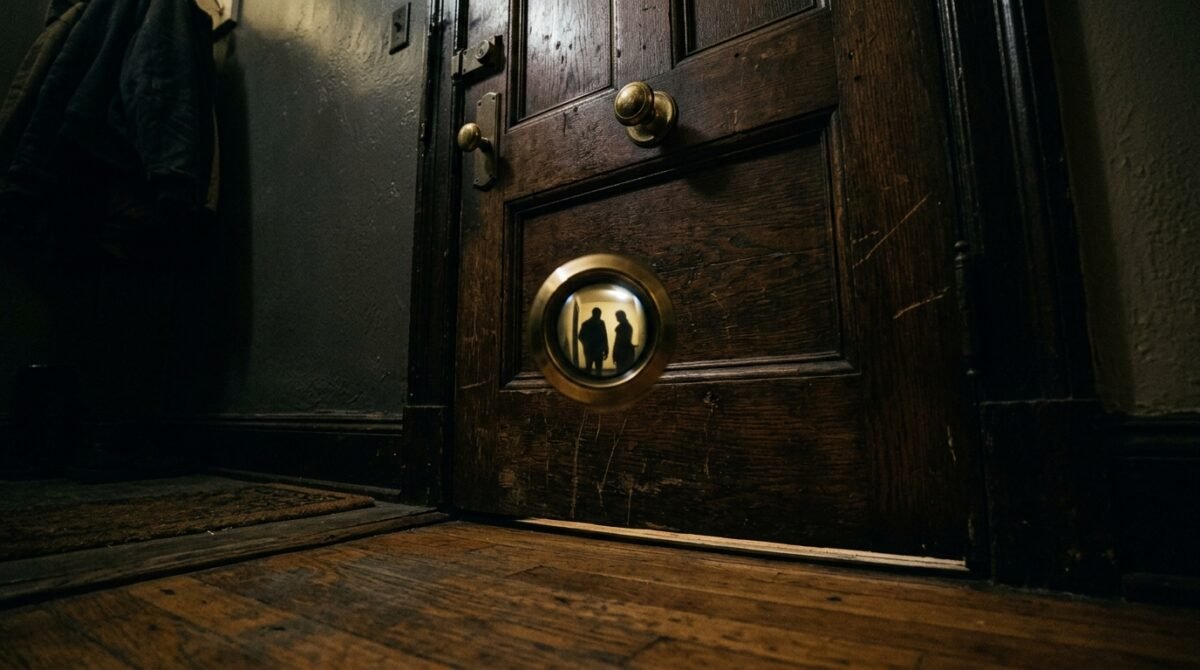
I knew the date of the party, of course. It was marked on the calendar they had so helpfully shared in the group chat. On that Saturday, I didn’t go out. I didn’t hide. I prepared. I went to the store and bought a few extra locks, a doorbell camera, and enough snacks to last me a month. I wasn’t leaving.
Around 6:45 PM, I started hearing the muffled sounds of conversation in the hallway. My heart hammered against my ribs, but my hands were steady. I looked at my doorbell camera. Sure enough, there was Sarah, wearing a white dress, surrounded by a group of people, all carrying bottles of wine and bags of snacks. They were laughing and checking their watches.
At 7:00 PM exactly, the knocking began. It wasn’t a polite knock; it was a rhythmic, demanding pounding. Sarah leaned into the camera, her face contorted in an ugly display of impatience. ‘Open up! We’re here! The place is locked, what are you doing?’ she shouted, her voice echoing in the hallway.
“Open the door, Sarah is here! We have the champagne, don’t be a party pooper! This is so embarrassing for you, just let us in!”
— A voice from the hallway, heard via doorbell camera
I didn’t move. I sat on my couch with a book, listening to the chaos unfold outside. They tried the handle, they rattled the door, they even started yelling my name, which I’m sure was delightful for the neighbors. It was the most surreal experience of my life, listening to my ‘best friend’ try to force her way into my home.
I waited for them to call, to text, to do anything other than harass my front door, but they didn’t. They really thought that if they just made enough noise, I would eventually cave. They didn’t understand that for me, the threshold of that door was the boundary between my life and their entitlement, and I had already decided where I stood.
After about twenty minutes of persistent knocking, the mood outside began to shift. The laughter turned into hushed arguments. Sarah was clearly losing her temper, and the other guests were starting to realize that the ‘chic venue’ they were promised was a bust. I felt a surge of triumph, tempered by the sadness of the entire situation, but I didn’t open the door.
The Aftermath and the Social Media Explosion
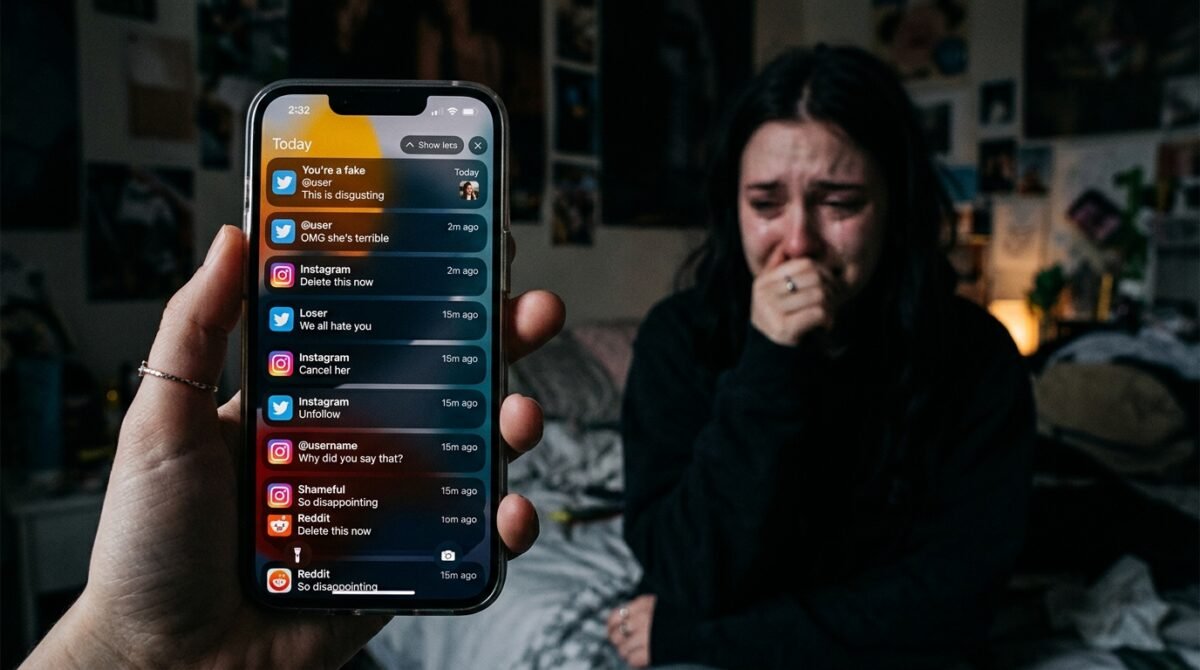
The fallout was, as expected, nuclear. By the next morning, I was the subject of several Instagram stories and Facebook posts, all painting me as the villain who ‘ruined’ an engagement party. Sarah made sure to leave out the part where she hadn’t asked me; she just focused on the fact that I had ‘locked out her closest friends and family’ on her special day.
The comments sections were a mess. Some of her friends were defending her, calling me selfish and toxic. Others, however, were starting to ask questions. ‘Wait, why was the engagement party at a friend’s studio loft?’ and ‘Did you actually ask her, or did you just assume?’ were common threads.
I didn’t respond to any of it. I let the truth speak for itself. I posted one simple thing: a screenshot of the initial, demanding message where Sarah had basically told me I had to vacate my own apartment. I didn’t add any commentary. I just let the evidence exist. The shift in public opinion was swift and brutal for Sarah.
“You invited 35 people to a 450sq ft studio without asking the owner? You’re not a bridezilla, you’re just a delusional person who thinks the world owes you a free wedding venue.”
— A comment from a mutual friend on Sarah’s post
The realization that she had been caught in a lie—or at least, a major omission—started to turn the tide. People started messaging me, some apologizing for believing her initial spin, others just shocked by the audacity of the whole thing. It was exhausting, but it was also validating. I hadn’t been crazy. I hadn’t been petty.
Sarah tried to reach out a few times, but she never apologized. She just wanted to know why I had ’embarrassed her.’ It was always about her. It was always about how my actions affected her life, never about how her actions had been a fundamental betrayal of our friendship. I didn’t answer.
I eventually moved on, but the experience left a mark. I became much more protective of my personal space and much more skeptical of ‘best friends’ who suddenly have a lot of demands. It was a hard lesson to learn, but it was a necessary one.
Reflecting on the Boundaries of Friendship
Looking back, the most frustrating part wasn’t the party itself; it was the expectation that I would be happy to sacrifice my comfort for her convenience. We often talk about ‘friendship’ as this unconditional thing, but in reality, it requires mutual respect. When that respect is replaced by entitlement, it’s no longer a friendship; it’s a transaction, and one that is heavily skewed against you.
I learned that the people who get the most upset when you set a boundary are the ones who were benefiting from you not having any. It’s a classic sign of a toxic dynamic. I had been the ‘yes’ person for so long that my ‘no’ was seen as an act of war, rather than an act of self-preservation. That speaks volumes about the relationship, not about my character.
I also realized how much of my identity I had tied up in being the ‘good friend.’ I was so afraid of being seen as difficult that I was willing to let people walk all over me. That dynamic made me an easy target for people like Sarah, who are constantly looking for ways to cut corners at the expense of others.
“Boundaries aren’t about being mean. They’re about protecting your peace. If someone can’t handle that, they weren’t really your friend to begin with.”
— A piece of advice I received from a therapist shortly after
I had to learn that it is okay to be the ‘villain’ in someone else’s story if it means being the hero of your own. I didn’t want to be the friend who was always there to bail people out or provide a free venue for their life events. I wanted to be a person who was respected, and sometimes, that means saying no to the people you love.
The community support I received, even from strangers on the internet, was surprising. It showed me that I wasn’t alone in this struggle. So many people have dealt with ‘friends’ who think their life is a public resource. Knowing that made me feel a lot less lonely in the aftermath of the fallout.
The Financial Reality of the ‘Free’ Venue

People often ask me if Sarah ever understood the financial implications of what she was asking. She thought she was being ‘clever’ by avoiding a venue fee, but she completely ignored the hidden costs of holding an event in a space not designed for it. If I had let her go ahead, the damage to my loft alone would have been in the thousands.
I calculated the costs of what she was asking me to risk. Between the potential damage to my floors, the inevitable cleaning fees, the professional steam-cleaning of my rugs, and the potential liability of having thirty-five people in a space meant for one, I was looking at a significant financial hit. And that’s not even mentioning the stress.
| Expense | Potential Cost to OP | Sarah’s Contribution |
|---|---|---|
| Professional Cleaning | $350 | $0 |
| Floor/Furniture Repair | $1,200+ | $0 |
| Liability Risk | Variable/High | $0 |
| Utility/Waste Costs | $100 | $0 |
The fact that she thought I should just ‘eat’ these costs as a favor to her engagement is mind-boggling. It shows a total lack of awareness about the value of other people’s resources. She saw my loft as a ‘free’ commodity, not as a private home that I pay good money to maintain. That level of disconnect is exactly why she felt so comfortable demanding it.
I think the most important realization was that she didn’t value my home because she didn’t value my independence. If she had viewed me as an equal, she would have asked about the risks, offered to pay for insurance, or at least asked me to help her find a proper venue. But that would have required seeing me as a person, not a resource.
I still see her on social media sometimes. She ended up having the party at a local park, which I’m sure was fine. It only cost her a small permit fee, which makes it even more ridiculous that she was willing to destroy a decade-long friendship just to save a few dollars and avoid the effort of booking a proper space.
Reddit Community Reactions and the Verdict
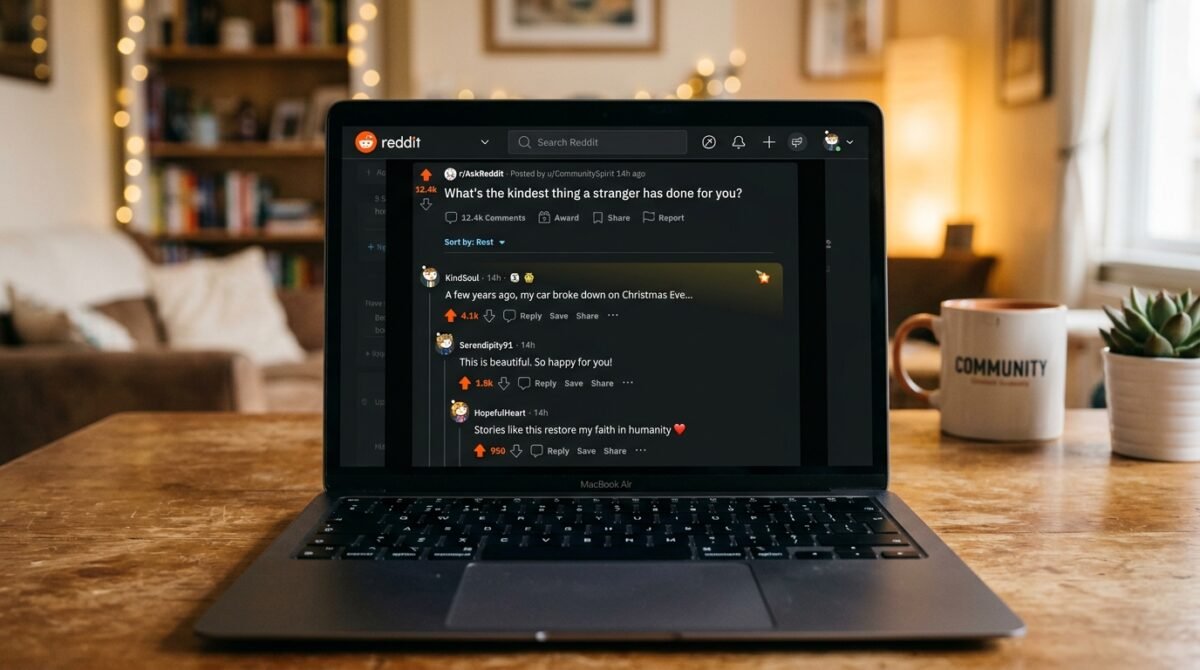
When I shared my story on a popular forum, the reaction was almost universally supportive. People were shocked, not by my reaction, but by the level of entitlement Sarah had displayed. It was a wake-up call for me to see how many people recognized the behavior as classic ‘main character syndrome.’
“NTA. You didn’t lock her out of her party; she locked herself out by refusing to respect the boundaries of the person who actually lives there. This is a classic case of someone wanting a champagne event on a tap-water budget.”
— u/ReasonableObserver (Top Comment, 32.5k upvotes)
The debate was intense, with many people sharing their own stories of friends who assumed their home was a party space. It seems I’m not the only one who has had to deal with the ‘my house is your venue’ type of person. The consensus was clear: Sarah was, and always had been, the problem.
Some commenters pointed out that the bridesmaids were just as bad as Sarah, enabling her behavior and attacking me when I didn’t comply. One user mentioned that the group chat dynamics are often where the real toxicity lives, as it creates a space for people to validate each other’s bad behavior without any outside perspective.
“The fact that she didn’t even ask you, just announced it to everyone, tells you everything you need to know about how she views your friendship. She didn’t want a friend; she wanted a venue manager.”
— u/BoundariesAreGood (15.2k upvotes)
Seeing these comments helped me process the anger. I realized that my decision to lock the door wasn’t an act of cruelty; it was an act of survival. I had reached a breaking point, and the only way to protect myself was to create a hard, physical boundary that even Sarah couldn’t ignore. It was the best thing I ever did for my mental health.
The thread became a repository of advice for others struggling with toxic friends. People shared tips on how to say no, how to set boundaries early, and how to spot the signs of an entitled personality before it becomes a full-blown crisis. It turned into something much bigger than just my story; it became a community conversation about respect.
Final Thoughts: Moving On and Finding Peace
It’s been a few months since the ‘incident.’ Life has returned to a quiet, peaceful rhythm. I still live in my loft, and I still love it. Sometimes I think about the night of the party, and I still get a little thrill of satisfaction. Not because I enjoyed the drama, but because I know I did the right thing.
I haven’t spoken to Sarah. We’ve gone our separate ways, and honestly, I don’t miss the constant pressure to be someone I’m not. I’ve started spending more time with people who appreciate my space and my boundaries, people who ask before they come over and who would never, ever expect me to host thirty-five people in a studio loft.
I’ve learned that life is too short to be the ‘best friend’ to someone who doesn’t respect you. I’ve learned that a home is more than just square footage; it’s a reflection of who you are, and it deserves to be treated with care. And most importantly, I’ve learned that the word ‘no’ is a complete sentence.
“The people who mind that you set boundaries are the ones who were benefiting from you having none.”
— A quote that has become my personal mantra
If you find yourself in a similar situation, don’t be afraid to say no. Don’t be afraid to be the ‘villain’ if it means protecting your sanity. The right people will respect your boundaries; the wrong people will try to tear them down. And when they do, remember: you’re allowed to lock your door.
I’m finally in a place where I feel safe and respected. The drama of the engagement party is just a memory now, a cautionary tale that I can look back on with a sense of perspective. I’m proud of who I am, and I’m even prouder of the person I had to become to protect my home.
Conclusion
The saga of the ‘Studio Loft Engagement’ is a stark reminder that friendship should never come at the expense of one’s dignity or personal boundaries. When someone treats your home as a free resource rather than a private sanctuary, the foundation of the relationship has already crumbled. Setting a firm boundary—even one as drastic as locking the door—can be the only way to stop a cycle of entitlement that has been years in the making.
It is worth reflecting on: How do we define ‘support’ in our friendships, and at what point does that support become exploitation? If you have ever felt pressured to give up your time, space, or resources to satisfy someone else’s ego, you aren’t alone. It is never too late to reclaim your peace and to insist on being treated with the respect you deserve.
What would you have done? Would you have held your ground, or would you have caved under the pressure of the ‘special day’ narrative? Let us know your thoughts in the comments below, and share your own experiences with setting boundaries with friends or family.
What's your verdict on this dilemma?
Vote below to contribute to the official community consensus.

Have a Dilemma Keeping You Up at Night?
Share your real-life feud, wedding chaos, or relationship crossroads anonymously with our editorial team.
What do you think ?
0 Comments🛡️ Comments are moderated to protect community integrity. Your comment will appear once approved by the editorial team.