

Friendship is often described as a two-way street, but lately, my relationship with Sarah felt more like a toll road where I was the only one paying the fare. We had been inseparable since college, surviving breakups, job losses, and the general messiness of our twenties together. I thought I knew her better than anyone. I knew her favorite wine, her irrational fears, and her deepest insecurities. Or so I thought.
When her 30th birthday approached, I decided to go all out. I spent three months meticulously planning a surprise party. I contacted her distant cousins, coordinated with her workplace, baked her favorite cake from scratch, and even fronted the cost for a private room at a local tapas bar. It was meant to be a celebration of our history, a joyous milestone. I never imagined it would become the catalyst for the most bizarre, insulting argument of my life.
The trouble started in the group chat, a flurry of excitement and logistics that I had been spearheading for weeks. Everything was locked in. The guests were ready. Sarah, completely oblivious, was waiting for me to pick her up so we could ‘grab a casual dinner’ at the very location where fifty of her closest friends were hiding in the dark. I was giddy with excitement, unaware that the seeds of resentment were already sprouting in Sarah’s mind.
As I drove toward her house, my phone pinged with a notification that stopped me dead in my tracks. It wasn’t a message of excitement or a question about the plans. It was an itemized request—a demand, really—that made me pull the car over to the side of the road. My hands shook as I read the text, a cold realization washing over me: the person I loved like a sister saw me as nothing more than a personal assistant who owed her for the privilege of her company.
The Ping Heard Round the World
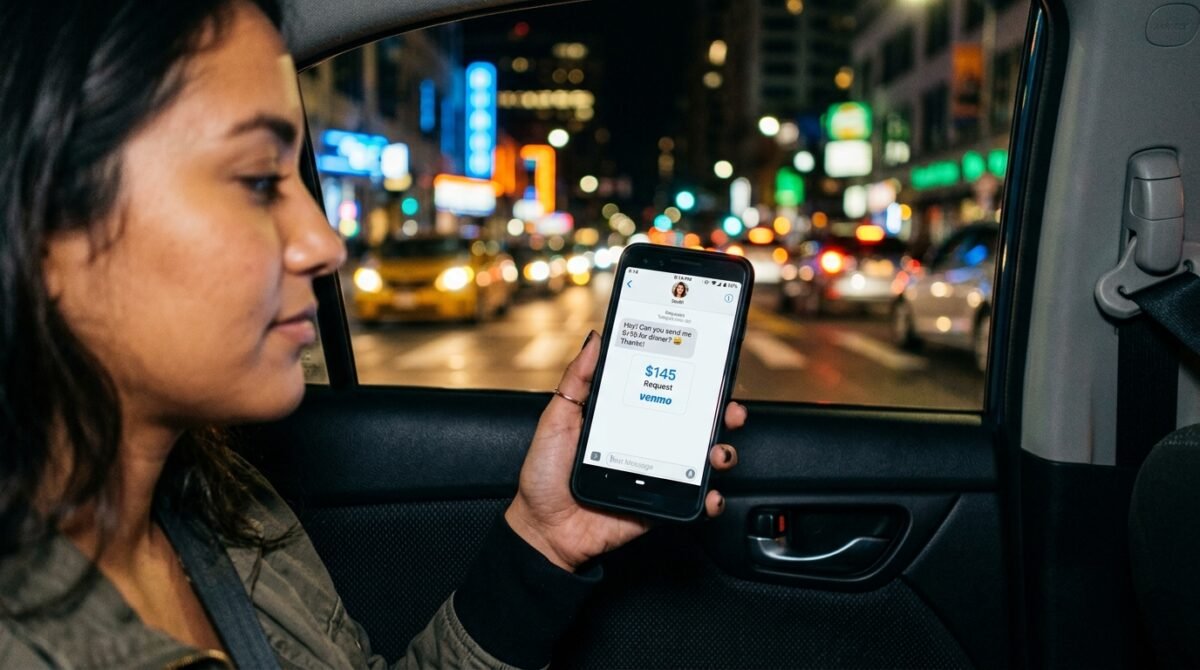
I was about two miles from Sarah’s house when the notification flashed on my dashboard. I assumed it was a guest asking for the final location or perhaps a quick check-in from one of the co-conspirators. Instead, I saw a message from Sarah that felt like a slap in the face. It wasn’t a thank you for the ride, nor was it a note of anticipation for the evening.
“Hey, I know you’re picking me up for dinner, but since you’re driving, I checked the mileage and the current gas prices. Can you Venmo request me $22.50 for the ‘fuel compensation’ for tonight’s trip? I’m saving up for a trip and every bit helps!”
— Sarah (via iMessage)
I sat in the silence of my parked car, staring at the screen. $22.50. For a trip that was literally to her own party. I felt a hot flush of embarrassment, followed by a cooling wave of anger. I had spent nearly $600 of my own money on decorations, appetizers, and the deposit for the room, not to mention the countless hours of planning and coordinating. The sheer audacity of asking for gas money for a drive to a celebration I had planned for her was staggering.
My thumbs hovered over the keypad. Should I call her? Should I ignore it and address it later? The irony was so thick it was suffocating. I had spent the last three months treating her like royalty, and she was tracking my mileage like a cab driver. I realized then that the power dynamic in our friendship had been shifting for a long time, but I had been too close to the situation to see the patterns of entitlement clearly.
The most confusing part wasn’t even the money; it was the lack of awareness. Did she truly not realize that I was driving her to her own surprise party? Or was this a deliberate power move, a way to keep me in a subordinate position even on her big day? I decided to drive on, choosing to hold my tongue until after the surprise. I couldn’t ruin the night for the fifty people waiting, but I knew the truce would be short-lived.
The Reveal That Fell Flat

The moment we walked into the tapas bar, the room erupted in cheers. ‘SURPRISE!’ echoed off the walls. Sarah’s face went through a kaleidoscope of emotions: shock, delight, and then, a flicker of something else—annoyance. I watched her closely. She hugged her mom, kissed her boyfriend, and laughed at the streamers, but she kept stealing glances at me. The air felt heavy, charged with the unsaid tension of the text message I was still processing.
I stayed in the background, nursing a glass of wine, watching the party unfold. Everyone was having a fantastic time. The cake I’d spent six hours on was a hit, and people were genuinely touched by the photo collage I’d put together. Yet, every time Sarah walked past me, she’d whisper something under her breath that made me feel like an employee rather than a best friend. It was the look she gave me when I asked if she wanted another drink that really did it.
“You’re doing a great job managing the party, but don’t forget to check the guest list one more time. And really, about that Venmo request—I sent it because I know how you like to keep things organized. I’d appreciate it if you just handled it before you leave tonight.”
— Sarah (to OP, at the party)
I felt a cold shiver down my spine. She was actually serious. She wanted me to pay her for the privilege of driving her to her own party, and she was bringing it up while I was literally hosting the event. The entitlement was so profound it bordered on the absurd. I looked at her—my best friend of ten years—and realized I didn’t recognize her at all. The Sarah I knew was thoughtful and kind; this person was a stranger.
I took a deep breath, trying to keep my voice steady. ‘Sarah, I think we need to talk about this later,’ I whispered, my heart pounding in my ears. ‘This isn’t the time or place, and honestly, I’m shocked you’re even asking for this after I spent months planning this whole night for you.’ She just shrugged, turning away to greet a friend who had arrived late. The party was a success, but for me, the relationship had already died.
The Aftermath in the Parking Lot

The drive home was silent. The high of the party had evaporated, leaving behind a bitter residue of resentment. I parked in her driveway, the engine ticking as it cooled. I didn’t turn it off. I knew I needed to address this now, or I would end up paying it out of sheer spite just to be done with her. Sarah reached for the door handle, clearly expecting me to just drive away, but I locked the doors.
‘We need to talk about the gas money,’ I said, my voice firmer than I expected. Sarah turned to look at me, her expression one of utter confusion, as if she truly couldn’t fathom why I was making a big deal out of twenty-two dollars. She sighed, a sound of profound impatience, and crossed her arms over her chest. She looked ready for a debate, not a reconciliation.
“You’re making this way more dramatic than it needs to be. It’s just fuel. I have expenses, and you volunteered to drive. It’s only fair that you cover the cost of the transportation. Why are you acting like I’ve asked for the moon?”
— Sarah
I couldn’t help but laugh. It was a dry, hollow sound. ‘Sarah, you’re missing the point entirely. I didn’t just volunteer to drive. I spent three months of my life, hundreds of dollars of my own money, and countless nights of stress planning this event to make *you* feel special. And your first thought today, before even saying thank you, was to send me an invoice for the drive to your own party? It’s not about the money; it’s about the total lack of respect for what I’ve done for you.’
She didn’t blink. ‘Well, if you didn’t want to spend money on the party, you shouldn’t have done it. I didn’t ask for a big event. You wanted to play party planner. That doesn’t mean I should lose money on my own birthday because you decided to be generous.’ The words hit me like a physical blow. She had turned my kindness into a liability. She had effectively told me that my efforts meant nothing to her.
The Group Chat Fallout
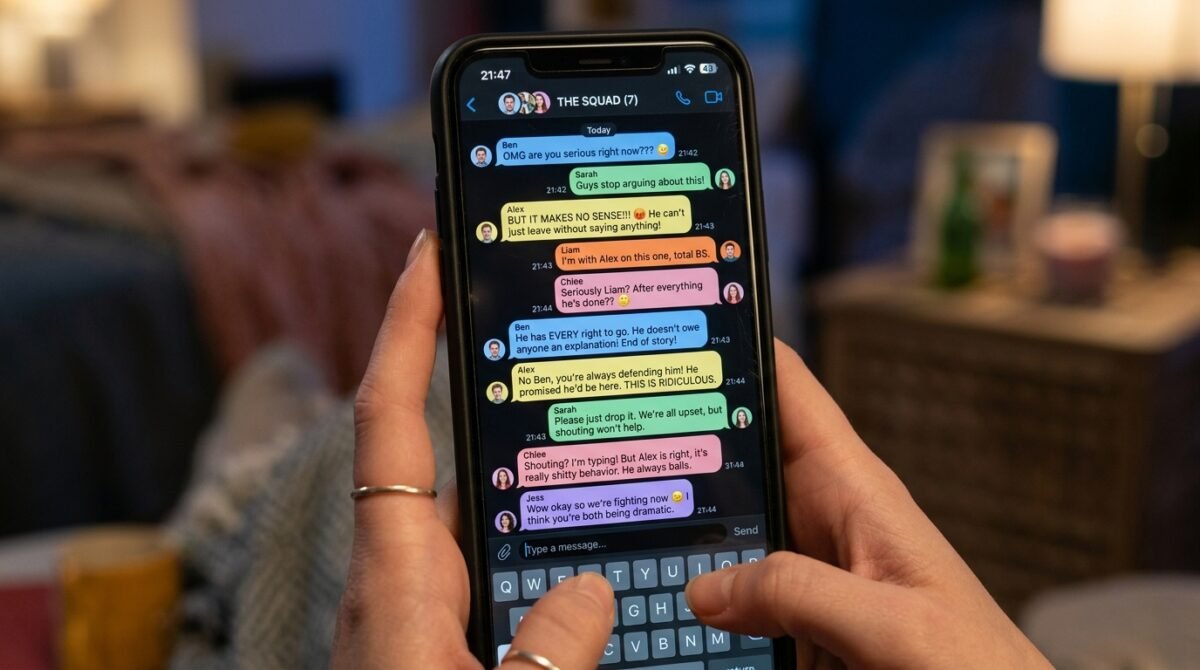
The next morning, the fallout went public. I didn’t mean for it to happen, but I was so hurt that I vented in our private ‘Inner Circle’ group chat, which included a few mutual friends. I didn’t even realize Sarah was still in the chat until she replied. I had posted a simple question: ‘Am I crazy, or is it normal to be asked for gas money to drive someone to their own surprise party?’
The chat exploded almost instantly. People were shocked. Some of our friends were horrified by Sarah’s request, while others were desperately trying to play the middle ground, citing Sarah’s recent ‘financial struggles.’ But the real fire started when Sarah entered the chat, not to apologize, but to double down on her position. She painted me as someone who was ‘holding the party hostage’ to get my way.
“Honestly, I didn’t think this was a big deal. OP decided to plan this, not me. I’m just trying to manage my budget. If she’s going to make a scene about $20, maybe she shouldn’t be my friend. It feels like she’s just trying to make me look bad in front of everyone.”
— Sarah (via Group Chat)
The screen lit up with notifications. Some people left the chat to avoid the drama. Others chimed in with support for me. I felt sick to my stomach. This was the woman I had been through everything with, and she was publicly disparaging me over twenty-two dollars. It was clear that she felt no remorse. In her mind, she was the victim of my ‘generosity’ and my ‘need to control’ the situation.
I realized then that this wasn’t just about gas money. It was about a fundamental difference in our values. I valued reciprocity, thoughtfulness, and gratitude. She valued self-interest, transactionality, and maintaining control. I sat there in the quiet of my kitchen, watching the messages pile up, knowing that this was the end of an era. I closed the app, deleted the thread, and turned my phone off. I needed space to breathe.
The Reddit Trial: Searching for Sanity
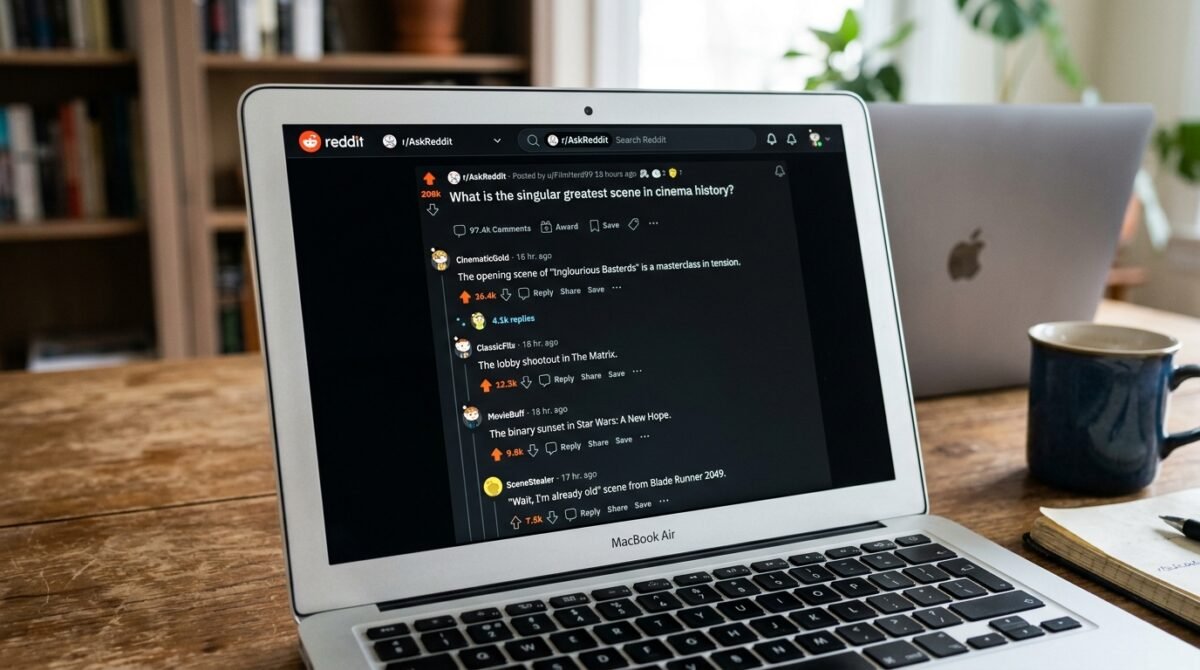
I turned to the internet, not for validation, but for sanity. I posted the story on a popular forum, keeping the details anonymous but the facts clear. I needed to know if I was the one who had lost my mind. The response was immediate and overwhelming. Thousands of people weighed in, and the consensus was not what Sarah would have liked. The thread blew up, with people dissecting every aspect of the situation.
The community was ruthless in their defense of me and their criticism of Sarah. It was validating to see that I wasn’t the only one who found her behavior absurd. People shared their own stories of ‘energy vampires’ and ‘transactional friends’ who drained them dry. The comments section became a space for collective venting about the importance of boundaries and the danger of giving too much to those who don’t appreciate it.
“NTA. This isn’t about gas money; it’s about a complete and utter lack of basic human decency. She didn’t just ask for money; she weaponized the financial aspect of the friendship to maintain power over you. Run, don’t walk, away from this friendship.”
— u/FriendshipLogic (Top Comment, 32.1k upvotes)
Some users even broke down the ‘math’ of the situation, showing that by planning the party, I had effectively saved her hundreds of dollars, making her demand for twenty dollars even more ludicrous. Seeing it laid out in numbers—the value of my time, the cost of the party, the emotional labor—helped me see the situation more clearly. I wasn’t just a friend; I was a resource she had been over-leveraging for years.
Reading the comments allowed me to step back and look at my life. How many other times had I let her slide? How many times had I prioritized her needs at the expense of my own? The Reddit community, in all its chaotic glory, had given me the mirror I needed to see that I wasn’t the problem. I was just someone who had been trying to fill a bucket that had a massive hole in the bottom.
Reflecting on the ‘Financial Struggle’ Defense

As the days passed, I kept thinking about Sarah’s defense. She had mentioned her ‘financial struggle.’ I knew she wasn’t living in luxury, but I also knew she spent money on frivolous things—designer coffee, expensive skincare, and unnecessary gadgets. When she told our mutual friends that she needed the gas money because she was ‘saving for a trip,’ she had actually meant a weekend getaway she was planning with her new boyfriend.
It made me realize that her lack of money wasn’t a crisis; it was a choice of priorities. She chose to value her trip over the integrity of our friendship. She chose to demand money from me because she knew I would be the one to pay it, or at least, the one to hesitate before saying no. It was a calculated move. She knew I was a soft touch, and she had spent years conditioning me to believe that I was lucky to have her friendship.
I started keeping a log—a mental ledger of the times I had been the one to pay, the one to plan, the one to apologize. The list was extensive. It was a history of one-sided effort. I remembered the time I helped her move, bought her pizza, and then she complained that the pepperoni wasn’t to her liking. I remembered the time I covered her rent when she was short, and she never paid me back, simply acting like it was a gift I should have been happy to give.
The ‘gas money’ demand was the final straw, but it was really just the anchor that brought the entire structure of our friendship down. I wasn’t sad anymore. I was relieved. It’s a strange feeling, mourning a friendship while simultaneously feeling a deep sense of liberation. I had been carrying the weight of two people for so long that I hadn’t realized how heavy it was until I finally put it down.
The Confrontation We Never Had
Sarah eventually tried to call me. My phone buzzed on the counter for a solid minute. I watched it, debating whether to answer. What was there to say? If I picked up, she would likely demand an apology for the ‘public shaming’ in the group chat. She would pivot, blame me for her behavior, and try to make me feel guilty for ending the conversation. I decided to send a text instead. It felt more final, more controlled.
“Sarah, I’ve had some time to reflect. I don’t think we have the same understanding of what a friendship is. I’m not interested in arguing about the money, but I am hurt by the entitlement you showed on your birthday. I think it’s best we take some time apart to figure out what we want from each other.”
— My text to Sarah
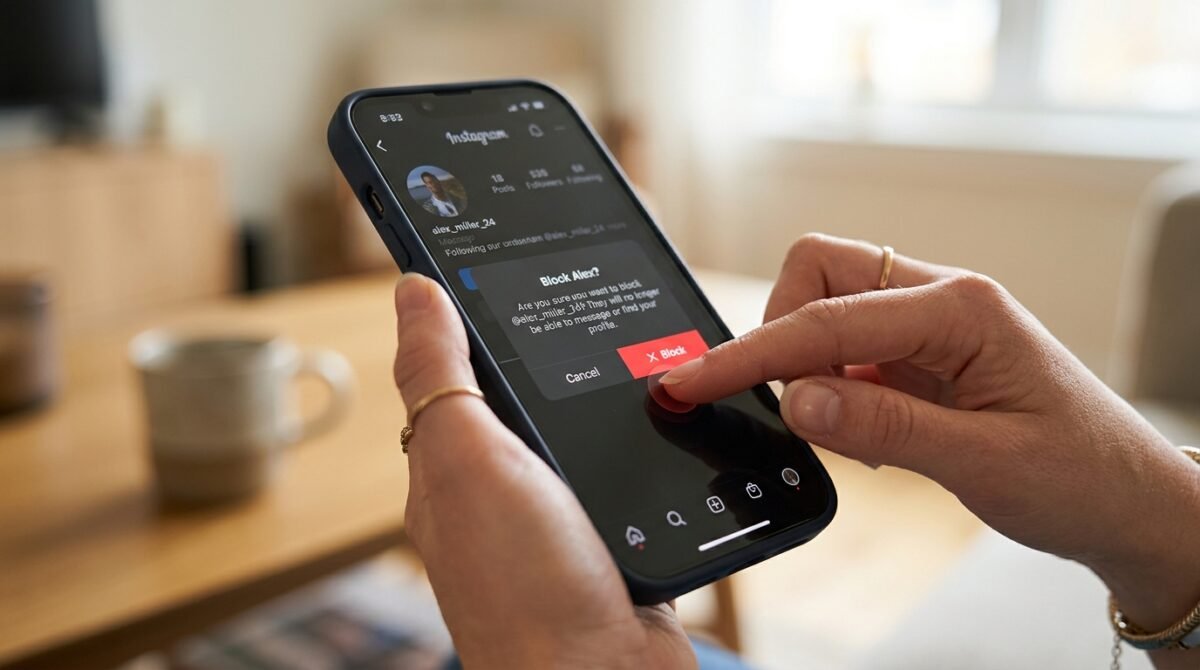
She replied instantly, a wall of text that I didn’t even bother to read in its entirety. I skimmed it: ‘You’re overreacting,’ ‘You’re being dramatic,’ ‘I can’t believe you’re doing this to me.’ The usual tactics of someone who cannot accept accountability. I archived the conversation and blocked her number. It felt like shedding a layer of skin I hadn’t realized was dead.
The silence that followed was peaceful. I didn’t feel the need to check my phone for her messages or worry about whether I had offended her. I spent the next week reconnecting with other friends—people who asked me how I was, who didn’t keep a tally of the miles I drove, and who were genuinely happy to see me without needing a financial incentive. I realized that my life was much brighter when it wasn’t filtered through her lens of disappointment.
I found myself wondering if she truly felt any regret. Maybe she did, in her own way, but it didn’t matter. Her regret couldn’t change the fact that she had treated me like a utility. I had learned a valuable lesson: if someone shows you they don’t value your effort, believe them the first time. Don’t wait for them to prove it again. Save your energy for those who would walk a mile in your shoes, not those who want you to pay for their fuel.
Rebuilding My Boundaries

After the dust settled, I found myself re-evaluating all my relationships. I had spent so long being the ‘giver’ that I hadn’t noticed when others were just ‘takers.’ I started setting small boundaries, saying ‘no’ to invitations that didn’t excite me, and refusing to loan money or provide free labor for people who didn’t reciprocate. It was uncomfortable at first, like exercising a muscle that had atrophied from years of disuse.
I found that people who were truly my friends respected my boundaries. They were happy to pay their own way, to drive themselves, and to pitch in. The takers, however, were quick to drop off, which only confirmed that I had made the right decision. My social circle shrunk, but it also deepened. The quality of my connections improved significantly, and I felt a sense of freedom that I hadn’t experienced since I was a teenager.
I also started focusing on my own goals. The money I would have spent on Sarah’s next crisis, or the time I would have wasted planning her next birthday, was now redirected toward my own interests. I picked up a painting class, started a workout routine, and finally booked that solo trip I had been putting off for years. I was investing in myself, and for the first time in a long time, the returns were immediate and satisfying.
The memory of the twenty-two dollars still surfaces sometimes, usually when I’m filling up my gas tank. I smile, not with bitterness, but with a sense of irony. It was the cheapest lesson I ever bought. It cost me twenty-two dollars and a toxic friendship, but it gave me back my self-respect and my future. I’ve realized that sometimes the most expensive things we pay for are the ones that save us from ourselves.
The Lingering Lessons

Looking back, I realize that Sarah wasn’t a villain; she was just a person who had never been forced to grow up, and I had been the one enabling that lack of maturity. I had played the role of the martyr for so long that it had become my identity in our friendship. Breaking that cycle wasn’t just about her; it was about me and my own need to be needed. I had to learn that being a good friend doesn’t mean being a doormat.
I often wonder what she thinks about the situation now. Does she regret it? Does she think I was the one who was unreasonable? It doesn’t matter. I’ve stopped trying to interpret her reality. Her perspective is her own, and it no longer has any influence over mine. I’ve learned to accept that some people will never understand the value of what they had, and that’s a tragedy for them, not me.
The most important thing I’ve learned is that friendship should be a source of support, not a source of depletion. If you feel like you’re constantly walking on eggshells or keeping a ledger of who owes who, it’s time to take a step back. True friends don’t make you feel small for the things you do for them. They don’t look at you and see a balance sheet; they look at you and see a human being.
I’m finally at peace with the decision. I don’t miss the drama. I don’t miss the obligation. I don’t miss the feeling of being used. I’m moving forward with a clearer understanding of what I deserve. And honestly? I don’t think I’ve ever been happier. I’m finally in the driver’s seat of my own life, and I’m definitely not charging anyone for the ride.
Community Insights: The Experts Weigh In

I reached out to a relationship counselor to discuss the situation, just to get a professional take on the dynamics. She confirmed what many of the Reddit users had suggested: the ‘gas money’ demand was a classic example of boundary-testing. In many toxic relationships, the antagonist will introduce a small, seemingly petty demand to see how much the victim is willing to tolerate. It’s a way to gain power without needing a grand confrontation.
She explained that by asking for such a small amount, Sarah was testing my loyalty. If I paid, it would have signaled that I was still willing to be controlled, even under insulting conditions. By refusing, I had disrupted the power dynamic, which is why she reacted with such hostility. It wasn’t about the money; it was about the loss of control she felt when I finally pushed back against her influence.
“The gas money was a litmus test. She was checking to see if you would still prioritize her needs over your own, even when it made no logical sense. Your refusal was the healthiest thing you could have done for your own emotional autonomy.”
— Dr. Aris, Relationship Counselor
The counselor also pointed out that my need to plan the party—to do everything myself—was a part of the dynamic. I had been over-functioning to compensate for her under-functioning. It was a symbiotic but unhealthy relationship where I got my sense of worth from ‘fixing’ things, and she got her needs met by being the beneficiary. Breaking that cycle required both of us to change, and since she wasn’t willing, the relationship had to end.
It was a tough realization, but a necessary one. I hadn’t just been a victim; I had been a participant in the dysfunction. Learning that helped me move past the anger. I didn’t need to hate her to move on; I just needed to stop playing my part in the script we had been following for so many years. I’m now much more aware of my own patterns and I’m actively working to avoid falling into those same traps in the future.
Conclusion
In the end, my story isn’t really about a party or twenty-two dollars. It’s about the moment I woke up and realized that my kindness had been weaponized against me. The ‘fuel compensation’ demand was the final drop in a bucket that had been filling with resentment for years. It was the moment the mask slipped, and I finally saw the relationship for what it truly was: a transaction that I was losing on every single day.
I chose to walk away, and while it wasn’t easy, it was the best decision I’ve ever made. I’ve reclaimed my time, my energy, and my self-respect. I’ve learned that I don’t need to justify my worth to anyone, and that a true friend would never ask me to pay for the privilege of their company. I’m living my life for me now, and it’s never felt better.
What about you? Have you ever had a friendship that felt more like a business deal than a bond? Have you ever had to draw a hard line that ended a relationship, and how did you feel afterwards? I’d love to hear your experiences in the comments below—let’s discuss the importance of boundaries and how to spot when someone is taking more than they give.
What's your verdict on this dilemma?
Vote below to contribute to the official community consensus.

Have a Dilemma Keeping You Up at Night?
Share your real-life feud, wedding chaos, or relationship crossroads anonymously with our editorial team.
What do you think ?
0 Comments🛡️ Comments are moderated to protect community integrity. Your comment will appear once approved by the editorial team.