
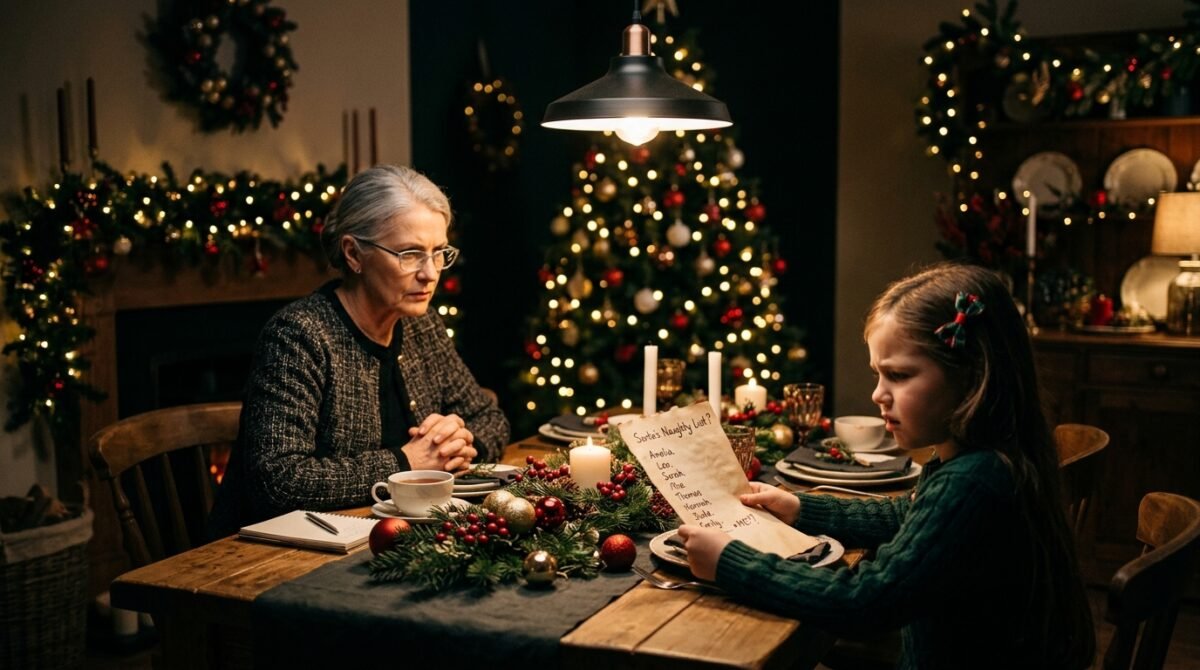
The holidays are supposed to be a time of warmth, tradition, and the gathering of those we hold dear. For years, my family had cultivated a sense of unity, or at least, that was the veneer we presented to the outside world. My daughter, Maya, who we adopted six years ago, has always been the light of our lives. She is kind, brilliant, and possesses a curiosity that makes the world feel like a brand-new discovery every single day. We have navigated the complexities of adoption with grace, ensuring she feels loved and completely integrated into our family tree.
However, beneath the surface of our extended family, there have always been whispers. My Aunt Linda, a woman who prides herself on ‘old-fashioned values’ and a rigid sense of family hierarchy, never quite accepted Maya with the warmth she extended to her biological grandchildren. I always brushed it off as generational stubbornness or a lack of understanding, convincing myself that time would bridge the gap. I was wrong.
This past Christmas was intended to be the year we finally smoothed over the lingering tensions. We arrived at Aunt Linda’s home, our hearts open, carrying gifts and optimism. The house smelled of pine and cinnamon, a nostalgic aroma that usually signals peace. But as the evening progressed, a dark cloud descended upon the festivities. It wasn’t just a slight or a cold shoulder this time; it was a calculated, cruel attempt to differentiate my child from the rest of the family in the most public way possible.
When the time came for gift-giving, I expected the usual exchange of toys and handmade crafts. Instead, Aunt Linda handed my daughter a piece of paper—a list of household chores she expected Maya to perform while the other children played. The silence that fell over the room was deafening. My heart hammered against my ribs, not with the rhythm of celebration, but with the sharp, rhythmic pulse of absolute, unadulterated rage. In that moment, the facade shattered, and I knew exactly what I had to do.
The Pre-Christmas Cold Front
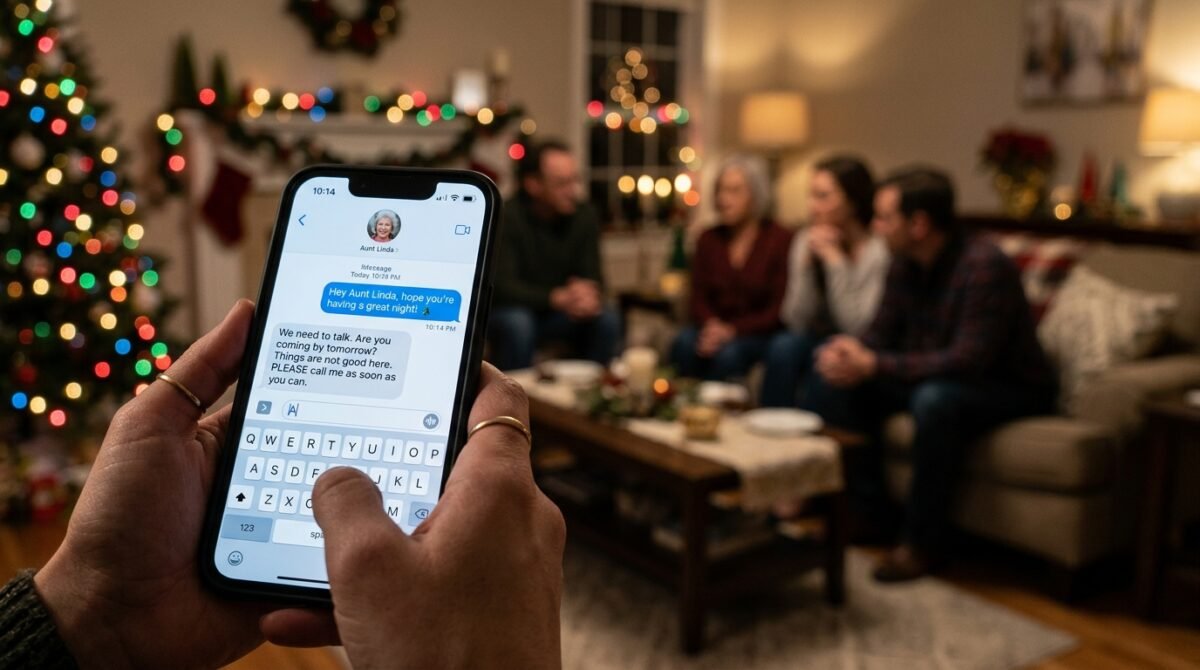
In the weeks leading up to the holiday, the tension was palpable, though I desperately tried to ignore it. Aunt Linda had been sending subtle, almost passive-aggressive messages in the family group chat, questioning our ‘parenting choices’ and suggesting that Maya needed to learn her place. I often felt like I was walking on eggshells, constantly defending my daughter’s right to exist in our family space without needing to earn her keep through servitude.
One afternoon, I received a pointed message from her that I chose to interpret as a harmless inquiry, though in hindsight, it was a warning. She asked if Maya was ‘well-behaved enough’ to handle the ‘expectations’ of an adult gathering. I replied that my daughter was a polite, well-adjusted child, but the ambiguity of her question gnawed at me. I should have seen it coming.
“I just want to ensure the house stays tidy, and the younger cousins don’t get distracted by the excitement. Maya is a bit older, so surely she can help with the cleanup duties while the others play?”
— Aunt Linda, via text message
I responded with a firm but polite refusal. I told her that this was a holiday, and Maya was a guest, not a member of the catering staff. I assumed the matter was settled. My husband agreed, noting that Linda was known for her eccentric, controlling ways, but surely she wouldn’t go as far as to alienate a child during Christmas. We walked into her home that evening with our guard up, but our hearts still hopeful for a peaceful night.
The atmosphere at the dinner table was stiff. The cousins were laughing, their presents already piled high near the fireplace. Maya was sitting quietly, holding her plate, her eyes wide with the excitement of the season. She didn’t know about the undercurrents of resentment that flowed through the adults. She just wanted to be part of the group.
Looking back, I can see the calculating look in Linda’s eyes as she watched Maya. She wasn’t seeing a little girl who deserved joy; she was seeing a target. Every time Maya laughed or reached for a roll, Linda would clear her throat or shift in her seat. It was a performance of disapproval that I was finally beginning to understand. I squeezed my husband’s hand under the table, signaling that we needed to be ready to leave if things went sideways.
The Unfolding of the List
The gift exchange began with the typical chaotic joy of Christmas. Wrapping paper flew, squeals of delight echoed through the living room, and children scrambled to open boxes filled with action figures, dolls, and puzzles. Maya watched, her face illuminated by the glow of the tree, clapping when her cousins revealed their treasures. She waited patiently for her turn, her manners as impeccable as they always were.
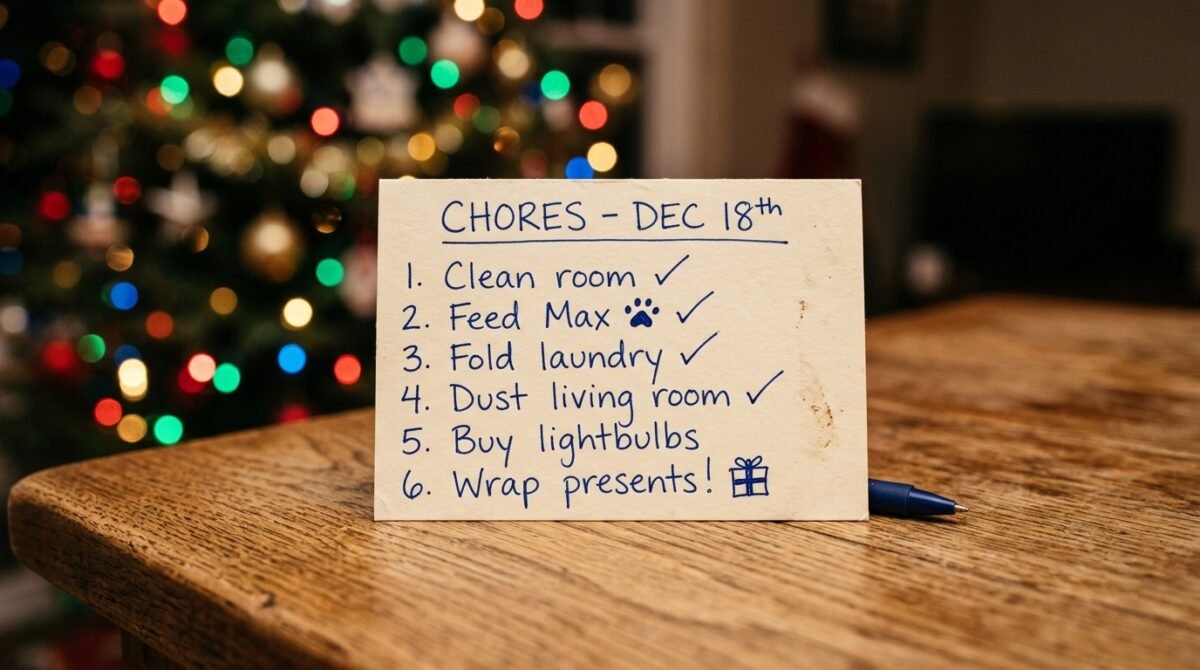
Aunt Linda stood up, smoothing her apron, and walked over to the stack of presents. She picked up a small, folded piece of thick, cream-colored cardstock. It wasn’t a box. It wasn’t wrapped in shiny paper. It was a plain, stark white card. She walked over to Maya, a thin, tight-lipped smile on her face, and held it out with an air of performative kindness that made my skin crawl.
“Maya, dear. Since you’re the oldest of this group, I’ve prepared a special list for you. Everyone else has been working hard all year, so you get the honor of helping me keep the house pristine while they enjoy their new toys. It’s a very important role!”
— Aunt Linda, speaking to my daughter
Maya looked up at her, confused, taking the card. She opened it, and I stood up, my chair scraping harshly against the hardwood floor. I walked over and looked over Maya’s shoulder. The list was itemized in neat, black ink: ‘Clear the table,’ ‘Wash the dishes,’ ‘Vacuum the dining room,’ ‘Sweep the entryway,’ and ‘Sort the trash.’ Below it, in bold letters, it said: ‘No presents until completion.’
The room went silent. The cousins stopped playing, sensing the sudden shift in the air. My husband was at my side in an instant, his face a mask of controlled fury. The injustice of it hit me like a physical blow. This wasn’t just a chore list; it was an exclusionary tactic designed to humiliate my daughter and reinforce her status as an ‘outsider’ in the eyes of the rest of the family.
Maya looked up at me, her eyes welling with tears. She didn’t understand why she had been singled out. She didn’t understand why she had to labor while her cousins were gifted with toys. I took the card from her hand, crumpled it into a ball, and threw it onto the table, right in front of Aunt Linda’s untouched glass of wine.
The Confrontation in the Dining Room

The silence was broken only by the sound of my ragged breathing. I could feel the eyes of every family member on us. Some looked embarrassed, others looked down at their plates, and Aunt Linda simply stood there, her hands clasped in front of her, looking unbothered. She looked at me with a mixture of pity and smug superiority, as if I were the one making a scene, rather than her, who had just weaponized holiday generosity.
“You think this is appropriate? You think that because she is adopted, she is some kind of second-class citizen who exists here only to serve your needs while your biological grandchildren get to play? You have lost your mind, Linda.”
— My response to Aunt Linda
Aunt Linda let out a short, dismissive laugh. She insisted that she was ‘teaching Maya responsibility’ and that in her house, ‘everyone pulls their weight.’ She argued that my reaction was hysterical and that I was ‘over-sensitive’ about the adoption issue. The audacity of her gaslighting was breathtaking. She wasn’t just being a bad host; she was actively trying to rewrite the narrative in front of our entire family.
My husband didn’t say a word to her. He simply picked up our coats and grabbed Maya’s hand. He looked at the room, then at Linda, and said, ‘We’re leaving. And don’t expect us to call.’ The air was thick with the weight of the moment. We walked toward the door, ignoring the protests from my grandmother, who tried to intervene with a weak, ‘Now, let’s all calm down, it’s just a joke.’
It wasn’t a joke. It was a power play, and it was the last one she would ever get to make. We stepped out into the cold night air, the transition from the stifling, heated room to the crisp winter silence feeling like an exhale. Maya was shaking, and I pulled her into a hug, feeling the tears start to fall down my own cheeks. We got into the car, and for the first time in my life, I felt the relief of absolute, cold detachment.
As we drove away, the phone started buzzing incessantly. The group chat was exploding. My cousin, who had been there, was messaging us, telling us we were overreacting and that we had ‘ruined the Christmas vibe.’ I didn’t care. I silenced the notifications and turned off the phone. We were done.
The Fallout in the Family Group Chat
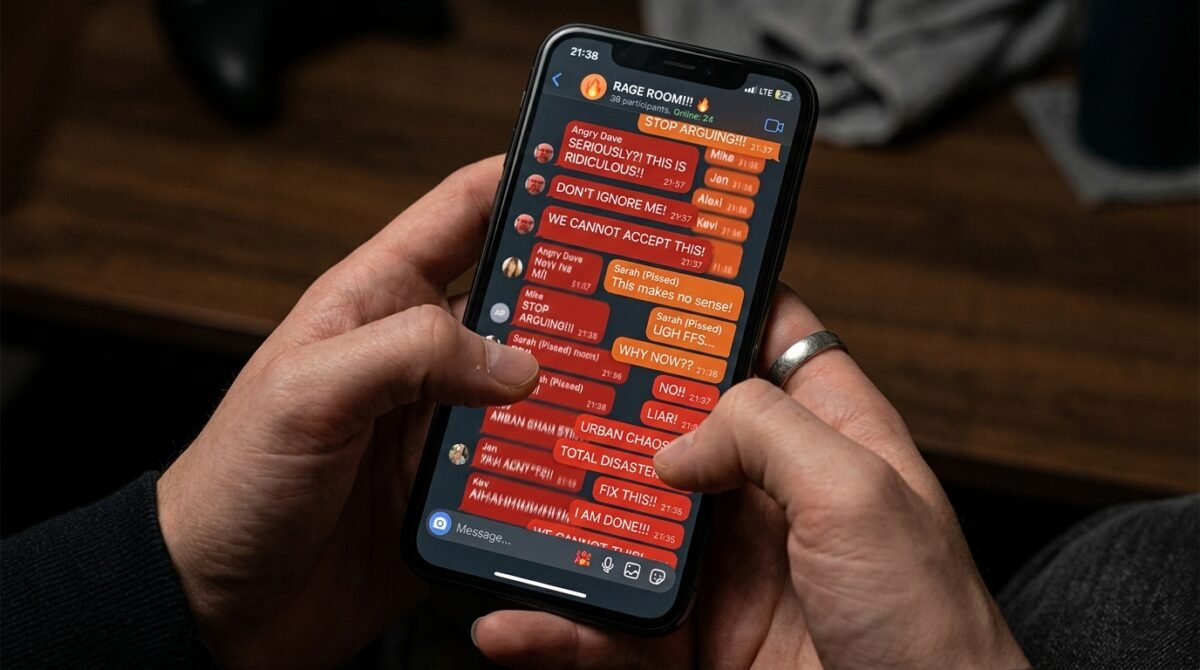
When we finally checked our messages the next morning, the fallout was exactly what we had expected. The family group chat was a battlefield. Some members were siding with Aunt Linda, claiming that her ‘old school’ ways were misunderstood, while others were shocked by the sheer callousness of her actions. It was a microcosm of the toxicity that had been festering for years.
“You guys really embarrassed yourselves last night. Aunt Linda was just trying to keep the kids busy. You didn’t have to cause such a scene. You’ve hurt the family, and you owe her an apology for the disrespect.”
— Cousin Sarah, in the family group chat
I felt a cold rage settle into my bones. I typed out a response, my fingers steady as I laid it all out. I didn’t hold back. I explained exactly why the list was wrong, how it targeted an innocent child, and that I would not tolerate that kind of treatment for Maya. I also made it clear that any further contact with Aunt Linda would be contingent on a sincere apology—which we all knew was never coming.
The responses were a mix of defensive excuses and total denial. They wanted me to be the ‘bigger person,’ which is just code for ‘accept the abuse so we don’t have to be uncomfortable.’ I realized then that my family’s desire for peace was actually a tool for silencing anyone who stood up for themselves. They prioritized the status quo over the well-being of a child.
I took screenshots of everything. I wanted proof that when this eventually became a ‘he-said-she-said’ situation, I had the receipts. My husband and I decided to go ‘no-contact’ with Linda immediately, and ‘low-contact’ with anyone who continued to justify her behavior. It was a lonely path, but it felt right. We were building our own family traditions now, ones that didn’t involve feeling like we were on probation.
By the second day, the group chat had reached a fever pitch. There were accusations of ‘stealing the joy’ of Christmas and ‘brainwashing’ our daughter. It was absurd. It was like living in a reality where the perpetrator was the victim. I finally muted the chat, blocked the most toxic participants, and put my phone on ‘Do Not Disturb’ for the rest of the week.
The Reddit Community Weighs In

I decided to share the story on Reddit, needing a reality check. I felt like I was going crazy, but I also knew deep down that I had done the right thing. I posted in a popular relationship advice sub, detailing the events of the evening. The response was immediate and overwhelming. Thousands of people reached out, sharing their own stories and validating our decision to leave.
“NTA. The fact that she made a chore list for an adopted child while the biological grandchildren got toys isn’t ‘old fashioned’—it’s discriminatory bullying. You protected your daughter from emotional abuse. You’re a hero, not a troublemaker.”
— u/FamilyFirstWarrior (Top Comment, 28.5k upvotes)
Reading the comments felt like a weight being lifted. It wasn’t just my opinion; it was a universal consensus that what Aunt Linda did was egregious. People pointed out the legal and psychological implications of her behavior, suggesting that her desire to mark Maya as ‘other’ was a red flag that we had likely been ignoring for too long. It gave me the strength to stay firm in my boundaries.
There were a few comments that suggested I should have handled it differently, arguing that I could have ‘killed her with kindness’ or ‘taken the high road.’ I ignored them. The high road is often just a path for people who want you to remain a doormat. Maya didn’t need me to be polite to her abuser; she needed me to be her shield. And that’s exactly what I was.
The community also provided advice on how to handle the inevitable questions from the rest of the family. They suggested keeping it simple: ‘We left because we were treated with disrespect, and we aren’t discussing it further.’ It was empowering to see so many people who had gone through similar experiences and come out stronger on the other side. I wasn’t alone, and I wasn’t crazy.
I kept the thread open for a few days, reading every comment. It helped me process the anger and turn it into resolve. I saw how many people struggle with toxic family members who feel entitled to their time and energy. It was a reminder that setting boundaries is not an act of aggression; it’s an act of self-preservation and a necessity for a healthy family dynamic.
Maya’s Perspective: A Healing Process
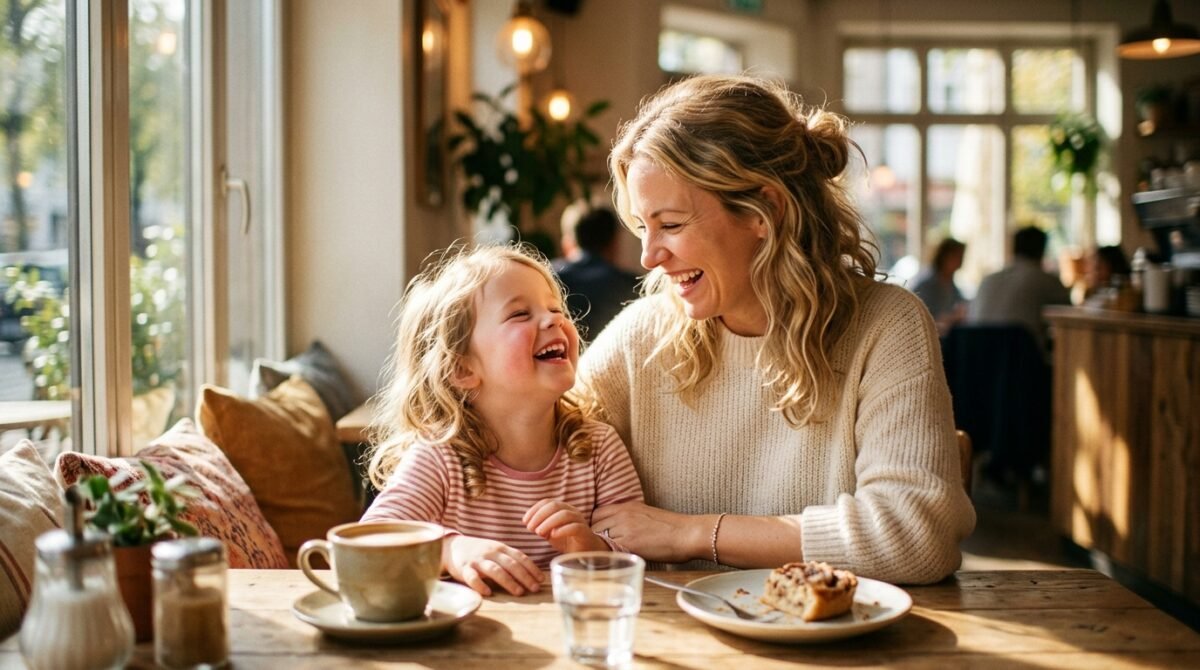
The hardest part of all of this was talking to Maya. She was still young, but she was sharp, and she knew something had happened that wasn’t right. We sat down with her the day after, away from the chaos, and explained that she hadn’t done anything wrong. We told her that Aunt Linda was not being kind, and that because we love her, we would never allow anyone to treat her like she wasn’t a valued member of our family.
She cried, but it was a release of the tension she had been feeling. She told us she didn’t like Aunt Linda anyway because she always made her feel like she was ‘watching’ her, waiting for a mistake. Hearing that broke my heart, but it also confirmed everything I had suspected. Children are incredibly perceptive; she knew the animosity was there long before I was willing to admit it to myself.
We decided to do something special just for her—a ‘redo’ Christmas. We went to her favorite cafe, bought her a small gift she had been wanting, and spent the entire day focused solely on her happiness. It was a way to overwrite the memory of that terrible evening with something positive. It was important to us that she didn’t associate the holidays with resentment and exclusion.
She started to open up more about her feelings, expressing things she hadn’t been able to say before. It was a healing process for all of us. We were bonding in a way we hadn’t in a long time. The drama with the family had, in a strange way, brought us even closer. We were a team, and we knew we could handle anything as long as we were together.
I also started looking into child-focused counseling to help her navigate the complexities of her identity, especially in light of the way certain family members were treating her. I wanted her to have the tools to define her own worth, independent of the opinions of people like Aunt Linda. She was resilient, but she deserved to have a support system that prioritized her mental and emotional health.
The Aftermath: A New Normal
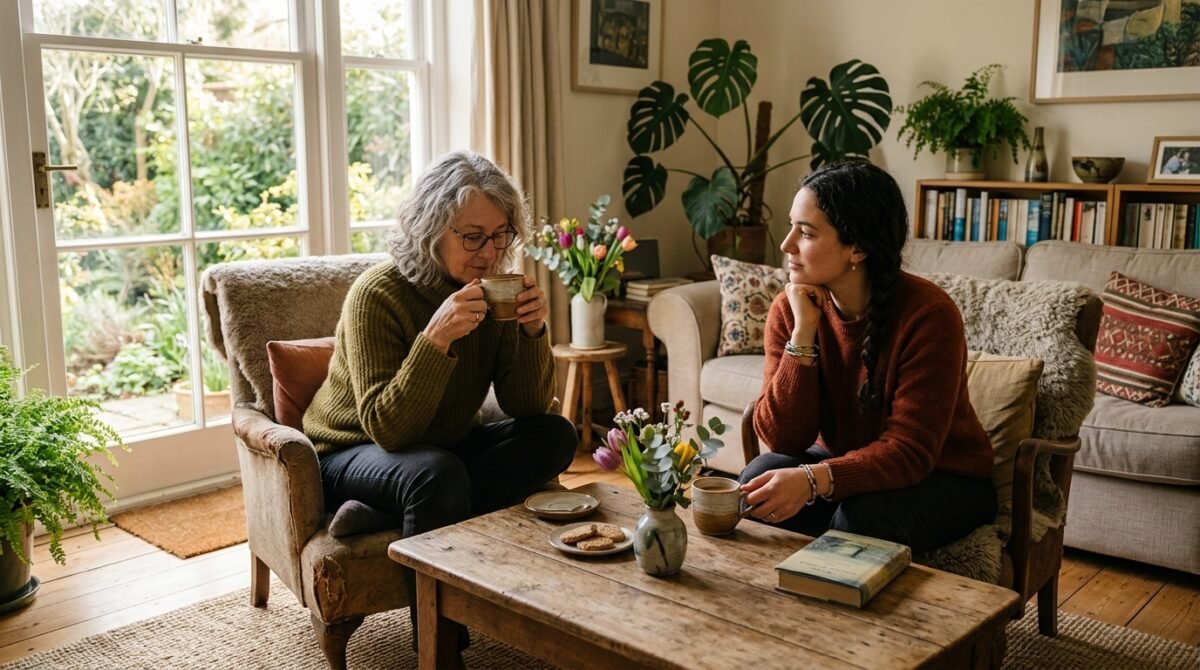
A few weeks later, my grandmother reached out to me. She was the only one who hadn’t taken a side, though she had been silent during the argument. She invited me over for coffee, promising it would just be the two of us. I hesitated, but I decided to go. I needed to see if there was any chance for understanding, or if I needed to cut ties with that side of the family as well.
She admitted that she had been uncomfortable with the list but was too afraid of Linda to speak up. It was a sad admission. It highlighted the power dynamic that Linda had held over the family for decades. I realized then that I wasn’t just fighting for Maya; I was breaking a cycle of fear that had paralyzed the rest of the family for a long time. I told my grandmother that I didn’t blame her, but that I could no longer participate in gatherings where this kind of behavior was allowed.
“You’re doing what I never had the strength to do. I’ve spent my life apologizing for Linda’s sharp tongue and her rigid rules. You’re teaching me that I didn’t have to put up with it. It’s hard to watch, but it’s the right thing to do.”
— My Grandmother, during our coffee date
It was a poignant realization. I was the ‘problem’ in the family because I refused to stay silent. But that label was a badge of honor. I wasn’t causing the problem; I was the one who was brave enough to point it out. My grandmother and I reached an understanding: she would respect my boundaries, and she would not pressure me to reconcile with Linda.
We have since established a new ‘normal.’ We spend our holidays with close friends who treat Maya like the precious gift she is. We have created our own traditions, ones that are centered on love, respect, and mutual joy. It’s a quiet life, but it’s a happy one. The absence of the family drama has been a blessing I didn’t know I needed until I had it.
Occasionally, I get a message from someone in the family asking if we’re ‘over it yet,’ to which I simply reply that we are doing well and happy with our current arrangements. They don’t understand, and that’s okay. They don’t need to. Our lives are our own, and we are no longer asking for permission to be happy.
The Legal and Psychological Realities
As I reflected on the events, I consulted with a friend who is a family therapist. We discussed the psychological impact of what Aunt Linda did. She explained that by singling out an adopted child for chores while the others played, Linda was engaging in a form of ‘othering’ that can have lasting effects on a child’s sense of belonging. It wasn’t just a mean gesture; it was a psychological attack on Maya’s identity.
She emphasized the importance of my reaction. By immediately stepping in and removing Maya from the environment, I signaled to my daughter that her worth was not defined by the tasks she performed or the expectations of someone else. I protected her from internalizing the message that she was less valuable because she was adopted. It was, in professional terms, the ‘gold standard’ of protective parenting.
We also touched upon the legal ramifications if this were to escalate. While there is no law against being a terrible aunt, there are protective measures for children when it comes to harassment. If Linda were to continue her campaign of alienation or if she were to attempt to influence other family members to bully Maya, we would have grounds for further legal boundaries. It was a sobering thought, but it made me feel more secure in our position.
The therapist also helped me understand my own reactions. I had been carrying a lot of guilt about ‘ruining’ the holiday. I needed to shift that focus. I didn’t ruin the holiday; Linda did. My actions were a direct consequence of her choices. I was not the architect of the chaos; I was the one who finally decided to stop participating in it.
I’ve since started journaling about the experience, using it as a way to process the residual anger. It’s been a powerful tool. I’m learning to let go of the need for them to understand, the need for them to apologize, and the need for them to change. The only thing I can control is how we protect our peace. And that is what I am focusing on now.
Why I Don’t Need an Apology

For a long time, I thought that if I could just get Linda to apologize—to really see what she had done and admit it—that I could move on. I waited for that letter, that phone call, that sign of remorse. But as the months passed, I realized that I was waiting for something that was fundamentally impossible. Linda didn’t believe she did anything wrong. To her, she was the victim of an ungrateful niece.
Waiting for an apology is a form of hostage-taking. It gives the other person power over your healing. They have to decide to give you what you need, and as long as they don’t, you remain stuck in the past. I’ve decided to reclaim my power. I don’t need her to apologize to know that I am right. I don’t need her to see my side to know that I am a good parent.
The act of moving on without an apology is the most liberating thing I have ever done. It means I accept them for exactly who they are—toxic, rigid, and incapable of growth—and I choose to exclude them from my life. It’s not a compromise; it’s a conclusion. I’ve stopped looking for the ‘why’ and started focusing on the ‘now.’ And the ‘now’ is much brighter without them.
Maya is thriving. She’s focused on her schoolwork, her hobbies, and her friends. She doesn’t ask about Linda anymore. She doesn’t wonder why she wasn’t invited to the next family gathering. She has found her own tribe, and she knows that she is safe and loved. That is the only victory I ever needed.
I hope that by sharing this story, I can encourage others to stop waiting for apologies from people who are incapable of giving them. You don’t need permission to cut out the toxic parts of your life. You have the right to set your own terms, to define your own family, and to walk away from any situation that makes you or your children feel less than what they are.
Final Reflections on Family Dynamics

Reflecting on this experience, I realize that the term ‘family’ is often used to hold people hostage. We are told that we have to endure things from family that we would never tolerate from a stranger. But why? Why does a blood connection give someone the right to hurt you? I’ve come to believe that family is something you earn, not something you are simply born into.
The people who stood by us through this—the friends, the Redditors, the supportive family members—are my true family. They are the ones who reached out, who validated our feelings, and who helped us see that our boundaries were not only reasonable but necessary. They are the ones I choose to invest my energy into. The others are just biological relatives, and that connection is not enough to sustain a relationship.
I’ve also learned that setting boundaries is a muscle. It’s painful to use at first, and it’s uncomfortable for everyone involved. But the more you use it, the stronger it gets. You start to see the triggers, the manipulations, and the power plays long before they manifest into something bigger. You stop being a spectator in your own life and start being the director.
My advice to anyone facing a similar situation is to trust your gut. If a situation feels wrong, it is. If you feel like you are being treated unfairly, you are. Don’t let anyone convince you that you are overreacting, especially when it comes to the safety and well-being of your children. You are their protector, and that is the most important role you will ever have.
We are looking forward to this next year with hope and excitement. We are planning a vacation, a real one, where we don’t have to worry about who we are going to offend or whose expectations we need to meet. We are going to make memories that are purely ours, and I can’t wait to see the look on Maya’s face when she experiences something new, knowing that she is perfectly, completely, and unconditionally loved.
Conclusion
The journey from that Christmas dinner to where I am now has been filled with emotional ups and downs, but it has ultimately led to a place of peace and clarity. By refusing to let the toxic patterns of my extended family dictate our lives, I have protected my daughter and strengthened our bond. It is a reminder that family should be a source of support, not a source of pain.
We all have the right to curate the people we allow into our lives. We have the power to define what love and respect look like in our households. It is not an easy road to walk, and it certainly comes with its share of heartbreak, but it is a road that leads to a more authentic and fulfilling existence. I stand by every decision we made that night, and I would do it again in a heartbeat.
To those who are currently navigating similar dilemmas: you are not alone. There is a whole community of people who have been exactly where you are, and who have found the strength to prioritize their own well-being. Trust your instincts, hold your boundaries firm, and never apologize for protecting the people you love. What do you think about the choices we made? Would you have done anything differently, or do you have your own experience with toxic family dynamics to share? Let’s discuss in the comments.
What's your verdict on this dilemma?
Vote below to contribute to the official community consensus.

Have a Dilemma Keeping You Up at Night?
Share your real-life feud, wedding chaos, or relationship crossroads anonymously with our editorial team.
What do you think ?
0 Comments🛡️ Comments are moderated to protect community integrity. Your comment will appear once approved by the editorial team.