
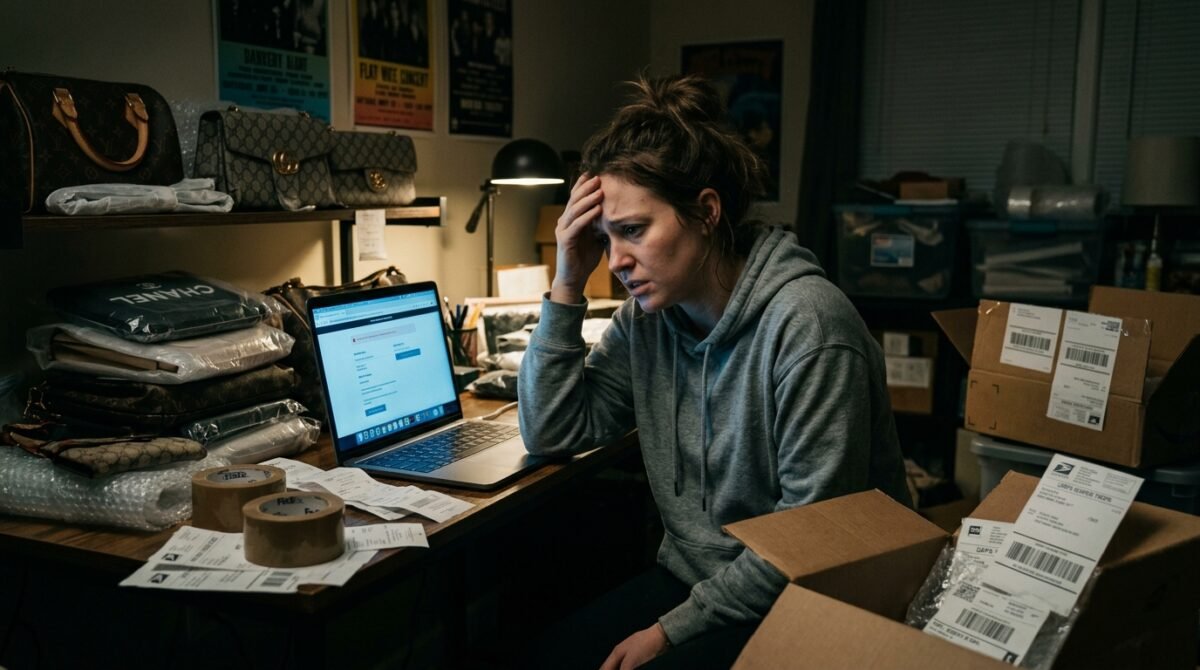
Friendship is often described as a sacred bond, one built on trust, shared secrets, and the promise that you will always have each other’s backs when the world gets tough. For Sarah and I, that bond spanned over fifteen years. We navigated college debt, heartbreak, and career pivots together, always operating under a silent pact of mutual protection. However, that pact was shattered the moment she decided that ‘being a good friend’ meant being an accomplice to a massive, illegal operation.
It started innocently enough. Sarah claimed she was launching an online boutique, sourcing ‘vintage luxury’ from private auctions. She needed someone to help with order fulfillment, packaging, and the occasional administrative task. I thought I was helping a struggling entrepreneur find her footing. I didn’t know that the ‘vintage’ bags were actually mass-produced knockoffs being shipped from overseas and relabeled as authentic, sold at thousands of dollars per unit to unsuspecting customers.
The moral dilemma arrived in the form of a knock at the door—not from the police, but from an angry customer who realized their ‘limited edition’ bag had a serial number that didn’t exist. When the pressure mounted and Sarah began pressuring me to fabricate supply chain receipts to ‘fix’ the audit trail, I realized the depth of the deception. My choice was simple but devastating: remain a silent partner in a felony, or burn the bridge to save myself.
This is the story of how a fifteen-year friendship imploded, the calculated betrayal that led me to the authorities, and the aftermath of choosing integrity over loyalty. It is a cautionary tale about what happens when ‘ride or die’ loyalty is weaponized to hide cold, hard greed.
The So-Called Luxury Pivot
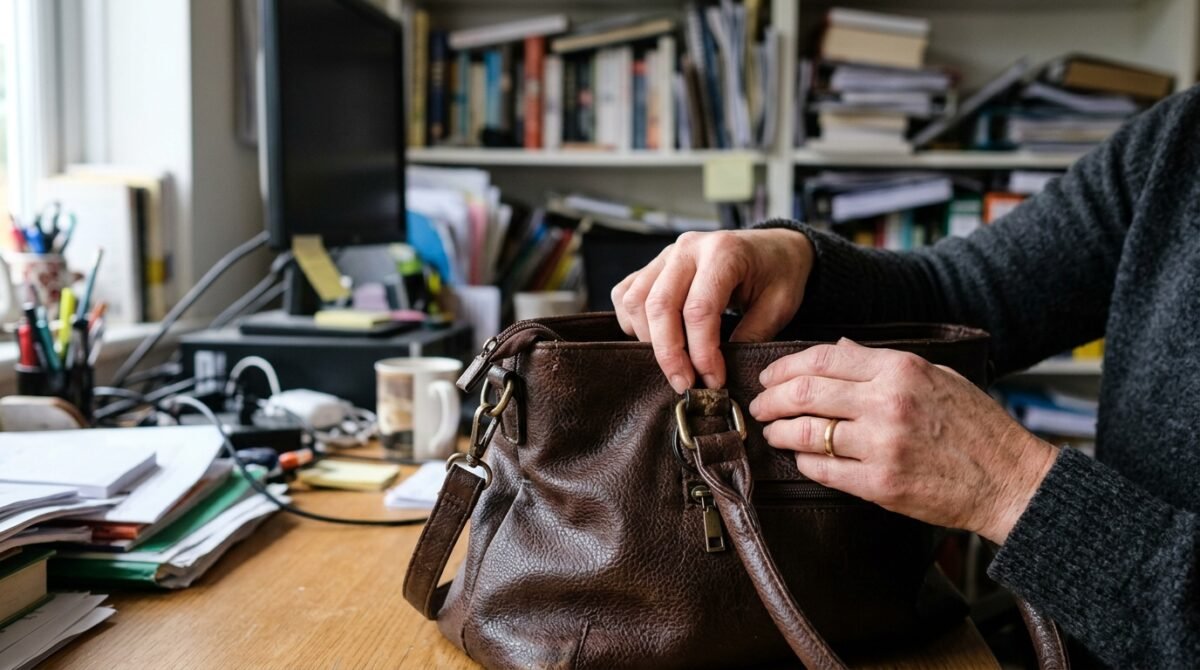
Sarah had always been obsessed with status, but I chalked it up to a harmless aesthetic preference. When she announced she was pivoting into high-end fashion resale, I was actually proud of her. She claimed to have found a contact in Milan who dealt with ‘overstock’ and ‘private liquidation’ items. I spent my weekends in her living room, carefully folding tissue paper and placing dust bags into boxes, genuinely believing we were building something special.
The reality, however, was much darker. As I handled the inventory, I noticed inconsistencies. The stitching on a supposedly ten-thousand-dollar bag looked frayed. The smell of the leather was synthetic, not organic. When I brought this up, Sarah laughed it off, calling me paranoid and ‘unrefined.’ She told me that luxury brands often have quality control issues. I wanted to believe her because, after all, why would my best friend lie to me?
As the business grew, so did the demands. She stopped asking me to help and started giving me directives. She needed me to manage the ‘customer service’ side, which mostly involved crafting elaborate lies about why a package was delayed or why a customer’s authentication app rejected the item. The emotional weight of these deceptions began to gnaw at me. I was essentially the front-facing mask for a criminal enterprise I barely understood.
“You just need to tell them it’s a vintage batch issue. If you start questioning the authenticity now, you’re basically telling our customers that I’m a fraud. Is that what you want? To ruin my life?”
— Sarah during our first major argument
I felt a cold shiver run down my spine every time I had to hit ‘send’ on those emails. I started keeping a private log of my own, not because I intended to betray her, but because I felt like I was losing my grip on reality. I was documenting the ‘wholesale’ invoices, which were clearly just printouts from a dubious international website. I was the one printing the shipping labels, and I was the one watching the money roll into her private accounts, untaxed and unaccounted for.
The Six AM Doorbell Disaster
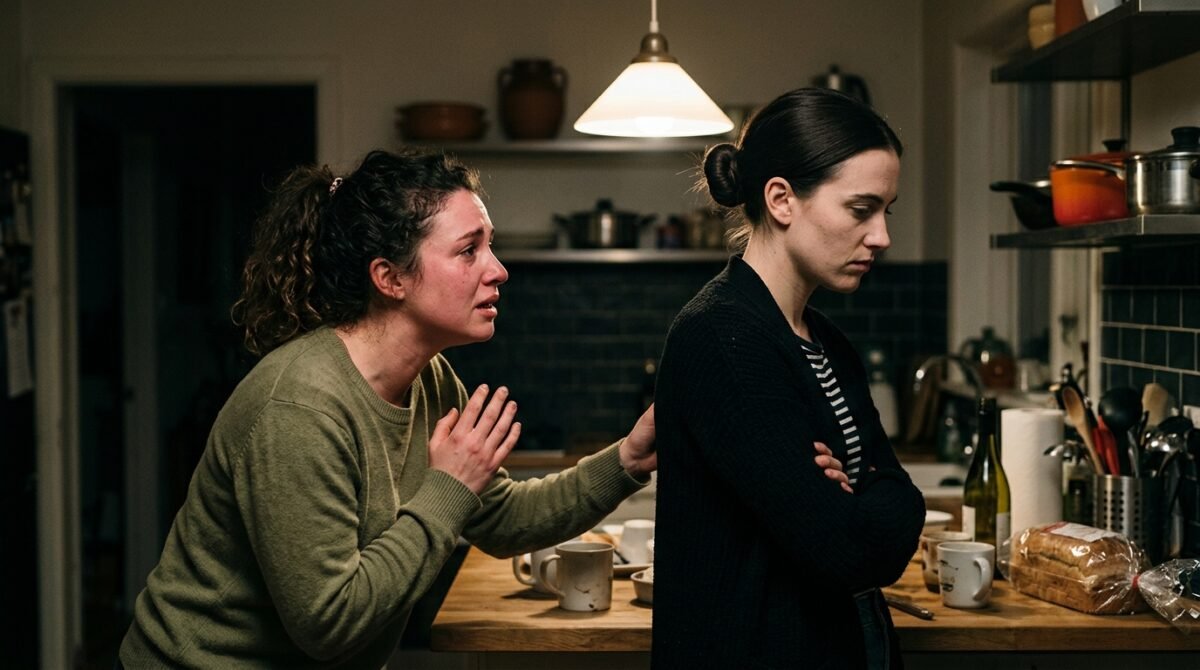
The tipping point came on a Tuesday morning in November. I was woken up by a frantic pounding on my door. It was Sarah, looking disheveled and terrified. She burst into my kitchen without being invited and immediately started pacing. She told me that a high-profile influencer had taken one of her bags to a professional appraiser and was now threatening legal action and a social media smear campaign.
She didn’t ask me for help; she demanded it. She handed me a stack of blank letterheads and told me to draft a ‘formal response’ from the supplier in Italy, complete with forged certifications. I stared at the papers, the ink still fresh, and felt a profound sense of clarity. She wasn’t asking for a favor anymore; she was asking me to participate in an active, documented fraud scheme that could land us both in a federal prison.
I told her I couldn’t do it. The silence that followed was deafening. She looked at me not as a friend, but as a liability. She started listing all the ‘secrets’ she knew about me, thinly veiled threats designed to keep me in line. She thought that by digging up my past, she could control my future. She didn’t realize that I had already reached a point where I valued my own freedom over her approval.
“Do you have any idea how much money I’ve made this year? You’re acting like this is a big deal. It’s just a bag, and it’s just a letter. If you walk away now, I’ll tell everyone you were the one sourcing the knockoffs. I have the emails to prove you were the one shipping them.”
— Sarah’s ultimatum
I realized then that she had been setting me up as the fall guy for months. Every shipping label, every email, every digital paper trail was traced back to my IP address and my accounts. She had been protecting herself with the surgical precision of a criminal, and I had been the unwitting puppet. I didn’t argue. I didn’t cry. I simply told her to leave, and the moment the door clicked shut, I started preparing my defense.
The Digital Paper Trail
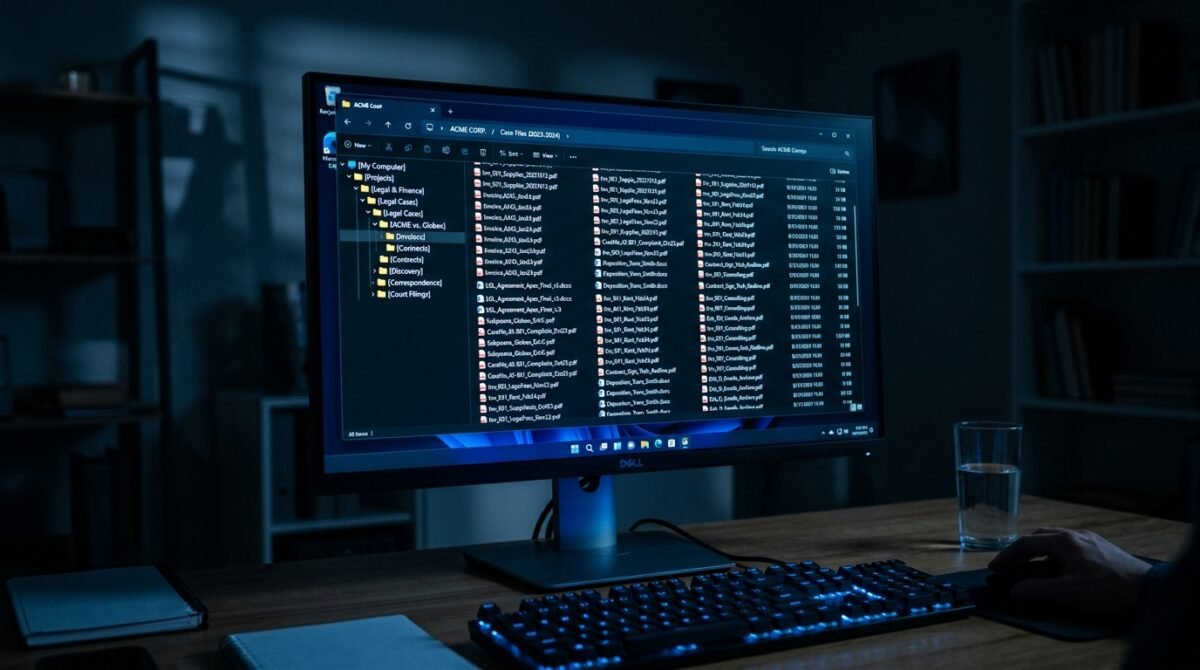
The next forty-eight hours were a blur of cold, calculated survival. I spent the entire time cataloging everything. I went through years of text messages, downloaded every invoice, and exported the logs from our shared business account. It wasn’t just a handful of bags; it was a logistics network. She had been ordering in bulk from overseas and paying through anonymous crypto-wallets, then laundering the profit through a series of shell companies.
I felt a strange sense of detachment as I organized the evidence. It was like looking at a stranger’s life. I found folders on her shared drive that I had never seen before—lists of customers, their addresses, and the specific lies told to each one. The sheer scale of the deception was sickening. I hadn’t just been helping a friend; I had been a cog in a machine that preyed on thousands of people.
I realized that if I didn’t go to the authorities, the fallout would eventually catch up to me regardless. If I stayed silent, I was an accomplice. If I spoke up, I was a whistleblower. The legal advice I sought online was clear: cooperate early, provide the documentation, and clearly distinguish my actions from the mastermind’s intent. I compiled it all into a single, encrypted drive.
“Hey, I’m sorry about this morning. I was just stressed. Can you still write that letter for the influencer? I’ll pay you an extra $5,000 for your trouble. Just get it done by tonight.”
— Text message from Sarah, sent at 2:00 PM
That text was the final nail in the coffin. It was a clear attempt to solicit further fraud. I didn’t reply. I simply added the screenshot to the folder. My decision was solidified. I wasn’t just defending myself anymore; I was ending a cycle of exploitation. I packed a small bag, made sure my own finances were secure, and prepared to head to the local precinct.
Walking Into the Precinct
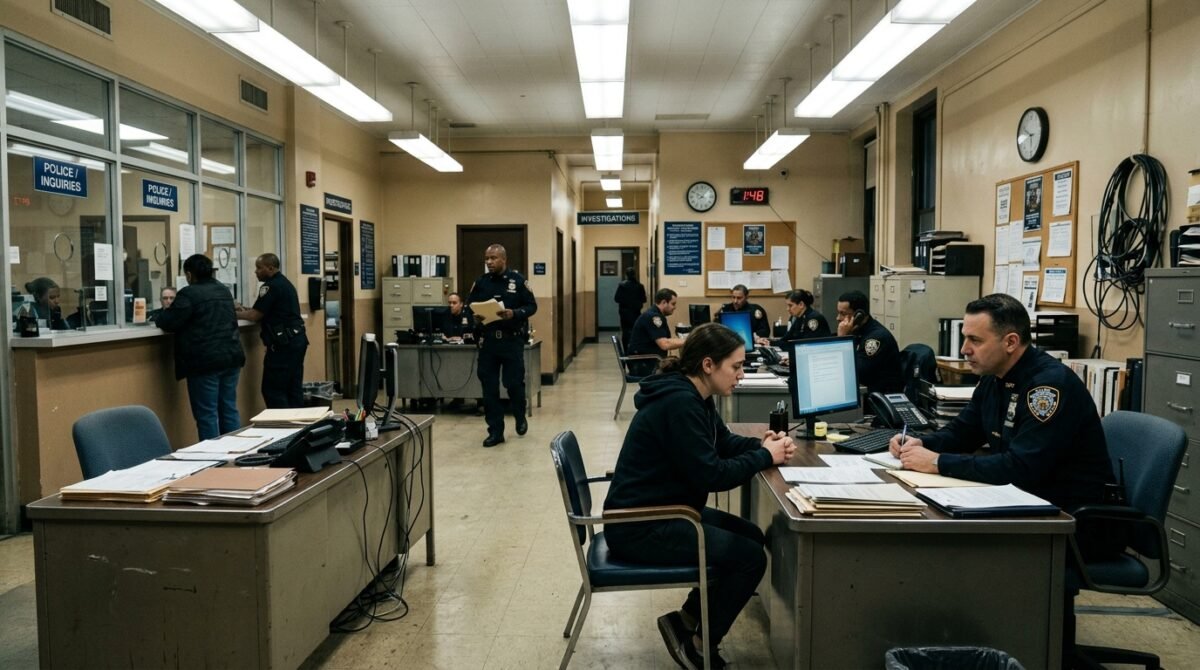
Walking into the precinct was one of the most terrifying experiences of my life. My heart was pounding so hard I thought it would burst out of my chest. I had spent fifteen years being Sarah’s ‘person,’ the one who kept her secrets and smoothed over her messes. Walking through those glass doors felt like I was shedding a skin I had outgrown, but it was incredibly painful nonetheless.
The detective I spoke with was professional, calm, and surprisingly thorough. I didn’t lead with ‘my friend is a criminal.’ I led with, ‘I have evidence of a multi-state fraudulent enterprise that I have inadvertently been involved in.’ I handed over the drive. As he scrolled through the receipts, the addresses, and the fake certifications, his expression shifted from boredom to intense focus. He knew exactly what he was looking at.
He told me that my cooperation would be essential. He explained the concept of immunity for whistleblowers and warned me that the process would be long and invasive. My life was going to be an open book for the next several months. I would be questioned, my devices would be seized, and I would have to testify. But as I walked out of that station, I felt a lightness I hadn’t experienced in years.
“We need to be very clear. This isn’t a game. Once you hand over this evidence, there is no turning back. Your friend is going to know exactly who gave us the information. Are you prepared for the consequences of that?”
— Detective Miller during my initial statement
I told him I was. The consequences of my action were a known variable, but the consequences of inaction were a bottomless pit. I had made my peace with the fact that Sarah would hate me. In fact, her hatred was the confirmation I needed that I had done the right thing. If I had done something wrong, she would have laughed it off. By turning her in, I had taken the only power she truly valued: her ability to deceive.
The Fallout Begins
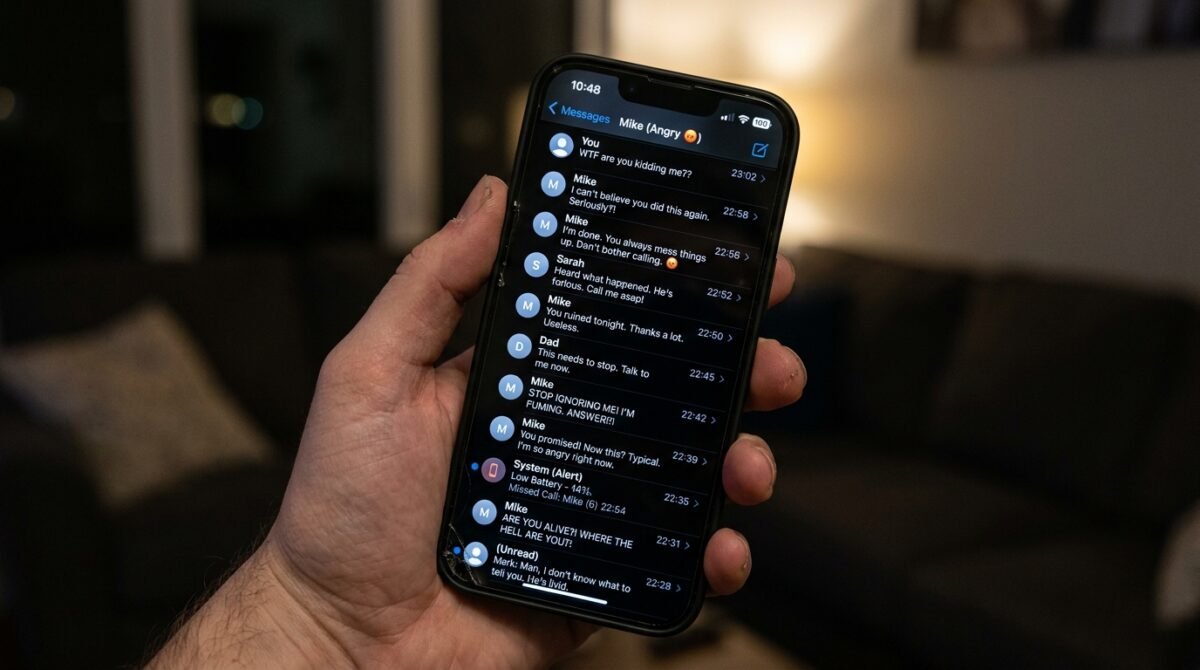
The storm broke exactly three days later. I was sitting in my living room, trying to reclaim some semblance of normalcy, when my phone started vibrating incessantly. It wasn’t just Sarah; it was her mother, her brother, and a handful of mutual friends. They were all in a panic, and the tone of their messages shifted from confusion to absolute rage as the police raid on her ’boutique’ warehouse became public knowledge.
Sarah had been arrested, and the news had spread through our social circle like wildfire. Everyone wanted to know what happened, and more importantly, everyone wanted to know if I was involved. I had been instructed by my lawyer to remain silent. I didn’t post on social media, I didn’t answer calls, and I didn’t engage in the rumor mill. It was the hardest thing I’ve ever had to do.
I watched from the sidelines as the truth emerged. The news outlets were calling it a ‘massive counterfeit ring,’ and the dollar amounts they were throwing around were staggering—hundreds of thousands of dollars in illicit sales. The betrayal from my inner circle was almost as bad as the betrayal from Sarah. People I thought were friends began sending me vitriolic messages, accusing me of being a ‘snitch’ who betrayed someone who ‘treated me like a sister.’
“How could you do this to her? She trusted you with everything! You were the one helping her pack the boxes! You’re just as guilty as she is, and you’re a coward for trying to save your own skin at her expense.”
— Message from a mutual friend, 11:45 PM
Reading those words hurt, but they also clarified everything. These weren’t people who cared about the truth or the victims of the scam; they were people who cared about social standing and the comfort of their own illusions. They were mad that I had disrupted the status quo. I realized then that my social circle had been built on a foundation of blind loyalty, and I had finally stopped being blind.
The Reddit Trial

I finally broke my silence by posting my story on a throwaway account on a popular subreddit. I needed an objective perspective to make sure I hadn’t lost my mind. The response was overwhelming. Within hours, the post hit the front page, and thousands of people were debating my decision. It was a chaotic mix of support, harsh criticism, and legal analysis from people who clearly knew more about fraud cases than I ever wanted to know.
The community was polarized. There were the ‘NTA’ (Not The Asshole) crowd who cheered my decision to turn her in, citing the severity of the crimes and the fact that she was setting me up for a felony. They pointed out that I wasn’t just a friend; I was a hostage. Then there were the ‘YTA’ people who argued that I was still complicit because I had participated for so long, and that turning her in was a ‘betrayal of girl code.’
“OP, you did the right thing. You didn’t ‘snitch’; you stopped a crime. Your friend was using you as a human shield for her federal crimes. She didn’t treat you like a sister; she treated you like a disposable asset. Anyone calling you a traitor is just mad that the scam got shut down.”
— u/LegalEagle99 (Top Comment, 32.1k upvotes)
“I don’t think you’re wrong for going to the cops, but let’s be real—you enjoyed the benefits as long as they were coming in. You only turned her in when it got ‘too hot.’ You are both equally toxic, and you should both be facing charges for enabling this.”
— u/RealisticViewpoint (12.4k upvotes)
Reading these comments was cathartic. It forced me to confront the uncomfortable truth that I had been blind to the signs for too long. I didn’t come to Reddit for validation; I came for the truth, and the community gave it to me in spades. It confirmed that while my hesitation to act earlier was a mistake, my decision to come clean was the only path forward. I felt empowered by the collective wisdom of thousands of strangers who weren’t biased by years of friendship.
The Legal Inquisition
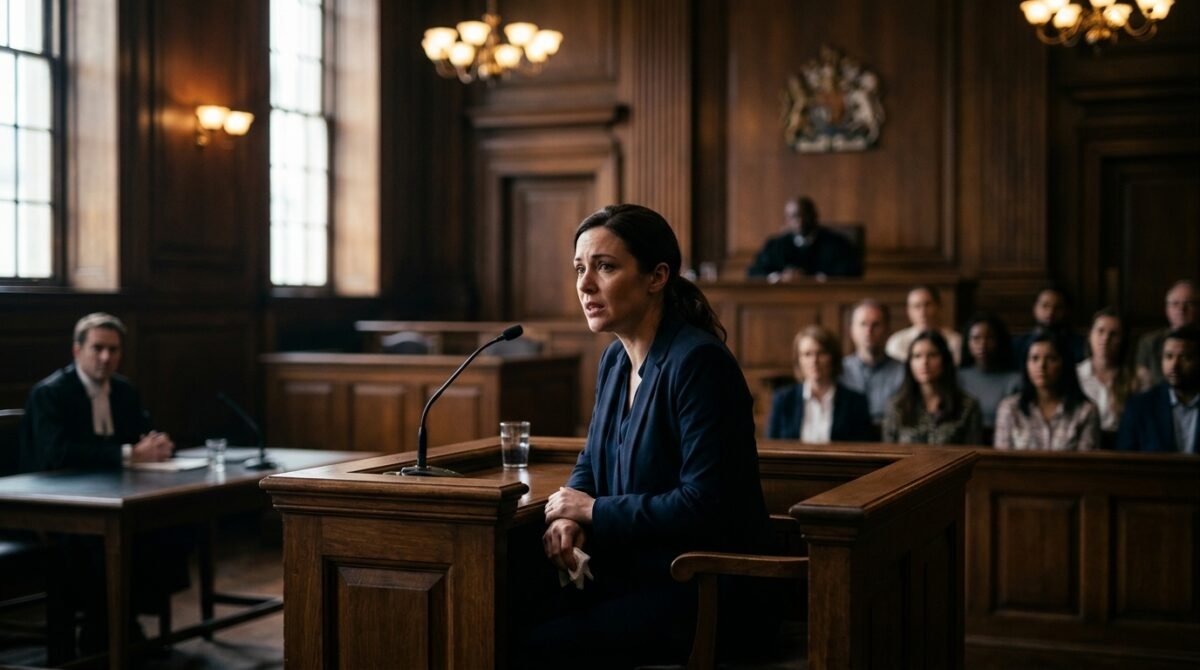
The following months were a gauntlet of depositions and hearings. I had to relive every single interaction, every email, and every conversation I ever had with Sarah. The investigators were relentless. They wanted to know about every person involved, every source of the fake inventory, and how the money was moved. Being the star witness against a former best friend is a special kind of hell.
Sarah’s defense team tried to discredit me at every turn. They painted me as a disgruntled employee who was just jealous of her success. They brought up old arguments we had in college, twisted my words, and tried to make me look like the mastermind behind the whole operation. It was exhausting, and there were nights I just wanted to drop everything and move to another state.
But I stuck to the truth. I had the documents. I had the timelines. I had the records of every single time she threatened me or tried to force me into forging documents. The truth is a very powerful thing when it’s backed by a paper trail. I watched as her lawyers slowly realized they couldn’t dismantle my testimony because it wasn’t based on opinion—it was based on evidence she had created herself.
“You claim to be her best friend, yet you kept a folder of all our communications. Does that sound like a friend to you? Or does that sound like someone who was waiting for the right moment to strike?”
— Sarah’s defense attorney during cross-examination
I didn’t answer that with emotion. I simply replied that I was a person trying to protect myself from a crime I hadn’t realized I was being pulled into. The courtroom was silent. Even the judge looked at me with a sense of understanding. It wasn’t about friendship anymore; it was about the law. By the time I left the stand, I knew I had done everything I could to right the ship.
The Final Sentencing

The day Sarah was sentenced, I didn’t attend. I didn’t need to see it to know the outcome. I heard through the grapevine that she received a significant prison sentence, with restitution orders that would haunt her for the rest of her life. It wasn’t a moment of triumph for me; it was a moment of deep, profound sadness. I grieved for the friend I once knew, the person who existed before the greed took over.
I realized that the ‘best friend’ I lost had actually been gone for a long time. The woman who expected me to throw away my future to cover her tracks wasn’t the girl I met in college. She was a stranger wearing the face of a friend. The ending of our friendship was just a formal acknowledgment of a reality that had been manifesting for years.
I spent the weeks after the sentencing focusing on myself. I started therapy, reconnected with family I had alienated while being obsessed with Sarah’s business, and slowly began to rebuild my own reputation. The social stigma of being associated with the ‘fake bag scandal’ was real, but it was something I could survive. The truth had set me free, even if the price of that freedom was my entire social circle.
“I just wanted to say that I don’t forgive you. I’m going to prison because you couldn’t be a loyal friend for one more month. You think you’re a hero, but you’re just a traitor.”
— A final letter from Sarah received in the mail
I burned the letter without reading the rest of it. There was no closure to be found in her words. Closure came from the realization that I was no longer an accomplice, no longer a pawn, and no longer silent. I was finally in control of my own narrative, and for the first time in years, I could look at myself in the mirror without feeling like I was hiding a dirty secret.
Rebuilding From the Ashes

Rebuilding my life wasn’t just about moving on from the scandal; it was about redefining what friendship means to me. I had allowed myself to be gaslit into believing that loyalty meant blind obedience. I had to unlearn those patterns. I started setting firm boundaries, not just in professional settings, but in my personal life. If something felt wrong, I spoke up. If someone asked for something that compromised my integrity, I said no.
It’s surprising how many people drop out of your life when you stop being a ‘yes’ person. I lost a few more ‘friends’ who were clearly uncomfortable with my newfound backbone. But in their place, I found people who respected my boundaries. I started working in a completely different field, one where transparency is not just encouraged but required. I found that I loved the quiet, honest work I do now.
I also realized that I wasn’t the villain the internet thought I was. The ‘Reddit trial’ had helped me see that my actions were a response to a desperate situation, and that while I wasn’t perfect, I was accountable. I learned to forgive myself for my naivety, for my blindness, and for the months I spent as an enabler. That was perhaps the most important part of the healing process.
“You aren’t the person you were back then. You’re the person who walked into that station and told the truth. That takes more courage than most people have in their entire lifetime.”
— My therapist during our final session
Those words stuck with me. I stopped looking back at the wreckage and started looking at the path ahead. I am now in a place where I value my peace above all else. I don’t have to worry about police knocking on my door, and I don’t have to worry about forged documents or lying to customers. My life is simple, honest, and, most importantly, my own.
Lessons in Loyalty

If there is one thing I want people to take away from this, it’s that loyalty has an expiration date when it crosses into criminality. We are taught to be loyal to our friends, our family, and our partners, but we are rarely taught that our loyalty must first be to our own integrity. When someone asks you to do something that makes your skin crawl, that is your conscience telling you it’s time to draw a line.
I wish I had been more observant. I wish I had asked more questions at the beginning. But dwelling on ‘what ifs’ doesn’t change the outcome. I had to learn the hard way that people are capable of changing into versions of themselves that you don’t recognize. The girl who I once called my sister was capable of destroying my life without a second thought. That is a hard pill to swallow, but it’s a necessary one.
I hope that if anyone is reading this and currently finds themselves in a situation where they feel like they are being dragged down by a friend’s questionable business or actions, they take this as a sign. You don’t owe anyone your future. You don’t owe anyone your freedom. You have the right to walk away, to report what is happening, and to protect yourself at all costs.
“The most dangerous thing you can do is stay silent when you know something is wrong. Your silence is a form of consent, and once you give that consent, you become part of the problem.”
— Reflection from my personal journal
The aftermath of this entire ordeal has been a long road, but I am stronger for it. I am not the same person who walked into that warehouse fifteen years ago, and I am glad for that. I am more cautious, more discerning, and more protective of my own values. I have learned that true friendship doesn’t demand that you compromise your soul. If it does, it’s not a friendship; it’s a trap.
Conclusion
Looking back, the destruction of my fifteen-year friendship was the most painful, yet necessary, event of my adult life. It forced me to confront the reality that I was being exploited by someone I loved, and it pushed me to reclaim my own moral compass. I learned that integrity is not a stagnant trait—it is something that must be actively defended, often at a high personal cost.
I am now fully detached from the wreckage of the boutique, and while the scars of the betrayal remain, they serve as a reminder of my own resilience. I walked into the fire, I turned in the evidence, and I came out the other side. My life is no longer defined by someone else’s greed.
What about you? Have you ever had to choose between your loyalty to a friend and your own moral integrity? Would you have done the same, or do you believe there is a way to handle such a betrayal without going to the authorities? Let’s discuss in the comments below—I’m curious to hear how others balance the fine line between support and complicity.
What's your verdict on this dilemma?
Vote below to contribute to the official community consensus.

Have a Dilemma Keeping You Up at Night?
Share your real-life feud, wedding chaos, or relationship crossroads anonymously with our editorial team.
What do you think ?
0 Comments🛡️ Comments are moderated to protect community integrity. Your comment will appear once approved by the editorial team.