
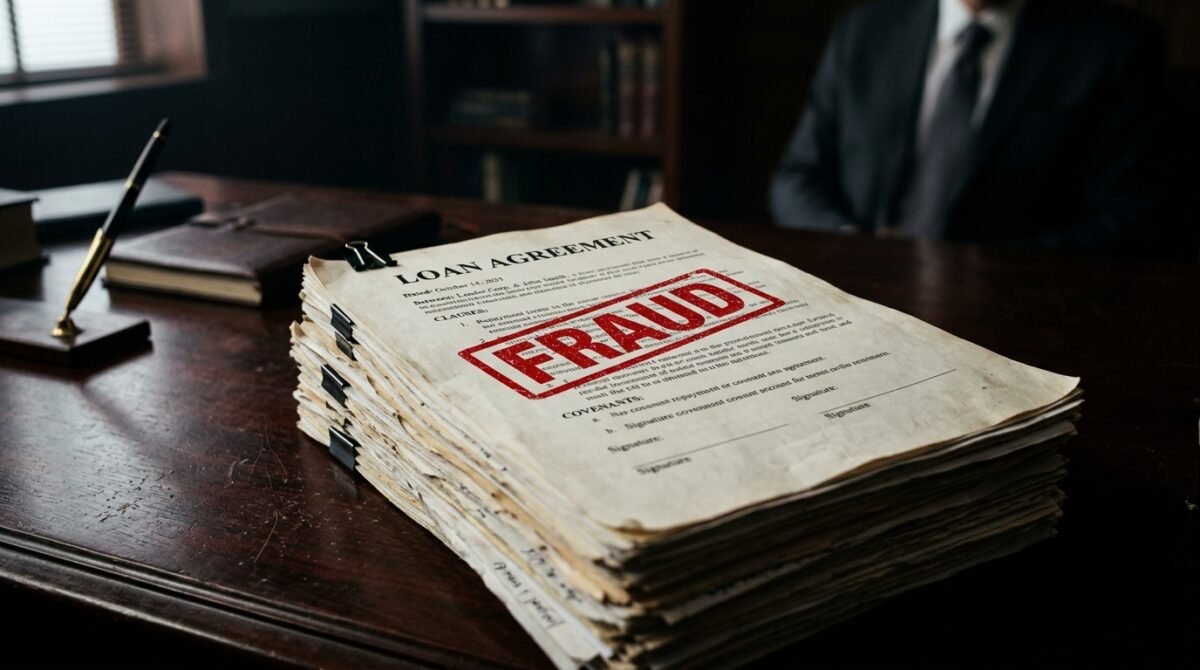
Growing up, we were always taught that family comes first. It is a mantra drilled into us from birth—a shield against the cold, indifferent world. My parents were the pillars of this philosophy, constantly reminding me that blood is thicker than water, even when their own actions suggested that ‘blood’ was merely an asset to be leveraged. I believed them, right up until the day the letter arrived from a bank I had never done business with, notifying me of a ‘delinquent status’ on a $60,000 personal loan.
The initial shock was not just financial; it was existential. I had never applied for such a sum. My credit score, which I had spent years meticulously curating to ensure my future security, was plummeting in real-time. I remember the cold sweat that broke out over my skin as I sat on my kitchen floor, staring at the document. The address listed for the loan was my childhood home—a place I hadn’t lived in for six years.
As I peeled back the layers of this deception, I found the fingerprints of my own mother and father. They hadn’t just ‘borrowed’ my identity; they had systematically dismantled it to fund a series of bad investments and a lifestyle they could no longer maintain. When I confronted them, the response was not one of remorse or shame. Instead, they offered a chillingly casual dismissal of my feelings, couched in the language of familial obligation.
The moral dilemma that followed was sharper than any betrayal I had previously known. My parents, aided by my siblings, insisted that I was the one in the wrong for ‘bringing the police into family business.’ They framed my pursuit of justice as a selfish act of destruction, claiming that I was choosing money over their well-being. This is the story of how I stood my ground against the people who raised me, and why I chose to let the legal system run its course, even as they threatened to disown me forever.
The Morning the Floor Disappeared Beneath My Feet
It started on a Tuesday, the most mundane of days. I was sipping coffee, lazily scrolling through my emails, when I saw the notification from a major credit monitoring service. My first thought was that it was a technical glitch. I refreshed the page, assuming the ‘alert’ icon would vanish, but it didn’t. It sat there, bold and mocking, informing me that a new tradeline had been opened in my name.
The amount, $60,000, was enough to make my heart stop. I immediately logged into my bank account to check my actual credit report. The details were there, spelled out with clinical precision: a personal loan taken out at a local branch near my parents’ house. My heart pounded against my ribs like a trapped bird. How could they have done this? I had my social security card in a safe, and my tax records were digitized behind layers of security.
I didn’t call them immediately. I knew that if I did, the gaslighting would start before I even had the facts. Instead, I drove to the local bank office. I walked in, my hands trembling, and asked to see the documentation. The teller looked at me with a mix of pity and suspicion. When she pulled the file, I saw the copy of a forged ID. It was a terrible copy—my face, but with my mother’s signature—but it had been enough for the loan officer that day.
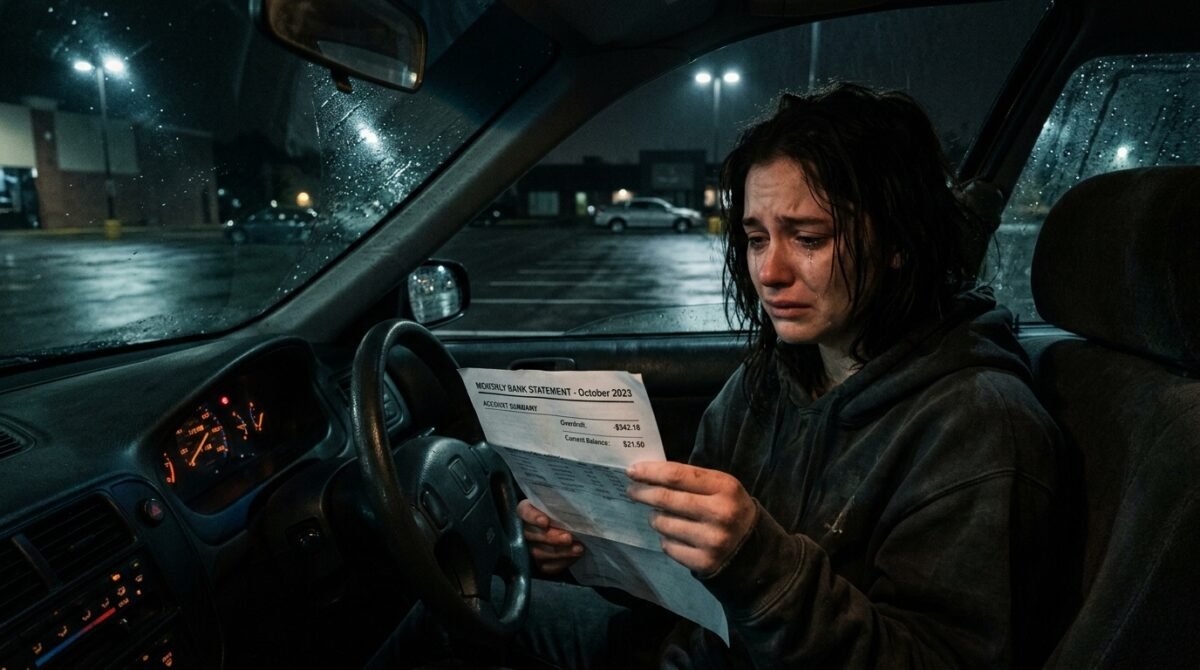
I remember sitting in my car in the parking lot, the engine off, tears streaming down my face. The realization that my own parents had looked at my future, my credit, and my stability, and decided it was an acceptable sacrifice for their own gain was a physical weight. It felt as though the oxygen had been sucked out of the world.
“I don’t care if you’re upset, but you need to understand that this is how families function. We share what we have. You were just the one who had the credit score to help us out.”
— My Mother, in a voicemail I would later play for the police.
That voicemail was the moment the transition from daughter to victim felt complete. There was no apology. There was no ‘we’ll fix this.’ There was only the expectation that I would absorb the blow for them, as I had absorbed so many others throughout my life. I knew then that there would be no civil discussion. The path forward was already written in the wreckage they left behind.
The Night the Group Chat Turned Hostile
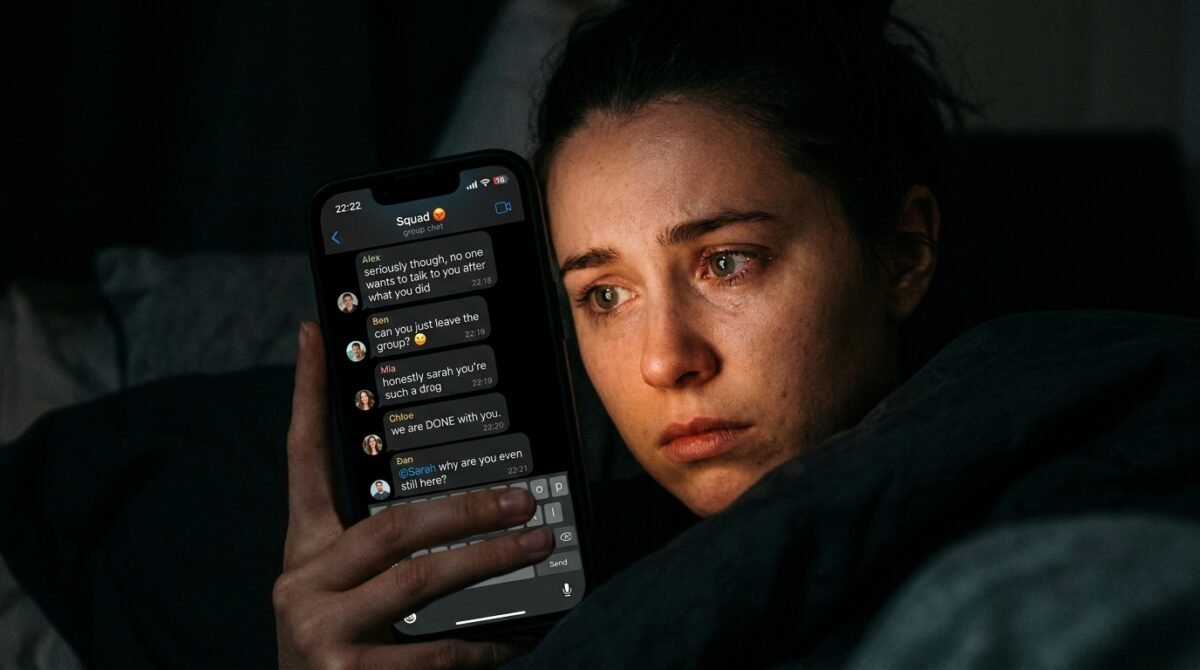
I didn’t keep the news to myself for long. I told my siblings, thinking they might be allies, or at the very least, horrified witnesses to our parents’ madness. I was wrong. My younger brother, who had always been the golden child, turned on me with a ferocity that caught me off guard. Within an hour of my message, I was added to a group chat that I never asked to be part of.
The messages were a rapid-fire barrage of accusations. They weren’t angry that my parents had committed fraud; they were angry that I had discovered it and threatened the family’s ‘standing.’ My sister argued that my father was just trying to keep the family business afloat, as if that somehow excused the criminal act of stealing my identity. They spoke about my financial security as if it were a resource to be plundered, and I, the individual, was merely an inconvenience.
“You’re going to destroy them over a loan? Do you realize what kind of stress you’re putting Mom through? She’s a nervous wreck because of your threats. Just call the bank and tell them you made a mistake.”
— My Brother, in the family group chat.
I read the messages over and over, trying to find a shred of humanity in their logic. I couldn’t. I was being asked to commit a crime myself—to lie to the bank and the authorities to protect my parents from the consequences of their own actions. I felt a cold, hard resolve settle into my bones. The ‘family’ I had been protecting had never really existed; it was a performance, and I was the stagehand.
I didn’t respond to the group chat. Instead, I took screenshots of every single message. Every demand that I lie, every threat to my reputation, every gaslighting attempt—it all went into a folder on my encrypted drive. I knew that if this went to trial, these messages would be the nail in the coffin of their defense. I wasn’t just observing the drama anymore; I was building a case.
The psychological toll was immense. I found myself unable to eat or sleep, constantly checking my locks at night. I felt like a stranger in my own life, disconnected from the person I had been only a week prior. Yet, with every message they sent, the decision to go to the police became easier. They had chosen their path; I was simply choosing mine.
Walking Into the Precinct with a Heavy Heart

Walking into the police station felt like walking into a different reality. The officer at the desk was kind, but professional. He didn’t care about my family dynamics; he cared about the laws that had been broken. When I sat down to file the report, the gravity of the situation hit me in waves. I wasn’t just filing a complaint; I was launching an investigation that would almost certainly lead to the arrest of my parents.
I provided the evidence: the printouts of the loan documents, the bank’s fraudulent records, and the transcripts of the phone calls and texts. The detective assigned to the case looked at the materials with a grim expression. He explained the process to me—that this wasn’t just a civil dispute, it was a felony. He asked me if I was certain I wanted to pursue this, noting that many people pull back once they realize the reality of the legal system.
I told him I was certain. I was tired of being the one who had to hold the family together at the expense of my own existence. I was tired of the constant, unspoken rule that my life didn’t matter as much as theirs. The detective nodded, and we began the formal statement process. It took hours. Every question he asked forced me to recount the years of boundary violations that had led to this moment.
When I walked out of that station, I expected to feel immediate relief. Instead, I felt empty. The bridge hadn’t just been burned; I had poured the gasoline on it myself. I knew that when the police arrived at my parents’ house, the relationship as I knew it would be over forever. But as I walked to my car, I also realized that for the first time in my life, I wasn’t afraid of them.
I arrived home to a flurry of missed calls. My mother’s voice on the voicemail was hysterical, alternating between begging and screaming. She had found out through a call from the bank that a police report had been filed. She accused me of being a traitor, of destroying my family for ‘money that didn’t even matter.’ But it did matter. It mattered because it was mine, and it mattered because it was the truth.
The Confrontation at the Sunday Dinner
I didn’t plan on going to the Sunday dinner, but my father called and insisted. He said he wanted to talk ‘like adults.’ I knew it was a trap, but I wanted to see if they would say it to my face. I arrived at the house, the familiar smell of rosemary and roasting chicken hitting me like a wave of nostalgia. It was a cruel reminder of the life I was losing.
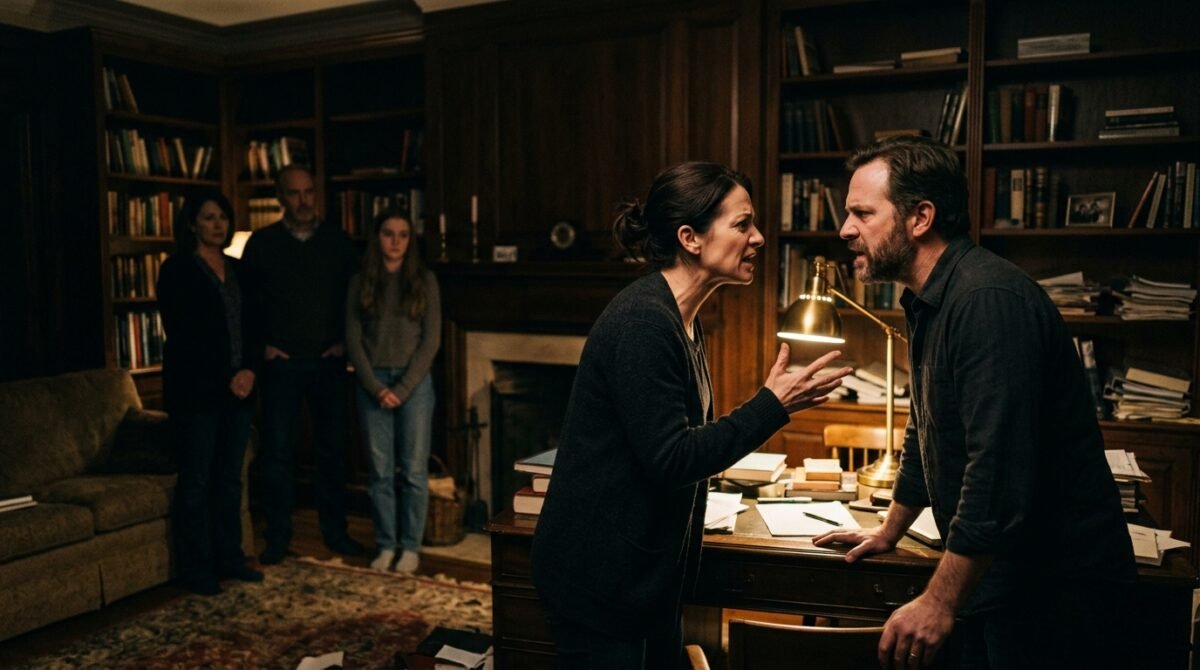
They were all there—my parents, my siblings, and even my aunt who had always looked the other way. The tension was thick enough to cut with a knife. My father led me into the study, closing the door behind us. He didn’t offer me a seat. He immediately started in on me, his voice low and vibrating with a mix of anger and disappointment. He acted as if I were a naughty child who had broken a vase, not a woman whose life had been systematically dismantled.
“You are going to call the detective tomorrow and tell him you were mistaken. You are going to sign a waiver. We are your family. We don’t do this to each other. If you go through with this, you are no longer welcome in this house.”
— My Father, standing in the study.
I laughed. I couldn’t help it. The sheer audacity of his demand, the way he thought he could still control me with the threat of excommunication, was almost comical. I looked him in the eye and told him that I had already signed the report, that the police were already investigating, and that there was no way to ‘take it back.’ The color drained from his face.
The rest of the family didn’t know what was happening until I walked out of the study. My mother was waiting by the door, her eyes red and puffy. She looked at me, expecting me to be submissive. When she saw the resolve in my expression, she broke down. She didn’t cry for me; she cried for herself. She cried about how she would tell the neighbors, how her reputation would be ruined.
I didn’t stay for dinner. I walked out of that house and didn’t look back. As I drove away, I felt a strange sense of liberation. The facade had completely collapsed. I knew then that there would be no going back, no reconciling, and no more pretending. I was on my own, but for the first time, I was actually free.
The Legal Tangle and the Public Eye

The weeks that followed were a blur of meetings with lawyers and detectives. The legal system moves slowly, but it is relentless. My parents’ attorney reached out multiple times, offering ‘settlements’ if I would drop the charges. They offered to pay back the $60,000, but only if I signed a non-disclosure agreement and withdrew my statement to the police. I refused every time. This wasn’t about the money; it was about the accountability.
I started reading about identity theft and realized how many people were coerced into silence by their own families. The stigma of ‘turning in your own parents’ is a powerful tool used to silence victims. I refused to be a statistic. I wanted it documented that my parents had committed a crime, not just for my own protection, but to set a precedent that family ties do not grant immunity from the law.
The stress began to take its toll on my workplace. I had to be transparent with my employer about the situation because I needed time off for court appearances. To my surprise, they were supportive. They understood the gravity of the situation and helped me navigate the legal hurdles. I realized that my professional support system was stronger and more reliable than the one I had been born into.
I kept a meticulous log of every conversation. I recorded the calls (where legal) and saved every text. I was preparing for a trial that I hoped would never happen, but I was ready for it if it did. My parents, on the other hand, seemed to be falling apart. They were losing their friends as the news of the investigation spread, and their financial situation continued to deteriorate without my credit to prop them up.
The most difficult part was the isolation. My siblings continued to send me hateful messages, calling me names and blaming me for the ‘destruction of the family legacy.’ I blocked them one by one, but the words still lingered in my mind. It was a process of grieving. I wasn’t just losing my family; I was grieving the idea of who I thought they were.
When the Truth Becomes a Public Secret

The small-town grapevine is a powerful, dangerous thing. It wasn’t long before people started whispering. My parents tried to spin the narrative, telling everyone that I was having a mental health crisis, that I was falsely accusing them out of spite. It was a desperate attempt to protect their reputation, but it backfired. People started asking questions that my parents couldn’t answer.
A neighbor I hadn’t spoken to in years reached out to me. She told me she had heard the rumors and wanted to know if I was okay. When I told her the truth, she was shocked. She had always thought my parents were the pillars of the community. She didn’t believe me at first, but when I showed her the police report number, her perspective shifted. She apologized for doubting me and offered to be a character witness if I ever needed one.
That was the first of many such conversations. I started to realize that the ‘perfect family’ image was just that—an image. There were other secrets in that town, and my story became a catalyst for others to speak up. I wasn’t just fighting for my own justice; I was becoming a symbol of resistance against the toxic expectations of blind loyalty.
“I never thought you’d actually do it. Everyone around here is talking about how you’re the ‘ungrateful daughter.’ But after hearing what you went through, I think you’re the bravest person I know.”
— A former family friend who reached out via social media.
The sentiment started to shift. While my parents still had their staunch defenders, more and more people were seeing the situation for what it was: theft. The shame that my parents had tried to project onto me was beginning to stick to them. It was a slow, painful process, but it was happening.
I stopped caring about what people thought of me. I realized that the only opinion that mattered was my own, and the only standard I needed to live by was my own integrity. I was finally building a life that was entirely mine, one that wasn’t dictated by the needs or the expectations of my family. The weight of the world was still there, but I was learning how to carry it.
The Day the Charges Were Formally Filed
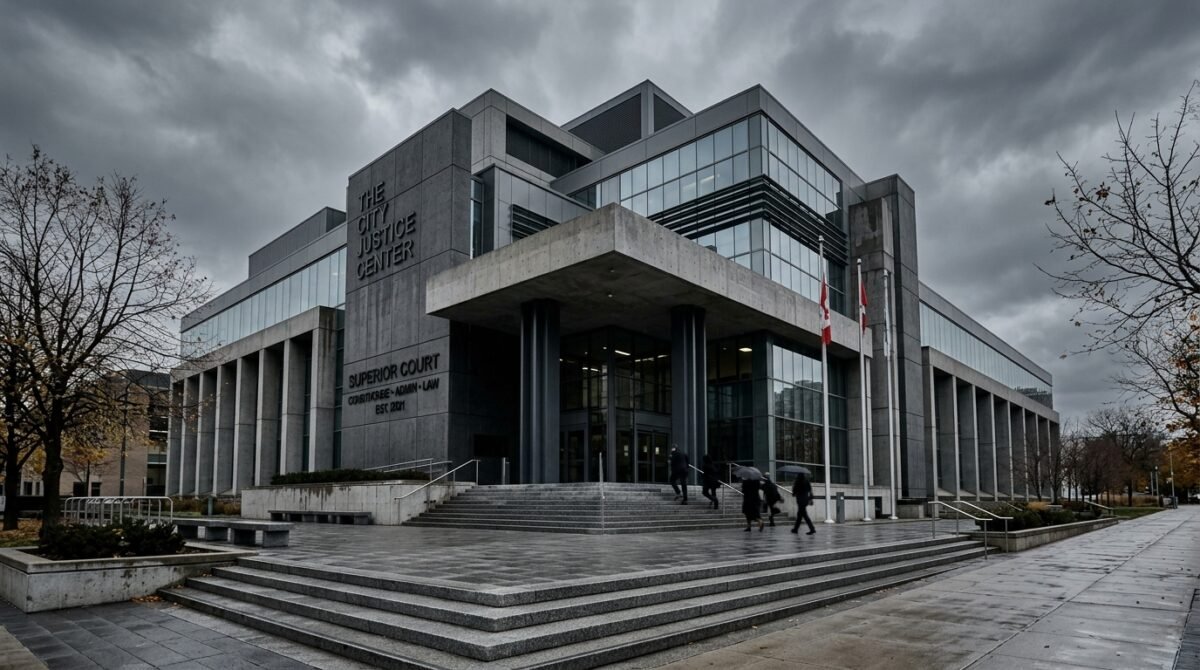
The day the formal charges were filed in court was the most surreal experience of my life. Walking into the courthouse, seeing my parents sitting at the defense table, their faces drawn and angry, was a moment I had played out in my head a thousand times. But when it actually happened, it felt quiet. It felt like the ending of a very long, very exhausting chapter.
My mother wouldn’t look at me. My father, however, stared me down the entire time, his expression filled with a cold, impotent rage. I held my ground. I didn’t look away, and I didn’t show any emotion. I was there to do a job, and that job was to ensure that the truth was entered into the public record. When the prosecutor read the charges, it sounded so clinical, so detached from the emotional firestorm that had caused it.
The judge was stern, questioning the attorneys about the timeline and the evidence. When it was my turn to speak, my voice didn’t shake. I told the court exactly what had happened—how the loan was taken out, how my identity was used, and how my pleas to the family had been ignored and met with threats. For the first time, my parents couldn’t interrupt me. They couldn’t gaslight me. They were forced to sit there and listen.
The fallout in the courtroom was immediate. My siblings, who were seated in the gallery, looked as though they were in shock. They had clearly underestimated how far I was willing to go. When we left the courtroom, the air outside felt different. It was crisp and cool, and I took a deep breath, realizing that I had done everything I could. The rest was in the hands of the legal system.
I didn’t talk to them. I walked straight to my car, leaving them behind. As I drove away, I felt a surge of adrenaline followed by a profound sense of peace. I had reclaimed my agency. I had taken back the narrative of my own life, and no matter what happened next, they could never take that away from me again.
Reflecting on the Reddit Community Response

When I finally shared my story on Reddit, I wasn’t sure what to expect. I wanted to see if I was truly the ‘monster’ my family painted me to be. The response was overwhelming. Thousands of people commented, shared their own stories, and offered support. It was a digital validation that I had been desperately seeking, and it helped me realize that I wasn’t alone in this experience.
“NTA. Blood is just a biological connection. It doesn’t give them the right to ruin your life. You did the right thing by protecting your future. They made their bed; let them lie in it.”
— u/JusticeSeeker_99 (Top Comment, 32.5k upvotes)
The Reddit community was split, but the majority were firmly on my side. There were some who argued that I should have ‘tried harder’ to resolve it privately, but they were quickly corrected by others who pointed out the illegality of the act. The discussion turned into a broader conversation about family toxicity and the importance of financial boundaries. It was cathartic to see so many people understand the nuance of my decision.
I spent hours reading the comments, finding comfort in the advice of strangers. Some offered legal tips, some offered words of encouragement, and others shared their own stories of identity theft within their families. It was a global support network that I didn’t know existed. I realized that my situation, while extreme, was not unique, and that there was a whole community of people who were also navigating the difficult waters of family betrayal.
The most meaningful comments were from people who had been in my position years ago. They told me that it gets better, that the pain fades, and that the freedom is worth the cost of the relationship. They were the beacons of hope I needed to see. Their success stories gave me the strength to look forward to the future, rather than focusing on the wreckage of the past.
I eventually stopped checking the thread, but the impact remained. I had found my tribe, even if they were only digital connections. The feeling of being ‘the crazy one’ vanished, replaced by a sense of clarity and purpose. I was doing the right thing, and the world was there to bear witness to it.
Finding My Own Path Forward

Life is different now. I moved to a new city, one where nobody knows my last name or my family history. I have a new job, a new group of friends, and a new sense of security. My credit score has been restored, and I have taken every precaution to ensure that my identity is safe. I am the architect of my own life, and I take that responsibility seriously.
There are still days when the memories catch me off guard. A song on the radio, a smell in the grocery store, a sudden thought of what my parents might be doing—all of it can trigger a wave of sadness. But those moments are becoming fewer and further between. I have learned to process the grief, to acknowledge it without letting it consume me. I am no longer defined by the trauma of my past.
I have established firm boundaries with everyone in my life, not just my family. I have learned that saying ‘no’ is not a betrayal, and that protecting my own needs is not selfish. It is a necessary act of survival. I have surrounded myself with people who respect these boundaries, people who celebrate my independence rather than trying to diminish it.
The legal situation finally resolved with a plea deal. My parents avoided jail time but are under strict probation and have to pay restitution. They are still bitter, still convinced that I am the one who ruined everything, but that doesn’t matter anymore. They are a part of my past, not my future. I have closed that chapter, and I have no intention of ever opening it again.
I am grateful for the journey, as painful as it was. It taught me who I am and what I am capable of. It taught me that family is not about blood; it is about respect, trust, and mutual support. And it taught me that no matter how dark things get, there is always a way forward if you have the courage to walk it.
The Lessons Learned from a Lifetime of Theft

If there is one thing I want people to take away from my story, it is that you must never, ever feel guilty for protecting yourself. Financial abuse is a very real, very damaging form of trauma, and it is often perpetuated by those who claim to love us the most. We are socialized to forgive, to forget, and to prioritize the ‘sanctity of the family’ above our own well-being. This is a trap.
I have learned that the people who truly love you will never ask you to destroy your life for theirs. They will never ask you to break the law, and they will never make you feel guilty for setting boundaries. If someone in your life is demanding that you sacrifice your future, your integrity, or your safety, they are not acting in your best interest. They are acting in their own, and it is your right to say no.
I have also learned the importance of financial literacy. Understanding your credit, your rights, and how to protect your personal information is a form of self-care. It’s not about being paranoid; it’s about being prepared. I have since helped several friends secure their own data, and it is a small way I can contribute to preventing the kind of abuse I went through.
The journey has been long and exhausting, but I have come out the other side stronger than I ever thought possible. I have a new definition of family—one that is based on choice, not biology. I have a support system that loves me for who I am, and I have the peace of mind that comes from knowing I did everything I could to honor my own truth.
I hope that if anyone is going through something similar, they know that they are not alone. There is help, there is a way out, and there is a future waiting for you on the other side of the pain. You are the author of your own story, and you have the power to decide how it ends.
Conclusion
Looking back, the decision to hold my family accountable was the most difficult, yet the most vital choice of my life. It was a process of shedding the expectations that had been placed on me since birth and stepping into the light of my own autonomy. The road to healing is long, but it is paved with the freedom that comes from living a life that is truly, entirely your own. I have learned that the most important relationship you will ever have is the one you have with yourself, and that is a relationship worth protecting at all costs.
I know many of you have faced similar betrayals, whether financial, emotional, or otherwise. The question that remains is often the hardest to answer: at what point do you stop trying to salvage the relationship and start trying to salvage yourself? I’d love to hear your thoughts or stories in the comments below. Have you ever had to choose between your family’s demands and your own integrity? How did you navigate that, and what was the outcome? Let’s share our stories and support one another in the comments.
What's your verdict on this dilemma?
Vote below to contribute to the official community consensus.

Have a Dilemma Keeping You Up at Night?
Share your real-life feud, wedding chaos, or relationship crossroads anonymously with our editorial team.
What do you think ?
0 Comments🛡️ Comments are moderated to protect community integrity. Your comment will appear once approved by the editorial team.