
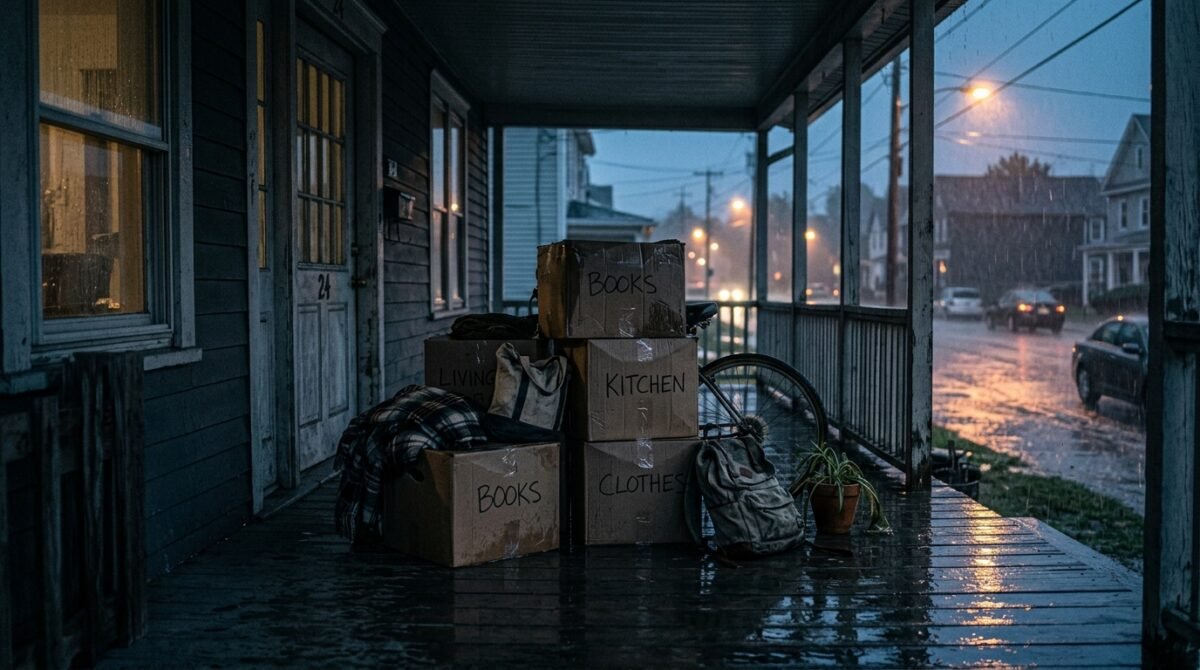
Living with roommates is often described as a rite of passage, a chaotic blend of shared groceries, mismatched schedules, and the inevitable friction of communal living. But for me, the arrangement had soured into a psychological battleground long before the incident that ultimately made me go viral. I was in the final stretch of my medical residency, a period defined by sleep deprivation, high-stakes testing, and a level of stress that makes the average person snap at the slightest provocation.
My roommate, Sarah, was the antithesis of my lifestyle. While I lived by calendars and flashcards, she lived by the rhythm of spontaneous social gatherings and an utter disregard for quiet hours. We had set boundaries—or so I thought. We had a written agreement taped to the fridge, a document that felt more like a peace treaty than a chore list. But as the weeks went on, the agreements became suggestions, and the suggestions became ignored noise.
The moral dilemma was simple yet devastating: do I maintain the peace at the cost of my future, or do I burn the bridge entirely to protect the career I had spent six years building? The breaking point wasn’t a slow burn; it was a sudden, violent explosion of sound and strangers that occurred on the one night my entire future rested on the quality of my sleep.
As the walls literally shook with the bass of a house party I never authorized, I realized that conflict resolution had failed. I was no longer dealing with a roommate; I was dealing with a force of nature that cared nothing for my survival. What follows is the chronicle of that night, the decision that brought me to the edge, and the fallout that left my living room empty by sunrise.
The Silent Agreement We Never Shared
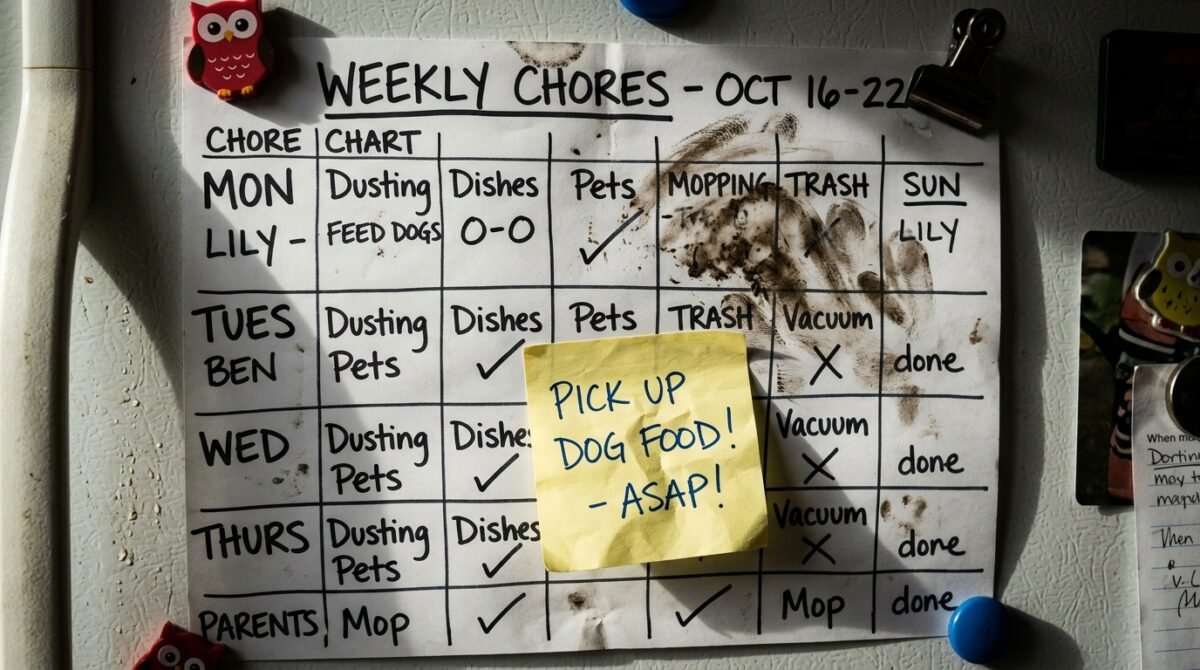
It started three months ago when Sarah moved in. She was charming, outgoing, and seemed like the perfect balance to my rigid, studious life. We had a long discussion about my schedule—the 80-hour weeks, the need for total silence after 10 PM, and the upcoming board exam that stood between me and my license. She nodded, she smiled, and she promised that she understood the pressure I was under.
Within two weeks, the “occasional” friend became a permanent fixture. By the second month, there were strangers in our living room at all hours of the day. They ate my food, used my expensive coffee machine, and left sticky residue on my desk. Every time I brought it up, the response was the same: I was being uptight, and I needed to relax. The gaslighting was subtle, but it was pervasive.
I began to retreat into my room, soundproofing my door with towels and wearing noise-canceling headphones for hours on end. It felt like I was living in a bunker while the world outside my door became increasingly lawless. I felt like a stranger in my own home, paying half the rent for a space I was essentially barred from entering.
I reached out to her multiple times, trying to bridge the gap. I wrote notes, I sent texts, and I even sat her down for a formal talk. I told her exactly what the stakes were. I explained that if I failed this exam, the financial and career-related consequences would be catastrophic. She assured me she ‘got it’ and promised that things would be quiet leading up to the exam week.
“I promise, I’m clearing my calendar for your exam week. No guests, no music, no nonsense. You have my word as your friend.”
— Sarah, during our last sit-down meeting
The irony of her promise wasn’t lost on me later. At the time, I wanted to believe her. I wanted to trust that my roommate was a decent human being. But looking back, I realize that she wasn’t just being inconsiderate; she was testing the limits of my patience to see how much she could get away with before I finally broke.
The 2 AM Bass Drop That Shattered My Sanity

I went to bed at 10 PM on the night before my exam. I was exhausted, my brain was fried, and I had taken a mild sleep aid to ensure I would get at least seven hours of uninterrupted rest. Everything was calm. I had checked the living room before retreating, finding it empty and clean. It was the calm before a very loud, very destructive storm.
I woke up at 2 AM to the sensation of the floor vibrating. It wasn’t a nightmare; it was a house party. The music was so loud that my windows were rattling in their frames. I could hear shouting, the sound of breaking glass, and the unmistakable roar of at least forty people squeezed into a space meant for four. I sat up in bed, my heart hammering against my ribs, convinced for a split second that I was having a medical emergency.
I grabbed my phone, and it was flooded with notifications. There were dozens of people tagged in a location post on Instagram. The party wasn’t just an accident; it was a planned event, organized by Sarah while I was supposedly sleeping. I walked out into the hallway, and it was like entering a war zone of discarded red cups, spilled liquids, and people I had never seen before in my life.
I found Sarah in the kitchen, dancing on the counter, holding a drink. She looked at me, saw the fury in my eyes, and just laughed. She didn’t stop the music. She didn’t apologize. She simply gestured to the crowd, as if expecting me to join in. The audacity was so staggering that it silenced me for a solid minute. My career, my future, and my mental stability were being trampled by a group of strangers looking for a thrill.
“Oh, you’re awake! You looked like you needed a break from all that studying. Lighten up, it’s just one night!”
— Sarah, shouting over the loud music
In that moment, the fight-or-flight response didn’t trigger flight. It triggered a cold, calculating rage. I realized that if I tried to talk to her, nothing would change. She didn’t respect me, she didn’t respect our lease, and she certainly didn’t respect my future. I retreated back to my room, locked the door, and began to execute a plan that had been forming in the back of my subconscious for weeks.
The Packing Operation Commences
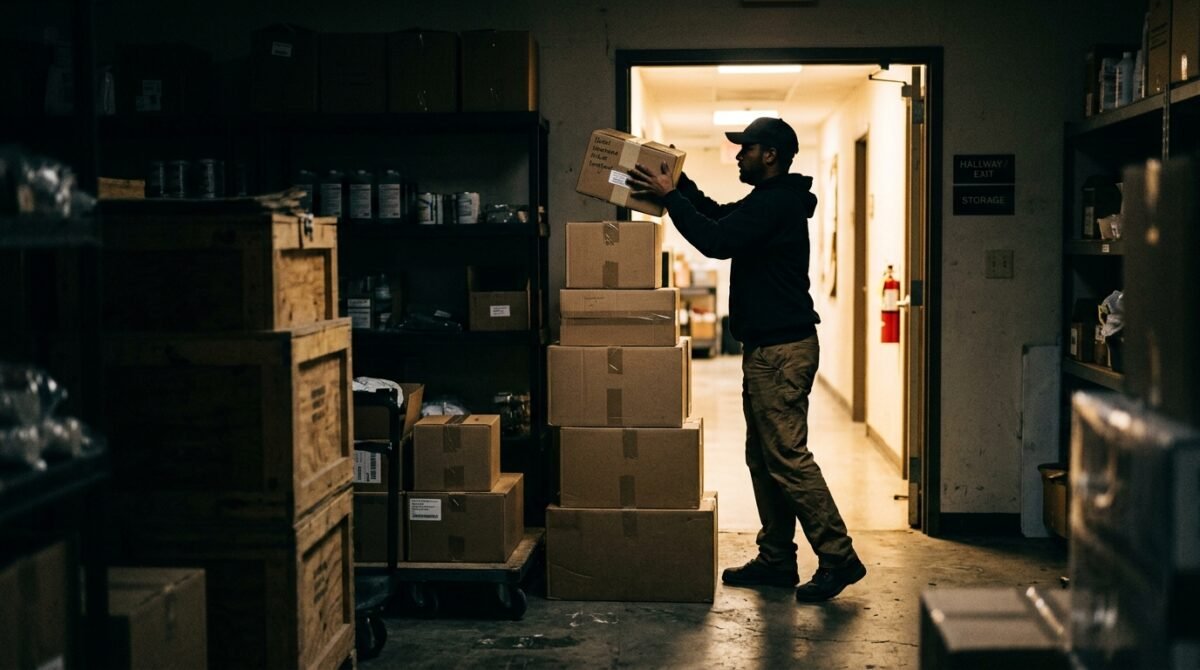
I didn’t call the police. I didn’t scream at her. I simply started moving. I grabbed every single item that belonged to Sarah that I could find in the common areas. I moved with a efficiency that surprised me. I took her shoes from the rack, her coats from the closet, her decorative pillows, her books, and her kitchenware. It was a rhythmic, focused process.
I wasn’t throwing her things away—I was relocating them. I knew it was going to rain. The forecast had been clear for days, calling for a heavy downpour starting at dawn. I carefully placed every item in sturdy trash bags and moved them to the covered porch, but I knew the wind would drive the rain in. It was a calculated risk that I was willing to take. If she wanted to treat the house like a playground, she could find her things in the yard.
Every time I walked past the party, I maintained a blank expression. People were so intoxicated they barely noticed me moving boxes. I was a phantom in my own home, systematically stripping the apartment of Sarah’s presence. I felt a strange sense of liberation. Each item I moved was a layer of burden being lifted off my shoulders.
By 4 AM, the party was winding down, and the living room was looking suspiciously empty. I had moved her vanity mirror, her rug, and even the lamps she had brought with her. The apartment felt cold, sterile, and quiet—exactly how I needed it to be. I went back to my room, set my alarm for 6 AM, and finally, for the first time in months, I felt a flicker of peace.
“I don’t care if it ruins your stuff. I warned you. I’m done being the quiet roommate who plays by the rules while you treat our home like a frat house.”
— My internal monologue as I carried the last box to the porch
I didn’t feel guilty. Guilt is for people who have been wronged, and I had been pushed to the brink. This was a boundary enforcement that had been a long time coming. The rain began to hit the roof just as I finished, a rhythmic tapping that served as the final seal on my decision.
The Morning After: A Soaked Reality
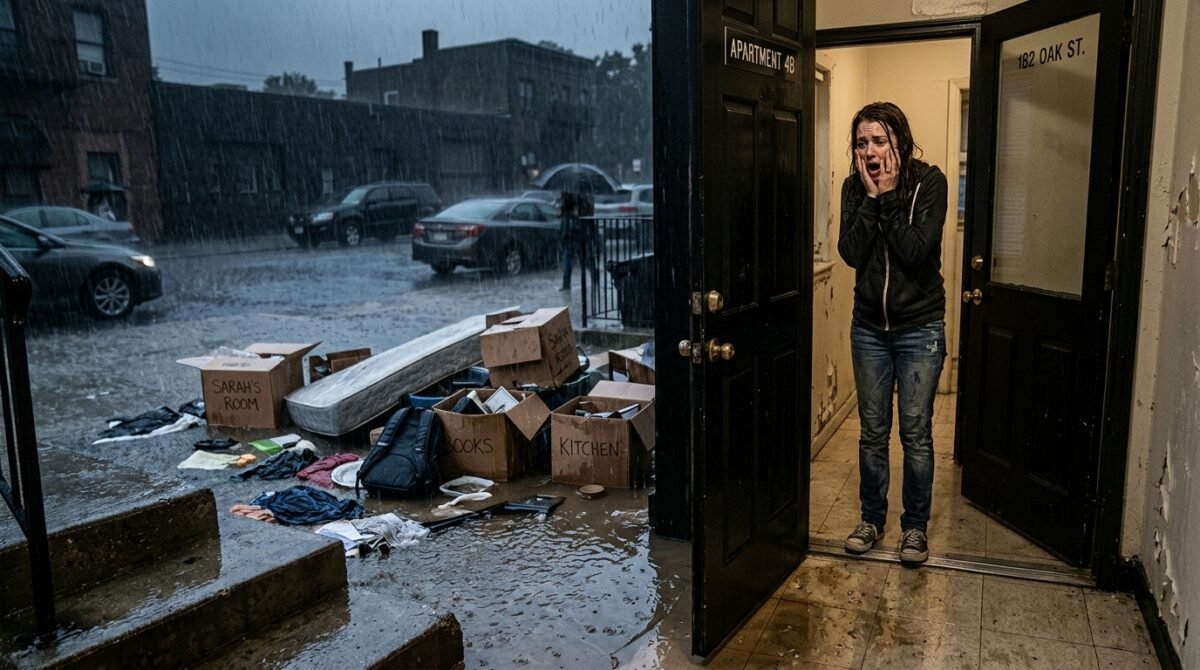
At 6 AM, the alarm on my phone went off. I woke up refreshed, despite the chaos of the night. I walked out to the living room, which was now a ghost town of empty bottles and sticky floors. The front door was slightly ajar. I walked outside onto the porch, and there they were: Sarah’s belongings, thoroughly soaked by the early morning rain. It was a sight of absolute, chaotic justice.
Sarah stumbled out of her room a few minutes later, still wearing her party clothes from the night before. She looked disheveled, confused, and hungover. She looked around the living room and froze. The missing rug, the empty coat rack, the missing lamps—it took her a moment to process the sheer scale of the change. She looked at me, and I was sitting at the kitchen table, calmly drinking coffee and reviewing my notes.
She walked to the door, looked out onto the porch, and let out a scream that shook the windows. The rain was still coming down, and her expensive designer coat was draped over a pile of books that were now effectively pulp. She turned to me, her face bright red, veins bulging in her neck. She looked like she was about to explode.
I didn’t look up from my notes. I kept reading, focusing on the pharmacology section of my review book. I was the eye of the storm. Nothing she could say or do could rattle me now. I had already made the decision to move out the moment this exam was finished, and she had just handed me the perfect reason to break the lease early with cause.
“Are you insane? My things! My entire life is out there in the mud! You are going to pay for every single cent of this!”
— Sarah, screaming at me from the doorway
I finally looked up, meeting her eyes with a cold, dead stare. I told her that she had until the end of the day to find a new place to live, and that if she didn’t, I would be calling the landlord and showing him the security camera footage of the forty strangers she invited over. The look on her face shifted from rage to pure, unfiltered fear.
The Landlord’s Unexpected Intervention

The landlord, Mr. Henderson, was a man who valued silence and property value above all else. When I called him at 8 AM, I didn’t leave out a single detail. I sent him the time-stamped videos of the strangers entering the building, the photos of the broken glass, and the evidence of the lease violations regarding quiet hours and guest policies. He arrived within the hour, looking furious.
Mr. Henderson didn’t bother knocking. He walked into the apartment, saw the state of the living room, and then saw Sarah standing in the middle of her damp, rescued belongings. He didn’t even have to ask what happened. He looked at her and told her she had forty-eight hours to vacate the premises. The look on her face was priceless—the realization that her sense of entitlement had finally reached its expiration date.
Sarah tried to argue, claiming that I was the one who ‘harassed’ her by moving her things, but the landlord shut her down immediately. He pointed to the lease agreement and the mountain of evidence I had provided. She was officially in breach of contract. The power dynamic that had held me hostage for months had completely shifted in the span of a few hours.
I spent the rest of the day in my room, studying. I felt a weight lift off my chest that I hadn’t realized was there. The silence in the apartment was beautiful. It was the silence of order, of respect, and of a future that I was finally taking back. Sarah spent the day frantically calling friends, trying to find a place to stay, but nobody seemed eager to take in someone who had just been evicted for throwing a 2 AM rave.
“I don’t care about your side of the story. I have video evidence of a house party and a lease that clearly forbids it. You are out.”
— Mr. Henderson, the landlord, to Sarah
By the time evening rolled around, the apartment was quiet again. Sarah was packing her things, and the air between us was thick with a toxic mix of resentment and defeat. I didn’t help her, and I didn’t say goodbye. I just kept my door closed, focused on my final review, and prepared for the exam that I knew, deep down, I was now going to pass.
Reddit Weighs In: The Verdict of the Internet
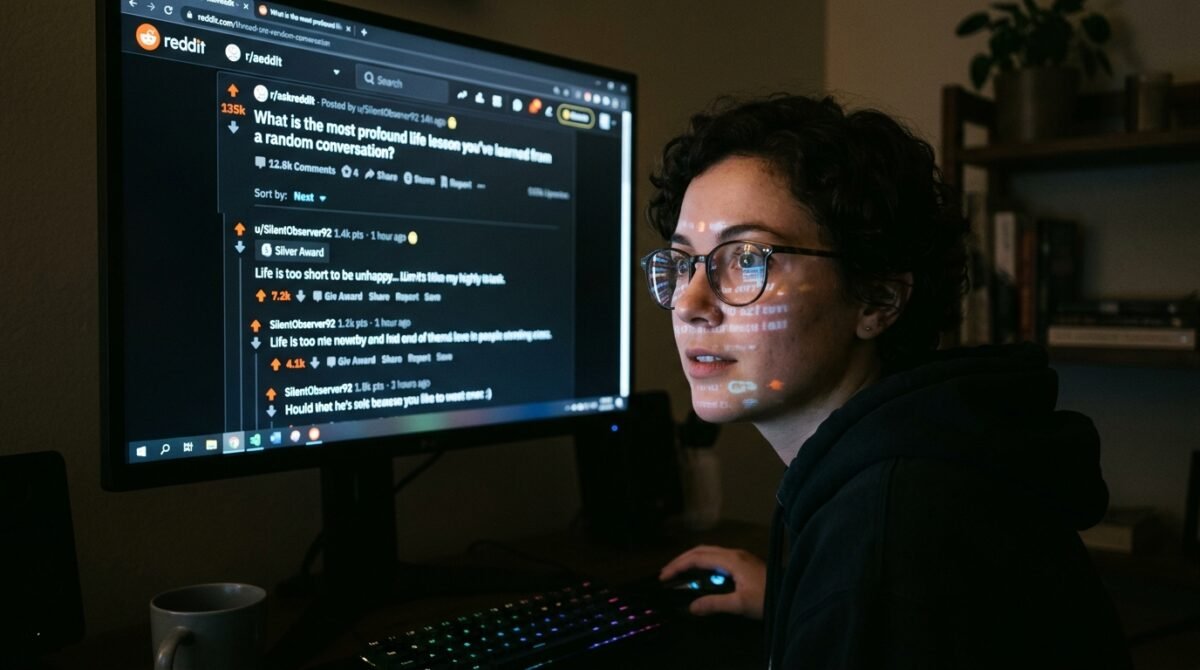
I posted the full story on Reddit’s ‘Relationship Advice’ and ‘Am I The Asshole’ subreddits, needing to know if I had gone too far. I expected a mix of responses, but the sheer volume of support was overwhelming. Thousands of people weighed in, and the consensus was remarkably clear: I was not the asshole. The story went viral within hours, hitting the front page of the platform.
The comments were a mixture of outrage on my behalf and tactical advice for how to handle the legal aftermath. People were shocked by the audacity of the roommate, and many shared their own horror stories of living with entitled people. It felt good to be validated, to know that the way I had been treated wasn’t just ‘roommate stuff’ but actual, flagrant boundary violation.
Of course, there were the devil’s advocates. A few people argued that putting her things in the rain was ‘too far’ and that I should have handled it with more maturity. I read those comments too, and I appreciated the perspective, but those people clearly hadn’t spent months trying to be the ‘mature one’ while their own life was being slowly dismantled by a toxic partner.
The thread became a repository of life advice for students and professionals. It was no longer just about me; it was about the collective trauma of living with people who don’t understand the meaning of respect. I spent the night reading through the comments, finding comfort in the fact that there were thousands of people out there who understood exactly why I did what I did.
“NTA. You gave her months of warnings. She pushed you until you had no other choice. This isn’t revenge; it’s a structural necessity for your mental health.”
— u/StudyHard99 (Top Comment, 32.1k upvotes)
The community support gave me the final boost of confidence I needed. The next morning, I walked into my board exam feeling like I could conquer the world. I didn’t care about the drama anymore; I only cared about the questions in front of me, and for the first time in a year, my head was completely clear.
The Aftermath: A New Chapter

Sarah moved out the next day, leaving behind a trail of trash and a few damaged pieces of furniture. I spent the entire weekend deep-cleaning the apartment. It was a cathartic experience. I scrubbed the floors, wiped down the walls, and removed the lingering scent of smoke and cheap perfume from the living room. It was like I was cleansing the space of all the negativity she had brought into it.
I’m now living alone, and the peace is incredible. I have a schedule, my fridge is full, and I can sleep through the night without worrying about who is in my living room. I passed my board exam with high marks, a victory that felt all the sweeter because I had fought for the space to study for it. The professional future I had worked so hard for is now finally within my reach.
Sarah and I haven’t spoken since. She tried to reach out once, via a long, rambling text message about how ‘unfairly’ she was treated, but I blocked her before I even finished reading it. I don’t need to hear her excuses. I don’t need to validate her reality. She was a chapter in my life that I have closed, filed away, and moved on from.
Looking back, I learned a lot about myself. I learned that I have a breaking point, and that’s okay. I learned that sometimes, being ‘nice’ is actually just enabling bad behavior. I learned that setting boundaries isn’t mean—it’s essential for survival. And most importantly, I learned that I am more capable of protecting my own happiness than I ever realized.
“Sometimes you have to be the villain in someone else’s story to be the hero in your own.”
— A piece of advice I received from a mentor after the incident
If you’re in a situation like this, don’t wait for the ‘right’ time to act. Your peace is worth more than their comfort. Don’t let someone else’s lack of boundaries destroy the future you’re working so hard to build. Set your limits, enforce them, and don’t apologize for protecting your sanity.
Financial Lessons from a Disaster

When the dust settled, I had to do a full audit of the damages. While the cost of the destroyed items was Sarah’s problem, I had to deal with the cost of the cleaning fees and the minor repairs that the party had caused. It was a sobering reminder that living with the wrong person can have real, tangible financial impacts. I kept a ledger of every cent spent, every hour lost, and every item replaced.
I recommend that everyone, regardless of who they live with, keep a digital log of household contributions. It prevents that ‘he-said, she-said’ dynamic when things go south. I had a spreadsheet that detailed our initial split, the utility payments, and the chore schedule, which ended up being my greatest weapon when I had to prove my case to the landlord. Data is power, especially when you’re fighting for your space.
I also invested in a high-quality security camera for the common area after the landlord gave me the go-ahead. It’s not about surveillance; it’s about documentation. If you’re living in a high-stakes environment, you need to protect yourself from the unexpected. It’s a small cost for the peace of mind that comes with knowing you have proof if things ever go wrong again.
Finally, I realized that I was overpaying for my share of the space because I wasn’t using the common area effectively due to her presence. I renegotiated my rent with the landlord after Sarah left, citing the damages and the fact that I was now covering the entire maintenance of the unit. He was willing to listen because I was a reliable tenant who had provided all the proof he needed to keep the property safe.
| Category | Initial Expectation | The Reality |
|---|---|---|
| Common Area Use | 50% Shared | 0% Access |
| Cleaning Duties | Shared | 100% Me |
| Guest Policy | Occasional | 40+ Strangers |
The financial takeaway? Don’t let your roommate’s chaos become your debt. Keep everything documented, hold your ground, and never be afraid to go to the authorities if your living situation becomes untenable. You are responsible for your own safety and your own future, and those things are worth more than any social contract you might have with a roommate.
Why We Enable the People Who Hurt Us

One of the most profound things I learned from this entire ordeal was why I allowed it to happen for so long. It wasn’t just because Sarah was a difficult roommate; it was because I had a deep-seated fear of being the ‘bad guy.’ I wanted to be seen as the reasonable, calm, and cooperative person. I thought that by accommodating her, I was proving my maturity. But in reality, I was just teaching her that my needs were secondary to hers.
I’ve been speaking with a therapist about this since the incident. We’ve dissected the ‘good roommate’ syndrome—the idea that you have to suffer in silence to avoid conflict. It’s a common trap for high-achievers. We are trained to solve problems through negotiation, and we assume everyone else operates with the same set of values. When we realize they don’t, we panic because we don’t know how to handle someone who doesn’t play by the same rules.
The realization that you can’t negotiate with someone who doesn’t respect your boundaries is a painful but necessary growth spurt. Once I stopped trying to make her understand my perspective and started acting on my own behalf, the conflict ended. It wasn’t about winning an argument; it was about reclaiming my agency. The ‘villain’ narrative that she tried to spin was irrelevant because I knew the truth of my own actions.
I’ve also started to look at my relationships with others differently. I no longer feel the need to bend over backward to accommodate people who have no interest in reciprocating that effort. I’ve become much more discerning about who I let into my space and who I trust with my time. It’s a liberating shift in perspective that has improved every aspect of my life.
“You are not a bad person for standing up for yourself. You are a person who finally realized that your peace is not a negotiable commodity.”
— My therapist, during our session after the fallout
The lessons I learned weren’t just about roommates; they were about life. They were about the importance of being your own advocate, the danger of silent resentment, and the transformative power of a hard ‘no.’ It was the most expensive lesson I’ve ever learned, but it was also the most valuable.
Moving Forward with New Boundaries
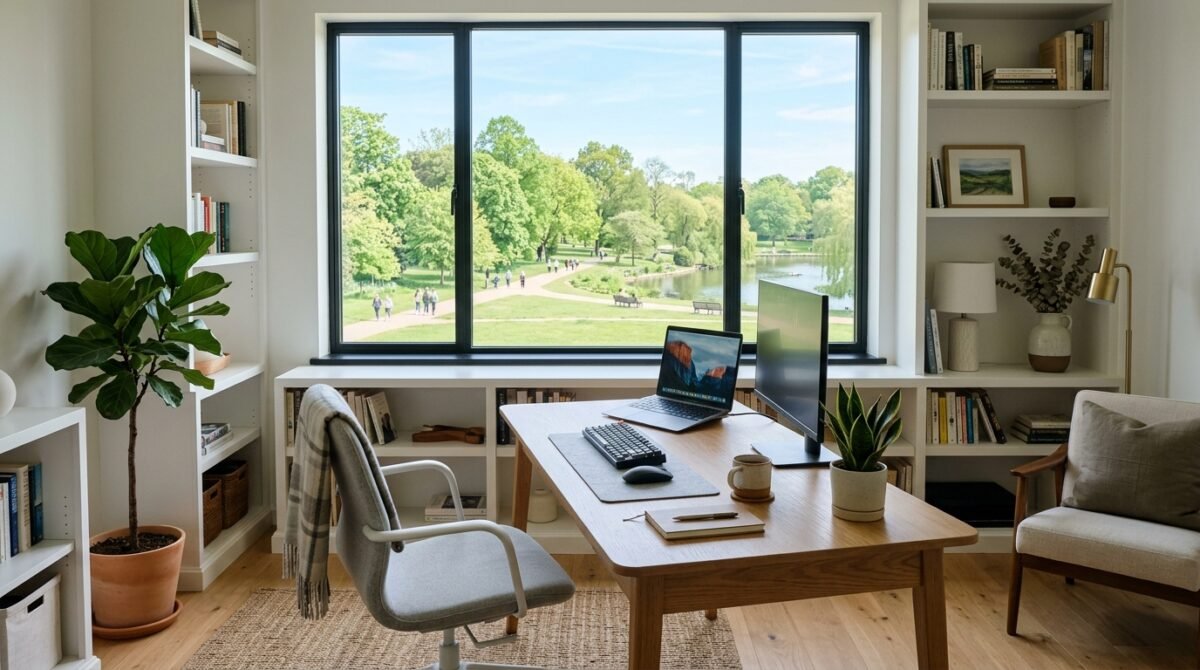
Today, I am in a completely different place, both physically and mentally. I’ve moved into a new apartment, one that I can afford on my own, where I don’t have to worry about who is coming through the door. I have a strict policy on visitors, and I’m much more transparent about my schedule from the very first day. The fear of being ‘the bad guy’ has been replaced by the confidence of being a person who knows exactly what they need to thrive.
I still look back at the photos I took that morning—the rain, the boxes, the total chaos—and I don’t feel regret. I feel a sense of pride. I see a person who was pushed to the absolute limit and decided that they weren’t going to let their life be ruined by someone else’s lack of consideration. It’s a reminder of what I’m capable of, and it’s a standard I hold myself to in everything I do now.
If you are struggling with a difficult roommate or a toxic situation in your own life, remember that you have options. You don’t have to suffer, and you don’t have to stay silent. Document everything, understand your rights, and don’t be afraid to take the necessary steps to protect yourself. Your life, your career, and your sanity are too precious to be sacrificed for the convenience of someone who doesn’t care about you.
I’m also much more involved in my community now, having met neighbors who are respectful and kind. It’s amazing how much the quality of your life improves when you surround yourself with people who value the same things you do. I’m no longer living in a bunker; I’m living in a home. And for the first time in a long time, that feels like enough.
“The best way to predict your future is to create it, free from the interference of those who do not share your vision.”
— My own mantra for the new chapter of my life
Thank you to everyone who read this, commented, and shared their own experiences. The internet can be a dark place, but it can also be a source of incredible support and validation. I’m signing off on this story now, ready to embrace the quiet, the order, and the bright future that lies ahead. I wish you all the best in creating the space you deserve.
Conclusion
The saga of the 2 AM rave and the rain-soaked boxes is finally behind me, but the lessons remain etched in my daily life. It was a brutal initiation into the harsh realities of setting boundaries in adulthood, but it led me to a place of greater autonomy and self-respect. We often fear that standing up for ourselves will lead to isolation, but I found that it actually attracted a better, more respectful circle of people into my life.
I hope this story serves as a reminder that your peace is non-negotiable. Whether it’s a roommate, a family member, or a colleague, you have the right to curate your environment and protect your mental health. Don’t wait for a crisis to define your limits—define them now, enforce them clearly, and don’t apologize for the space you need to grow.
What about you? Have you ever had to make a drastic, ‘villainous’ choice to protect your boundaries? Did you ever reach a point where the only way out was to burn the bridge? Share your stories in the comments below—I’d love to hear how you handled your own roommate nightmares.
What's your verdict on this dilemma?
Vote below to contribute to the official community consensus.

Have a Dilemma Keeping You Up at Night?
Share your real-life feud, wedding chaos, or relationship crossroads anonymously with our editorial team.
What do you think ?
0 Comments🛡️ Comments are moderated to protect community integrity. Your comment will appear once approved by the editorial team.