
Living in a major metropolitan area with high rent often forces us to make compromises. When I signed the lease on my two-bedroom apartment, I thought I had struck gold: a spacious unit, a roommate I had known since college, and a rent price that didn’t make me want to cry. Sarah and I had a solid system for three years. We split the bills, we respected the common areas, and we generally stayed out of each other’s hair. I considered us friends, or at least, stable cohabitants with a mutual understanding of boundaries.
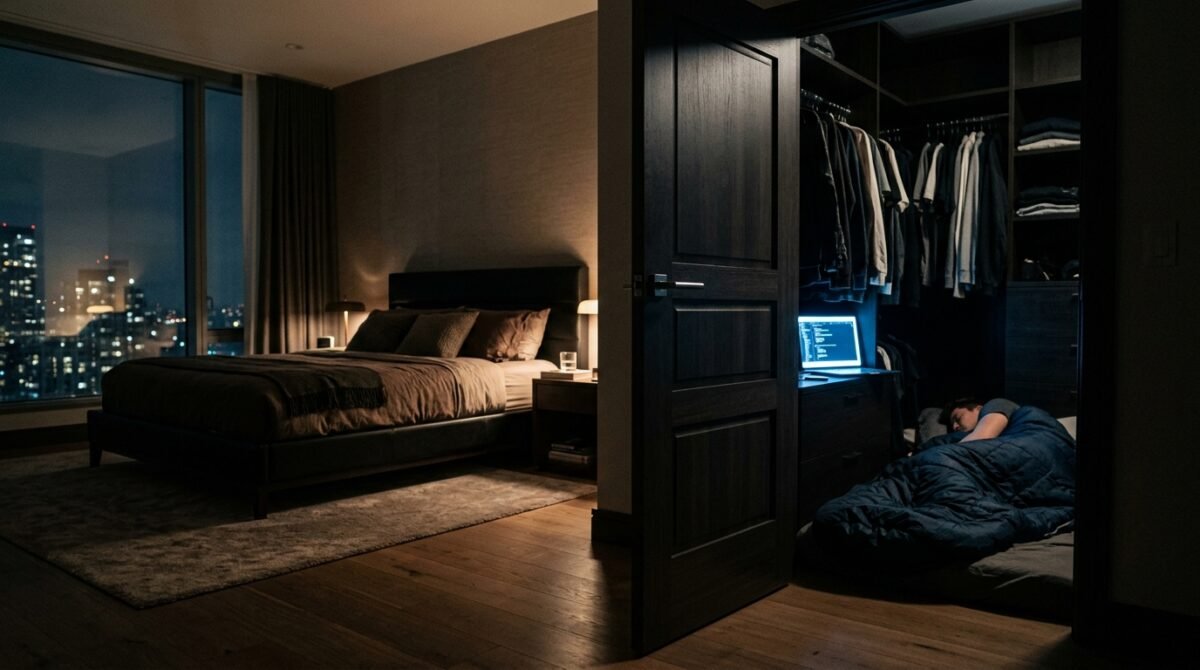
The trouble began on a Tuesday. I had returned home from a grueling twelve-hour shift at the firm, eager to dive into my sheets and disconnect from the world. As I walked past the master bedroom—which I had generously allowed Sarah to take because she insisted on a larger workspace for her freelance design business—I noticed a strange sound. It wasn’t the hum of her computer or the muffled bass of her music; it was the distinct, rhythmic sound of someone snoring behind the door of her walk-in closet.
I froze in the hallway, my heart pounding a frantic rhythm against my ribs. Was there a burglar? A squatter? I checked my phone, contemplating dialing 911, but the absurdity of the situation stopped me cold. Sarah was allegedly at a networking event in the city. I gingerly approached the door, my hand trembling as I reached for the handle. I expected danger, but what I found was a logistical nightmare that would ultimately destroy our friendship and expose a level of greed I hadn’t realized my roommate was capable of.
What I saw that night wasn’t just a violation of personal space; it was a calculated breach of our lease, our trust, and my basic right to safety. Behind the door sat a neatly arranged, albeit cramped, sleeping setup with a folded mattress, a small reading lamp, and a stranger who looked just as startled as I was. When I finally pieced together the truth—that Sarah was renting out our actual apartment closet on Airbnb while I was at work—I knew my life in that apartment would never be the same again.
This is the story of how a simple discovery turned into a full-scale war of nerves, leading to an inevitable fallout with property management and a complete dismantling of a living arrangement I once thought was bulletproof. It is a tale of audacity, financial exploitation, and the heavy price of keeping secrets in a home meant for sanctuary.
The Stranger in the Walk-In Closet
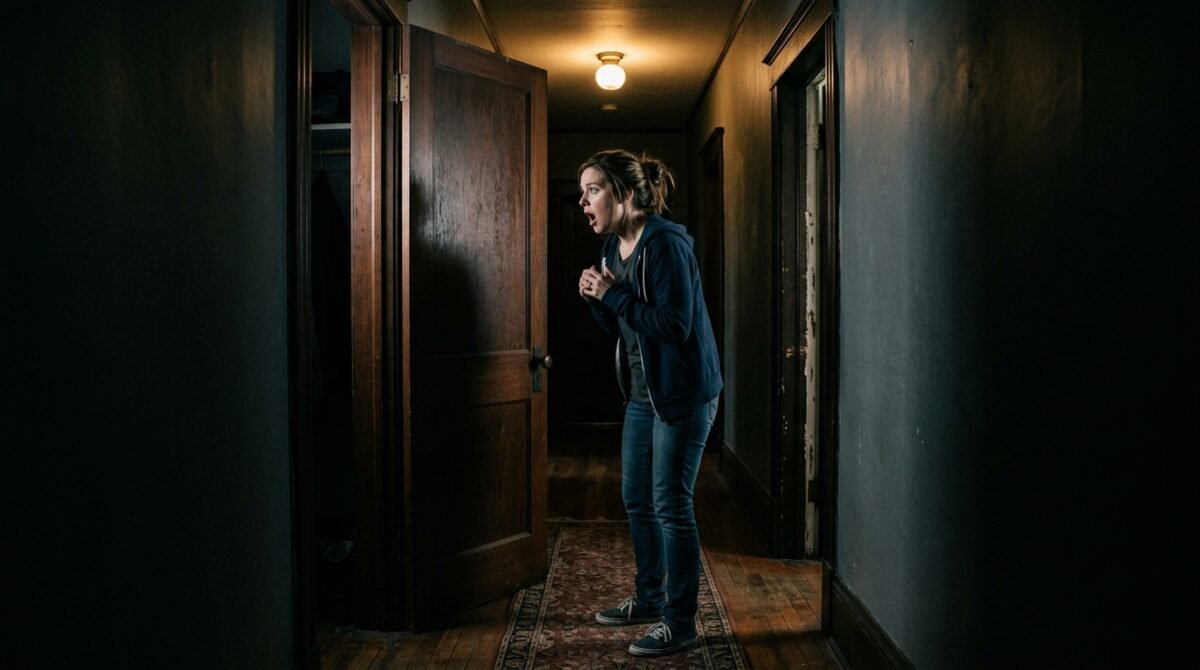
The realization hit me with the force of a physical blow. The man inside the closet, a guy who looked to be in his twenties, sat up, blinking against the hallway light I had accidentally flicked on. He looked confused, clutching his smartphone like a lifeline. He wasn’t a criminal, not in the traditional sense; he was a guest. A paying guest, apparently, who had been misled about the nature of his accommodation.
“Are you… are you with Sarah?” I stammered, my voice barely audible over the sudden rush of blood to my ears. The guy stared at me, then back at his phone, his face turning an alarming shade of red. He scrambled to gather his things, clearly realizing that something was deeply wrong with the situation. He apologized profusely, explaining that he had booked the place through a profile that promised a ‘cozy, minimalist urban retreat’ in the heart of the district.
“I’m so sorry. The host told me the closet was a ‘nook’ and that I should be quiet because her roommate was working. She charged me seventy dollars a night for this space.”
— The Unsuspecting Airbnb Guest
I stood there, paralyzed, while the man packed his bag in frantic, jerky movements. My mind raced through the implications. My name was on that lease. Our landlord, a notoriously strict man named Mr. Henderson who had already threatened eviction over a minor noise complaint months ago, would not take kindly to unauthorized subletting—especially when that subletting involved turning our master closet into a de facto hostel.
I pulled out my phone and dialed Sarah. It rang twice before she picked up, her voice airy and unbothered, as if she were sipping cocktails at a gala. She didn’t realize the trap she had set for herself until I told her I was standing in our bedroom with her ‘client.’ The silence on the other end of the line was deafening, replaced only by the distant clatter of silverware and background chatter from wherever she actually was.
“You need to get home right now,” I said, my voice cold and devoid of its usual warmth. She tried to deflect, stammering some excuse about a ‘friend staying over,’ but I wasn’t having it. I told her the guest was leaving and that we were going to have a very long, very uncomfortable conversation about the lease, the money, and the absolute insanity of what she had been doing behind my back.
The Audacity of the Explanation
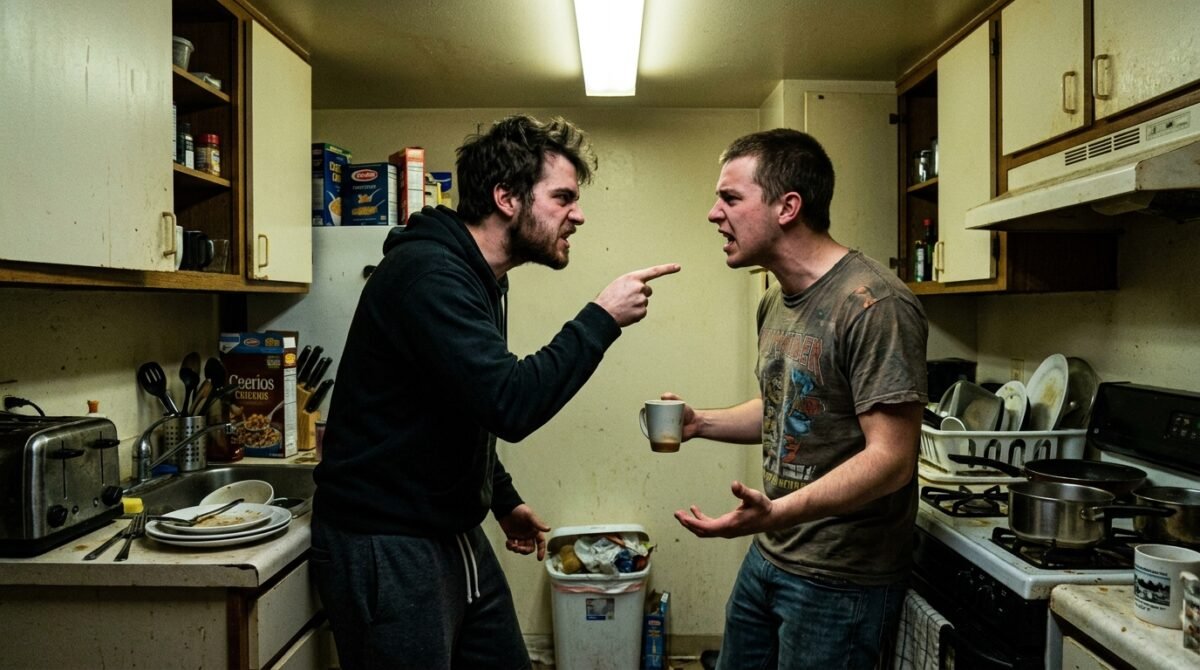
When Sarah finally walked through the front door an hour later, she didn’t look remorseful. She looked annoyed, as if I were the one who had committed an egregious social faux pas by interrupting her side income. She threw her keys on the counter and walked straight to the kitchen, pouring herself a glass of water with an air of practiced indifference. She had the audacity to suggest that I was overreacting to a harmless way of ‘maximizing our square footage.’
“Look, rent is expensive. I’m just trying to make ends meet, and that closet is literally just sitting there gathering dust. Why should it matter if someone spends the night there while you’re out?”
— Sarah, during the confrontation
I couldn’t believe my ears. I laid out the math for her—not the financial math, but the legal reality. I reminded her of the clause in our contract that explicitly forbade short-term rentals and prohibited unauthorized occupants. I told her that if Mr. Henderson found out, we would both be out on the street with blacklisted rental histories. She dismissed my concerns as ‘paranoid,’ claiming she had been careful with who she picked and that no one would ever know.
The argument escalated quickly. I pointed out that she had been bringing strangers into our home without my knowledge or consent, compromising my safety and privacy. She fired back by criticizing my ‘stagnant’ lifestyle, claiming that she was an entrepreneur while I was just a drone. It became clear that this wasn’t just about the closet; it was about a fundamental difference in how we viewed our shared home and our responsibilities to one another.
I told her I wanted the Airbnb account shut down immediately. She agreed, but the look in her eyes told me she was already calculating how much money she was losing by complying. I didn’t trust her. I spent the rest of the night pacing the living room, feeling like a stranger in my own home, wondering how many other people had cycled through that closet while I was asleep or at work.
The Digital Trail of Betrayal
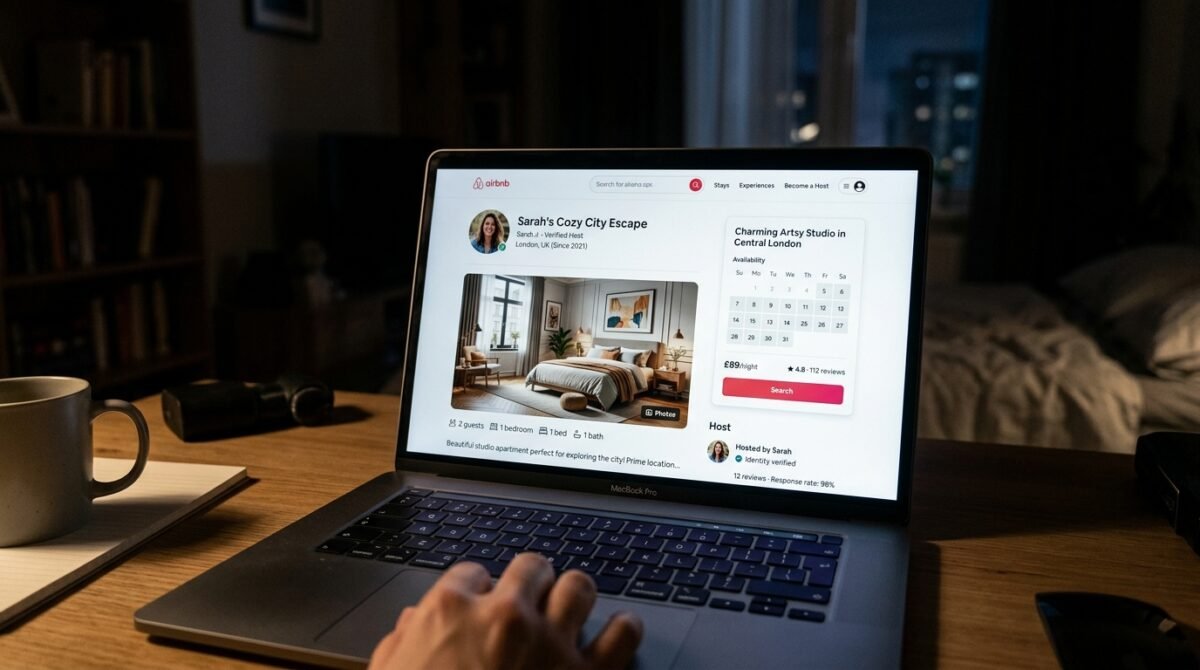
The next morning, I decided to do a little investigative work. I knew Sarah wasn’t going to quit cold turkey just because I asked. I went to the Airbnb website and searched for our address, or at least, the general area. It didn’t take long to find the listing under a pseudonym. The photos were clever—crooked angles of the bedroom that made the closet look like a ‘cozy nook’ with ‘bohemian charm.’ The reviews were the most horrifying part; there were dozens of them, dating back nearly six months.
“Great stay! The host was very accommodating, and the ‘nook’ was surprisingly quiet given the apartment location. Perfect for a quick sleepover on a budget.”
— Review from a former guest
I realized then that she had been doing this for half a year. I scrolled through the dates and cross-referenced them with my own travel history and work schedule. I was sickened. Every time I had left for a business trip, she had been monetizing my absence—and likely, even when I was home, just hoping I wouldn’t notice the extra foot traffic. I felt violated. She hadn’t just breached the lease; she had turned me into a landlord without my consent.
I took screenshots of everything. Every review, every price point, every mention of the ‘cozy closet.’ This was my leverage, but I also knew it was my own destruction. If I took this to the landlord, I was outing myself too. But the alternative—staying in a house where the security was non-existent and the roommate was a liability—wasn’t an option. I needed a plan to protect myself before she dragged me down with her.
I started keeping a log. I noted every time I heard a muffled voice or a creak of the floorboards in the middle of the night. I wasn’t going to let her gaslight me anymore. I knew I needed to talk to management, but I had to do it in a way that protected my reputation as a reliable tenant while framing her as the sole perpetrator. It was a delicate, dangerous game of chess, and the next move was mine.
The Meeting with Management
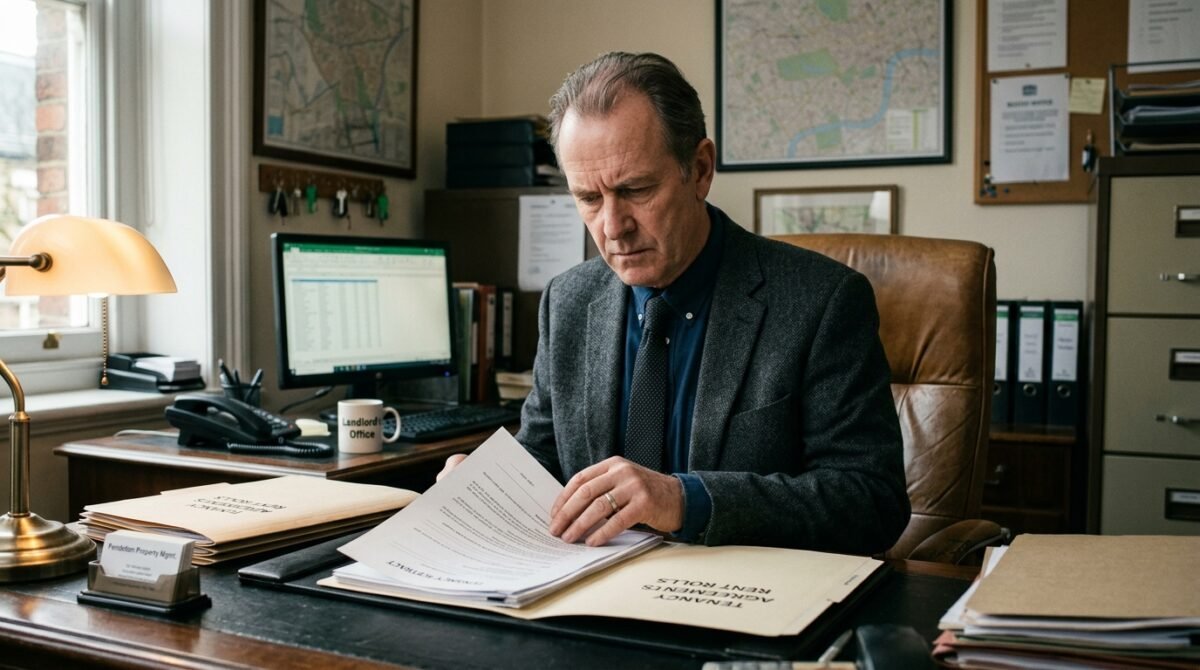
I scheduled a meeting with Mr. Henderson, the property manager, under the guise of ‘discussing lease renewal concerns.’ When I walked into his office, the air felt heavy with the weight of the secret I was about to reveal. Mr. Henderson was a man who took his rules seriously. He had a reputation for evicting people for having an extra pet, let alone running an illegal hospitality business from a bedroom closet.
I laid out the facts. I didn’t hold back. I showed him the screenshots of the Airbnb listing, the reviews, and the dates that overlapped with our residency. I explained that I had only discovered this recently and that I was deeply uncomfortable with the liability it created for the building. I also made sure to emphasize that I had no knowledge of these activities prior to that Tuesday night.
“I don’t want to get evicted, Mr. Henderson. I’ve been a model tenant for three years. But I cannot live in an environment where my roommate is inviting strangers to sleep in a closet, compromising the building’s safety.”
— Me, speaking to the landlord
Mr. Henderson looked at the documents, his face turning an alarming shade of purple. He didn’t thank me, but he did acknowledge that I had done the right thing by coming forward. He told me he would handle it. The next few hours felt like an eternity. I went back to the apartment and waited for the inevitable explosion. I knew Sarah would be livid, but at this point, the bridge was already burned to ashes.
The impact of my decision was instantaneous. Within two hours, I received a notification that the locks on the main door were being changed. Sarah’s key wouldn’t work, and neither would mine, but I had been told to go to the office to collect a new one. The eviction notice for the primary leaseholder—Sarah—was already being drafted. I had secured my position, but I had also effectively nuked my living situation. There was no going back.
The Group Chat Explosion
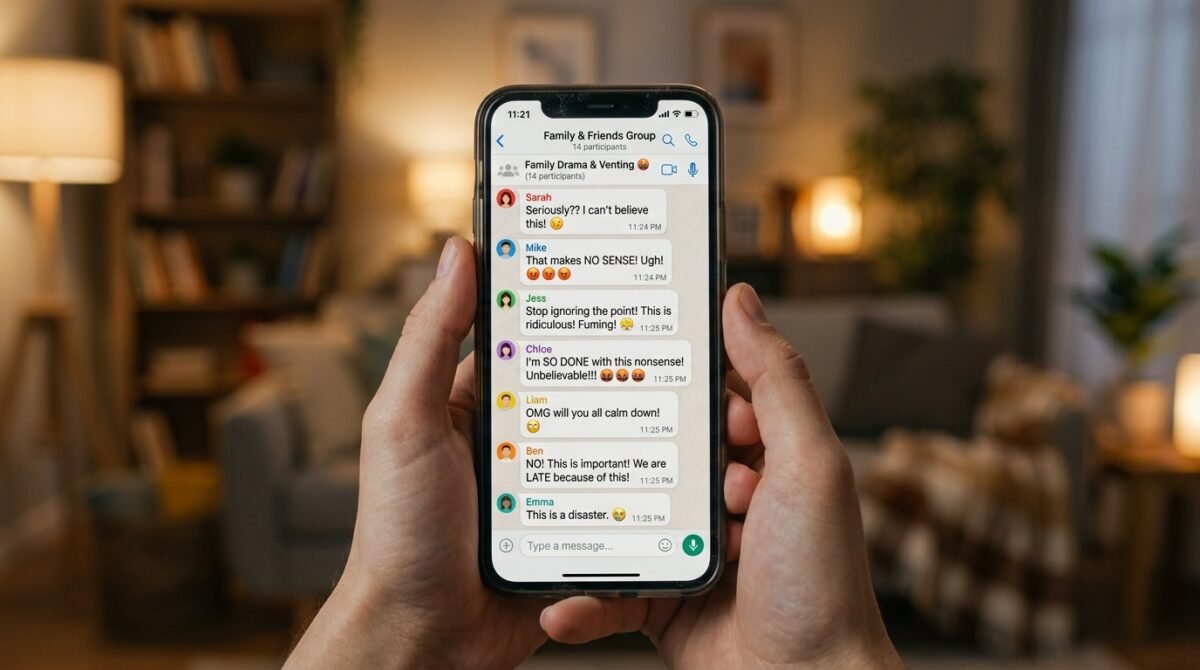
The fallout was swift and brutal. Sarah found out I had spoken to management within minutes of the eviction notice hitting her inbox. She didn’t call me; she blasted our shared friend group, accusing me of being a traitor, a snitch, and someone who didn’t care about the ‘struggle’ of making rent. The group chat blew up, with messages flying back and forth at a dizzying speed.
“I can’t believe you actually went to the landlord. You literally destroyed my livelihood over a closet. You’re a sociopath.”
— Sarah, via text message
I didn’t engage in the public drama. I simply replied once, stating that safety and contract integrity were not negotiable, and then I muted the chat. The reactions from our friends were mixed. Some were shocked that she had been doing this, while others thought I should have talked to her privately instead of ‘running to authority.’ It was exhausting to explain that there was no ‘privately’ when the situation involved a stranger in our home.
I spent that night packing. Even though I was technically allowed to stay, I couldn’t bear to be there. The apartment, once a place of comfort, now felt like a crime scene. I felt a strange mixture of relief and guilt. Relief that the madness was over, and guilt that I had caused such a massive upheaval in someone’s life. But then I reminded myself: she caused this. She made the choice to monetize our shared space without my consent.
I watched as she returned to the apartment, escorted by a friend, to grab her things. The tension was so thick you could cut it with a knife. She didn’t look at me. She just stuffed her belongings into garbage bags, sobbing and cursing under her breath. It was a pathetic end to a three-year friendship, but it was the only way to end it.
The Reddit Verdict

I turned to the internet to see if I was the villain, as Sarah had painted me. I posted a summarized version of the story on a popular forum, expecting to be roasted. Instead, the response was overwhelming. Thousands of people chimed in, almost all of them validating my decision to protect myself and my lease.
“OP, you didn’t ruin her livelihood. She ruined her own by being a dishonest, greedy roommate who endangered your housing status. You’re NTA (Not The Asshole) for choosing to stay housed over keeping a secret for someone who clearly doesn’t respect you.”
— u/RentalsTruth (Top Comment, 18.2k upvotes)
The thread became a repository for other horror stories. People shared their own experiences with roommates from hell, from illegal subletting to hoarding to outright theft. It was oddly comforting to know I wasn’t alone. The Reddit consensus was clear: the moment she decided to use our shared apartment for an illegal business venture, the friendship was over. I wasn’t a snitch; I was a tenant protecting my home.
The legal advice I received was also eye-opening. Many users pointed out that if there had been an incident—a fire caused by a space heater in the closet, a theft, or a physical assault—the liability would have fallen on both of us. My decision to report her hadn’t just saved my credit; it had likely saved me from a massive legal and financial disaster. It gave me the validation I desperately needed to move forward without looking back.
The discussion also touched on the broader issue of the gig economy and how it encourages people to treat their homes as commodities rather than places of sanctuary. The ‘hustle culture’ mentality had clearly warped Sarah’s judgment, and I was just the casualty of her ambition. Seeing the community rally behind me helped me realize that my boundaries, which I had felt were being tested, were actually very standard and reasonable.
Cleaning Up the Mess
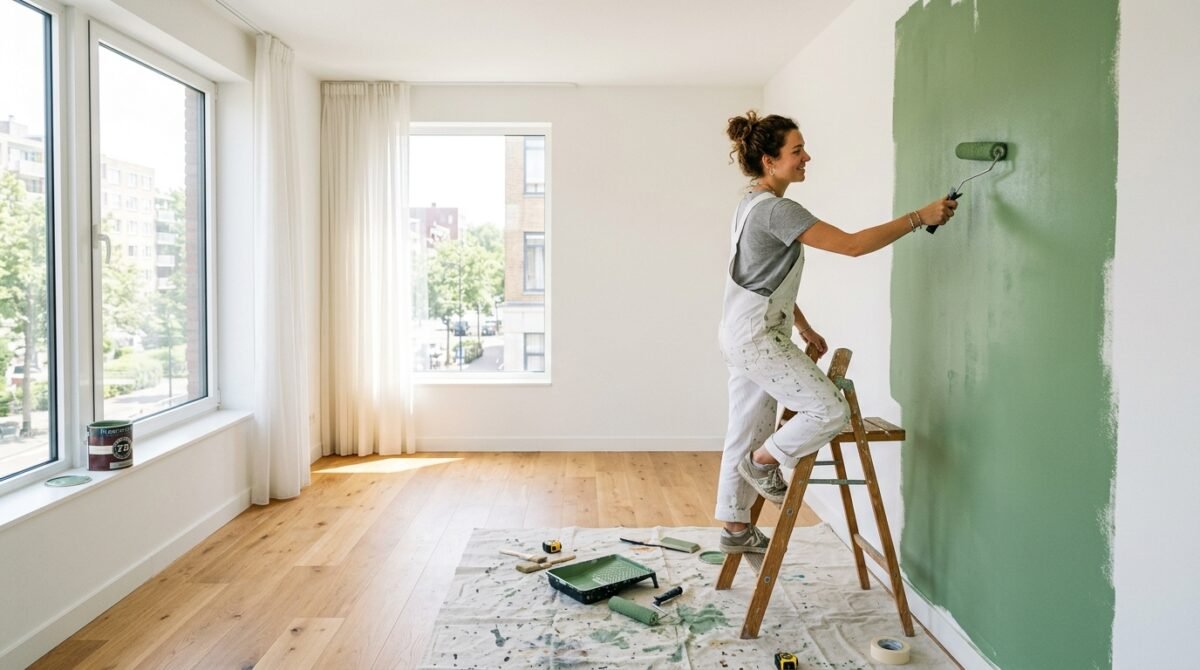
After Sarah moved out, the apartment felt cavernous and empty. I had to pay for a deep cleaning service to get rid of the ‘closet guest’ residue—literally and figuratively. The smell of cheap cologne and the lingering sense of unease took days to scrub away. I also had to meet with Mr. Henderson again to confirm the transition of the lease to my name alone, which came with a rent increase but a profound sense of peace.
I spent the next few weeks redecorating. I painted the walls, rearranged the furniture, and finally reclaimed the master bedroom. It felt like I was reclaiming my life. I didn’t want to live in fear of what I might find when I came home. I wanted a space that belonged solely to me, where I could trust that the person in the other room—or in this case, no one—was exactly who they said they were.
“I’m finally sleeping through the night without checking the locks. It’s amazing what a little peace of mind can do for your mental health.”
— My journal entry, two weeks later
I also had to deal with the fallout in our social circle. Some people chose sides, which was fine by me. I found out who my real friends were—the ones who understood that loyalty to a friend doesn’t mean enabling their destructive, illegal behavior. The process of purging my life of the drama was just as important as purging the apartment of the physical evidence of Sarah’s betrayal.
I look back at the photos of the closet now and I still can’t believe it happened. It feels like a fever dream. But the lesson remains: trust, but verify. And more importantly, never let anyone guilt you into compromising your safety for their financial gain. My boundaries were my last line of defense, and I’m glad I had the courage to hold them, even when it meant standing alone.
The Legal Ramifications
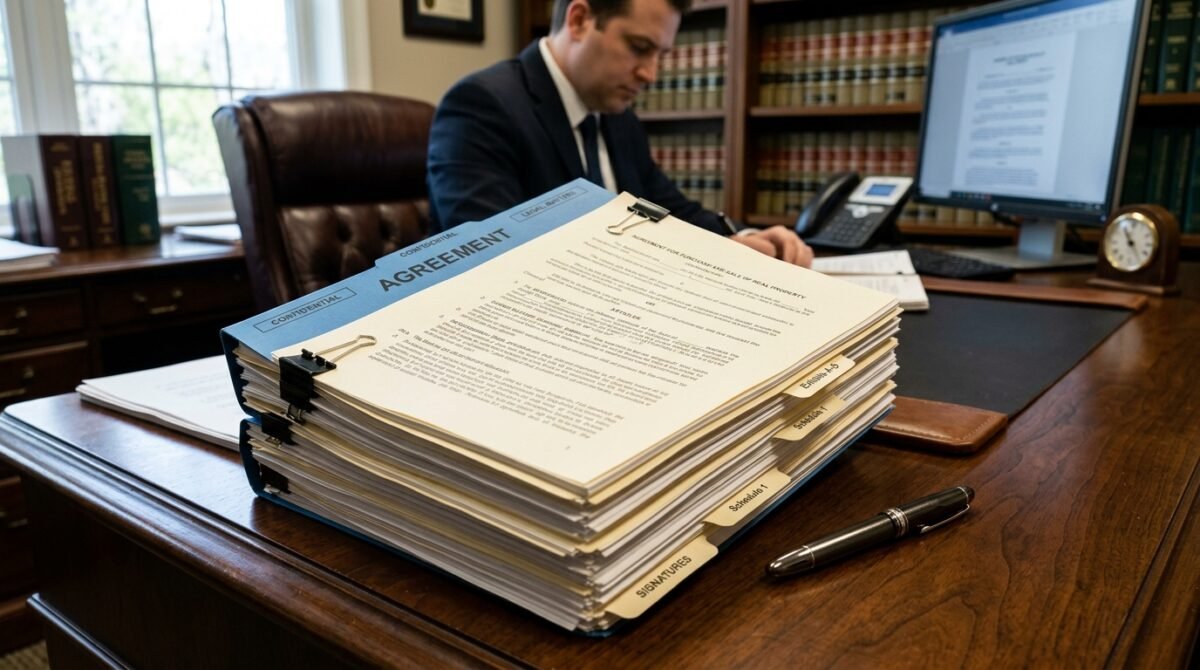
I later found out that Sarah faced more than just an eviction. Mr. Henderson had reported the unauthorized subletting to the city’s housing board, and she was hit with a hefty fine for operating a short-term rental without a license in a rent-controlled building. The total amount she had made from her Airbnb guests was nowhere near enough to cover the legal fees and fines she ended up paying. It was a hard lesson in the cost of greed.
She reached out to me once, months later, asking if I would ‘vouch’ for her on a new rental application. I didn’t even reply. The lack of self-awareness was staggering. She didn’t seem to understand that she had put my entire future at risk for a few hundred dollars a month. That was the final nail in the coffin of our relationship. I had moved on, and I had no interest in being a part of her damage control.
I learned a lot about tenant rights during that time. I spent hours reading our lease, highlighting every clause, and understanding exactly what my responsibilities were. I realized how vulnerable I had been, and how easily I could have been caught in the crossfire of her illegal activities. The power dynamic of the landlord-tenant relationship is fragile, and I learned that being a ‘good roommate’ is secondary to being a ‘good citizen’ of your own home.
The experience changed how I look at housing. I’m no longer the naive person who assumes everything is fine just because it’s quiet. I’m more proactive, more vigilant, and far more protective of my living space. It’s not about being suspicious, it’s about being responsible. And if that means being the person who reports a lease violation, then so be it. My home is my sanctuary, and I will protect it at all costs.
Lessons in Boundaries and Loyalty

The biggest takeaway from this whole nightmare was the realization that my boundaries were not an inconvenience; they were a necessity. I had spent so much of my life trying to be the ‘easygoing’ roommate, the one who didn’t complain, the one who went with the flow. But that ‘easygoing’ nature had allowed a cancer to grow in my own living space. By not setting clear boundaries from the start, I had inadvertently created an environment where Sarah felt empowered to do whatever she wanted.
I learned that loyalty is a two-way street. I was loyal to Sarah as a friend for years, but she was never loyal to me. She was loyal to her bank account. And that’s okay—people change, and their priorities shift. But she didn’t have the right to drag me into her mess. Understanding the difference between being a supportive friend and being an enabler was the most important personal growth I achieved through this whole ordeal.
“Boundaries aren’t mean. They are the walls that protect your sanity. If someone tries to tear them down for their own gain, they were never your friend to begin with.”
— A thought I wrote down during the fallout
I also learned that being the ‘bad guy’ is sometimes the only way to be the ‘right guy.’ In the moment, it felt terrible to report her. I felt like a traitor. But looking back, I realize that I wasn’t betraying her; I was fulfilling my obligation to myself and to the landlord who had trusted me with the lease. Sometimes, doing the right thing feels like doing the wrong thing, and that’s a hard pill to swallow.
I have a much tighter circle of friends now. I don’t look for people who are ‘easy’; I look for people who are respectful, who value the same things I do, and who understand that mutual respect is the foundation of any relationship, roommate or otherwise. I’m in a better place now, in every sense of the word, and I owe that to the moment I decided to stop being a bystander in my own life.
Looking Back at the Chaos
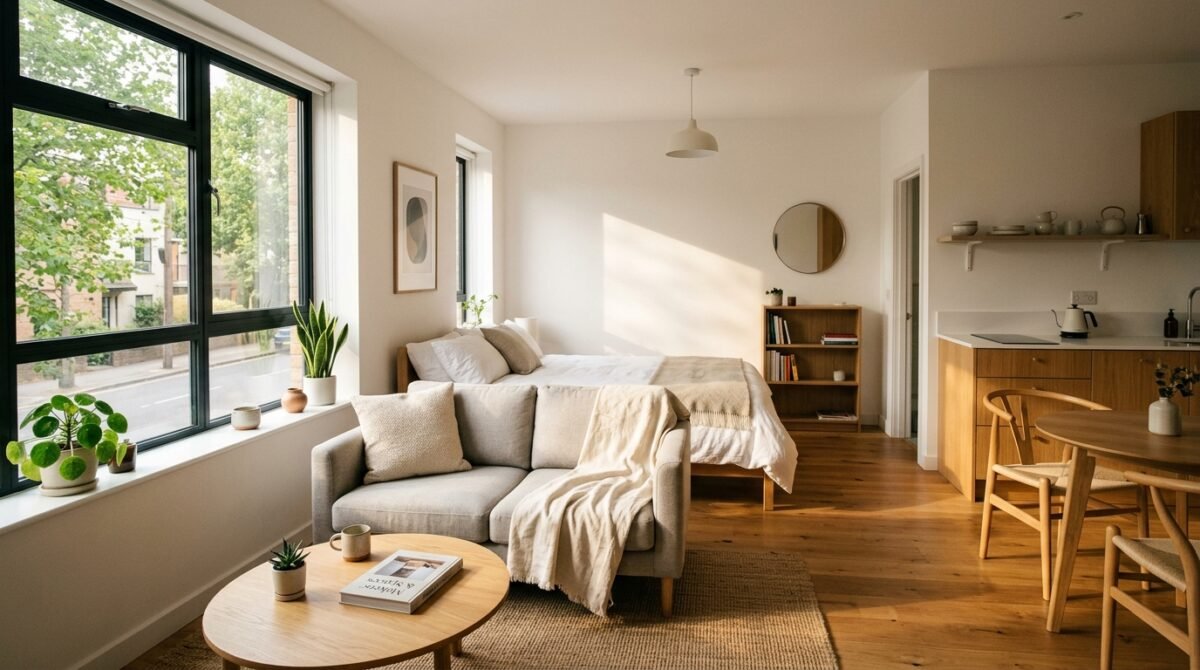
It has been a year since the incident, and I rarely think about Sarah. When I do, it’s with a sense of detachment. The anger has long since faded, replaced by a dull realization of how easily things could have gone wrong. I still live in the same building, though I moved to a different unit—a studio this time. I don’t want roommates. I don’t want to worry about what’s happening behind closed doors. I want my space to be mine, and mine alone.
I sometimes run into neighbors who knew us, and there’s always that awkward flicker of recognition. Some of them still think I was too harsh, while others thank me for keeping the building safe. It’s funny how much people project their own values onto your story. But none of that matters anymore. The only thing that matters is that I feel safe in my own home, and that is a luxury I will never take for granted again.
I’ve started a new chapter of my life, one focused on personal growth and professional stability. I’ve stopped worrying about the opinions of people who don’t have to live in my apartment or pay my rent. I’ve realized that the only person you can truly rely on to protect your interests is yourself. And that’s a lesson that is worth every penny of the rent I pay now.
If there’s any advice I can give to anyone reading this, it’s to trust your gut. If something feels off, it probably is. Don’t let your desire to be ‘nice’ stop you from investigating what’s happening in your home. Your safety and your peace of mind are non-negotiable. Don’t ever let anyone make you feel guilty for protecting what is rightfully yours.
Conclusion
Looking back, the entire situation serves as a stark reminder that we are all responsible for the environments we curate. Whether you are a roommate, a tenant, or a landlord, the integrity of your living space depends on transparency and mutual respect. I didn’t set out to destroy a friendship; I set out to secure my own survival in a precarious living situation. The fact that the friendship didn’t survive is a testament to the fact that it was never built on the solid ground of mutual respect to begin with.
What about you? Have you ever had a roommate situation spiral out of control? Have you been the one to enforce a boundary that changed everything, or have you been caught in a situation where you had to choose between loyalty and your own integrity? Join the debate in the comments below—I’d love to hear your stories of boundary-setting, rental nightmares, and the aftermath of choosing yourself over the ‘easy’ path.
What's your verdict on this dilemma?
Vote below to contribute to the official community consensus.

Have a Dilemma Keeping You Up at Night?
Share your real-life feud, wedding chaos, or relationship crossroads anonymously with our editorial team.
What do you think ?
0 Comments🛡️ Comments are moderated to protect community integrity. Your comment will appear once approved by the editorial team.