
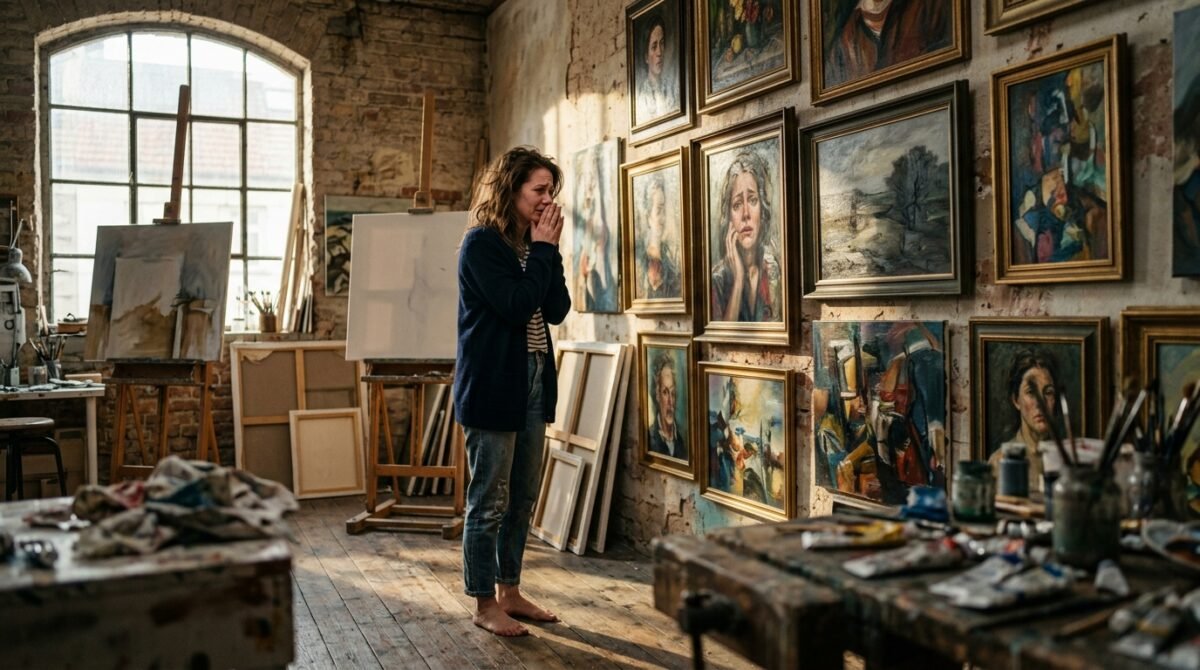
I never imagined that the most painful conversation of my life would take place over a lukewarm cup of coffee on a Tuesday morning. We had been together for four years, and I truly believed we were building a life defined by mutual respect and shared goals. The inheritance I received from my mother—a curated collection of fine art she had spent decades acquiring—was not just money to me; it was the physical manifestation of her spirit and our shared history. It was my safety net, my legacy, and the one thing I held sacred.
When my fiancé, Mark, dropped the bombshell that he expected me to liquidate that portfolio to cover his brother David’s third DUI bail, the air in the room felt like it had been sucked out. David is a grown man with a history of making dangerous choices, yet Mark seemed to think that my mother’s legacy was the natural solution to his brother’s lack of accountability. He didn’t ask; he presented it as a logical, necessary step in ‘joining our families.’
The moral dilemma here wasn’t just about the money. It was about the fundamental mismatch in our values. To him, my mother’s life’s work was just an asset to be leveraged. To me, it was the final tether to the woman who raised me. As I stared at him across the kitchen island, I realized that the man I thought I knew was a stranger operating under a completely different ethical framework.
This article chronicles the slow, agonizing unraveling of a relationship that was built on the assumption of partnership, only to reveal the cracks of entitlement hidden beneath the surface. It is a story about the audacity of expectations, the weight of grief, and the moment I realized that saving my future meant letting go of a man who didn’t respect my past.
The Tuesday Morning Ultimatum
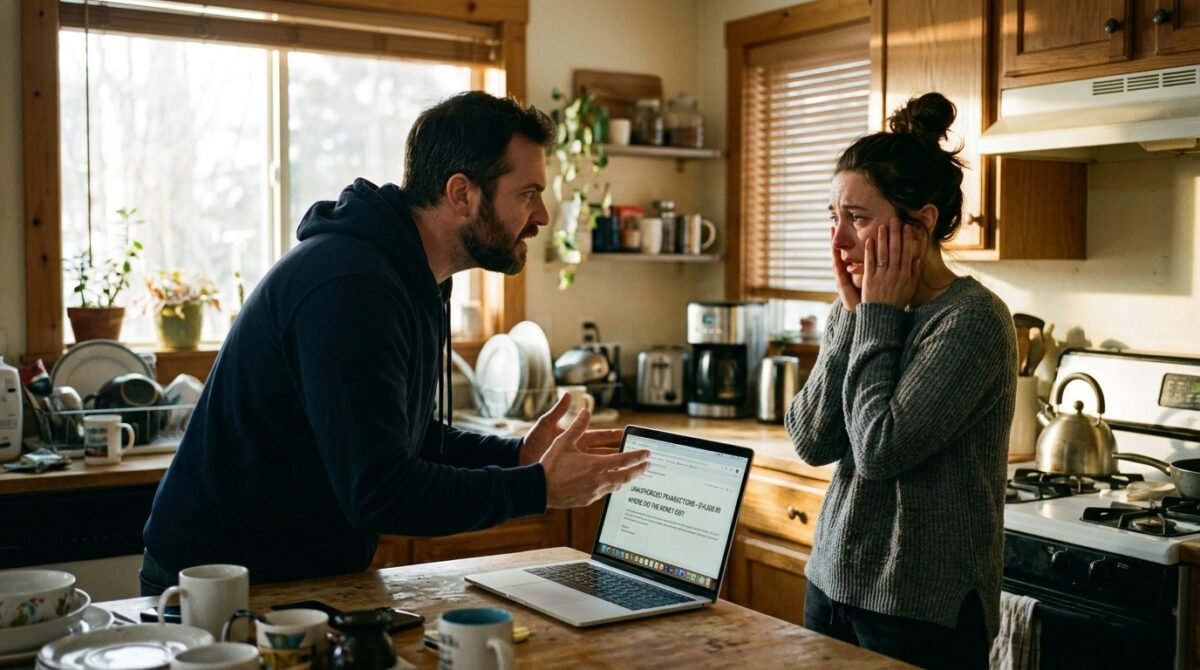
The morning started like any other. Mark was scrolling through his phone, his brow furrowed in that specific way he gets when he’s dealing with family drama. I was focused on my painting, still mourning the loss of my mother, whose gallery wall occupied the living room. Little did I know, the peace of that morning was about to be permanently shattered.
Mark finally looked up, his eyes cold and pragmatic. He started by bringing up David’s latest legal disaster. It wasn’t the first time David had been arrested, but it was certainly the most expensive. The bail amount was staggering, and the family was apparently in a panic. Mark’s tone was dangerously calm as he laid out the ‘solution’ he had apparently spent the night dreaming up.
“Listen, I know this isn’t what you planned, but we have the art collection. It’s sitting there doing nothing. David needs this, and if we don’t act now, he’s going to lose his job and his apartment. We can sell the two mid-century landscapes by tomorrow.”
I felt a physical jolt, as if I had been punched in the stomach. Those paintings weren’t just investments; they were commissioned by my mother during her travels in Europe. I barely managed to find my voice, my hands trembling as I set my coffee mug down. I asked him, very slowly, if he was truly suggesting I sell off my inheritance to bail out a man who had already proven he wouldn’t learn from his mistakes.
His response was a masterclass in gaslighting. He dismissed my emotional attachment as ‘materialistic’ while simultaneously demanding the material value of the items. He argued that ‘family helps family,’ a mantra he used to excuse every bad decision his brother had ever made. The shift in his demeanor was jarring—from a supportive partner to a cold, transactional stranger.
By the time he finished his argument, I felt a deep, chilling clarity. This wasn’t about an emergency; it was about entitlement. He had spent years watching me preserve those pieces, knowing full well they were non-negotiable, and yet he felt comfortable enough to suggest their destruction without a second thought. It was the first time I realized that my boundaries were merely suggestions to him.
The Anatomy of a Family Enabler
To understand why Mark felt so entitled to my assets, one has to look at the dynamic he had with his brother. David was the ‘golden child’ who never quite grew up, and Mark was the responsible older brother who spent his entire life cleaning up the messes David left behind. It was a cycle of codependency that had now metastasized into my relationship.
I had watched this dynamic play out for years, but I had always convinced myself that it stayed ‘over there’—at their family dinners and in their private phone calls. I was wrong. The reality was that Mark expected me to be an extension of that support system. If he was the bank for his brother, then by extension, my bank account was fair game.
He spent the afternoon trying to justify the request, framing it as a ‘temporary loan.’ He insisted that David would pay us back as soon as he got his life together. I asked him, point-blank, when that had ever happened. He couldn’t answer. He just kept repeating the same phrases about being a ‘team’ and ‘sacrificing for the greater good of the family.’
“You’re being incredibly selfish. I’m asking for your help because I’m in a bind, and you’re acting like I’m asking you to kill someone. It’s just art. You can buy more art later. You can’t buy back David’s freedom.”
The irony of him calling me selfish was not lost on me. I had contributed more to our household expenses than he had for the past two years, always quietly picking up the slack so we could save for a house. I had kept my mouth shut when he gave his brother ‘loans’ that were never repaid. I had been the silent partner, and now that the silence was being broken, he was shocked by the pushback.
I began to realize that I wasn’t an equal partner in his eyes. I was a resource. I was the ‘stable one’ whose role was to maintain the equilibrium of his family’s chaos. The more I pushed back, the more aggressive he became, shifting from pleading to outright demanding. It was an eye-opening look at how easily he could switch from ‘loving fiancé’ to ‘hostile adversary’ when his brother’s comfort was at stake.
The Group Chat Exposure
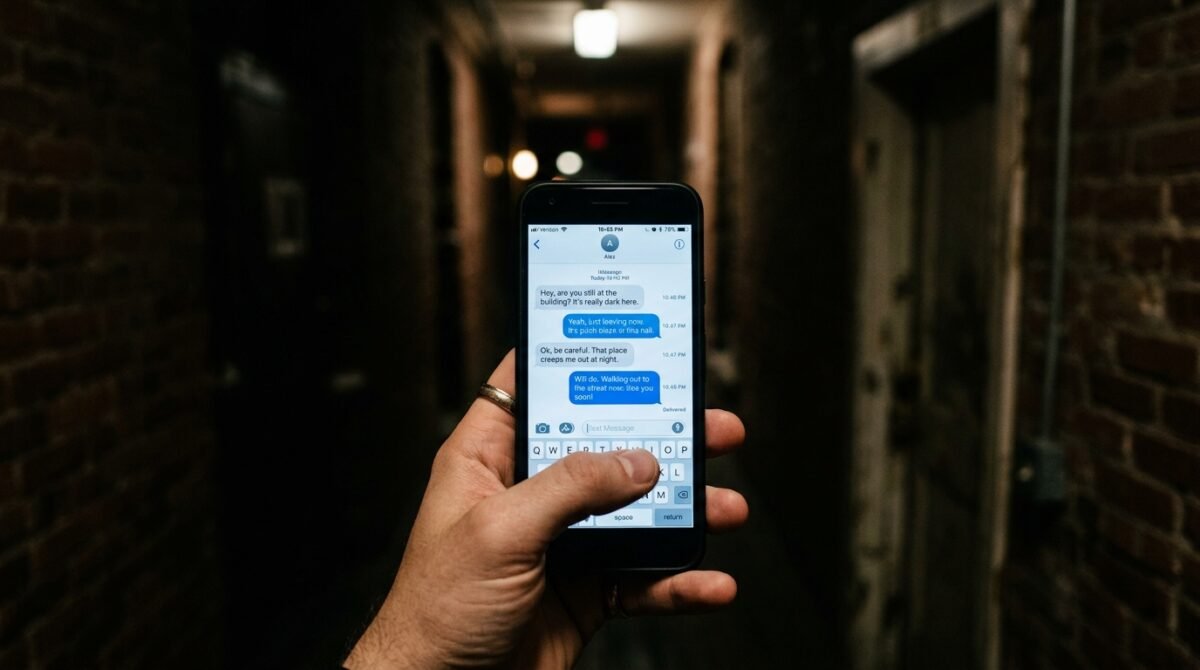
The tipping point came that evening. While Mark was in the shower, his phone buzzed incessantly. It was a group chat titled ‘David’s Comeback.’ Curiosity, or perhaps a desperate need for the truth, got the better of me. I opened the thread and read the messages that were being exchanged between Mark and his mother.
The messages were chilling. They weren’t discussing how to help David get sober or how to find him a lawyer. They were discussing how to convince me to ‘liquidate my assets’ for months. They had been planning this as an ’emergency exit strategy’ for whenever David inevitably messed up again. They viewed my mother’s collection as their personal slush fund.
“Just tell her it’s for the wedding fund if she gets suspicious. She’s too sentimental to say no if you frame it as ‘building our future.’ She’ll fold. She always does.”
— Mark’s Mother, via Group Chat
I felt the color drain from my face. It wasn’t just Mark. It was his entire family. They had been conspiring to manipulate me, using my love for them and my desire for a stable marriage as leverage. The feeling of betrayal was absolute. It wasn’t just a disagreement about money; it was a fundamental violation of trust.
I took screenshots of the entire conversation. My hands were shaking so hard I almost dropped the phone. When Mark walked back into the room, he saw me holding it. He didn’t even try to lie. He just looked at me with a mixture of annoyance and resignation, as if he was disappointed that I had been ‘snooping’ rather than ashamed of what I had found.
We didn’t scream. The silence was far more terrifying. I simply asked him to pack his things. He tried to argue, saying I was ‘overreacting’ and that the group chat was ‘just venting.’ He couldn’t understand that for me, the mask had slipped permanently. There was no going back to the way things were.
The Price of Integrity
The next few days were a blur of cold, clinical detachment. Mark moved out, moving into his mother’s basement to be closer to the ‘family drama.’ He sent me texts for weeks, oscillating between apologies and vitriol. One day he would claim he was ‘desperate and didn’t know what else to do,’ and the next he would accuse me of being ‘cold-hearted and money-obsessed.’
I found myself re-evaluating everything I had worked for. I realized that my mother’s art had been the one thing I held onto that kept me grounded in my own worth. By trying to sell it, Mark wasn’t just asking for money; he was asking me to compromise my values. I refused to let his family’s chaos dictate the terms of my legacy.
I decided to consult a financial advisor about the collection to ensure it was properly insured and protected. It was a empowering moment, taking full control of the assets I had been told were ‘communal.’ I was finally acting as the steward my mother would have wanted, protecting her memory rather than sacrificing it for the sake of a man who didn’t deserve my loyalty.
“You are choosing paintings over a human being’s life. I hope you can live with that on your conscience when David sits in a cell because you were too stubborn to help.”
— Mark, in a late-night text
I didn’t respond to that message. Engaging with his logic was a trap I no longer had to fall into. I had learned the hard way that his definition of ‘help’ was synonymous with ‘enabling.’ If David was going to face the consequences of his actions, that was not my failure—it was the inevitable result of his own choices. I was not the villain in his story; I was the one who finally stopped playing the victim.
Reddit Weighs In: The Community Verdict

When I finally posted my story on Reddit, I wasn’t prepared for the sheer volume of support. Within hours, the thread had thousands of comments, with the majority echoing the same sentiment: I had dodged a bullet. The community was brutal, honest, and incredibly validating. They saw through the gaslighting that I had been struggling with for weeks.
“He wasn’t asking you to help his brother; he was asking you to fund his brother’s bad behavior. Once you give them that money, you become the designated funder for every future screw-up. You didn’t just save your art; you saved your entire future from a lifetime of being their ATM.”
— u/FinancialFreedomFan (Top Comment, 32.4k upvotes)
Reading through the comments was like seeing the situation with 20/20 vision. Many people shared their own stories of being ‘the responsible one’ in relationships and the toll it took on their mental health. It made me realize that this is a common trap, often disguised as ‘family loyalty.’ I wasn’t alone in this, and that realization alone was worth more than any bail money.
The community also pointed out the legal and financial ramifications of what he had asked. If I had sold the art, it would have been a taxable event, and I would have been effectively throwing away my inheritance on a high-risk situation with zero chance of return. The math, just like the morality, was entirely against him.
Some commenters were curious about the ‘group chat’ aspect. They asked if I should take legal action for the harassment or the attempted financial coercion. While I wasn’t looking for a legal battle, the advice to document everything was invaluable. I kept all the logs, just in case. The support from strangers gave me the strength to stay firm when Mark tried to guilt-trip me during the final move-out process.
The Aftermath of No Contact

Going no-contact was the hardest part. It felt like I was severing a limb, even though I knew the limb was already gangrenous. There were days when I wanted to reach out, just to see if he was doing okay, or if he finally ‘got it.’ But I knew that those thoughts were just the lingering echoes of the manipulation he had ingrained in me.
I started attending therapy to unpack why I had allowed myself to be treated this way for so long. My therapist helped me see that my empathy had been weaponized against me. I had a tendency to see the ‘potential’ in people rather than the reality of their actions, and that was a blind spot that Mark had exploited to the fullest.
I began to find joy in my art again. I painted for the first time in months, not to sell, but to express the anger and the liberation I felt. I realized that my mother’s art wasn’t just a collection; it was a reminder of a life lived with passion and integrity. Keeping it safe was a way of keeping my own integrity safe.
“The moment you stopped being the savior, you started being your own person. Never apologize for protecting what is yours.”
— My Therapist
Life moved on. I got a new job, moved to a new apartment where the walls were decorated with my own work, and started dating people who actually respected my boundaries. I still look at my mother’s paintings every day, and they don’t look like money to me. They look like a shield, a reminder of the day I finally stood up for myself and chose my own life over someone else’s chaos.
The Reality Check: Financial Entitlement

It is worth noting the sheer absurdity of the financial demand. A third DUI is not a minor mistake; it is a pattern of behavior that carries massive legal and insurance costs. By asking me to pay for it, Mark was essentially asking me to subsidize his brother’s recklessness at the expense of my own security. It was a demand that ignored the reality of my financial needs and the sanctity of my inheritance.
Many people struggle with the idea that ‘marriage is about shared assets.’ While that is true, it is not an excuse for one partner to treat the other’s assets as their own private reserve. There is a massive difference between supporting a partner during a genuine medical or career crisis and enabling a family member who has no interest in personal growth.
I had to learn to look at my finances with a cold, analytical eye. I created a ledger of what I had contributed versus what he had contributed, and the disparity was shocking. I had been paying for his lifestyle, his brother’s ‘loans,’ and our shared bills, all while believing I was just being a ‘good partner.’ It wasn’t partnership; it was exploitation.
| Contribution | My Side | Mark’s Side |
|---|---|---|
| Rent/Mortgage | 60% | 40% |
| Joint Savings | 70% | 30% |
| ‘Loans’ to Family | 0% | 100% (funded by me) |
The table above is a simplified version of the reality I uncovered during my ‘divorce from the engagement.’ It was the final nail in the coffin. Seeing it on paper removed the emotional baggage and left me with the stark, unavoidable truth: I was being used. The realization was painful, but it was the final catalyst I needed to move on completely.
The Lessons of the Broken Engagement

If I could go back in time, I would tell myself to trust my gut the very first time Mark brought up his brother’s finances. I would have set a hard boundary immediately: ‘My money is not for your family.’ It’s a simple sentence, but it’s one that filters out the people who want a partner from the people who want a benefactor.
I learned that love is not about sacrifice without limits. True love respects the other person’s boundaries, their history, and their future. If someone is constantly asking you to shrink yourself or give away your security to fit into their family dynamic, they aren’t looking for a partner; they are looking for a safety net. And it is not your job to be that net.
I’ve also learned to be much more transparent about my finances early in a relationship. It feels awkward at first, but it saves so much pain in the long run. Knowing that a partner respects your financial autonomy is a key indicator of whether they will respect your other boundaries as well. It’s not about being ‘stingy’; it’s about being secure.
“When someone shows you who they are, believe them the first time. I spent four years waiting for him to change, ignoring the red flags that were staring me in the face every single day.”
I am now in a place where I feel proud of the choices I made. I stood up for my mother, for my future self, and for the life I wanted to build. The pain of the breakup has faded, replaced by a sense of calm confidence. I am no longer waiting for the next shoe to drop, and that is a freedom I wouldn’t trade for anything in the world.
Navigating Future Relationships

As I dip my toes back into the dating world, I find myself being much more cautious. I don’t hide my past, but I don’t lead with it either. I watch how people talk about their families, especially those who have members who are ‘struggling.’ It’s a litmus test that I didn’t know I needed until I lived through this nightmare.
I’ve also learned to recognize the difference between ‘support’ and ‘enabling.’ It’s okay to want to help someone you love, but that help should never come at the expense of your own well-being or your own values. If a partner can’t understand that, then they aren’t the right partner for me. I’m looking for someone who builds with me, not someone who wants to tear down what I’ve already built.
I’ve realized that the ‘fine art’ of my life isn’t just the physical paintings. It’s the collection of moments, boundaries, and lessons I’ve gathered along the way. I’m no longer willing to trade those for anyone. I’m protective of my space, my time, and my resources, and I make no apologies for that. It’s a healthy evolution, and one that I’m grateful for.
“I am not a bank, I am not a rescue service, and I am certainly not a martyr. I am a partner who wants to build a life on solid ground.”
If you find yourself in a situation where your partner is demanding you sacrifice your inheritance, your home, or your core values for their family, take a step back. Look at the patterns. Listen to the way they talk about your assets. And remember that you have the right to say no. You are the final authority on your own life, and no amount of ‘family loyalty’ should cost you your own soul.
Final Thoughts: Reflection and Moving Forward

Looking back at the entire saga, I’m struck by how quickly everything fell apart once the facade was cracked. It was a testament to the fact that the foundation was never truly solid to begin with. I had been living in a house of cards, and it only took one gust of wind to bring it all down. I am thankful for that wind, as harsh as it was.
I’ve found that my mother’s art has taken on a new meaning. It no longer represents the past; it represents the strength I found when I had to fight to keep it. Every time I look at those paintings now, I’m reminded not of the money I could have had, but of the self-respect I chose to keep. That is a value that no price tag can ever truly capture.
To anyone out there struggling with a partner who feels entitled to your assets: you are not crazy. You are not selfish. You are simply someone who has realized that a partnership should be a collaboration, not a theft. Trust your instincts, document everything, and don’t be afraid to walk away. The life you save will be your own, and it will be worth every ounce of the pain it takes to get there.
“The most important inheritance we receive is not the money or the things, but the courage to stand by our own truth. Don’t trade that for anything.”
I hope that by sharing my story, I can help someone else recognize the signs early. Don’t wait for the third DUI or the group chat exposure. Trust the small red flags. They are there for a reason, and they are usually pointing the way toward the door. I’m finally home, and for the first time in years, I know exactly who I am.
Conclusion
My journey from a naive partner to a woman who drew a firm line in the sand has been transformative. It wasn’t just about protecting a collection of paintings; it was about reclaiming my agency and understanding that my worth is not defined by how much I can ‘help’ someone else at the expense of my own stability. The loss of my relationship was painful, but it was the necessary price for gaining back my independence.
I’ve learned that the people who truly love you will respect your boundaries. They won’t ask you to sacrifice your history to cover their mistakes. If you find yourself in a similar situation, remember that you are the primary custodian of your own legacy. Do not let anyone—no matter how much you love them—convince you otherwise. Your future is yours to build, and it should be built on a foundation of mutual respect, not on the ashes of your past.
I invite you to share your thoughts in the comments below. Have you ever had to draw a hard line with a partner regarding their family’s demands? What was the moment you realized the ‘partnership’ was actually an exploitation? Let’s keep the conversation open and support each other in setting healthy, firm boundaries.
What's your verdict on this dilemma?
Vote below to contribute to the official community consensus.

Have a Dilemma Keeping You Up at Night?
Share your real-life feud, wedding chaos, or relationship crossroads anonymously with our editorial team.
What do you think ?
0 Comments🛡️ Comments are moderated to protect community integrity. Your comment will appear once approved by the editorial team.