
Living with roommates is supposed to be a lesson in compromise, cleanliness, and mutual respect. For the first six months, Jessica and I were the poster children for harmonious cohabitation. We split the utility bills down to the penny, rotated the kitchen cleaning duties, and even had a standing ‘pizza and trash TV’ night every Wednesday. I thought I had struck gold in a city known for nightmare housing situations.
That was until Jessica decided to ‘pivot’ her career. She had recently finished a cosmetology certification, which, in theory, was a great step for her. However, instead of applying for jobs at local salons, she decided that our cramped, beige-carpeted apartment hallway was the ideal space to launch her independent practice. The first sign of trouble was the smell of ammonia that greeted me when I returned from a twelve-hour shift at the firm.
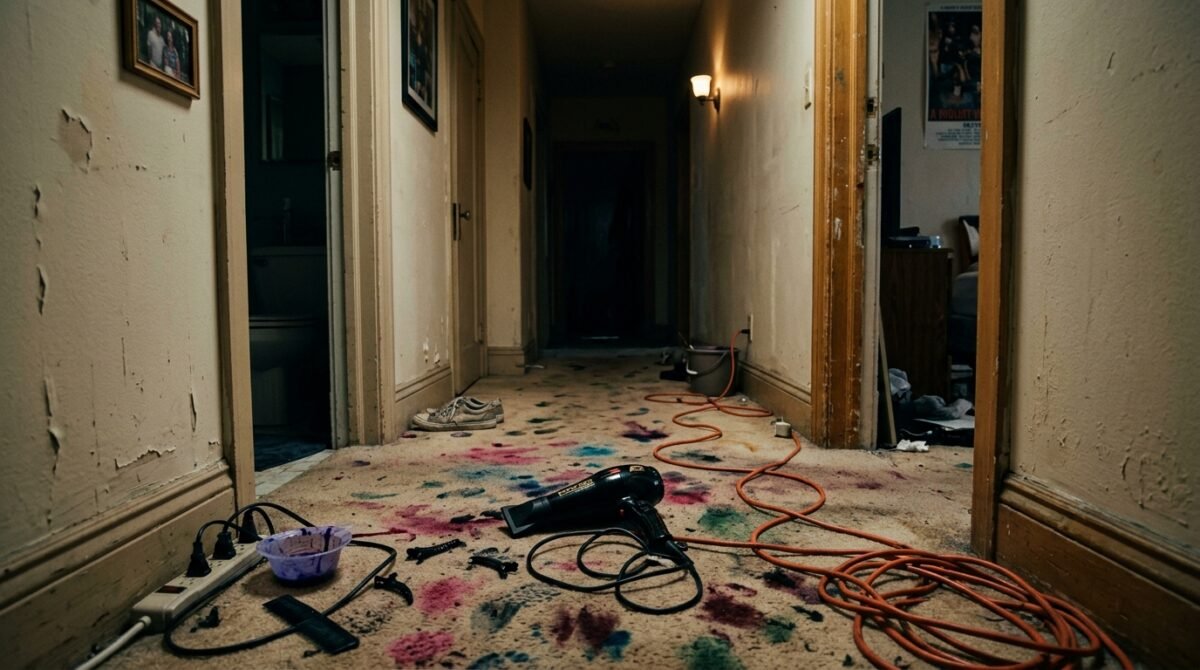
I walked into the hallway, expecting it to be empty, only to find a client sitting on a kitchen chair, head dripping in neon pink developer. The carpet, which had been pristine when we moved in, was already sporting a dark, circular stain that looked suspiciously like a permanent chemistry experiment. I was tired, I was hungry, and I was entirely unprepared for the sheer audacity of what was unfolding in my own front entrance.
The moral dilemma here wasn’t just about the mess; it was about the fundamental violation of space. We were not zoned for a business, our lease explicitly forbid subletting or commercial activity, and the insurance risk alone made my skin crawl. When I brought it up, I was met with laughter and the promise that it was ‘just temporary’ and ‘just for friends.’ But as the stains grew and the electricity bill spiked, I realized I was dealing with a roommate who prioritized her hustle over our home.
This is the story of how a harmless hobby turned into an unauthorized salon, leading me to make the most controversial decision of my living arrangement history: confiscating the extension cords that were powering the entire operation. This is what happened when diplomacy failed and the bleach hit the floorboards.
The First Sign of the Neon Bleach Disaster
It started as a small, seemingly innocent request. Jessica mentioned she needed to practice color theory on a few friends before her big interview. I gave her the green light, assuming she would use the bathroom, which had linoleum floors and proper ventilation. I had no idea that she had mapped out the ‘perfect lighting’ in our narrow, carpeted hallway, dragging a heavy mirror and our dining room table into the corridor.
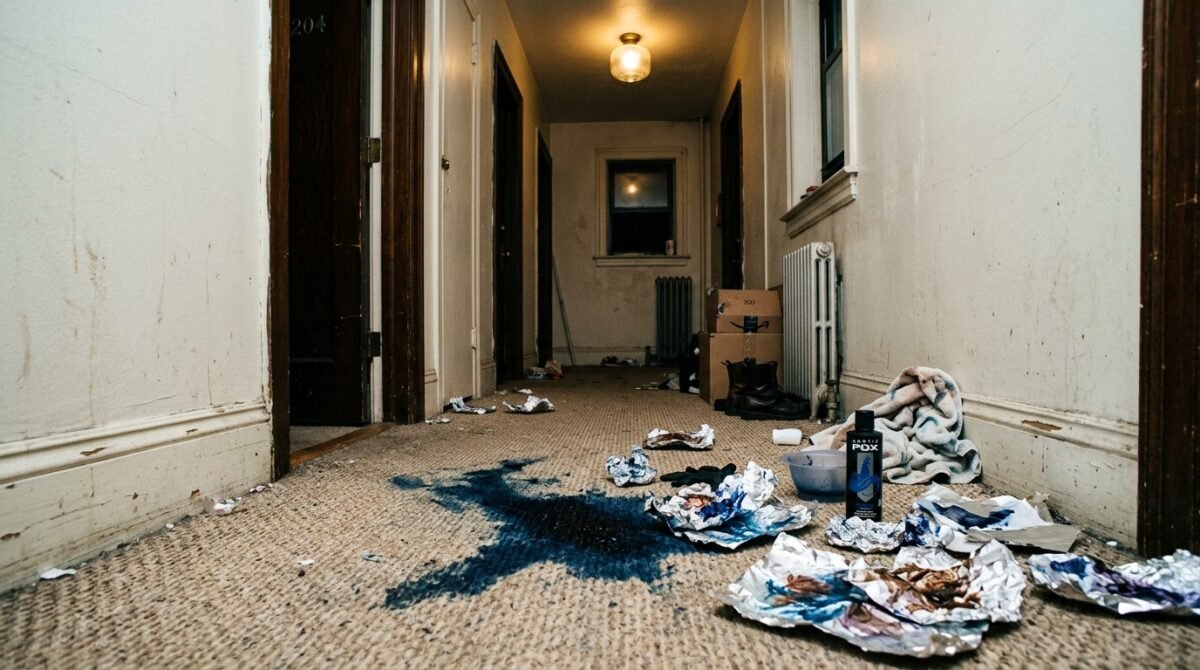
When I arrived home that Tuesday, the air was thick with the chemical sting of bleach and synthetic fragrance. It was a suffocating cocktail that burned the back of my throat. I navigated around a pile of discarded foils and a damp towel that was clearly past its prime. Jessica didn’t even look up; she was too busy massaging a glob of sludge into a client’s hair.
“Jessica, are you serious? The carpet is soaking up that blue dye like a sponge. We are never going to get that out of the security deposit.”
— Me, witnessing the mess for the first time.
She waved me off, her hands covered in purple-stained latex gloves. She told me to stop being such a ‘buzzkill’ and that she would be done in twenty minutes. The client, a sheepish girl whose hair was currently transforming into a shade of violent electric blue, didn’t say a word. I went into my room, slammed the door, and tried to ignore the sound of the hair dryer humming through the walls.
The next morning, the evidence was undeniable. A crescent-shaped shadow of indigo dye had permanently altered the beige carpet. I grabbed a bottle of carpet cleaner and spent an hour scrubbing, but the fibers were stained deep. That was the moment I realized the ‘practice’ sessions weren’t going to be a one-time thing. The ‘salon’ had officially opened for business, and I hadn’t even been given a headshot.
By the end of the week, there were flyers taped to the hallway wall. Business hours were listed as 5:00 PM to 9:00 PM on weekdays and all day on Saturdays. I felt like a stranger in my own home, tiptoeing around customers who were sitting on folding chairs that blocked the path to my own bedroom. It was a total takeover, and my resentment was beginning to boil over into full-blown anger.
The Escalation of the Unauthorized Salon
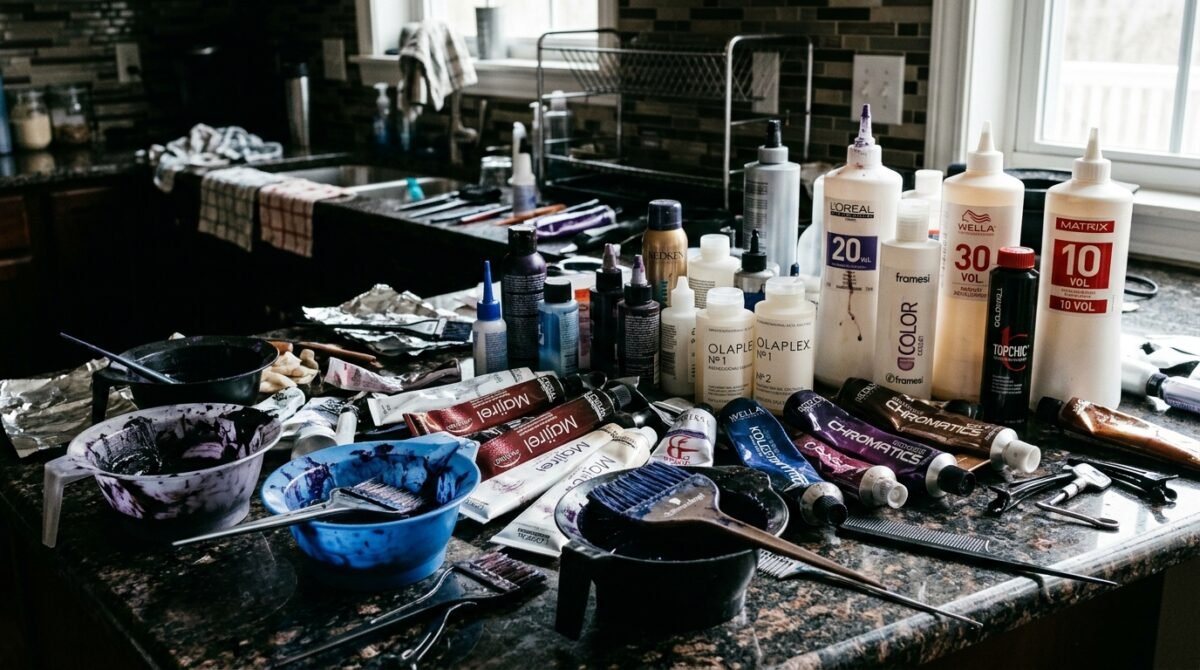
The business model grew rapidly. Jessica wasn’t just doing friends anymore; she was using social media to book strangers. I found myself checking my phone notifications to see if I was about to walk into a salon at 6:00 PM. The kitchen, once a place for my evening meal prep, became a staging area for mixing chemicals. My mixing bowls were being used for developer, and the smell of ammonia became the permanent scent of our apartment.
I attempted to hold a house meeting. I brought up the lease, the potential fines from the landlord, and the literal damage to the property. Jessica countered by arguing that she was helping ‘build her brand’ and that I should be ‘supportive of a fellow woman in business.’ She had a way of turning my reasonable concerns into character flaws, framing me as the unsupportive, boring roommate who didn’t want to see her succeed.
“You’re really going to choose a carpet stain over my career, aren’t you? I thought we were friends, but clearly, you’re just jealous that I have a passion.”
— Jessica, during our heated confrontation.
I wasn’t jealous of the passion; I was worried about the bankruptcy. The electrical load from her high-powered dryer and the multiple curling irons was causing our lights to flicker during peak hours. When I checked the utility bill that month, it had jumped by sixty dollars. I asked her to pay the difference, and she laughed, claiming it was ‘negligible’ and that I was ‘nickel-and-diming her’ for a few pennies.
The situation turned surreal when I came home to find a stranger sitting on my bed because the ‘salon’ was too crowded. Jessica had told the girl it was ‘totally fine’ to store her coat and purse in my room. That was the line. I didn’t yell; I simply asked the girl to leave and told Jessica that if she ever let a stranger into my bedroom again, I would be calling the landlord and reporting the unauthorized commercial use of the unit.
The tension in the apartment was palpable. We stopped speaking, communicating only through passive-aggressive sticky notes left on the fridge. She continued to operate, and I continued to document the damage. I took photos of every stain, every burn mark on the carpet, and every receipt that proved the spike in utility costs. I knew this couldn’t last forever, but I needed a plan to shut it down for good.
The Power Play: Confiscating the Cords
The breaking point came on a Saturday morning. I had a massive project due for work, and I needed the quiet of the apartment to focus. Instead, I woke up to the sound of three different hair dryers running simultaneously, vibrating through the floorboards. The hallway was a maze of heavy-duty extension cords snaking from the kitchen outlet, across the floor, and into the ‘treatment area.’
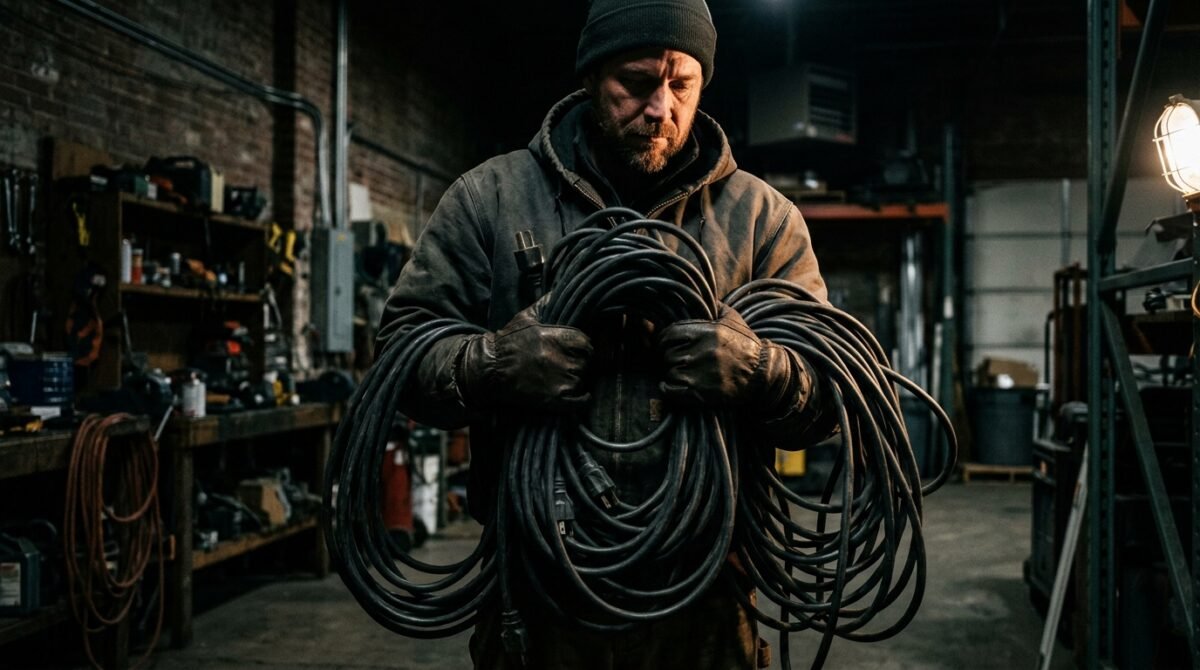
I looked at the tangle of cords. They were cheap, overloaded, and frankly, a fire hazard. The sheer laziness of the setup was the final insult. I didn’t want to argue anymore. I didn’t want to explain why I was upset for the hundredth time. I decided to take the one thing that made the salon possible: the electricity. I walked out into the hallway, unplugged the massive power strip, and gathered every single extension cord in sight.
Jessica rushed out of the bathroom, her face pale. She saw me holding the bundle of black cables like they were a hunting trophy. She started screaming, asking me what I thought I was doing. I didn’t engage in the debate. I walked into my room, locked the door, and shoved the cords into my closet. I then put on my noise-canceling headphones and went back to work.
“Give them back right now! You are ruining my appointment! That girl is paying me fifty dollars for a balayage!”
— Jessica, pounding on my bedroom door.
The silence that followed the unplugging was glorious. The dryers stopped. The hair spray-infused air stopped circulating. The ‘business’ had come to an abrupt, screeching halt. I could hear Jessica apologizing to her client, promising a discount, and trying to salvage the situation with a battery-operated flashlight, which was clearly not working for the task at hand.
I stayed in my room for the rest of the day. I knew the fallout would be immense, but for the first time in weeks, I felt like I had my home back. I had reclaimed my space, my sanity, and my right to a hallway that wasn’t a chemical-drenched obstacle course. The power struggle had reached its peak, and I was holding the power.
The Aftermath and the Fallout

The next few days were a blur of icy glares and silent treatment. Jessica tried to get the landlord involved, but I beat her to the punch. I sent him a detailed email with the photos of the carpet stains, the utility bills, and the logs I had kept of her ‘salon’ hours. I told him I was happy to pay for the carpet cleaning, but that the commercial activity was the sole responsibility of my roommate.
The landlord, a no-nonsense man who had been looking for any excuse to hike the rent, was livid. He sent us both a formal notice, stating that any further commercial activity would result in immediate eviction for both of us. He didn’t care about ‘supporting dreams’; he cared about his property value. Jessica was furious, but she knew she had been outplayed.
I finally gave the extension cords back, but only after she signed a written agreement that she would never, under any circumstances, use our home for business again. I also made her pay the full cost of the professional carpet cleaning service that was required to remove the dye stains. The look on her face when she had to hand over that four-hundred-dollar check was worth every second of the stress.
“You’re the worst person I’ve ever lived with. I hope you’re happy living in your little perfect, quiet apartment all by yourself.”
— Jessica, as she finally surrendered the salon idea.
I told her that I was perfectly happy. The quiet was exactly what I had paid for. Our relationship never recovered, and we spent the remaining three months of our lease as distant roommates who barely acknowledged each other’s existence. I started looking for a new place the moment the ink dried on the cleaning bill.
Moving out was the best decision I ever made. I found a lovely, smaller apartment that didn’t have a hallway, and definitely didn’t have a salon. I learned a valuable lesson about setting boundaries early, and more importantly, about the danger of letting ‘kindness’ turn into ‘compliance.’ I don’t regret the cords, and I certainly don’t regret putting my own peace of mind above someone else’s unauthorized business venture.
Reddit Community Reactions: The Verdict is In
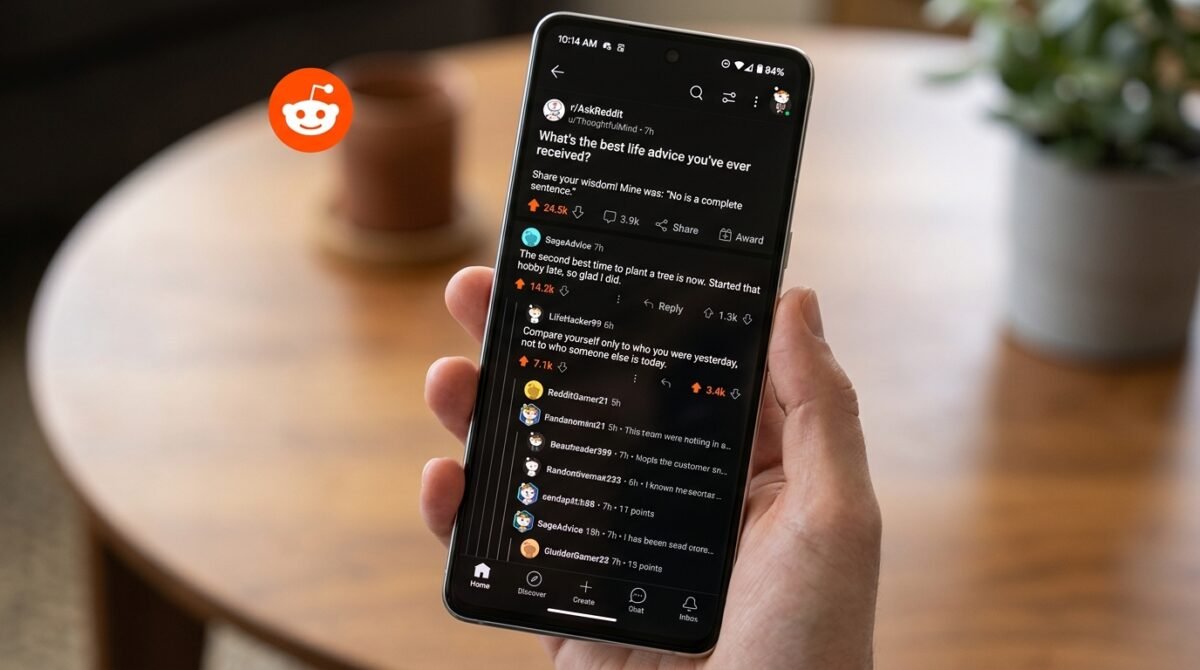
When I shared this story on a popular forum, the internet was, as always, divided. Most people were firmly on my side, citing the sheer audacity of running a business in a shared space. Others suggested I should have been more ‘communicative’ earlier, which I found laughable given the number of times I had tried to talk to her.
“OP, you are a saint. I would have unplugged those things the second I smelled the first drop of bleach. Jessica is the definition of entitled. NTA.”
— u/RoommateRelief (Top Comment, 18.2k upvotes)
Then there were the voices who questioned my ‘petty’ method of resolving the conflict. Some people thought stealing the cords was an escalation that could have caused legal trouble. I addressed this by explaining that they were my extension cords, which I had purchased for our holiday lights, so technically, I was just reclaiming my own property.
“ESH. Jessica is obviously the villain, but taking the cords was a power move that could have backfired. You should have just called the landlord on day one. Don’t play games with people like that.”
— u/RealistAccountant (4.5k upvotes)
The debate about the ‘hustle culture’ also flared up. Many people agreed that there is a massive epidemic of people thinking their side-hustles entitle them to violate the personal boundaries of their roommates, family members, or neighbors. It was validating to see that so many others had dealt with the exact same ‘I’m just trying to make it’ excuse used to justify toxic behavior.
Ultimately, the consensus was clear: when you live with others, your space is not your own. If you want to run a business, you need a business space. You don’t get to treat your roommate’s home like your personal studio and then call them a ‘buzzkill’ when they ask you to stop destroying their property. The support I received helped me realize I wasn’t the ‘difficult’ one in the equation.
I still get messages from people who have similar stories. It seems the ‘roommate salon’ is a more common phenomenon than I ever imagined. My advice to anyone currently living in a bleach-scented hellscape is simple: document everything, communicate once, and if that fails, prioritize your own sanity over keeping the peace.
The Economics of Petty Revenge

I decided to put together a ledger of the costs associated with the ‘salon.’ People often ask if it was worth the conflict, and looking at the numbers, it wasn’t just worth it—it was financially necessary to stop the hemorrhaging of my own savings. I wasn’t just fighting for my peace; I was fighting to keep my credit score and my security deposit intact.
| Expense | Jessica’s Contribution | The Reality |
|---|---|---|
| Carpet Cleaning | $0 | $420 Paid by Jessica |
| Utility Increase | $0 | $180 Covered by OP |
| Extension Cords | $0 | $45 Paid by OP |
The financial disparity was staggering. She was making money on every ‘client’ while I was losing money on every ‘session.’ It was a parasitic relationship that she tried to hide behind the veil of ‘friendship.’ By the time I forced her to pay for the cleaning, she had already made well over a thousand dollars in cash-in-hand services, none of which went towards the household expenses she was creating.
I learned that when someone refuses to acknowledge the financial reality of their actions, you have to force that reality upon them. Sending the receipt for the cleaning was the most satisfying thing I did all year. I included a detailed list of every stain and every hour that the hallway was blocked, making it clear that this was not a favor—it was a debt.
She argued that the money she made was ‘for her tools,’ as if my carpet was just an extension of her equipment. It was a delusional perspective that ignored the fact that the tools were mine, the apartment was half mine, and the electricity was entirely ours. I refused to let her win that financial argument, and I stood my ground until the check cleared.
If you are in a similar situation, don’t feel bad about asking for your share of the costs. Whether it’s the extra water, the higher electric bill, or the actual damage to the flooring, you are entitled to be compensated. Don’t be the ‘nice’ roommate who pays for someone else’s success. It’s not being petty; it’s being responsible for your own livelihood.
Recognizing the Warning Signs Early

Looking back, there were signs that I ignored. Jessica was always looking for the ‘easy way’ to do things. She didn’t want to rent a booth at a professional salon because it would cost her money, so she decided that our home was free real estate. She didn’t want to get insurance, so she ignored the risks. She was a master of rationalization, and I was too polite to call her out on it.
The first warning sign was when she started asking to use my products. Then it was the kitchen sink. Then the hallway. It was a slow creep, a classic ‘frog in boiling water’ scenario. By the time I realized the water was boiling, I was already cooked. I should have drawn the line at the very first request to use the living space for a commercial purpose.
I think the biggest mistake I made was trying to be ‘supportive.’ We are socialized to support our friends’ endeavors, but that support should never extend to the point of compromising your own home. You can be a supportive friend and still say, ‘I love that you’re doing this, but you cannot do it here.’ That is a valid, healthy boundary that does not make you a bad person.
I also realized that I was afraid of the conflict. I didn’t want to be the roommate who says ‘no.’ But the reality is that the ‘no’ was the most respectful thing I could have done for our friendship. By letting it slide, I allowed my resentment to build until I didn’t just want her to stop; I wanted her to move out. The conflict was inevitable; I just delayed it until it became a disaster.
If I could go back, I would have set the boundary on day one. I would have said, ‘I support your career, but our home is not a place of business.’ I would have been firm, clear, and unyielding. It would have saved me so much stress, so many stains, and so many arguments. Learn from my mistake: protect your home, protect your peace, and don’t be afraid to say no.
The Psychological Toll of Boundary Violations

It’s easy to look at this and see it as just a funny story about a hair salon in a hallway, but the psychological impact of having your safe space invaded is real. I found myself feeling anxious before I even walked through the front door. I would sit in my car for ten minutes, dreading the smell of chemicals and the sight of strangers. My home was no longer my sanctuary; it was a source of stress.
Living in a state of constant, low-level conflict is exhausting. You start to second-guess yourself. Am I being too sensitive? Is she really just trying to make a better life for herself? Is it worth fighting over a carpet? These are the questions that keep you up at night, and they are exactly what the boundary-crosser relies on. They bank on your doubt.
When I finally confiscated the cords, the relief was visceral. It wasn’t just about the electricity; it was about reclaiming control. I had stood up for myself, and I had won. That boost in confidence changed the way I interact with everyone in my life. I’m no longer afraid to tell people when they are pushing my limits, and I’m much better at identifying the signs of a boundary violation.
Jessica, on the other hand, didn’t learn much. She still feels like the victim. She thinks I ruined her ‘big break.’ But that’s her burden to carry, not mine. I’ve realized that you can’t force people to respect your boundaries; you can only enforce them yourself. And sometimes, that means being the ‘bad guy’ for a moment so you can be the ‘happy person’ for a lifetime.
If you’re feeling the same way—if your home feels like it’s being taken over, if you’re dreading coming home, or if you feel like you’re walking on eggshells—listen to your gut. Your home is your foundation. It is the one place where you should be able to breathe, relax, and be yourself. Never sacrifice that, not for a friend, not for a partner, and certainly not for a side-hustle.
Navigating the ‘Hustle Culture’ Expectation

We live in a culture that worships the ‘grind.’ If you aren’t turning every waking moment into a potential income stream, you’re seen as falling behind. This mindset is what fueled Jessica’s entitlement. She truly believed that because she was ‘working,’ the rules didn’t apply to her. She thought she was morally superior because she was ‘hustling’ while I was just ‘living.’ It’s a dangerous narrative.
I’ve seen this in so many other places. People using their living rooms for yoga classes, their dining tables for e-commerce shipping, their kitchens for catering businesses. It all sounds great on Instagram, but the reality is that your home is not a warehouse, a gym, or a salon. You have to consider the impact on the people you share that space with. It is an act of extreme selfishness to prioritize your bottom line over the comfort of those who pay rent to live there.
I think we need to talk more about this. We need to normalize saying no to these kinds of ‘hustles’ that creep into our personal lives. It’s not about being unsupportive; it’s about acknowledging the reality of living in a shared unit. We are all trying to survive, and we all deserve a place to retreat to at the end of the day. Your side-hustle shouldn’t be your roommate’s burden.
I hope that by sharing this, it gives others the permission to set the same boundaries. Don’t be ashamed to say no. Don’t be ashamed to stand your ground. You are not a ‘buzzkill’ for wanting to live in a home that isn’t a factory floor. You are a human being with a right to your own peace. And that is more important than anyone’s business plan.
So, to everyone out there currently dealing with their own version of the hallway salon: you have my support. Unplug the cords, lock the door, and reclaim your space. The world will keep turning, and your career—or your roommate’s—will survive just fine without the constant intrusion into your home life.
Reflecting on the Lesson Learned

Reflecting on this experience, I realize that I gained much more than just a clean carpet. I learned that I am capable of standing up for myself in ways I never thought possible. Before this, I would have just suffered in silence, blaming myself for being ‘too difficult’ or ‘not supportive enough.’ I would have let the situation continue until I broke down.
But I didn’t break. I acted. I set a boundary, I enforced it, and I dealt with the consequences. I learned that conflict is not always bad; sometimes, it’s the necessary precursor to growth. It’s the way we clarify our needs and define our relationships. And more importantly, I learned that I don’t need to apologize for wanting a home that is safe, clean, and private.
Jessica and I haven’t spoken since the day I moved out, and honestly, I think that’s for the best. We were in different places, and our living styles were fundamentally incompatible. That’s okay. Not every friendship is meant to be a permanent fixture in your life, especially when it costs you your peace of mind. I’ve moved on, and I hope she has too—in a real salon, with real insurance.
If you’re currently in a situation that feels like it’s spiraling out of control, remember this: you are the author of your own living experience. Don’t let someone else write the script for you. You have the right to set the terms, and you have the right to enforce them. Your home is your most valuable asset—don’t let anyone turn it into their own personal playground.
I’m happier now than I’ve been in years. I live in a quiet apartment, my floors are clean, and my hallway is just a hallway. It’s simple, it’s peaceful, and it’s mine. That’s all I ever wanted. And if I had to do it all over again, I’d unplug those cords every single time.
Conclusion
My experience with the unauthorized salon was a crash course in boundaries, financial responsibility, and the reality of shared living. It taught me that I don’t have to be the ‘nice’ roommate at the expense of my own sanity. I learned that it is possible to be kind and supportive of someone’s dreams without letting them turn your home into a business venture. The stains may be gone, but the lesson is here to stay.
I am curious, though. Have you ever had a roommate who thought your shared space was their personal business playground? How did you handle it? Did you set boundaries, or did you just wait for the lease to end? Let me know in the comments below—I’m looking forward to reading your own stories of survival in the wild world of shared housing.
Poll: If you were in my position, what would you have done differently? A) Communicated earlier, B) Called the landlord immediately, C) The same thing (confiscated the cords), or D) Moved out without a word.
What's your verdict on this dilemma?
Vote below to contribute to the official community consensus.

Have a Dilemma Keeping You Up at Night?
Share your real-life feud, wedding chaos, or relationship crossroads anonymously with our editorial team.
What do you think ?
0 Comments🛡️ Comments are moderated to protect community integrity. Your comment will appear once approved by the editorial team.