

Living with a roommate is often portrayed as a rite of passage, a chaotic blend of shared groceries and late-night movie marathons. For me, it started that way, but it descended into a nightmare of financial manipulation and, ultimately, a profound violation of my personal sanctuary. My roommate, Sarah, was someone I considered a close friend before we signed the lease, but her inability to manage basic household expenses turned our apartment into a pressure cooker.
The tension didn’t happen overnight. It was a slow creep of missed payments, excuses about ‘banking glitches,’ and a growing mountain of overdue notices that I found shoved to the back of the kitchen junk drawer. I tried to be the supportive friend, covering her portion of the electricity and internet, believing her promises that she would catch up next paycheck. I didn’t realize that my kindness was being interpreted as a permanent safety net.
The moral dilemma crystallized the moment I walked into the living room and noticed the tell-tale gaps in my record shelf. My vinyl collection, specifically my first-pressing rock records that I had spent years curating, had vanished. When I confronted her, she didn’t offer a tearful apology; she offered a spreadsheet of ‘priorities’ that placed her comfort over my property. The betrayal wasn’t just in the theft—it was in the sheer audacity of her justification.
I chose to handle this not with a screaming match, but with the cold, hard logic of the law. I filed a police report. Some called me heartless for involving the authorities over ‘just stuff,’ but to me, it was never about the value of the records. It was about the destruction of trust and the absolute refusal to accept accountability for one’s own choices.
The Slow Decay of Financial Responsibility
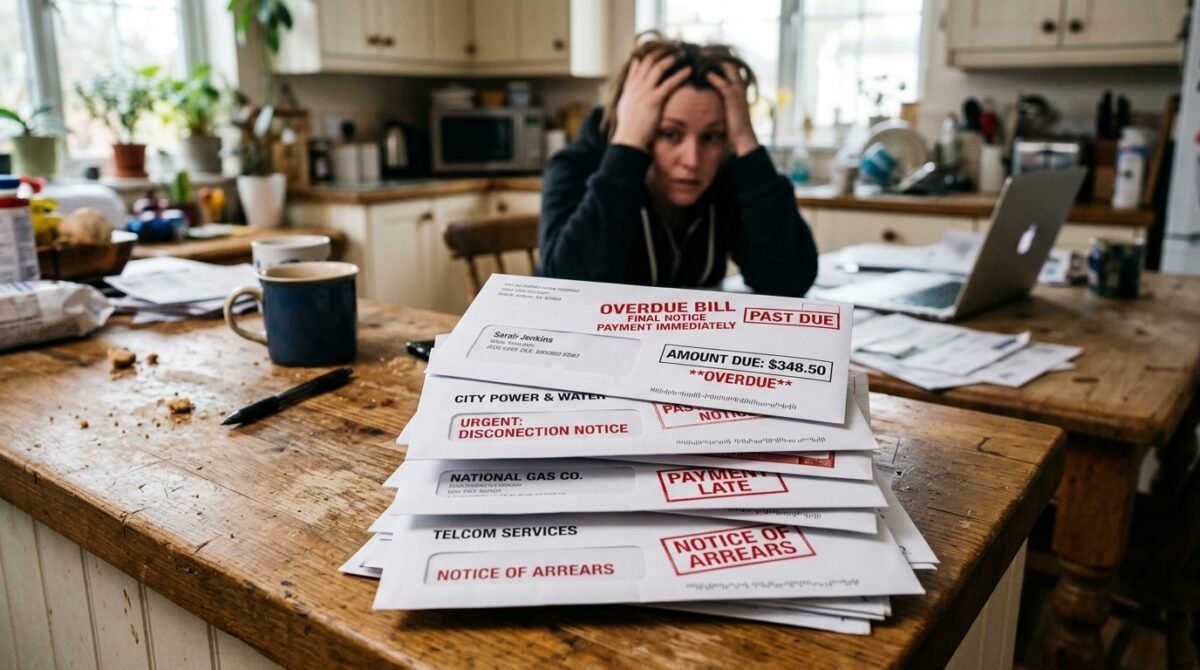
The decline started with small things. A missed payment on the water bill here, a bounced check for the Wi-Fi there. Sarah always had an excuse, usually involving a ‘difficult client’ at her job or an ‘unexpected emergency’ that somehow always required her to dip into her rent money. I found myself becoming the defacto accountant of the household, tracking bills on a white board in the kitchen that she eventually stopped looking at altogether.
I remember the first time I realized how deep the hole was. I was sorting through the mail and found a bright red ‘FINAL NOTICE’ from the electric company. My heart sank. We had discussed this payment three times that week, and each time she had promised me, hand over heart, that she had transferred the funds to my account to cover her half. She hadn’t. When I asked her about it, she brushed it off with a casual wave of her hand.
“Look, I totally forgot about that specific bill, but it’s not like they are going to turn the lights off today. I’ll get it on Friday, I promise. Why are you stressing out so much over a few days?”
I shouldn’t have been surprised, but I was hurt. I paid the bill myself just to avoid the hassle of a blackout, telling myself that it was a one-time thing. That was the mistake. By stepping in, I removed the consequences of her actions. I essentially taught her that my bank account was an extension of her own, and she learned that lesson far too well.
Over the next four months, the pattern repeated. She would promise to pay, fail to do so, and I would cover the gap. My savings, which I had been building for a trip to Europe, were slowly being bled dry by her lifestyle. She was still ordering takeout, buying new clothes, and going out on weekends, yet somehow, she never had ‘liquid cash’ for the landlord. I was trapped in a cycle of enabling that I didn’t know how to break.
The resentment started to turn into a cold, hard distance. We stopped eating together. We stopped watching TV. I began staying in my room with the door locked, mostly to keep my remaining valuables out of sight, though I never truly suspected she would go as far as she eventually did. I was living in a state of constant, low-grade anxiety, waiting for the next shoe to drop.
The Day the Music Died
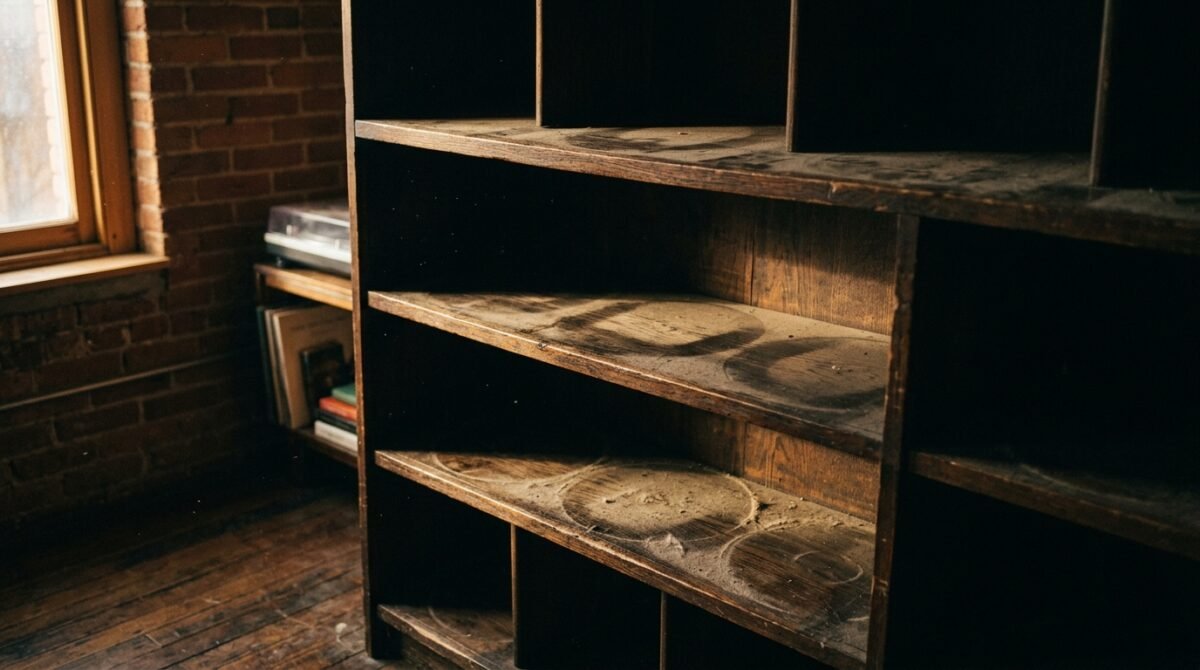
It was a Tuesday evening when I returned home from work to find the living room looking strangely spacious. My vintage, high-quality turntable was still there, but the custom-built shelving unit next to it—the one that held my prized collection of first-pressing rock vinyls—was suspiciously sparse. I walked over, my pulse quickening, and ran my fingers over the empty space where my original 1969 pressings once stood.
I panicked. I checked the other room, thinking perhaps she had moved them to vacuum, but my heart stopped when I saw a receipt from a local pawn shop lying on the coffee table. It was dated that morning, with Sarah’s name clearly printed at the top. I felt a wave of nausea wash over me. She hadn’t just moved them; she had sold them to pay for the electric bill she had ignored for three months.
When she walked through the door ten minutes later, she had a bag of takeout and a bottle of wine. She looked cheerful, almost oblivious to the tension in the room. I didn’t say a word at first; I just held up the receipt. The color drained from her face, but she didn’t look remorseful. She looked annoyed, as if I had caught her doing something trivial, like borrowing a cup of sugar without asking.
“I had to do it. The power company was literally threatening to cut us off, and you weren’t helping out this month. I thought you’d be happy that the lights stayed on. Honestly, you have so many records, you won’t even miss a few of them.”
I was stunned into silence. The sheer arrogance of her statement was suffocating. She saw my property as an asset she was entitled to liquidate because she refused to manage her own finances. I realized in that moment that she didn’t respect my boundaries because she didn’t view them as boundaries at all; she viewed them as flexible suggestions.
I didn’t yell. I didn’t cry. I felt a strange sense of clarity. I told her that those records were worth far more than the bill, and that she had stolen from me. She laughed it off, saying she would ‘buy them back’ when she got her next bonus, as if that solved the fact that she had pawned my history, my taste, and my trust for a two-month supply of electricity.
The Choice to Involve the Police
That night, I didn’t sleep. I sat in my room and looked at the few records I had left, realizing that the relationship was beyond saving. I couldn’t trust her in my home. I couldn’t trust her with my things. Most importantly, I couldn’t let this slide, because if I did, what would be next? My laptop? My grandmother’s jewelry? My security deposit?
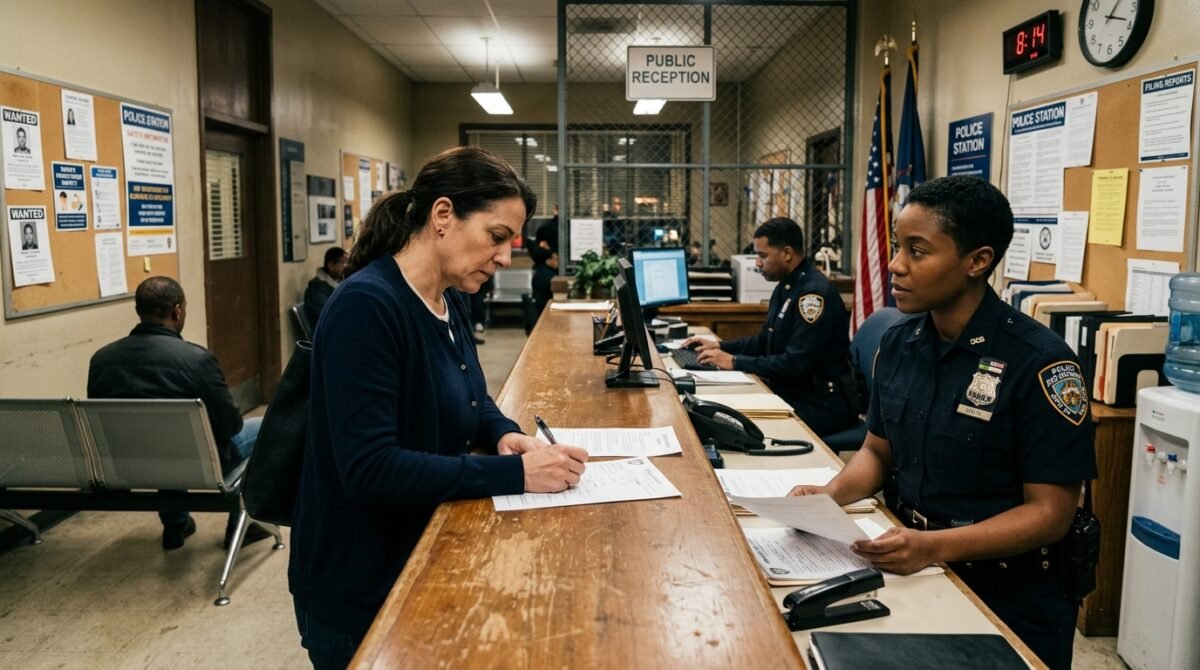
I contacted a lawyer friend who confirmed that selling another person’s property without their consent is, in fact, theft. I went to the police station the next morning. The officer on duty was patient, listening to my story and looking at the documentation I had brought—the receipt, our lease agreement, and the text history where she admitted to the sale. I felt foolish, in a way, for reporting a ‘roommate dispute,’ but the officer didn’t see it that way.
“This isn’t a dispute, miss. This is theft. You have proof of ownership and a confession. We can file a report and take a statement. If you want to pursue criminal charges, that is your right.”
The moment I signed the report, the feeling of guilt vanished, replaced by a cold resolve. I knew this would effectively end our living arrangement and likely our friendship, but the friendship had been a lie for a long time. She was a leech who had finally fed on something I couldn’t afford to lose. I felt like I was finally taking control of my life back.
When I returned to the apartment, I didn’t tell her immediately. I spent the afternoon packing my bags. I had a friend coming over to help me move out as soon as possible. I wanted to be gone before the police made their follow-up call to the pawn shop. I didn’t want to be there for the fallout; I just wanted my property back and my peace of mind restored.
The silence in the apartment was heavy. She was in her room, likely scrolling through her phone, unaware that the foundation of her world was about to shift. I felt a strange mix of pity and anger. She had ruined a perfectly good living situation because she couldn’t face the consequences of being an adult. It was a pathetic way to live, and I was done being a part of it.
The Confrontation and the Knock at the Door
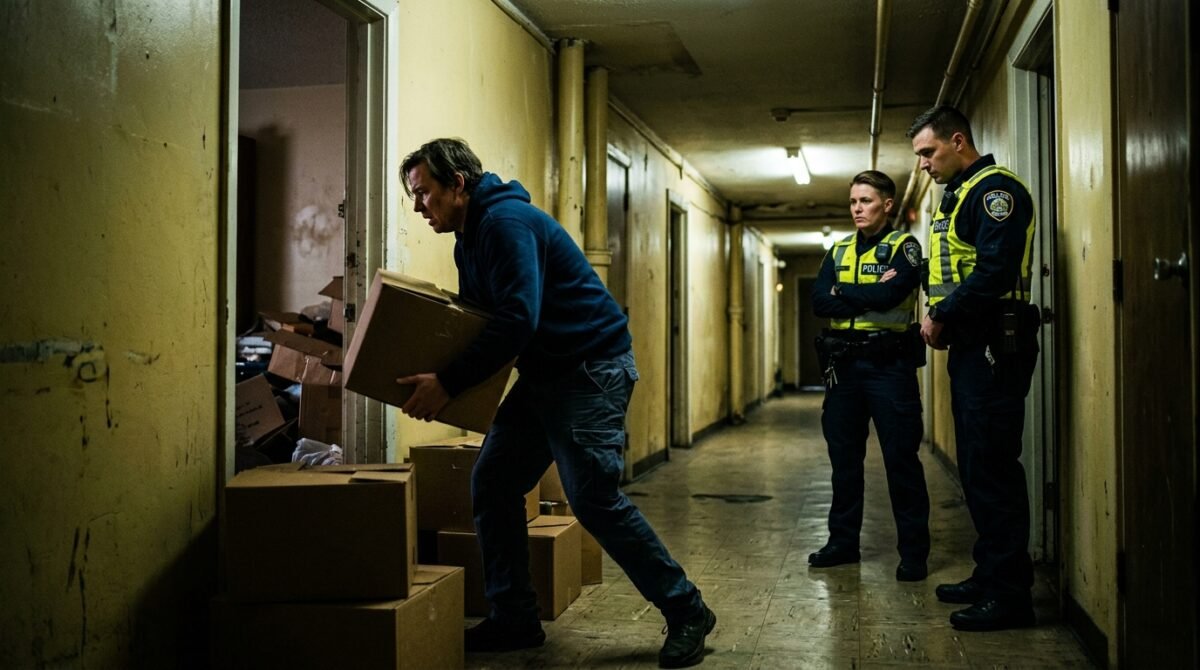
The next morning, the police arrived at our door. Sarah was still in her pajamas, holding a mug of coffee, when they asked to speak with her regarding the pawned items. The look on her face was one of absolute, shattering confusion. She tried to explain that it was a ‘misunderstanding between roommates,’ but the officers weren’t interested in her excuses. They were there about a crime.
She looked at me, her eyes wide, realizing exactly what I had done. I stood by the door, my boxes already in the hallway. I didn’t say anything. I let the officers do their jobs. They told her that the shop would be notified, that the records were evidence, and that she would need to provide a statement. She started to cry, not out of regret, but out of fear of the consequences.
“You actually called the cops? Over records? You are literally ruining my life. I paid the power bill! How am I supposed to live if I get a criminal record for this?”
I looked at her, really looked at her, and realized how little she had actually grown since we moved in together. She still viewed her problems as everyone else’s responsibility. I told her that she had ruined her own life the moment she decided to steal from me. The records weren’t the issue; the lack of integrity was. I left then, not looking back, heading to my friend’s place with the few belongings I had managed to salvage.
The weeks that followed were a whirlwind of legal notices and awkward text messages. She tried to reach out multiple times, alternating between begging for me to drop the charges and threatening to sue me for ‘harassment.’ I blocked her number after the third attempt. There was nothing left to say. I had moved on, and I had my records back—most of them, anyway. The shop had cooperated once the police got involved.
It wasn’t a clean break, but it was a necessary one. I lost a friend, but I gained a perspective that I will keep for the rest of my life: never prioritize someone else’s comfort over your own survival. Boundaries aren’t just for others; they are the walls you build to keep your own sanity intact. I learned that the hard way, but I learned it.
The Internet’s Verdict: Righteous or Petty?
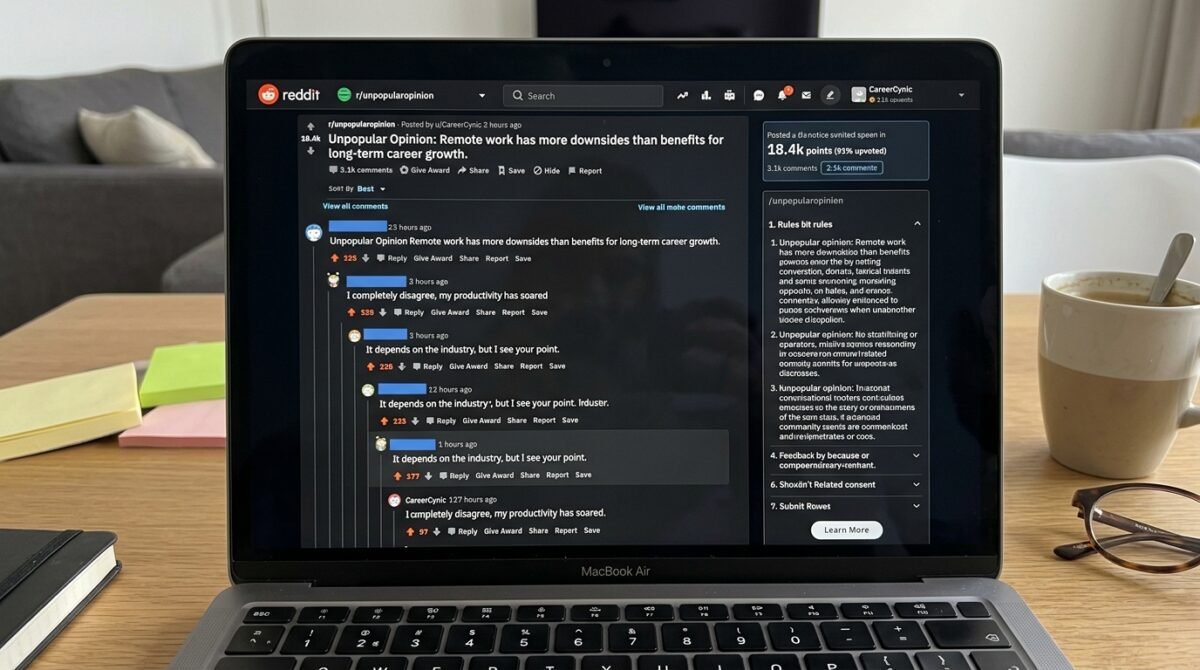
I posted about the situation on a popular subreddit, expecting a mix of support and criticism. I wasn’t wrong. The reaction was immediate and polarized. Some people thought I was entirely justified, arguing that theft is theft regardless of the relationship. Others thought I had overreacted, suggesting that I should have handled it through small claims court instead of calling the police on a ‘friend.’
“NTA. You didn’t just lose records; you lost your sense of safety in your own home. She violated the most basic rule of living with someone: don’t touch, pawn, or sell my stuff. She made her bed by stealing, now she has to lie in it.”— u/VinylLover88 (Top Comment, 15.2k upvotes)
The debate in the comments section was fascinating. It touched on everything from the nuances of ‘roommate etiquette’ to the legal definitions of conversion. I spent hours reading the perspectives of people who had been through similar situations. It was validating to see that I wasn’t the only one who had dealt with a ‘financial parasite’ of a roommate.
However, there were also those who felt I had burned the bridge too aggressively. They argued that a police report is a nuclear option that leaves a permanent mark on a person’s record. They suggested that I should have demanded the money back and given her a deadline before involving law enforcement. While I understood their point, I didn’t agree. She had already proven that her word was worthless.
“ESH. Yes, she’s a thief, but calling the cops on your roommate is a nuclear option that destroys the relationship forever. You could have handled this civilly and saved both of you the legal headache. You chose the most damaging path.”— u/ConflictResolver (Neutral, 2.4k upvotes)
I reflected on these comments for a long time. Was I too harsh? Did I enjoy the power dynamic shift? I realized that my decision to go to the police wasn’t about malice; it was about self-preservation. I knew that if I had handled it ‘civilly,’ she would have just continued to manipulate me. The police report was the only way to draw a line that she couldn’t cross. It was the only way to be heard.
Ultimately, the consensus leaned heavily in my favor. The Reddit community, for all its chaos, has a very low tolerance for people who steal from those who are helping them. The consensus was clear: when you betray the trust of someone who is literally keeping the lights on for you, you lose the right to expect mercy.
Reflecting on the Financial Abuse

Looking back, the signs of financial abuse were everywhere. It wasn’t just the pawned records; it was the psychological toll of constantly being the one to manage the household finances while she acted like a dependent child. It was the way she would make me feel guilty for asking for my share of the rent, as if I were the one being unreasonable for wanting to pay our bills on time.
I realized that this kind of dynamic is a form of gaslighting. She made me feel like I was the ‘uptight’ one for wanting to have enough money to cover our basic needs. She framed her financial irresponsibility as a ‘lifestyle choice’ that I was unfairly judging. By the time I realized what was happening, I was so deep in the hole that I felt like I couldn’t get out without her cooperation.
This experience taught me a valuable lesson about boundaries. A boundary is not a suggestion. A boundary is a line you draw for yourself, and you must be willing to enforce it, even when it’s uncomfortable. If I had enforced my boundaries early on—by not paying her share, by not letting her slide, by being firm when she missed the first payment—I might have avoided this entire disaster.
I also realized that I needed to stop being the ‘nice’ one. Being nice, in this context, was just a way of avoiding conflict at the expense of my own security. I had to learn how to be firm, how to say no, and how to prioritize my own well-being over someone else’s comfort. It was a painful lesson, but it was one I needed to learn.
Today, I am much more careful about who I let into my space. I have a much clearer understanding of what it means to be a good roommate, and I have no interest in repeating the mistakes of the past. I am grateful for the records I got back, but I am even more grateful for the peace of mind I have now that I am living alone.
The Aftermath: Rebuilding and Moving Forward

The months following the incident were quiet. I moved into a smaller place, but one that was entirely my own. The first night in my new apartment, I didn’t have to worry about whether the lights would turn on or if the internet was paid for. I could just exist. It was an incredible feeling. I started curating my collection again, but with a new appreciation for the items I owned.
Sarah, meanwhile, faced the consequences. She had to deal with the legal fallout and the social repercussions of her actions. I heard from a mutual friend that she had to move back home because she couldn’t find a new place to live. It was a harsh outcome, but one that was entirely of her own making. I didn’t take pleasure in it, but I didn’t feel guilty either.
I kept the police report and the emails as a reminder, a sort of ‘in case of emergency’ file. I didn’t look at them often, but they were there to remind me of what I was capable of when pushed too far. I learned that I was stronger than I gave myself credit for, and that I didn’t need to fear the conflict that comes with standing up for myself.
My advice to anyone dealing with a similar situation is simple: document everything. Keep records of every payment, every text message, and every agreement. Don’t rely on trust when money is involved. And most importantly, know when to walk away. You can’t fix someone who doesn’t want to be fixed, and you shouldn’t set yourself on fire just to keep them warm.
I have moved on. The records are safely on my shelf, and I have a new, much healthier living situation. I am no longer the ‘nice’ roommate who covers for everyone; I am the person who knows the value of my own boundaries. And that, in the end, was worth all the drama.
Learning the Hard Way: Lessons in Boundaries

If there is one thing I’ve taken from this, it’s the realization that enabling is not the same as helping. By covering Sarah’s bills, I wasn’t being a good friend; I was preventing her from ever having to confront the consequences of her actions. I was essentially enabling her to stay in a state of arrested development, where someone else would always sweep up her mess.
I see now that I was participating in the dynamic just as much as she was. I wanted to be the hero, the stable one, the one who kept things going. But in doing so, I robbed her of the opportunity to grow, and I robbed myself of the financial and emotional security I deserved. It’s a bitter pill to swallow, but it’s a necessary one.
I now have a very strict set of rules for my living arrangements. Everything is documented, everything is split down the middle, and there is no room for ‘I’ll get you next week.’ If someone can’t manage their finances, they aren’t the right person for me to live with. It’s not about being cold; it’s about being responsible.
The vinyl records were the catalyst for this realization. They were the most precious things I owned, and the fact that she was willing to trade them for a convenience bill made me realize that she never valued me as a person. I was just a utility. Once I understood that, the rest of the pieces fell into place, and the path forward became clear.
Life is too short to live with someone who doesn’t respect your boundaries. It’s too short to spend your days worrying about money that you shouldn’t have to worry about. I am happy that I took the step I did, even if it was the most difficult thing I’ve ever had to do. I am finally at peace, and that is all that really matters.
The Legal Reality vs. The Personal Betrayal

I often think about the distinction between the legal reality of what happened and the personal betrayal I felt. Legally, it was a clear-cut case of theft. The police, the prosecutor, and even my lawyer all agreed. There was no ambiguity. But on a personal level, it was so much more than that. It was the violation of a sanctuary, the destruction of a friendship, and the realization that the person I lived with didn’t share my values.
The legal system is built for facts, not feelings. It doesn’t care about the years of friendship or the late-night talks or the shared memories. It only cares about the evidence. That was both a blessing and a curse. It was a blessing because it provided a definitive, objective answer to the situation. It was a curse because it highlighted how little the relationship mattered to her in the end.
I had to learn to separate the two. I had to let the legal system handle the theft, while I handled the personal side of things through therapy and time. It was a long process, but it was necessary to move forward. I don’t look at the police report as a victory; I look at it as a necessary step in an unfortunate situation.
The experience has made me much more cynical, I admit, but it has also made me much more resilient. I no longer assume that people have my best interests at heart. I now look for the evidence in how they treat their own responsibilities. If someone can’t handle their own life, they won’t be able to handle a relationship with me.
Ultimately, I am grateful for the outcome. I have my records, I have my peace of mind, and I have a much clearer understanding of what it means to be a responsible adult. I don’t regret my choice. I only regret that it had to come to that.
Moving Toward a Future of Integrity

As I look toward the future, I feel a sense of optimism that I didn’t have before. I have learned to trust my gut, to enforce my boundaries, and to hold people accountable for their actions. These are skills that will serve me for the rest of my life. I am no longer afraid of the conflict that comes with integrity.
I have built a new life for myself, one where I am surrounded by people who respect me and my things. I have a new roommate who is a professional, someone who understands the importance of paying bills on time and respecting personal property. It’s a breath of fresh air to live in a home where there is mutual respect and accountability.
I don’t think about Sarah often, but when I do, it’s with a sense of distance. She is no longer a part of my life, and that is for the best. I have learned from her example of what not to be. I am committed to living a life of integrity, where my word is my bond and where I take full responsibility for my actions.
The vinyl collection is growing again, but it’s different now. Every record I buy represents a new chapter in my life, a chapter where I am in control. I don’t worry about them being taken anymore. I know that I am the one who protects them, and that is a powerful, comforting feeling.
I am grateful for the journey, as difficult as it was. It taught me who I am and what I am capable of. And that, in the end, is the most valuable thing I could have ever gained.
Conclusion
This story is a stark reminder that boundaries are not merely suggestions—they are the bedrock of any healthy relationship. When Sarah decided to pawn my most cherished possessions to cover her own negligence, she crossed a line that transformed our relationship from a friendship into a legal dispute. While the path I chose—filing a police report—was difficult and emotionally draining, it was the only way to assert the value of my own property and my own life.
We often talk about the importance of empathy and support in relationships, but we rarely talk about the importance of accountability. Empathy without boundaries is just enabling, and support without respect is just servitude. I learned this the hard way, but I also learned that I am capable of standing up for myself when it matters most.
I am curious to hear your thoughts. Have you ever had to draw a hard line with a roommate or a friend, even when it felt like a ‘nuclear option’? Do you believe that involving the police was the right move, or was there another way to handle such a deep breach of trust? Share your experiences in the comments below—let’s talk about the hard lessons of living together.
What's your verdict on this dilemma?
Vote below to contribute to the official community consensus.

Have a Dilemma Keeping You Up at Night?
Share your real-life feud, wedding chaos, or relationship crossroads anonymously with our editorial team.
What do you think ?
0 Comments🛡️ Comments are moderated to protect community integrity. Your comment will appear once approved by the editorial team.