

Living with a roommate is often described as a delicate dance of shared spaces, unspoken agreements, and the occasional passive-aggressive sticky note. For most, this means negotiating the thermostat or who is responsible for the overflowing recycling bin. But for me, the social contract of our apartment was shattered not over a utility bill or a late-night guest, but over a living, breathing, bubbling entity that had been in my family since the Great Depression.
My sourdough starter, ‘Barnaby,’ was more than just a fermented mix of flour and water. It was an eighty-year-old heirloom, passed down from my great-grandmother through three generations. It had survived moves across state lines, power outages, and even a brief stint in a college dorm. It was my hobby, my therapy, and, quite frankly, a piece of living history that required strict feeding schedules and precise temperature control.
When I moved in with Chloe, a self-proclaimed ‘minimalist’ and caffeine aficionado, I laid out the ground rules clearly: the top shelf of the fridge was a ‘do not touch’ zone because it housed my delicate, temperature-sensitive baking components. Chloe nodded, seemingly distracted by her laptop, and I assumed the message was received. I was wrong.
The moral dilemma here isn’t just about the loss of a fermented science project; it’s about the total disregard for the sanctity of someone else’s property and the arrogance of prioritizing convenience over care. When I walked into the kitchen on a Tuesday evening to find my jar washed, dried, and filled with a store-bought cold brew coffee, I didn’t scream. I didn’t cry. Instead, I retreated to my room and opened my laptop. It was time for a professional, itemized reckoning.
The Tuesday Evening Kitchen Discovery

I remember the exact lighting in the kitchen that evening—the harsh, clinical fluorescent glow reflecting off the freshly scrubbed surfaces. I had been planning to bake a boule for a dinner party that coming weekend, and my mind was already envisioning the scoring patterns I would use. I walked to the refrigerator, expecting to see the familiar, slightly beige bubbling surface of Barnaby.
Instead, I saw a sleek, store-bought plastic carafe of ‘Cold Brew Nitro’ occupying the exact spot where my heirloom had lived. I reached for the carafe, confused, and noticed the familiar glass jar sitting on the drying rack, sparkling clean and completely devoid of life. My heart sank into my stomach; I knew immediately that the drain had swallowed eight decades of history.
Chloe walked in a moment later, clutching her yoga mat, her face bright and breezy. ‘Oh, hey! I finally cleaned out that weird science experiment in the fridge. The jar is great, by the way—I really needed that extra space for my brew, and honestly, it smelled like old beer anyway.’ The audacity of her tone—casual, dismissive, and entirely devoid of guilt—left me physically shaking.
“You threw it out? Chloe, that was eighty years old. It was a sourdough starter that traveled across the country. It wasn’t ‘old beer,’ it was a biological culture.”
— Me, trying to maintain composure
She rolled her eyes, leaning against the counter. ‘It’s just flour and water, get over yourself. You can just buy a new one at the store, right? Or just mix some flour and water today and leave it on the counter? It’s not like it was a human being. Stop being so dramatic about a jar of goo.’
I looked at the empty jar, then at her. She didn’t see a tragedy; she saw an inconvenience that she had solved. The realization that she couldn’t comprehend the sentimental or historical value of what she had destroyed was perhaps more painful than the loss itself.
The Cost of Cultural Heritage
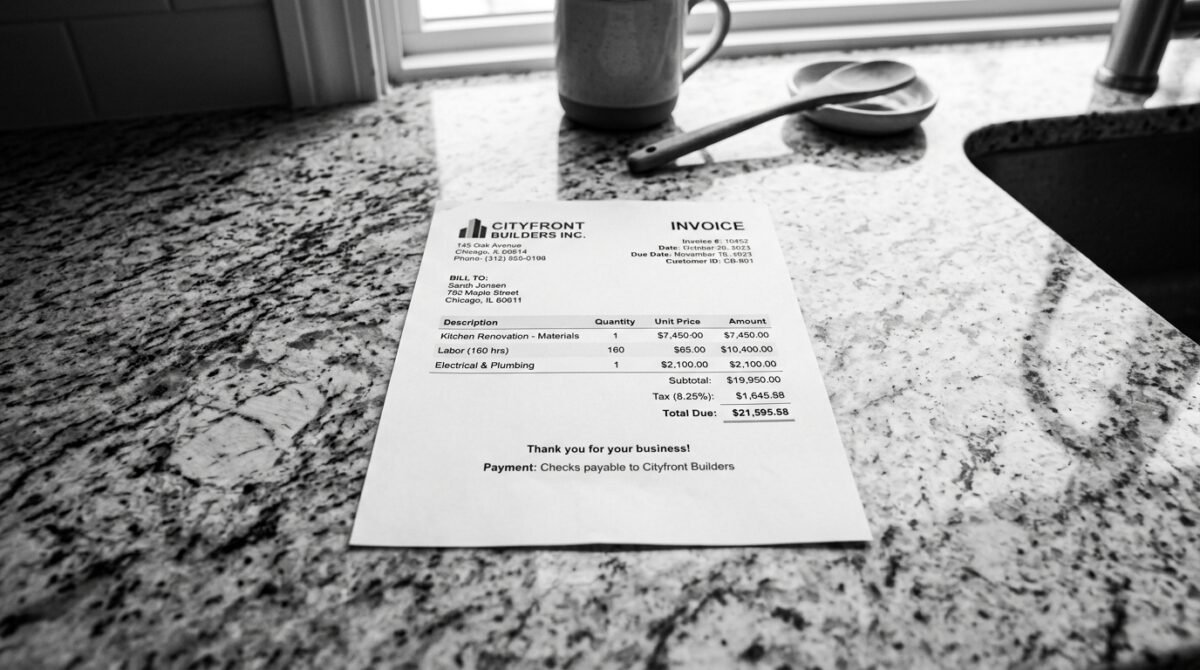
I didn’t argue. I didn’t yell. I knew that in this moment, logic was not going to reach her. I simply walked into my room and closed the door. I started researching artisan bakeries in the region that offered ‘starter transfers’ or sold preserved heirloom cultures. The prices for authentic, 80-year-old lineage starters were staggering when you factored in the shipping of temperature-controlled biological materials, the consultation fees for the master baker, and the expedited logistics.
I wasn’t just replacing a liquid; I was attempting to replace a legacy. I found a boutique bakery in San Francisco that maintained a library of historical starters. They were willing to provide a sample of a 1930s-era culture, but the cost, when itemized for professional handling, insurance, and specialized shipping, hit a specific, non-negotiable figure. I felt a cold, calculated clarity wash over me.
I drafted a formal invoice. I included a detailed breakdown: the replacement cost of the heirloom strain, the professional shipping fees for hazardous/biological materials, and a ‘lost labor’ charge for the eighty years of feeding, maintenance, and storage that had been erased in a thirty-second act of kitchen cleansing. The total came to exactly $450.00.
“Item 01: Replacement of Heirloom Biological Culture (1940s Lineage) – $250.00. Item 02: Specialized Courier/Temperature Controlled Shipping – $125.00. Item 03: Administrative Labor for Culture Restoration – $75.00. Total Due: $450.00.”
— The Invoice, printed on heavy cardstock
I placed the invoice, neatly folded in a professional envelope, on the kitchen counter where she had left her cold brew. I didn’t say a word. I just wanted to see if she would treat a financial document with the same casual dismissal she treated my personal property.
The Group Chat Explosion

By the next morning, the apartment was a powder keg. My phone vibrated incessantly at 7:00 AM. Chloe had taken a photo of the invoice and posted it to our shared roommate group chat, adding a scathing caption about my ‘psychotic, money-grubbing behavior’ and tagging our landlord for good measure.
The group chat, usually reserved for memes and grocery lists, became a theater of war. Chloe was demanding that the landlord evict me for ‘hostile environments,’ while I remained silent, watching the chaos unfold. She claimed I was trying to extort her over ‘some moldy water.’ Her friends began jumping into the thread, mocking my ‘baking hobby’ and calling me a ‘pretentious hipster’ who needed to learn how to share.
“Seriously, OP is charging you $450 for flour and water? This is domestic abuse level petty. You should just throw her stuff out in retaliation.”
— Chloe’s friend via the group chat
I finally replied, my message short and surgical. ‘The invoice reflects the market value of the item destroyed. If you feel that destroying someone’s property is acceptable, you are responsible for the restoration of that property. The invoice stands.’
The sheer hypocrisy was staggering. She felt entitled to use my fridge space, my containers, and ultimately, destroy my property without consulting me, yet she was outraged that I expected her to bear the financial burden of her decision. The landlord eventually muted the chat, telling us to ‘figure it out like adults,’ which of course, we had no intention of doing.
The Sunday Dinner Table Silence

That weekend, we had a pre-scheduled dinner party with mutual friends. I had spent all week deciding whether or not to cancel, but I decided to go through with it. I wouldn’t let her dictate my social life. When I arrived, the air was thick enough to cut with a knife. Chloe was already there, entertaining guests with a story about ‘the crazy person I live with.’
I walked in, set down my contribution—a store-bought pie, a nod to my lack of sourdough—and sat down. The conversation stopped dead. It was the kind of silence that rings in your ears, the kind that makes you want to crawl into the walls. Chloe made a snide remark about whether I was going to send them an invoice for the table space my plate occupied.
I chose not to engage. I kept my responses polite, monosyllabic, and entirely indifferent. It clearly frustrated her; she wanted a performance, a breakdown, a moment where I admitted I was the one in the wrong. By refusing to provide that, I became the ‘villain’ in her narrative, and the tension only grew tighter.
“I hope you enjoyed your cold brew, Chloe. It must have been the most expensive bottle of coffee you’ve ever bought, considering the invoice is now accruing late fees.”
— Me, deadpan, across the dinner table
The table went silent again. One friend looked down at their plate, another shifted uncomfortably, and Chloe’s face went from pale to a deep, infuriated red. I had effectively weaponized my calm, and it was devastatingly effective.
The Reddit Community Weighs In

I decided to post the saga on r/AmITheAsshole under a throwaway account, expecting a mix of responses. The reaction was immediate and polarized. Thousands of users flooded the post, debating the merits of the sourdough starter versus the necessity of cold brew space. Some sided with me, emphasizing the importance of respect for property; others called me a sociopath for ‘weaponizing’ an invoice.
The legal perspective offered by some of the commenters was particularly fascinating. They pointed out that legally, she did indeed owe me the replacement value of the item, but that collecting on a homemade invoice was a different matter entirely. The thread turned into a massive debate about boundaries in communal living.
“NTA. It’s not about the sourdough. It’s about the fact that she looked at a container that clearly wasn’t hers, decided it was ‘in her way,’ and destroyed it. The invoice is a boundary-setting mechanism. Keep it up.”
— u/BreadWinner99 (Top Comment, 28.5k upvotes)
Then came the counter-arguments, which were equally intense. ‘ESH,’ one user wrote, ‘She’s an idiot for throwing it out, but you’re being a condescending prick with the invoice. You’re living in a shared apartment, not an art gallery. ESH and you both need to move out.’ It was a sobering, if blunt, reminder that the internet doesn’t care about your side of the story—it only cares about the absurdity of the conflict.
The Mediation Attempt That Failed

A few days later, our mutual friend Sarah tried to play mediator. She invited us both to coffee—a neutral ground, she called it. Chloe was still livid, her phone constantly pinging with notifications from her friends who were fueling her indignation. I went, purely out of respect for Sarah, but I went with the intention of holding firm.
Chloe started the meeting by demanding an apology for the ‘public humiliation’ the invoice had caused. She felt that by making the issue ‘formal,’ I had violated the roommate code of conduct. I listened patiently, then laid out my own grievances: the lack of communication, the destruction of property, and the refusal to acknowledge the error.
“I am not apologizing for setting a price on something you destroyed. If you want an apology, it begins with you admitting that your actions were a violation of my space.”
— My response to the mediation
Chloe laughed, a sharp, bitter sound. ‘You’re actually insane. It’s $450! I can’t believe I’m sitting here with someone who thinks they’re so superior because they bake bread.’ She stood up, grabbed her bag, and walked out, leaving me and Sarah sitting there. The mediation wasn’t meant to solve anything; it was meant to provide Chloe with a platform to feel like the victim.
The Escalation: Late Fees and Petty Notices
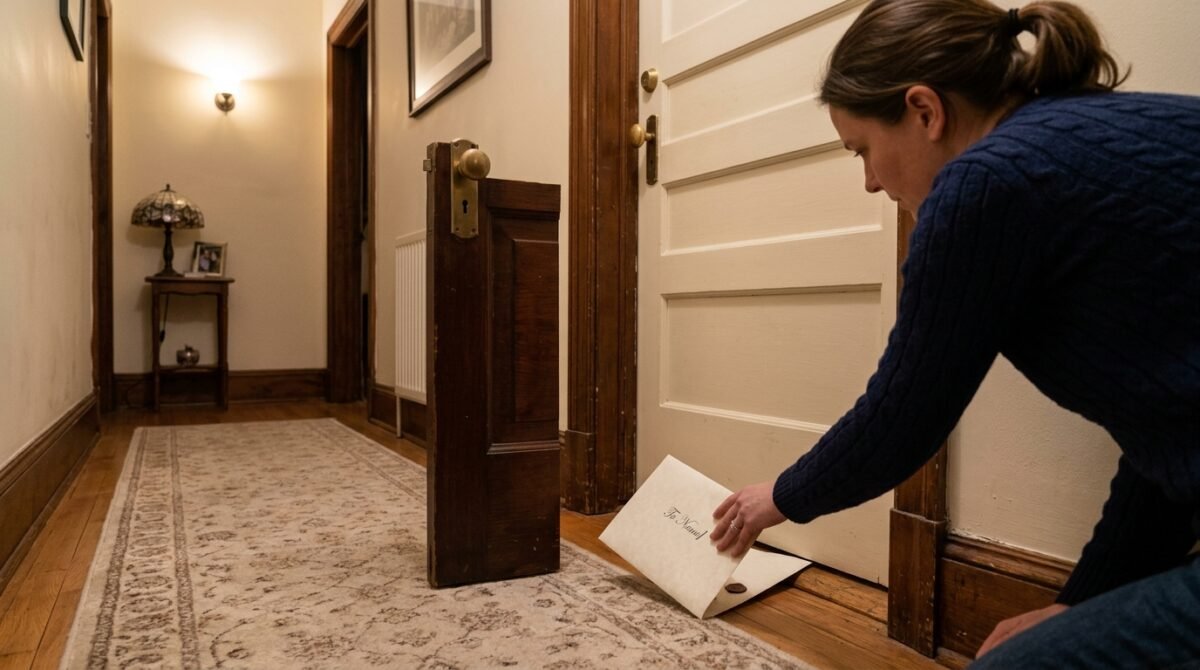
The invoice was technically ‘due’ on the 1st of the month. When that day came and passed with no payment, I did what any petty, aggrieved person would do: I sent a ‘Final Notice’ via email. I included a 10% late fee, as stated on the bottom of the original invoice. I made sure it looked official, using a template from a freelance billing site.
The response was swift. Chloe taped a note to my bedroom door, calling me a ‘harassing freak’ and threatening to call the police if I sent any more ‘legal threats.’ It was clear we were moving into a phase of the conflict where logic had completely left the building. My roommate was now convinced that I was a stalker, and I was convinced that I was living with a child.
I kept a log of everything—the destroyed jar, the emails, the texts, the notes on my door. I wasn’t just being petty; I was being prepared. In a shared living situation, when things go south, having a paper trail is the only defense you have. I knew this wouldn’t end until one of us moved out, but I wasn’t going to be the one to back down.
“I am not harassing you, Chloe. I am seeking restitution for destroyed property. Pay the invoice and I will stop the ‘harassment’ immediately.”
— Email sent to Chloe
The absurdity of the situation wasn’t lost on me. Here I was, a grown adult, drafting formal payment reminders for a sourdough starter. But in the grand scheme of the apartment, it had become the only way to establish a boundary that she had fundamentally refused to respect.
The Breaking Point: The Kitchen Cabinet Lock
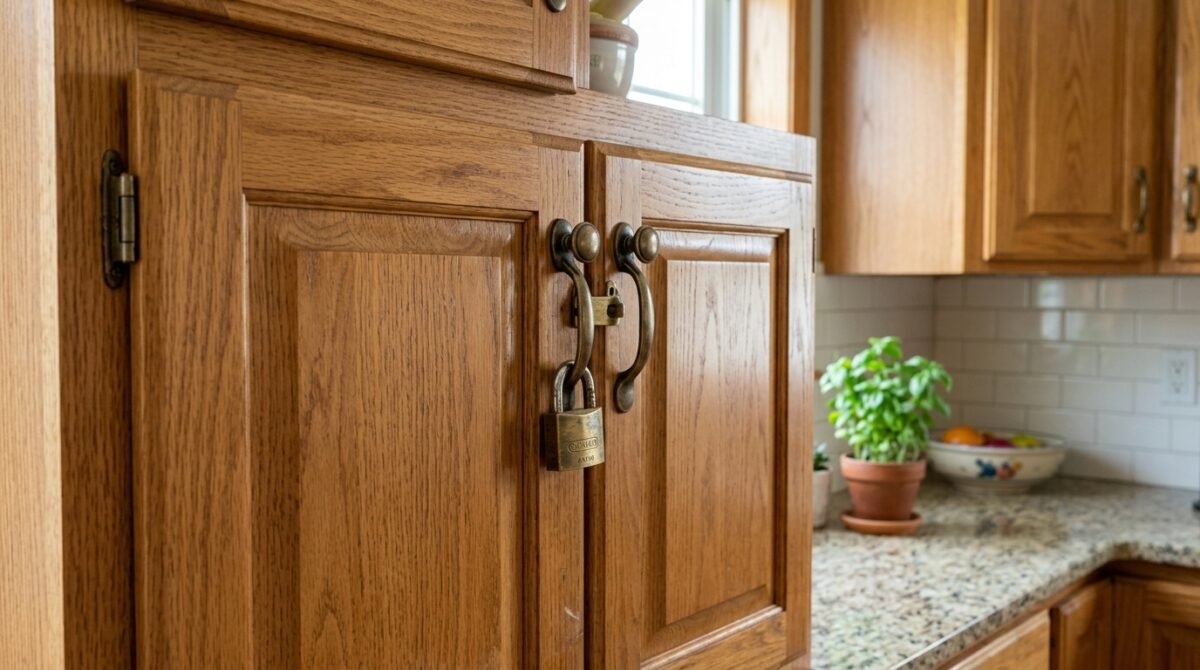
The final straw happened when I woke up one morning to find that all my dry baking supplies—flour, sugar, yeast packets—had been moved to a damp shelf under the sink. Chloe had decided that my ‘baking hoard’ was taking up too much pantry space, and she had rearranged the entire kitchen to accommodate her ‘aesthetic’ smoothie station.
I didn’t argue. I didn’t send an email. I went to the hardware store and bought a small, portable cabinet lock. I moved my remaining supplies into a specific cabinet and secured it. When she came home and tried to open it, the sound of the lock clicking was the loudest thing in the room.
She screamed. She actually screamed. ‘You locked the cabinet? We live together! This is insane! How am I supposed to get to the sugar if you lock it up?’ I stood there, drinking my coffee, and looked at her with complete detachment. ‘You don’t need my sugar, Chloe. You have plenty of space for your cold brew. Use your own.’
“It is no longer a shared kitchen, Chloe. It is a partitioned space. If you want access, we can discuss a usage fee, much like the fee you owe for the starter.”
— Me, standing my ground
The look on her face was pure, unadulterated shock. She had spent weeks treating my things like communal property, and the moment I drew a physical line, she felt victimized. It was the ultimate display of entitled behavior, and it solidified my decision to find a new place to live as soon as the lease was up.
The Legal Reality Check

My brother, who is a paralegal, eventually intervened. He looked at the invoice, the emails, and the texts. He sat me down and gave me a reality check. ‘You’re right that she owes you money, and you’re right that she violated your boundaries. But you’re also playing a game that could get you kicked out if the landlord decides you’re both too much trouble.’
He explained that while the sourdough was technically property, the ‘eighty-year-old’ valuation was subjective and would never hold up in small claims court. The shipping and labor fees were also highly debatable. He advised me to drop the invoice, secure my things, and focus on moving out. It was hard to hear, but it was the truth.
I felt a strange sense of loss dropping the pursuit of the money. It wasn’t about the $450 anymore; it was about the principle. But he was right. I was letting this woman consume my time and my peace of mind. I started looking for apartments that same night, determined to escape the madness of the ‘cold brew roommate.’
“You win by leaving, not by winning an argument with someone who refuses to see your point of view. Just leave.”
— My brother, offering the only advice that actually mattered
The decision to walk away from the conflict felt like a weight lifting off my shoulders. I stopped sending the late notices. I stopped responding to the group chat. I focused entirely on my exit strategy, and for the first time in months, I felt like myself again.
The Final Moving Day

Moving day was surprisingly quiet. Chloe was out, presumably getting more cold brew. I packed my kitchen supplies, including my locked cabinet, and left the apartment in the exact state I found it. I left a small note on the counter—not an invoice, not a threat, but a simple explanation of why I was leaving.
‘The kitchen was a shared space that required mutual respect. I hope you find a roommate who values your cold brew as much as you do.’ It was my final, parting shot—polite, sharp, and entirely final. I didn’t look back as I carried my boxes to the truck.
The relief was palpable. As I drove away from the apartment building, I realized that the sourdough starter wasn’t the only thing that had been lost—I had lost my sense of safety in my own home. But as I pulled into my new place, I felt a fresh start. I had learned a valuable lesson about boundaries, about the people you choose to share your space with, and about knowing when to stop fighting a battle that cannot be won.
“I am finally home. And this time, I’m the only one with a key to the fridge.”
— My text to my brother, upon arriving at my new apartment
I still bake. I have a new starter now—a young, vibrant culture that I’m slowly building up. It’s not 80 years old, but it’s mine. And it’s safe. That is the only thing that matters.
Conclusion
The story of the sourdough starter is, at its core, a story about the intersection of personal value and communal ignorance. We often think that our things—our hobbies, our heirlooms, our ‘weird’ passions—are understood by those around us, but that is a dangerous assumption to make. The conflict wasn’t just about a jar of fermented flour; it was about the total failure of communication and the clash of two fundamentally different ways of occupying a home.
In the aftermath, I’ve learned that setting boundaries early is not being ‘petty,’ it’s being protective. If I had been clearer about the fragility of my starter, would she have thrown it out? Perhaps. But the real lesson is that when someone shows you they don’t value your boundaries, you don’t keep trying to convince them—you move. The invoice was a symptom of my desire to make her understand, but understanding is not something you can force upon someone who doesn’t want to learn.
I want to hear from you. Have you ever had a roommate who completely disregarded your property? Did you take the high road, or did you go full petty revenge mode? Let’s talk about it in the comments below. Was the invoice too much, or was it the only way to get her attention?
Discussion Poll:
1. NTA – The invoice was a justified, professional response.
2. ESH – Both parties acted immaturely and escalated unnecessarily.
3. YTA – The invoice was an overreaction; it’s just sourdough.
What's your verdict on this dilemma?
Vote below to contribute to the official community consensus.

Have a Dilemma Keeping You Up at Night?
Share your real-life feud, wedding chaos, or relationship crossroads anonymously with our editorial team.
What do you think ?
0 Comments🛡️ Comments are moderated to protect community integrity. Your comment will appear once approved by the editorial team.