
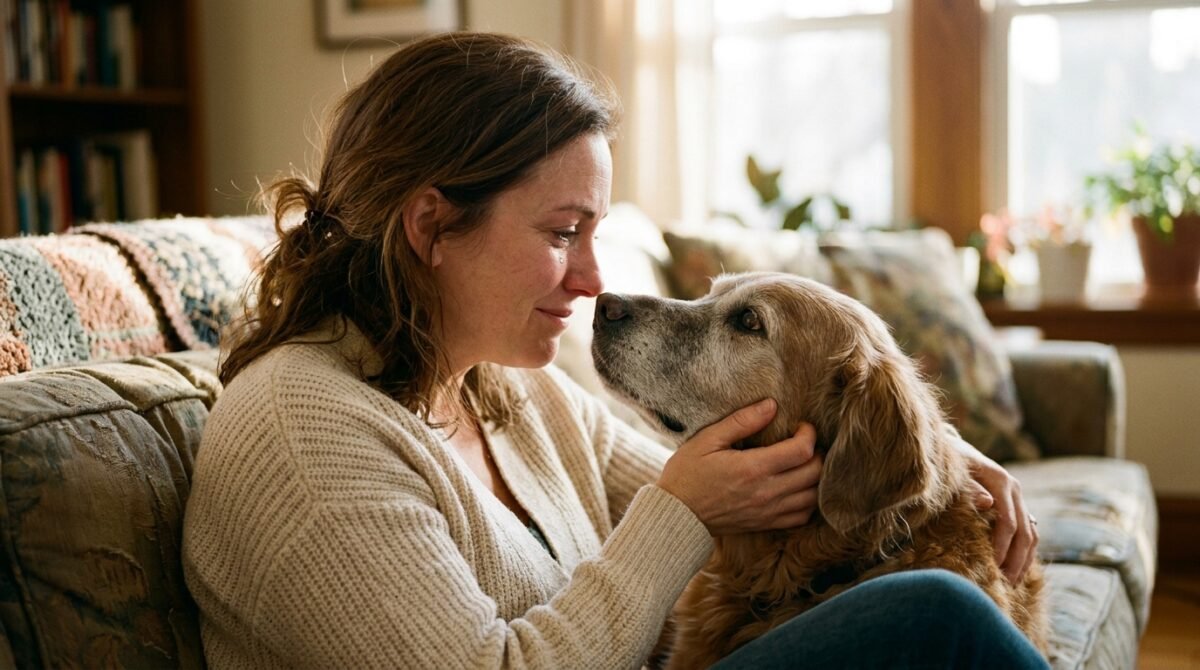
We often talk about the “red flags” in dating—the way someone treats service staff, how they handle stress, or their inability to apologize. But rarely do we discuss the moment when a partner’s lack of empathy hits something so fundamental that the entire foundation of the relationship crumbles in a single afternoon. For me, that moment didn’t involve infidelity or a secret bank account. It involved my fourteen-year-old rescue dog, Buster, whose only crime was growing old and moving a little slower than he used to.
Buster has been my constant through three apartments, a career change, and the death of my mother. He is a senior in every sense of the word—cloudy eyes, a greying muzzle, and a gait that requires a little extra patience on our morning walks. When I started dating Mark, I was upfront: Buster was a package deal. Mark seemed to love him. He bought him treats; he let him sleep on the corner of the rug. It felt like the perfect domestic tableau, the kind you see in magazines, until the mask began to slip.
It didn’t happen all at once. It started with subtle comments about “clutter” and “pet hair,” which I dismissed as him being a bit of a neat freak. Then came the complaints about the “old dog smell,” even though I kept our home cleaner than a surgical ward. The tension was a slow-growing vine, wrapping itself around our daily routines, turning what should have been a partnership into a quiet, simmering battleground of resentment.
The moral dilemma became clear when Mark began framing Buster’s existence as an aesthetic inconvenience. He wanted our home to be a curated space, a minimalist sanctuary, and in his eyes, my loyal, aging companion was nothing more than an eyesore that made the house look “tired.” He didn’t just want me to train the dog; he wanted me to erase his presence entirely.
This is the story of how I reached my breaking point, the confrontation that ended our two-year relationship, and the aftermath of choosing loyalty to a living, breathing soul over a partner who valued optics over unconditional love. It is a reminder that when someone tells you who they are through their treatment of the vulnerable, you should listen—and act accordingly.
The Subtle Erosion of Empathy
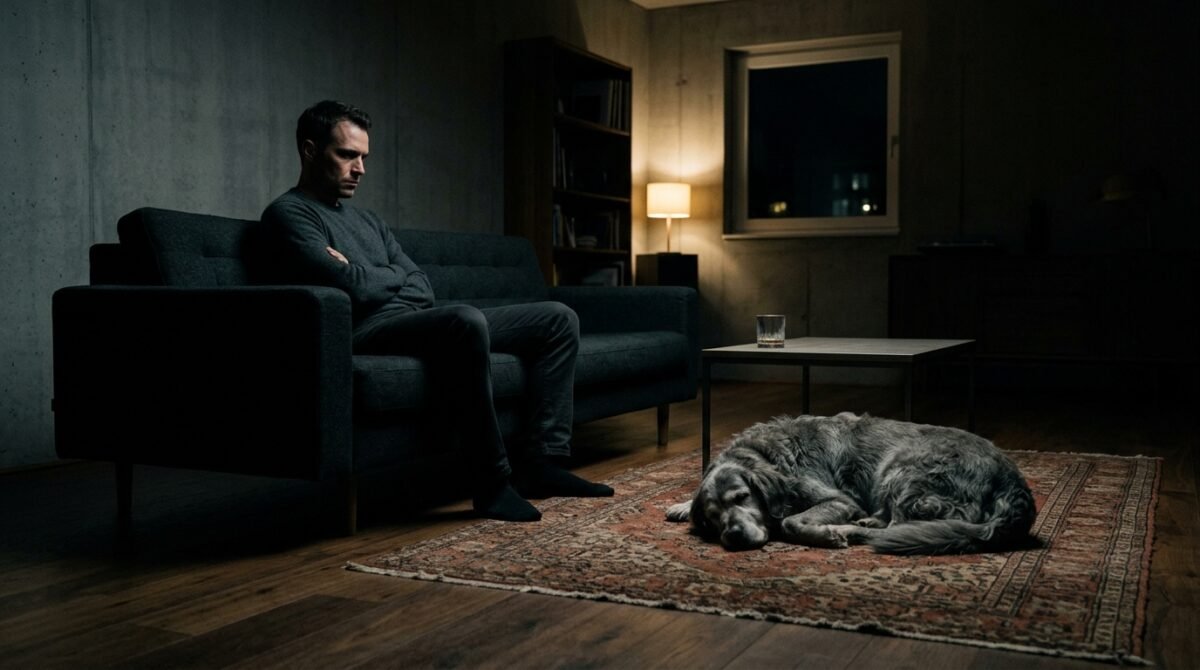
It began on a Tuesday evening while we were watching a movie. Buster, who had spent the better part of the afternoon napping in a sunbeam, let out a deep, rhythmic sigh in his sleep. It was the sound of a dog who felt safe. I looked over and smiled, but Mark was staring at the floor, his jaw tight. He didn’t look at me; he just stared at the dog with a cold, analytical gaze that chilled me to the bone.
“He’s really dragging today, isn’t he?” Mark said, his voice devoid of any warmth. I told him he was just tired, that he’d had a big walk in the morning. Mark shook his head, shifting his position on the couch. “It’s just… it’s a bit much, isn’t it? Having a dying animal in the living room while we’re trying to have a nice evening. It brings down the whole vibe of the house.”
I felt a defensive fire ignite in my chest. I reminded Mark that Buster wasn’t dying; he was just old. We had just visited the vet, and he was healthy—just slow. Mark just shrugged, turning back to the television. That was the moment the dynamic shifted. I stopped seeing a partner and started seeing a judge, sitting in a seat of unearned authority over a life he didn’t help build.
“He just looks so… worn out. It’s depressing to look at. Don’t you think it’s time to consider a home where he doesn’t have to be a constant reminder of decay?”
— Mark, during a heated dinner conversation
The comment hung in the air, heavy and suffocating. I realized then that Mark wasn’t worried about the dog’s comfort; he was worried about his own discomfort in witnessing the natural passage of time. He wanted the rewards of a domestic life without the reality of living things.
The 6:00 AM Kitchen Ultimatum
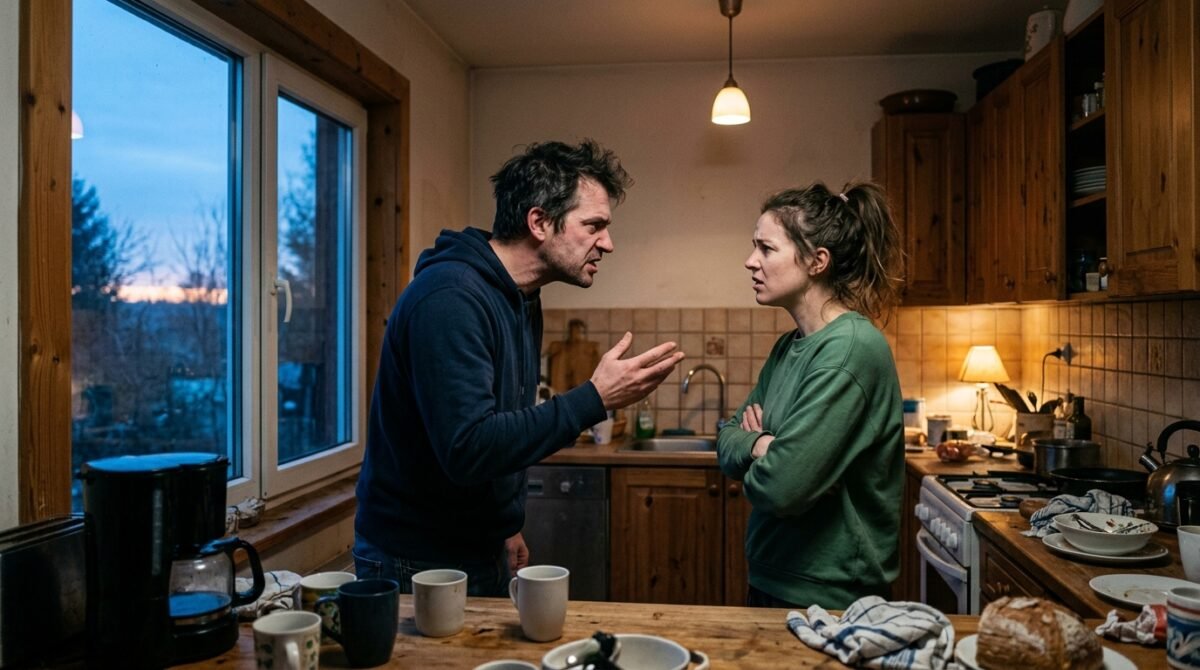
Things escalated rapidly the following week. I woke up to find Mark already in the kitchen, his phone on the counter, and a look of grim determination on his face. He had clearly been waiting for me to emerge from the bedroom. He didn’t even say good morning; he went straight for the jugular.
“I’ve been looking into rehoming options,” he announced, pouring coffee into a mug. I froze, my hand still on the handle of the refrigerator. I couldn’t believe what I was hearing. The absurdity of it made my head spin. I asked him, my voice trembling, what in the world he was talking about. He acted as if he were suggesting we repaint the kitchen cabinets.
He told me he had done ‘research’ on local sanctuaries for senior pets. He claimed that Buster would be ‘happier’ in a place with other old dogs, where he wouldn’t be ‘stifled’ by our fast-paced urban lifestyle. It was such a thinly veiled lie that I almost laughed. It wasn’t about the dog; it was about the carpet, the furniture, and the fact that Buster didn’t fit into the high-end, sterile aesthetic Mark wanted to project to his friends.
“I love you, but this dog is becoming a wedge between us. I want a home, not a hospice ward. You need to make a choice: him, or us.”
— Mark, during the ultimatum
The audacity of the demand was staggering. He had framed it as an act of ‘kindness’ toward the animal, masking his blatant selfishness as concern. I looked at him—really looked at him—and realized I didn’t recognize the man standing in my kitchen.
The Group Chat Revelation
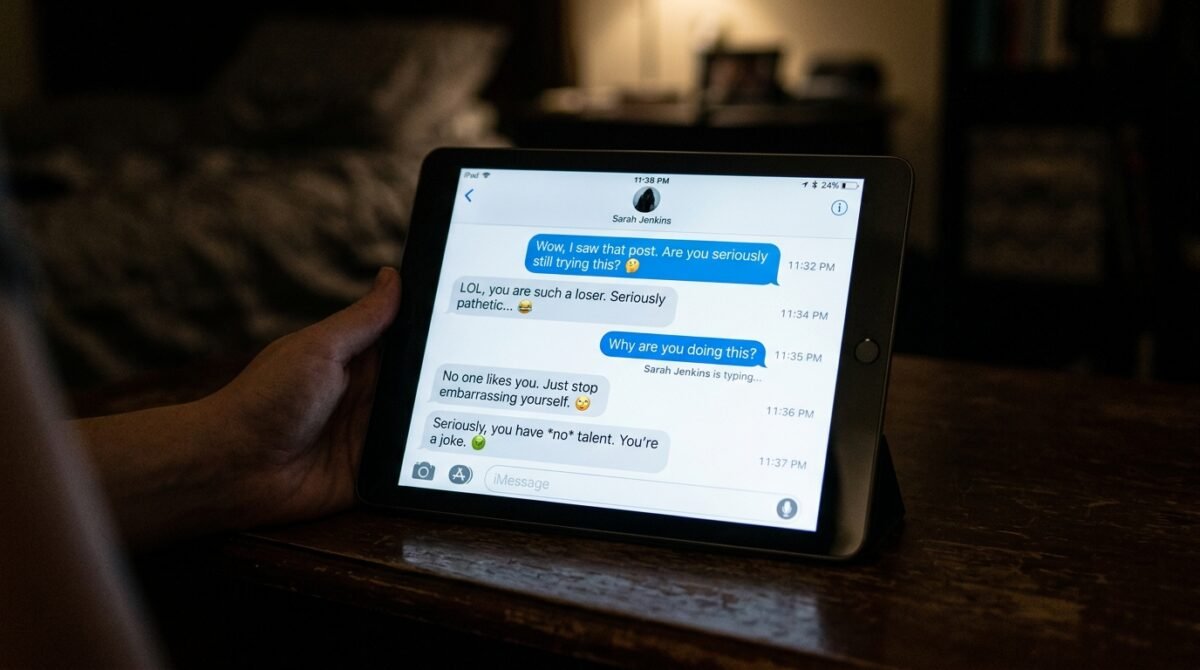
The betrayal was confirmed later that day. Mark had left his iPad unlocked on the coffee table, and a notification popped up from a group chat titled ‘The Boys.’ Curiosity, or perhaps a deep-seated instinct that something was wrong, led me to glance at the screen. What I saw made my blood run cold. They weren’t just talking about the dog; they were mocking my devotion to him.
The thread was full of jokes about how I was ‘the crazy dog lady’ and how Mark was ‘being held hostage by a walking rug.’ One of his friends had even suggested he just ‘accidentally’ leave the door open. I felt sick. I took photos of the entire thread with my phone, my hands shaking so hard I could barely focus the camera.
It wasn’t just that Mark didn’t like the dog; it was that he had been lying to my face for months, pretending to be a supportive partner while privately ridiculing the bond I had with my oldest friend. Every ‘I love you’ and every shared meal suddenly felt like a performance. I had been living with a stranger who was actively plotting to remove the most loyal being in my life.
“Just tell her you’re allergic, man. It’s the easiest way to get rid of the mutt without being the bad guy. She’ll have to get rid of it for your ‘health.'”
— Text from a friend in Mark’s group chat
The sheer lack of respect for my autonomy, my pet, and my values was the final blow. I didn’t confront him about the texts immediately. I needed to be cold, calculated, and absolutely certain about how I was going to leave.
Constructing the Exit Strategy
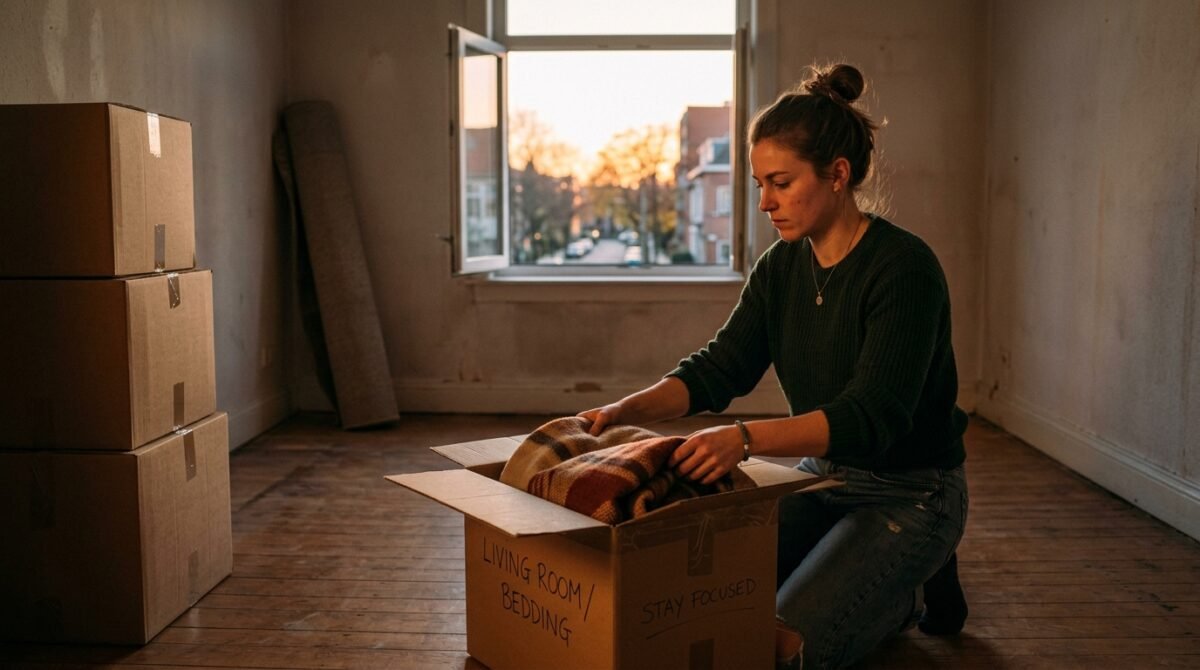
I spent the next forty-eight hours in a state of quiet, focused detachment. I packed my essentials—the items that truly mattered, including, of course, Buster’s bed and his collection of toys. I didn’t touch anything that belonged to Mark. I treated the apartment like a crime scene I was cleaning up, removing my life from his orbit piece by piece while he was at work.
I arranged for a friend with a large truck to come by on Saturday morning. I didn’t tell Mark I was leaving until the very last moment. There was no room for negotiation, no space for him to offer a half-hearted apology or gaslight me into staying. The decision had been made the moment he suggested I abandon a fourteen-year-old animal for his personal convenience.
I left my keys on the counter along with a printed copy of the screenshots from his group chat. I didn’t write a long letter. I didn’t need to explain myself to someone who had already shown me exactly who he was. I just wanted to be gone, to take my dog back to a place where he was loved, respected, and treated like the family member he was.
The silence in the apartment as I packed was deafening. Every sound seemed amplified—the rustle of bubble wrap, the soft clicking of Buster’s nails on the floor. It was a strange, bittersweet relief. I was losing a boyfriend, but I was reclaiming my integrity. I was protecting the one creature in this world who had never asked for anything more than my presence.
The Confrontation in the Driveway
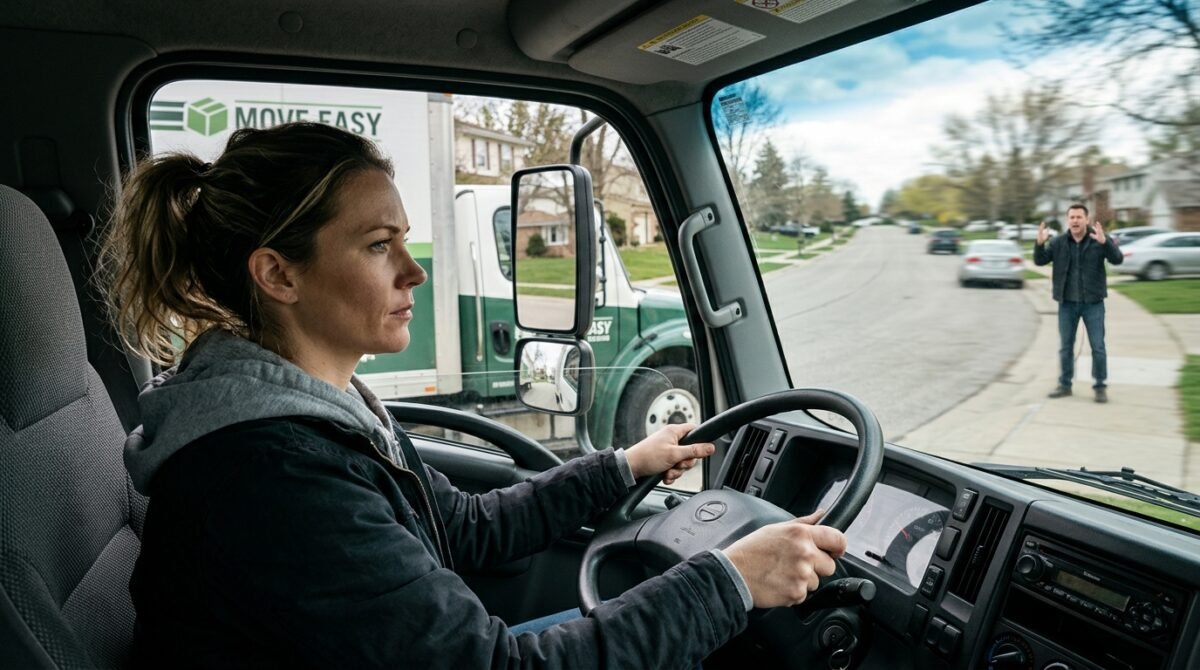
Mark arrived home while I was loading the final boxes into the truck. He looked confused at first, then angry, then panicked when he saw the state of the living room. He didn’t ask what was happening; he started shouting about the security deposit and the lease. His priority was the paperwork, the money, and the optics of a breakup.
“What the hell are you doing?” he demanded, slamming his car door. I didn’t stop moving. I told him I was leaving and that he could keep the apartment. He tried to grab my arm, but I stepped back, my voice steady and cold. I told him he should have been more careful with his group chats if he wanted to keep his secret life hidden.
He paled instantly. The arrogance left his face, replaced by a frantic desire to backpedal. He started stammering, trying to explain that the texts were just ‘locker room talk’ and that he didn’t actually mean any of it. It was pathetic. I watched him plead his case, realizing that the man I thought I knew had never really existed at all.
“It was just a joke! You’re really going to throw away two years over some stupid texts and a dog? You’re being hysterical!”
— Mark, during the final argument
I didn’t answer him. I got into the truck, buckled Buster into the passenger seat, and drove away. I didn’t look back at the apartment, at the life I had built, or at the man standing in the driveway. I just drove, feeling the weight of the last few months lifting with every mile I put between us.
The Internet Weighs In: A Reddit Retrospective
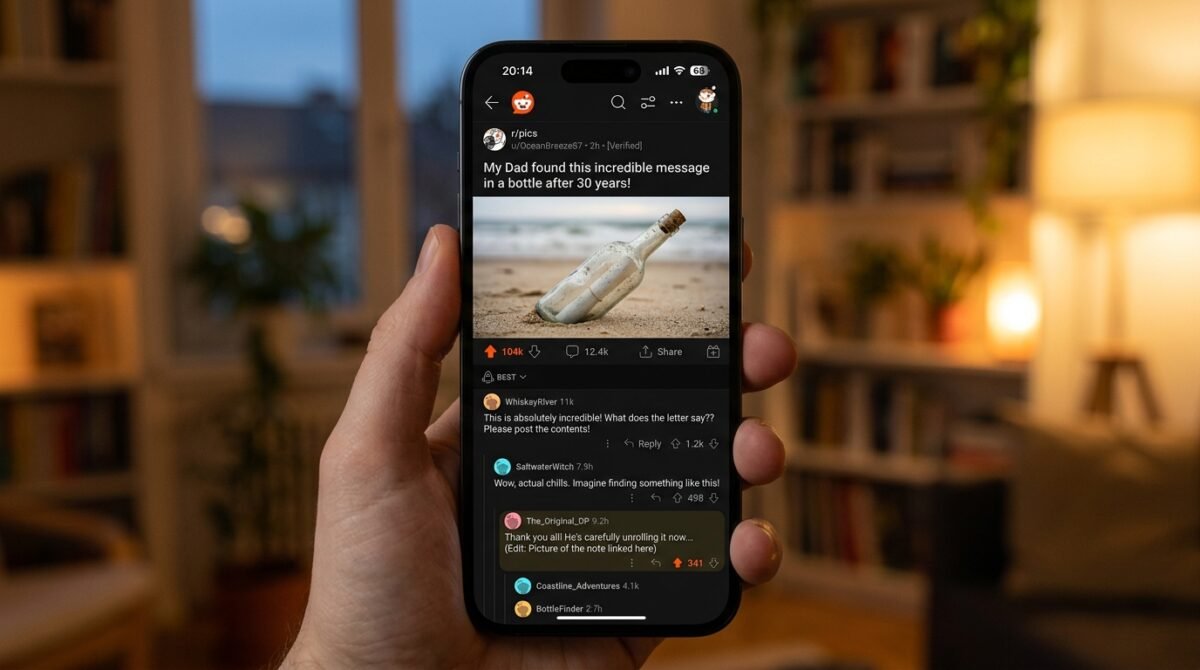
When I finally posted my story on Reddit—anonymized, of course—the response was overwhelming. It wasn’t just validation; it was a community-wide affirmation of the boundary I had drawn. Thousands of people, many with their own senior pets, shared stories of partners who had attempted to ‘prune’ their lives to fit a selfish narrative. The consensus was swift and brutal toward Mark.
The thread exploded overnight. People weren’t just calling him a bad boyfriend; they were dissecting his behavior as a massive red flag for future relationships. Many users pointed out that the way he treated the dog was a preview of how he would treat me once I, too, began to show the signs of age or stress. His vanity was a poison that would have eventually turned on me.
“Dump him immediately. The man who views a loyal, aging pet as a nuisance is the same man who will view you as a burden when you’re sick, tired, or struggling. You saved yourself from a lifetime of being treated like a disposable accessory. NTA.”
— u/DogMomForever (Top Comment, 32.1k upvotes)
It was incredibly healing to read these comments. They reminded me that I wasn’t being ‘hysterical’ or ‘too sensitive.’ I was setting a standard for how I wanted to be treated, and more importantly, how I wanted the vulnerable beings in my life to be protected. The collective support was a powerful antidote to the isolation I had felt over the last few months.
Life on the Other Side of the Ultimatum

It has been six months since I moved out. Life is different now. My current apartment is smaller, but it is filled with peace. Buster has his favorite bed by the radiator, and he spends his days napping without anyone hovering over him, judging his breathing or his pace. He seems happier, too—his tail still wags when he hears the key in the lock.
I’ve learned a lot about myself in this time. I’ve learned that I don’t need a partner to feel whole, and that my capacity for love is tied to my willingness to protect the things that matter most. I’ve reconnected with old friends, focused on my career, and spent more time in nature with my dog. The fear of being ‘single’ has been replaced by the relief of being ‘free.’
I sometimes look back at the photos of the life I had with Mark, and it feels like watching a movie about someone else. The curated, perfect life he wanted was a cage, and I’m so grateful I found the key to unlock the door when I did. I didn’t just save my dog; I saved the part of myself that still believed in unconditional love.
The lessons from this experience have been etched into my worldview. I know now that I will never again entertain a partner who tries to dictate my boundaries or minimizes my responsibilities to those who depend on me. Love should not be a negotiation; it should be a partnership that celebrates loyalty, not one that views it as an inconvenience.
The Anatomy of a Toxic Partner

Looking back, I can see the patterns that I was blind to in the moment. It wasn’t just the dog; it was the way Mark controlled the thermostat, the way he picked my clothes for events, and the way he constantly criticized my ‘lack of ambition’ while he himself was just interested in climbing the social ladder. Everything had to be ‘perfect’ for his audience, whether that audience was his friends or his own ego.
He was a collector of people and things, and when something didn’t fit the collection, he tried to discard it. I was just a part of his inventory. When I refused to be discarded—when I refused to let him control the life of my companion—he didn’t know how to handle it. He had never had anyone push back against his ‘well-intentioned’ suggestions before.
Understanding this hasn’t made me bitter; it’s made me cautious. It has given me the tools to identify the same patterns in other areas of my life. I’m no longer afraid to call out controlling behavior when I see it, and I’m much quicker to walk away when I realize that my values are being compromised for the sake of someone else’s comfort.
This experience was a brutal lesson in self-worth. It forced me to strip away the expectations of others and focus on what actually feeds my soul. I’ve realized that the most important relationship I have is the one I have with myself and those who have proven their loyalty through the years, through the aging, and through the difficult times.
Why We Stay and When to Leave

The question I get asked most often is, ‘Why did you wait so long?’ It’s a fair question, but it misses the complexity of the situation. We stay because we hope for change. We stay because we’ve invested time, effort, and love into someone, and we don’t want to admit that the investment was a failure. We stay because we want to believe in the best version of our partner, even when they show us their worst.
Leaving is not an impulsive act; it is the final result of a thousand small compromises that eventually reach a breaking point. For me, that point was the moment I realized that keeping my partner meant losing my soul. It was a choice between a comfortable lie and a difficult truth. I chose the truth, and I would choose it again every single time.
The stigma of being a ‘difficult’ partner or a ‘dog-obsessed’ person is a small price to pay for the peace of mind I have now. I’ve learned to embrace the labels others might use to diminish my choices. If caring for an aging dog makes me ‘too much,’ then I am perfectly happy being ‘too much’ for the wrong people.
We have to stop framing relationships as a series of compromises where we lose pieces of ourselves. If a relationship requires you to sacrifice your integrity or the safety of those you love, it’s not a relationship—it’s a transaction. And in this transaction, the cost was just too high for me to pay.
Moving Forward with Gratitude

I have no regrets about the way things ended. I regret the time lost, of course, but that time was a lesson in disguise. I am a stronger, more observant, and more compassionate person than I was before I met Mark. And Buster? He is the happiest he has ever been. He has a new dog bed, plenty of treats, and a human who understands that his gray muzzle is a badge of honor, not a flaw.
If you find yourself in a similar position, please know this: your loyalty to your pet is not a weakness. It is a strength. It is a measure of your character, and anyone who tries to make you feel bad for it is not someone who deserves to be in your life. You are enough, just as you are, and you deserve a partner who respects the bonds you’ve built over a lifetime.
The community support I found on Reddit wasn’t just about the drama; it was about the shared recognition of what it means to be a decent human being. We are all just trying to get by, and we should be surrounded by people who lift us up, not people who want to prune our lives to fit their aesthetic. Stay true to yourself, protect your loved ones, and never be afraid to walk away.
I’m looking forward to the future now. Not a curated one, not a perfect one, but a real one. A life filled with messy, beautiful, aging, and loyal things that make life worth living. And as long as I have my dog by my side, I know I’m exactly where I’m supposed to be.
Conclusion
My journey from a stifled relationship to a life of autonomy and peace has been one of the most transformative periods of my life. It wasn’t easy to leave the comfort of a shared home or to face the uncertainty of a breakup, but the alternative—sacrificing the well-being of my loyal companion—was a price I simply could not pay. My story serves as a testament to the fact that when you prioritize your integrity, you create the space for a life that is truly your own.
The lessons are clear: Never let anyone define your value or dictate the terms of your loyalty. Your relationships should be a source of strength, not a series of compromises that erode your self-worth. If someone asks you to choose between your values and their comfort, you already have your answer.
I invite you to share your thoughts. Have you ever had to walk away from a relationship because of a non-negotiable boundary involving your pets or your core values? Let’s keep the conversation going in the comments below.
What's your verdict on this dilemma?
Vote below to contribute to the official community consensus.

Have a Dilemma Keeping You Up at Night?
Share your real-life feud, wedding chaos, or relationship crossroads anonymously with our editorial team.
What do you think ?
0 Comments🛡️ Comments are moderated to protect community integrity. Your comment will appear once approved by the editorial team.