

Marriage is built on the foundation of mutual respect and the preservation of each other’s treasures, both material and sentimental. For five years, I had meticulously curated a collection of rare, first-edition books—works that represented not just a financial investment, but my own personal history, my late grandfather’s legacy, and my identity as a scholar. It was a sanctuary of paper and ink that my husband, Mark, knew better than anyone to respect. Or so I thought.
The betrayal didn’t happen overnight. It was a quiet, calculated theft that occurred while I was away for a professional conference. I returned home to find the glass cabinets in my study empty, the silence in the room deafening. The initial panic of a potential break-in was quickly replaced by the cold, sickening realization of who had actually emptied my shelves. Mark hadn’t just taken books; he had traded my history for a plastic toy sitting on a trailer in the driveway.
The moral dilemma here isn’t just about the monetary value—though that was substantial—but the fundamental violation of trust. When a spouse decides that their leisure pursuit outweighs their partner’s life’s work, the marriage ceases to be a partnership and becomes a hostage situation. As I looked at the glossy red jet ski glistening in the afternoon sun, I knew that the man I married was someone I no longer recognized.
This story is a deep dive into the unraveling of a life built on perceived stability, only to find the floorboards rotting beneath us. It is about the moment a person realizes that ‘for better or worse’ has a limit, and that some lines, once crossed, leave no path back to reconciliation. What follows is the chronicle of a marriage that shattered over the price of high-octane fun.
The Empty Shelves and the Red Flag
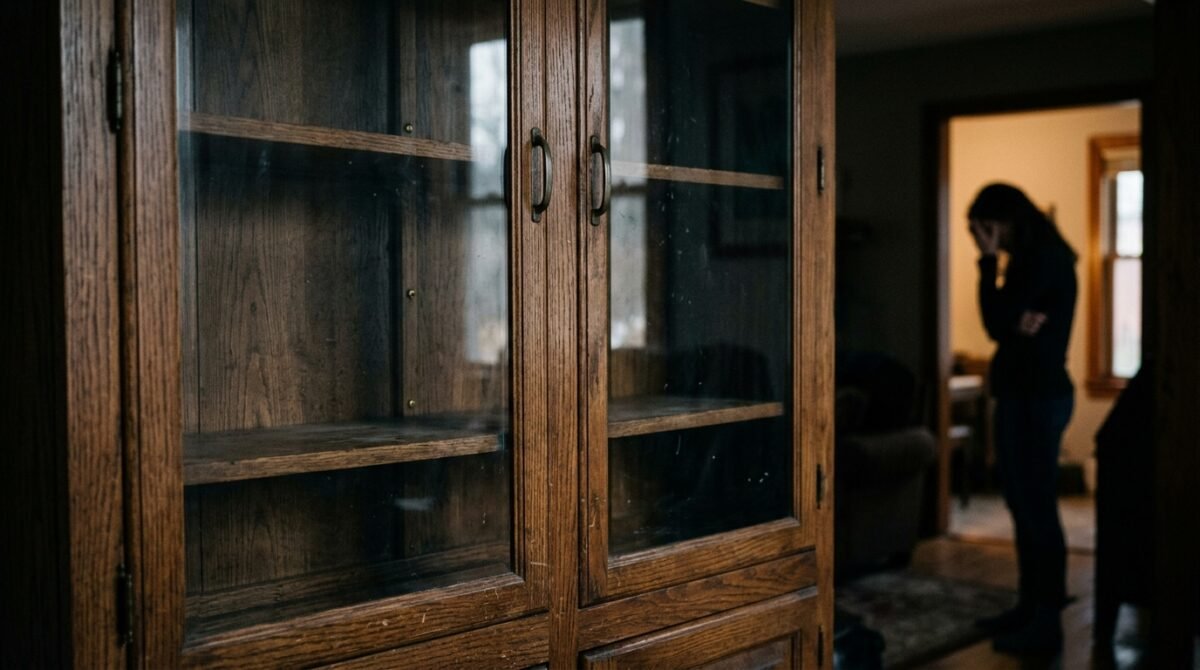
Returning home after a grueling three-day conference, my only desire was to sit in my leather armchair, pour a glass of wine, and read a few chapters from my first-edition copy of ‘The Great Gatsby.’ The house felt unusually quiet, a stark contrast to the usual hum of domestic life. As I walked into the study, the first thing I noticed was the lack of light reflecting off the glass cabinets. They were barren.
My heart hammered against my ribs as I rushed to the shelves, fingers trembling as I touched the cold wood where my collection had sat for years. I checked the floor, the drawers, even the hallway, thinking perhaps they were moved for cleaning. But they weren’t. My collection, valued at roughly forty thousand dollars, was simply gone.
Mark walked in shortly after, wearing a smug grin that didn’t reach his eyes. He didn’t ask how my trip was. He didn’t offer to take my bag. He simply stood in the doorway, waiting for me to notice the change in the driveway, completely oblivious to the panic he had caused in the house.
“Where are they, Mark? Where are my books? The cabinets are empty. Please tell me you didn’t touch them.”
— Me, confronting Mark immediately
His response was not one of concern, but of defensive entitlement. He acted as though I was being unreasonable for valuing paper over ‘living my life.’ The disconnect was immediate and terrifying. He hadn’t even attempted to hide the transaction; he treated it like a household upgrade, like buying a new blender or upgrading the television.
I felt a physical sensation of coldness wash over me. It was the realization that he saw my prized possessions not as extensions of my personality, but as liquid assets that existed solely for his convenience. The trust I had placed in him for five years evaporated in that singular, agonizing moment of discovery.
The Justification of a Hobbyist

When I finally pressed him on the whereabouts of the books, his explanation was jaw-dropping. He claimed the books were ‘collecting dust’ and that we were ‘sitting on a goldmine’ that could be better spent on experiences. He had found a collector online and sold the entire lot for thirty-five thousand dollars, barely a fraction of their appraised value, just to expedite the sale for his new jet ski.
He seemed genuinely proud of the deal. He talked about ‘work-life balance’ and how he deserved to enjoy his weekends out on the lake. He didn’t see the theft; he saw a strategic reallocation of assets. He even pulled up the listing for the jet ski on his phone, showing me the features as if I were supposed to be impressed by the horsepower.
“It’s just paper, Sarah! We can buy more books anytime. But this? This is memories. This is us getting out on the water. Why are you acting like I committed a crime when I just upgraded our lifestyle?”
— Mark, attempting to gaslight me
The audacity was staggering. He had effectively liquidated my inheritance and my passion to pay for a toy that he would likely abandon in a storage unit within two years. The fact that he didn’t consult me wasn’t just a lack of communication—it was a declaration that my autonomy in our marriage was secondary to his whims.
I sat on the floor of the study, unable to process the sheer arrogance. He stood over me, still talking about the lake, about his friends, about how I needed to ‘let go’ of things. He was painting me as the villain for being attached to objects, while he was the hero for taking initiative. It was a masterclass in narcissistic justification.
I realized then that this wasn’t an isolated incident. Looking back, I saw the patterns of his selfishness—the way he always picked the vacation destination, the way he ignored my professional needs, the way he ‘borrowed’ from our savings without asking. The books were just the final, most egregious straw in a long list of boundary violations.
The Discovery of the Secret Group Chat

Later that evening, after the shouting had died down into a suffocating, hateful silence, I found my way to his laptop, which he had left unlocked in the kitchen. Curiosity, fueled by pure, unadulterated rage, led me to his messages. There, in a group chat with his three best friends, was the documentation of his betrayal.
The messages revealed that this had been planned for months. They had been joking about ‘pawning the wife’s library’ to fund their weekend trips. One friend had even suggested I wouldn’t notice until it was too late, calling me ‘uptight’ and ‘a librarian at heart.’ The casual misogyny in their conversation made me physically ill.
“I’m telling you boys, the jet ski is a done deal. Sarah won’t even notice the books are gone for weeks. By then, the money will be spent and the water will be waiting. She’s too buried in her work to care about some old paper.”
— Mark, in a group chat with friends
Seeing my marriage discussed as a joke by his friends was the final nail in the coffin. I wasn’t just a partner to him; I was an obstacle to be bypassed, a bank account to be raided. The dehumanization of their language was what truly broke me. I wasn’t just losing my books; I was losing the reality of my marriage.
I took screenshots of the entire thread. I knew that if I confronted him now, he would just try to delete the evidence. I needed to move in silence. I needed to act with the same calculated precision he had used against me, but for the purpose of my own protection and exit.
My heart was racing, not with sadness anymore, but with a cold, sharp resolve. The woman who had cried on the floor an hour ago was dead. In her place was a person who understood exactly what needed to be done. I closed the laptop, walked out to the kitchen, and started drafting the legal documents in my head.
The Sunday Dinner Silence
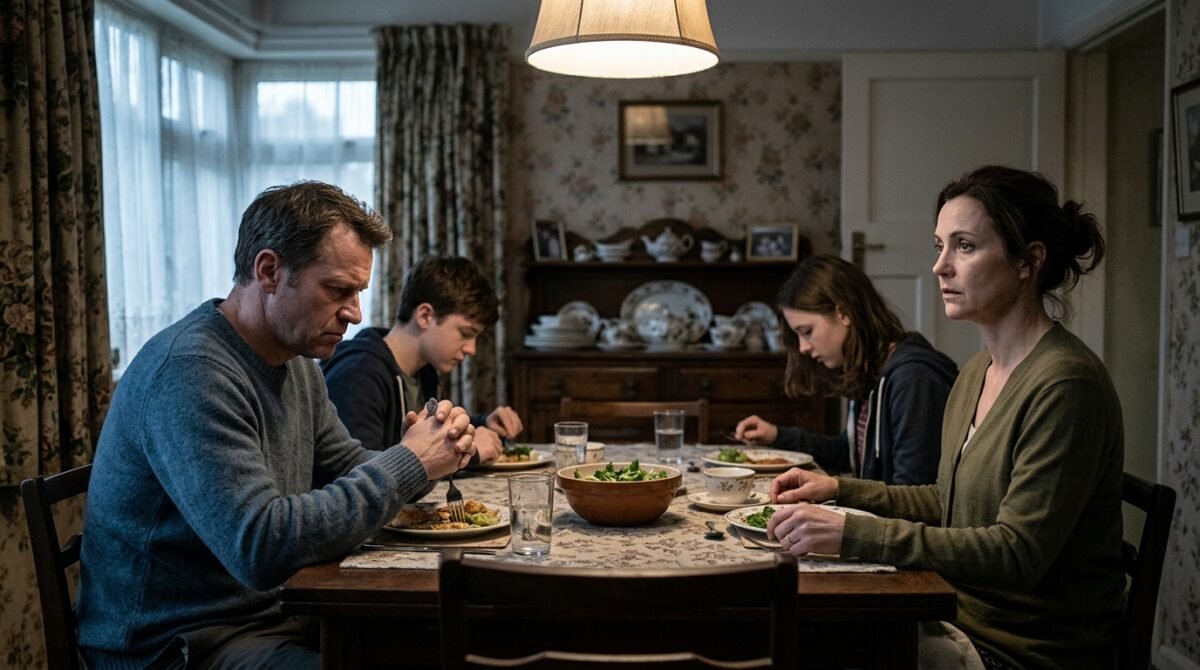
The following Sunday, we had his parents over for dinner, a tradition I usually dreaded but now saw as an opportunity. Mark was acting as if everything was normal, regaling his father with stories about his ‘new investment’ in the lake life. His mother was politely listening, unaware that her son had stolen from his wife to pay for his weekend plaything.
I remained quiet throughout the meal, letting Mark talk. I watched him eat, noting how easily he lied to his own parents. He didn’t mention the books. He didn’t mention the source of the money. He just spun a narrative of a successful, hardworking man who treated himself to a reward.
“So, Mark, tell us again, how exactly did you afford this new purchase? You were saying you were saving up for a house renovation, no?”
— Mark’s father, asking a question that hit the mark
Mark faltered. He looked at me, a brief flash of panic crossing his face. I didn’t help him. I kept my expression neutral, even a bit distant. I let him struggle for a moment, letting the silence at the table grow heavy and uncomfortable. He finally mumbled something about a ‘windfall’ from his work bonuses.
I knew then that I had the upper hand. I could blow this up right here, right now. I could shatter his reputation in front of his family. But I chose not to. I wanted his comeuppance to be more permanent, more legal, and more impactful than just a family argument over roast chicken.
When his parents left, the house felt even emptier than before. Mark turned to me, his bravado returning. He asked me why I had been ‘so weird’ at dinner. I didn’t answer. I just walked upstairs to our bedroom, locked the door, and finished packing my go-bag. The end was no longer a question; it was a scheduled appointment.
The Certified Letter and the Exit Plan
By Monday morning, I had already contacted a lawyer. I had the records of the books, the proof of their value, and the screenshots of the group chat. When Mark went to work, I stayed behind. I didn’t go to my office. I spent the day meeting with my attorney, filing for separation, and setting up a secure storage unit for the remaining items that were rightfully mine.
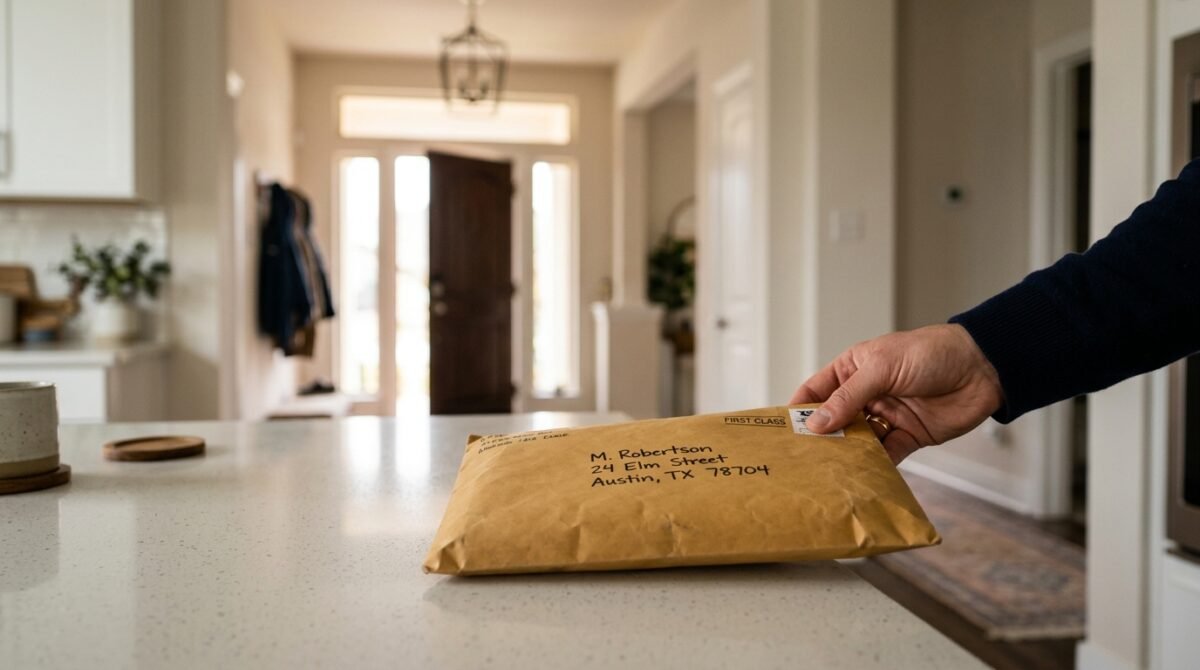
I returned home before he did, but I didn’t stay. I left a certified letter on the kitchen island, right where he would see it when he came in to grab a beer. I took my essential documents, my laptop, and my few remaining personal items that weren’t tied to the house. I left everything else—the furniture, the kitchen appliances, and yes, the jet ski.
“I know about the books, Mark. I know about the group chat. I know about the ‘windfall.’ The separation papers are on the counter. Don’t call me. Don’t text me. Talk to my lawyer.”
— The note I left for Mark
Leaving that house felt like shedding a layer of skin that had been chafing for years. I didn’t look back at the driveway. I didn’t care if the jet ski was there or not. My focus was purely on the legal path forward and ensuring that the financial damage he caused was rectified through the division of assets.
The drive to my sister’s apartment was the quietest I’ve ever experienced. No radio, no thoughts, just the physical sensation of freedom. I had spent so long trying to keep the peace, to keep the marriage functioning, that I hadn’t realized how much energy it took to survive in an environment where my joy was treated as a disposable asset.
When I arrived, my sister hugged me, and for the first time in days, I cried. Not because of the books, but because I was finally safe. I was out. The barrier between me and his toxic entitlement was now a legal one, enforced by the court system.
The Fall-Out and The Desperate Texts
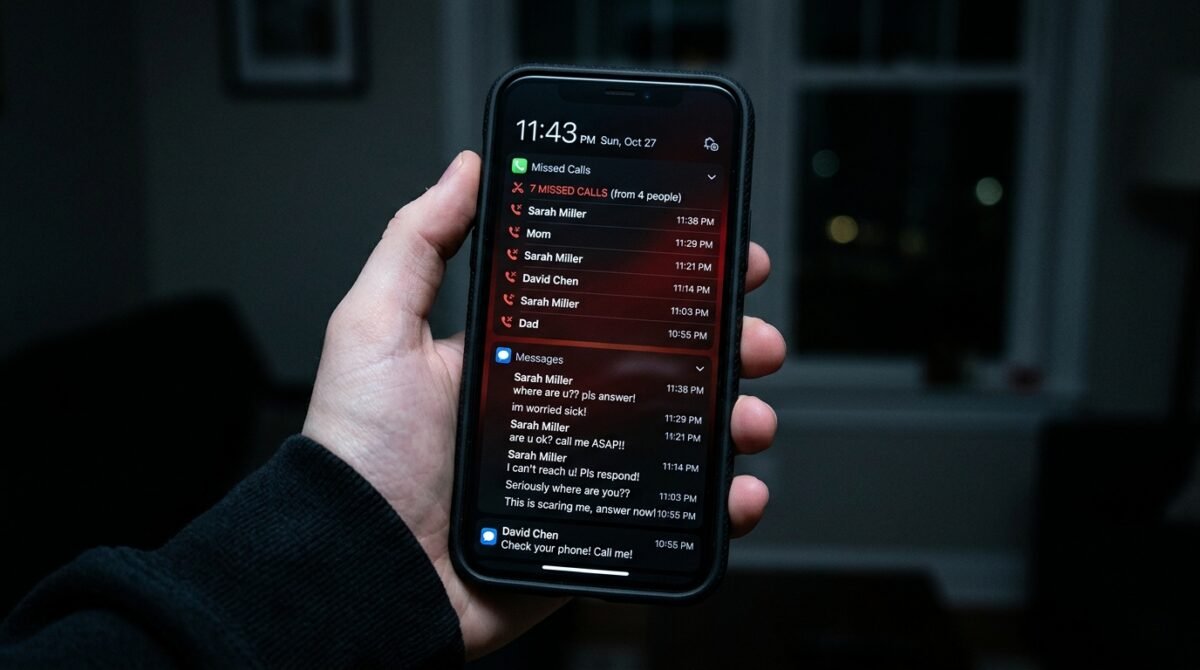
The next forty-eight hours were a barrage of notifications. Mark didn’t stop. He called, he texted, he emailed, he even showed up at my sister’s apartment, which led to a very swift, very unpleasant conversation with the police. His tone shifted rapidly from rage to confusion, then to pathetic bargaining.
He tried to convince me that it was all a ‘misunderstanding’ and that he would buy me new books, better ones, if I would just drop the papers. He couldn’t understand that the books were never the point. The point was the betrayal of the partnership. He saw the world as a place where he could buy forgiveness with promises.
“Sarah, please. You’re overreacting. It’s just stuff. We can fix this! I’ll sell the jet ski, I’ll pay you back double. Why are you destroying our life over some paper? Come home, let’s talk like adults.”
— Text message from Mark
I didn’t respond to any of it. I blocked his number, his email, and his social media. I had the lawyer handle all communications. Seeing his frantic messages reinforced my decision. He was still trying to negotiate the terms of our marriage even when I had already ended it. He still saw me as a person he could manipulate.
My friends and family were shocked, of course. They couldn’t believe he had sold my collection. When they realized the extent of the betrayal—the group chat, the lies to his parents—their support was overwhelming. I wasn’t alone. I was supported by a community that understood exactly why I had walked away.
I felt a strange sense of vindication. For years, I had been the ‘quiet’ one, the one who supported his career, his dreams, his hobbies. Now, the world finally saw the reality of the dynamic. Mark wasn’t the victim of a ‘crazy wife’s’ whim; he was the perpetrator of a massive betrayal that had finally caught up to him.
The Reddit Trial: How the Community Reacted

I posted a summary of the situation on a popular subreddit, needing an objective perspective from people who didn’t know us. The response was immediate and overwhelming. Thousands of people weighed in, and the consensus was absolute. I wasn’t crazy; I wasn’t overreacting; I was rightfully defending my humanity.
“This isn’t about books. This is about deep-seated disrespect. He didn’t just sell your collection; he sold your trust. The fact that he involved his friends in the mockery makes it even worse. NTA. Lawyer up and don’t look back.”
— u/BookWorm_Legal (Top Comment, 32.1k upvotes)
The variety of advice was eye-opening. Some users pointed out the legal ramifications regarding marital assets and the intentional destruction of property. Others shared their own experiences with partners who treated their belongings as disposable. It was a communal validation that I desperately needed.
There were a few outliers, of course, who tried to argue that ‘material things don’t matter,’ but they were quickly corrected by the community. The distinction between ‘things’ and ‘valued history’ is something that a partner should understand. If they don’t, they don’t deserve the partnership.
Reading through the comments gave me strength. It turned my private, agonizing shame into a public, clear-cut case of boundaries. I realized that my situation, while extreme, was a textbook example of how financial abuse and disrespect can ruin a relationship from the inside out.
The Financial Reckoning

The divorce proceedings were not pleasant. Mark tried to argue that the books were marital property and that he had the right to sell them, but his own group chat proved that he had done so behind my back to fund a personal purchase. His lawyer struggled to justify the action in front of a judge who clearly disapproved of his behavior.
We had to go through a full audit of our assets. I ensured that the value of the books was accounted for in the division. I didn’t want the jet ski. I wanted the equivalent value back in cash, which meant he had to sell the jet ski at a loss and use his own savings to cover the difference.
| Item | Original Value | Outcome |
|---|---|---|
| Book Collection | $40,000 | Awarded in asset division |
| Jet Ski | $35,000 | Forced sale to pay legal debt |
| Joint Savings | $20,000 | Split equally after restitution |
Watching him have to sell his ‘dream’ item to pay me back for my stolen books was the most satisfying part of the process. It wasn’t about the money; it was about the symmetry of the justice. He took, and now he had to give back. The reality of his actions was finally coming home to him in a way he couldn’t ignore.
He tried to apologize at the mediation, claiming he was just ‘immature’ and ‘didn’t understand the value.’ I didn’t buy it. Immaturity is a mistake; stealing and conspiring with friends is a character flaw. I stayed firm in my demands, refusing to budge on the valuation of my stolen collection.
Healing After the Storm

Months later, I find myself in a new, quiet apartment. It’s smaller, but it’s mine. I have started rebuilding my library, slowly, intentionally. Each book I buy now is a symbol of my own agency. I don’t share my passwords, I don’t give anyone access to my collections, and I have learned to trust my gut when something feels off.
The trauma of the experience took time to fade. For a long time, I couldn’t walk into a bookstore without feeling a pang of loss. But eventually, that turned into a feeling of triumph. I am no longer defined by the betrayal. I am defined by the person who stood up, walked out, and reclaimed her life.
“You didn’t lose your books. You lost a person who never deserved to be in your story to begin with. You’re starting a new chapter, and it’s going to be much better.”
— My sister, during a heart-to-heart
I have started therapy to deal with the residual trust issues, which has been incredibly helpful. It’s hard to open up to new people after having your deepest trust violated, but I am learning that not everyone is like Mark. There are people who understand the value of a partner’s passions.
I look back at the photos of the jet ski sometimes, not with anger, but with a sense of distance. It was such a small thing, really. A plastic toy that cost a man his marriage. It’s almost comedic in its absurdity. I’m glad I walked away before it cost me anything else.
Reflections on Boundary Setting

The biggest lesson I took from this was that silence is not the same as peace. For years, I kept my discomfort to myself to keep the peace, which only gave him more room to expand his entitlement. Boundaries are not meant to be soft suggestions; they are the walls that protect your sanity.
If I could go back, I would have set boundaries early on, even about small things. I would have made it clear that my personal items were off-limits and that my finances were separate. But hindsight is a gift. I had to go through the fire to understand how to build a shelter that actually holds.
I hope that anyone reading this understands that you are allowed to have things that are yours. You are allowed to have passions that don’t involve your partner. And you are definitely allowed to leave if those things are disrespected. You are not a bad person for wanting to be treated with dignity.
I am happy now. Not perfectly, but honestly. I have a life that is my own, filled with things I love and people who respect them. And if I ever decide to go to the lake, I’ll rent a boat, have my fun, and come home to a house where my things are exactly where I left them.
Conclusion
The dissolution of my marriage was not a failure of love, but a triumph of self-respect. It is easy to look at a situation like this and focus on the objects lost, but the true cost was the erosion of a person’s dignity. By handing over those separation papers, I wasn’t just ending a marriage; I was reclaiming my life from someone who viewed me as nothing more than a resource.
We often talk about the ‘little things’ in marriage, but sometimes the ‘little things’ are the bedrock of the entire structure. When a partner consistently violates the sanctity of your private world—whether it’s books, hobbies, or finances—they are showing you their character. Listen to what they are telling you. Do not wait for them to sell the metaphorical ‘first edition’ of your heart before you decide that you deserve better.
To all the readers who have supported me in the comments, thank you. Your words helped turn a moment of private humiliation into a public lesson in boundaries. What would you have done in my position? Have you ever had to choose between your personal identity and your relationship? Share your stories in the comments below, and let’s keep the conversation about respect in relationships going.
What's your verdict on this dilemma?
Vote below to contribute to the official community consensus.

Have a Dilemma Keeping You Up at Night?
Share your real-life feud, wedding chaos, or relationship crossroads anonymously with our editorial team.
What do you think ?
0 Comments🛡️ Comments are moderated to protect community integrity. Your comment will appear once approved by the editorial team.