
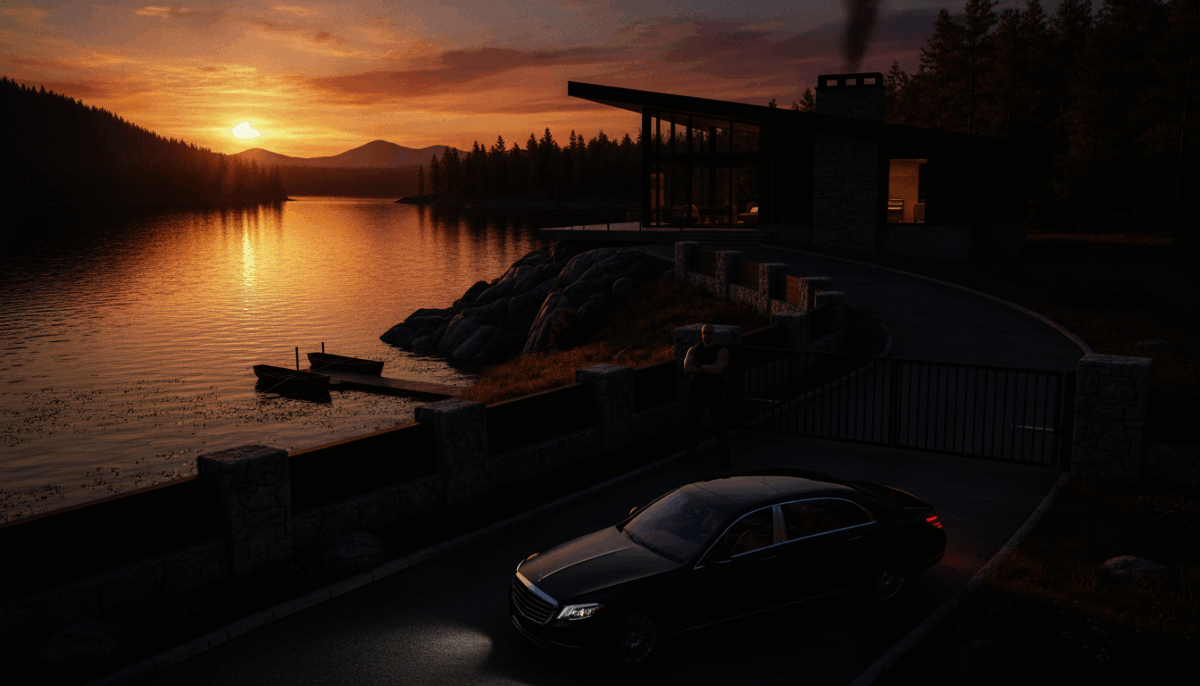
I have spent the last five years pouring my heart, soul, and significant savings into renovating ‘The Haven,’ my lakeside property. It wasn’t just an investment; it was my sanctuary, a place where the noise of the city faded into the rhythmic lapping of water against the dock. I maintained it, I paid the property taxes, and I cherished the solitude. But for my brother, Mark, and his wife, Sarah, it was never a sanctuary. To them, it was merely an untapped resource, a free luxury hotel waiting to be colonized.
The trouble began in early spring, right as the ice thawed off the lake. It wasn’t a subtle request. It was a demand masquerading as a ‘family suggestion,’ delivered with the breezy confidence of someone who has never been told ‘no’ in their life. Mark didn’t just want a weekend; he wanted the entire summer for his in-laws, the Millers, who were flying in from overseas. He saw my private getaway as a convenient solution to his logistical problem, never once stopping to consider that I, the owner, might have plans of my own.
When I initially declined, the reaction was immediate and toxic. There was no ‘oh, I understand,’ only a cascade of manipulative guilt-tripping and gaslighting. I was labeled ‘selfish,’ ‘greedy,’ and ‘not a team player’ in family group chats that I hadn’t even asked to be part of. The entitlement was thick enough to cut with a knife, and as the deadline for the summer season approached, the situation escalated from annoying to invasive.
I realized then that if I wanted to keep my peace, I couldn’t rely on gentle reminders or polite conversation. I had to create a barrier that couldn’t be ignored or ‘misunderstood.’ The decision to hire a private security firm was not taken lightly, but it was the only way to ensure that my boundaries weren’t just spoken, but enforced with the weight of professional accountability. This is the story of how I turned my brother away, and why I don’t regret a single second of it.
The Casual Assumption of Ownership
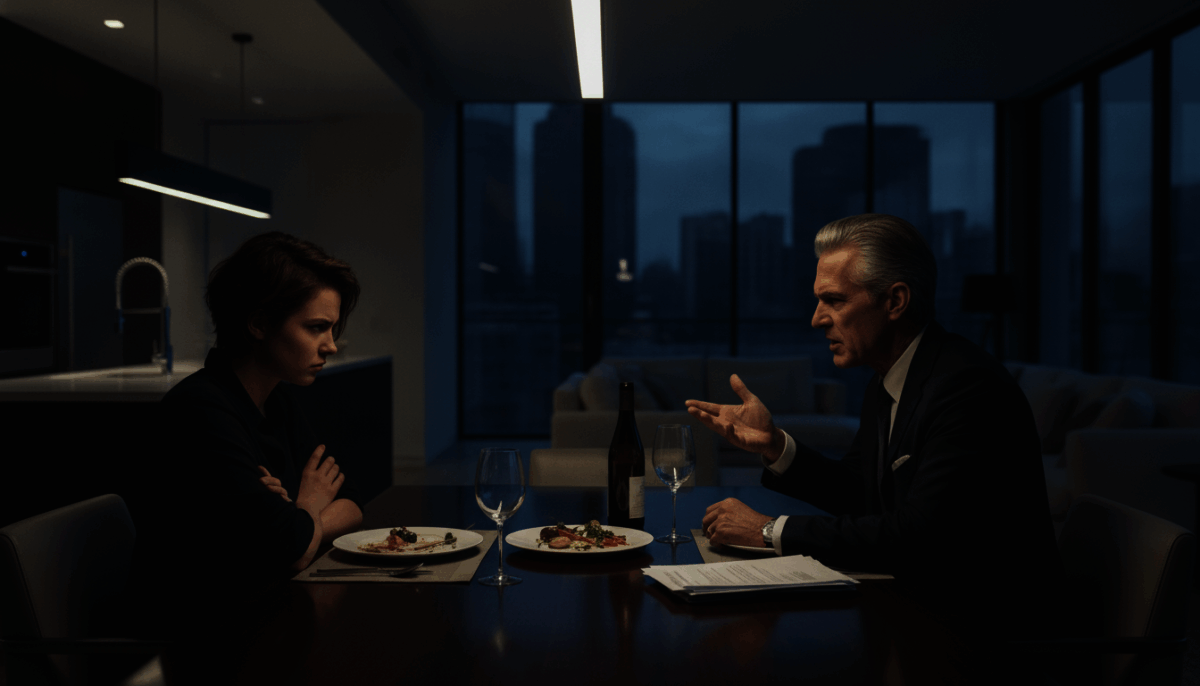
It started over a Sunday brunch that I deeply regret hosting. Mark was unusually jovial, pouring mimosas with an intensity that should have tipped me off immediately. He spent thirty minutes talking about how ‘stifling’ his apartment was and how his in-laws—people I barely knew—were going to have a ‘rough’ time adjusting to the local climate. I nodded along, offering polite, vague pleasantries, completely unaware that I was being softened up for a pitch.
Then, he leaned in, his tone shifting to one of manufactured concern. He told me that he had already looked into local vacation rentals, but that everything was ‘insanely overpriced.’ He then dropped the hammer: ‘I told them they could stay at the lake house for July and August. It’s perfect, right? It’s sitting empty, and they need the space to entertain their friends from back home.’
My fork hit the plate with a sharp clink. I stared at him, waiting for the punchline, but his face remained perfectly composed, expectant, and utterly entitled. He wasn’t joking. He had made promises to his in-laws using property he didn’t own, as if I were a hotel concierge who hadn’t been consulted. The audacity was breathtaking, the kind of nerve that requires a complete lack of self-awareness.
“You didn’t ask me, Mark. You told them. That’s not a request, that’s a violation of my property rights. The answer is no.”
— Me, responding to the demand
The air in the room grew heavy. Sarah, his wife, chimed in, her voice dripping with artificial sweetness. She suggested that surely I didn’t need the cabin every single day of the summer and that it would be ‘good for the family’ to host them. She talked about the cabin as if it were a common area in a community center, completely stripping away the reality of the mortgage, the insurance, and the years of labor I had invested to make it what it was.
I stood my ground, repeating my refusal with as much firmness as I could muster. I explained that I had my own work projects and friends scheduled to visit. It didn’t matter. They didn’t listen to the ‘why’—they only heard a challenge to their entitlement. By the time I walked them to the door, I felt physically drained, as if I had been arguing with a brick wall that kept trying to lean on me.
The Digital Campaign of Guilt
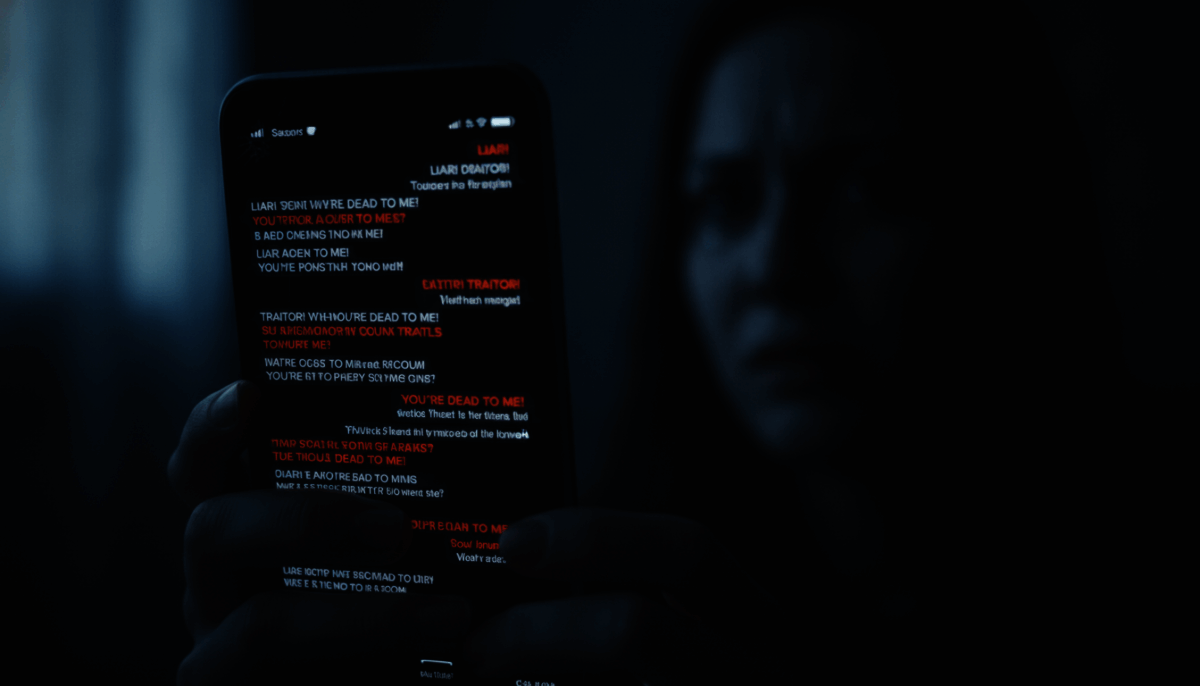
Within forty-eight hours of that brunch, my phone became a battlefield. I was added to a group chat titled ‘Lake Summer Planning,’ which I promptly exited. They added me back. I muted the notifications, but the sheer number of messages was staggering. It wasn’t just Mark and Sarah; my mother and aunt were now involved, all chiming in about how ‘family helps family’ and how I was being ‘cold-hearted’ over a piece of real estate.
The messages were a masterclass in emotional manipulation. They weren’t asking; they were attempting to shame me into submission. They sent links to articles about the importance of family unity, followed by passive-aggressive comments about how ‘some people value things more than people.’ It was infuriating, especially knowing how little they contributed to my life when I was actually struggling.
“We already told the Millers the dates. If you lock the door, you’re making us look like fools in front of them. Don’t be that person, sibling.”
— Mark, in the family group chat
I didn’t engage with the bait. I simply sent a single, clear message in the group chat: ‘The cabin is not available. No one is authorized to be on the property. Any attempt to access it will be treated as trespassing.’ It felt good to write it, but the fallout was immediate. My mother called me, crying, telling me that I was tearing the family apart over ‘a house.’ I had to hold the line, even when my voice shook.
The persistence was the most exhausting part. They assumed that if they just wore me down enough, I would eventually cave to avoid the social pressure. They underestimated my resolve. I had spent so long being the ‘accommodating one’ in the family that they had forgotten I was capable of saying no. This wasn’t about a cabin anymore; it was about whether or not my boundaries had any weight.
I kept a log of every interaction, every demand, and every attempt to bypass my authority. I needed a trail of evidence. If they were going to play this game, I would play it by the rules of the law, not the rules of their emotional blackmail. I went back through my documents, checking my security system access and ensuring my legal standing as the sole owner was airtight.
Hiring the Professionals
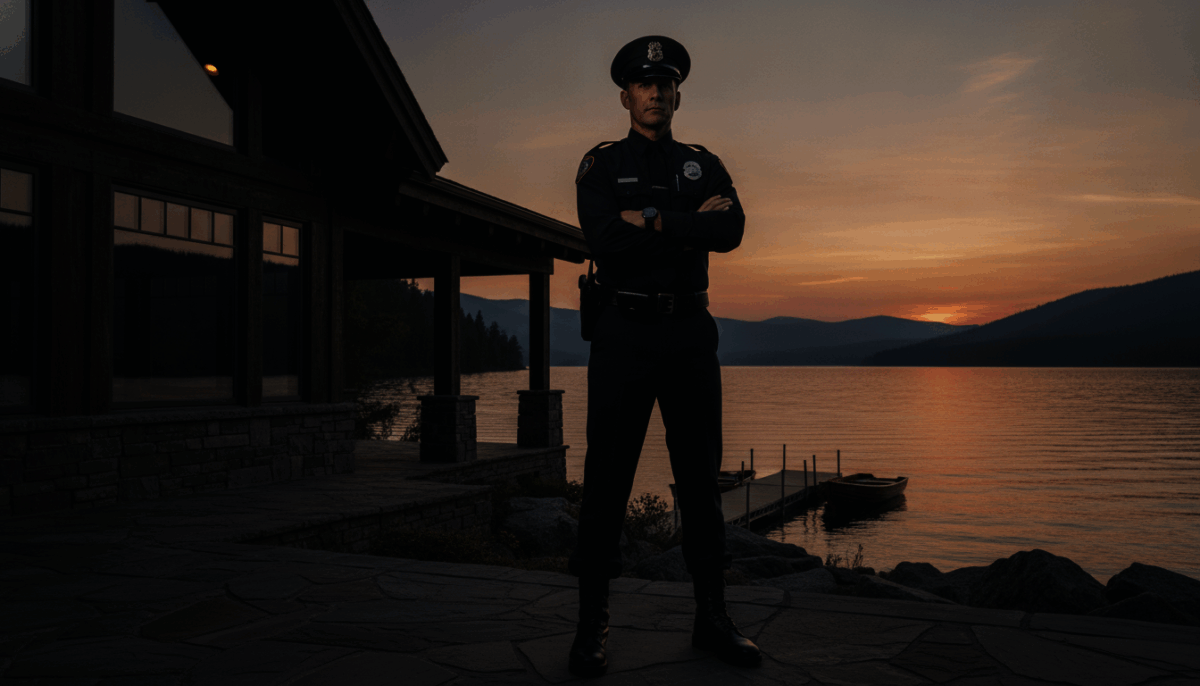
I knew they wouldn’t stop with text messages. Mark was the type who ‘forgets’ rules when he wants something badly enough. I needed a deterrent that wouldn’t involve me being physically present to get into a shouting match. That’s when I called the security firm. I wasn’t hiring a bouncer for a club; I was hiring a perimeter guard for a private residence. I explained the situation—the threats of unauthorized entry and the harassment—and they took the contract without judgment.
The guard, a retired officer named Dave, was exactly what I needed. He was stoic, professional, and entirely unimpressed by family drama. We went over the security footage, the alarm systems, and the gate code. I gave him specific instructions: no one enters without my express authorization, regardless of their last name. He didn’t blink. He just nodded and asked where he should set up his station.
I remember sitting with him in the living room of the cabin, the sun streaming through the windows I had cleaned myself. I felt a wave of relief knowing that for the first time in months, I wouldn’t have to defend my space. I wasn’t being mean; I was being proactive. The investment in security was small compared to the emotional cost of letting my family run roughshod over my life.
“You want me to treat your brother like any other trespasser if he shows up without an invite?”
— Dave, the security guard, confirming the orders
Dave had a reputation for being firm. I trusted him to handle whatever chaos Mark brought to the door. We set up a protocol for arrival notifications and established a strict ‘no entry’ policy for the individuals I listed. The relief I felt was palpable; it was like the weight of the entire ordeal had finally been offloaded to someone who didn’t have a personal stake in the family dynamics.
I spent the next few days double-checking the cabin. I removed anything I didn’t want moved, secured my personal documents, and left the place pristine. I wanted to make it very clear that this was not a hotel. It was a private residence, and the presence of a security guard would serve as a very visual, very loud statement that the era of ‘free access’ was officially over.
The Failed Invasion
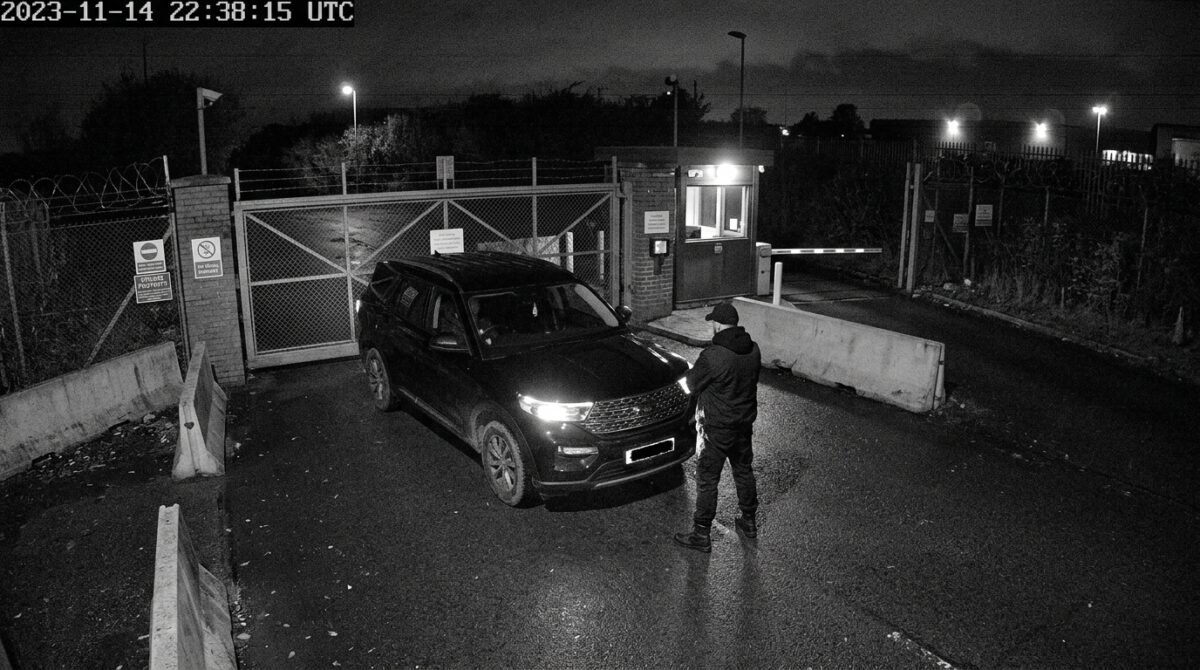
The day the ‘invasion’ was supposed to happen, I was back in the city, working from my home office. I had my phone on silent, but I kept checking the feed from the cabin’s security cameras. Around 10:00 AM, a black SUV pulled up to the gate. It was Mark and Sarah, with the Millers in the back. They looked ready for a two-month stay, with luggage piled high in the back of the vehicle.
I watched through the monitor as Mark hopped out of the car, looking confident, probably ready to punch in the code. He stopped dead when he saw Dave standing by the gate, arms crossed, holding a clipboard. They exchanged words. I couldn’t hear them, but I could see the shift in Mark’s posture. The confidence evaporated, replaced by confused indignation. He pointed at the house, then at his in-laws, then back at Dave.
Dave didn’t move. He stood like a statue. After a few minutes, Mark pulled out his phone—presumably to call me—but I had already blocked his number hours ago to avoid the inevitable screaming match. He tried to gesture to the in-laws, looking like he was trying to save face, but the reality was settling in: the door wasn’t opening.
“I just watched him turn bright red. He’s arguing with the guy, but it’s going nowhere. He looks absolutely humiliated.”
— My text update to a close friend as I watched the live feed
It was a surreal experience. I had taken the steps to protect my property, and now, I was watching the results in real-time. The Millers didn’t even get out of the car. They just sat there, looking uncomfortable, while Mark paced back and forth, gesturing wildly at the gate. It was the peak of his entitlement hitting the wall of reality, and it was glorious.
Eventually, after about fifteen minutes of fruitless negotiation, Mark got back in the driver’s seat. He didn’t look triumphant; he looked small. The SUV turned around and drove off, kicking up dust on the gravel road. The gate remained closed, and Dave remained at his post. I felt a surge of validation that I hadn’t expected. I had won.
The Aftermath and Family Fallout
The fallout was nuclear. Within an hour, my phone was blowing up—not from Mark, but from my mother, my aunt, and several cousins. They were calling me a tyrant, a monster, and worse. They claimed that I had ’embarrassed’ Mark and his in-laws in front of everyone. They demanded that I fire the security guard immediately and hand over the keys as an apology.
I didn’t answer the phone. Instead, I sent a BCC email to the entire family: ‘The lake house is my private property. I have the right to secure it against unauthorized entry. Mark attempted to trespass. My security team followed instructions. This subject is now closed. Any further harassment will result in a block on all communication.’ It was the most liberating thing I have ever written.
The family didn’t take it well. I was uninvited from a few upcoming events, which I considered a blessing. My brother tried to show up at my apartment in the city a few days later, but I refused to open the door. I told him through the intercom that he was not welcome until he apologized and respected my boundaries. He walked away, still shouting about how ‘fair’ it would have been to let them stay.
“You’ve ruined the summer for everyone. How can you be so selfish? We’re family. You’re supposed to share!”
— My mother, in a voicemail
It’s strange how ‘family’ is always the argument used to justify taking things that don’t belong to you. I realized that for my family, ‘family’ was just a synonym for ‘people who can’t say no to me.’ By saying no, I had broken the illusion, and they couldn’t handle the reality of an independent person who wasn’t under their control.
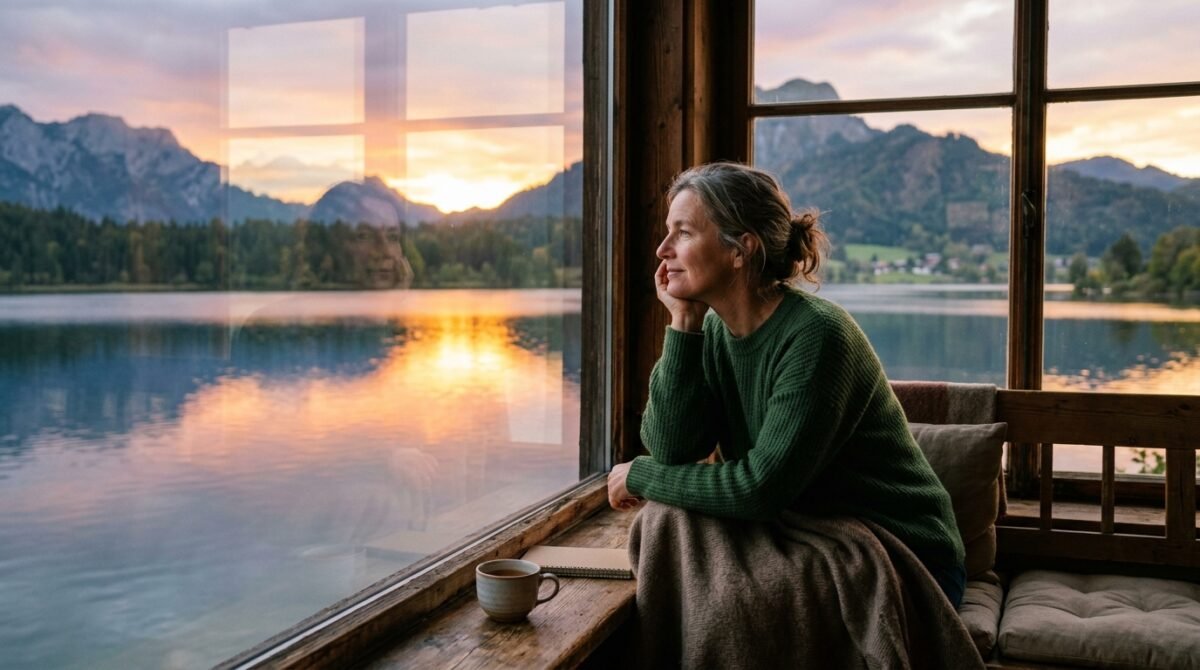
I stayed at the lake house for the remainder of the summer. It was peaceful, beautiful, and entirely mine. The presence of the security guard was a constant reminder that I had taken control of my own life. I spent the time reading, swimming, and finally feeling like the owner of my own sanctuary, rather than a landlord to people who didn’t pay rent.
Reddit Weighs In: The Community Verdict
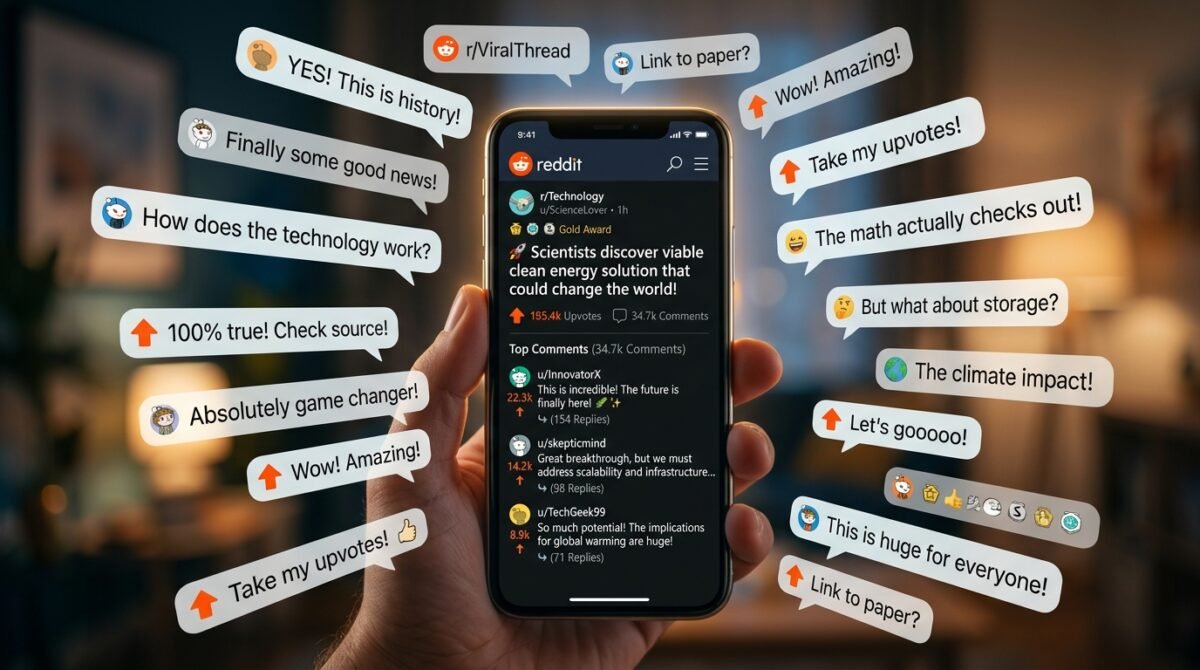
Naturally, I took the story to Reddit. I needed to know if I was truly the villain in this scenario, as my mother and brother insisted. I posted the full account, including the texts and the security guard incident, on the ‘Am I The Asshole’ subreddit. Within an hour, the post had thousands of upvotes and comments. The support was overwhelming.
Most people were shocked by the audacity of the brother. The consensus was that I had done exactly what needed to be done. They pointed out that an ’empty’ house is still a house, and that family members don’t get to claim property just because they want a free vacation. The legal perspective was also strong, with many users noting that the brother was indeed attempting to trespass.
“NTA. Your brother is the definition of an entitled parasite. You didn’t ‘ruin’ anything; he ruined it by thinking he could promise property he didn’t own. The security guard was a pro move.”
— u/PropertyRightsAdvocate (Top Comment, 32.5k upvotes)
There were a few dissenters, of course. Some users argued that I should have handled it ‘privately’ or that I was being too hard on my brother. But the vast majority of the community recognized the pattern of abuse. It wasn’t about the cabin; it was about the power dynamic. By refusing to play the victim, I had become the villain in their narrative, but a hero to those who valued autonomy.
Reading the comments was therapeutic. It made me realize that my feelings of frustration were entirely justified and that I wasn’t just ‘being sensitive.’ The way people broke down the manipulation tactics—the gaslighting, the ‘family’ card, the public shaming—made me feel like I had finally seen the situation for what it was, without the guilt they were trying to force on me.
The thread became a hub for others to share their own stories of family entitlement. It turns out, my brother isn’t the only one who thinks their relatives’ assets are communal property. The stories of ‘inheritance’ fights, ‘borrowed’ cars that were never returned, and unannounced house guests were heartbreaking. It made me realize how common this kind of boundary-stomping is, and how important it is to stand firm.
The Anatomy of Entitlement
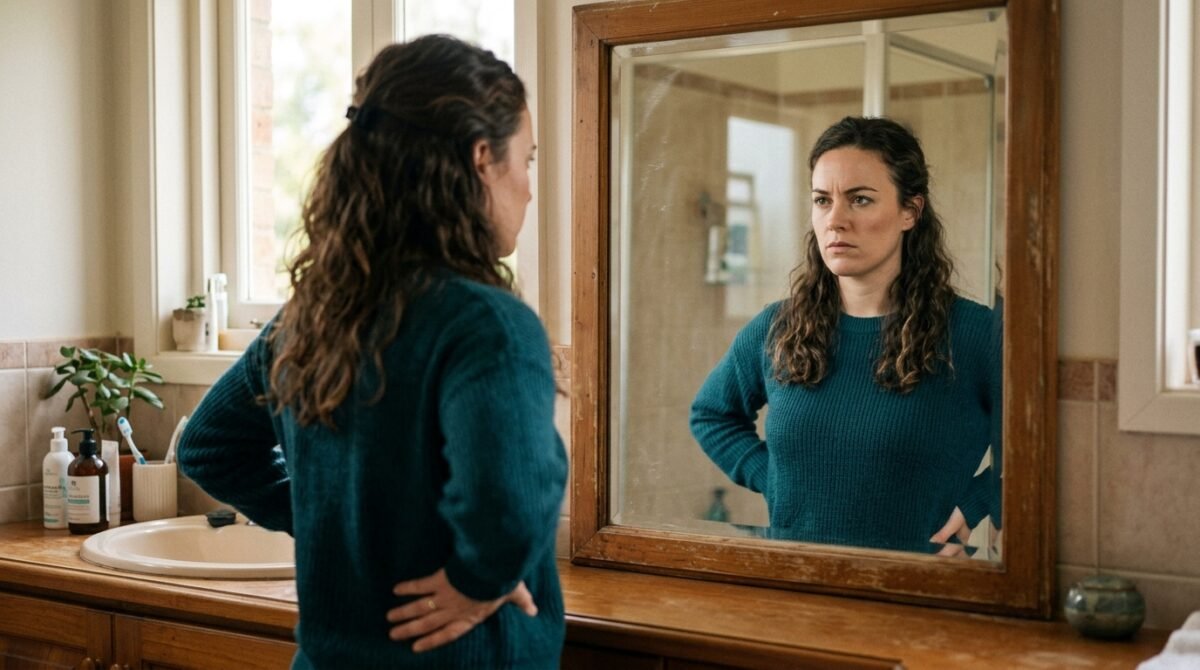
Looking back at the whole ordeal, I’ve spent a lot of time analyzing why my brother felt so entitled to the cabin. It wasn’t just a lack of manners; it was a deeply ingrained worldview. He grew up believing that the family was a unit where everyone’s resources were shared equally, regardless of who worked for them. He saw my success—and by extension, the cabin—as something that belonged to the family, not to me as an individual.
This entitlement was nurtured over years of my parents prioritizing his needs over mine. If he wanted something, it was ‘for the family,’ and I was expected to provide it. My autonomy was consistently sacrificed on the altar of family ‘unity.’ The lake cabin was the first thing I had ever truly owned that was solely mine, and his attempt to take it was the ultimate test of his control over me.
I learned that boundaries are only as strong as the enforcement behind them. If I had just said ‘no’ without the security guard, he would have eventually found a way to get in. He would have broken a window, or pressured me until I relented. The presence of a third party—a neutral, professional authority—was the only thing that made him respect the boundary.
“Entitlement isn’t a mistake; it’s a personality trait. People like your brother don’t learn by being asked nicely. They only learn when they hit a wall.”
— u/PsychologyBuff (14.2k upvotes)
I’ve also had to come to terms with the fact that I might never have a ‘normal’ relationship with my brother. If the price of having a relationship with him is my own autonomy and property, then it’s a price I’m no longer willing to pay. The distance between us now isn’t just physical; it’s a necessary boundary for my mental health.
I’ve noticed that since the incident, my parents have been much more careful about what they ask of me. They haven’t apologized, and I doubt they ever will, but they’ve stopped the overt demands. It’s a quiet truce, but it’s the best I can expect for now. I’ve realized that I don’t need their validation to know I did the right thing.
The Value of My Peace
I used to think that being a ‘good’ person meant being available to everyone, all the time. I thought that if I said no, I was failing as a family member. But I’ve learned that saying ‘no’ is sometimes the kindest thing you can do—both for yourself and for the relationship. By stopping the cycle of entitlement, I’ve actually forced my brother to face the reality of his own actions.
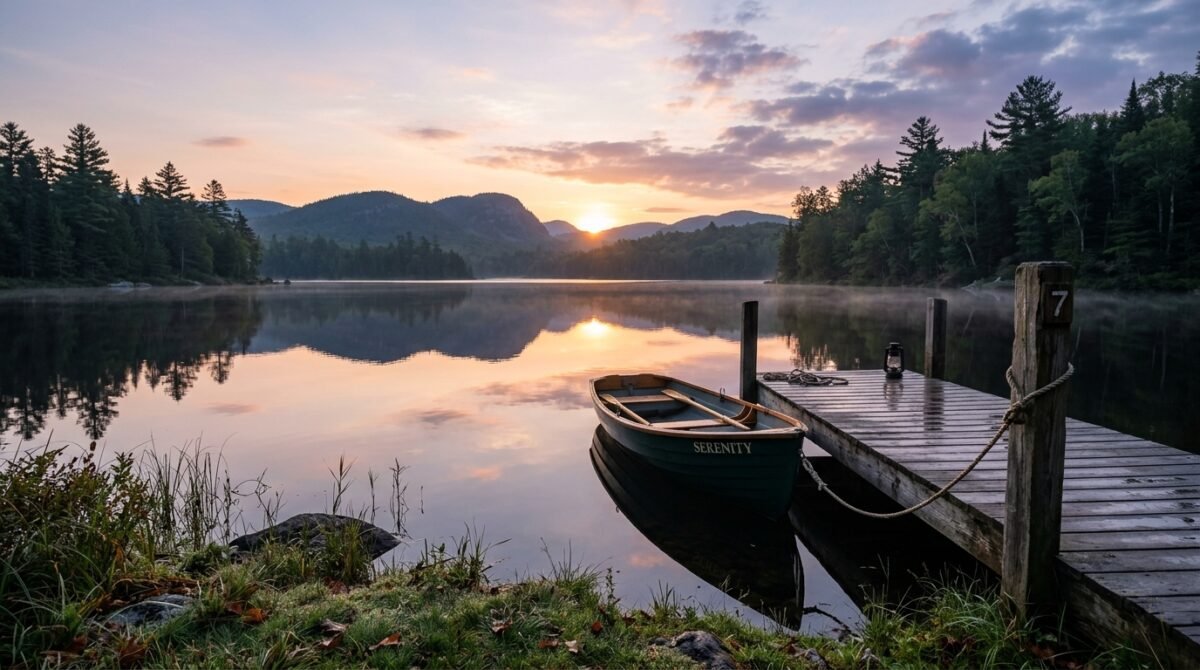
The cabin is still my favorite place in the world. I go there whenever I need to recharge. The security guard is no longer there, but I’ve upgraded the gate and the alarms. It’s a fortress, not because I want to be isolated, but because I want to be safe. I’ve had friends over, and they respect the space. They ask before they come, they bring their own supplies, and they leave it better than they found it.
The difference between a guest and an intruder is respect. My friends are guests; my brother was an intruder. It sounds harsh, but it’s the truth. I’ve stopped trying to sugarcoat the situation for the sake of appearances. If people want to think I’m a ‘bad brother’ for protecting my own property, so be it. Their opinion doesn’t pay the mortgage, and it doesn’t give me back my peace.
“You owe no one your property, your time, or your emotional labor. The fact that they share your DNA is irrelevant.”
— u/BoundariesQueen (9.8k upvotes)
I’ve also started setting boundaries in other areas of my life. I’m less likely to say ‘yes’ to work projects that don’t serve me, and I’m more protective of my personal time. The experience with the cabin was a catalyst for a much larger shift in how I interact with the world. I am no longer a passive participant in my own life.
If you’re reading this and you’re in a similar situation, remember: you are not a hotel, you are not a bank, and you are not a servant. If someone makes you feel guilty for setting a reasonable boundary, that’s their problem, not yours. Don’t let them convince you that your rights to your own life are up for negotiation.
A Lesson in Assertiveness

This summer taught me that assertiveness isn’t aggression. I didn’t yell, I didn’t insult, and I didn’t engage in their drama. I made a decision and I enforced it. That is the essence of adulthood. It’s not about being ‘tough’; it’s about being clear and consistent. The confusion my brother felt wasn’t because I was being unfair; it was because he was used to a world where his needs were the priority.
I’ve learned to recognize the signs of manipulation early on. When someone starts a conversation with ‘You’re not going to believe this’ or ‘I have a great idea for your place,’ I immediately get on guard. I don’t give them the benefit of the doubt anymore. I ask questions, I clarify, and I don’t leave room for misunderstandings.
I’ve also realized that the people who truly respect you will never ask you to compromise your boundaries. They will be happy for your success, and they will value your space. My real friends were the ones who supported me when I told them about the security guard. They didn’t see it as a ‘dramatic’ move; they saw it as a necessary measure to protect what I had worked for.
“The people who get angry when you set a boundary are the ones who were benefiting from you having none.”
— A piece of advice I read online that I keep in my wallet
I’m proud of myself. I’m proud that I didn’t give in, and I’m proud that I stood up for what I worked for. I’ve realized that my self-worth isn’t tied to how much I can give away to my family. It’s tied to my integrity, my independence, and my ability to look at my life and know that I am the one in control.
I know the family will continue to talk about me, and that’s fine. Let them talk. While they’re busy gossiping, I’ll be sitting on my dock at the lake, enjoying the silence. The cabin is my sanctuary, and it will remain that way, as long as I have a say in it—which I always will.
Looking Forward to the Future
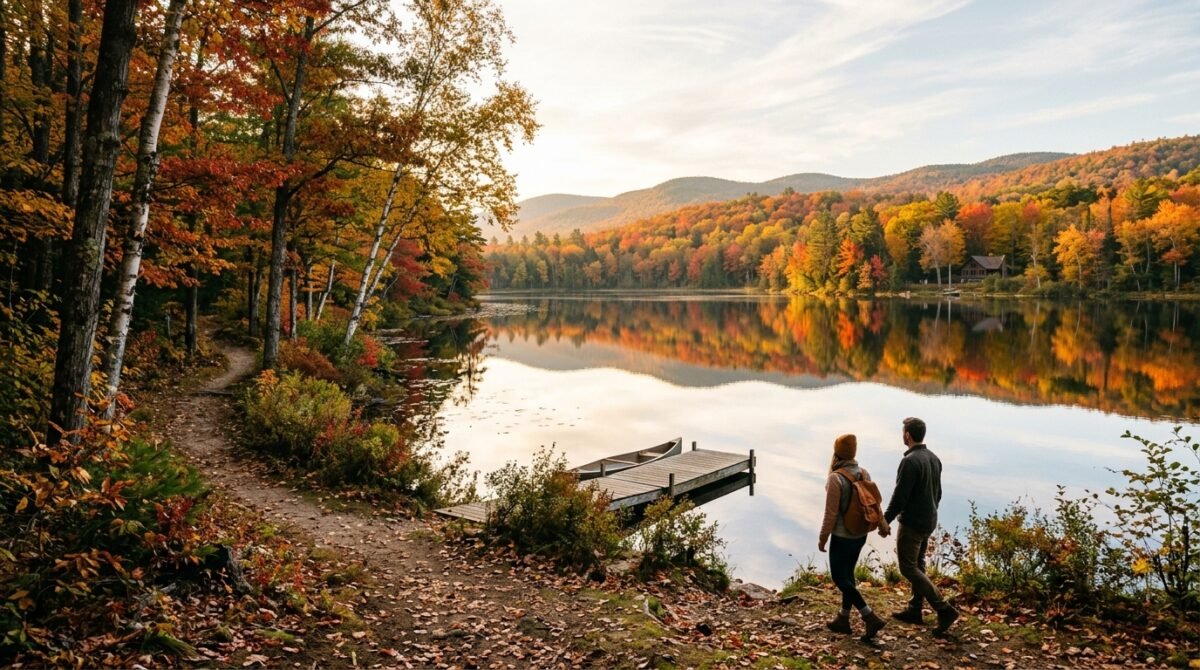
As we head into the next season, I’m planning more improvements for the cabin. I’m going to build a fire pit, maybe add a small deck on the side. I’m excited about the future of the place, not because I want to impress anyone, but because I want to enjoy it. The ‘Lake Summer Planning’ group chat is a distant memory, and I’ve moved on.
I’ve realized that I don’t need to ‘fix’ my relationship with my brother. The relationship is what it is, and I’ve accepted that. If he ever wants to visit properly, he’ll have to learn to respect me. Until then, the distance is fine. I have a life to live, and I’m going to live it on my own terms, with no apologies to anyone.
The biggest takeaway is that I am the author of my own life. I decide who comes in and who stays out. I decide what is shared and what is kept private. It’s a simple concept, but it’s one that took me a long time to truly understand. Now that I do, I’m never going back to the way things were.
“Strength isn’t about how much you can carry; it’s about knowing when to put things down.”
— A quote I live by now
I’m grateful for the support I received from the community. It reminded me that I’m not alone in these struggles and that there are people out there who value independence and integrity. It was a tough summer, but it was also a transformative one. I came out of it stronger, clearer, and more confident in who I am.
The cabin is ready for the fall. The leaves are changing, and the air is crisp. It’s going to be a beautiful season, and for the first time in years, I can truly appreciate it without the shadow of someone else’s expectations hanging over my head. I am home.
Conclusion
My journey from being the family’s doormat to a homeowner who enforces boundaries wasn’t easy, but it was essential. It taught me that my personal sanctuary—my lake cabin—wasn’t just a place to escape the world; it was the place where I had to learn to stand up to it. The security guard was just a symbol; the real work was internal, learning to prioritize my own peace over the comfort of those who wouldn’t do the same for me.
We all have people in our lives who view our successes and our assets as public property. The question is, how many of us are willing to hire our own ‘security guard’ to protect our mental health? Whether it’s a cabin, a bank account, or simply our time, the right to say ‘no’ is the most powerful tool we have.
What about you? Have you ever had to draw a line in the sand with family members who assumed your property was theirs? Did you use a ‘security guard’—literal or figurative—to enforce your boundaries? Share your story in the comments below, and let’s discuss how we can all reclaim our space in a world that often demands we share too much.
What's your verdict on this dilemma?
Vote below to contribute to the official community consensus.

Have a Dilemma Keeping You Up at Night?
Share your real-life feud, wedding chaos, or relationship crossroads anonymously with our editorial team.
What do you think ?
0 Comments🛡️ Comments are moderated to protect community integrity. Your comment will appear once approved by the editorial team.