
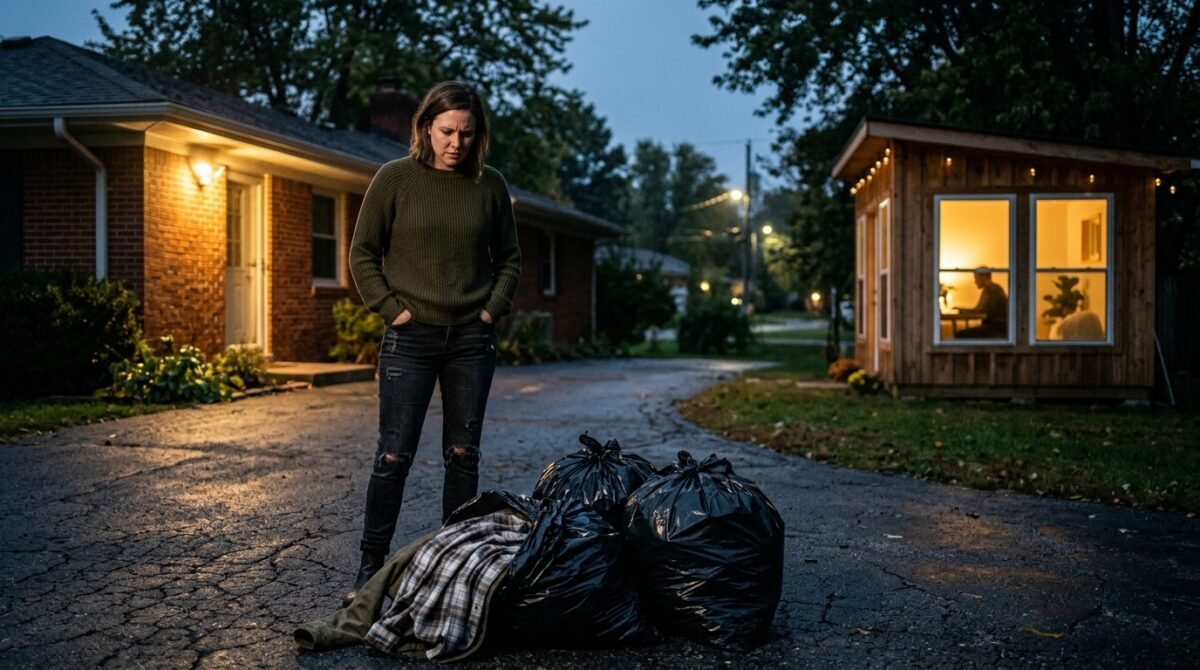
Marriage is built on the bedrock of shared space—both physical and emotional. When you purchase a home with your spouse, you are signing a contract of mutual trust. My home was supposed to be my sanctuary, a place where the chaos of the outside world couldn’t reach me. However, I discovered that my husband, Mark, had turned our backyard studio—a space I thought was being used for storage—into a secret rental unit. The tenant? None other than his ex-wife, Sarah.
The realization didn’t come with a soft conversation or a confession over dinner. It came on a Tuesday afternoon when I returned home early to find a car I didn’t recognize parked in the side alley. The betrayal wasn’t just about the presence of the ex; it was about the calculated, systemic deception that had been running underneath my nose for months. Mark hadn’t just invited her into our life; he had commodified our privacy for a woman who was supposed to be a ghost of his past.
As I stood there, clutching my keys, the air in our driveway felt heavy, charged with the static of a thousand unspoken lies. My mind raced through the last six months—the times Mark insisted the studio needed ‘extra maintenance,’ the strange noises I attributed to neighborhood animals, and his insistence that I stay out of that area for ‘safety reasons.’ The sheer audacity of his plan left me paralyzed, but that paralysis was quickly replaced by a cold, sharp clarity that only a massive betrayal can provide.
This isn’t just a story about a secret apartment. It is a story about the breaking point—the moment where a wife stops being a partner and starts being a force of nature. When I realized that my own husband had prioritized his past over my peace, I didn’t reach for a mediator or a therapist. I reached for the most effective tool I had at my disposal: total, immediate, and visible consequences. My life was turned upside down, and it was time for his to be packed away, one black trash bag at a time.
The Tuesday Afternoon Discovery
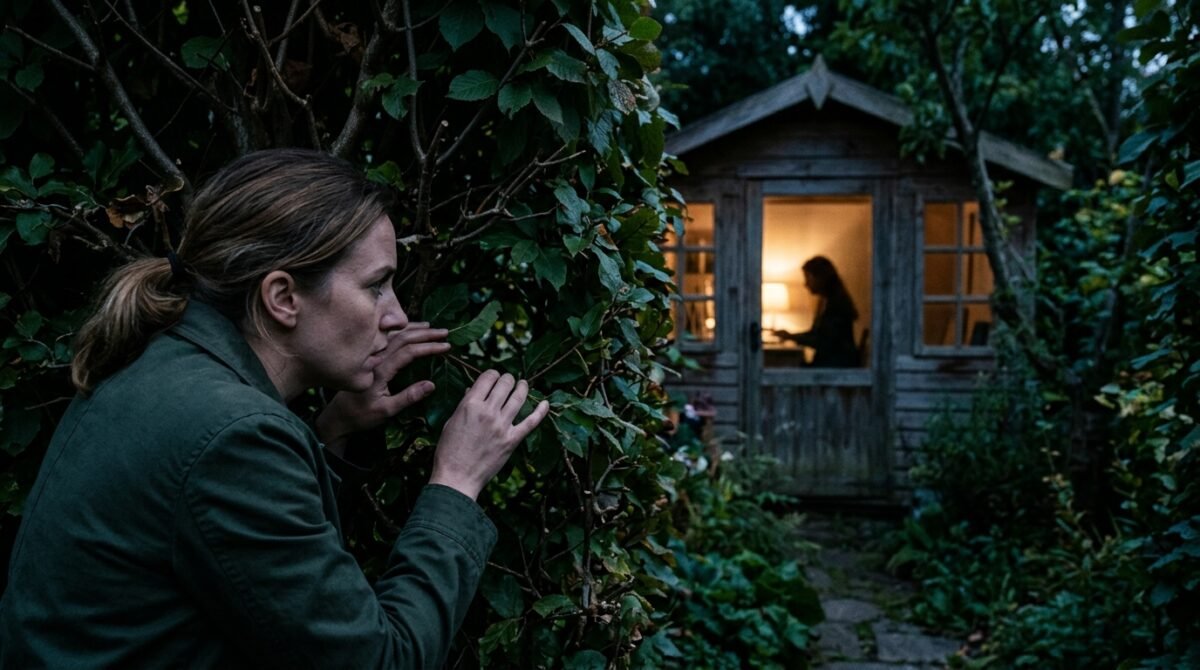
I had been working late all week, so coming home at 2:30 PM felt like a luxury. As I pulled into the driveway, I noticed a silver sedan parked in the gravel patch near the side fence, tucked behind the overgrown jasmine bush. It was a car I had never seen before, yet it looked strangely familiar, like something I had seen in old photos from before Mark and I were married. My heart hammered against my ribs, a primal warning system firing off in every direction.
I walked up to the house, but instead of going inside, I circled the backyard. The studio, which had been locked and off-limits for months, had a light on. I could see a silhouette through the curtain. I didn’t knock. I approached the window, my breath hitching as I recognized the woman inside pacing the floor. It was Sarah. She was holding a stack of papers and talking on the phone, looking entirely too comfortable for someone who was supposed to be living three towns over.
I felt my blood turn to ice. Every excuse Mark had given me for the last four months—the ‘electrical issues,’ the ‘pest control treatments,’ the ‘storage of business equipment’—suddenly clicked into place like a grotesque puzzle. He wasn’t just being weird; he was maintaining a household for another woman on our property. I stood there for a full minute, watching her move through the space, feeling the violation of my boundaries seep into my skin like damp cold.
“I don’t care what he promised you, Sarah. You’re here, you’re paying, and you’re staying. Just keep the noise down during the day. She doesn’t suspect a thing.”
— Mark (Overheard through the window)
Hearing those words was like being physically struck. He hadn’t just rented it to her; he was actively hiding her, managing her presence, and mocking my intelligence in the process. The anger that surged through me wasn’t frantic or chaotic. It was focused, cold, and blindingly clear. I turned around and walked back to my car, my hands shaking so hard I could barely turn the key, knowing exactly what I had to do next.
The Logistics of Retribution
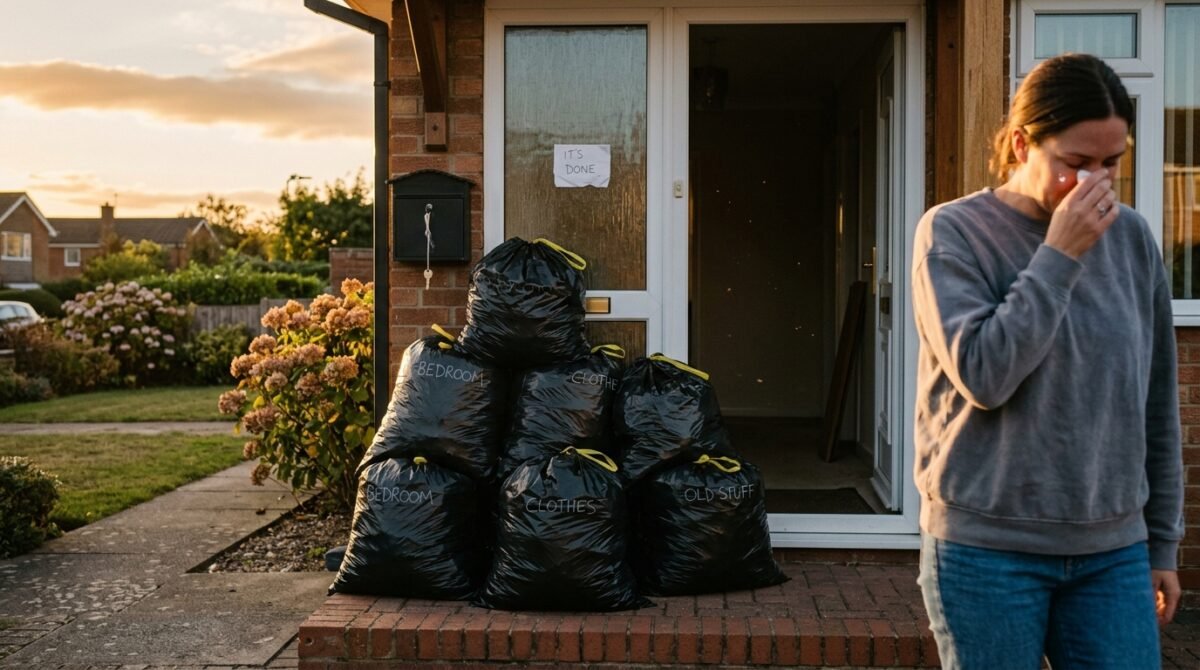
I didn’t go inside the main house. I couldn’t face him yet, not while I was still trying to keep my hands from shaking. I drove to the local hardware store and bought a box of heavy-duty, industrial-strength black trash bags. I didn’t care about his clothes or his belongings; I cared about removing him from my reality as efficiently as possible. If he wanted to act like a bachelor living a secret life, I would give him the living situation to match that lifestyle.
By 5:00 PM, I had returned. I dragged his dresser out of the bedroom and into the center of the living room, stripping the closet bare. Suits, shirts, socks, underwear—everything went into the bags. I didn’t fold them. I didn’t care if they wrinkled. Each bag felt like a piece of the lie being stripped away. The sound of plastic tearing and clothes hitting the floor became a rhythmic, cathartic beat that sustained me through the physical labor.
I took the bags and stacked them by the front door, lining them up like soldiers. I didn’t stop there. I found his spare keys, his watch collection, and the stack of documents he kept in his home office desk. Everything related to him went into a large plastic bin. If he was going to invest his time in a backyard tenant, he could spend his evening finding somewhere else to store his entire life.
My phone buzzed in my pocket. It was a text from him, casual and oblivious, as if the last few hours hadn’t completely destroyed the foundation of our existence. I stared at the screen, watching the bubbles appear, and felt a surge of pure, unadulterated resolve. The man who texted me this was a stranger, a stranger who had been living in my home for years.
“Hey babe, running late at the office. Don’t wait up for dinner, I might have to pull an all-nighter. Love you.”
— Mark (Text Message)
The Confrontation in the Driveway
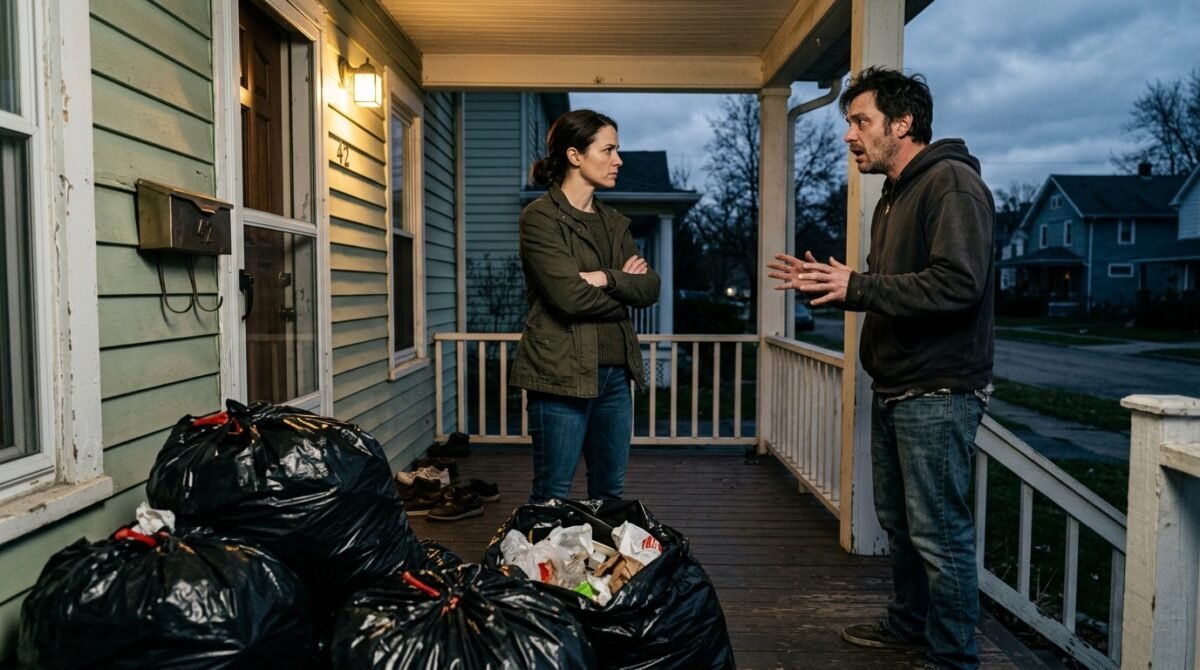
Mark arrived home at 7:30 PM, looking tired and disheveled. He walked toward the front door, his keys jangling, his mind clearly still focused on whatever lie he had been telling his office. He didn’t even notice me until he was three steps from the door. When he saw the line of trash bags, he stopped dead, his face shifting from confusion to a pale, sickly realization. He looked at the bags, then at me, standing on the porch with my arms crossed.
He didn’t speak at first. He seemed to be trying to find a lie that would fit the situation, but the sheer scale of the pile made it impossible. He looked toward the backyard, a flicker of panic in his eyes, and I knew then that he was worried about Sarah seeing this. The fact that he was more concerned about her comfort than my reaction was the final nail in the coffin of my marriage.
“What is this? Are you serious? You just threw my clothes on the porch like garbage? Have you lost your mind?”
— Mark
“I haven’t lost my mind, Mark. I found it. I know about the studio. I know about Sarah. I know you’ve been running a secret rental business in our backyard while I worked sixty hours a week to pay for this mortgage.”
— OP
He turned white. He started stuttering, trying to frame it as a ‘favor’ or a ‘temporary situation,’ but his words were empty. I wasn’t listening to the content of his excuses anymore; I was listening to the cadence of a man who had been caught and was now frantically trying to rewrite the narrative. I didn’t let him finish. I pointed to the bags and then to the street. The power dynamic had shifted entirely, and for the first time in years, I felt like the person in control of my own life.
The Backyard Exposure
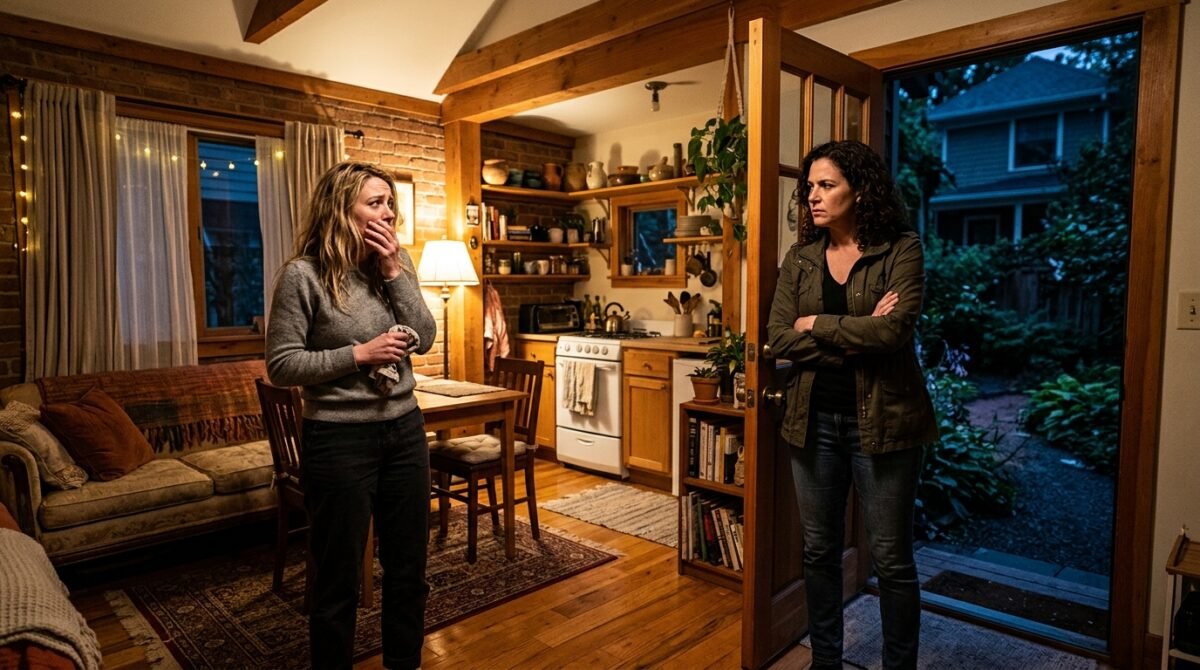
I didn’t wait for him to move his bags. I walked past him, heading straight for the studio. He tried to grab my arm, but I pushed him off with a strength I didn’t know I possessed. I marched to the back of the property, my boots crunching on the gravel. I reached the door of the studio and threw it open. Sarah was sitting on the sofa, clutching her phone. She looked up, her expression morphing from annoyance to sheer terror as she saw me standing in the doorway.
The interior was pristine. She had even hung up curtains that I had never seen before. It was a home within a home, a domestic betrayal that felt more intimate than an affair. She stood up, trying to compose herself, but the jig was up. She looked past me to see Mark standing in the yard, looking utterly defeated. The look on her face wasn’t shame; it was resentment that her comfortable setup had been compromised.
I didn’t yell. I didn’t scream. I spoke with a terrifying level of calm. I told her she had exactly one hour to get her things out or I would call the police for trespassing. Mark tried to interject, telling me I couldn’t just throw her out, but I silenced him with a look. The house was in my name, and the studio was part of my property. My legal standing was as solid as the foundation beneath us.
“You have sixty minutes. If you aren’t gone by then, I’m changing the locks and reporting you as a squatter. Mark, you can go with her or you can stay here and sleep in your car. Those are your only two options.”
— OP
Watching them scramble was the most satisfying moment of my life. The entitlement they both displayed—the belief that they could live their lives in my space without my consent—evaporated in the face of my resolve. They weren’t partners in crime; they were two people caught in a trap of their own making, realizing for the first time that I was the one who held the key.
The Fallout and the Digital Paper Trail
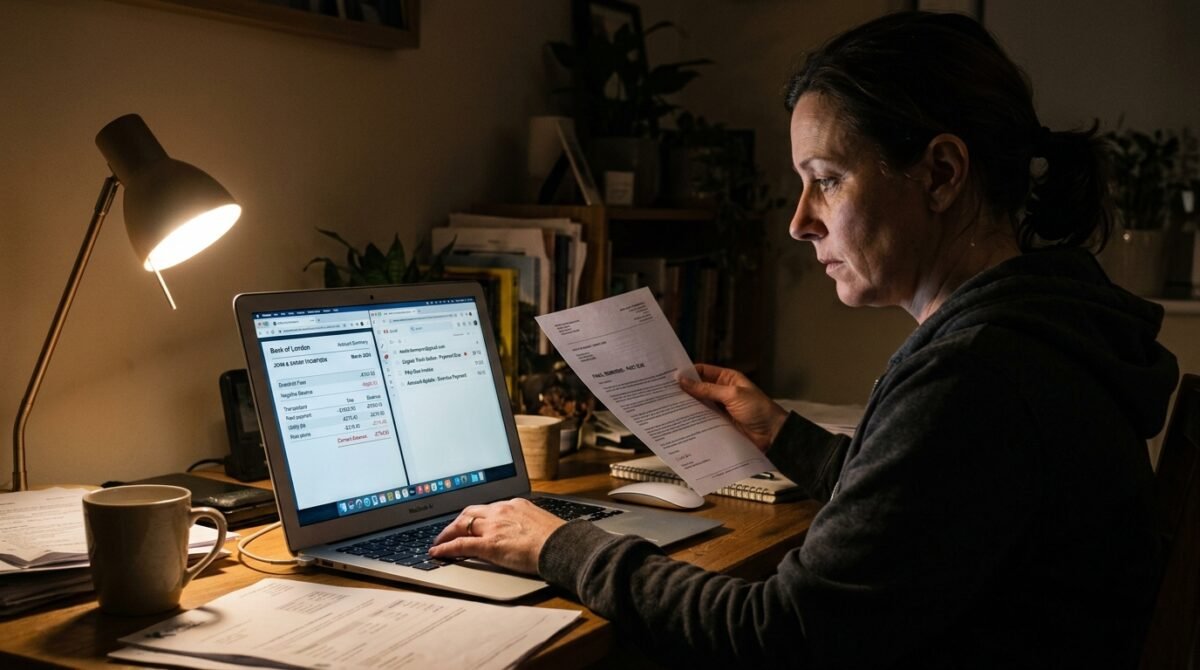
Once they were both gone—or rather, once Mark had moved his trash bags into his car and Sarah had sped off in her sedan—the house felt incredibly quiet. I sat on the couch, the adrenaline fading, and opened his laptop, which he had left behind in his haste. I wasn’t looking for love letters. I was looking for the paper trail. I found a folder labeled ‘Rentals’ that contained a year’s worth of bank statements and emails between him and Sarah.
The betrayal went deeper than I thought. He had been using our joint account to pay for the ‘upgrades’ to the studio, including new appliances and furniture. He had been systematically siphoning money from our savings to subsidize her living situation. The sheer financial infidelity was staggering. I printed everything out—every transfer, every email, every receipt. This wasn’t just a moral failing; it was a financial crime that would be the centerpiece of the divorce filing.
I sent a summary of the situation to his mother and his sister. I didn’t want them hearing his version of the story. I wanted them to know exactly why I had kicked him out. My phone started blowing up within minutes, but I put it on ‘Do Not Disturb.’ I didn’t need their sympathy, and I certainly didn’t need their advice. I needed to focus on the reality of the situation I was now in.
“I just wanted to help her out because she was struggling. It wasn’t about you, and it wasn’t about the past. I didn’t think you’d be this dramatic about a little extra space.”
— Mark (Text message sent after he left)
The fact that he called it ‘a little extra space’ told me everything I needed to know. To him, my home, my privacy, and my financial security were just variables in his equation to keep his ex-wife comfortable. The gaslighting was so ingrained in his personality that he couldn’t even see the magnitude of his actions. It was then that I knew I had made the right decision. There was no ‘repairing’ this. There was only moving forward, without him.
The Community Weighs In: The Reddit Verdict

I posted my story on a popular support subreddit, needing an objective view. I expected some backlash, but the response was overwhelmingly supportive. People saw the situation for what it was: a severe boundary violation and financial abuse. Thousands of comments poured in, most of them validating my decision to kick him out and secure my property. It was the first time I felt like I wasn’t just a ‘crazy, dramatic wife,’ but a person who had stood up for her basic rights.
The internet can be a cruel place, but in this instance, it became a lifeline. People shared their own stories of hidden debt, secret lives, and the realization that the people they married were not who they thought they were. It made me feel less alone in the wreckage of my marriage. I spent hours reading through the advice, the legal warnings, and the words of encouragement from strangers who had been in the trenches of divorce themselves.
“This is text-book financial abuse. He didn’t just ‘help an ex.’ He used your shared assets to support her. Please, get a lawyer immediately and secure all your accounts. Do not let him talk you into ‘working this out’ before you have legal protection.”
— u/LegalEagle88 (Top Comment, 32.4k upvotes)
“The trash bags were a masterstroke. Not because they were mean, but because they were a physical manifestation of the boundary he couldn’t respect. You made it clear that his access to your life was a privilege, not a right, and he lost it.”
— u/TruthSeeker_ (18.2k upvotes)
Reading these comments helped me solidify my resolve. I realized that my anger wasn’t a flaw; it was a survival mechanism. The community reminded me that I didn’t owe him a second chance, nor did I owe him an explanation for my reaction. I had been living in a house of lies, and the only way to clear the air was to tear it down. The support gave me the courage to move forward with the next steps, knowing I had the weight of collective experience behind me.
The Legal Reality Check

Two days later, I met with a divorce attorney. I laid out the file I had created—the bank statements, the emails, the proof of the secret rental. My attorney looked through the documents with a grim expression. She told me that while the emotional side of the story was devastating, the financial side was ‘clean cut.’ The evidence of him using joint funds for the studio and the undisclosed rental income was a major leverage point in the divorce proceedings.
She warned me that Mark might try to contest the house ownership, especially since he had been paying some of the ‘maintenance’ fees for the studio. But because the title was in my name and I had the proof of the funds he had stolen, his case was weak. She advised me to stay firm, keep all communication strictly through legal channels, and refrain from engaging in any ‘gotcha’ moments that could be used against me in court.
I felt a strange sense of relief hearing this. For years, I had worried about ‘doing the right thing’ or ‘keeping the peace,’ but the law didn’t care about peace; it cared about facts. And the facts were entirely on my side. I felt a weight lifting from my shoulders. The uncertainty of the future was still there, but at least the legal path was clear. I was no longer a victim of his games; I was a litigant in a case I was going to win.
“You have everything you need to protect your assets. Do not communicate with him directly. If he wants to talk, tell him to talk to me. You are in a strong position, and we are going to use that to ensure you are fully protected.”
— My Attorney
Leaving that office, I looked at the city skyline. It looked different—sharper, more defined. I wasn’t just a wife anymore; I was an individual with a future that I was shaping for myself. The fear that had kept me tethered to him was gone, replaced by a cold, calculating determination. I was ready to see this through to the end, no matter what it took to get my life back.
The Final Move-Out
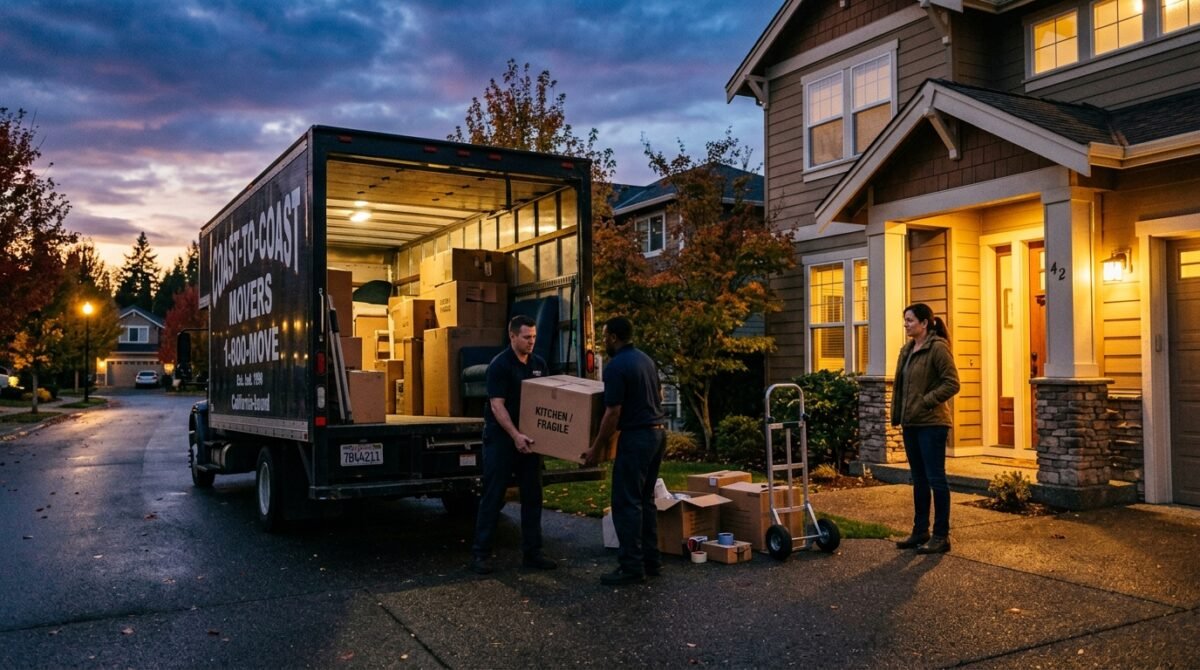
A week after the initial blowout, Mark came back with a moving truck, accompanied by his sister. He didn’t say a word to me. He just started loading the rest of his things. I stood in the doorway, watching him. He looked like a shell of the man I had married. The arrogance was gone, replaced by a frantic, nervous energy. He kept glancing at me, waiting for me to say something, to lecture him, or to break down. I didn’t give him the satisfaction.
I stayed silent, leaning against the doorframe, sipping my coffee. When he tried to take the television that I had bought with my own bonus, I simply pointed to the receipt I had taped to the wall. He put it down immediately, his face flushing red. He realized then that I wasn’t going to let him take a single thing that wasn’t rightfully his. The humiliation of being watched by his own sister while he packed his life away was a burden he had to carry.
As he drove away, the house felt lighter. Not just physically, but spiritually. The air didn’t feel heavy with his secrets anymore. I walked through the rooms, touching the walls, feeling the space return to me. It was quiet—the kind of quiet that feels like a healing balm. I knew the divorce would take time, and there would be more battles ahead, but the immediate threat was gone. I had reclaimed my territory.
“You’re really going to just let him leave like this? Without a word? After everything he did for you?”
— Mark’s Sister
“He didn’t do anything for me, Sarah. He did everything for himself. The only thing he’s leaving with is what he can fit in that truck. We’re done.”
— OP
The look on his sister’s face was one of pure shock. She had expected me to be the ‘accommodating wife,’ the one who would apologize for being ‘difficult.’ She didn’t realize that the person she was looking at had been forged in the fire of his betrayal. I closed the door, locked it, and for the first time in years, I felt entirely, perfectly safe.
The Aftermath: A New Beginning
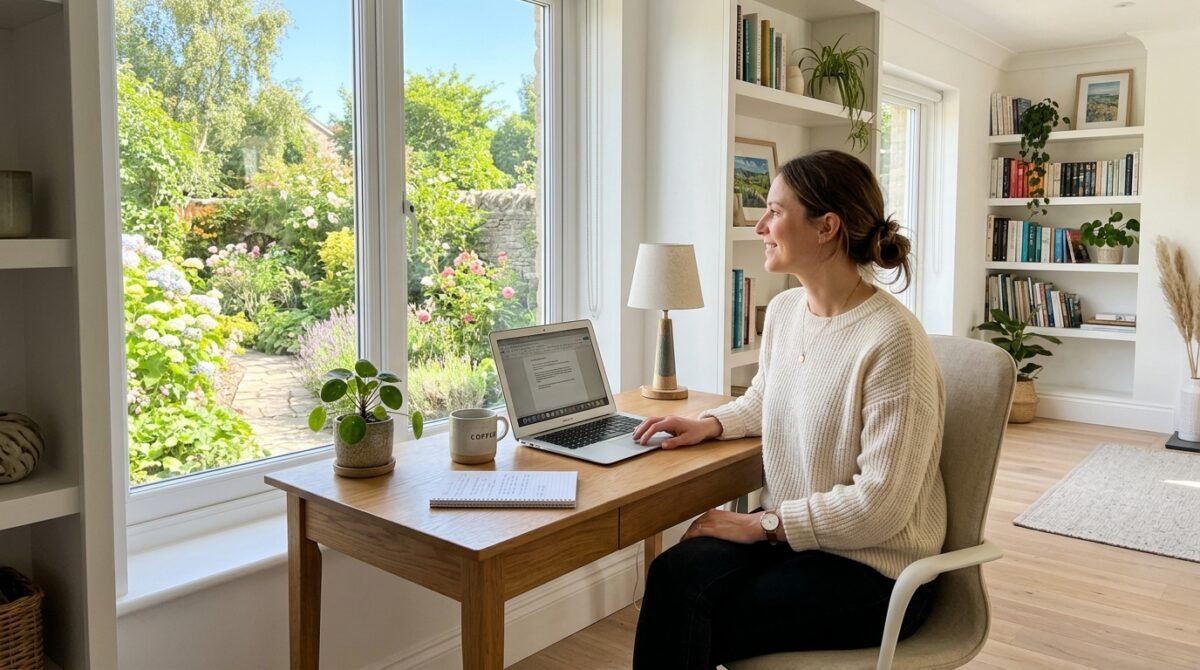
Three months later, the house is mine alone. The studio has been repainted, and I’ve turned it into a home office. It’s no longer a place of secrets; it’s a place of productivity. I work from there every day, looking out over the garden that I’ve started to revitalize. The jasmine bush is trimmed, the gravel patch is gone, and the space feels like a true extension of my home again. It’s a physical representation of my internal state—reclaimed, restored, and renewed.
The divorce is almost finalized. Mark has tried to reach out multiple times, sending long, rambling emails about how much he ‘regrets the misunderstanding’ and how he ‘just wanted everyone to be happy.’ I don’t read them. I have them redirected to a separate folder that my attorney monitors. I don’t need to know his excuses. I know his character, and that is more than enough. My focus is entirely on my own future.
I’ve started seeing a therapist to process the trauma of the betrayal. It’s not easy, and there are days when the anger flares up again, but it’s manageable. I’m learning to trust my own instincts again. I’m learning that my boundaries are not negotiable, and that anyone who tries to cross them is not worthy of my space. The experience was painful, but it was also the catalyst for the most important growth of my adult life.
“I thought I was losing my life, but I was actually just losing a cage. I’m finally living for myself, and the freedom is worth every bit of the pain.”
— OP (Personal Journal Entry)
To anyone out there who feels like they are living in a house of secrets: trust your gut. If something doesn’t feel right, it isn’t. You have the right to your space, your finances, and your peace. You don’t have to be the martyr in your own marriage. Sometimes, the most important thing you can do for yourself is to open the door, put the trash out, and start over on your own terms.
Reflecting on the Silence

There is a specific kind of silence that happens when you remove a toxic presence from your life. It’s not just the absence of noise; it’s the absence of tension. For years, I had been subconsciously bracing myself for the next lie, the next excuse, the next intrusion. That constant state of hyper-vigilance had become my normal. Now that it’s gone, I’m learning how to breathe again. I’m learning that I don’t need to explain myself to anyone.
I spend my evenings reading, painting, or just sitting in the garden. I don’t check my phone for texts from him. I don’t worry about who is or isn’t in my backyard. The house, which once felt like a battleground, now feels like a sanctuary. It’s a testament to the fact that we are the architects of our own environments. We can build our own peace, even when the world—or our spouse—tries to tear it down.
I’ve also started reaching out to friends I had neglected during my marriage. I realized that Mark had slowly isolated me, making me feel as though my problems were too ‘complicated’ for others to understand. Reconnecting with them has been a revelation. They weren’t judging me; they were waiting for me to come back. They were the ones who reminded me of who I was before I became ‘the wife who got played.’
“You’re back. I didn’t think you’d ever leave that situation, but I’m so glad you did. You look like yourself again.”
— A friend over coffee
The journey isn’t over. There is still a life to build, a career to pursue, and a heart to heal. But for the first time in a decade, I am the one holding the compass. I am the one deciding the direction. The betrayal hurt, but it also broke the chains I hadn’t even realized I was wearing. And for that, in a strange, twisted way, I am almost grateful.
Conclusion
My journey from a house of secrets to a sanctuary of truth wasn’t just about packing trash bags. It was about packing away the version of myself that tolerated disrespect. When we hold onto toxic situations, we aren’t just hurting ourselves; we are stifling the growth that is waiting for us on the other side of the door. The courage to act—to prioritize your own dignity over the comfort of a lie—is the most liberating experience you can ever have.
We often stay in broken situations because we fear the unknown. We fear the gossip, the financial hit, or the loneliness of starting over. But I can tell you from experience: the loneliness of being alone is infinitely better than the loneliness of being betrayed by someone you are supposed to trust. Reclaiming my space, my home, and my voice has been the greatest investment I’ve ever made.
What about you? Have you ever had to draw a line in the sand that completely changed the trajectory of your life? Have you ever had to make a ‘trash bag’ decision to reclaim your dignity? Let’s talk about it in the comments. Your stories of resilience and boundary-setting are what help the rest of us stay strong. Share your experience below—I’m listening.
What's your verdict on this dilemma?
Vote below to contribute to the official community consensus.

Have a Dilemma Keeping You Up at Night?
Share your real-life feud, wedding chaos, or relationship crossroads anonymously with our editorial team.
What do you think ?
0 Comments🛡️ Comments are moderated to protect community integrity. Your comment will appear once approved by the editorial team.