
We all have that one friend who pushes the boundaries of politeness, but Sarah took it to an entirely different level when she turned our shared living space into a free-for-all commune for her unemployed boyfriend, Mark. It started with a simple ‘he’s just staying the weekend,’ a phrase that, in the world of roommate dynamics, is usually the death knell for peace and quiet. Three weeks later, I was finding his wet towels on my bathroom floor, empty beer cans in the recycling bin I meticulously sorted, and a grocery bill that had climbed by nearly forty percent.
The moral dilemma here wasn’t just about the money; it was about the fundamental disrespect of my home as a sanctuary. I had worked two jobs to afford this place—a quiet, two-bedroom apartment that was supposed to be my escape from the chaos of the city. Instead, I found myself walking on eggshells in my own kitchen, listening to Mark play video games at 3:00 AM while Sarah looked at me with an expectation that I would simply be ‘happy’ for her newfound domestic bliss.
My patience didn’t snap all at once; it eroded like a cliffside under a relentless storm. I tried the polite route. I tried the ‘let’s talk about expenses’ route. I even tried the ‘I need some personal space’ route. Each time, I was met with dismissive laughs and gaslighting. They acted as if my request for basic common decency was a personal attack on their love story. It became clear that the only language they understood was a total systematic breakdown of their creature comforts.
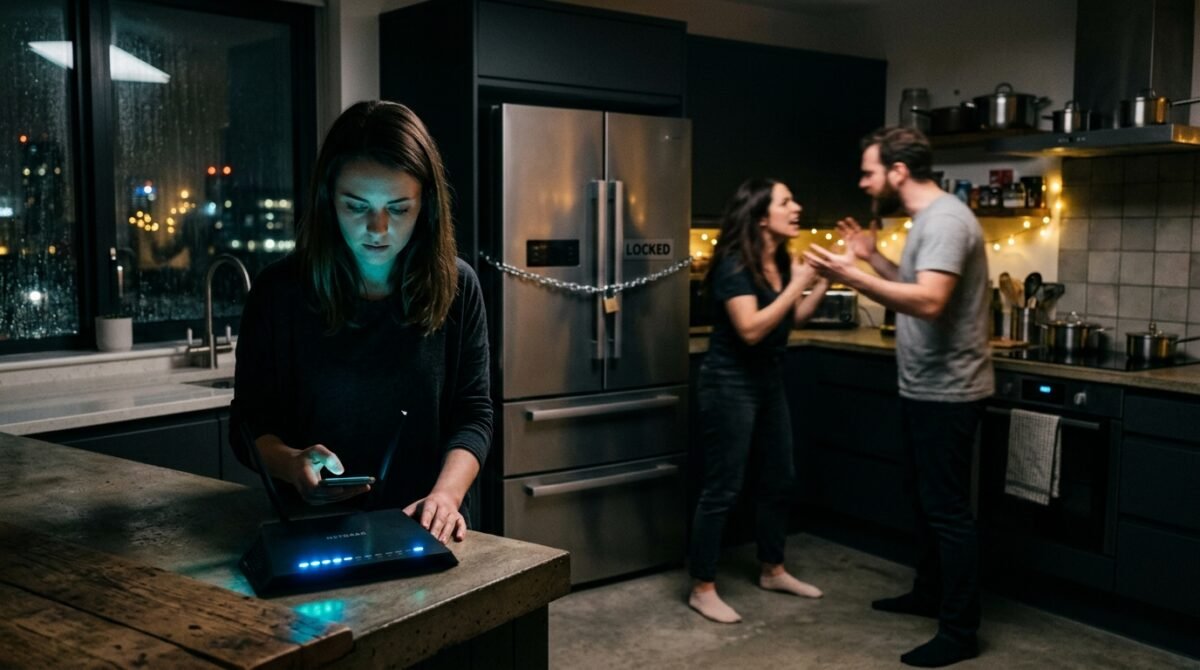
When I finally made the decision to change the Wi-Fi password and install a heavy-duty padlock on the fridge, it wasn’t a petty act of revenge; it was a desperate reclamation of my sovereignty. The ensuing chaos wasn’t just predictable—it was explosive. This is the story of how I stopped being a landlord in my own home and started being the person who finally put a stop to the madness.
The Slow Creep of the Invisible Third Wheel
It began innocently enough, or so I thought. Mark had been ‘between jobs’ for about six months when Sarah asked if he could crash for a few days while his own lease was being finalized. I, being the reasonable person I considered myself to be, agreed without hesitation. After all, what’s a few days between friends? The problem, however, was that Sarah’s definition of ‘a few days’ and mine were separated by a vast cultural and chronological canyon.
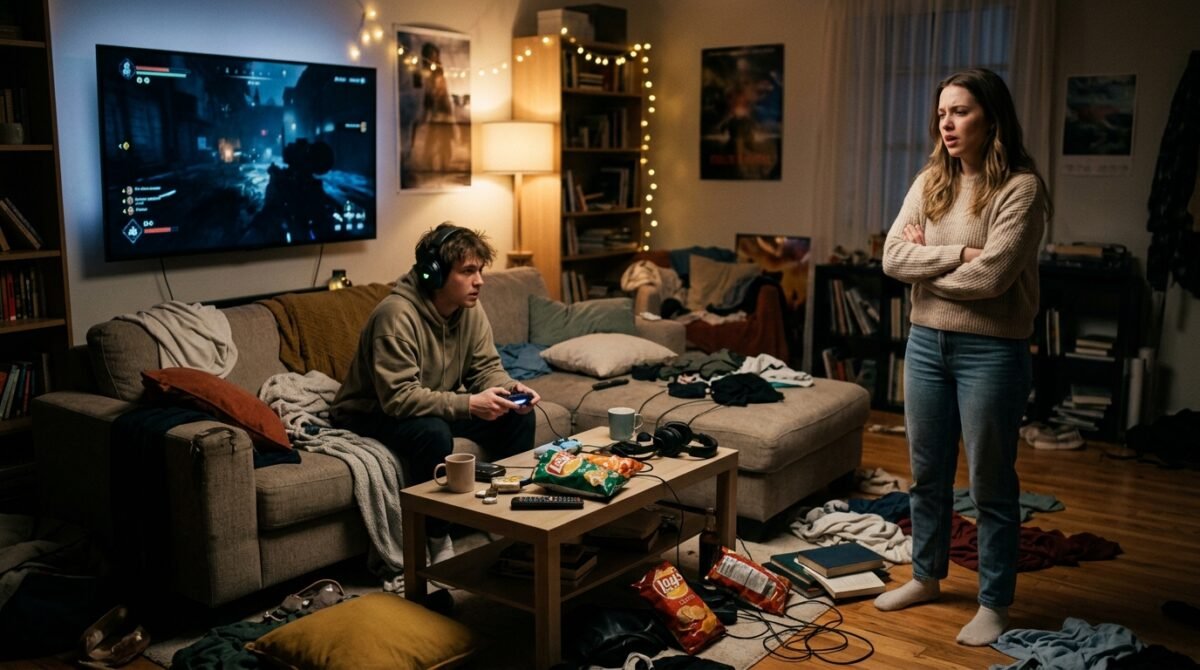
By the second week, Mark’s presence had transitioned from guest to permanent fixture. His clothes were hanging in the hallway closet, his protein shakes were hogging the counter space, and the living room TV had become his personal theater for midday gaming marathons. I would return from an exhausting shift to find the apartment smelling like stale gym clothes and overheated electronics, only to be greeted by a casual wave from the couch.
“Hey, you’re home early! Mark was just about to order a pizza. You want to chip in for half? We’re feeling a bit broke this week.”
— Sarah, attempting to normalize the intrusion
I remember standing there in the doorway, my bag heavy on my shoulder, looking at the two of them. They didn’t even have the decency to pause the game. The sheer lack of self-awareness was staggering. I had to pay for my own meals, maintain my own space, and here they were, acting like I was just another roommate who should be grateful for the company. The silence from my end wasn’t agreement; it was pure, unadulterated shock.
I started keeping a log of the ‘extra’ expenses. Within ten days, the utility costs for hot water alone had spiked, and the groceries I bought on Sunday were decimated by Wednesday. Mark wasn’t just living here; he was living here at a discount, subsidized entirely by my labor. When I finally sat Sarah down to address the elephant in the room, her response was dismissive. She told me I was ‘being cold’ and ‘not understanding the struggles of a young couple.’ That was the moment I knew talking wouldn’t work anymore.
The Kitchen Confrontation and the Grocery Ledger

The tipping point arrived on a Tuesday evening when I discovered my premium organic coffee—the kind I splurge on as a treat—had been completely depleted by Mark. I walked into the kitchen to find him brewing a giant pot of it, humming to himself. The audacity was so profound that I actually had to lean against the counter to keep from shouting. I had just come back from a double shift, and the one thing I was looking forward to was gone.
I didn’t yell; I was too tired for that. I opened my laptop and pulled up a spreadsheet I had been keeping. It was a cold, hard ledger of every extra dollar spent because of Mark’s ‘temporary’ stay. The numbers were staggering. It wasn’t just the coffee; it was the electricity, the water, the streaming subscriptions, and the sheer volume of food being consumed. I placed the laptop on the island and gestured for him to look at it.
“Mark, look at this. You’ve cost me four hundred dollars in just over two weeks. I didn’t agree to a third roommate. I agreed to a guest for a weekend.”
“Whoa, chill out. You’re really going to nickel and dime us over a little coffee and some snacks? That’s incredibly petty.”
— A tense standoff in the kitchen
His reaction was a masterclass in deflection. He made it sound like I was the villain for valuing my hard-earned money over his comfort. He didn’t offer to pay. He didn’t apologize. He simply walked away, leaving the half-empty pot of coffee on the burner. Sarah, who had walked in during the tail end of the exchange, immediately took his side, looking at me with genuine disappointment as if I were the one breaking the social contract.
I realized then that this wasn’t an oversight. This was a calculated strategy. They had clearly decided that if they acted like they belonged here, I would eventually stop fighting it. They were waiting for me to get tired of the conflict and just accept the new status quo. But they had miscalculated. I wasn’t going to get tired; I was going to get creative. If they wanted to play games with my boundaries, I would start playing games with their comfort.
The Night the Wi-Fi Went Dark

The next day, I didn’t say a word. I went to work as usual, but before I left, I made a critical change to the router settings. I had been paying for the high-speed fiber internet for three years, and it was registered entirely in my name. I logged into the admin portal, changed the SSID, and updated the password to something long and impossible to guess. I then reset the router so that all connected devices—which included Mark’s console and phone—were immediately disconnected.
I spent the rest of the day in a state of high-alert, waiting for the inevitable text. It didn’t take long. By noon, my phone was blowing up. Sarah was sending frantic messages, asking if I knew why the internet was down. She claimed Mark had an ‘important interview’ he needed to get onto Zoom for. I didn’t respond. I kept my phone on silent, focusing on my work, feeling a strange sense of relief for the first time in weeks.
“Hey, the internet is down. Mark has a super important job interview in 20 minutes! Can you fix this? Did you mess with the router? This is incredibly childish!”
— A frantic, accusatory text from Sarah
When I finally got home, the tension was palpable. The apartment was deathly silent. Mark was sitting at the kitchen table, his laptop open, staring at the screen with pure rage. Sarah was pacing the floor, her phone clutched in her hand like a weapon. They didn’t even look at me when I entered. They were clearly waiting for me to fold, expecting me to be worried about their ‘important interview’ excuse.
I walked past them, picked up a glass of water, and took a slow sip. I didn’t say a word about the internet. I walked into my room, closed the door, and locked it. I heard them whispering in the living room, their voices rising in frustration. They were trapped in a world without their digital connection, and for the first time, I felt like I was in control of my own environment again.
The Great Fridge Lockout

The internet blackout was only the beginning. I knew they would eventually find a way to get back online, so I had to escalate. The next phase was the kitchen. I went to the store and bought a high-quality, heavy-duty padlock and a small, sturdy lockbox for the fridge door—the kind designed for dorm rooms or shared apartments where people steal food. I also bought a personal mini-fridge for my room to store my essentials.
I installed the lock on the main fridge while they were out at the store. It was a bold, aggressive move, and I knew it would cause an explosion. I moved all my remaining perishables into my room and left the fridge completely empty, save for a few condiments that belonged to Sarah. It was a symbolic gesture as much as a practical one. I wanted them to see exactly what it looked like when they didn’t have access to my resources.
“Are you kidding me? A lock on the fridge? Who even does that? You’re acting like a prison warden in your own house! Take this off right now!”
“I’m not a warden, Sarah. I’m an owner. You want a kitchen? Get your own food. This is my fridge, and it’s no longer a public pantry for you and your guest.”
— The heated confrontation following the lock installation
The argument that followed was the loudest one we’d ever had. Mark finally stood up to me, trying to intimidate me with his presence, but he didn’t realize that I had already reached a point of no return. I had nothing left to lose. My dignity was worth more than the friendship, and it was clear that the friendship had died the moment they decided to take advantage of me. I told them that if they wanted to live here, they would pay rent or they would leave.
The silence that followed was heavy. They finally realized that I wasn’t just ‘acting out’ or being petty; I was dead serious. The power dynamic had shifted completely. I held the keys, I held the password, and I held the lease. They had nothing but their entitlement, and it was rapidly becoming clear that their entitlement wasn’t going to pay the bills or keep the lights on.
The Failed Ultimatum

The next morning, I found a note on the kitchen counter. It was a list of demands from Sarah, written in a shaky hand. They wanted me to remove the lock, restore the Wi-Fi, and stop ‘harassing’ Mark. In exchange, they promised to start ‘contributing’ when Mark got his job. It was the same old story—promises of future payment, conditional on their own timeline. I read the note, crumpled it up, and threw it in the trash without a second thought.
I invited them to the kitchen for a meeting. I sat them down and laid out the reality. I wasn’t interested in their promises. I wanted a signed sublease agreement and a prorated amount of the rent and utilities for the past month, or they had forty-eight hours to vacate. I was done with the games. I was done with the excuses. I was done with being the responsible adult while they played house with my money.
“You have 48 hours to either pay up or pack up. I’m not asking anymore. This is a legal residence, and I’m the primary tenant. I will involve the landlord if I have to.”
— The final, non-negotiable ultimatum
The look on their faces was priceless. They were truly shocked that I had the backbone to issue an ultimatum. They had spent weeks banking on my kindness, never suspecting that I could be this ruthless. Mark started to bluster about his ‘rights’ as a tenant, but I quickly shut that down. I had already checked the local laws; he wasn’t on the lease, he wasn’t paying rent, and he had no legal standing. He was a guest who had overstayed his welcome, and I had every right to revoke his invitation.
They spent the next few hours in their room, whispering and probably looking for legal advice on the internet. I didn’t care. I spent my time in the living room, reading a book, feeling the weight of the apartment finally lifting. I wasn’t just reclaiming my space; I was reclaiming my life. The fear of confrontation had been replaced by a cold, hard clarity that felt better than any peace I had known in months.
The Reddit Community Weighs In
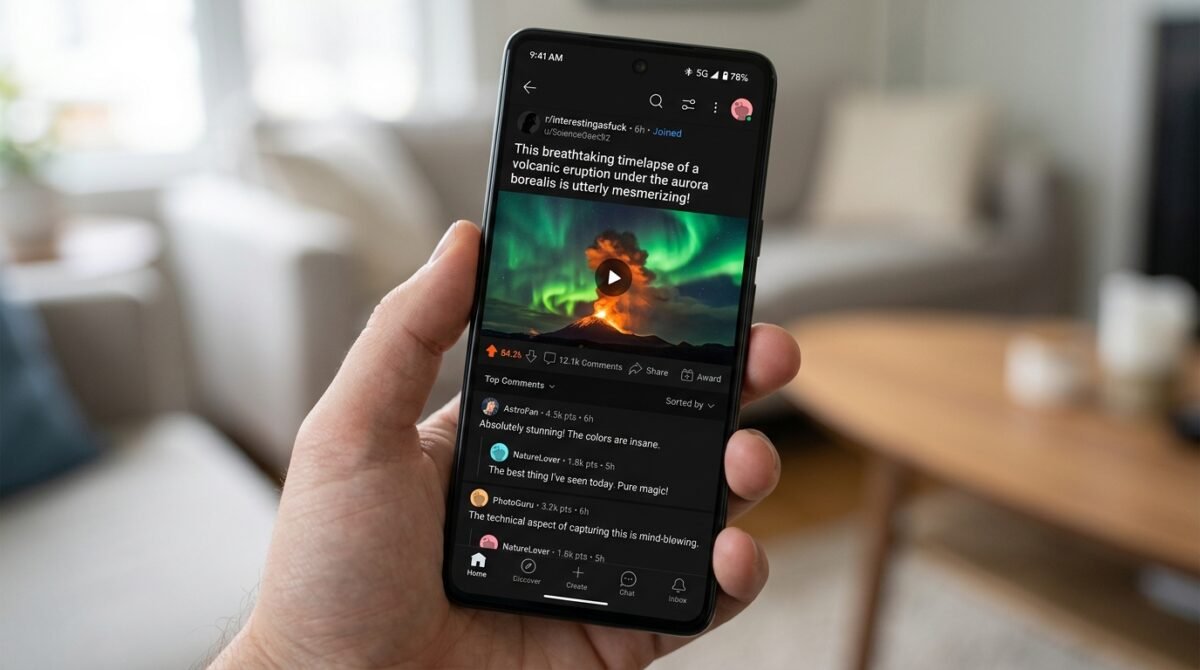
I knew I needed to validate my actions, so I took to the internet. I posted the entire story on a popular forum dedicated to roommate dilemmas. I kept the names changed, but the details were all there. I wanted to see if I was actually the villain in this story, as Sarah and Mark had claimed. Within hours, the post had blown up, with thousands of comments pouring in from all corners of the internet.
The consensus was overwhelming. People were shocked, not at my actions, but at the sheer gall of my roommate and her boyfriend. It was validating to see that my boundaries weren’t just reasonable; they were the absolute minimum expected in any shared living arrangement. The community didn’t hold back in their assessment of the situation.
“NTA (Not The Asshole). You are not a charity, and your apartment is not a shelter for unemployed boyfriends. You held out far longer than most people would have. Change the locks to the front door next.”
— u/ReasonableObserver (Top Comment, 28.5k upvotes)
Another commenter pointed out the legal side of things, giving me even more confidence in my decision. They warned me to document everything, just in case things turned litigious. It was a stark reminder that this wasn’t just a personal spat; it was a potentially complex legal situation. I started gathering my documents—the lease, the utility bills, the text messages, and the grocery receipts. Everything was organized and ready to be presented if needed.
Seeing the support from strangers made me realize that I wasn’t crazy. I wasn’t being ‘petty’ or ‘cold.’ I was simply asserting my rights. The feeling of solidarity was profound. It gave me the strength to follow through with the eviction process, knowing that I had the moral high ground and a community of people backing me up. It wasn’t just about the money anymore; it was about standing up for myself.
The Packing Panic
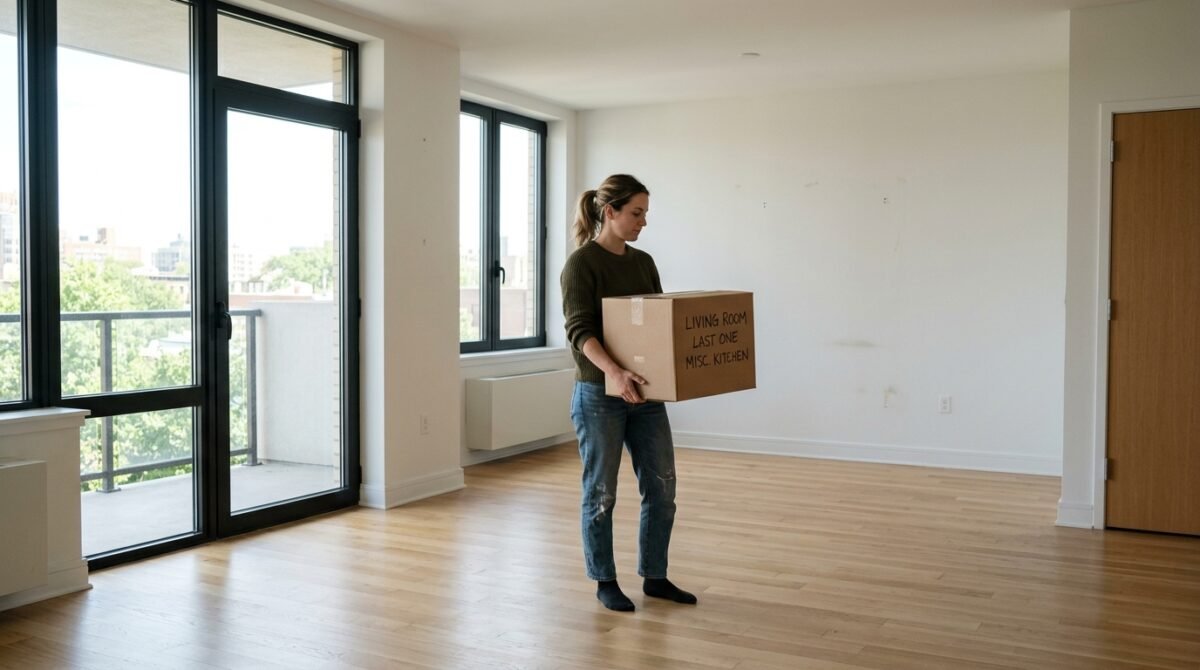
When the 48-hour deadline arrived, the atmosphere in the apartment had shifted from anger to desperation. They hadn’t come up with the money, and they hadn’t found a place to move to. I found Mark frantically packing his things into a duffel bag, while Sarah was crying in the corner. It was a scene of pure, unadulterated consequence. They had gambled on my patience, and they had lost.
I didn’t gloat. I didn’t rub it in. I simply stood by the door with a trash bag, helping them clear out the remaining items that were cluttering up the common areas. It was a somber process, but it had to be done. Every item I cleared away felt like a weight being lifted. The apartment was finally becoming mine again.
“I hope you’re happy. You’re destroying a friendship over a few hundred dollars. We would have paid you back eventually.”
“It was never about the money, Sarah. It was about the respect. You never cared about what I needed, so I stopped caring about what you wanted.”
— A final, quiet parting exchange
They left in a flurry of slammed doors and muttered insults. Watching them walk out the front door for the last time, I felt a wave of relief that was almost overwhelming. The apartment was quiet, the fridge was unlocked, and the Wi-Fi was mine alone. I sat down on the couch, looked around at the clean, empty space, and finally breathed a sigh of relief. It was over.
I spent the next few hours deep cleaning the entire apartment, scrubbed every surface they had touched, and rearranged the furniture to make it feel like home again. It was a symbolic cleansing of the space. I wanted every trace of their presence gone. By the time I went to bed that night, the apartment felt entirely different—it felt safe, it felt peaceful, and it felt like it finally belonged to me again.
The Aftermath and the New Lease on Life

The weeks that followed were a period of intense personal recovery. I had spent so much time being defensive and anxious that it took a while to settle into a new, normal routine. I started hanging out with friends who actually respected my boundaries, and I focused on my career. The financial strain of the past few months began to ease as I managed my own budget without the burden of subsidizing anyone else’s lifestyle.
I occasionally heard rumors about Sarah through mutual friends. Apparently, they had moved into her parents’ basement and were struggling to make ends meet. I didn’t feel bad for them; I felt a sense of detachment. Their situation was a consequence of their own choices, not a result of my actions. I had learned a valuable lesson about the importance of setting boundaries early and enforcing them consistently.
“Looking back, I realize I was the one who enabled this for too long. I thought being nice was the same thing as being a good friend, but I was just being a doormat.”
— Reflecting on the lessons learned
I also decided to update my lease, ensuring that I was the only person with the authority to add or remove tenants in the future. It was a small, bureaucratic change, but it gave me a sense of security that I hadn’t had before. I was no longer going to be the person who let others dictate the terms of my life. I was in charge, and I was going to keep it that way.
Looking back, the entire experience was a catalyst for change. I became more confident in my communication, more assertive in my personal and professional life, and more aware of the people I chose to surround myself with. The ‘freeloading’ incident was a painful lesson, but it was one that I’m ultimately grateful for. It showed me exactly who my true friends were and who was just looking for a place to crash.
Reflecting on the Boundaries of Friendship

The most important realization I had was that true friendship cannot exist without mutual respect. If one person is consistently taking from the other, it’s not a friendship; it’s an exploitation. I had spent years thinking that being a ‘good friend’ meant making sacrifices, but I realized that my own well-being had to be my priority. You cannot pour from an empty cup, and I had spent all of my energy trying to fill theirs.
I also learned the importance of communicating boundaries clearly and early. If I had sat Sarah down after the first week and told her that Mark could not live with us, the entire conflict could have been avoided. Instead, I waited until I was resentful, which only made the confrontation more explosive. It was a lesson in the power of being direct, even when it’s uncomfortable.
“Boundaries are not walls to keep people out; they are fences to protect what matters. You have the right to define what those boundaries are.”
— A thought on personal growth
Ultimately, I’m glad it happened the way it did. The intensity of the conflict forced me to confront my own habits and tendencies. It pushed me out of my comfort zone and helped me grow into a person who stands up for their own needs. The apartment is quiet, but it’s a good kind of quiet. It’s the sound of peace, of independence, and of a boundary well-maintained.
If you find yourself in a similar situation, don’t wait until you’re at your breaking point to take action. Set your expectations clearly, communicate your needs directly, and don’t be afraid to enforce your boundaries. Your home is your sanctuary, and you have every right to protect it. You’re not being mean; you’re being responsible for your own life and happiness.
The Final Verdict
Looking back at the entire saga, I’ve had many people ask if I regret the way I handled it. They ask if I could have been more ‘diplomatic’ or if I should have given them more ‘grace.’ My answer is always the same: I gave them all the grace I had, and they treated it like a weakness. I don’t regret the lock, I don’t regret the Wi-Fi, and I certainly don’t regret the ultimatum.
The internet, as it turns out, was right. There are certain lines you simply cannot cross in a shared living situation. Once those lines are crossed, the relationship changes fundamentally. You can’t go back to the way things were once trust has been broken. And for me, that’s okay. I’d rather have a peaceful apartment and a few less ‘friends’ than a house full of drama and resentment.
“I learned that it’s okay to be the villain in someone else’s story if it means being the hero of your own.”
— The final lesson
I’ve moved on, and so have they. I hear they’re doing fine in their own way, and I’m doing fine in mine. The apartment is still mine, and it remains a place of peace. I still have the locks, but I rarely use them—the message was clear enough. It’s a strange feeling, being completely in control of your own space, but it’s one I wouldn’t trade for anything.
If there’s one piece of advice I can give to anyone going through something similar, it’s this: trust your gut. If something feels off, it usually is. You don’t need to justify your boundaries to anyone. You are the architect of your own home, and you have the absolute right to decide who stays and who goes. Don’t let anyone make you feel guilty for simply asking for the respect you deserve.
Conclusion
The story of my roommate and her boyfriend is a classic tale of boundary erosion, but it’s one that I hope serves as a reminder that we all deserve peace in our own homes. It wasn’t just about the Wi-Fi or the fridge; it was about reclaiming the agency that had been stripped away by someone else’s lack of respect. I’m stronger, wiser, and much more protective of my personal sanctuary now.
What about you? Have you ever had to draw a hard line with a friend or roommate, or have you been the one caught in a messy living situation that got out of hand? Share your thoughts and stories below—I’d love to hear how you handled your own personal dilemmas!
Poll: What was the most justifiable action in this story?
- Changing the Wi-Fi password
- Installing the fridge lock
- Giving the 48-hour move-out notice
- All of the above
What's your verdict on this dilemma?
Vote below to contribute to the official community consensus.

Have a Dilemma Keeping You Up at Night?
Share your real-life feud, wedding chaos, or relationship crossroads anonymously with our editorial team.
What do you think ?
0 Comments🛡️ Comments are moderated to protect community integrity. Your comment will appear once approved by the editorial team.