
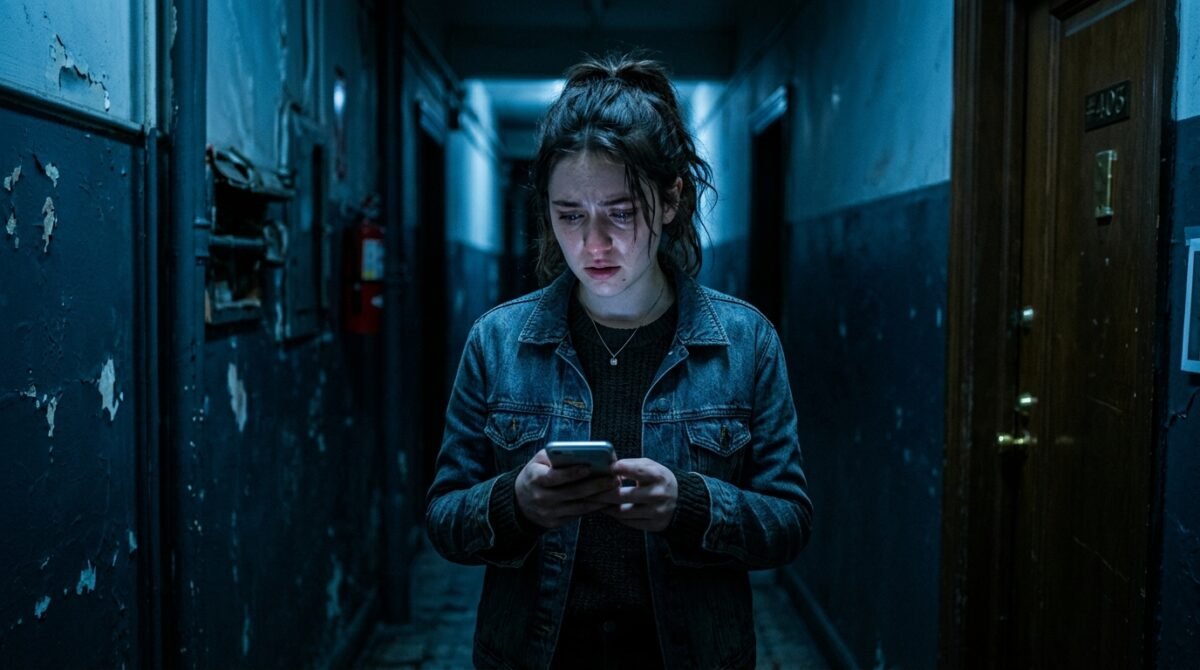
Twenty years is a long time. It is long enough to finish childhood, graduate from university, navigate the treacherous waters of your early twenties, and build a life that is entirely, vibrantly your own. For me, those twenty years were marked by a singular, persistent silence from the man whose DNA I carry—a man who walked out on my mother and me when I was barely five, leaving behind nothing but a stack of unpaid bills and a lingering sense of abandonment that shaped every insecurity I’ve ever had.
I had successfully buried the ghost of my father under a mountain of therapy bills and self-actualization. I was content, stable, and firmly resolved that he was a relic of a past I didn’t care to revisit. That was until the phone call came. It wasn’t him, of course. It was my aunt—his sister—a woman I hadn’t spoken to since the elementary school days when she would occasionally visit to apologize for his “complex nature.” Her voice was tremulous, urgent, and dripping with the kind of performative guilt that only family members can master.
She told me he was dying. Leukemia, or something equally devastating that required a bone marrow transplant to survive. And, by some cruel trick of biological fate, I was the only match in the registry that wasn’t a stranger. The expectation wasn’t just implied; it was draped over the conversation like a heavy, suffocating wool blanket. I was expected to drop everything, undergo an invasive procedure, and provide life-saving cells to a man who hadn’t once asked if I had enough to eat for dinner in two decades.
The moral dilemma felt like a trap designed by someone who values legacy over human dignity. Was I a monster for refusing to save a man who had already effectively killed his role as my father? Or was I finally setting the boundary that should have been set the moment he walked out that door? As the pressure mounted from relatives I barely knew, I realized this wasn’t about saving a life—it was about testing whether I would sacrifice my autonomy for a man who never gave me a reason to value his.
The Unexpected Caller and the Weight of DNA
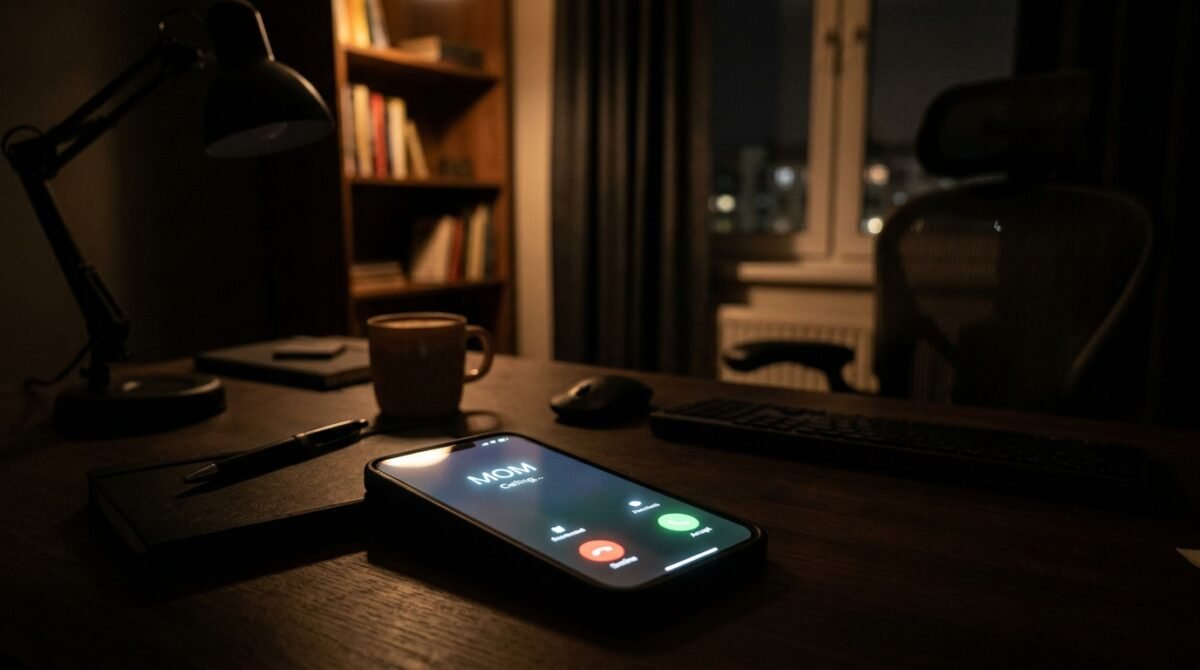
The phone rang on a Tuesday evening, a time usually reserved for catching up on emails and planning the next day’s schedule. When I saw my aunt’s name flash on the screen, my stomach dropped—a visceral, ancestral reaction to a name I hadn’t associated with anything positive since the Clinton administration.
She didn’t waste time with pleasantries. She went straight to the medical crisis, recounting the diagnosis with the practiced somberness of a funeral director. She spoke of white blood cell counts and failed chemotherapy cycles, painting a picture of a man fading away. I listened, my heart rhythm remaining unnervingly steady, even as she described his ‘desperate’ condition.
“He’s your father, and this is the only way. You’re his only hope, the only match. Surely you can find it in your heart to put the past aside for a few days to save his life?”
— Aunt Sarah, during our first call
I felt a strange, cold detachment. The ‘past’ she referred to wasn’t a misunderstanding; it was a decade of my mother working double shifts while he spent his child support money on gambling debts and ‘creative pursuits.’ Hearing her plead for his life felt like a bizarre role reversal. Why was I the one being asked for a miracle?
I asked her if he even knew she was calling me. The silence on the other end was deafening. She admitted he was ‘too proud’ to ask himself, but that he was ‘hoping’ for a miracle. It was the ultimate manipulation—using a medical diagnosis as a lever to force a reconciliation he hadn’t even had the courage to initiate.
The Family Group Chat Explosion
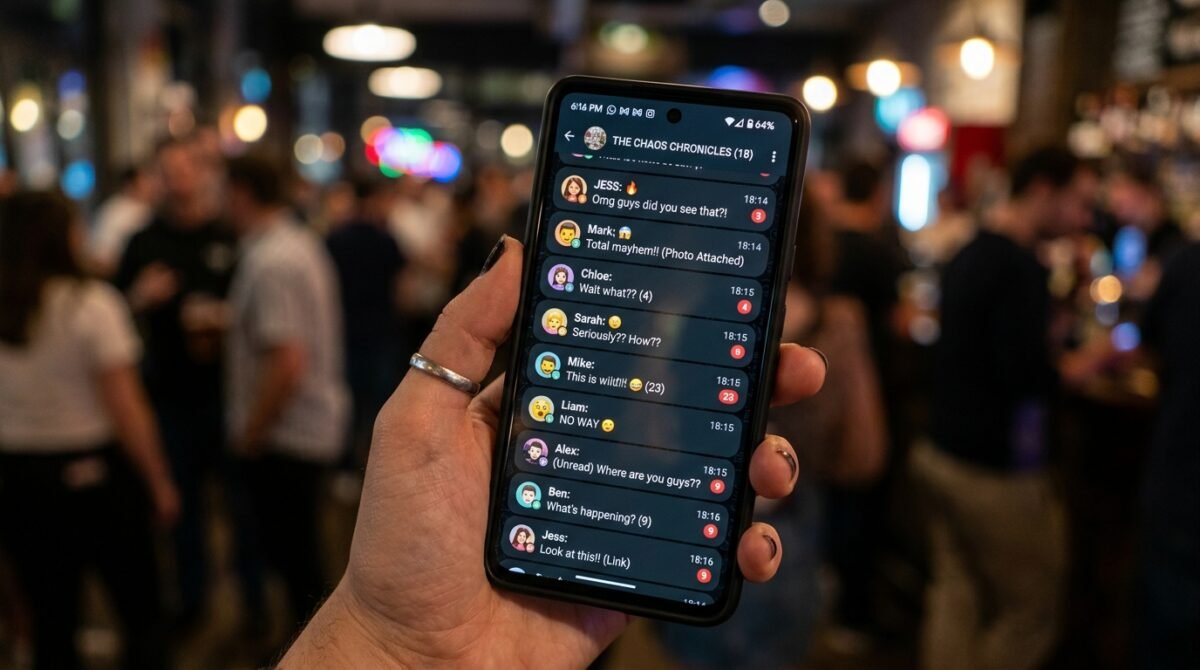
Within hours of that phone call, the floodgates opened. My phone became a hotbed of notifications, a digital theater of guilt and shame. My aunt had apparently taken the liberty of messaging the entire extended family, painting me as the cold-hearted child who was going to let her brother die.
I was added to a group chat titled ‘Help Dad Live,’ a name that made me physically ill. My phone vibrated incessantly as cousins I hadn’t spoken to in years chimed in with their unsolicited opinions, their messages alternating between pity for my father and outright hostility toward me.
“I can’t believe you’re being this selfish. He made mistakes, but he’s family. You’re literally holding his life in your hands. Do you want his death on your conscience for the rest of your life?”
— Cousin Marcus, in the family group chat
The messages ranged from moral lecturing to veiled threats about my future relationship with the family. It was clear that in their eyes, my existence was merely a support system for him. They weren’t interested in why I had been gone; they were only interested in my utility.
I sat on my sofa, reading through the insults, my thumb hovering over the ‘Leave Group’ button. The sheer audacity of these people, many of whom hadn’t checked on my mother during the years we struggled to stay afloat, was breathtaking. They demanded blood and marrow while offering zero empathy for the scars they had ignored for twenty years.
The Hospital Visit I Never Requested
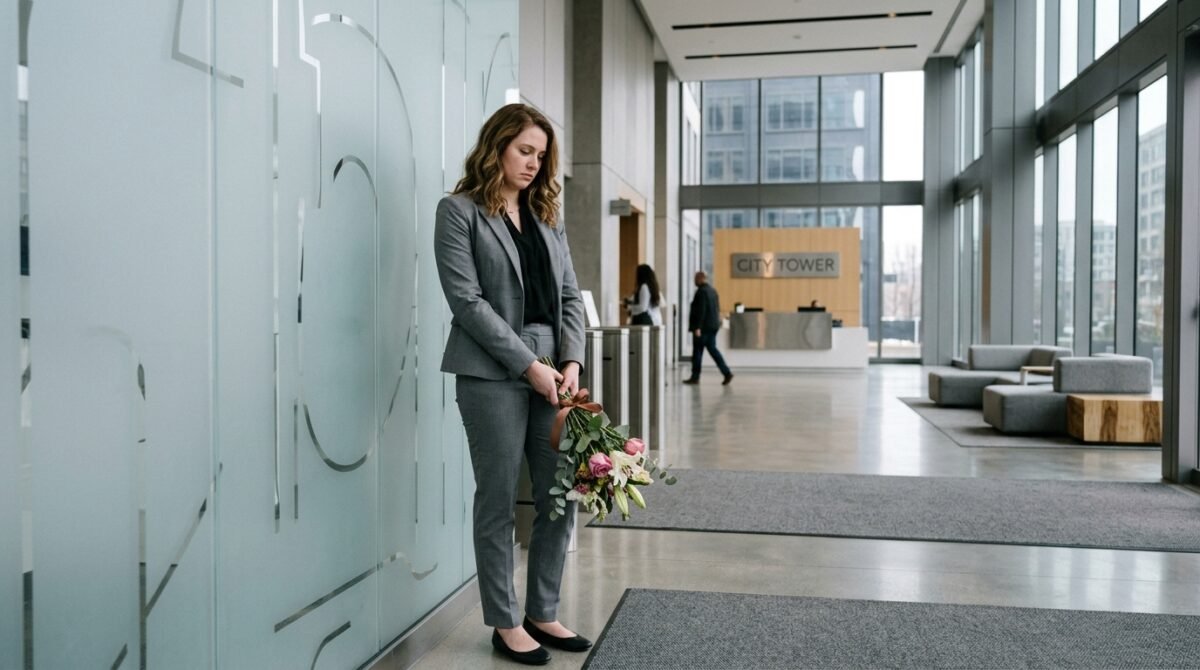
The pressure didn’t stop at digital harassment. Two days later, my aunt showed up at my workplace, a move that sent my heart rate into a dangerous spike. Seeing her in the lobby, clutching a bouquet of flowers like a peace offering, I felt a flash of genuine anger. She had no business coming here.
She cornered me near the elevators, her eyes darting around as if she were worried someone would witness her ‘heroic’ attempt to save her brother. She started talking about how my father had ‘changed’—that he was a different man now, full of regrets and wanting to apologize. I cut her off mid-sentence.
“If he wants to apologize, he can pick up a phone. He hasn’t called in twenty years. Why should I provide him with life-saving marrow when he never provided me with a shred of security or love?”
— My response to my aunt in the building lobby
Her face fell, replaced by a mask of indignation. She argued that my refusal was a form of ‘spiritual murder,’ a phrase that sounded so dramatic it was almost laughable. I watched her struggle to maintain her composure, realizing that she didn’t actually care about my well-being—she just wanted the conflict resolved so she could feel like a good person.
I walked away from her, leaving her standing in the lobby. I felt a surge of liberation. For the first time in my life, I didn’t owe an explanation to the people who had abandoned me. I was reclaiming my life from the wreckage of their expectations.
The Legal and Ethical Mirage
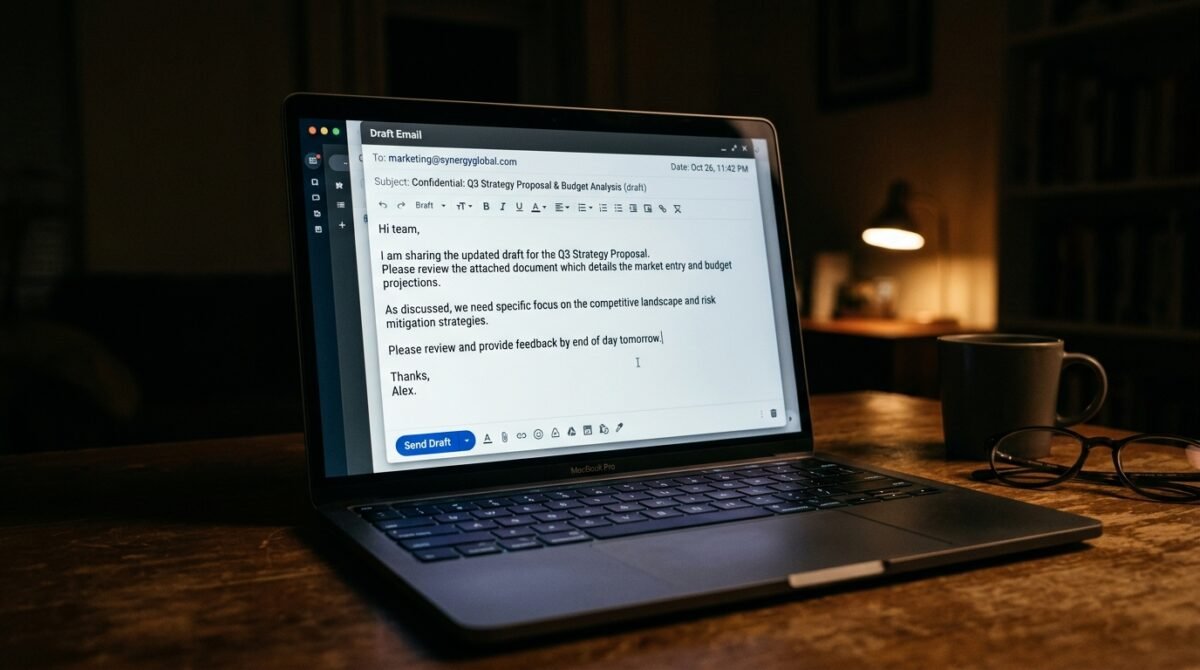
The next day brought an email from a lawyer, or someone claiming to be one, threatening me with potential ‘legal liabilities’ if I didn’t cooperate. It was a laughable attempt to scare me, but it highlighted how far they were willing to go. They were treating my body like a public resource, something to be tapped into whenever the patriarch of the family faced a crisis.
I did my own research, consulting with a doctor friend who specialized in hematology. She looked at me with genuine concern when I told her the situation. She explained the process: the anesthesia, the recovery, the potential complications. It wasn’t a minor favor; it was a major surgical procedure. And she confirmed something I already knew: nobody can force you to donate.
“Your body is not a vending machine for his survival. You are an autonomous adult. You are not obligated to undergo any medical procedure for anyone, regardless of the biological connection.”
— Dr. Elena, my confidante
Hearing that from a medical professional grounded me. The fear they were trying to instill was based on a lie—that I was somehow legally or morally bound to him because of the circumstances of my birth. I realized that the guilt they were pushing was a social construct, designed to keep people in line.
I spent the evening writing a response to the ‘lawyer’s’ email, stating clearly that I would not be participating and that any further attempts to contact me regarding this matter would be treated as harassment. It was the most empowering document I have ever written.
The Confrontation in the Coffee Shop
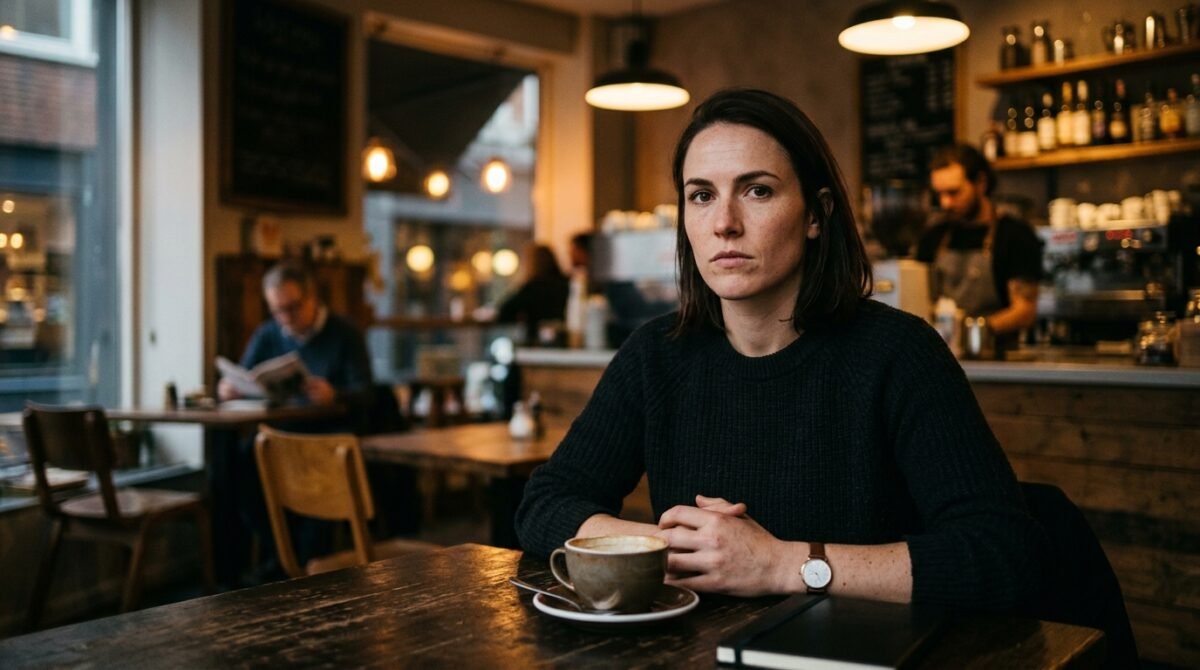
A few days later, my father’s former best friend contacted me. He wanted to meet for coffee, claiming he had information I needed to know. I agreed, mostly out of morbid curiosity. We met in a quiet, corner shop, and he proceeded to tell me how my father had been ‘praying’ for a chance to make amends.
He described my father’s room, the sterile smell of the hospital, and the way he looked at the ceiling, dreaming of a chance to be a father again. It was a performance, and I was the reluctant audience. I let him talk for twenty minutes before I finally spoke.
“Did he ever ask about my graduation? Did he ever send a card on my birthday? Or did he just sit there, waiting for the day he might need my bone marrow?”
— My question to my father’s friend
The friend had no answer. He shifted in his seat, his eyes avoiding mine. The silence that followed was heavy with the weight of twenty years of neglect. He had no defense, because there was no defense. My father had simply chosen not to be a part of my life.
I walked out of that coffee shop leaving the bill for him to pay. It felt like a small, symbolic gesture of reclaiming the resources that had been diverted away from me for so long. I wasn’t just a donor; I was a person who had been profoundly wronged, and no amount of ‘deathbed repentance’ could fix that.
The Internet Weighs In: A Snapshot of the Reddit Debate
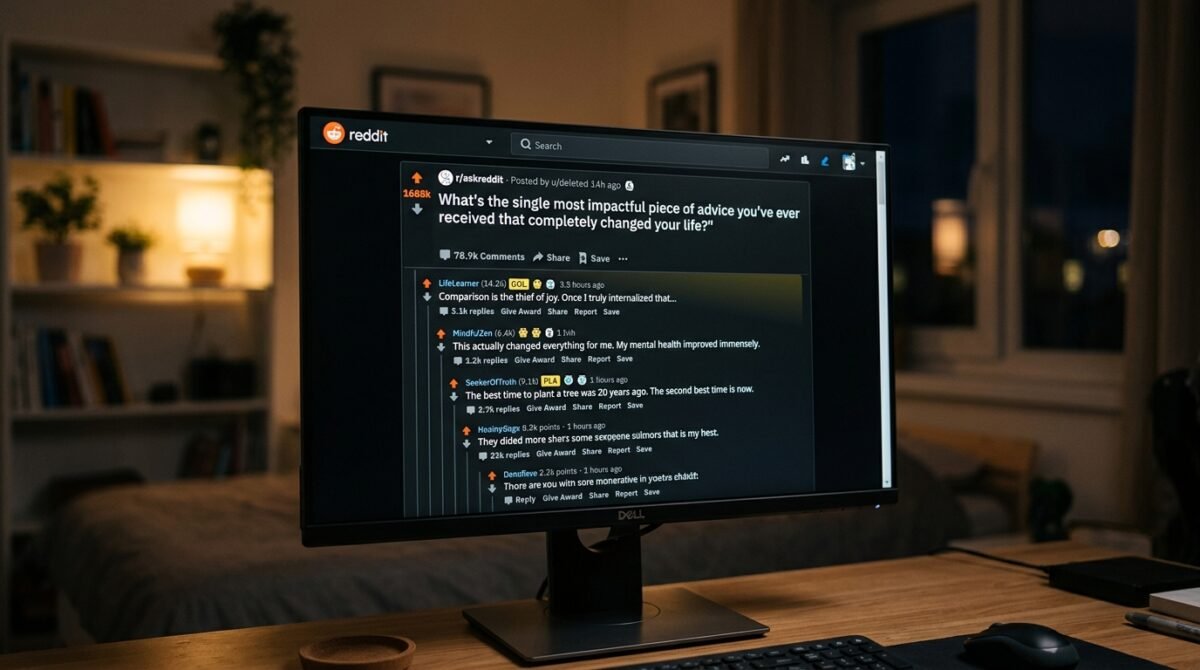
I finally decided to take the story to an anonymous forum. I needed to know if I was truly the villain they made me out to be. The response was overwhelming. Within hours, the thread had thousands of comments, and the consensus was not what my family expected.
People from all over the world shared their own stories of estrangement and the unrealistic expectations placed on them by biological ‘parents.’ The sheer volume of support for my decision was cathartic. It wasn’t just me; thousands of people felt the same way about the sanctity of personal bodily autonomy.
“NTA. Your body, your choice. You are not an organ bank for someone who couldn’t be bothered to be a father. You owe him nothing. Do not let them guilt you into a surgery you don’t want.”
— u/JusticeForOP, 45k upvotes
There were dissenting voices, of course, mostly from people who believed in the ‘sanctity of family’ above all else. But for every one of those, there were ten more explaining why blood doesn’t make a family. It was a validation that I had been craving for years.
Reading through the comments, I realized that I wasn’t just defending myself—I was defending the right to exist apart from the people who had hurt me. The internet had given me the perspective I couldn’t find in my own small, insular circle of relatives.
The Final Ultimatum from the Hospital Bed
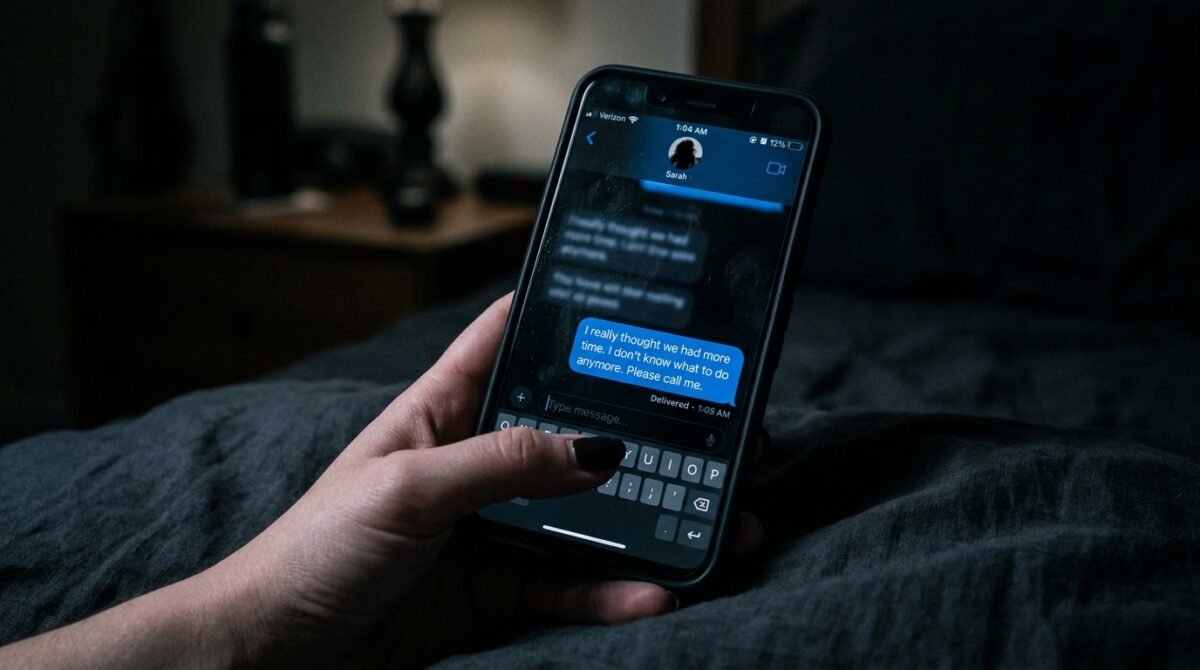
Eventually, the messages stopped coming from my aunt and started coming from an unknown number. It was my father. He didn’t use my name, just a generic ‘please, daughter.’ The messages were sporadic, filled with typos and desperate pleas for ‘one last chance’ to be a family.
They were pathetic. I read them with a clinical eye, watching for any sign of genuine remorse. There was none. It was all about his survival, his fear, his desire to live. He wanted me to save him, but he didn’t want to do the work of building a relationship from the ground up.
“I don’t have much time. Please, don’t let me die. I want to talk to you. I want to tell you why I left.”
— A text message from my father
I replied only once. I told him that if he had something to say, he could write it down in a letter and send it, but that I would not be coming to the hospital for any medical purpose. The letter, if it ever came, would have to stand on its own merits. I didn’t hold my breath.
He never sent the letter. The silence that followed was the final answer. He didn’t want to talk; he wanted the marrow. And when he realized he wasn’t going to get it for free, he gave up on the conversation entirely.
Navigating the Fallout and Disowning the Enablers

The aftermath was messy. I had to block several family members who wouldn’t stop pestering me. I had to set firm boundaries with my mother, who, while supportive of my choice, struggled with the ‘what if’ scenarios that the rest of the family kept planting in her head.
It was a period of intense pruning. I realized that many of the people I thought were ‘family’ were actually just conduits for my father’s influence. I had to cut ties with them to preserve my own mental health. It felt like a surgical procedure of its own—removing the toxic elements to allow the rest to heal.
“I am not going to discuss this anymore. If you want to talk about my father, do it with someone else. If you want to talk to me, respect my decision.”
— My response to a persistent cousin
I spent weekends focusing on my own hobbies, my own life, and my own joy. I started therapy specifically to process the finality of this decision. The relief was palpable. I wasn’t just surviving; I was thriving, free from the shadow of a man who had never really been there.
My mother finally came around, too. She saw the peace I had found and realized that my father’s potential passing was just another event in his life that didn’t have to define ours. We spent evenings cooking, laughing, and ignoring the outside world.
The Quiet Passing and the Final Silence

The news of his death came three months later, not through a phone call, but through a short, sterile email from his estate lawyer. He had passed away, surrounded by the people who had spent months trying to convince me to sacrifice myself for him. I felt… nothing. No grief, no anger, just a strange, hollow sense of completion.
I didn’t attend the funeral. I heard there were people there who whispered about the ‘ungrateful daughter’ who wouldn’t give her own marrow. I didn’t care. I was at work, doing my job, living my life, and feeling completely justified in my choice.
“He’s gone. It’s over. We can finally stop looking over our shoulders.”
— My mother, the day we received the news
I realized then that his death hadn’t changed anything about our dynamic. The trauma had already occurred years ago. His passing was just the final period at the end of a long, miserable sentence that I had been forced to endure for far too long.
I donated to a cancer research charity that week—not for him, but for all the people who actually needed help and hadn’t spent their lives abandoning their responsibilities. It felt like the right way to close that chapter.
Reflecting on the Boundaries I Built

Today, I am stronger for having made that choice. I learned that the most important relationship you have is the one you have with yourself. I chose to value my own life over the demands of a man who never demonstrated that he valued mine.
People often ask if I regret it. The answer is always a firm ‘no.’ I regret that it came to that, of course. I regret that he didn’t live a better life, and that his ending was so fraught with entitlement. But I do not regret my choice to say no.
“Boundaries are not a punishment; they are a form of self-love. You have the right to exist without being used.”
— My therapist, during our final session on the topic
I have built a life that is defined by my own choices, not by the legacy of a man I barely knew. I have friends who love me for who I am, not for what I can provide for them. I have a sense of self-worth that isn’t tied to the approval of a biological parent.
This story isn’t just about bone marrow; it’s about the right to set boundaries in the face of immense pressure. It’s about knowing your own value when everyone else is trying to tell you that you’re just a means to an end. It’s about choosing you.
Conclusion
Looking back at the events of the last year, it is clear that the most difficult part wasn’t the refusal itself, but the internal battle against the societal conditioning that demands we sacrifice everything for ‘family.’ We are told that blood is thicker than water, that parents are owed our loyalty regardless of their actions, and that we are monsters if we don’t act as a savior in their final hours.
But the reality is that family is built on consistency, love, and respect—not just shared genetics. When those things are absent for decades, the biological link becomes irrelevant. I didn’t kill my father; he killed the relationship when he walked out of my life twenty years ago. All I did was refuse to be an accessory to a man I didn’t know.
I hope that if you are reading this and find yourself in a similar position, you realize that your body and your life are yours alone. You are not a spare parts bin for people who only want you when they need something. You are a person with rights, feelings, and a future that is entirely yours to shape.
What about you? Have you ever had to draw a hard line with family members who tried to guilt you into a situation that compromised your own well-being? Let’s talk about it in the comments below.
What's your verdict on this dilemma?
Vote below to contribute to the official community consensus.

Have a Dilemma Keeping You Up at Night?
Share your real-life feud, wedding chaos, or relationship crossroads anonymously with our editorial team.
What do you think ?
0 Comments🛡️ Comments are moderated to protect community integrity. Your comment will appear once approved by the editorial team.